
12 Foods That May Help Support a Healthy Inflammatory Response
Inflammation isn’t always a bad thing—it’s part of your body’s natural healing process. Problems arise when inflammation lingers for weeks, months, or even years, potentially contributing to issues ranging from joint discomfort and fatigue to heart disease and metabolic concerns. While no single food can eliminate inflammation on its own, research continues to show that certain nutrient-rich foods can help support a healthier inflammatory response when included as part of an overall balanced diet. From colorful produce to healthy fats and fermented favorites, these foods offer a delicious way to support long-term wellness.
Fatty Fish

Salmon, sardines, mackerel, and trout are among the richest sources of omega-3 fatty acids, particularly EPA and DHA. These healthy fats have been widely studied for their role in supporting heart health and helping regulate inflammatory processes throughout the body. Experts often recommend eating fatty fish at least twice per week as part of a balanced eating pattern. Grilled, baked, or added to salads, these fish provide both nutrition and satisfying flavor.
Turmeric

Turmeric has been used in traditional cooking and wellness practices for centuries, and modern research continues to explore its potential benefits. Its active compound, curcumin, is believed to help influence pathways involved in inflammation. Pairing turmeric with black pepper may improve curcumin absorption, making it more effective. Add it to soups, roasted vegetables, rice dishes, or golden milk for a flavorful boost.
Blueberries
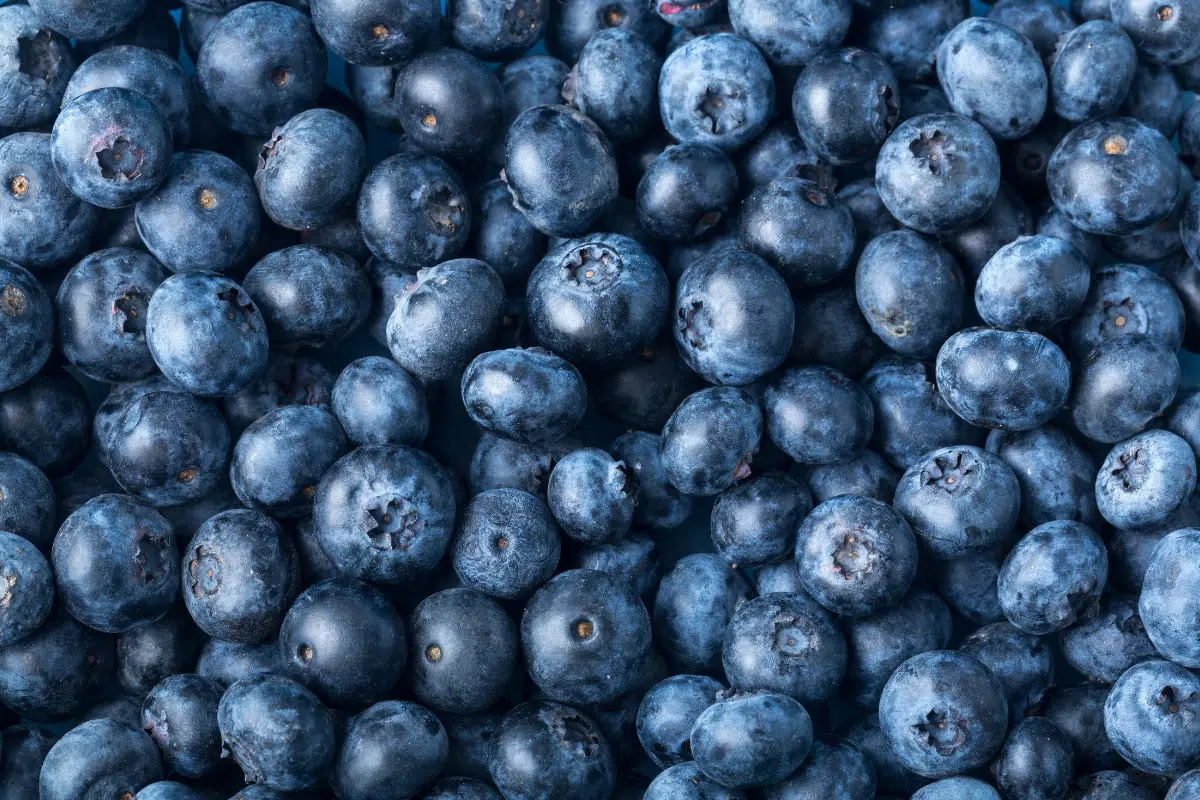
Blueberries are packed with anthocyanins, the natural plant compounds responsible for their deep blue color. These antioxidants help protect cells from oxidative stress, which is closely linked to chronic inflammation. They’re also rich in fiber and vitamin C, making them a nutritional powerhouse. Enjoy them fresh, frozen, blended into smoothies, or sprinkled over yogurt and oatmeal.
Extra Virgin Olive Oil

Extra virgin olive oil remains one of the most studied foods associated with healthy aging and reduced inflammation. It contains beneficial monounsaturated fats along with polyphenols that may help support cardiovascular health. Unlike highly refined oils, extra virgin varieties retain more of these naturally occurring compounds. Drizzle it over vegetables, salads, grain bowls, or use it as the base for homemade dressings.
Ginger

Ginger contains naturally occurring compounds called gingerols and shogaols that contribute to its distinctive flavor and potential health benefits. It has long been used to support digestion, but researchers are also investigating its role in managing inflammatory responses. Fresh ginger adds brightness to stir-fries, marinades, and soups, while ginger tea offers a soothing option during cooler months. Even small amounts can bring significant flavor to meals.
Dark Leafy Greens
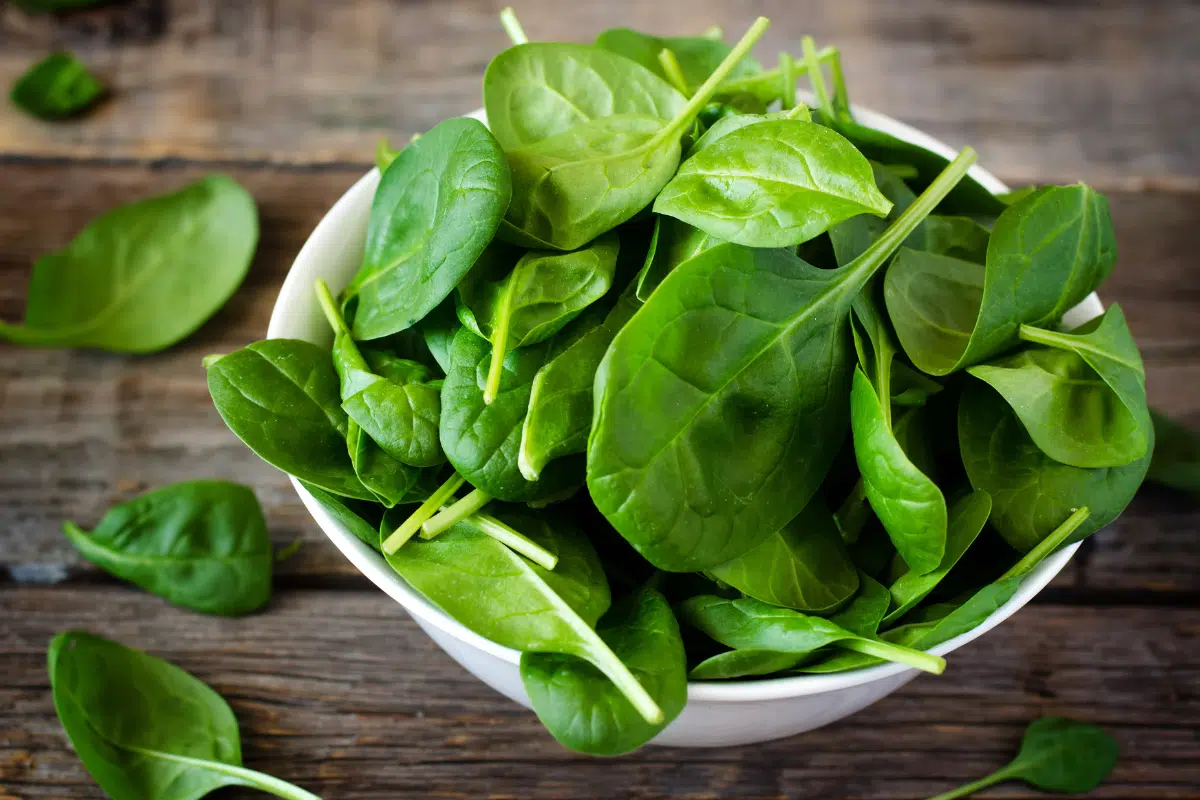
Spinach, kale, arugula, collard greens, and Swiss chard deliver an impressive combination of vitamins, minerals, fiber, and antioxidants. These nutrients help support overall cellular health and may help counter oxidative stress. Leafy greens are also remarkably versatile, fitting into smoothies, salads, soups, and pasta dishes. Rotating different varieties throughout the week can help diversify your nutrient intake.
Tomatoes
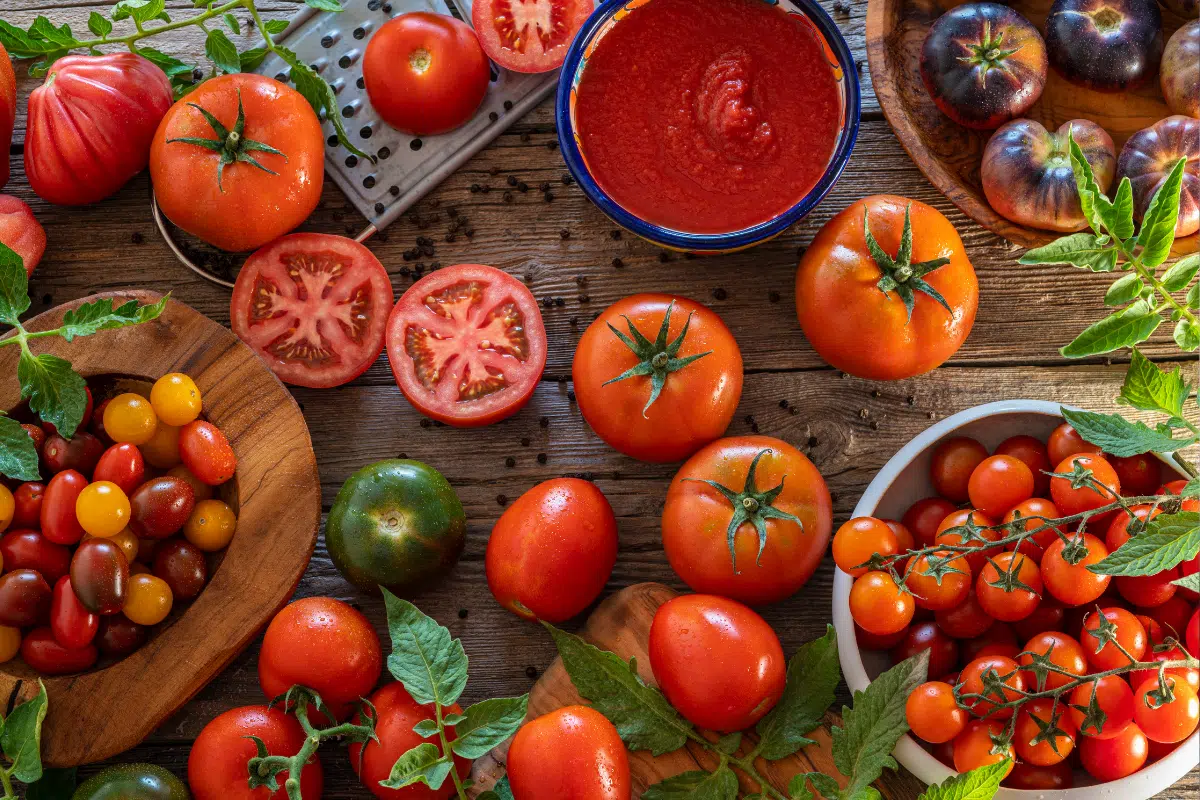
Tomatoes are one of the best dietary sources of lycopene, an antioxidant that has attracted attention for its potential anti-inflammatory properties. Interestingly, cooked tomato products such as tomato sauce and tomato paste often provide more absorbable lycopene than raw tomatoes. Tomatoes also contribute vitamin C, potassium, and other beneficial plant compounds. They work well in everything from soups and sauces to salads and sandwiches.
Green Tea

Green tea contains catechins, including EGCG, one of the most researched plant compounds linked to anti-inflammatory and antioxidant activity. Unlike sugary beverages, green tea provides hydration along with naturally occurring beneficial compounds. Many people enjoy it hot, but it can also be served iced for a refreshing alternative. Regular consumption is often associated with broader wellness benefits beyond inflammation support.
Dark Chocolate

Dark chocolate with a high cocoa content offers more than just a rich flavor. Cocoa contains flavanols, plant compounds that may help support healthy blood vessels and reduce oxidative stress. Choosing varieties with at least 70 percent cocoa generally provides the greatest concentration of these beneficial compounds while limiting added sugar. A small portion can be a satisfying way to enjoy a treat while still prioritizing nutrition.
Walnuts
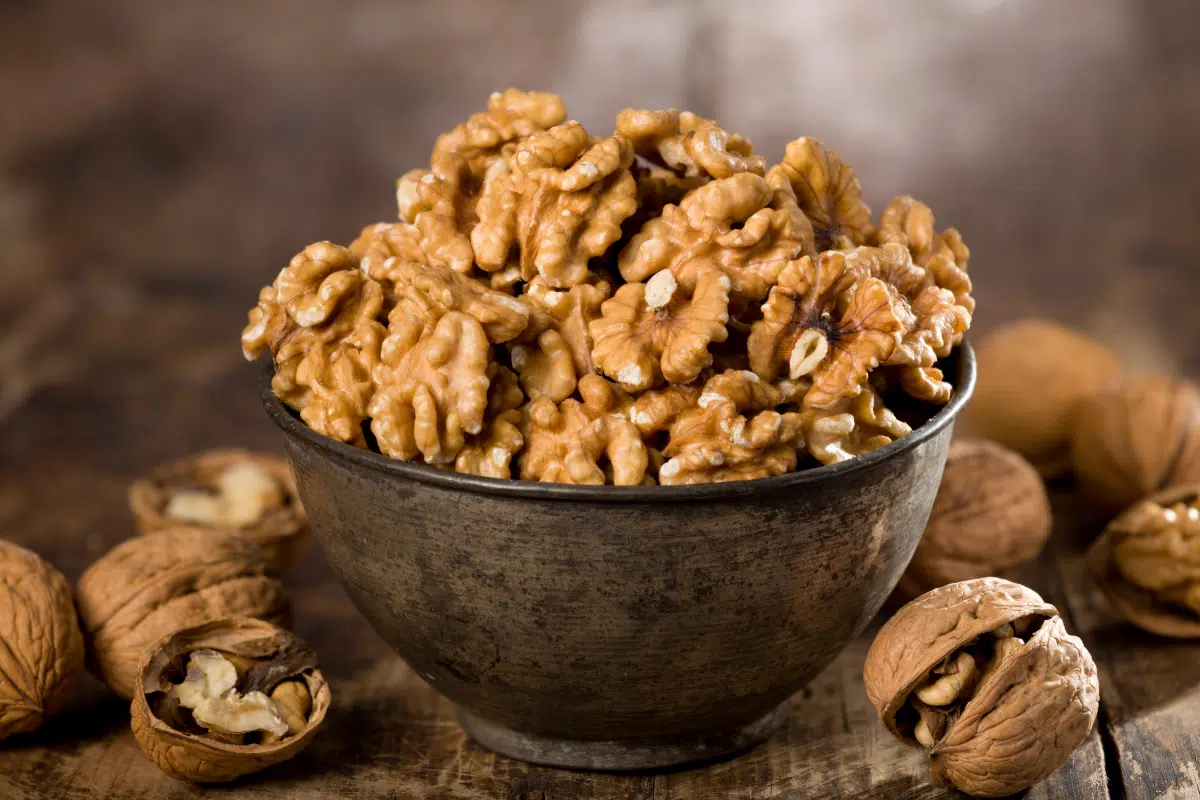
Among nuts, walnuts stand out for their plant-based omega-3 fatty acid content. They also provide antioxidants, fiber, and important minerals that support overall health. Studies continue to explore how regular nut consumption may benefit heart health and inflammatory balance. Enjoy walnuts as a snack, add them to oatmeal, or toss them into salads for extra crunch.
Sweet Potatoes

Sweet potatoes are rich in fiber, potassium, and beta-carotene, a pigment that the body converts into vitamin A. Their combination of complex carbohydrates and nutrients makes them a satisfying alternative to more heavily processed side dishes. The vibrant orange color signals the presence of beneficial plant compounds that contribute to overall wellness. Roasting brings out their natural sweetness while preserving much of their nutritional value.
Fermented Foods

Foods such as yogurt, kefir, kimchi, miso, and sauerkraut provide beneficial microbes that support a healthy gut microbiome. Scientists increasingly recognize the connection between gut health and inflammation throughout the body. While fermented foods aren’t a cure-all, regularly including a variety of them may help promote digestive balance. Look for products containing live and active cultures whenever possible.
This post may contain affiliate links or sponsored content. Disclosure Policy