8 Easy Ways to Give Beans More Flavor Without Oil
Beans are one of the most affordable, versatile, and nutritious foods you can keep in your kitchen. Yet many people assume they need plenty of oil, butter, or rich sauces to taste good. In reality, beans have an incredible ability to absorb flavor when they’re prepared thoughtfully. Whether you’re making soups, side dishes, salads, or hearty mains, these simple techniques can transform basic beans into something truly satisfying—without relying on added oil.
Season the Cooking Liquid for Flavor From the Inside Out

One of the biggest mistakes home cooks make is waiting until the end of cooking to season their beans. Beans absorb flavors as they simmer, making the cooking liquid just as important as the beans themselves. Adding salt, garlic cloves, onion pieces, bay leaves, peppercorns, or dried herbs to the pot creates layers of flavor that develop throughout the cooking process. The result is a batch of beans that tastes seasoned all the way through instead of only on the surface.
Brighten Beans With Acid Just Before Serving

A splash of acid can completely transform the flavor of a bean dish. Fresh lemon juice, lime juice, red wine vinegar, apple cider vinegar, or even a spoonful of pickle brine helps cut through the starchiness and makes flavors taste more vibrant. Because acidic ingredients can slow bean softening, it’s best to add them near the end of cooking. This simple finishing touch often makes beans taste fresher and more balanced.
Simmer With Aromatic Vegetables

Aromatics add depth and complexity without requiring additional fat. Onions, carrots, celery, scallions, garlic, and even leek tops slowly release their flavors into the cooking liquid as beans simmer. Many cooks also save vegetable scraps specifically for flavoring soups and bean dishes. Even a handful of simple aromatics can make beans taste like they’ve been cooking all day.
Replace Water With Broth
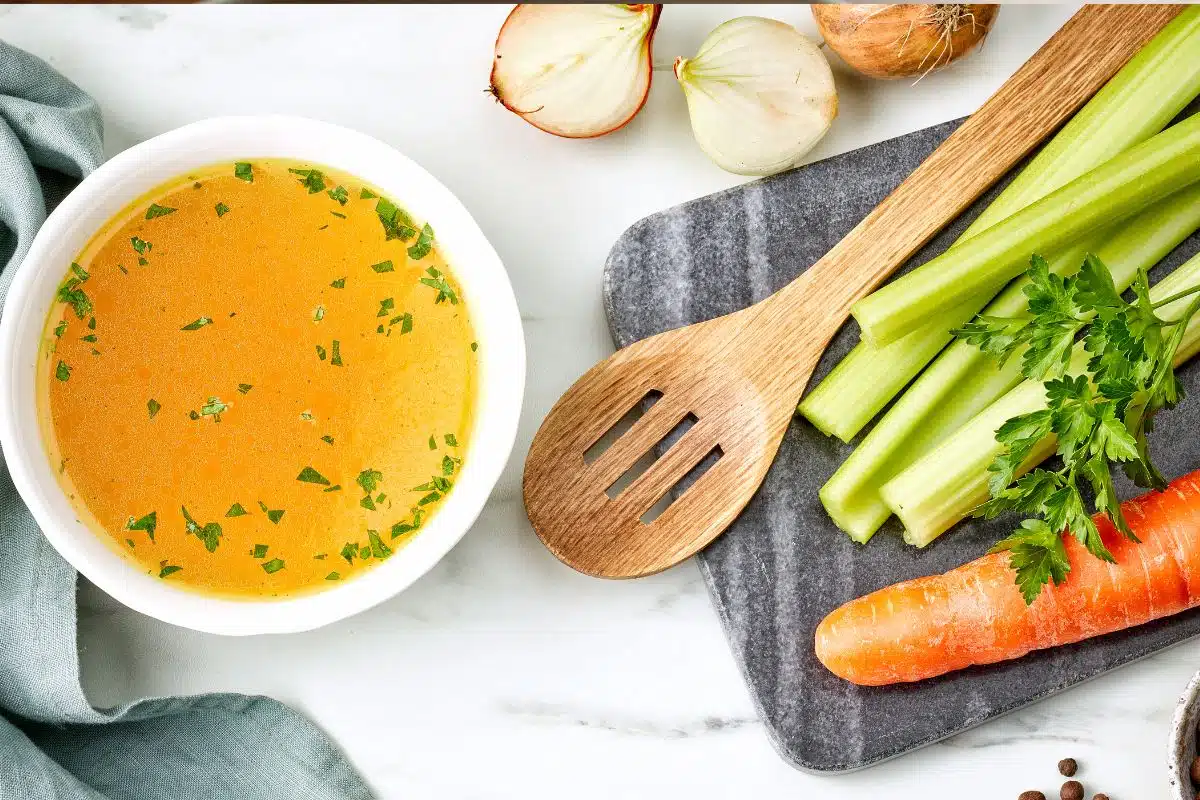
Cooking beans in broth instead of plain water is one of the easiest upgrades you can make. Vegetable broth, chicken broth, or homemade stock adds layers of savory flavor that water simply can’t provide. Even a mixture of half broth and half water can create a noticeable difference. This technique is particularly effective when making bean soups, stews, or side dishes.
Mash Some Beans for a Richer Texture

Texture plays a major role in how satisfying food feels. Mashing a small portion of cooked beans and stirring them back into the dish creates a naturally creamy consistency without adding oil, cream, or butter. This method works especially well in soups, chili, and bean-based stews. It also helps the flavors blend together more effectively.
Layer Spices and Herbs Throughout Cooking
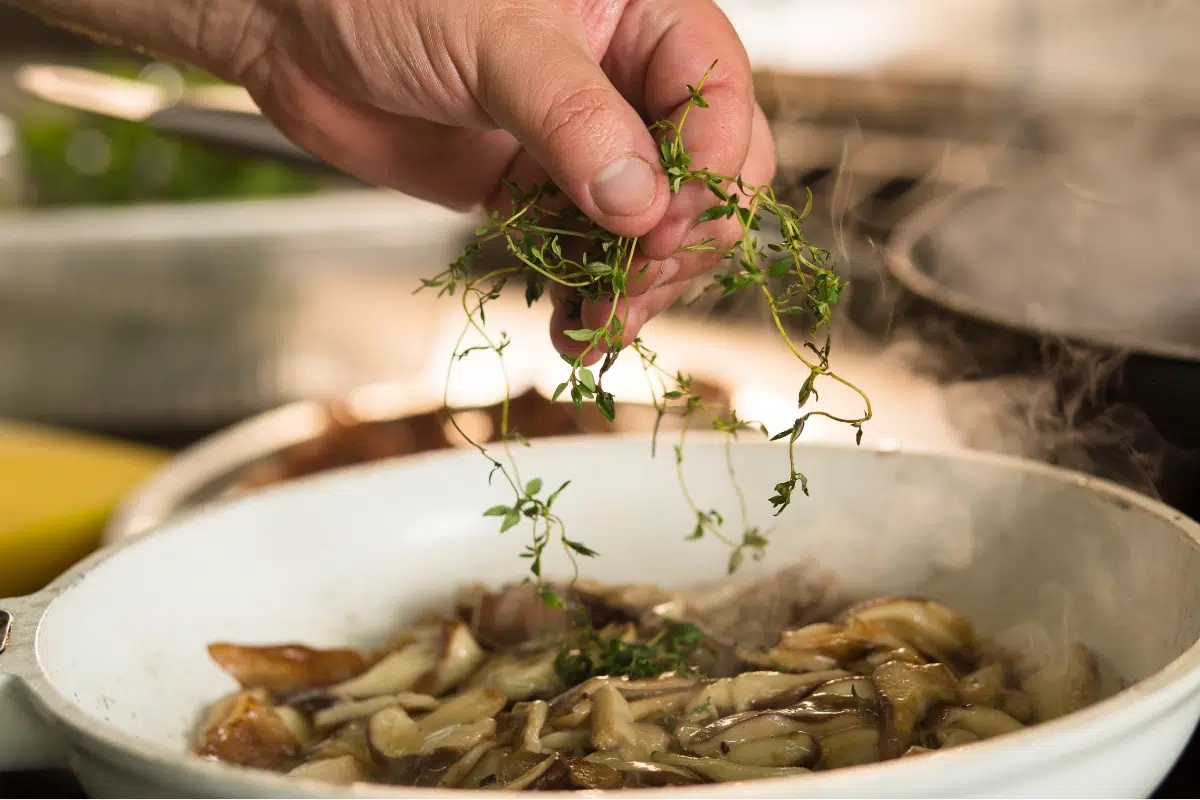
Building flavor in stages often produces better results than adding everything at once. Dried spices such as cumin, coriander, smoked paprika, oregano, and chili powder benefit from time in the cooking liquid to fully develop their flavors. Fresh herbs like parsley, cilantro, basil, or dill are best added near the end to preserve their bright taste. Using both dried and fresh seasonings creates a more complex and balanced dish.
Add an Umami-Rich Finishing Ingredient

Umami is the savory quality that makes foods taste richer and more satisfying. Ingredients such as tomato paste, miso, nutritional yeast, soy sauce, tamari, roasted mushrooms, or sun-dried tomatoes can provide that depth without relying on oil. Just a small amount can dramatically enhance the flavor of a pot of beans. These ingredients work particularly well in soups, stews, and hearty bean bowls.
Experiment With Global Flavor Profiles
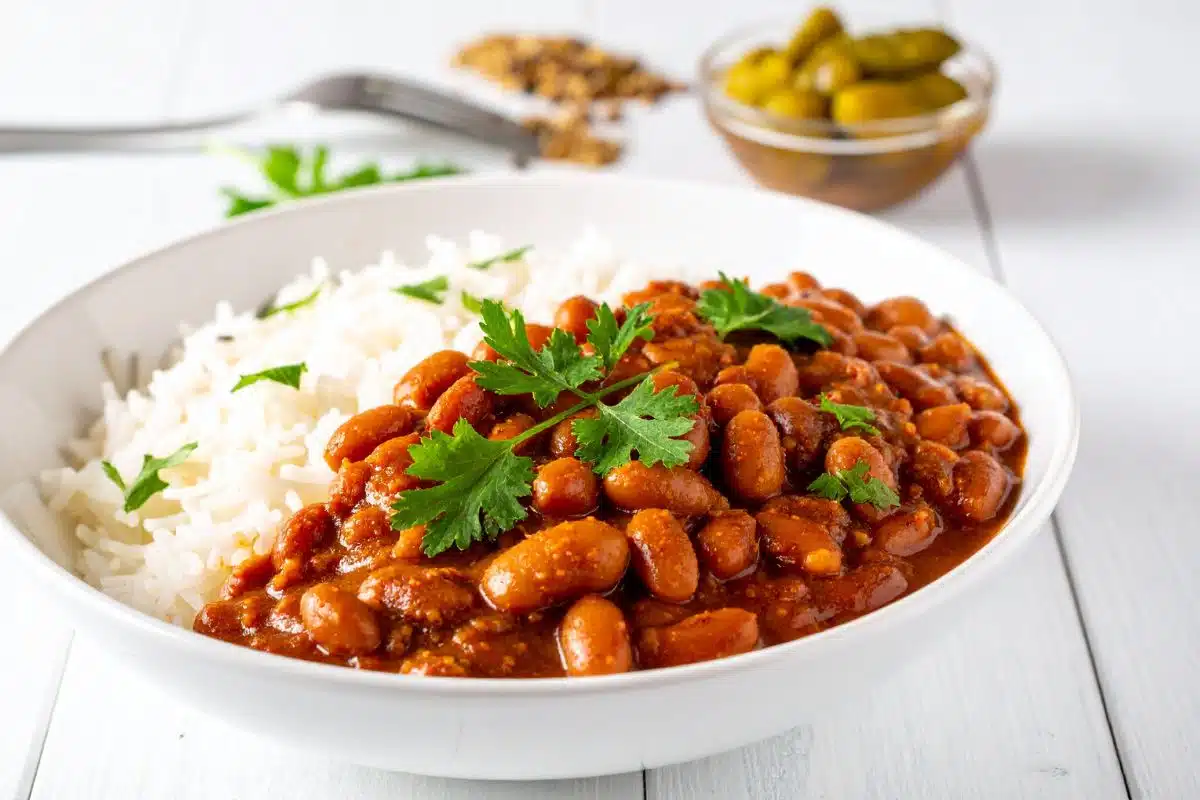
Beans are used in cuisines around the world, making them an ideal canvas for new flavors. Try cumin, cilantro, and lime for a Mexican-inspired dish, rosemary and garlic for Mediterranean flavors, or ginger, garlic, and soy sauce for an Asian-inspired variation. Changing the seasoning profile can make the same type of bean feel completely different from one meal to the next. It’s an easy way to keep beans interesting without adding extra ingredients or cost.
This post may contain affiliate links or sponsored content. Disclosure Policy