7 Things Grocery Stores Do With Food During (And After) a Power Outage
When the lights go out at home, many people immediately think about the food in their own refrigerator and freezer. But what happens when a grocery store loses power and has thousands of dollars’ worth of perishable products sitting on shelves? From emergency backup systems to food safety inspections, grocery stores follow strict procedures to protect customers and determine what can and cannot be sold. Here are seven things stores typically do when dealing with food during and after a power outage.
Backup Generators Keep Critical Systems Running
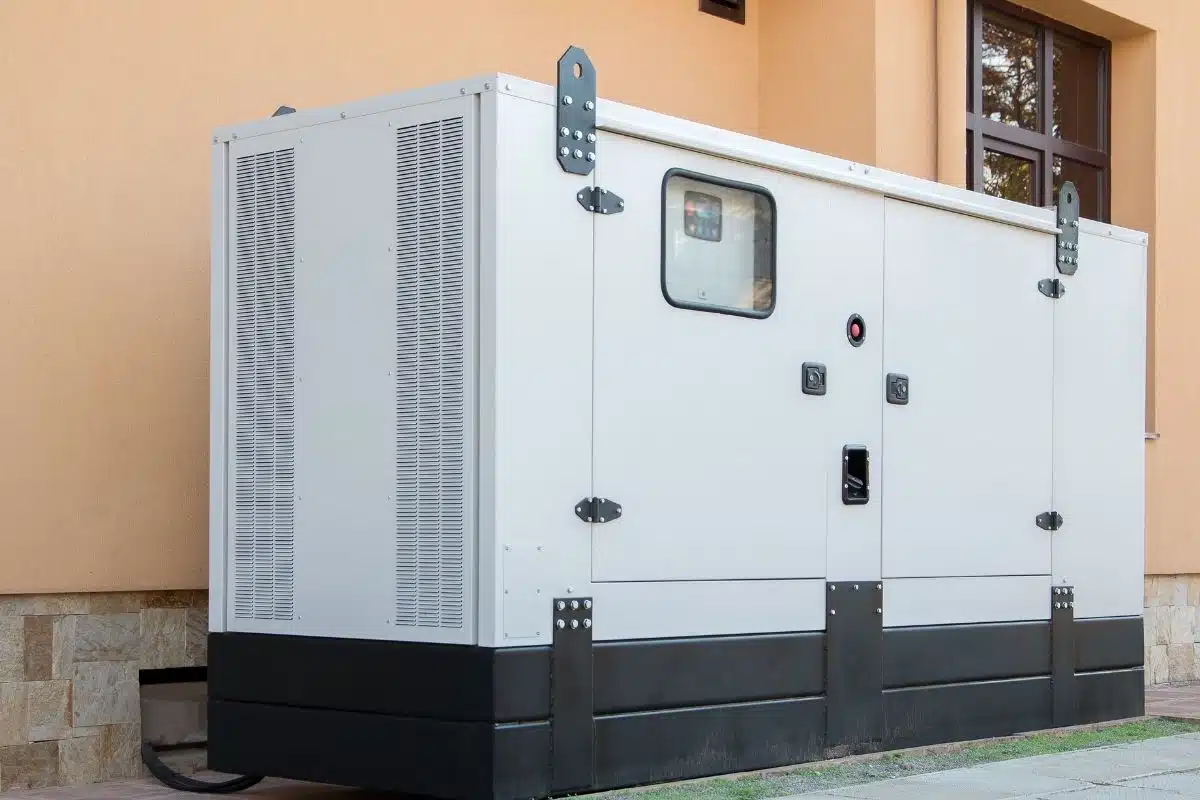
Most large grocery stores have emergency plans in place for power interruptions, including backup generators that help keep essential equipment operating. These systems are often used to maintain refrigeration, freezer cases, lighting, security systems, and other important store functions. While generators can help prevent major losses, they may not always power every area of a store, especially during extended outages.
Employees Check Temperatures Throughout the Store
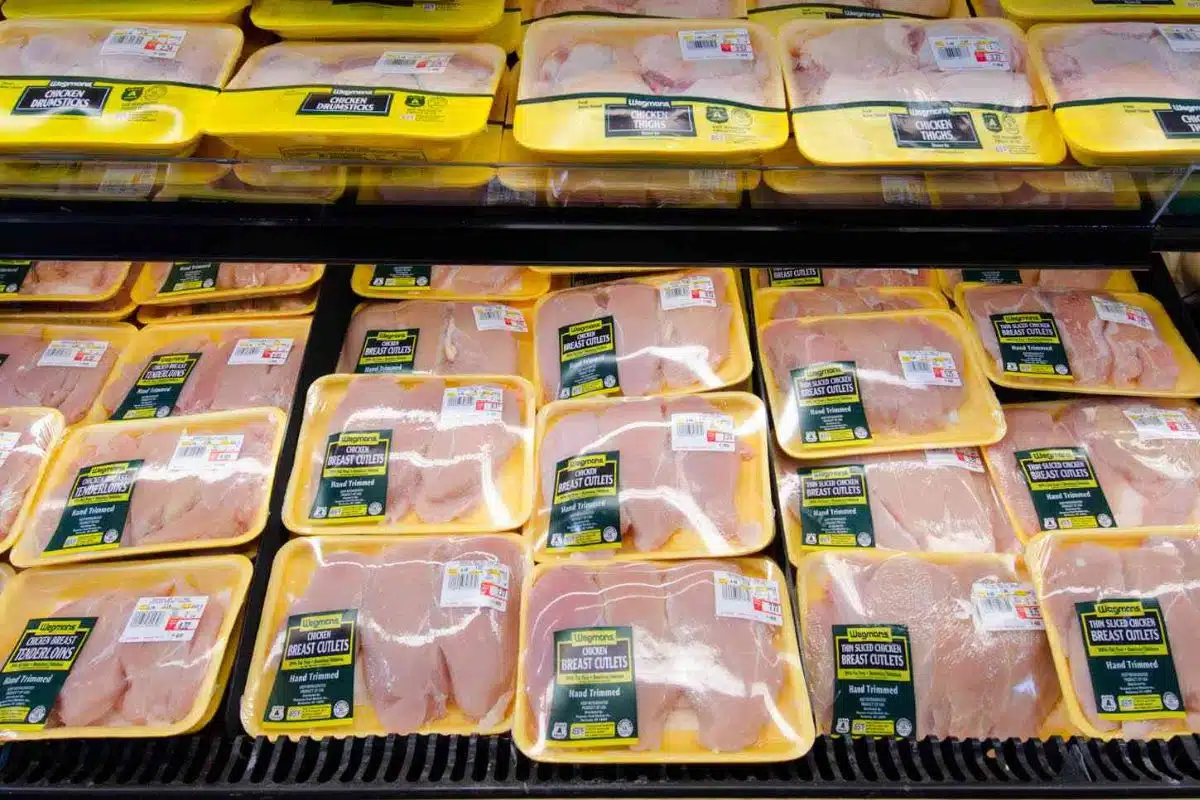
Food safety becomes the top priority when refrigeration stops working. Store employees typically monitor the temperatures of refrigerators, freezers, and refrigerated displays to determine whether products have remained at safe temperatures. These checks help managers decide which foods can return to shelves and which items may need to be removed.
Perishable Foods May Be Discarded
Not all food can be saved after a prolonged power outage. Items such as meat, seafood, dairy products, prepared foods, and refrigerated items may be thrown away if they have been exposed to unsafe temperatures for too long. Although it can be frustrating to see food wasted, stores must follow food safety guidelines to reduce the risk of selling products that could make customers sick.
Frozen Foods Are Evaluated Before Being Sold Again
Freezer items are carefully inspected after an outage to determine whether they stayed frozen enough to remain safe. If frozen foods have thawed significantly, show signs of temperature abuse, or have been sitting in unsafe conditions, they may be removed from inventory. Some stores may document losses and dispose of affected products rather than risk selling questionable items.
Some Stores Close Sections or Limit Sales
During a power outage, grocery stores may temporarily close certain departments or restrict access to areas that cannot maintain proper conditions. Deli counters, seafood departments, bakeries, and refrigerated sections may be affected first because these products require strict temperature control. Employees may also temporarily stop stocking shelves until the store can confirm everything is safe.
Food That Cannot Be Sold May Be Donated or Disposed Of
After an outage, stores review their inventory to determine what can still be used. Some unopened, shelf-stable items that were not affected may remain available, while damaged or unsafe products are discarded according to local regulations. In some cases, stores may work with food recovery organizations to donate eligible items that are still safe and within guidelines.
Stores Restock and Sanitize Before Fully Reopening
Once power is restored, grocery stores do more than simply turn the lights back on. Employees may clean affected areas, inspect equipment, remove spoiled products, restock shelves, and verify that refrigeration systems are operating correctly. Larger outages may require additional inspections before the store returns to normal operations.
This post may contain affiliate links or sponsored content. Disclosure Policy