What People Are Starting to Let Go of After Years of Holding On
Over the past few years, many people have been rethinking what truly deserves space in their homes—and in their minds. Instead of holding onto items out of habit, guilt, or “just in case” thinking, there’s a growing shift toward keeping only what is useful, meaningful, or actively adds ease to daily life. The result isn’t just less clutter—it’s more clarity, more comfort, and often a greater sense of control at home. Here are some of the most common things people are finally letting go of, and why it feels so freeing.
Clothes That No Longer Fit or Feel Like “You”
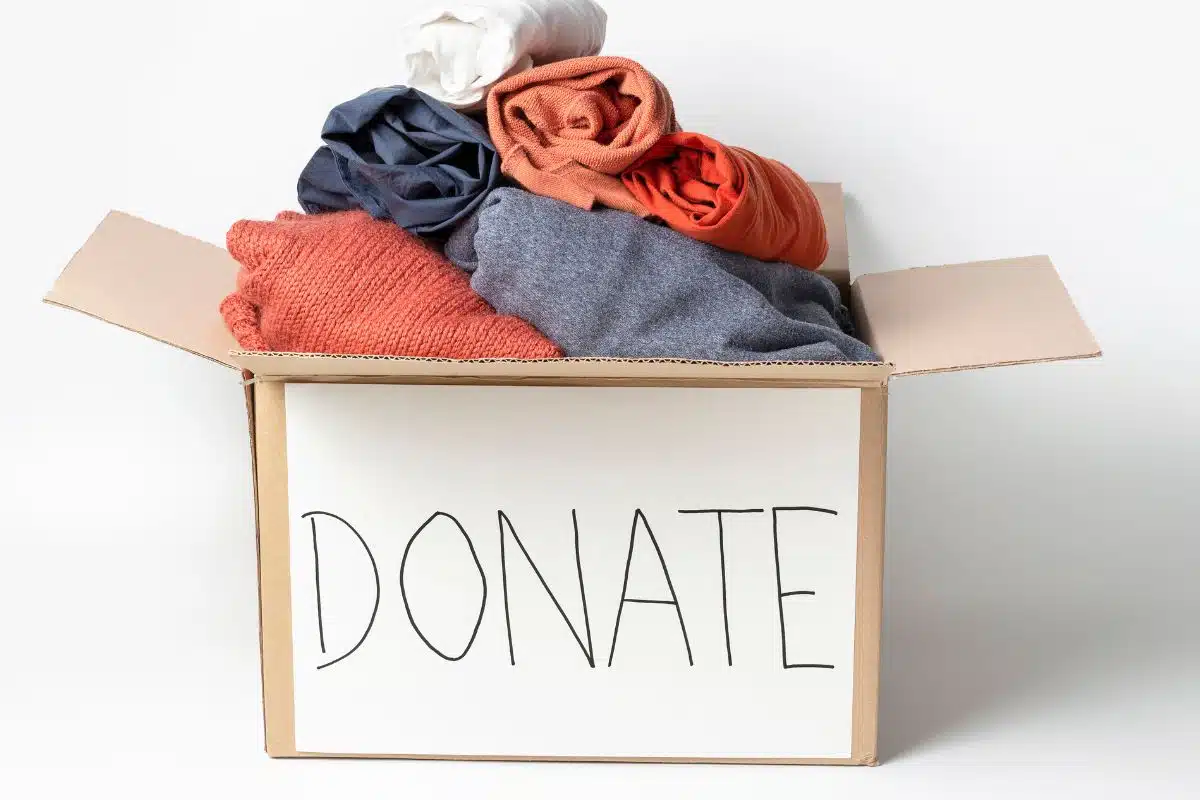
Clothing tends to carry emotional weight, especially pieces tied to past versions of ourselves. Many people hold onto items hoping they’ll fit again or come back into style, but this often creates unnecessary guilt and visual clutter. Letting go of clothes that no longer fit or reflect personal style helps create a wardrobe that actually supports daily life. It also makes getting dressed simpler and more enjoyable.
Mismatched Storage Containers
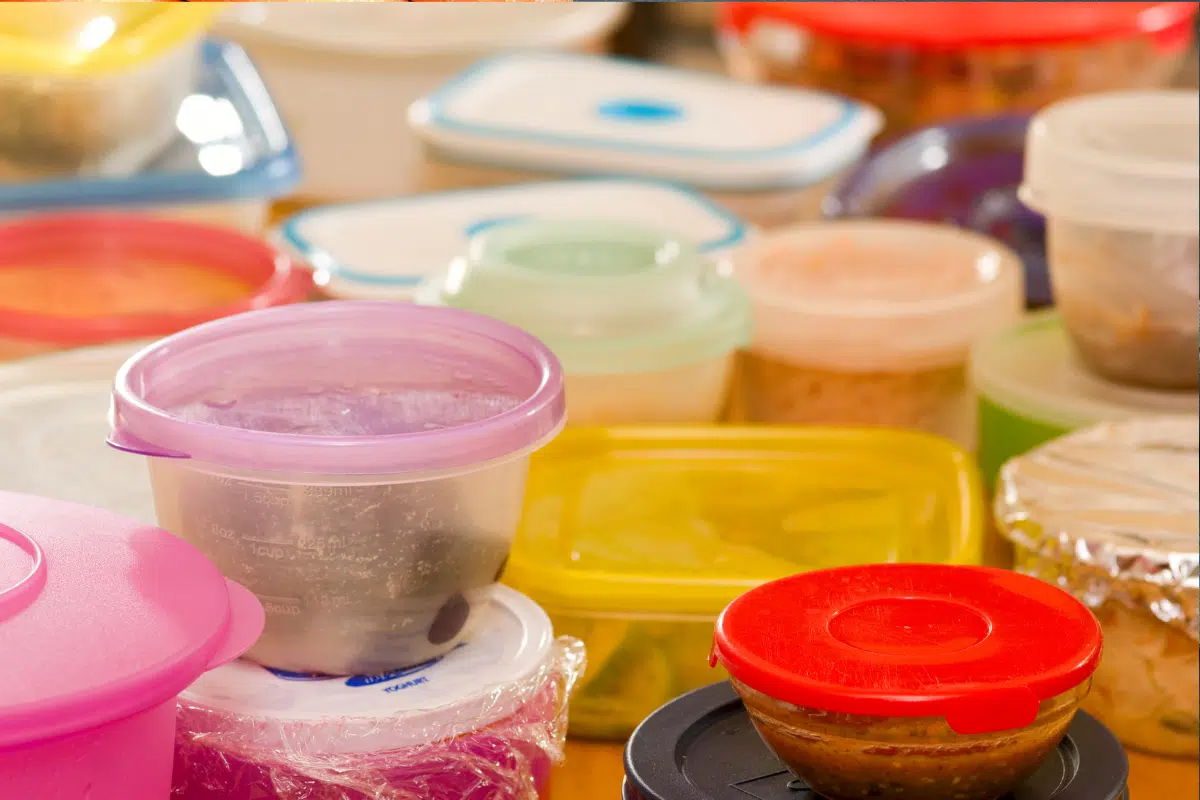
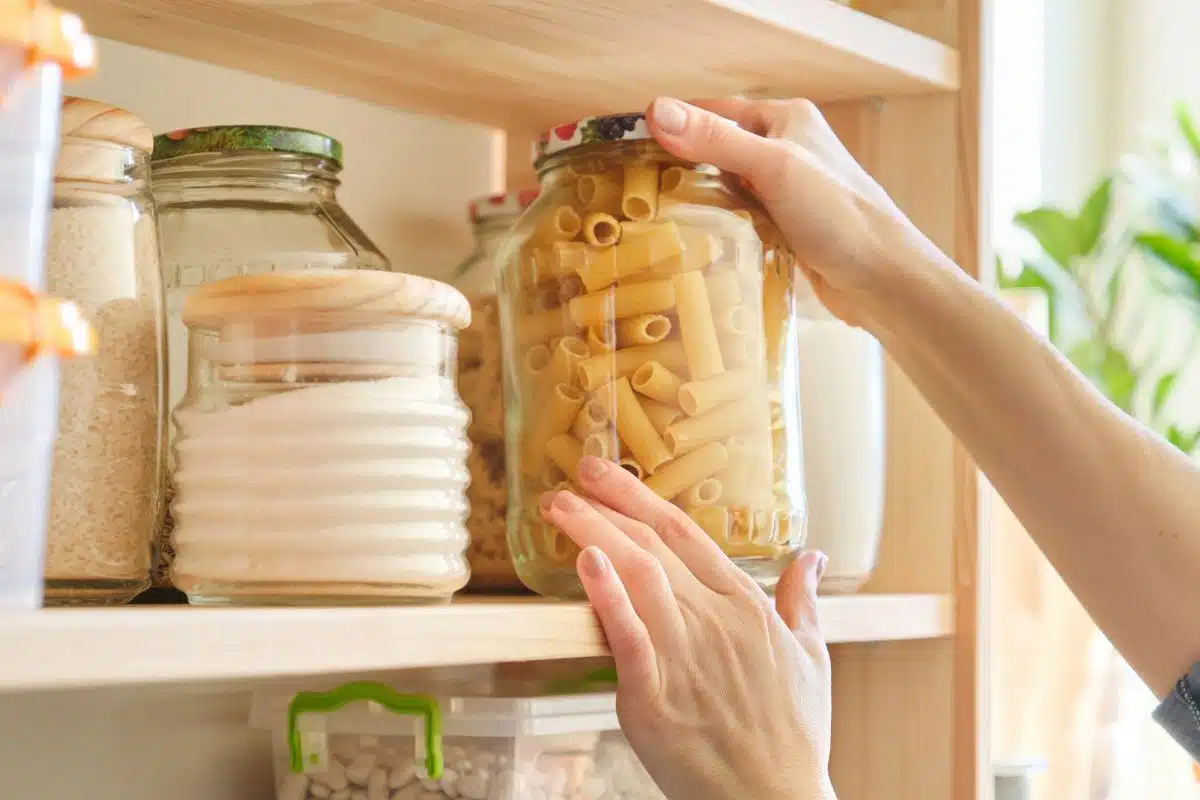
Few kitchen frustrations are as common as digging through a drawer full of containers with missing or incompatible lids. Over time, mismatched sets accumulate and quietly add stress to everyday routines. Many people are now choosing uniform, stackable sets that simplify storage and meal prep. The result is a kitchen that feels more organized and far easier to use.
Uncomfortable Furniture That “Still Works”
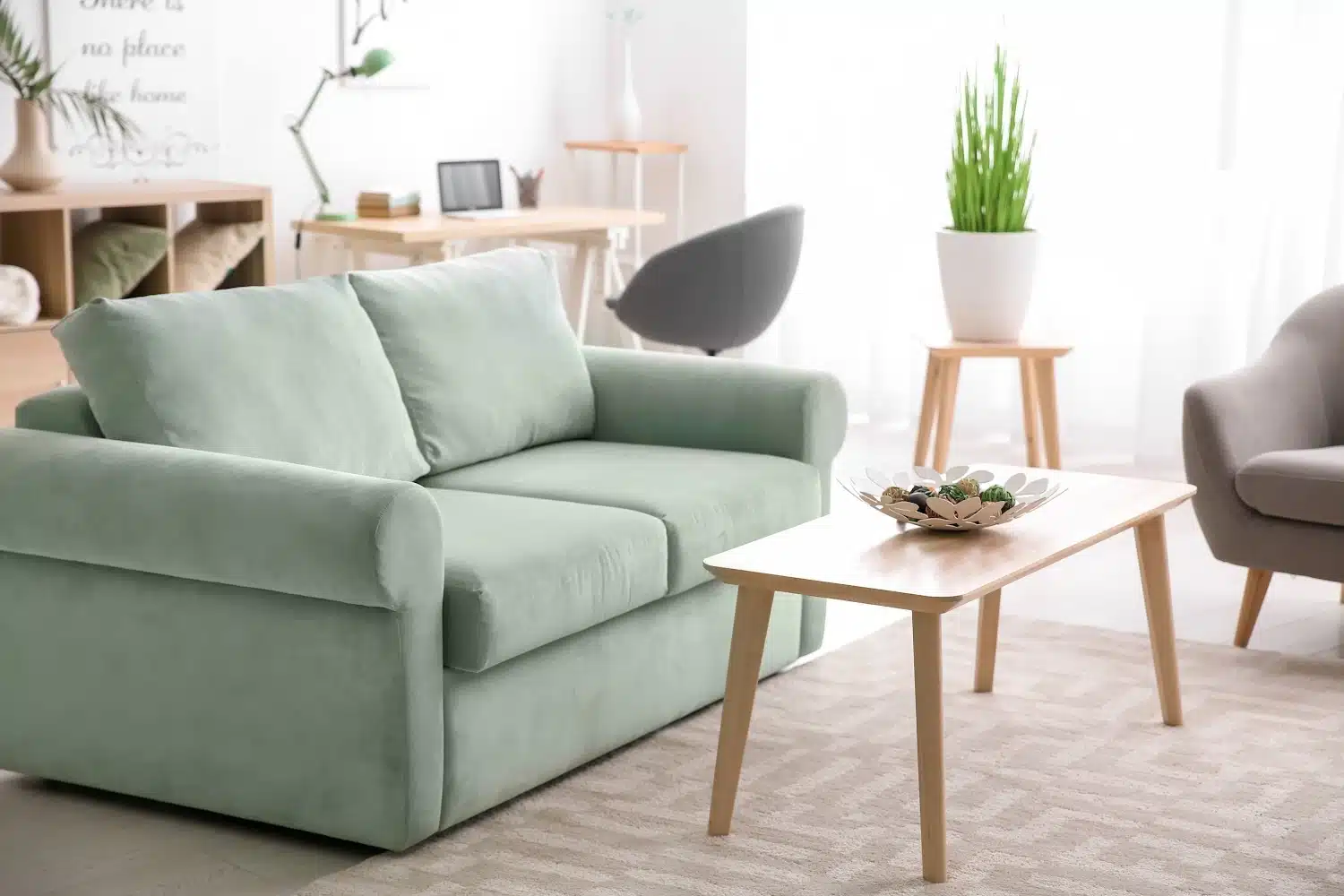
Furniture often stays far beyond its useful life simply because it technically still functions. But if a chair sags, a couch causes discomfort, or a table no longer fits the space well, it can affect how a room is actually used. People are increasingly prioritizing comfort and practicality over “making do.” Updating or removing these pieces often transforms how a space feels day to day.
Old Cords, Chargers, and Unused Tech Accessories
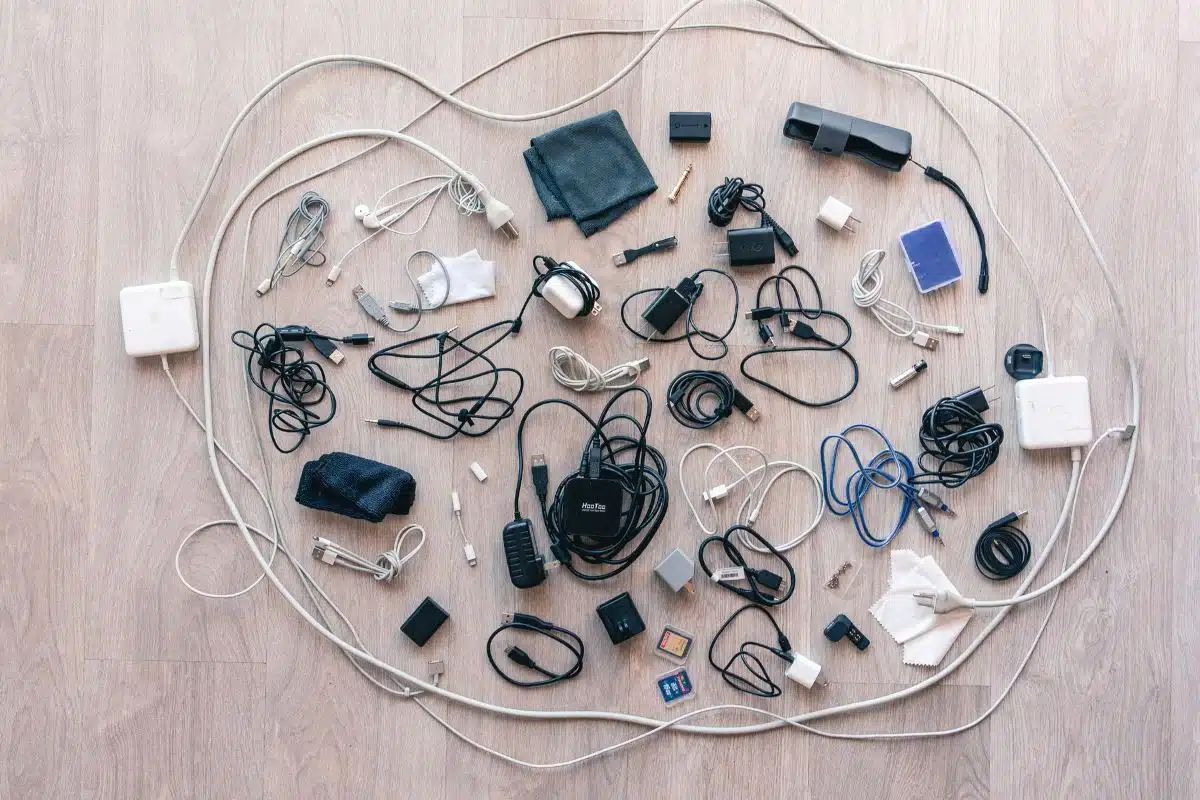
That tangled box of cords in a drawer is something many households can relate to. With technology changing quickly, many of these cables no longer match current devices—or haven’t been used in years. Letting go of outdated chargers and accessories clears physical space and reduces visual clutter. It also makes it easier to actually find what you need when you need it.
Books That Were Kept With Good Intentions
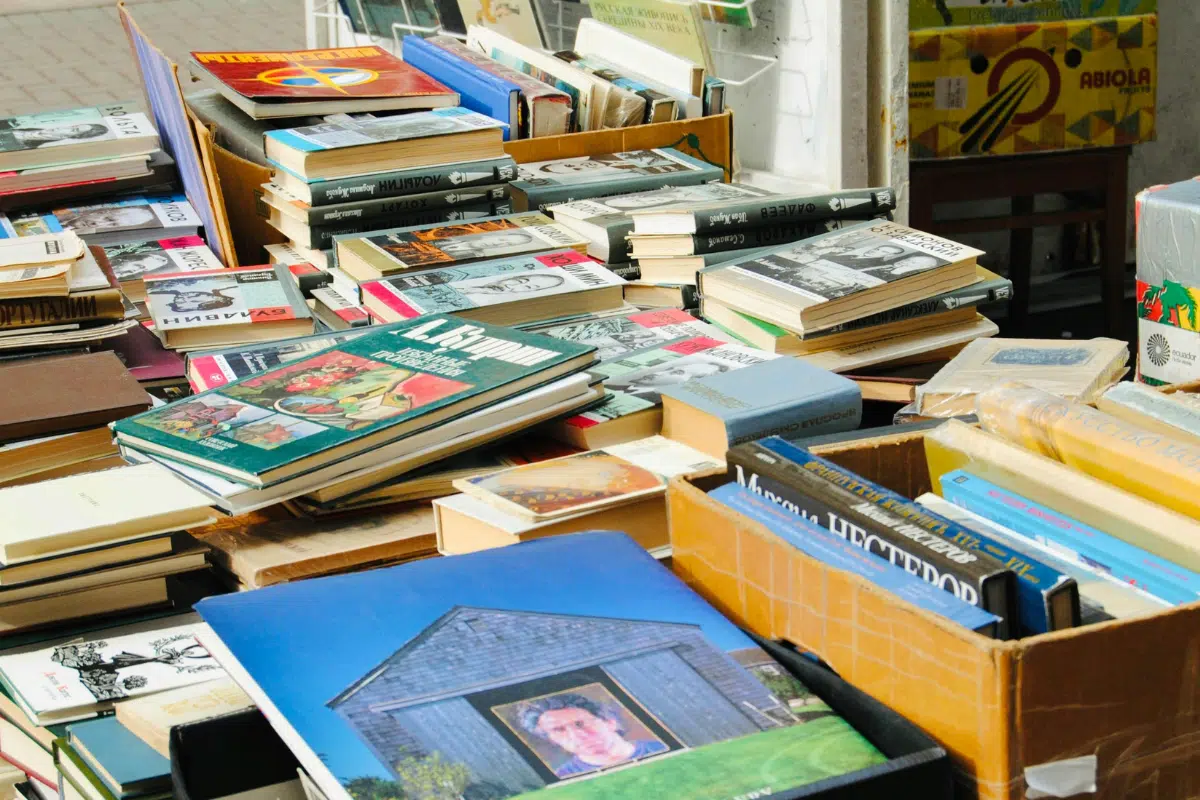
Books often represent aspirations as much as reading material. Many people keep stacks of unread books with the hope of getting to them “someday,” which can quietly create pressure instead of enjoyment. Letting go of titles that no longer feel appealing opens space for books that truly match current interests. It shifts reading back into something enjoyable rather than something to “catch up on.”
Single-Use Kitchen Gadgets
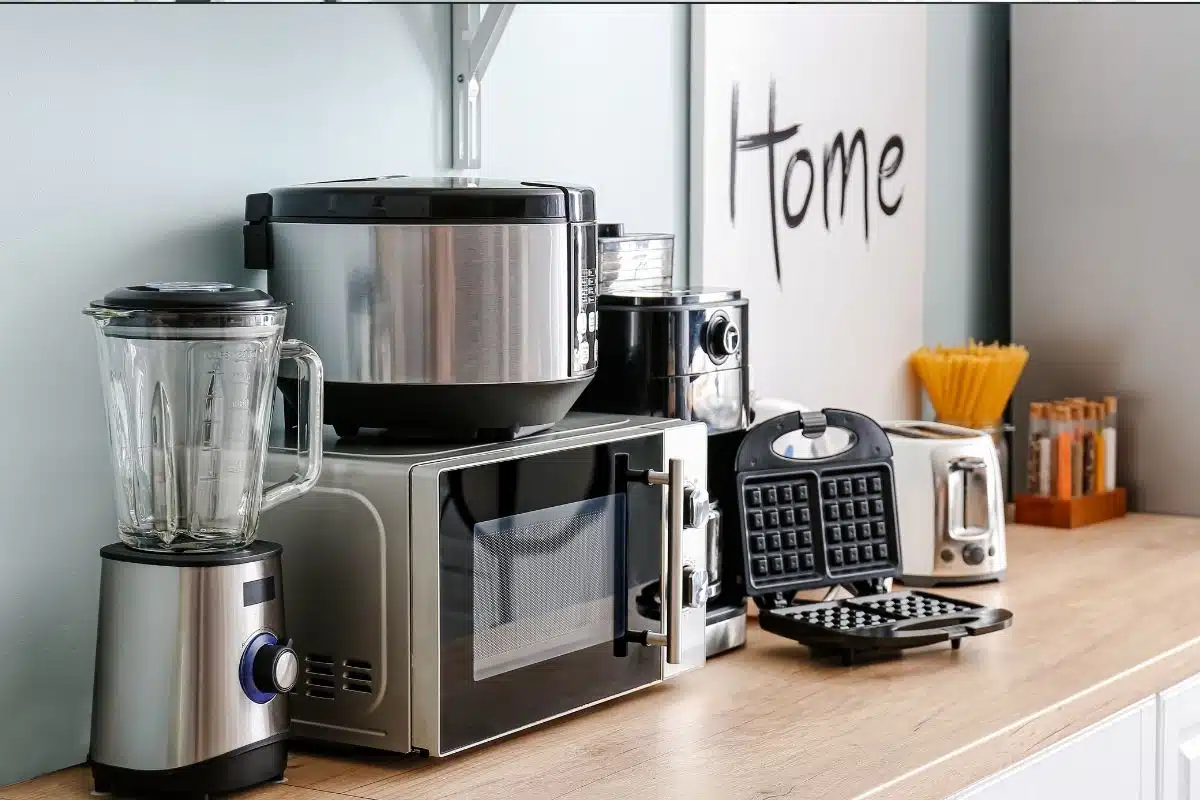
Specialty kitchen tools can seem appealing at first, but many end up stored away after only one or two uses. Over time, they take up valuable cabinet space without contributing much to daily cooking. More people are now choosing versatile, multi-use tools instead of niche gadgets. This makes cooking simpler and kitchens easier to maintain.
Holiday Decorations That No Longer Bring Joy

Seasonal décor tends to accumulate over the years, often kept out of tradition rather than preference. Some items may feel outdated, worn, or no longer aligned with current style. Letting go of décor that no longer feels enjoyable helps refresh seasonal routines. It also makes decorating feel more intentional and less overwhelming.
Gifts Kept Out of Obligation

Many people hold onto gifts long after they’ve stopped using or enjoying them, simply because of who gave them. While the sentiment matters, the item itself doesn’t always need to stay. More households are learning that gratitude doesn’t require permanent storage. Keeping only what is meaningful or useful helps reduce emotional clutter.
Paperwork That Has Outlived Its Purpose
Old manuals, receipts, and documents often linger in drawers “just in case,” even when they’re no longer relevant. Over time, this creates stacks of clutter that are rarely revisited. More people are now switching to digital storage or routinely shredding outdated paperwork. The result is a cleaner, more manageable home office or drawer space.
Extra Towels and Linens That Never Get Used
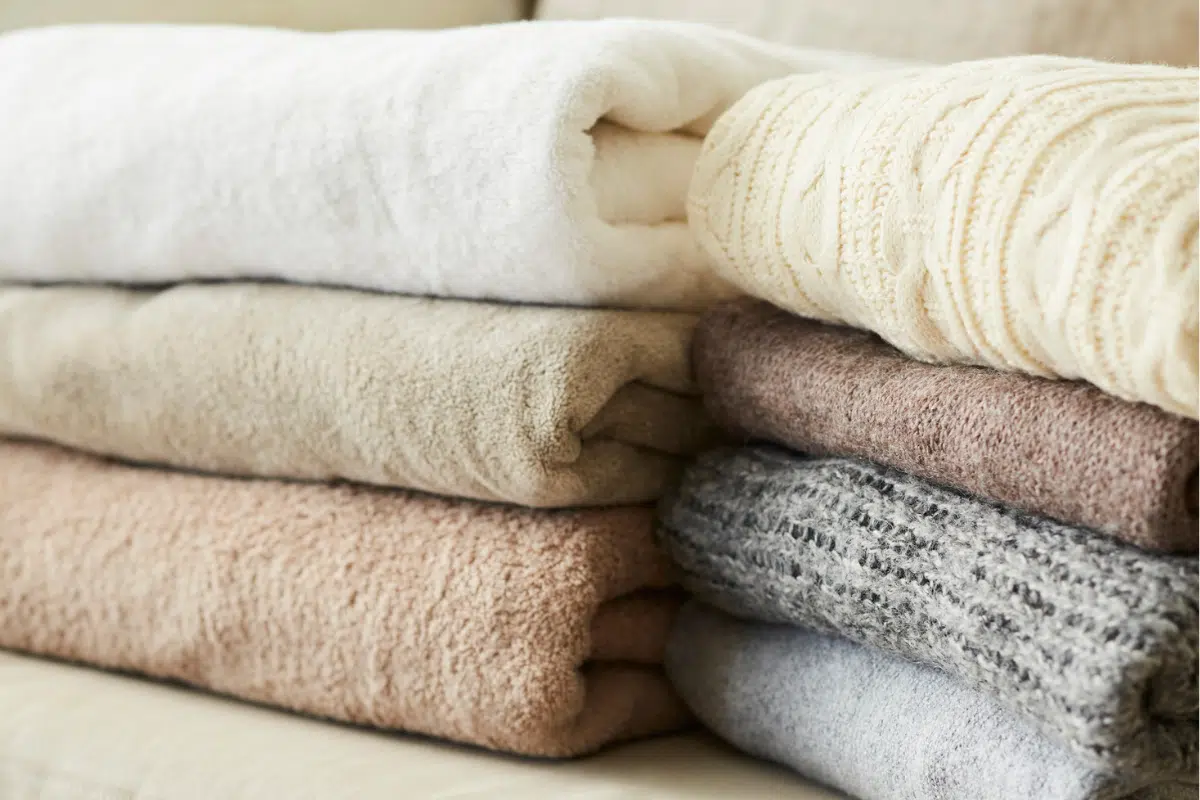
Linen closets can easily become overcrowded with excess sets that rarely rotate into use. While having backups is helpful, too many can make storage feel chaotic. Many people are now keeping only what they regularly use and donate the rest. This makes laundry routines simpler and storage areas more functional.
Beauty Products Past Their Prime
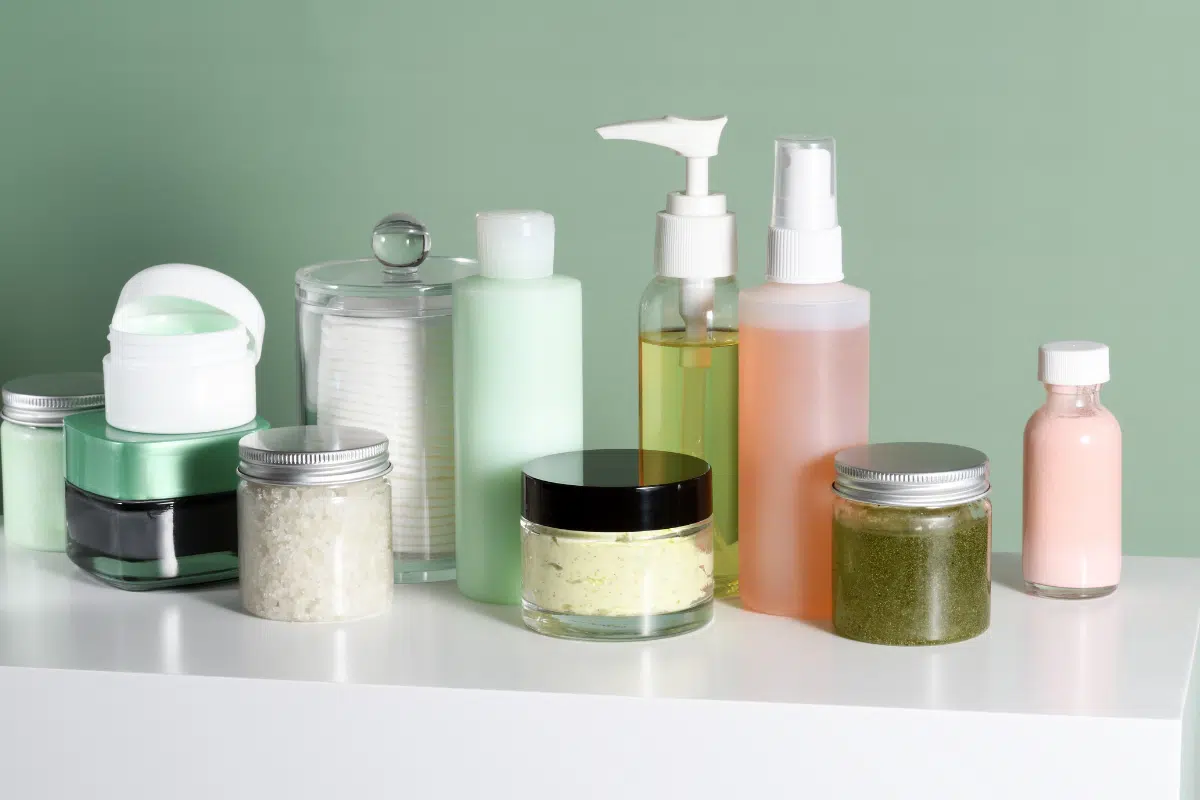
Bathroom cabinets often hold half-used products that have been sitting for months or even years. Over time, these items can lose effectiveness or become less safe to use. Regularly clearing out expired or unused products helps keep routines more streamlined. It also makes it easier to see and use what you actually enjoy.
Unfinished Craft and DIY Projects

Craft supplies and hobby materials often represent creative intentions that never fully came together. While the ideas behind them were meaningful, unfinished projects can start to feel like clutter instead of inspiration. Many people are choosing to keep only what they realistically plan to use soon. This helps make creative spaces feel motivating rather than overwhelming.
Outdated Self-Expectations

Not all clutter is physical—some of it is mental. Many people carry old expectations about productivity, perfection, or what life “should” look like. Letting go of these internal pressures can be just as powerful as decluttering a home. It often leads to a more realistic and compassionate approach to daily life.
Social Obligations That No Longer Feel Right

Saying yes out of habit is something many people eventually reassess. Over time, commitments that once felt necessary may no longer align with current priorities or energy levels. Letting go of these obligations creates more room for rest, meaningful relationships, and personal time. Boundaries are increasingly being seen as a form of self-respect.
The Belief That More Possessions Equal More Happiness
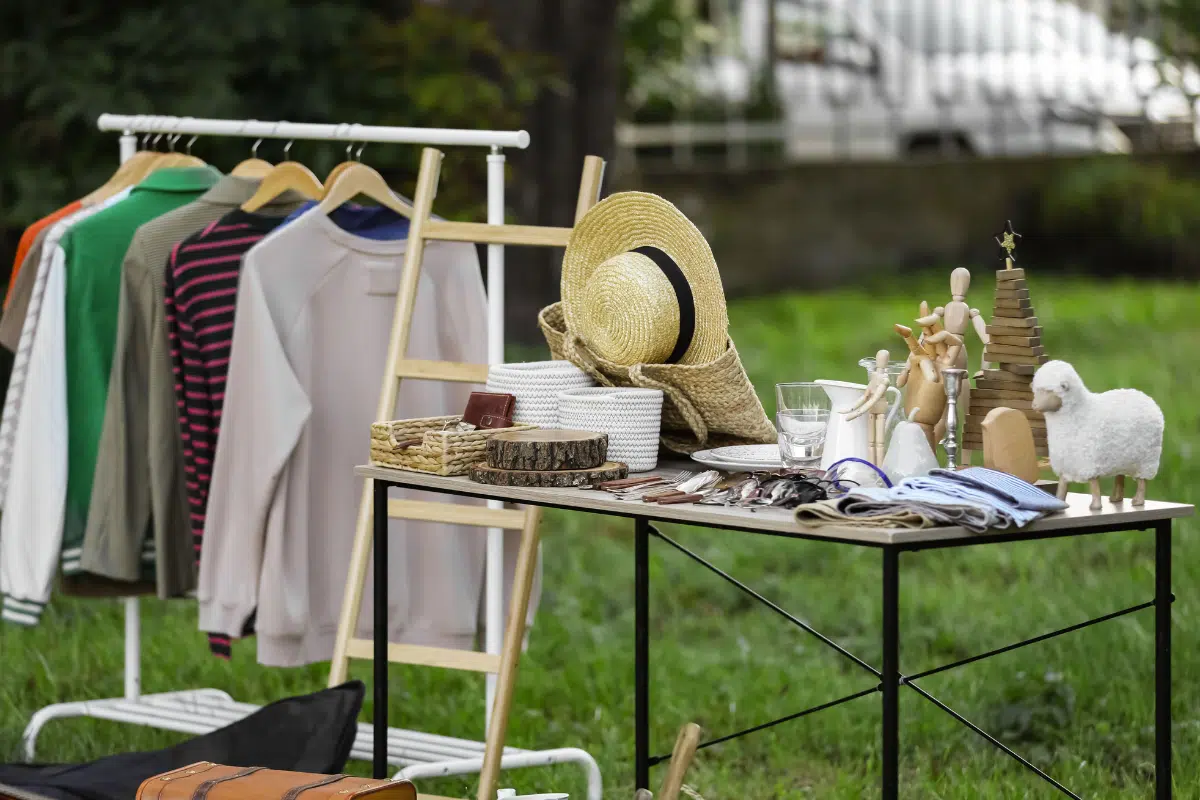
One of the biggest mindset shifts is moving away from the idea that accumulation leads to fulfillment. Many people are finding that excess belongings often create more stress than joy. Instead, space, simplicity, and time are becoming the new markers of comfort. This shift encourages more intentional choices about what truly adds value to everyday life.
This post may contain affiliate links or sponsored content. Disclosure Policy