5 Common Kitchen Habits That Can Cause Plumbing Problems
Most kitchen plumbing problems don’t happen overnight—they build up slowly from everyday habits that seem harmless at the time. From what goes down the drain to how you clean up after cooking, small choices can lead to clogs, slow drains, and expensive plumbing repairs. The good news is that a few simple changes in routine can help protect your pipes and keep your kitchen running smoothly. Here are five common habits that could be doing more damage than you think.
Pouring Grease and Cooking Oil Down the Sink
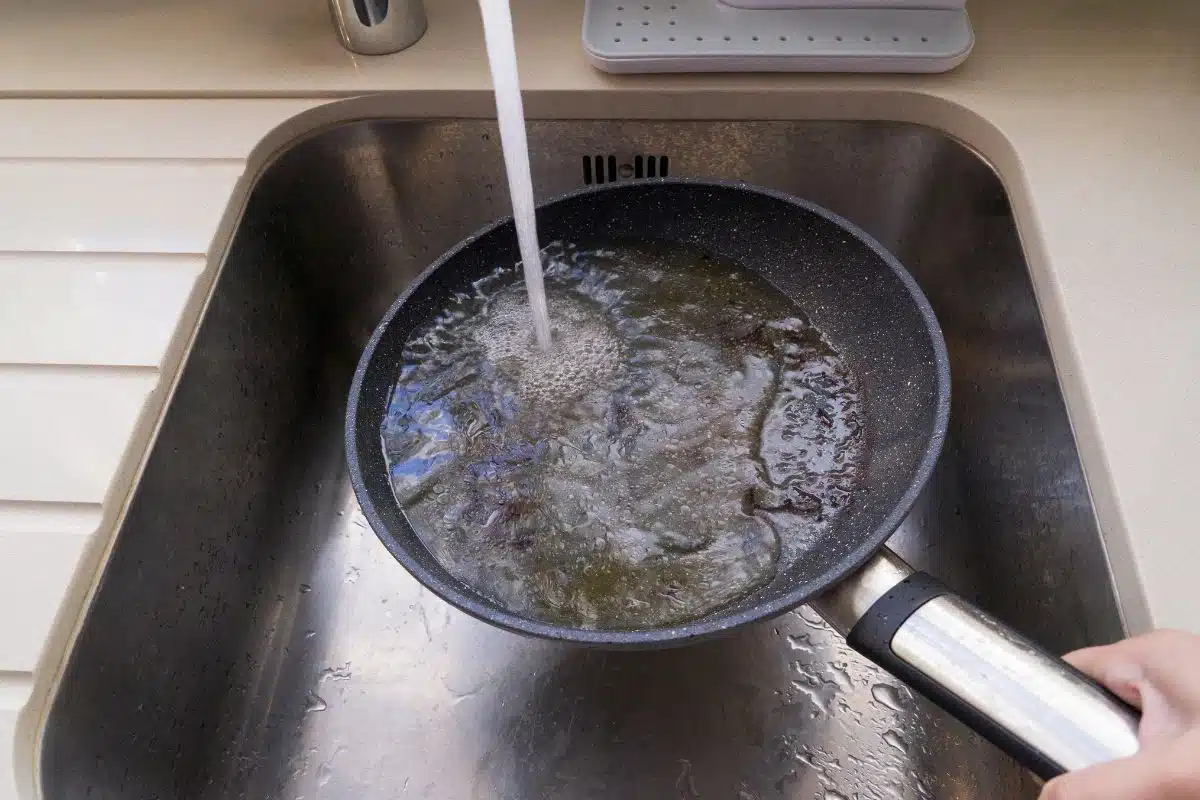
It might seem convenient to rinse grease or cooking oil down the drain, but this is one of the fastest ways to cause serious clogs. As grease cools, it solidifies and sticks to the inside of your pipes, gradually narrowing the passage for water. Over time, this buildup can trap food particles and create stubborn blockages. Instead, let grease cool and dispose of it in a sealed container in the trash.
Letting Food Scraps Go Down the Drain
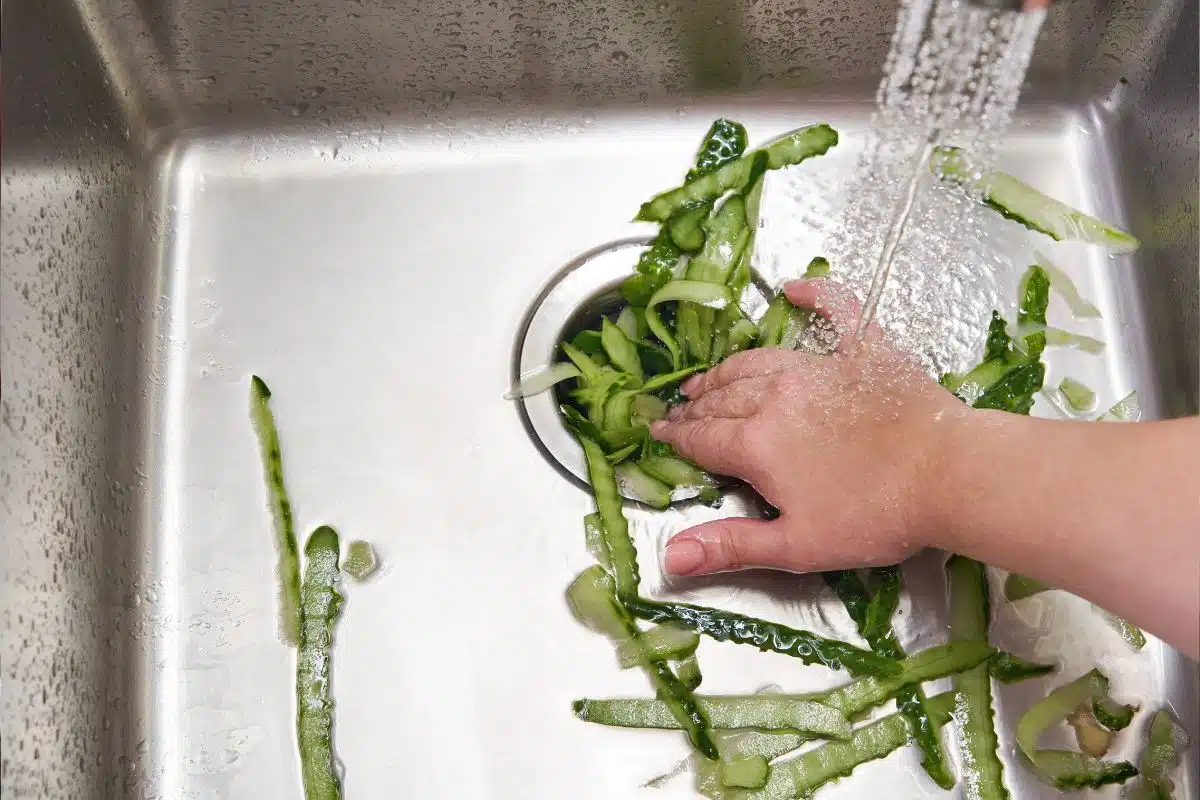
Even small food particles can add up and create major plumbing issues. Items like rice, pasta, coffee grounds, and vegetable peels can swell or clump together inside your pipes. While a garbage disposal can handle some waste, it’s not designed for everything. Scraping plates into the trash or compost bin before rinsing helps prevent unnecessary strain on your plumbing system.
Using Too Much Soap or Thick Cleaners
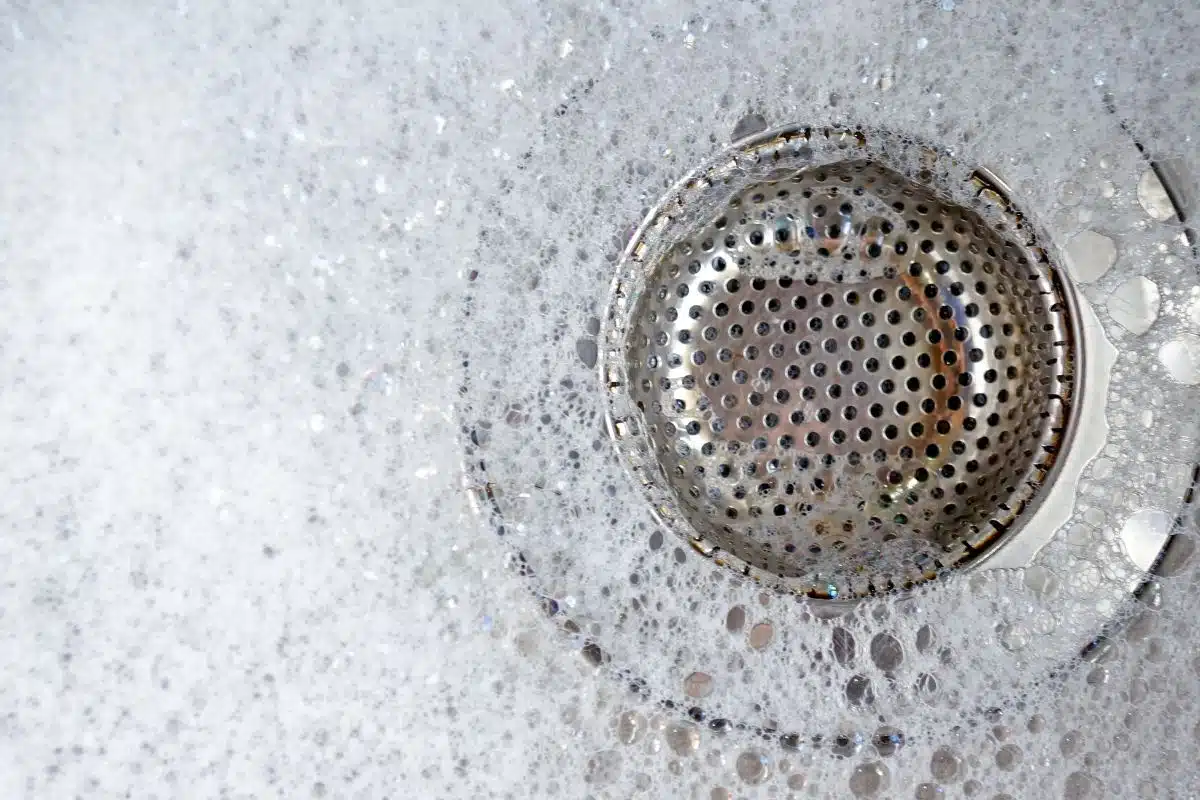
It may feel like more soap means a cleaner sink, but excess detergent can actually contribute to buildup in your pipes. Thick, greasy soaps and concentrated cleaners can combine with food residue and harden over time. This creates a sticky layer inside the plumbing that restricts water flow. Using the recommended amount of dish soap and flushing with plenty of hot water can help minimize buildup.
Ignoring Slow Drains
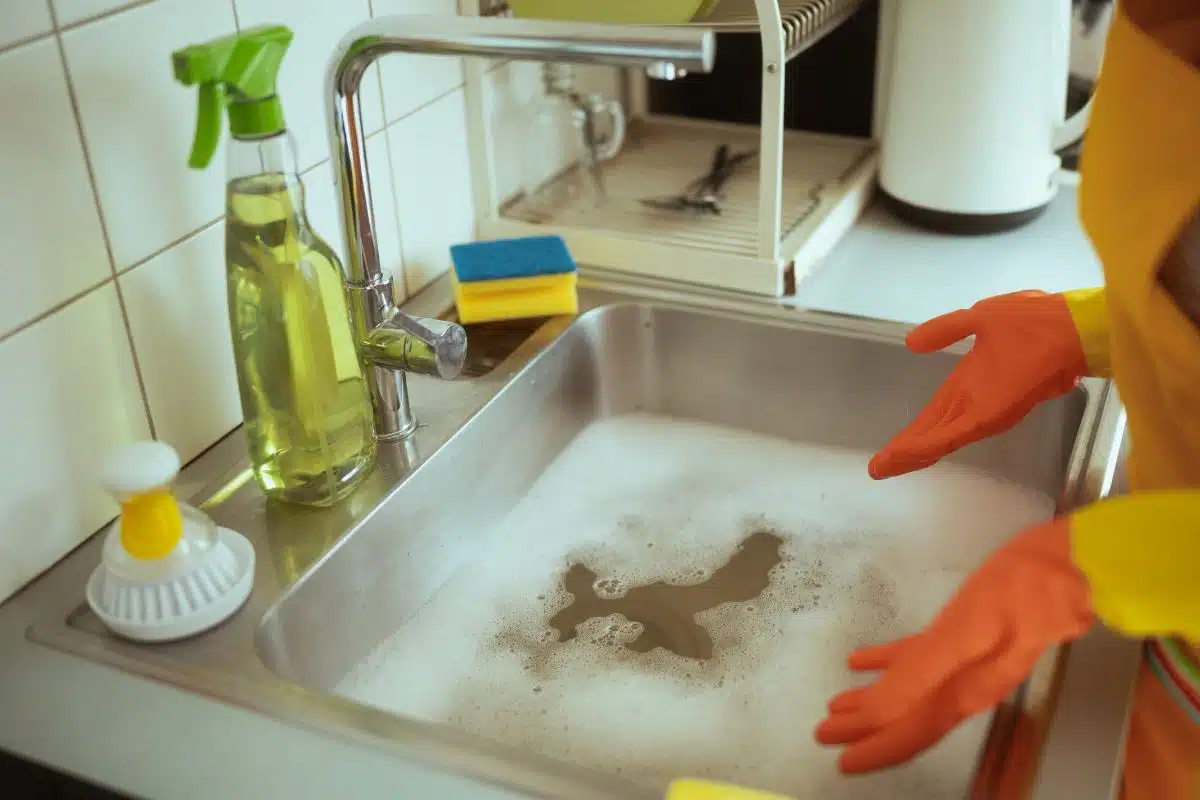
A slow-draining sink is often the first warning sign of a developing clog. Many homeowners ignore it until the problem becomes severe, but early buildup is much easier to clear. Waiting too long can allow grease, debris, and soap scum to harden inside the pipes. Addressing slow drainage early with safe cleaning methods or a plumber’s help can prevent costly repairs later.
Running Hot Water Without Maintenance Awareness
While hot water can help move grease through pipes temporarily, it doesn’t fully eliminate buildup. Relying on hot water alone can give a false sense of security while residue continues to accumulate. Over time, this buildup can harden further down the line where it’s harder to reach. Regular maintenance, such as using enzyme-based cleaners or periodic professional inspections, helps keep pipes clear and functioning properly.
This post may contain affiliate links or sponsored content. Disclosure Policy