
Why Your Breakfast Costs So Much More Than It Used To
Mental health apps have become a popular way for people to support their emotional well-being, manage stress, improve sleep, and develop healthier daily routines. While these apps are not a replacement for professional mental health care, they can provide helpful tools such as guided meditation, mood tracking, mindfulness exercises, and access to therapy resources. With so many options available, the best choice depends on what you’re looking for—whether that’s better sleep, stress management, emotional awareness, or professional support. Here are seven well-known mental health apps and what makes each one stand out.
Calm
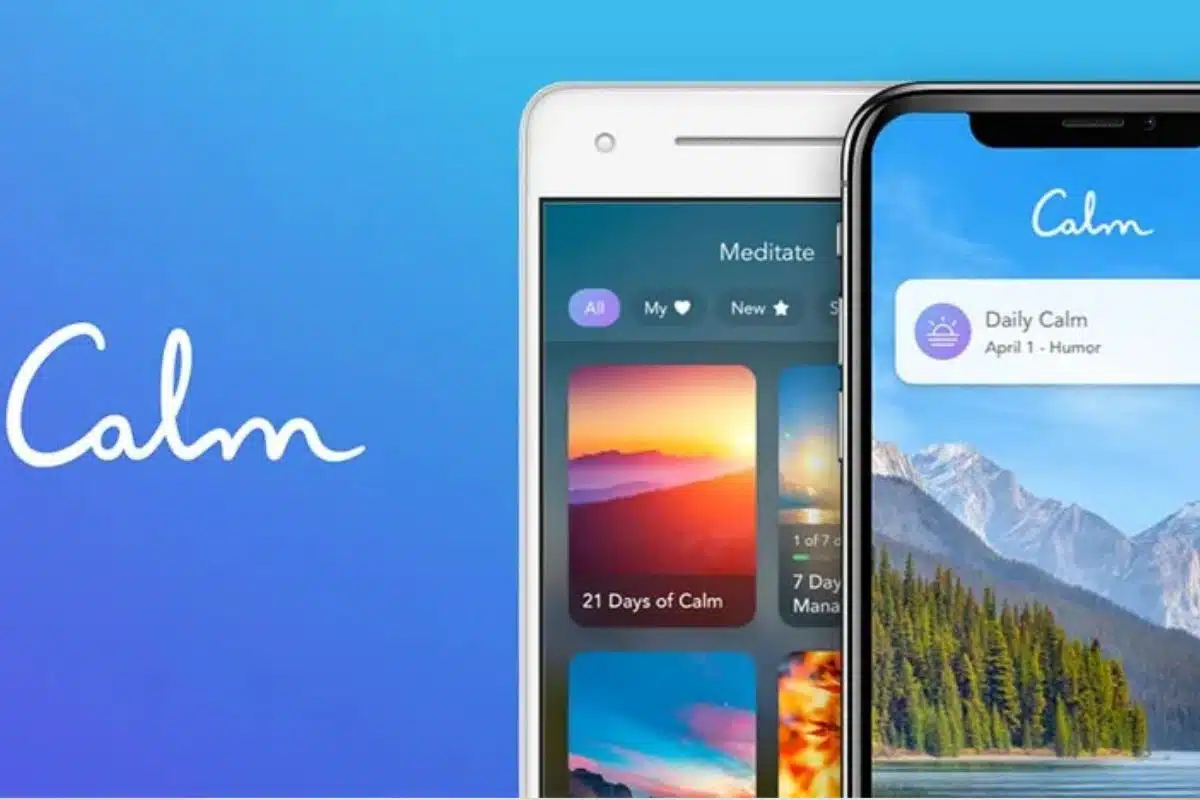
What It Does: Guided meditations, sleep stories, breathing exercises, relaxation tools, and mindfulness programs.
Calm remains one of the most recognized mindfulness apps, especially among people looking for simple ways to reduce stress and improve sleep. Its library includes guided meditations for beginners, relaxing audio content, breathing exercises, and bedtime stories designed to help users unwind. The app’s easy-to-follow format makes it approachable for people who are new to meditation or want a quick mental reset during a busy day. It’s best suited for those who want practical tools for relaxation and better sleep habits.
Best For: Beginners looking for stress relief, mindfulness practice, and improved sleep routines.
Headspace
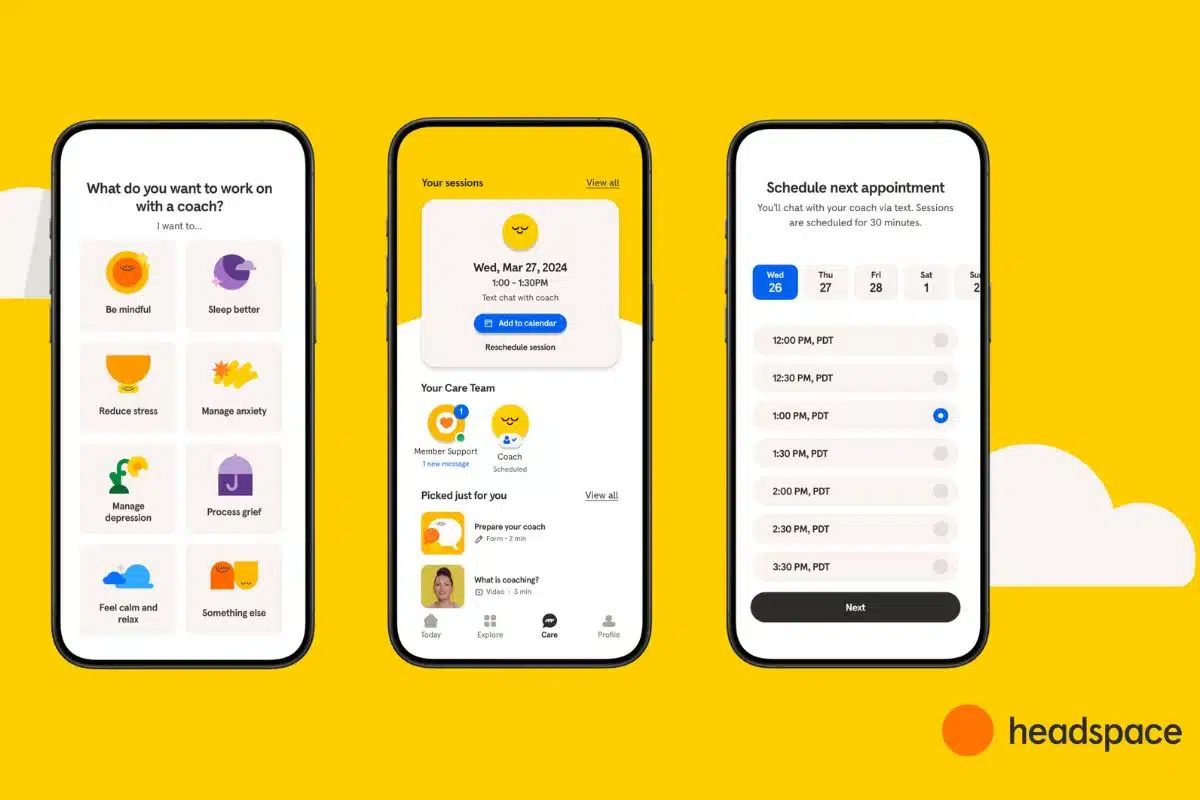
What It Does: Guided meditation, mindfulness exercises, focus tools, and stress-management programs.
Headspace focuses on making meditation feel accessible, even for people who struggle to slow down or stay consistent. The app offers short guided sessions that can fit into a busy schedule, along with programs designed around topics such as stress, focus, sleep, and emotional balance. Many users appreciate its structured approach because it provides clear guidance rather than leaving them unsure where to start. It’s a popular choice for professionals, students, and anyone looking to build a regular mindfulness routine.
Best For: People who want guided sessions and a structured approach to mindfulness.
Woebot
What It Does: AI-powered conversations, mood check-ins, and cognitive behavioral therapy (CBT)-based exercises.
Woebot uses conversational technology to guide users through reflection exercises and CBT-inspired techniques. The app is designed to help users identify thought patterns, track emotions, and practice coping strategies through regular check-ins. While it is not a replacement for working with a licensed therapist, it can provide a convenient way to practice mental wellness skills between appointments or as a starting point for self-reflection. Its conversational format appeals to people who prefer interactive tools over traditional journaling.
Best For: Users interested in guided self-reflection and CBT-based exercises.
Insight Timer
What It Does: Meditation, sleep support, mindfulness classes, breathing exercises, and wellness resources.
Insight Timer stands out because of its large collection of free meditation and relaxation resources. The app includes guided sessions from teachers around the world, covering topics such as anxiety management, sleep, gratitude, and stress reduction. Its wide variety of content allows users to explore different meditation styles and find approaches that fit their preferences. It also offers a community-focused experience for people who enjoy connecting with others through mindfulness practices.
Best For: People who want a wide selection of meditation resources without a high cost.
Moodfit
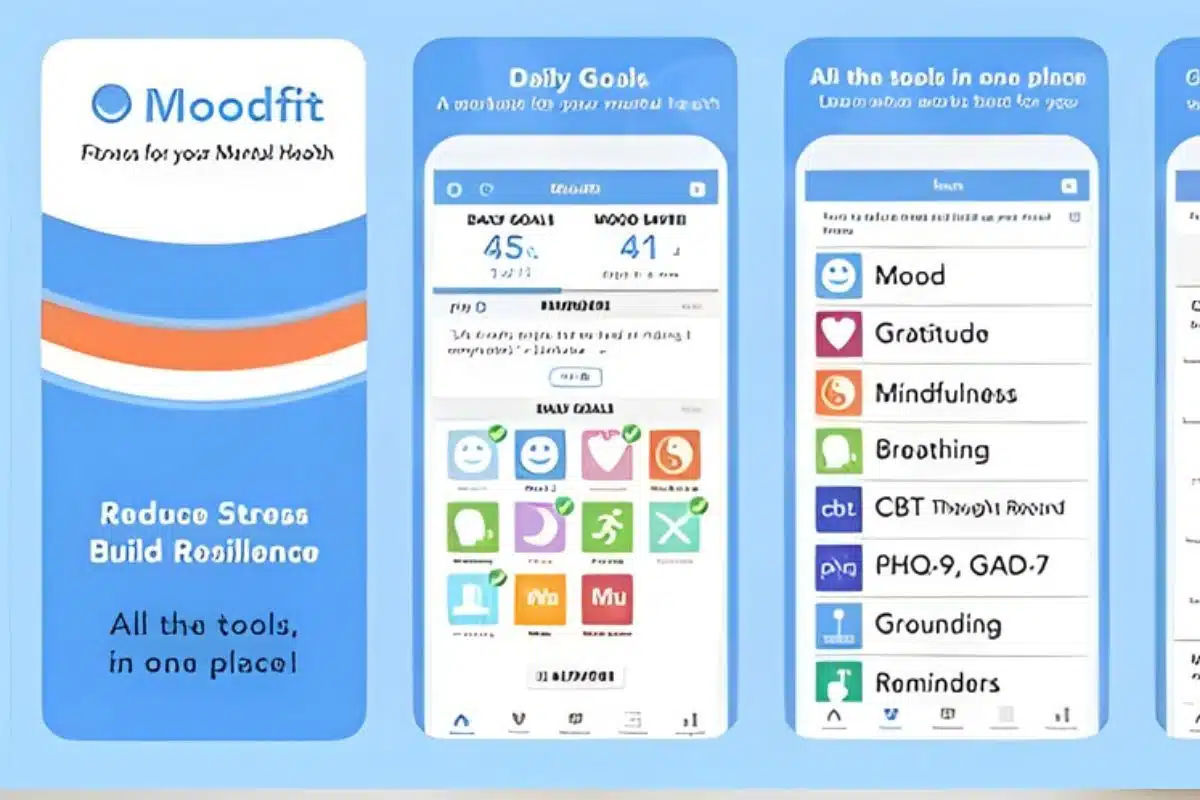
What It Does: Mood tracking, wellness exercises, journaling tools, and habit tracking.
Moodfit focuses on helping users better understand patterns between daily habits and emotional well-being. The app allows people to track things like mood, sleep, exercise, gratitude, and mindfulness activities to identify trends over time. For those who enjoy using data to understand their routines, these insights can make it easier to recognize triggers and build healthier habits. It provides a more analytical approach to mental wellness compared with meditation-focused apps.
Best For: People who enjoy tracking progress and understanding personal patterns.
Sanvello
What It Does: CBT-based tools, mood tracking, guided exercises, and community support.
Sanvello combines several mental wellness tools into one platform, including coping techniques, mood tracking, mindfulness activities, and guided programs. The app is based on principles commonly used in cognitive behavioral therapy and focuses on helping users manage stress, anxiety, and low mood. Its structured exercises can be useful for people who prefer having specific steps to follow rather than open-ended wellness activities. Depending on availability and plan options, users may also have access to professional support features.
Best For: Users who want structured mental wellness exercises and coping tools.
BetterHelp
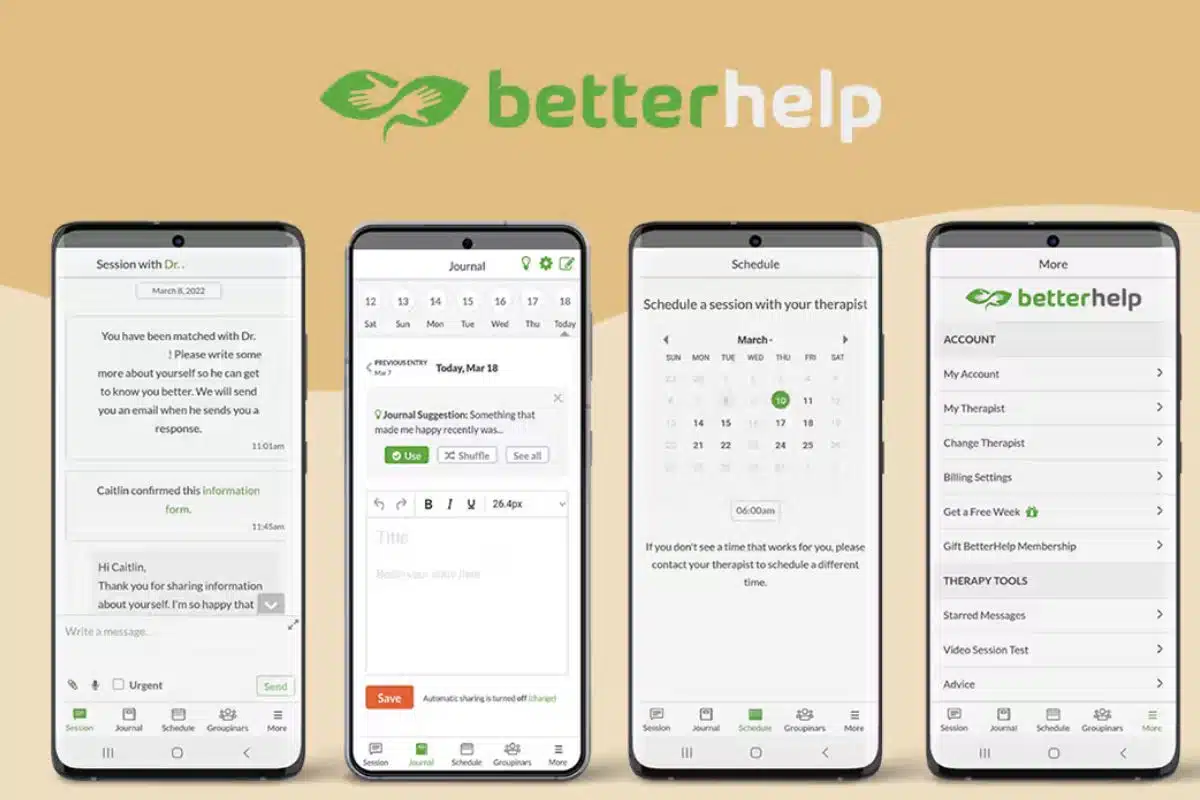
What It Does: Online therapy through messaging, phone calls, or video sessions with licensed therapists.
Unlike meditation and self-guided wellness apps, BetterHelp focuses on connecting users with professional mental health support. The platform allows people to communicate with licensed therapists remotely, offering more flexibility than traditional in-person appointments. It can be appealing for people who want counseling but need options that fit around work, family, or transportation challenges. Availability, therapist matching, and costs vary, so users should review the service details before getting started.
Best For: People looking for convenient access to licensed therapy services.
This post may contain affiliate links or sponsored content. Disclosure Policy