13 Foods You Can Safely Eat After the Expiration Date
Expiration dates on packaged foods can be misleading, and many shoppers are surprised to learn they are not always indicators of safety. In most cases, these dates refer to peak quality rather than whether a food is still safe to eat. With proper storage and a quick check of appearance, smell, and texture, many common foods can remain perfectly usable well beyond the printed date. Understanding how food labels work can help reduce unnecessary waste and stretch your grocery budget further.
Eggs
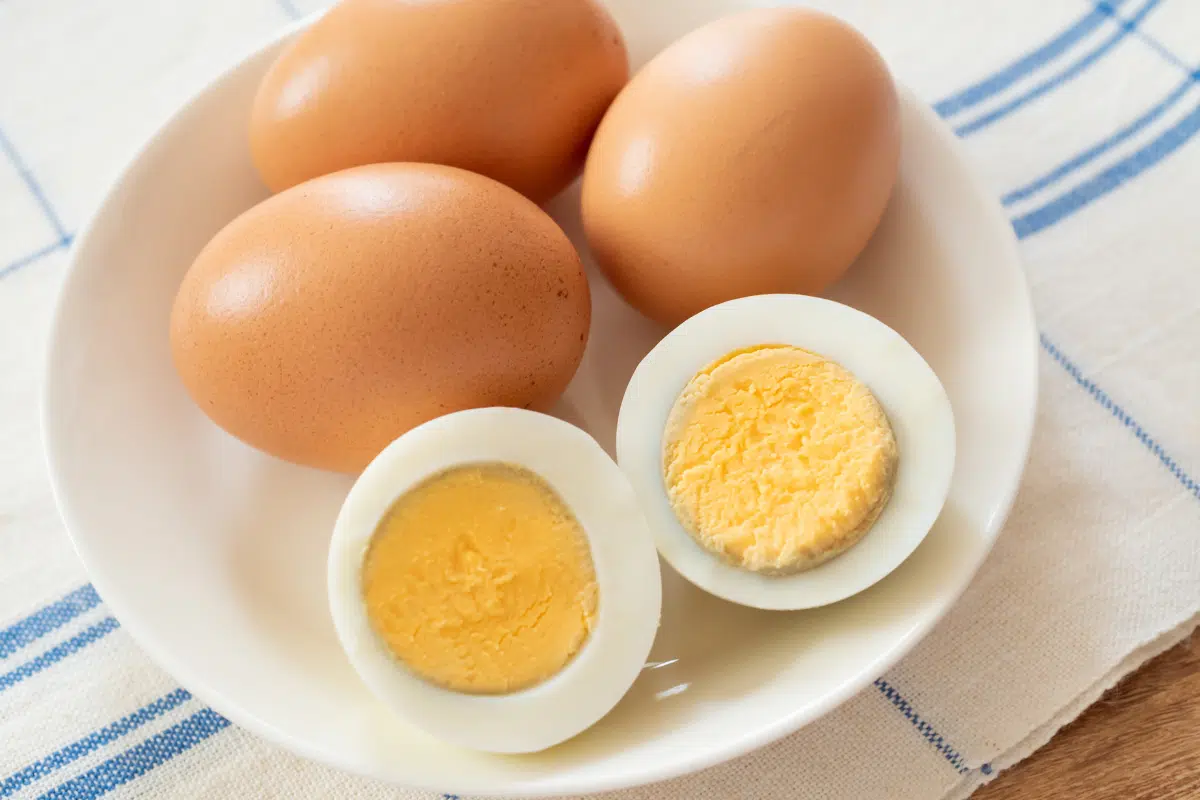
Eggs are one of the most reliable foods when it comes to shelf life. When stored properly in the refrigerator, they often remain fresh for several weeks beyond the printed date. A simple water test can help determine freshness—fresh eggs sink while older eggs tend to float. As long as they pass basic checks and are fully cooked, they are typically safe to use.
Milk
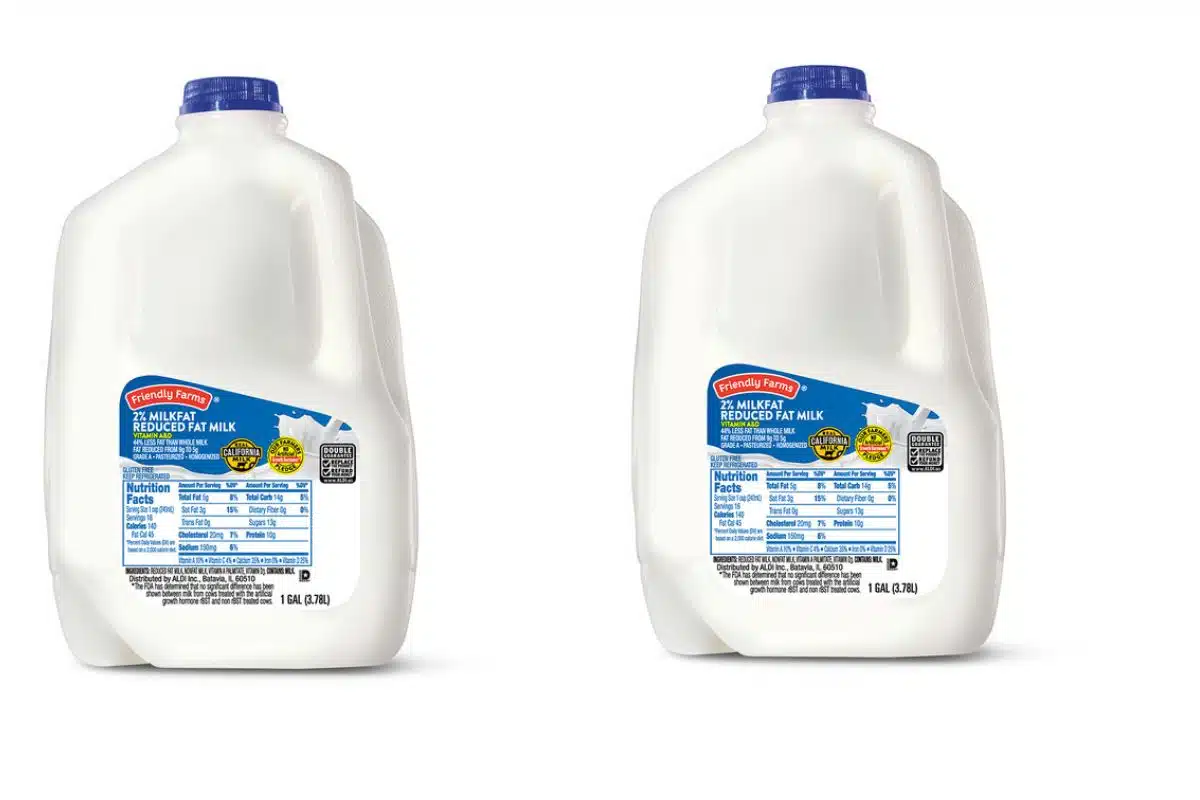
Milk can often stay good for several days after its sell-by or expiration date if it has been continuously refrigerated. The key is consistent cold storage, as temperature fluctuations speed up spoilage. A quick smell test is usually the most reliable indicator—if it smells normal and shows no curdling, it’s generally still usable in cooking or baking.
Yogurt
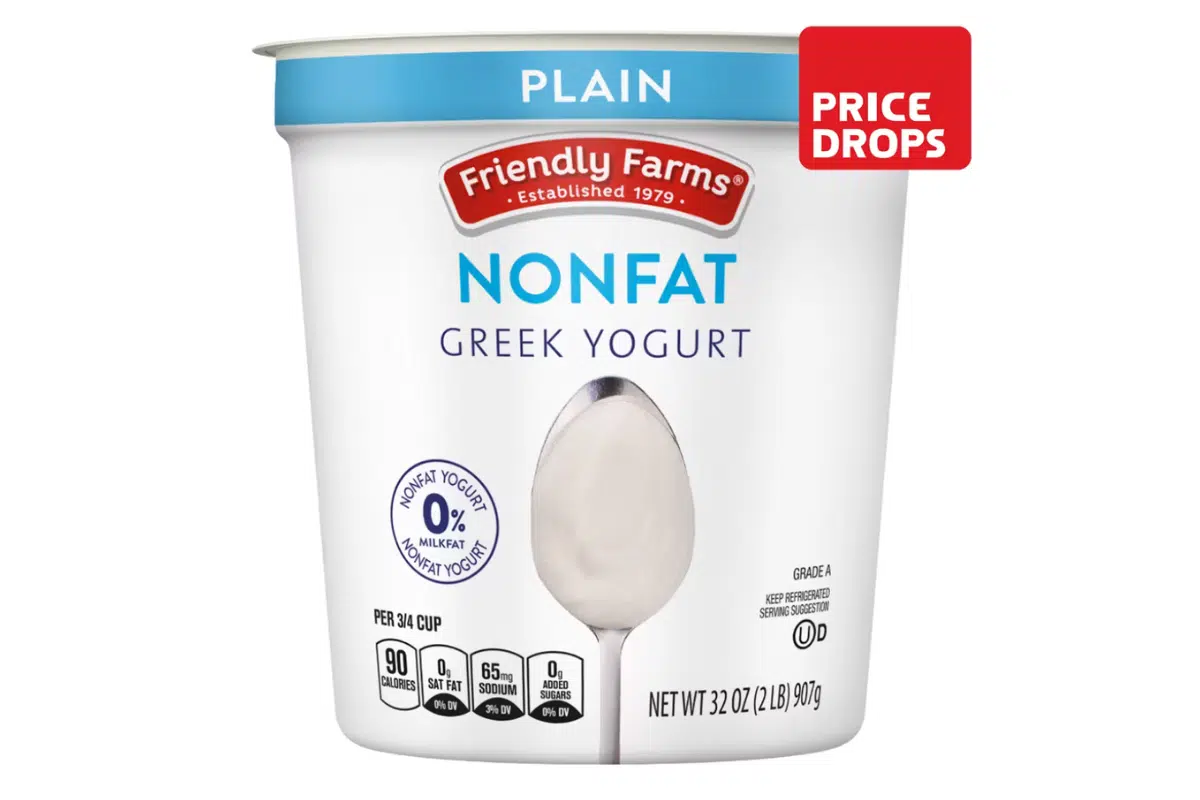
Yogurt is made with live cultures that help preserve it, making it more resilient than many dairy products. Unopened containers can often last one to two weeks past the date on the package. Always check for visible mold or an off odor before eating, but in many cases, yogurt remains safe and palatable beyond its printed date.
Hard Cheese
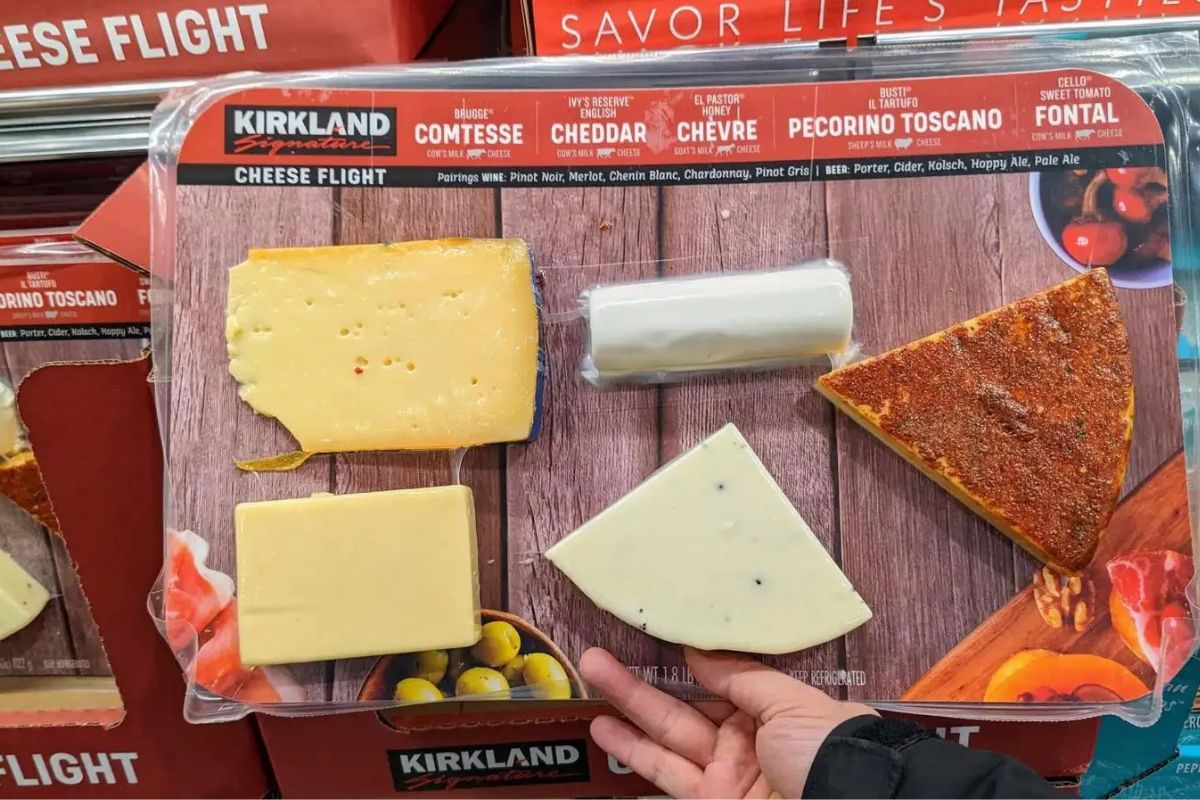
Hard cheeses like cheddar, Parmesan, and Gouda tend to have a long shelf life due to their low moisture content. Even if mold develops, it can often be safely trimmed away by cutting at least one inch around the affected area. The remaining cheese is usually fine to eat or cook with, especially when melted into dishes.
Bread
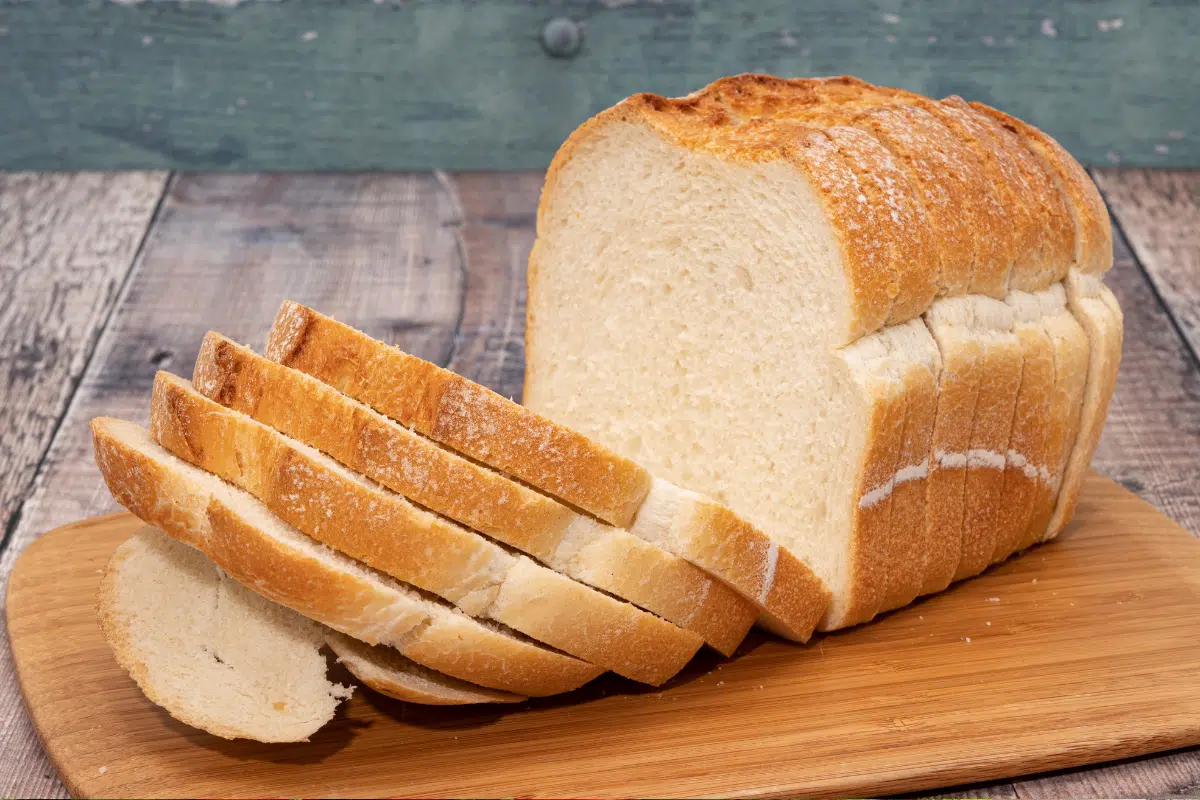
Bread can often be consumed after its expiration date as long as there is no visible mold. Because it tends to dry out quickly, stale bread is still useful for toast, croutons, bread pudding, or homemade breadcrumbs. Proper storage or freezing can also extend its usability significantly.
Canned Foods
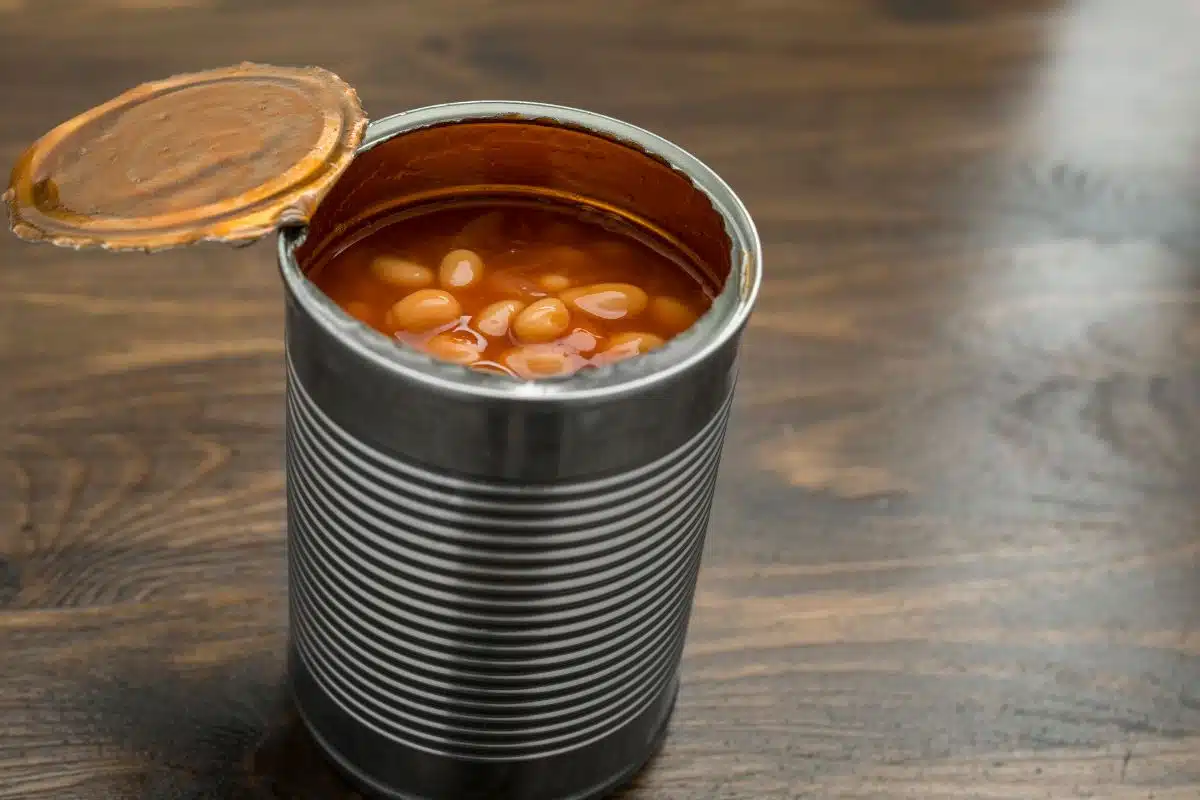
Canned goods are among the most shelf-stable foods available and can often remain safe for years beyond their printed date. The most important factor is the condition of the can—avoid anything that is bulging, dented, or rusted. While flavor and texture may gradually decline over time, the contents are typically still safe when properly stored.
Dry Pasta
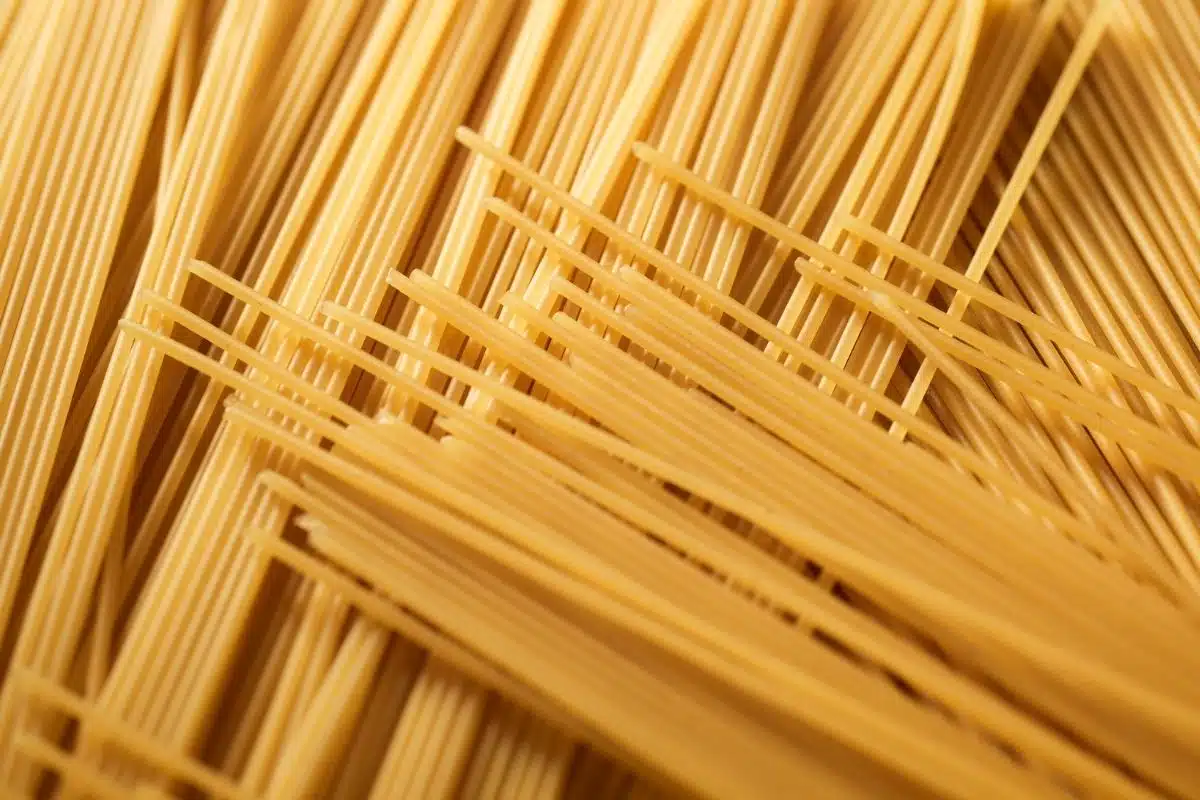
Dry pasta has a very long shelf life and is often safe to eat well beyond its expiration date. As long as it is kept in a cool, dry place and protected from moisture or pests, it remains stable for years. It may lose a bit of quality over time, but it still cooks and tastes normal.
Rice
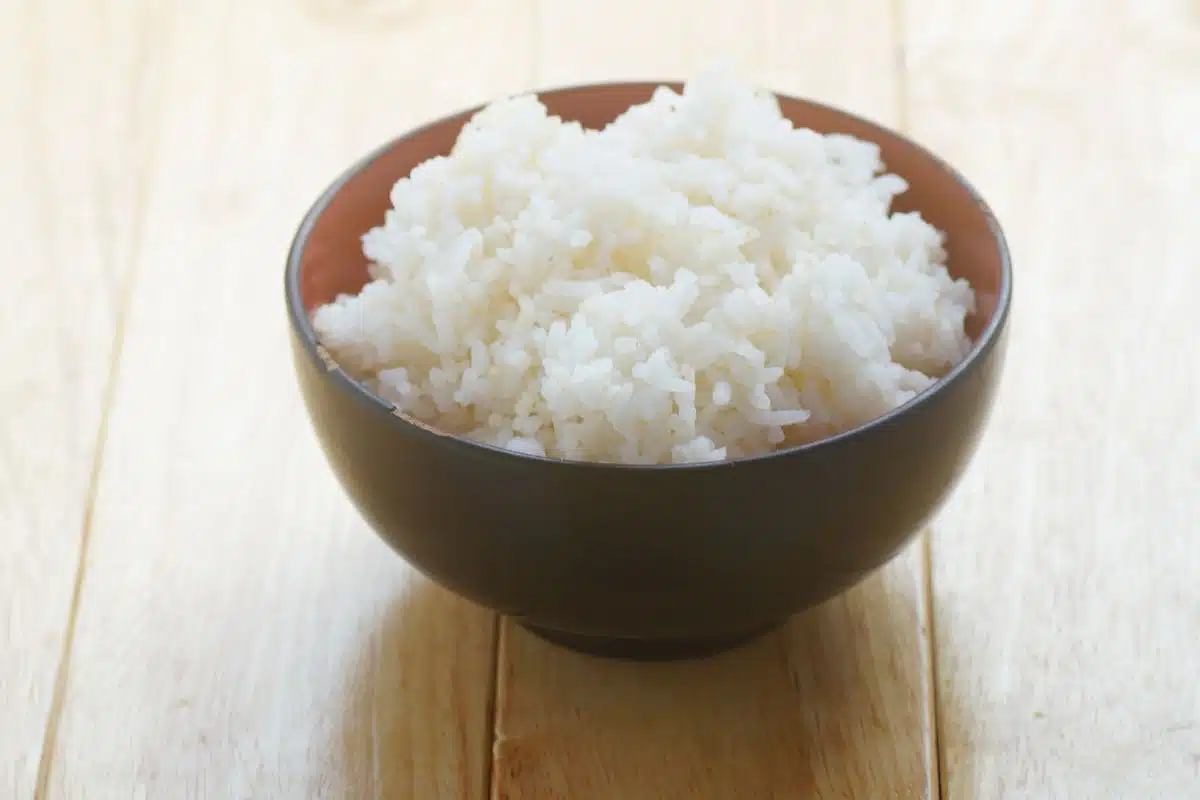
White rice is especially long-lasting and can often be stored safely for years when sealed properly. Brown rice has a shorter shelf life due to its natural oils, but it can still remain usable beyond its date if stored in airtight containers. Proper storage is key to maintaining freshness and preventing spoilage.
Frozen Foods

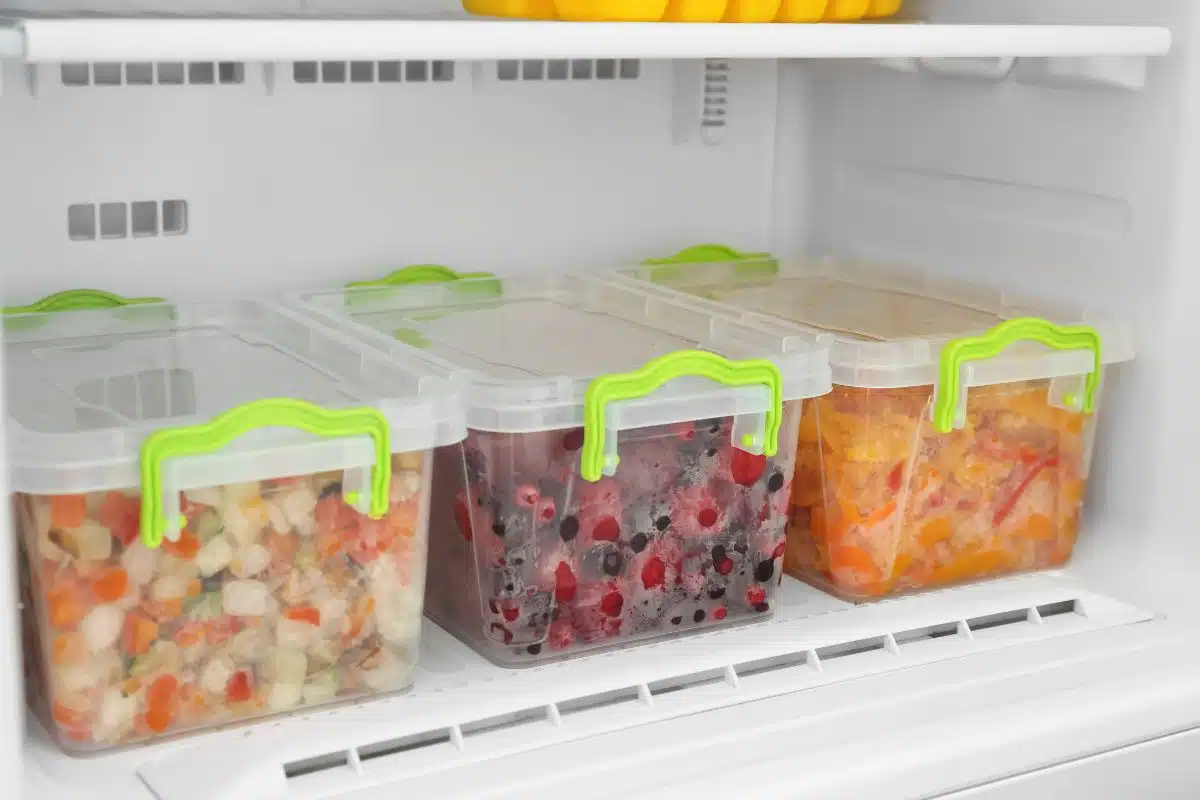
Frozen foods do not technically expire in the same way fresh foods do, as freezing prevents bacterial growth. While texture and flavor may decline over time, items remain safe as long as they have stayed continuously frozen. Freezer burn may affect quality, but not safety in most cases.
Peanut Butter
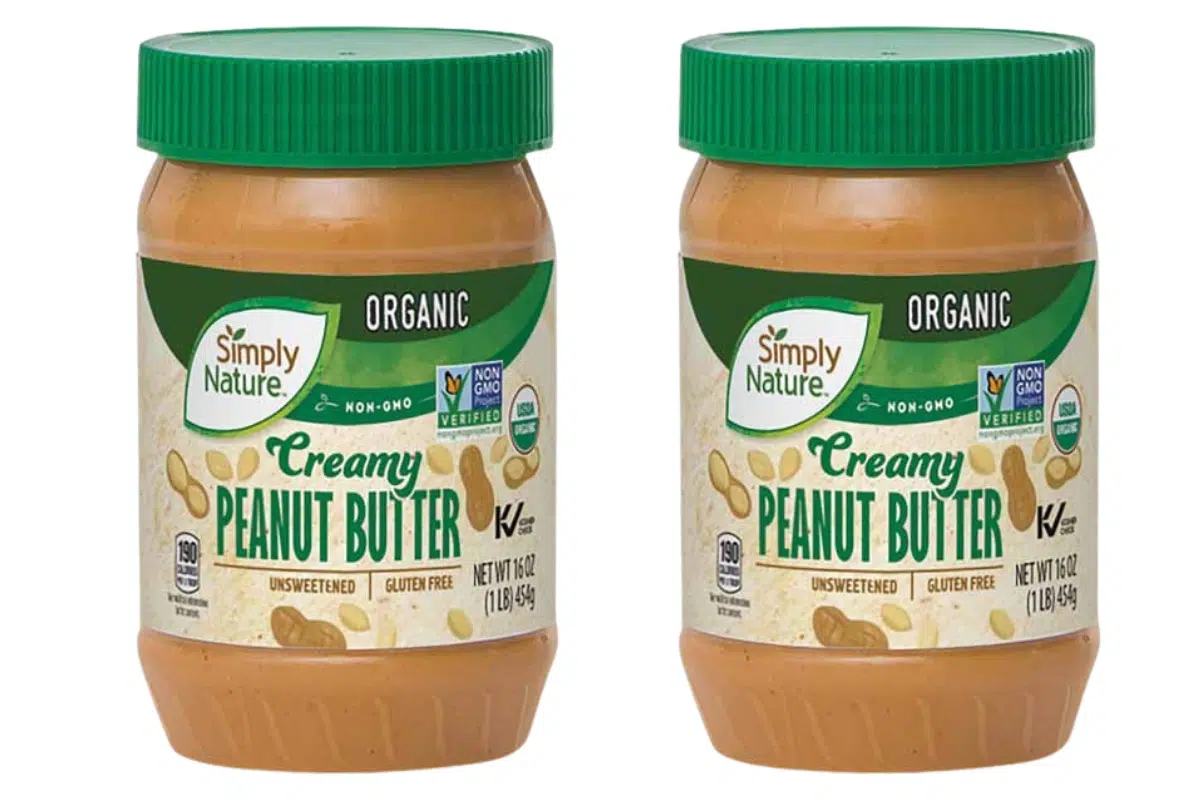
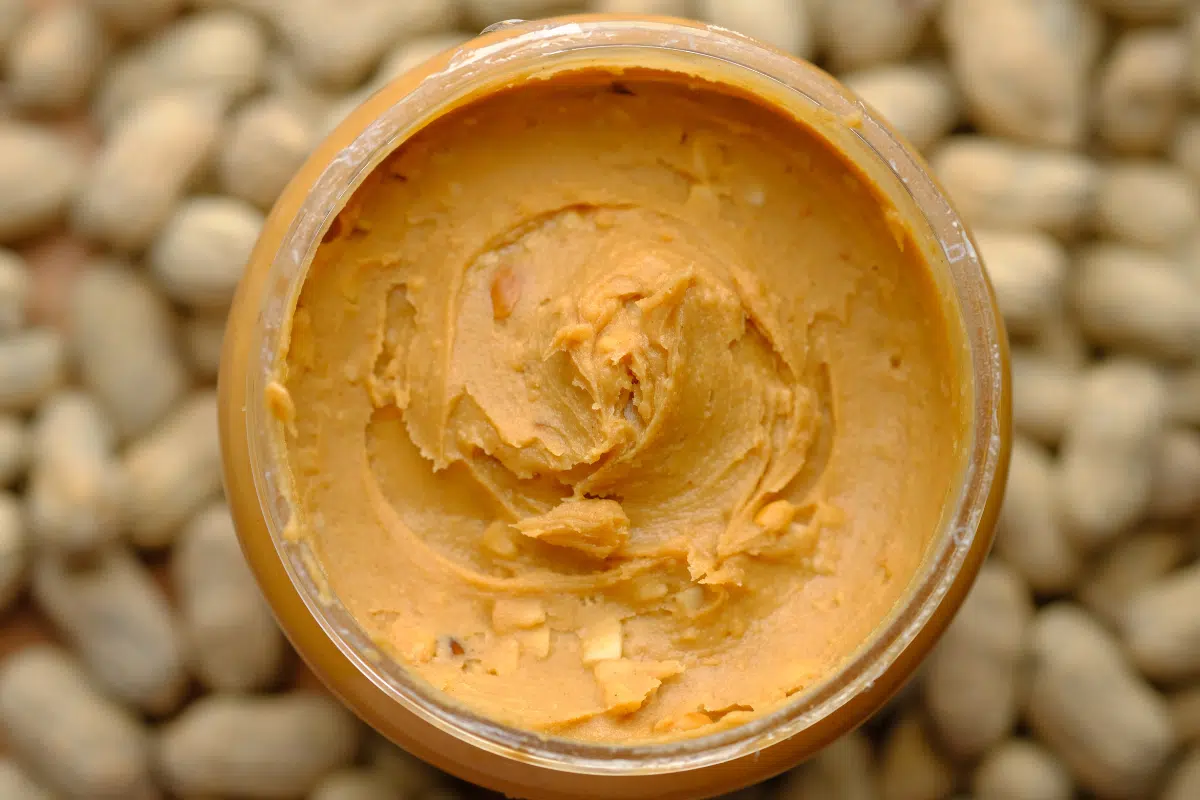
Peanut butter can often last months beyond its expiration date, especially when unopened. Natural separation of oils is normal and can be fixed with a simple stir. As long as there are no signs of rancidity or off smells, it remains safe to eat and use in recipes.
Salad Dressing
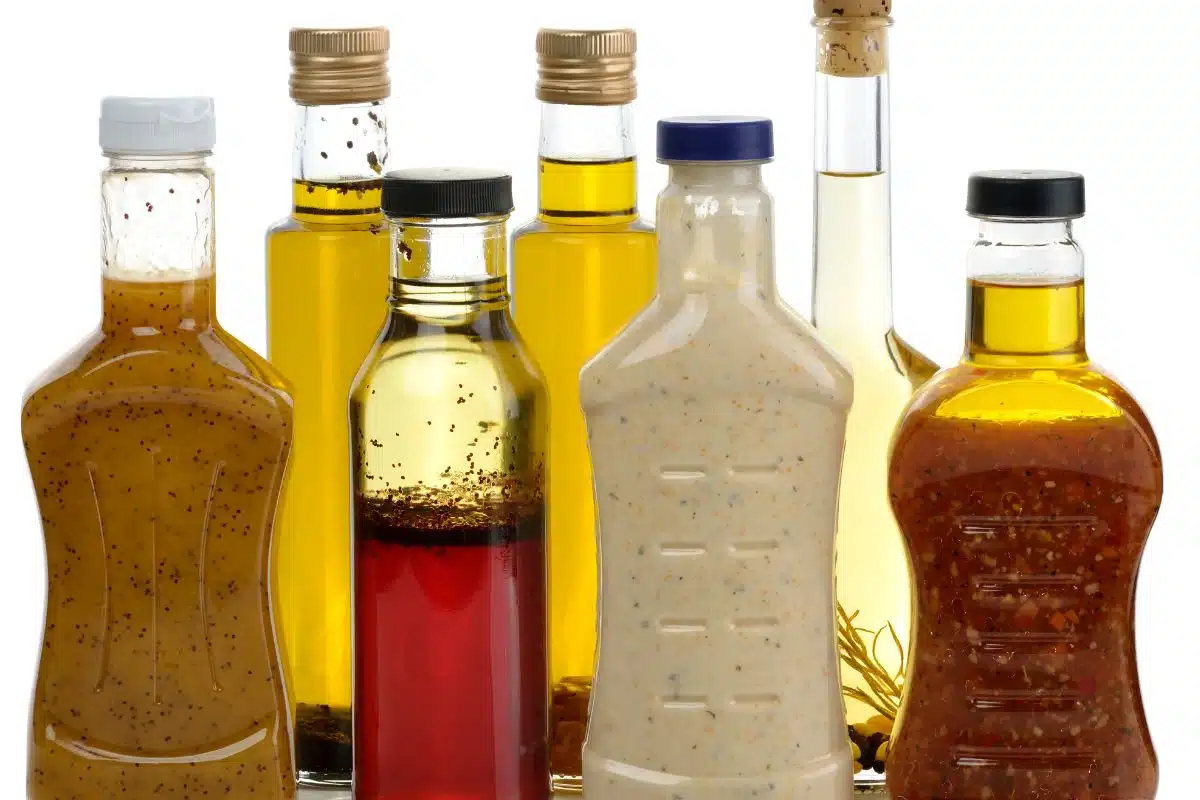
Many shelf-stable salad dressings, especially vinegar-based varieties, can last well beyond their printed date if properly refrigerated after opening. Over time, ingredients may separate, but shaking the bottle usually restores consistency. Always check for unusual odors or changes in texture before using.
Chocolate
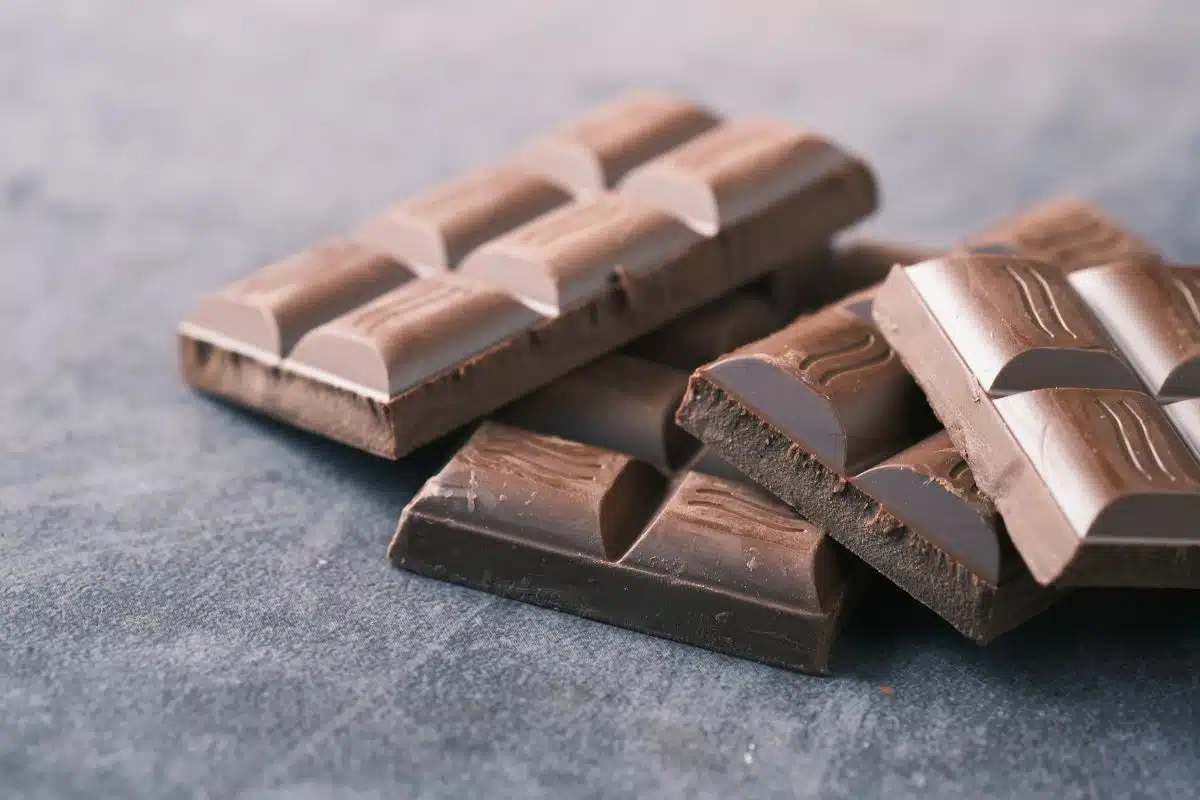
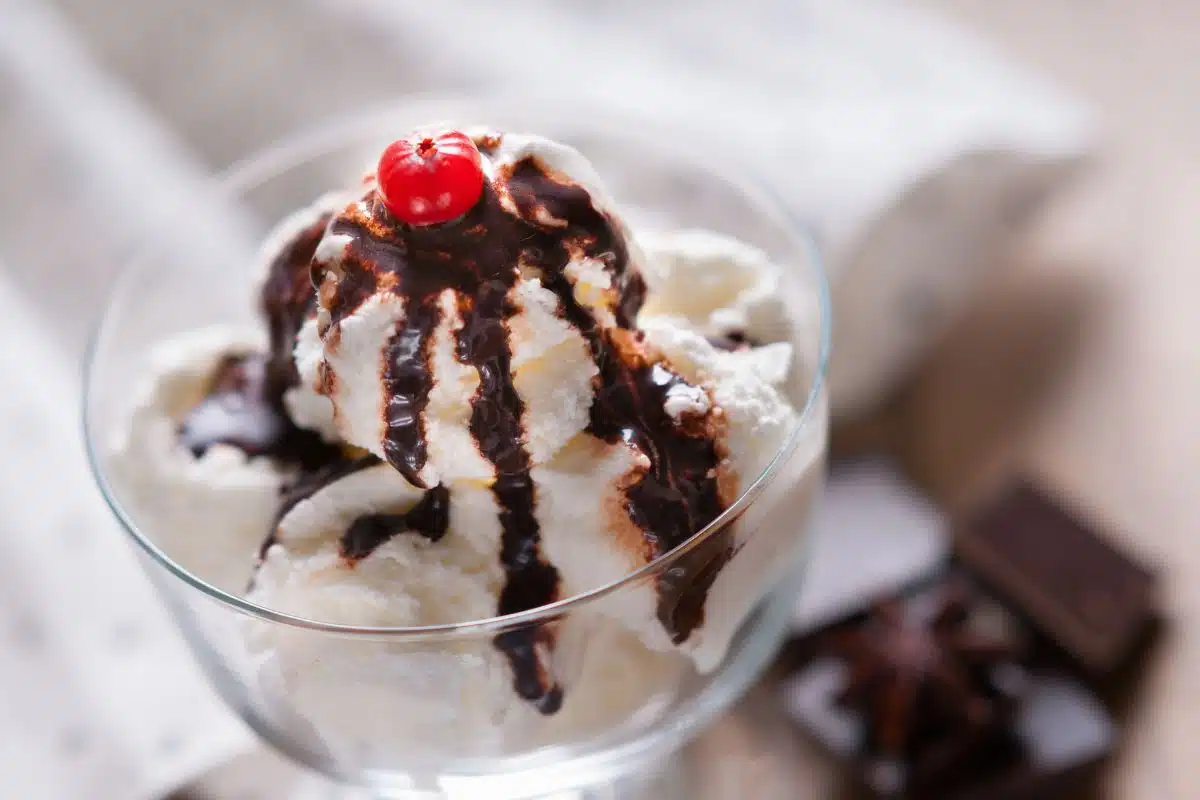
Chocolate is highly shelf-stable and can often remain safe long after its expiration date. A whitish coating known as “bloom” may appear due to fat or sugar crystallization, but it does not indicate spoilage. The flavor and texture may change slightly, but it is still safe to enjoy.
Butter
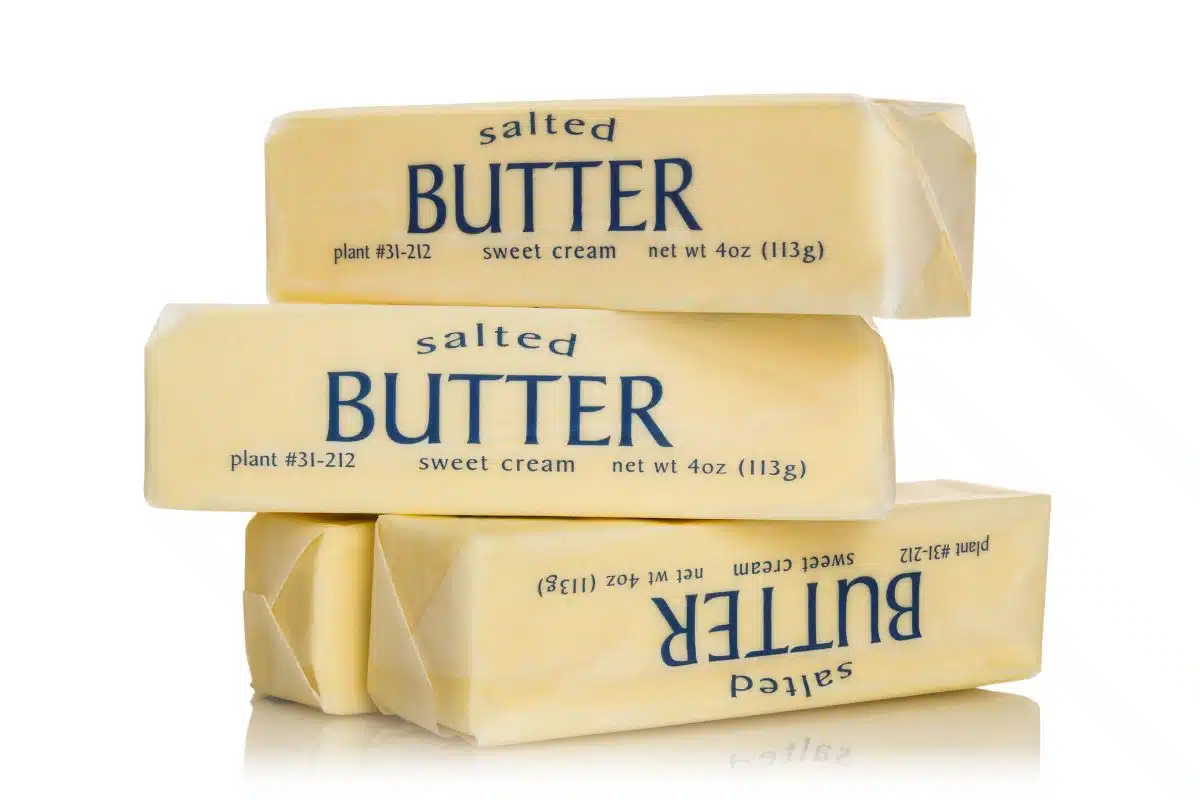
Butter can last several weeks past its expiration date when refrigerated and even longer when frozen. Its high fat content helps preserve it, though it should always be checked for off smells or rancid taste before use. Properly stored butter is one of the more forgiving dairy products in the kitchen.
What Food Dates Really Mean
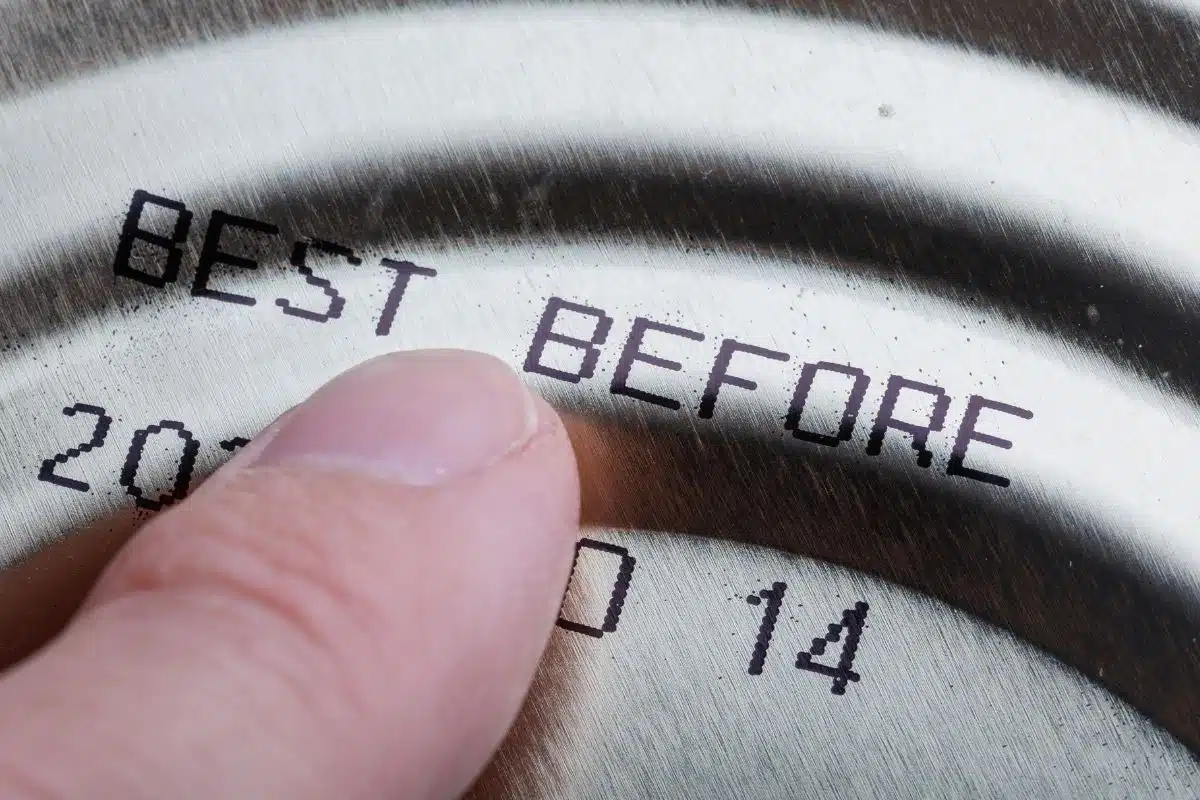
Terms like “best by,” “sell by,” and “use by” are primarily indicators of peak freshness rather than strict safety cutoffs. Most foods remain safe beyond these dates when stored correctly, especially if they pass simple sensory checks. Using your eyes, nose, and judgment can help prevent unnecessary food waste while keeping your kitchen both safe and efficient.
This post may contain affiliate links or sponsored content. Disclosure Policy