10 Easy Ways to Make Desserts Healthier Without Losing Flavor
Baking at home gives you something store-bought treats often don’t: control over the ingredients. While cookies, cakes, muffins, and breads are meant to be enjoyed, small changes can help reduce added sugar, increase fiber, and add more nutrient-rich ingredients without sacrificing flavor. From using fruit-based ingredients to experimenting with whole grains and flavorful spices, these simple baking swaps can help you create treats that feel indulgent while fitting better into a balanced lifestyle.
Use Naturally Sweet Ingredients When Possible

Replacing some refined sugar with ingredients like mashed bananas, unsweetened applesauce, dates, or a small amount of honey or maple syrup can add sweetness along with extra flavor. Keep in mind that natural sweeteners still contribute sugar and calories, so they are not necessarily a calorie-free alternative. The biggest benefit often comes from using whole-food ingredients that add moisture, fiber, or additional nutrients to your baked goods.
Reduce the Sugar in Recipes Gradually
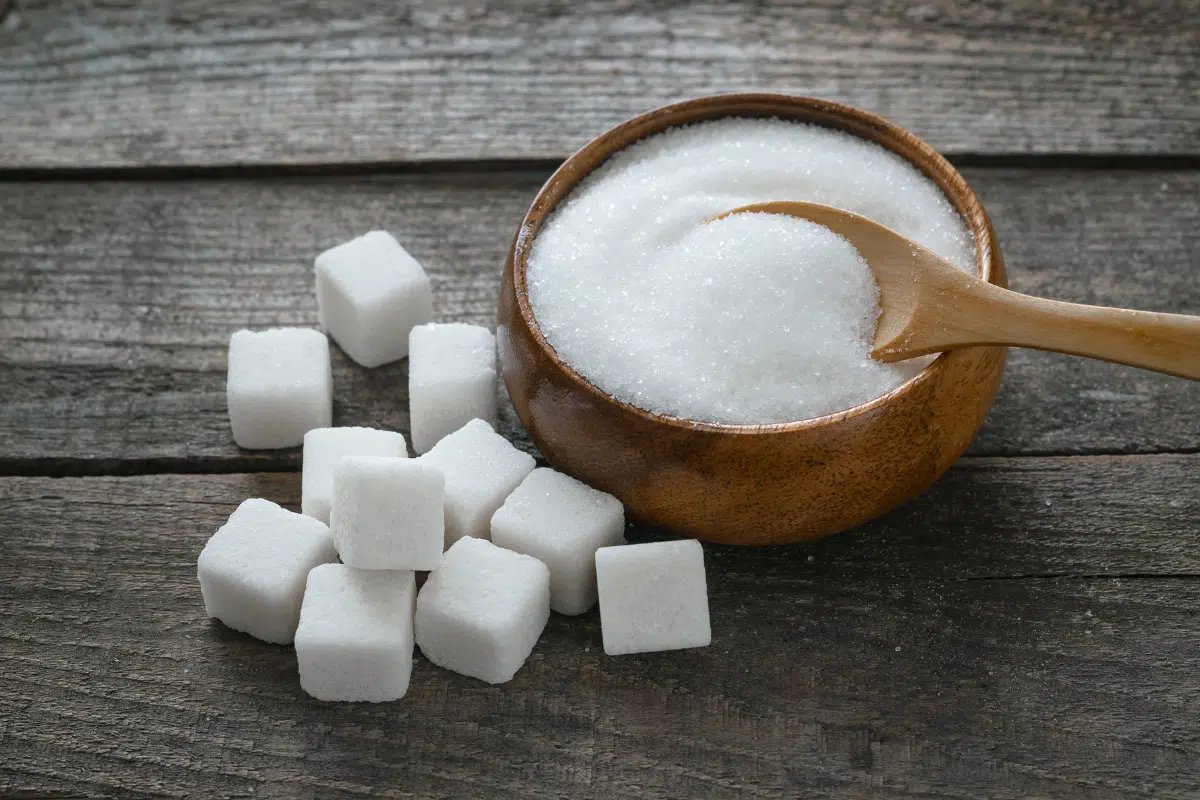
Many classic baking recipes contain more sugar than necessary, and reducing it slightly often has little impact on the final result. Try cutting the sugar by about 10–25% the first time you experiment, especially in muffins, quick breads, cookies, and fruit-based desserts. You can also enhance sweetness naturally with vanilla extract, cinnamon, nutmeg, citrus zest, or ripe fruit.
Replace Some All-Purpose Flour With Whole Grains
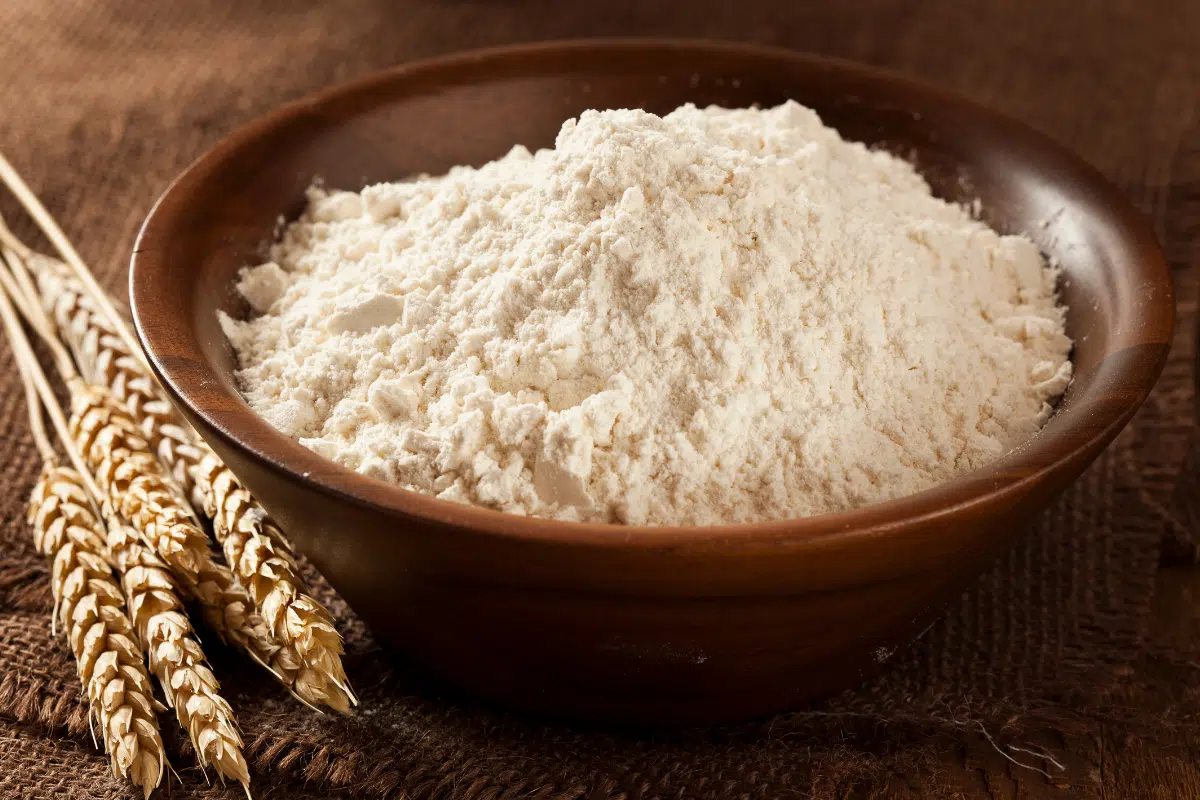
Swapping part of the white flour for whole wheat flour, oat flour, or almond flour can increase the fiber and nutritional value of baked goods. For the best texture, many recipes work well with a partial substitution rather than replacing all of the flour at once. Whole-grain flours can add a slightly nuttier flavor that works especially well in muffins, pancakes, breads, and hearty cookies.
Use Greek Yogurt to Add Moisturel
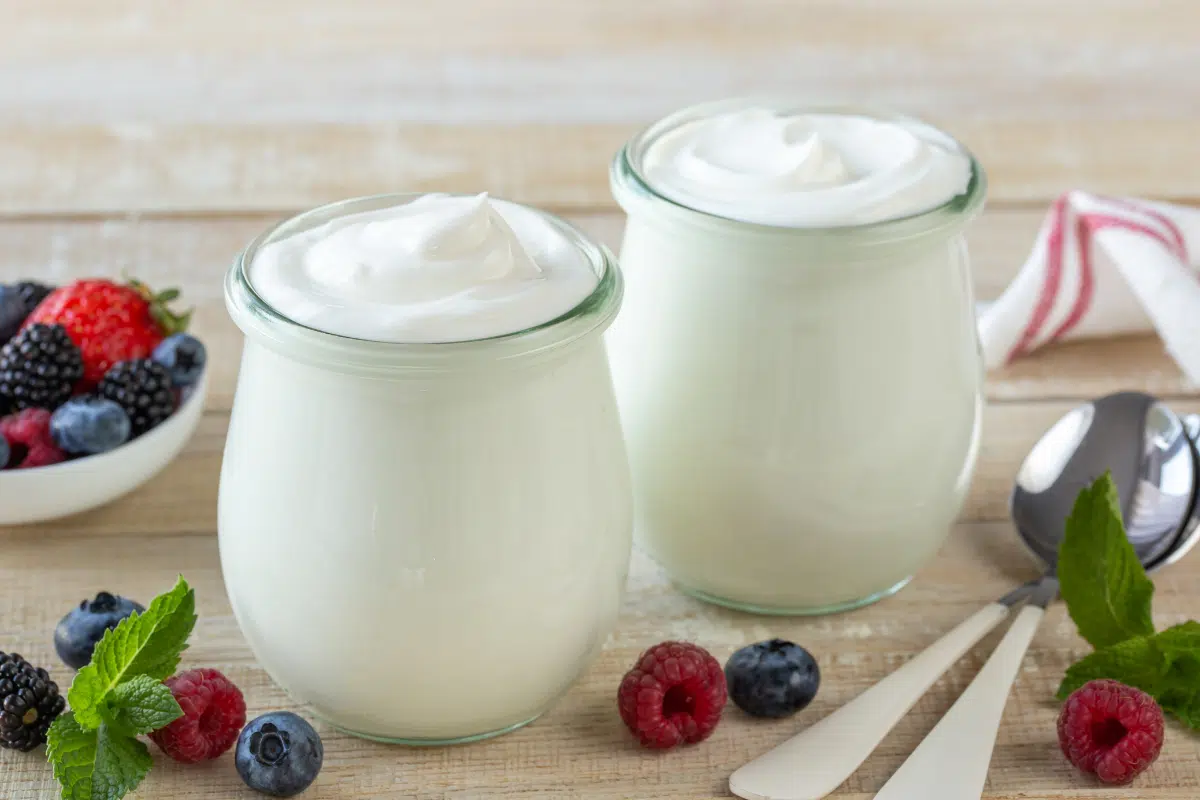
Greek yogurt is a versatile ingredient that can help create soft, tender baked goods while adding protein. It can often replace some of the oil, butter, or sour cream in recipes for muffins, cakes, and quick breads. Plain Greek yogurt works best because it provides moisture without adding extra sweetness or unnecessary ingredients.
Add Fruit and Vegetable Purees
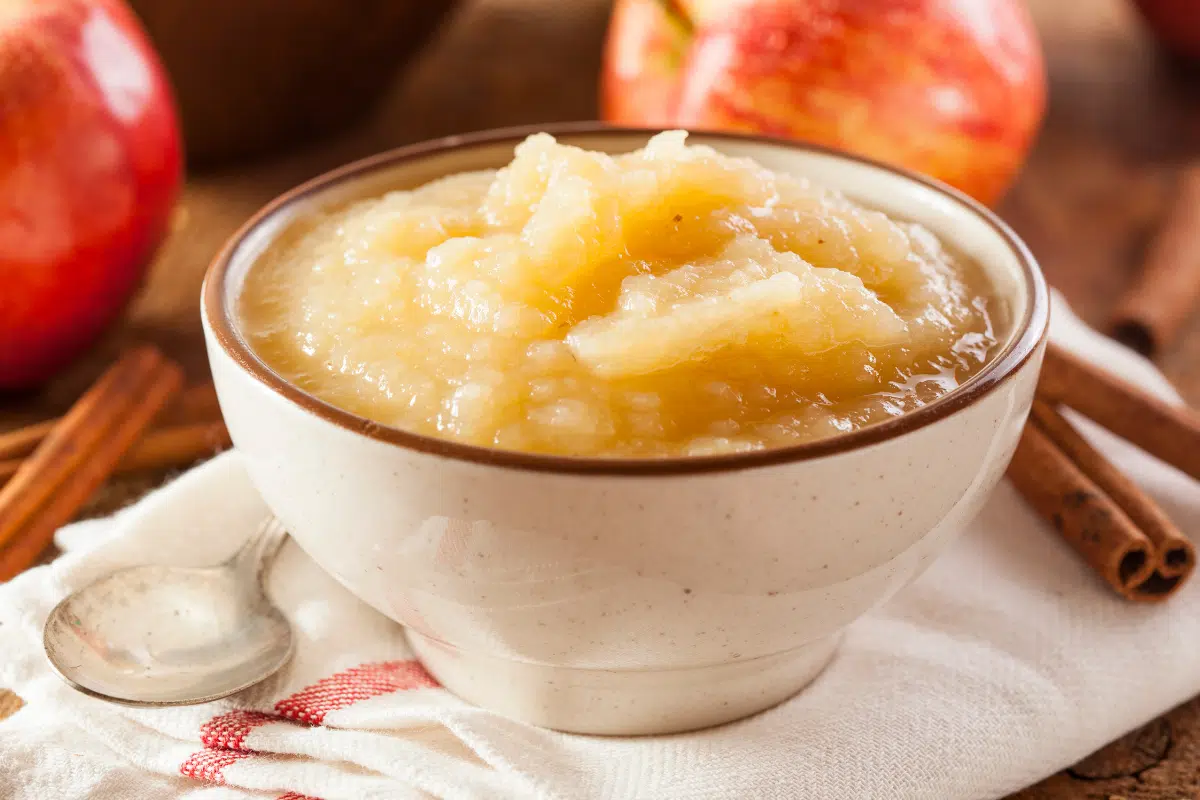
Ingredients like pumpkin puree, mashed bananas, applesauce, and even zucchini can add moisture and natural sweetness to baked goods. These swaps can help reduce the amount of oil or butter needed while creating a softer texture. Pumpkin and zucchini are especially useful in breads and muffins, while applesauce and bananas work well in cookies, cakes, and snack bars.
Choose Dark Chocolate for a Richer Flavor
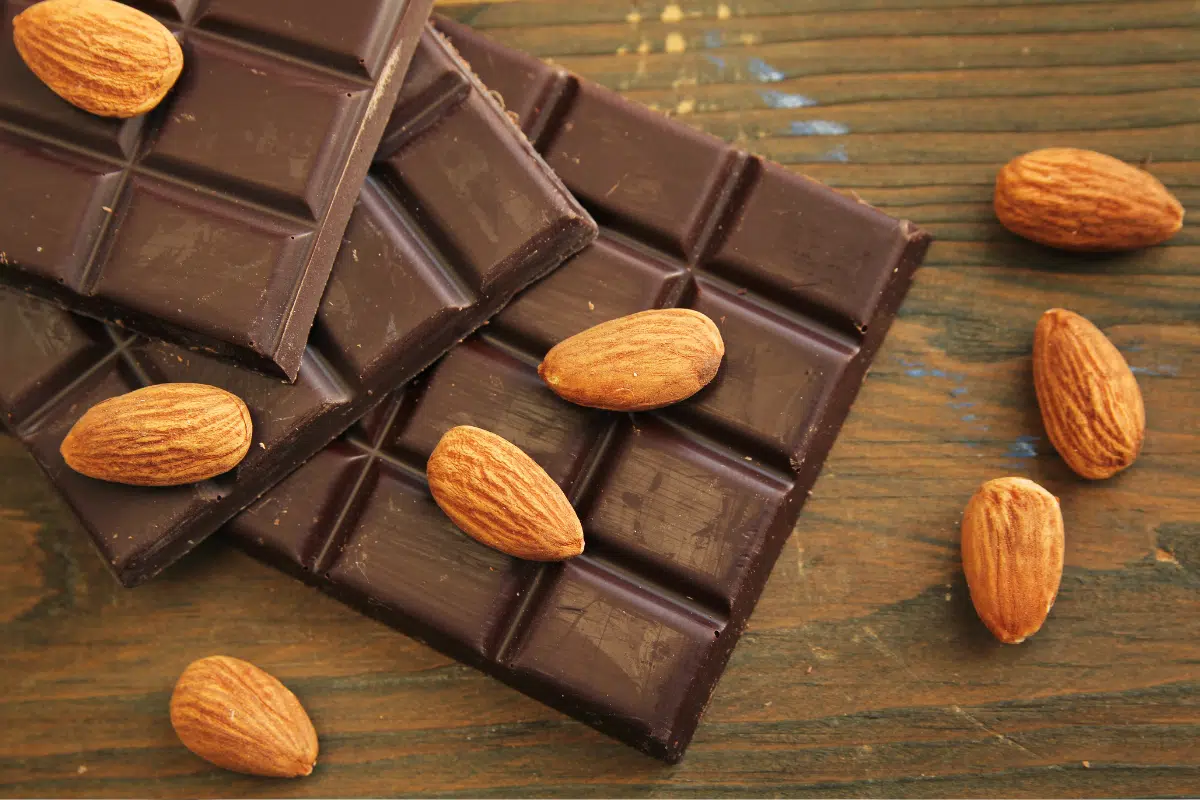
Dark chocolate with a higher cocoa percentage typically contains less sugar than milk chocolate and offers a deeper, more intense chocolate flavor. Using a smaller amount of high-quality dark chocolate chips or chopped chocolate can make desserts feel just as satisfying. Remember that dark chocolate still contains calories, so portion size remains important.
Experiment With Egg Alternatives
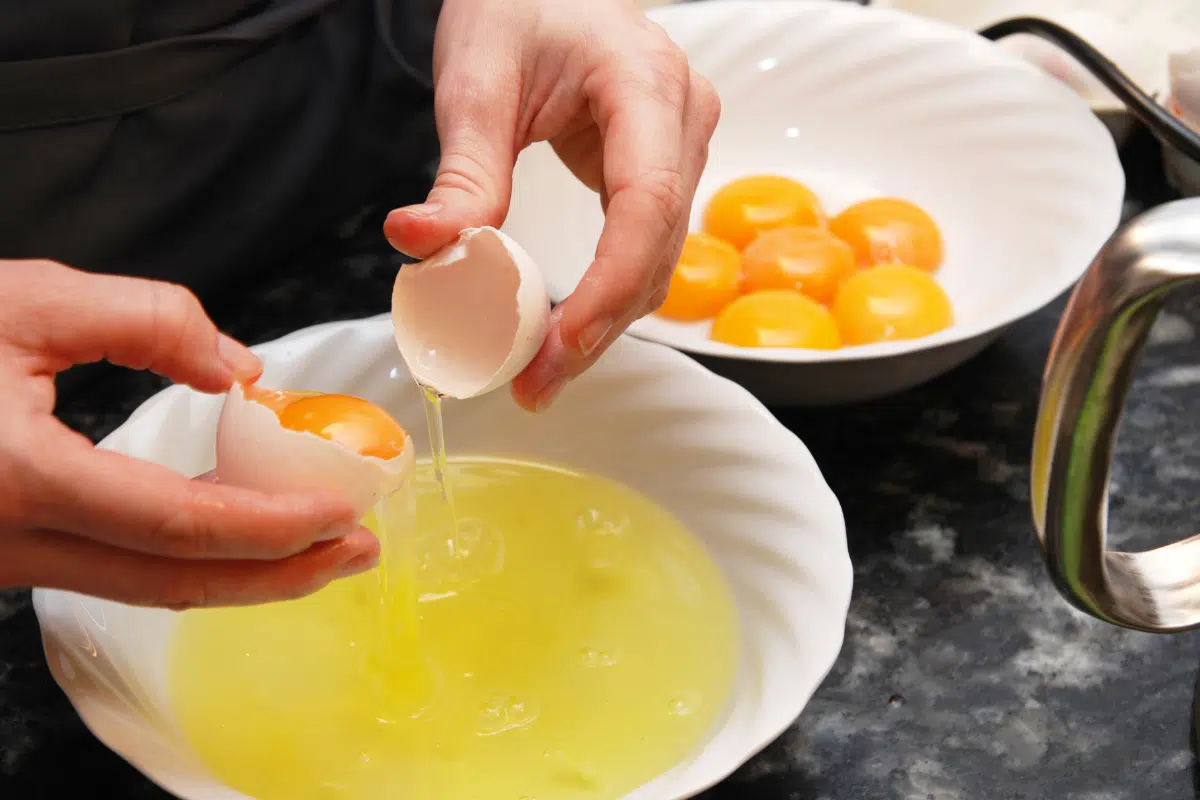
Eggs provide structure, moisture, and richness in baking, but some recipes allow for lighter alternatives. Using additional egg whites can reduce fat and calories, while ingredients like ground flaxseed mixed with water can work as an egg substitute in many plant-based recipes. The best option depends on the recipe, since cakes and cookies rely on eggs differently for texture and rise.
Add Nuts and Seeds for Extra Nutrition
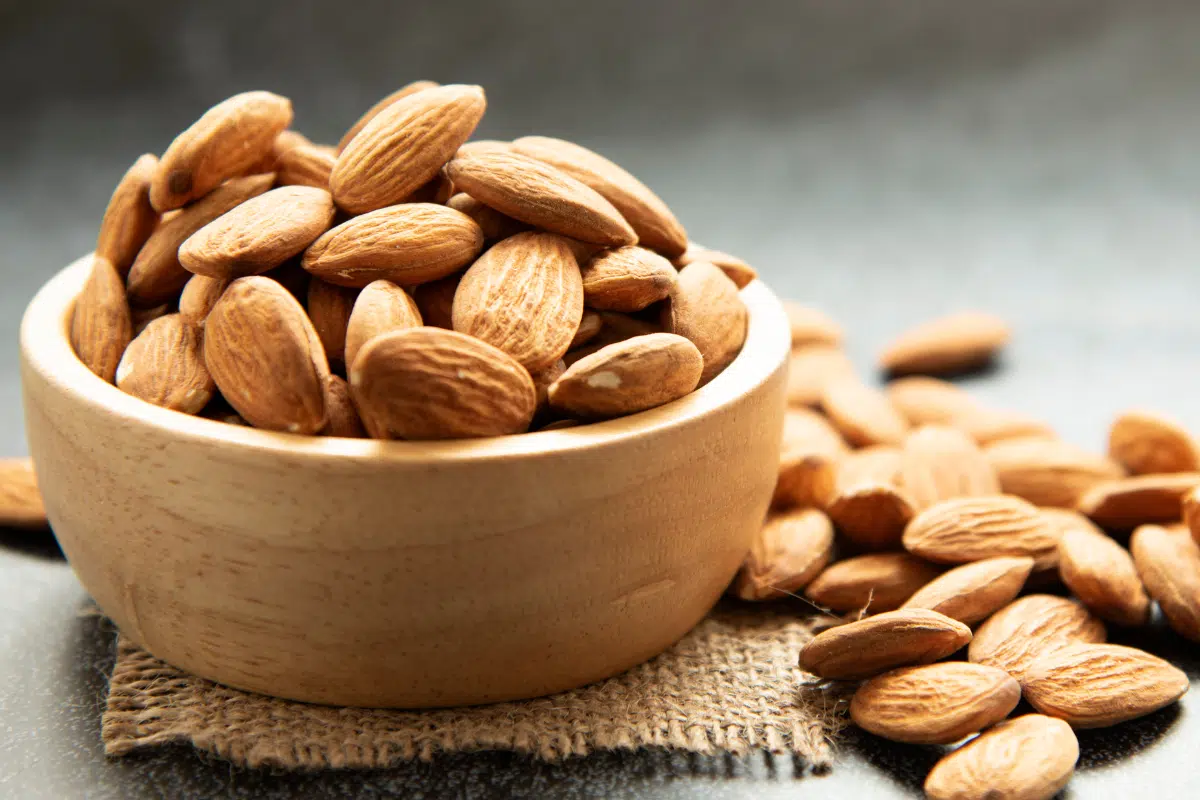
Adding walnuts, almonds, chia seeds, pumpkin seeds, or ground flaxseed can boost the fiber, protein, and healthy fats in baked goods. These ingredients also add texture and can make a small portion feel more satisfying. Try mixing them into oatmeal cookies, muffins, granola bars, or quick breads for a flavorful upgrade.
Choose Oils Carefully
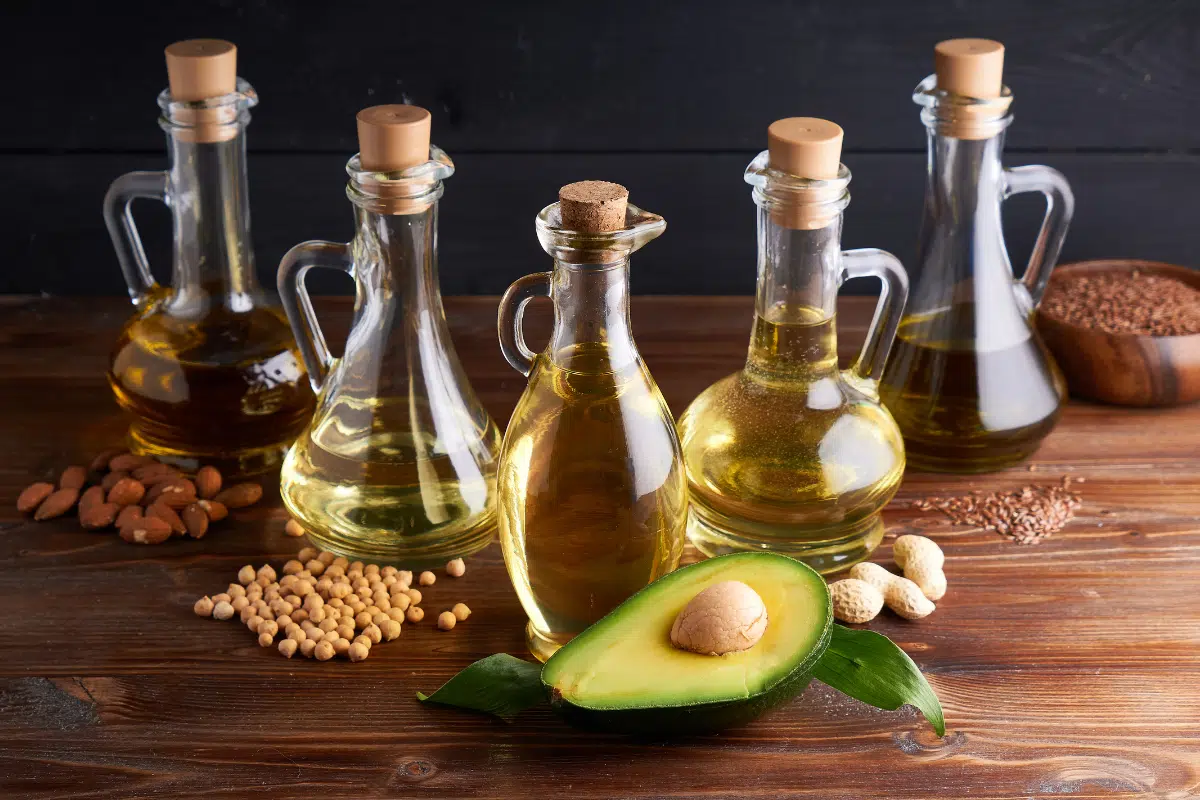
The type of fat used in baking can influence both flavor and texture. Oils such as olive oil can work beautifully in certain cakes and quick breads, while neutral oils may be better for recipes where you don’t want a noticeable flavor. Keep in mind that oils and butter are both calorie-dense, so using the right amount matters more than simply switching one fat for another.
Use Spices to Enhance Sweetness
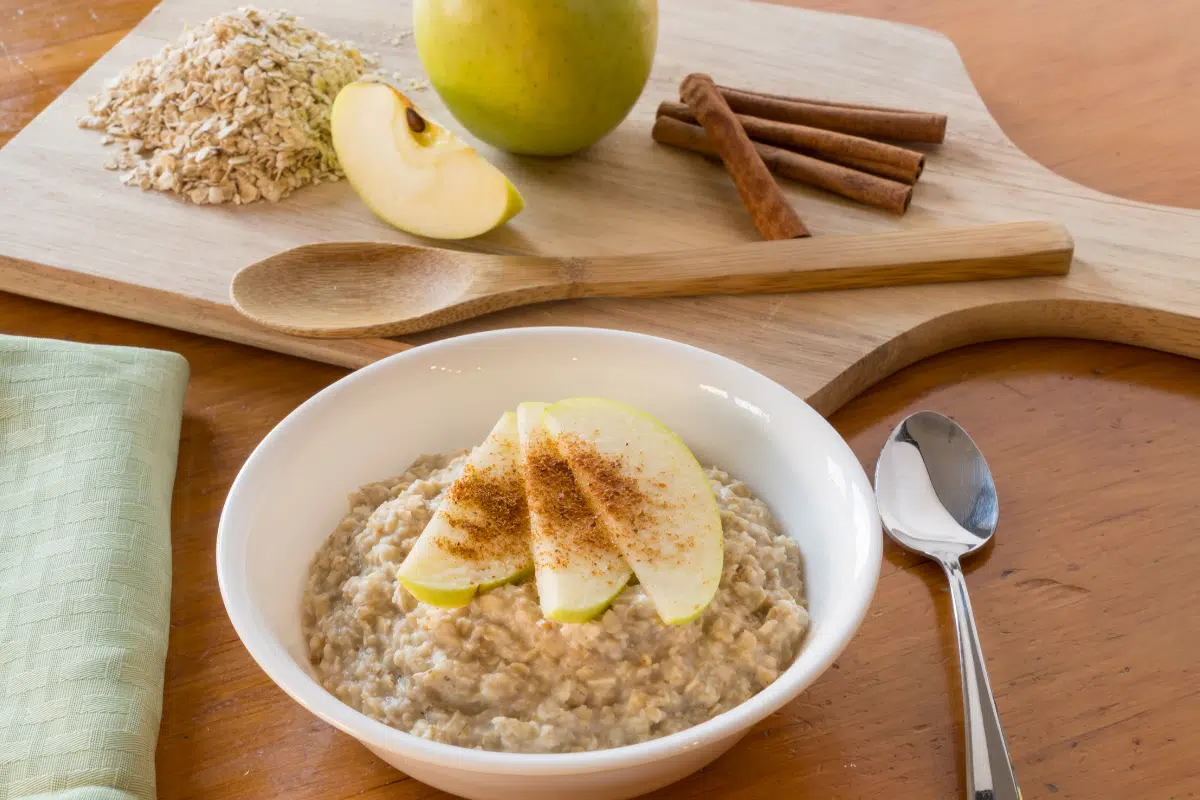
ISpices can make baked goods taste sweeter and more complex without adding extra sugar. Cinnamon, vanilla, ginger, nutmeg, cardamom, and citrus zest can bring out the natural flavors of ingredients while creating a more satisfying dessert experience. A well-balanced blend of flavors can allow you to rely less on sugar while still making treats taste special.
This post may contain affiliate links or sponsored content. Disclosure Policy