8 Easy Ways to Cook with Less Oil Without Giving Up Flavor
Cutting back on oil in your cooking doesn’t mean your meals have to taste bland or boring. In fact, many simple cooking techniques can help you create flavorful, satisfying dishes while using far less added fat. Whether you’re trying to eat healthier, reduce calories, or simply lighten up your meals, small changes in the kitchen can make a big difference. These easy tips will help you cook smarter while still enjoying the foods you love.
Use Nonstick Cookware
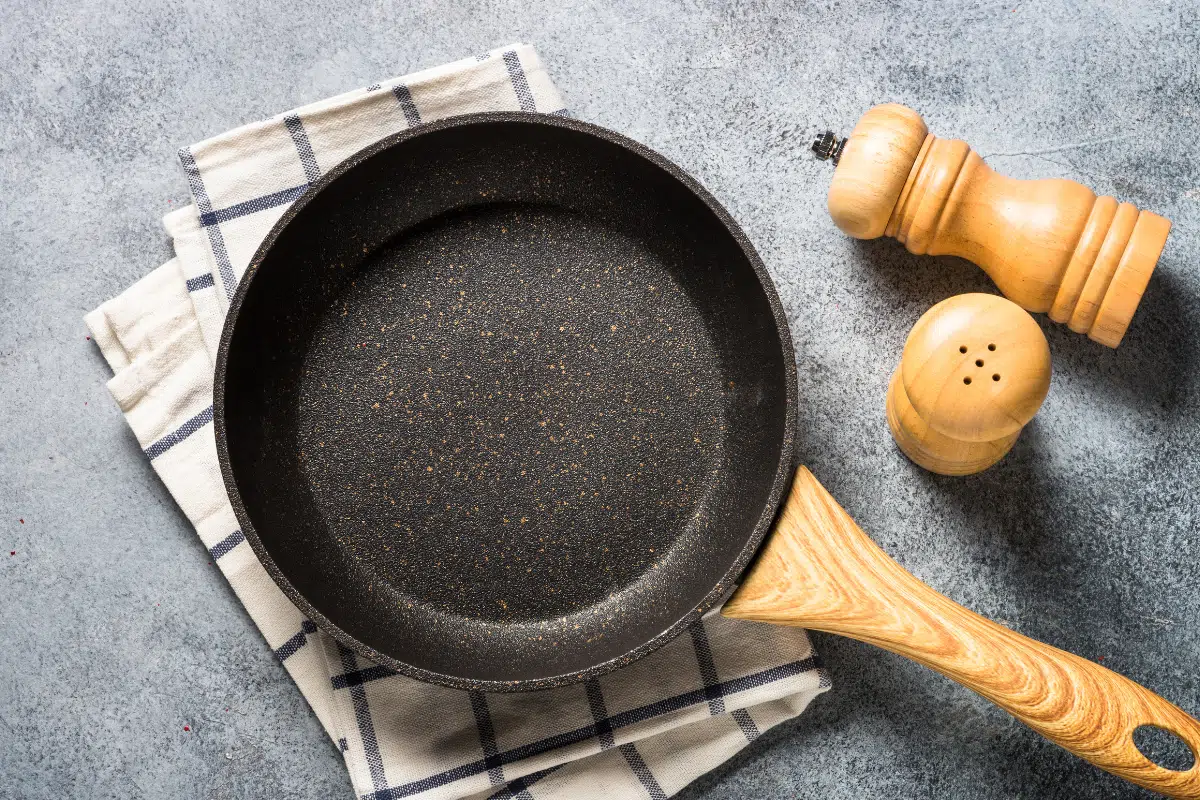
A quality nonstick pan makes it much easier to cook with little to no oil while still achieving a nicely browned finish. Foods like eggs, vegetables, pancakes, and chicken can cook evenly without sticking to the surface. This simple kitchen upgrade can dramatically reduce how much oil you use every day. It also makes cleanup faster and easier, which is always a bonus for busy cooks.
Try Steaming or Boiling
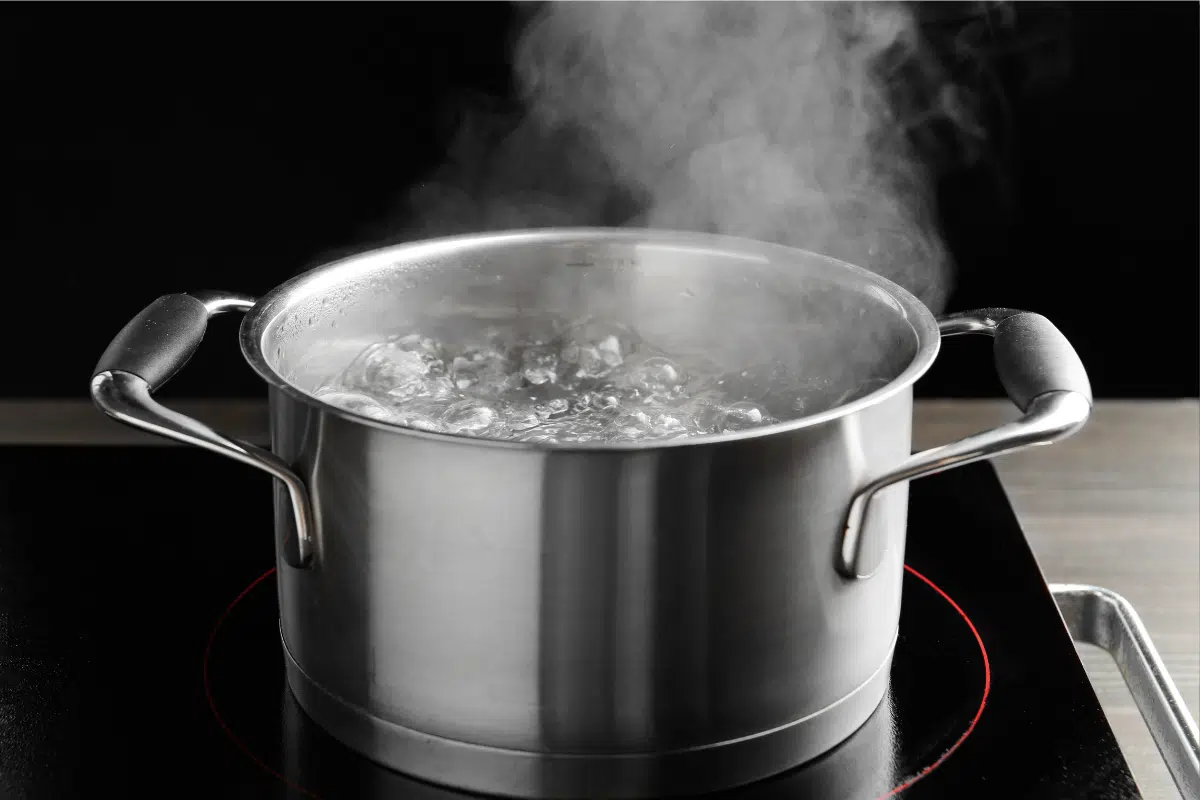
Steaming and boiling are excellent ways to cook foods without adding extra fats. Vegetables stay tender and flavorful, while grains and pasta cook perfectly with just water. Steaming especially helps preserve nutrients and natural color, making meals both healthier and more visually appealing. You can always add flavor afterward with herbs, spices, or citrus instead of relying on oil.
Use Broth or Water for Sautéing
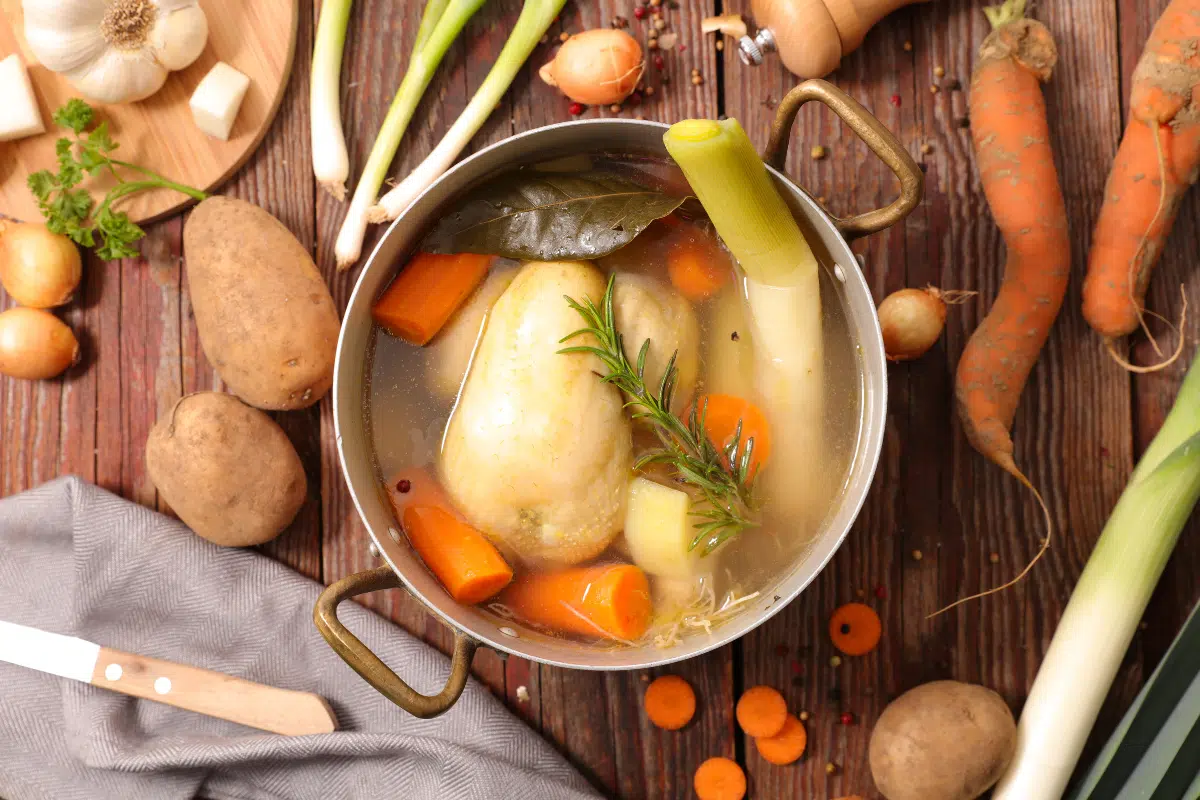
Instead of coating your pan with oil, try using small splashes of broth or water while sautéing vegetables. This technique works especially well for onions, garlic, mushrooms, and leafy greens. Vegetable or chicken broth adds extra flavor while keeping ingredients from sticking to the pan. It’s an easy swap that can significantly cut down on unnecessary fat in everyday meals.
Opt for Roasting Spray
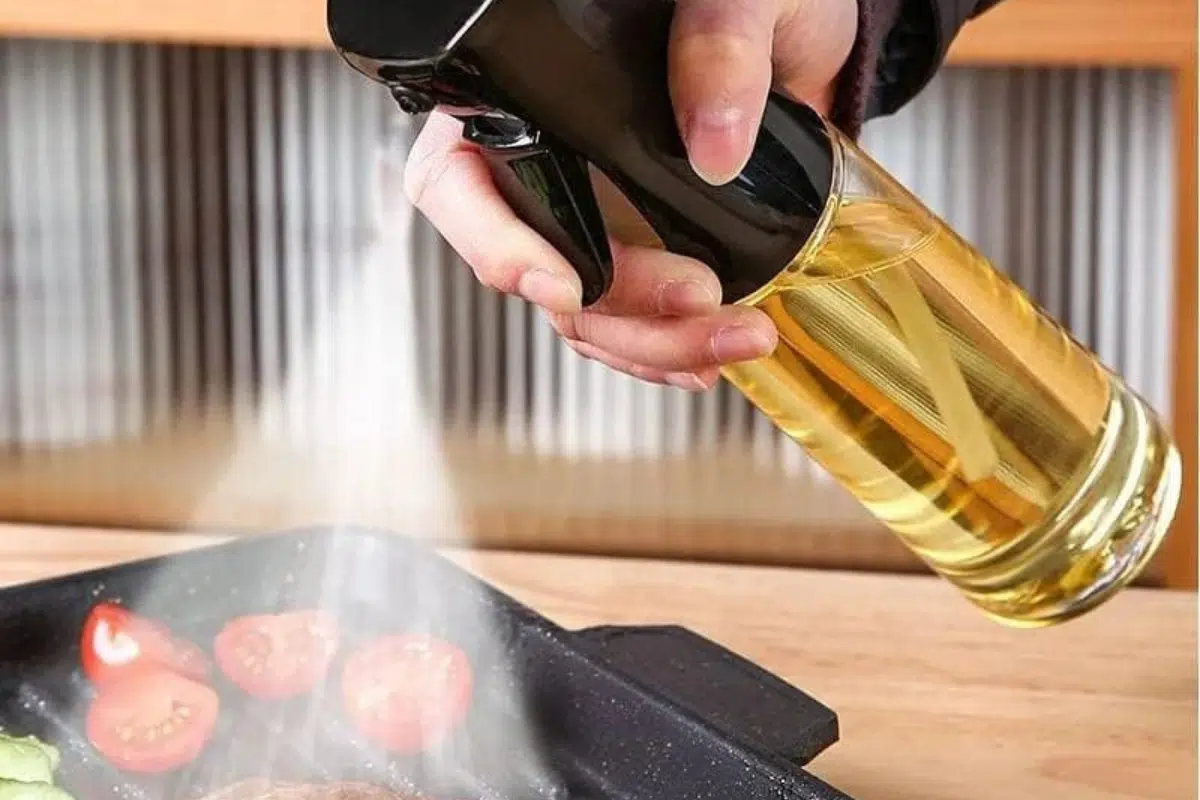
A quick mist of cooking spray can help foods crisp up in the oven without drenching them in oil. Roasted vegetables, potatoes, and proteins still develop a delicious texture while using far less fat than traditional roasting methods. The key is using just enough spray to lightly coat the surface instead of pouring oil directly onto the pan. This small adjustment can save hundreds of calories over time.
Bake Instead of Fry
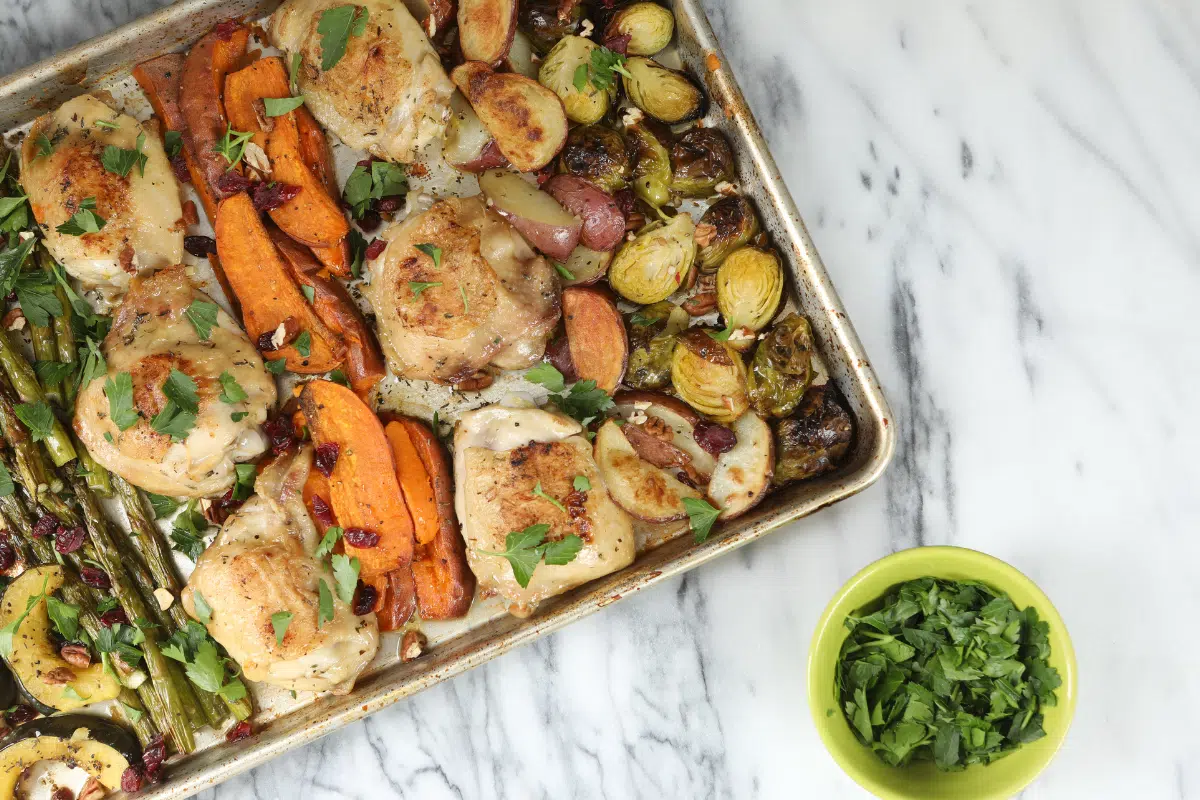
Baking is one of the easiest ways to enjoy crispy, satisfying foods with less oil. Favorites like chicken tenders, fries, and even breaded vegetables can turn golden and crunchy in the oven. Using parchment paper or a wire rack can improve crispiness even more without extra grease. You still get plenty of texture and flavor while avoiding the heaviness of deep-fried foods.
Blend in Healthy Fats
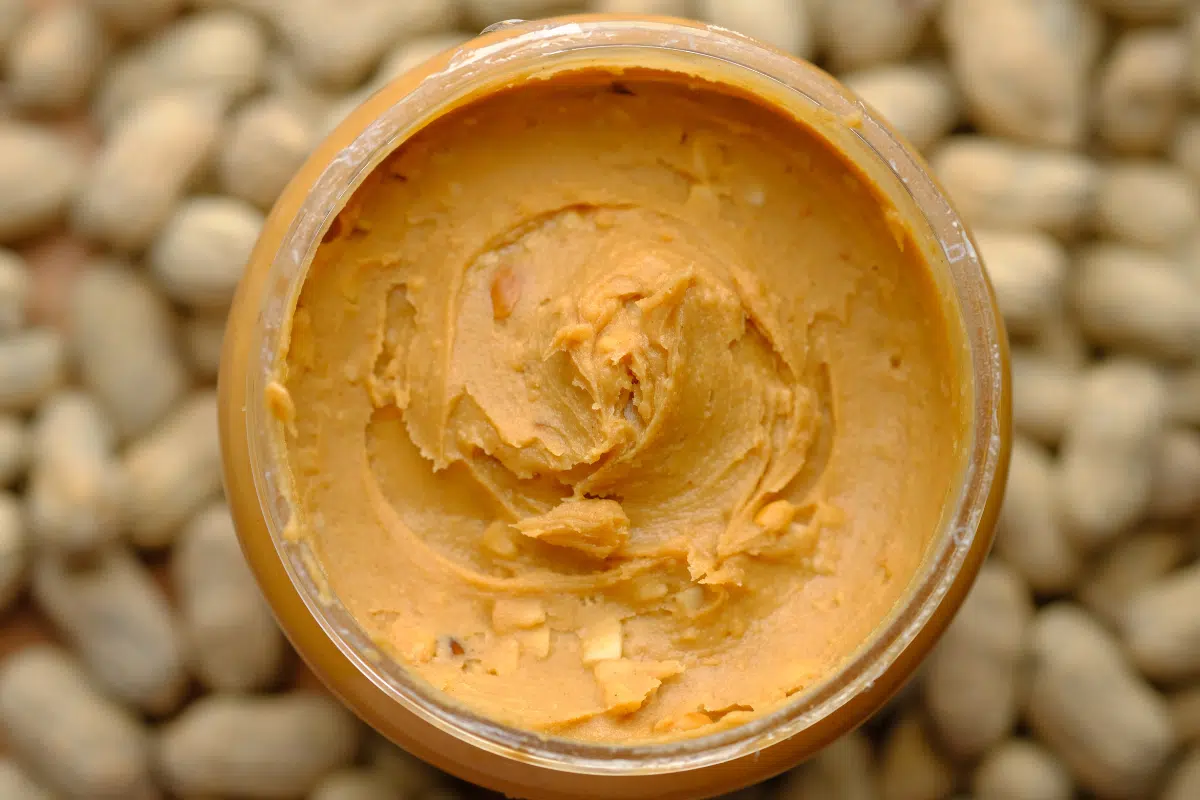
When recipes need creaminess or richness, try using alternatives like mashed avocado, Greek yogurt, or nut butters instead of large amounts of oil. These ingredients can add texture and flavor while also providing nutrients like protein, fiber, and healthy fats. They work especially well in dressings, dips, baked goods, and sauces. The result is a more balanced dish that still feels satisfying and indulgent.
Embrace Slow Cooking
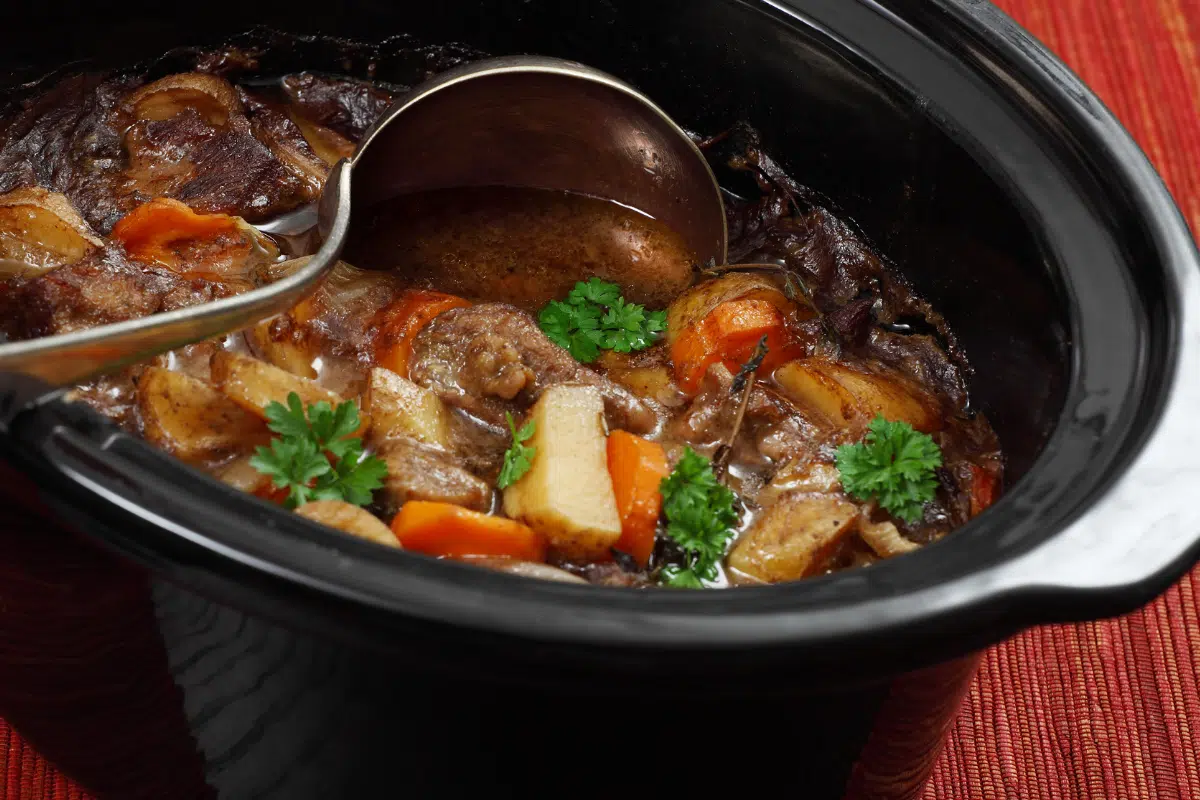
Slow cookers naturally help ingredients release their own moisture and flavor during cooking, reducing the need for added oil. Meats become tender, vegetables soften beautifully, and soups or stews develop rich flavor over time. Because everything cooks low and slow, meals often taste comforting and hearty without requiring much fat at all. It’s also a convenient hands-off cooking method for busy days.
Flavor with Herbs, Spices, and Acids
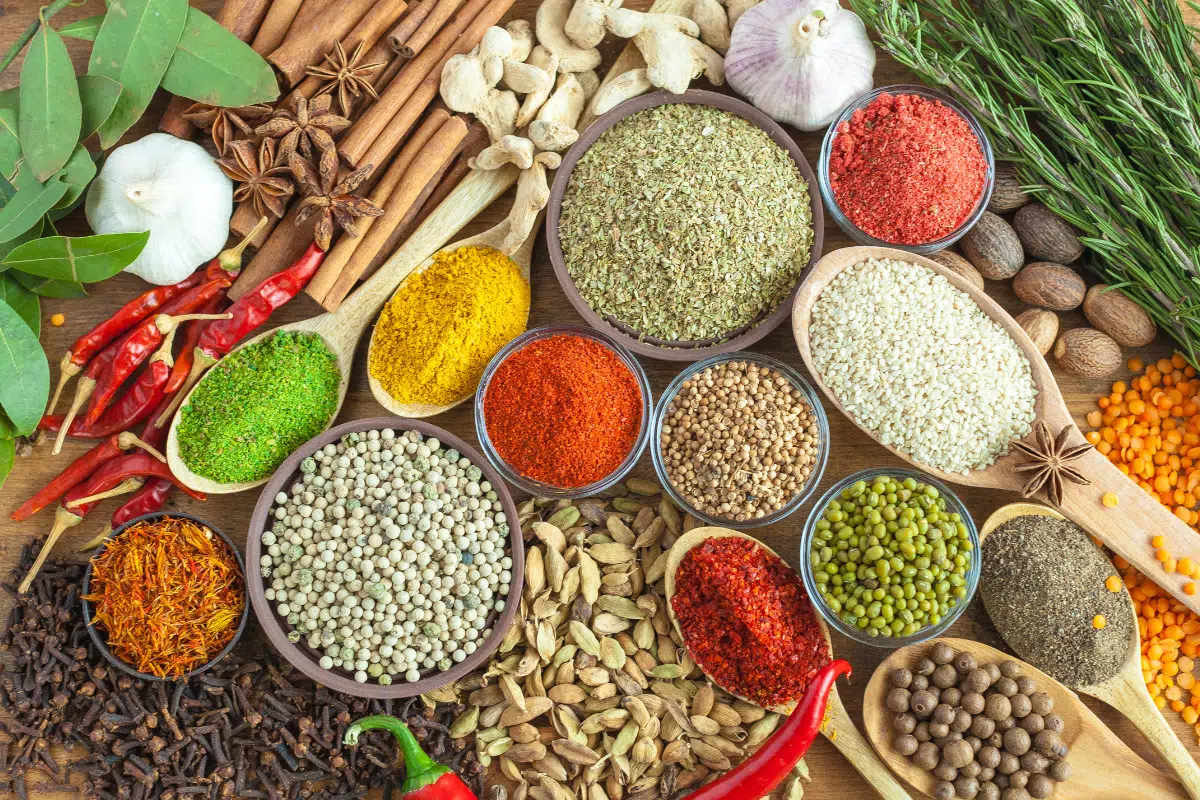
One reason people use oil is to boost flavor, but herbs, spices, and acidic ingredients can do the same job beautifully. Fresh garlic, lemon juice, vinegar, chili flakes, cumin, basil, and countless other seasonings can instantly brighten a dish. Experimenting with bold flavors helps meals feel exciting and satisfying without relying on extra oil. Once you start layering flavors this way, you may not even miss the added fat.
This post may contain affiliate links or sponsored content. Disclosure Policy