
9 Facts About the Real Savings From Energy-Efficient Kitchen Appliances
Energy-efficient kitchen appliances are often marketed as a way to lower utility bills, but many homeowners wonder how much they actually save. While upgrading every appliance at once may not make financial sense for everyone, newer models can reduce energy and water use while offering improved features and performance. The real savings depend on factors like the age of your current appliances, how often you use them, local utility rates, and which products you choose. Here are nine important facts to know before investing in energy-efficient kitchen upgrades.
Newer Appliances Can Use Significantly Less Energy Than Older Models
One of the biggest advantages of energy-efficient appliances is that they are designed to complete the same tasks while using less electricity. Older refrigerators, dishwashers, ovens, and other kitchen appliances may consume more energy simply because of outdated technology and less efficient designs. Replacing an appliance that is several years old with an ENERGY STAR-certified model can help reduce energy consumption over time. The biggest savings are often seen when replacing older appliances that run continuously, such as refrigerators and freezers.
Refrigerators Often Offer Some of the Biggest Energy Savings
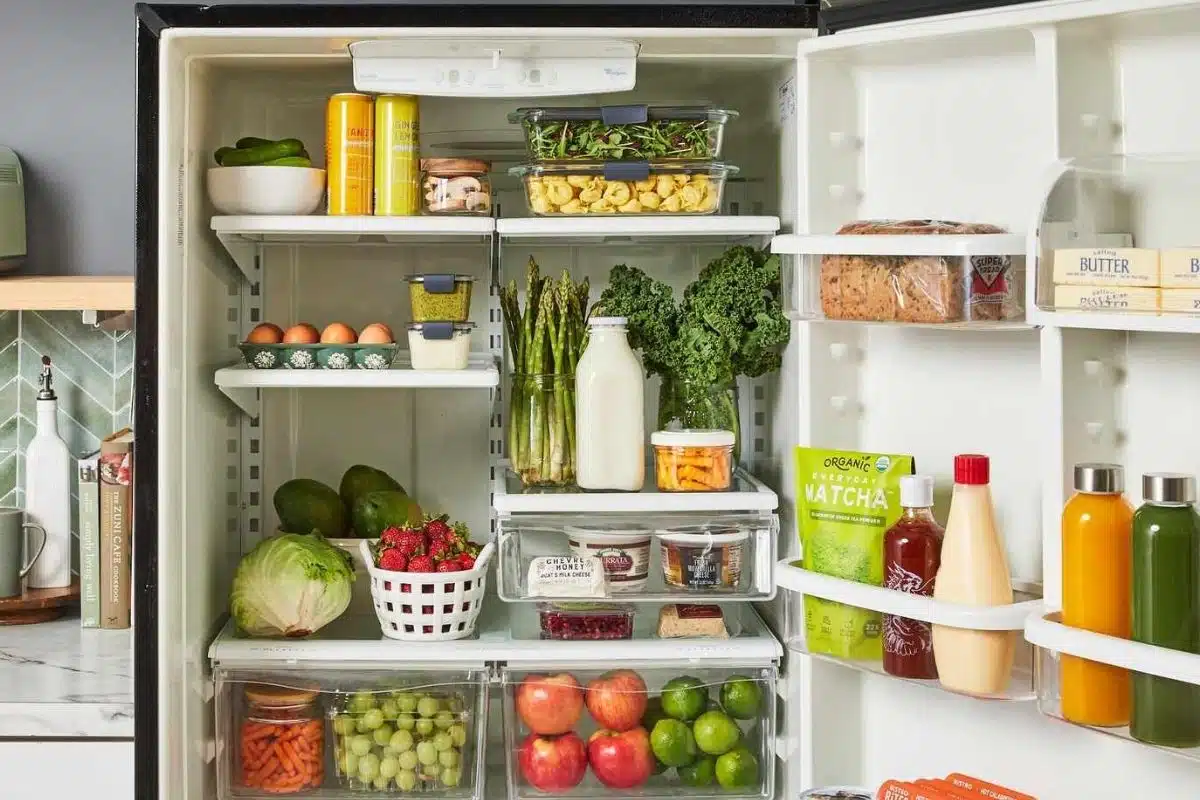
Your refrigerator is one of the hardest-working appliances in your kitchen because it operates around the clock. Older refrigerators can use much more electricity than newer models that feature improved insulation, better compressors, and smarter temperature controls. An energy-efficient refrigerator may cost more upfront, but the lower operating costs can add up over the years. Features like adjustable temperature settings and energy-saving modes can also help reduce unnecessary energy use.
Dishwashers Can Save Water and Energy
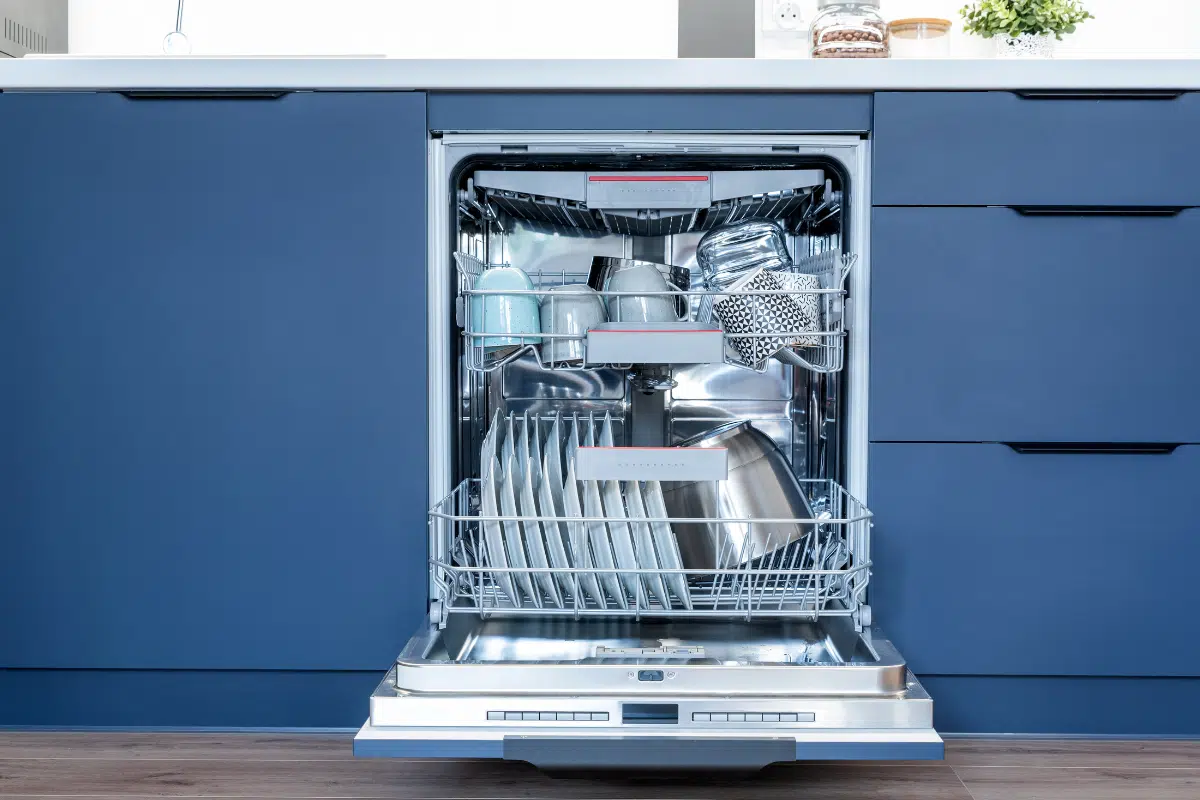
Many people assume hand-washing dishes always uses less water, but modern dishwashers are designed to clean large loads using carefully measured amounts of water. ENERGY STAR-certified dishwashers use less water and energy than many older models while still providing strong cleaning performance. Running full loads and using energy-saving cycles when appropriate can help maximize those savings. For households that use their dishwasher frequently, the reduced water and electricity usage can make a noticeable difference.
Smart Features Can Help Prevent Wasted Energy

Many newer appliances include smart technology that helps homeowners monitor and control energy use. Features like delayed start settings, usage tracking, and alerts can make it easier to avoid running appliances unnecessarily. Smart appliances may not automatically lower your bills, but they can provide more control over how and when you use energy. For households looking to manage utility costs more carefully, these features can be helpful.
Energy-Efficient Appliances May Cost More Upfront

While energy-efficient appliances can save money over time, the initial purchase price is often higher than standard models. The key is to consider the total cost of ownership, which includes purchase price, maintenance, water use, and electricity costs. A more expensive appliance may make sense if it will be used frequently and remain in your home for many years. However, replacing a perfectly working appliance solely for energy savings may not always provide enough savings to justify the expense.
Cooking Appliances Have Different Savings Potential
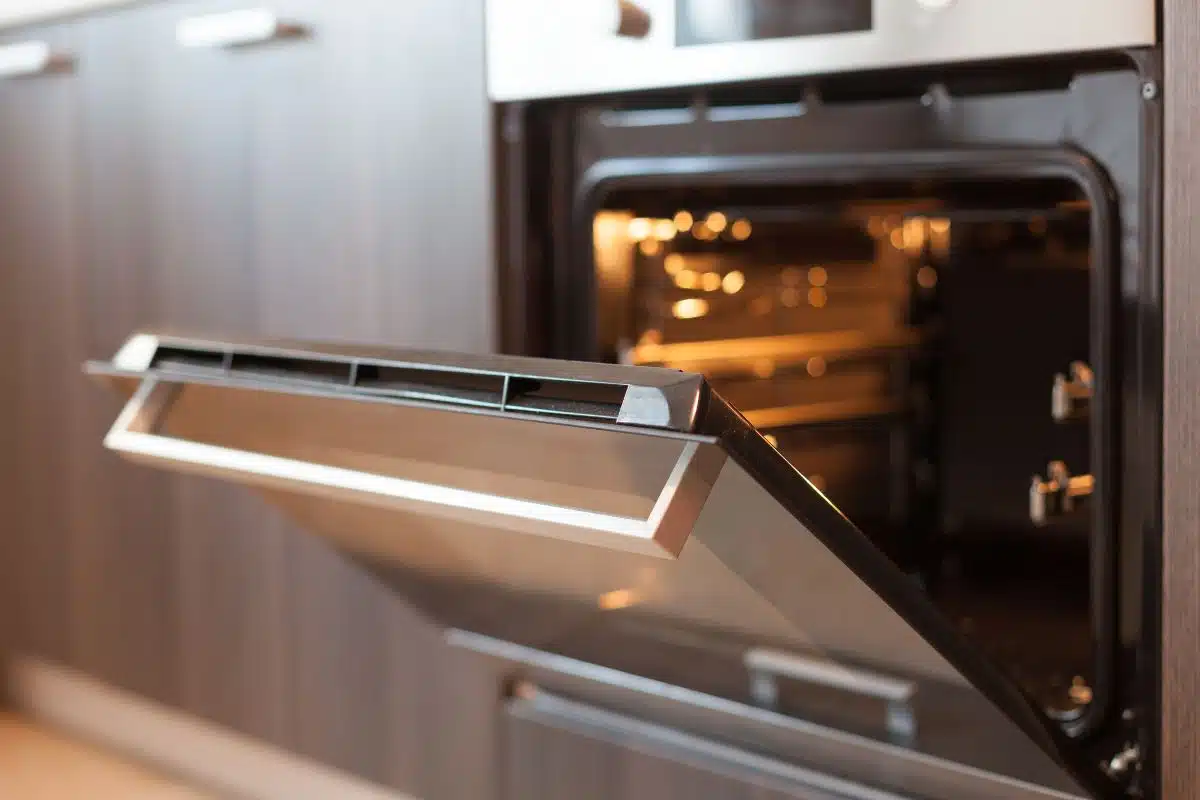
Not every kitchen appliance offers the same level of energy savings. Refrigerators and dishwashers typically have more consistent energy use, while ovens and stovetops are used less frequently in many homes. When upgrading cooking appliances, features such as convection settings, induction technology, and improved insulation can help increase efficiency. Choosing the right appliance depends on your cooking habits and how often you use it.
ENERGY STAR Labels Make Comparison Easier
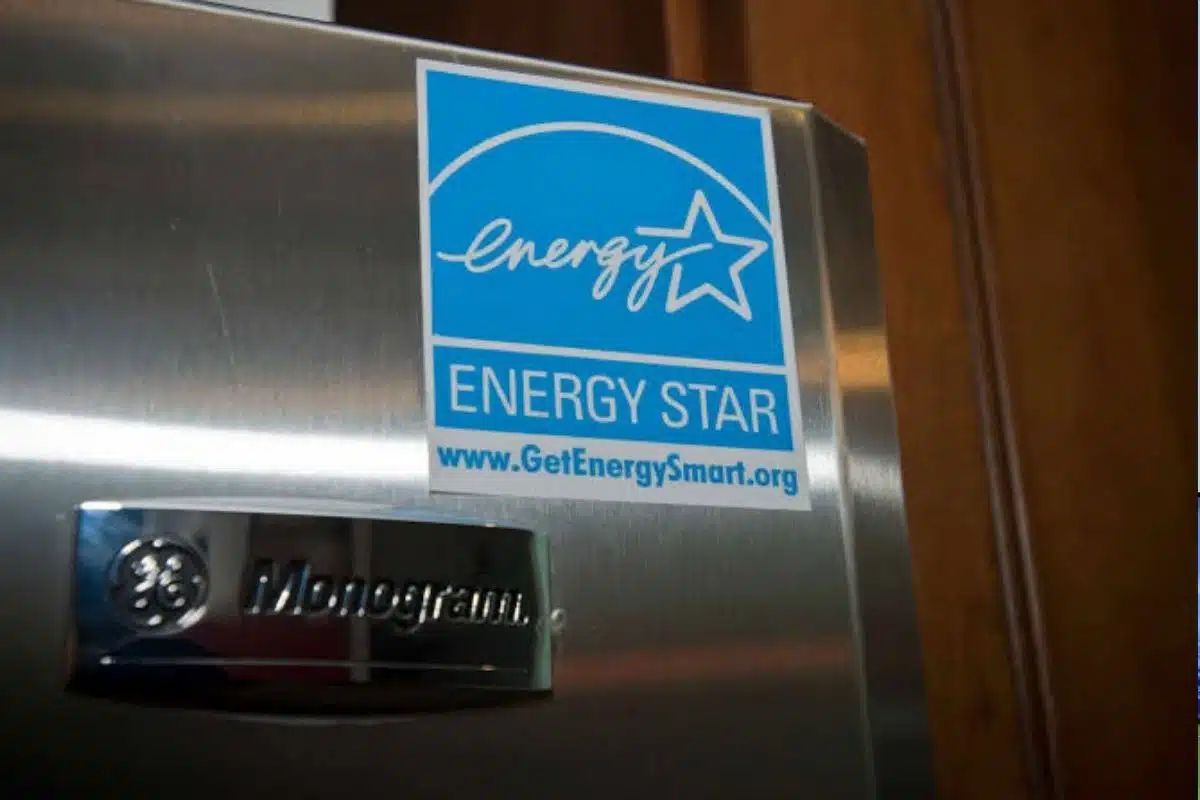
Shopping for efficient appliances can feel overwhelming, but ENERGY STAR certifications provide a helpful way to compare models. These products must meet specific efficiency standards and are designed to use less energy than conventional options. The label can help shoppers estimate annual energy costs and compare similar appliances before making a purchase. Looking beyond the price tag can reveal which models may offer better long-term value.
Maintenance Plays a Role in Energy Savings
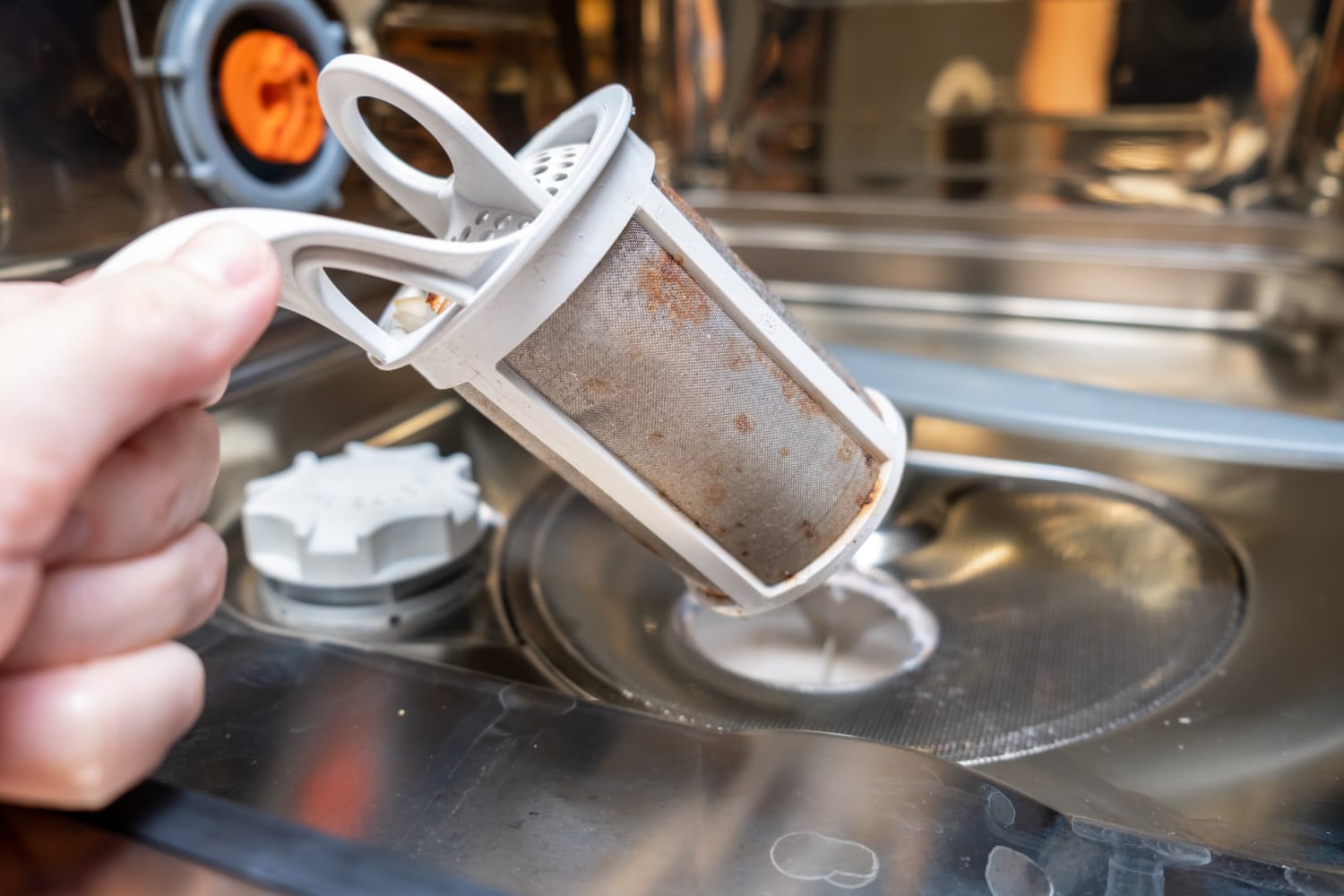
Even the most efficient appliance can lose performance if it isn’t properly maintained. Dirty refrigerator coils, clogged filters, and worn seals can force appliances to work harder and use more energy. Simple tasks like cleaning refrigerator coils, replacing filters, checking door seals, and following manufacturer care instructions can help appliances operate efficiently. Regular maintenance can also extend the lifespan of your investment.
The Biggest Savings Often Come From Replacing the Right Appliance
Replacing every appliance at once isn’t always necessary. The greatest financial benefits usually come from upgrading older, inefficient models that consume the most energy. Before buying a new appliance, consider its age, condition, energy usage, and how often your household relies on it. A targeted upgrade can provide meaningful savings without requiring a complete kitchen renovation.
This post may contain affiliate links or sponsored content. Disclosure Policy