8 Simple Ways to Add Flavor to Your Food Without Adding Extra Salt
Reducing sodium doesn’t mean your meals have to become boring or flavorless. In fact, cutting back on salt can help you discover new ways to highlight the natural flavors of fresh ingredients. From using bright acids and bold spices to changing the way you cook your favorite foods, there are plenty of simple techniques that can make healthier meals taste just as satisfying. These eight easy tricks can help you create flavorful dishes while relying less on the salt shaker.
Brighten Meals with Fresh Citrus

Lemon, lime, and other citrus fruits are simple ways to add brightness to almost any dish. A splash of fresh juice or a little zest can enhance vegetables, seafood, chicken, grains, and salads by adding the same flavor boost people often look for from salt. Citrus also helps balance rich or heavy foods, making meals taste fresher and more vibrant. Keep lemons or limes on hand for an easy finishing touch that requires no extra sodium.
Build Flavor with Herbs and Spices
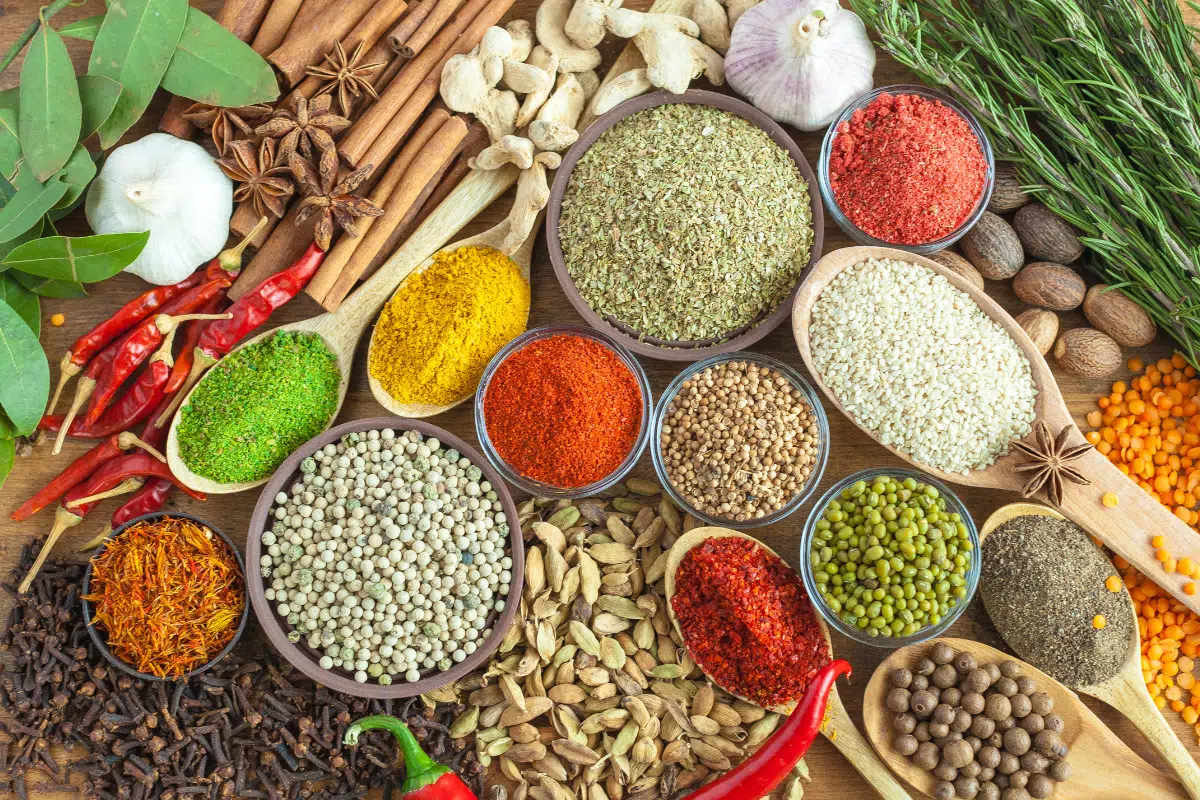
Fresh herbs and spices can completely transform a recipe without adding extra sodium. Ingredients like rosemary, basil, cilantro, dill, garlic, smoked paprika, cumin, and turmeric bring layers of aroma and flavor that make food more exciting. Try experimenting with different combinations to create homemade seasoning blends that match your favorite types of cuisine. Over time, you may find that bold spices become your go-to instead of reaching for additional salt.
Add Savory Depth with Umami-Rich Foods

Umami is the savory flavor that makes foods taste rich and satisfying, and many naturally occurring ingredients can provide it. Mushrooms, roasted tomatoes, caramelized onions, nutritional yeast, and small amounts of aged cheeses can add incredible depth to meals. Ingredients like these help create a fuller flavor profile, so dishes don’t feel like they’re missing something. When using packaged umami-rich ingredients, check labels since some options can still be high in sodium.
Roast Ingredients to Intensify Natural Flavors
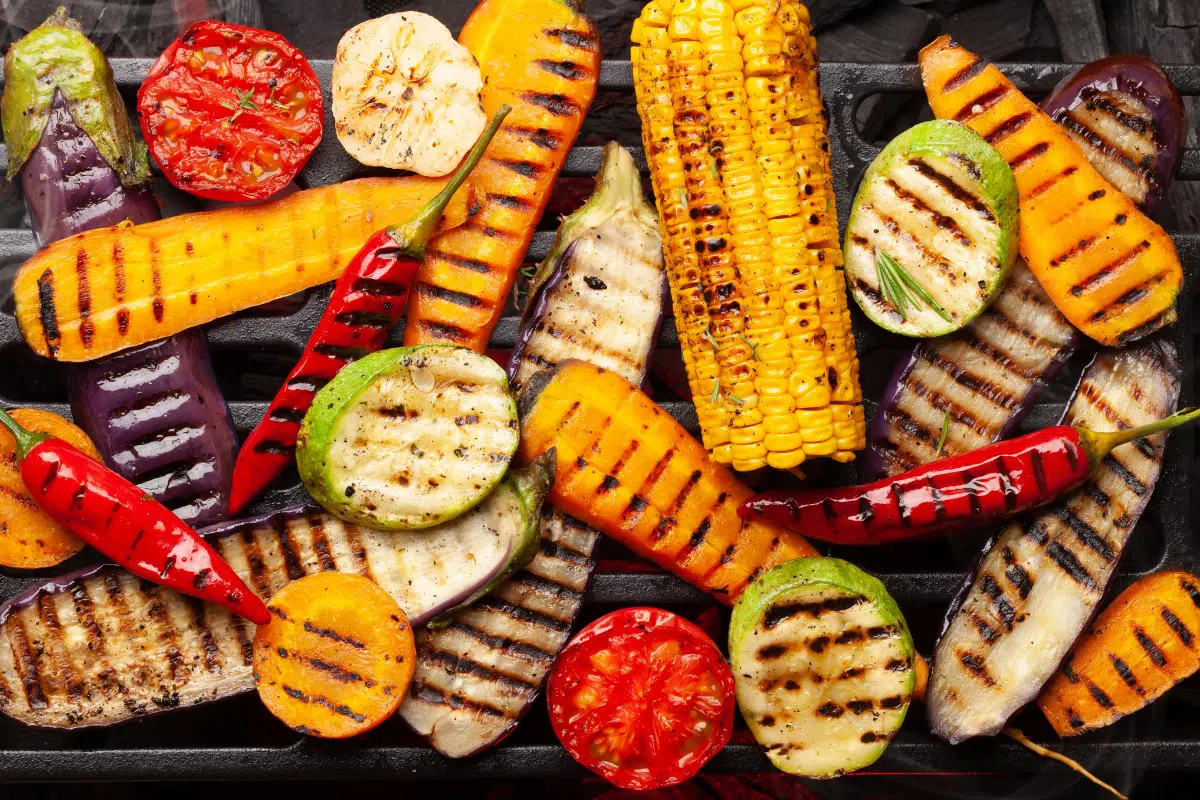
Roasting is one of the easiest ways to make simple ingredients taste more flavorful. High heat caramelizes the natural sugars in vegetables and creates deeper flavors that boiling or steaming may not provide. Roasted carrots, Brussels sprouts, sweet potatoes, cauliflower, and even beans can become delicious side dishes with just a little oil and seasoning. This cooking method helps you rely less on salt because the ingredients themselves become the star.
Layer Flavors Throughout the Cooking Process
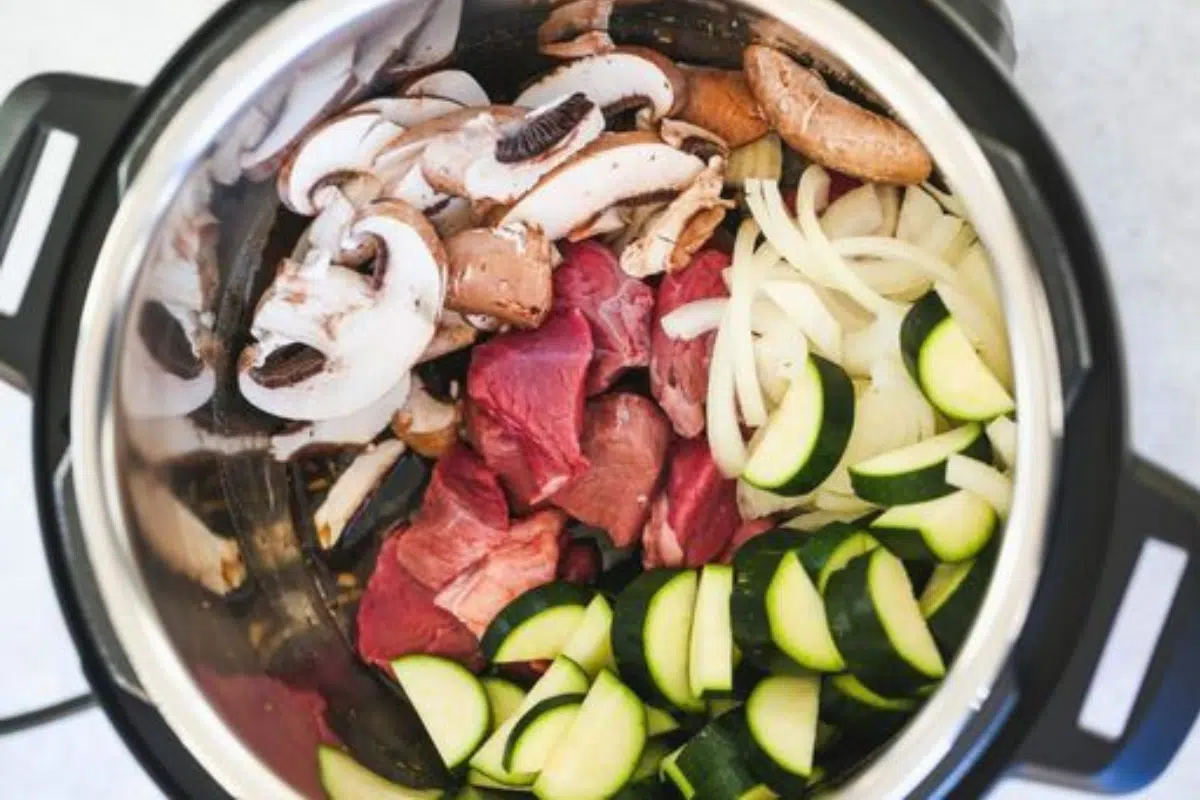
Great-tasting meals often come from building flavor at different stages of cooking. Sautéing garlic, onions, celery, carrots, or other aromatic vegetables before adding other ingredients creates a flavorful foundation for soups, sauces, and casseroles. Adding herbs early and finishing dishes with fresh ingredients like citrus or vinegar creates more complexity. This approach helps every bite taste balanced instead of depending on salt for flavor.
Use Vinegar to Add Brightness and Balance

Vinegar is a powerful ingredient for enhancing flavor without increasing sodium. Balsamic, apple cider, red wine, and rice vinegar can add tanginess and help bring out the flavors of vegetables, meats, grains, and homemade sauces. A small splash at the end of cooking can make a dish taste more complete. It is especially useful in recipes where salt is traditionally used to create a sharper flavor.
Create Your Own Salt-Free Seasoning Blends
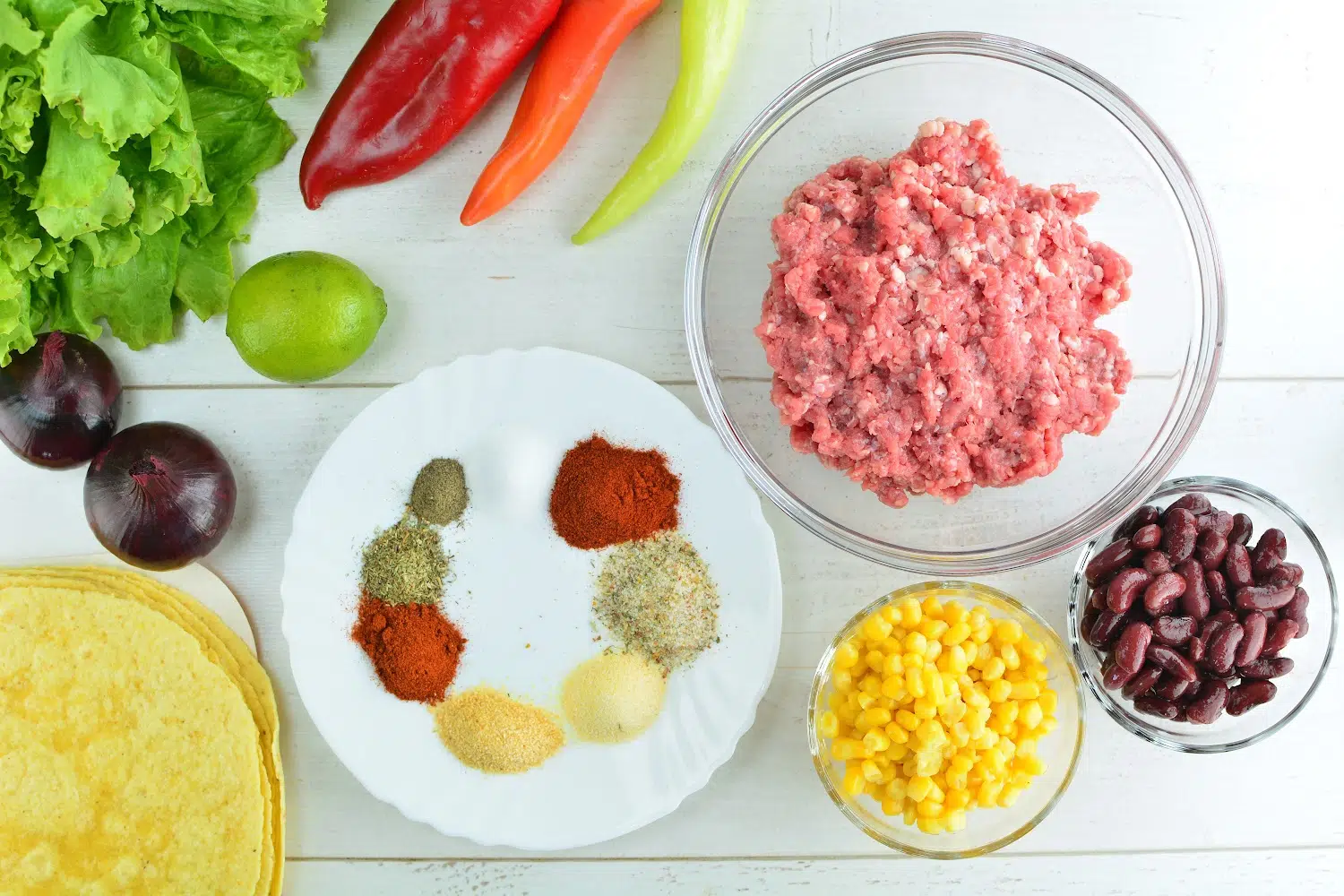
Many store-bought seasoning packets and spice blends contain more sodium than people realize. Making your own blend at home allows you to control the ingredients while creating flavors you actually enjoy. Combine dried herbs, garlic powder, onion powder, black pepper, smoked paprika, chili powder, or citrus zest for a custom seasoning that works on meats, vegetables, and more. Homemade blends are also budget-friendly and easy to keep in your pantry.
Give Your Taste Buds Time to Adjust

Many people find that they naturally prefer less salt after gradually reducing their intake. Before automatically reaching for the salt shaker, taste your food first and see if it already has enough flavor. Small reductions over time can help your palate become more sensitive to herbs, spices, and natural ingredients. You may be surprised how flavorful food can be when salt isn’t the main focus.
This post may contain affiliate links or sponsored content. Disclosure Policy