
10 Simple Rice-Cooking Tricks for Fluffier, Better Rice
Rice seems simple—until you lift the lid and find a pot of mushy, sticky, or undercooked grains. The good news is that a few small changes to your technique can make a noticeable difference. From rinsing and measuring carefully to adjusting cooking methods for different varieties, these simple rice-cooking tricks can help you get fluffier, more consistent results with less guesswork.
Rinse the Rice Before Cooking
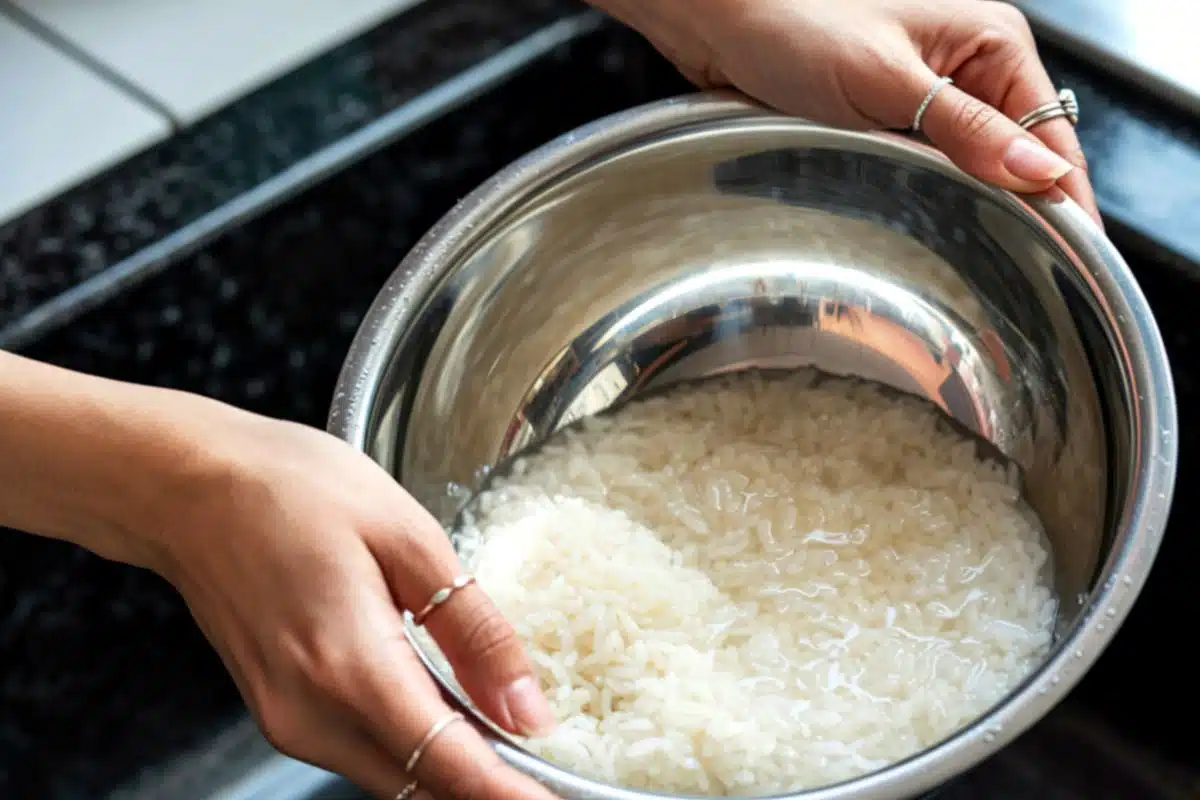
Many varieties of rice contain excess surface starch that can cause the grains to stick together during cooking. Rinsing rice under cool running water helps remove this starch and often results in a lighter, fluffier texture. Continue rinsing until the water becomes mostly clear. This step is especially beneficial when cooking jasmine, basmati, and long-grain white rice.
Use the Correct Water-to-Rice Ratio
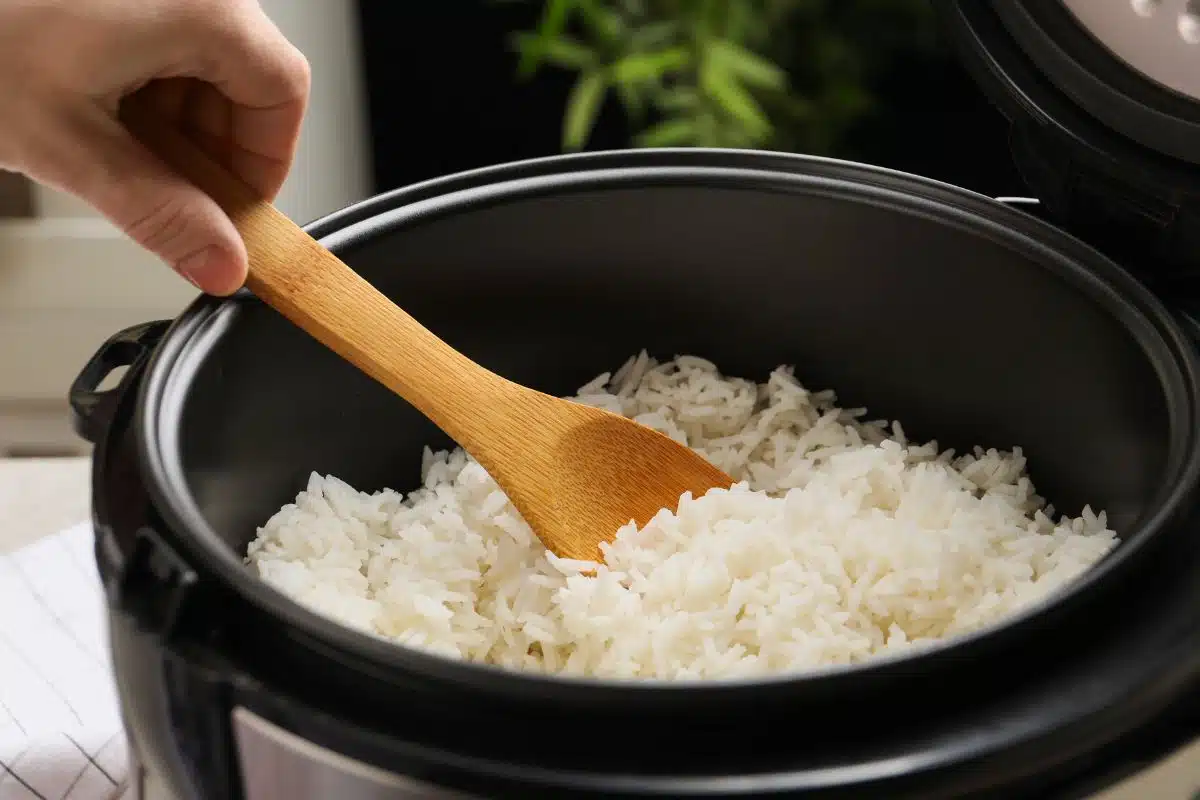
One of the most common causes of poorly cooked rice is using too much or too little water. Different rice varieties require different amounts of liquid, so it’s important to follow package directions when available. Measuring carefully helps prevent mushy or undercooked results. Taking a few extra seconds to get the ratio right can make a noticeable difference in texture.
Start With a Full Boil
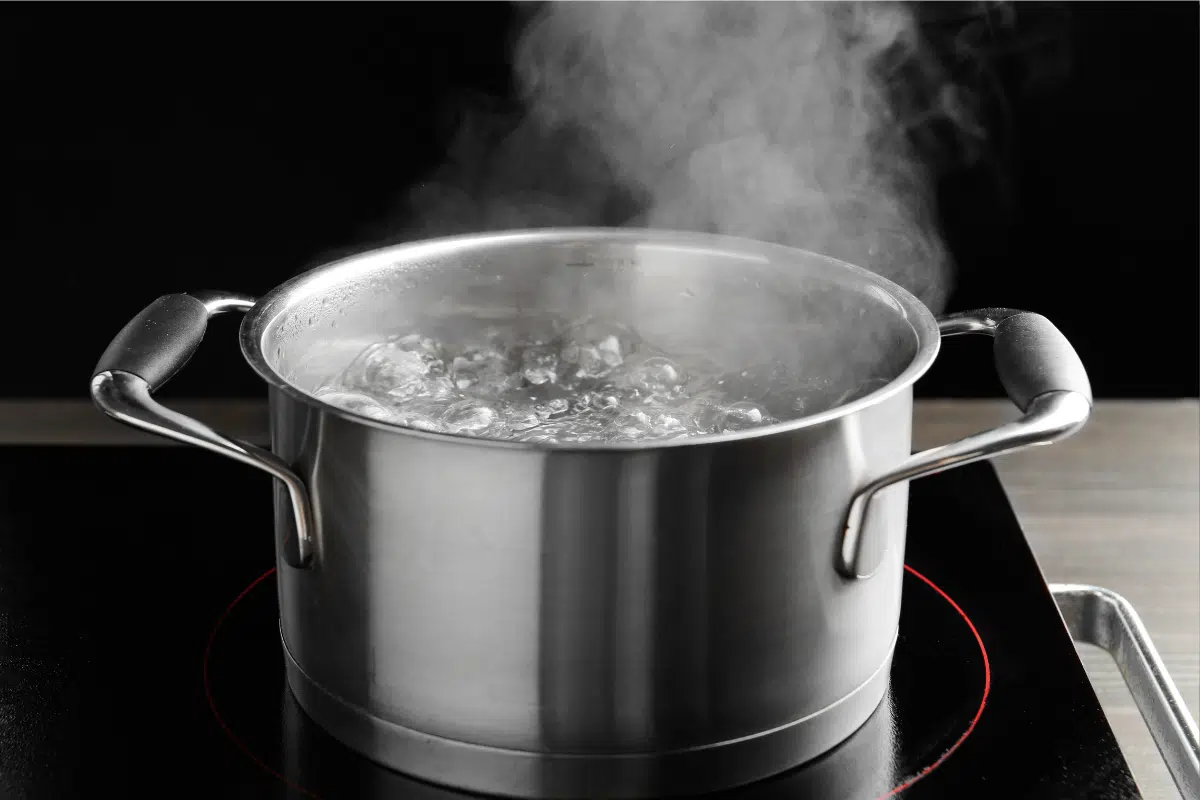
Bringing the water to a full boil before reducing the heat helps ensure the rice begins cooking evenly. Once the liquid reaches a steady boil, lower the heat to maintain a gentle simmer and cover the pot tightly. This method allows steam to cook the rice gradually and evenly. Consistent heat is one of the keys to achieving tender grains.
Don’t Lift the Lid While It Cooks
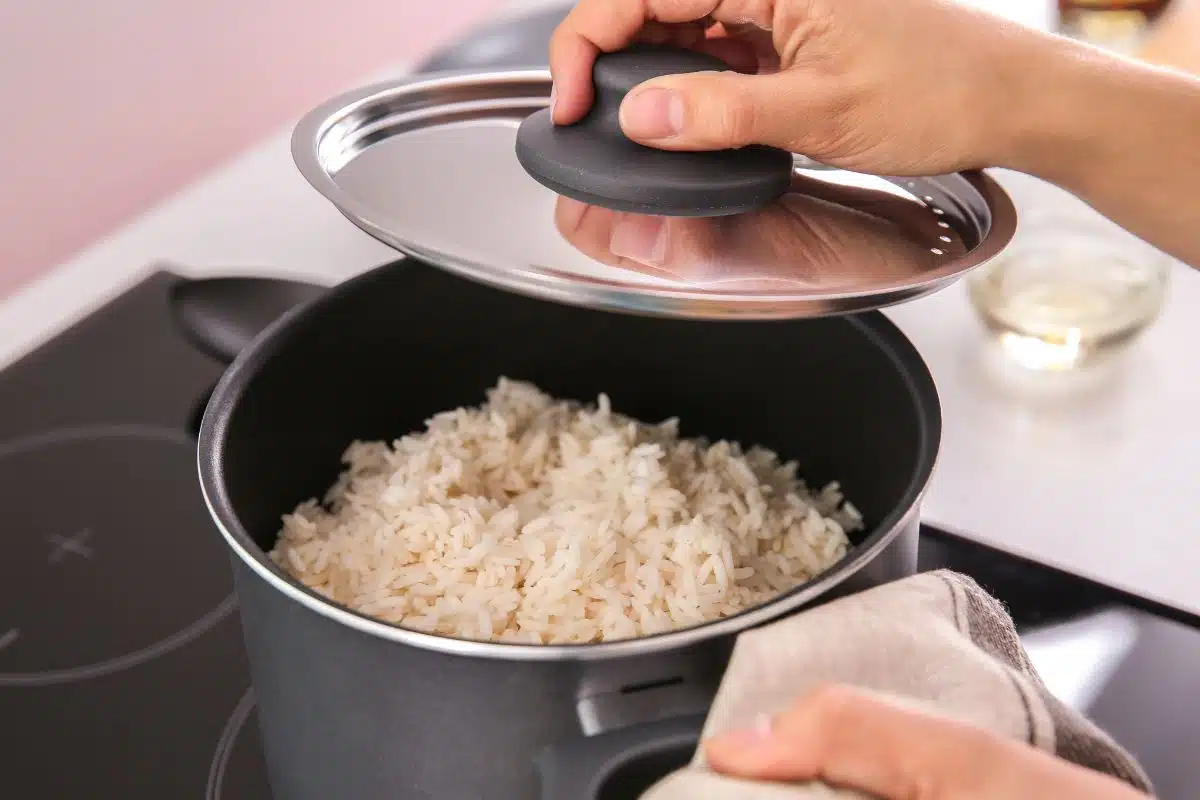
It can be tempting to check on your rice while it cooks, but removing the lid releases valuable steam. The trapped steam is responsible for finishing the cooking process and helping the grains absorb moisture evenly. Repeatedly lifting the lid can disrupt cooking and affect the final texture. Trust the timing and allow the rice to cook undisturbed.
Season the Water Early
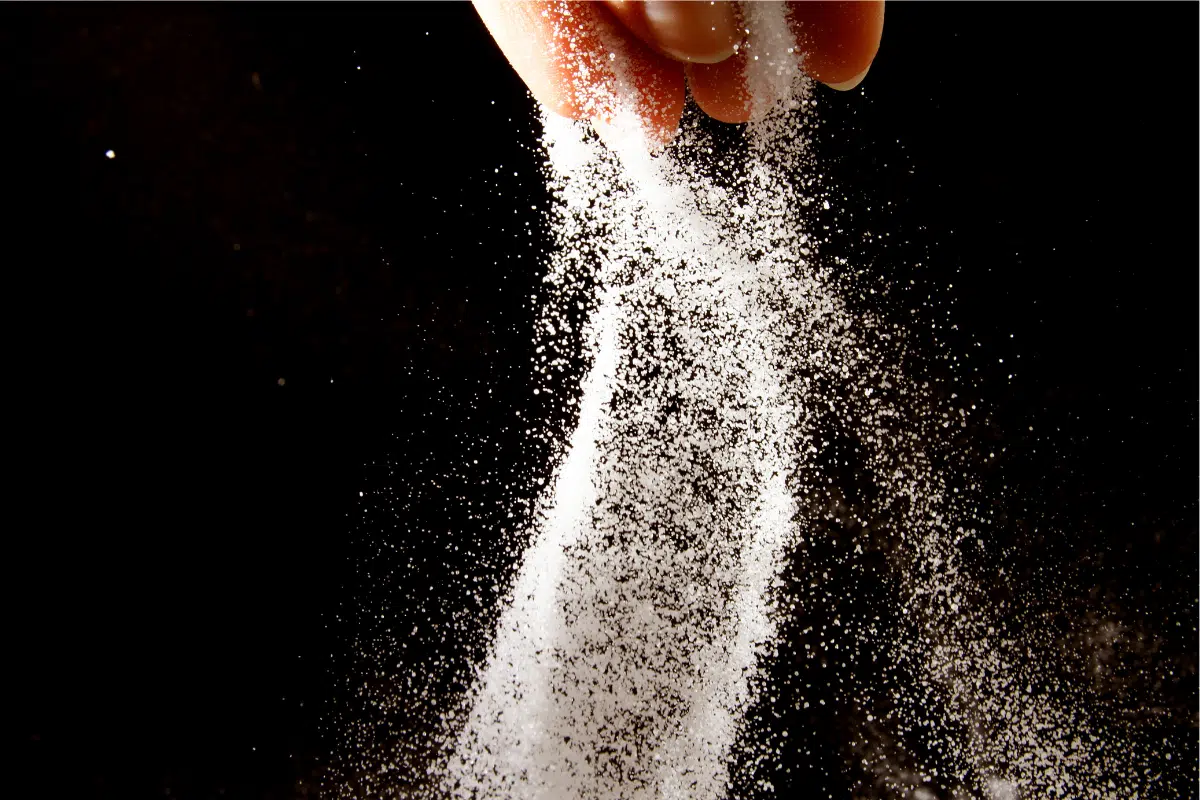
A small amount of salt added at the beginning of cooking can significantly improve the flavor of plain rice. The seasoning is absorbed as the rice cooks, creating more flavor throughout each grain rather than just on the surface. Some cooks also add a small amount of butter, olive oil, or broth for additional richness. Even simple rice benefits from thoughtful seasoning.
Let the Rice Rest Before Serving
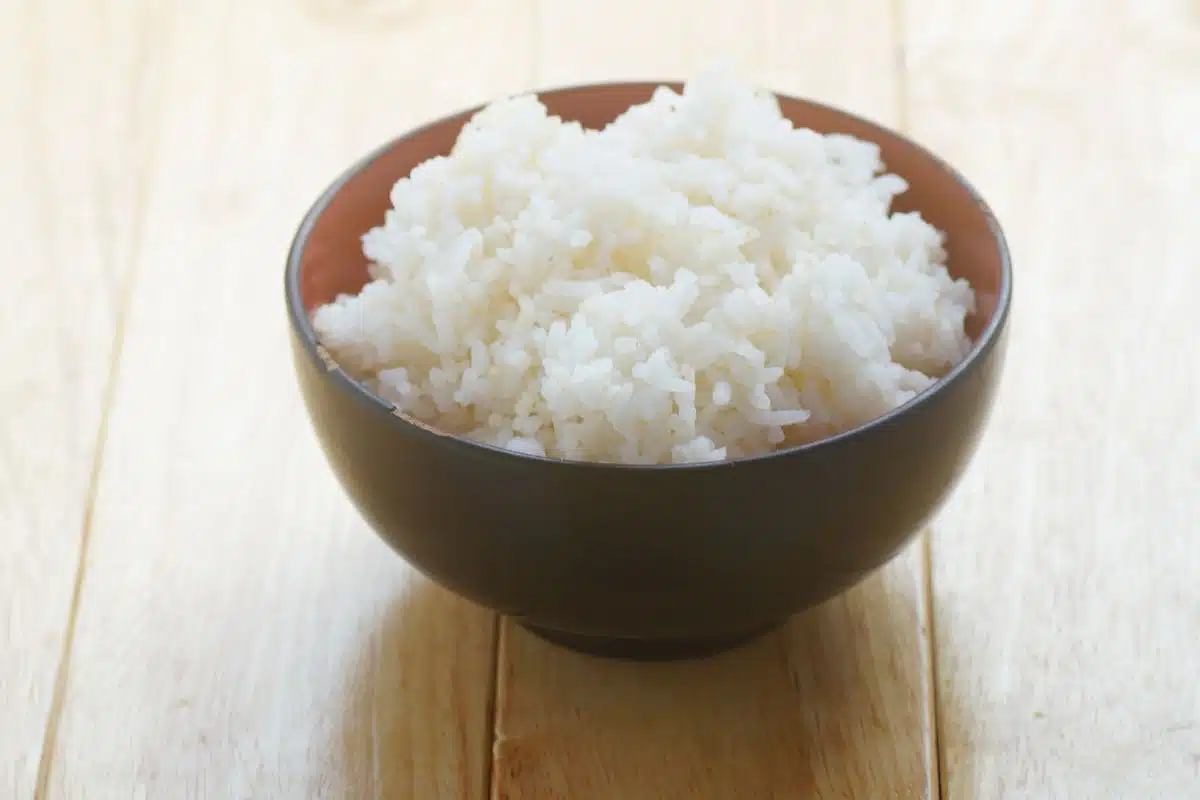
When the cooking time is complete, allow the rice to rest for several minutes with the lid still on. This resting period gives moisture time to redistribute evenly throughout the pot. The grains become more tender and separate more easily when fluffed. Skipping this step can sometimes leave portions of the rice unevenly textured.
Fluff with a Fork
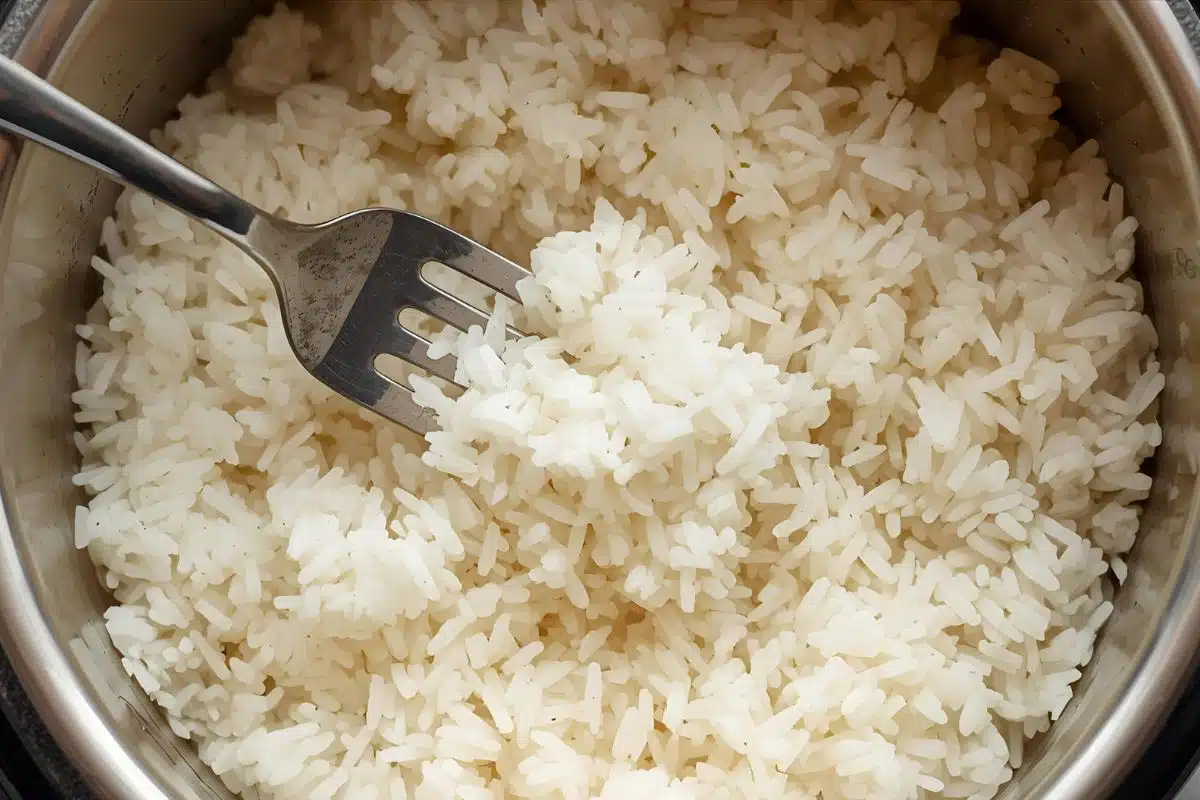
Using a fork instead of a spoon helps separate the grains without compressing them. Gentle fluffing releases excess steam and prevents clumping. This simple technique can make rice appear lighter and more appealing on the plate. It is particularly helpful for long-grain varieties where distinct grains are desired.
Toast the Rice For Extra Flavor
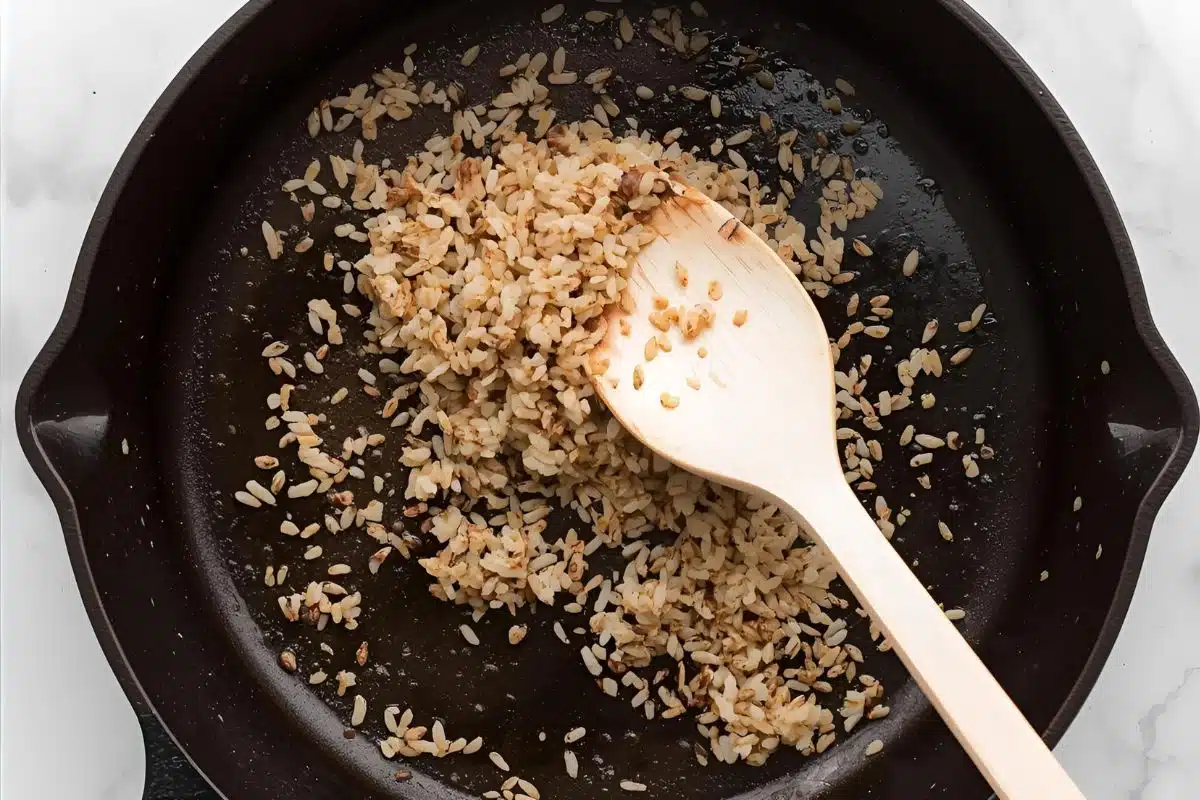
Briefly cooking dry rice in a little oil or butter before adding water can add a subtle nutty flavor. This technique is commonly used in many traditional rice dishes around the world. Toasting can also help the grains maintain better separation during cooking. It’s an easy upgrade that adds depth without requiring additional ingredients.
Choose the Right Pot Size
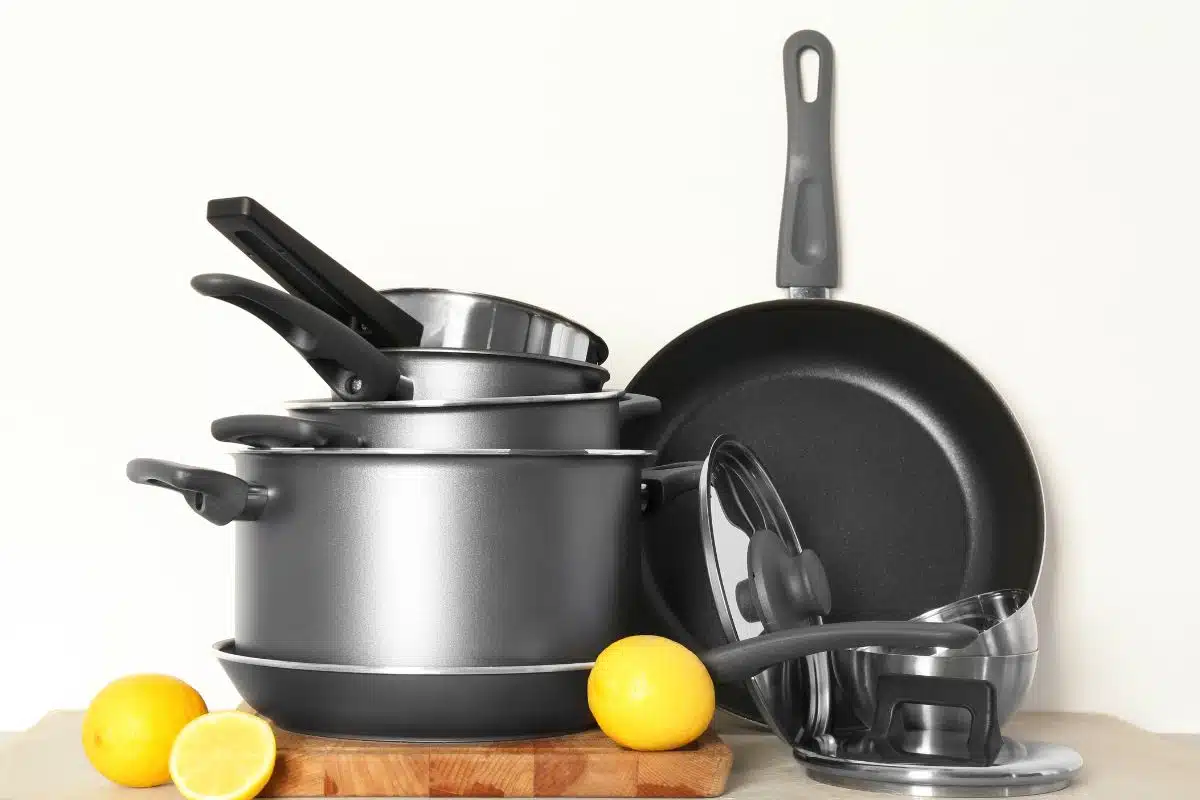
The size of your cooking vessel plays a larger role than many people realize. A pot that’s too large may allow liquid to evaporate too quickly, while a pot that’s too small can lead to boil-overs and uneven cooking. A pot with a tight-fitting lid and enough room for expansion typically delivers the best results. Matching the pot to the amount of rice helps create a more controlled cooking environment.
Use the Method That Works Best for You
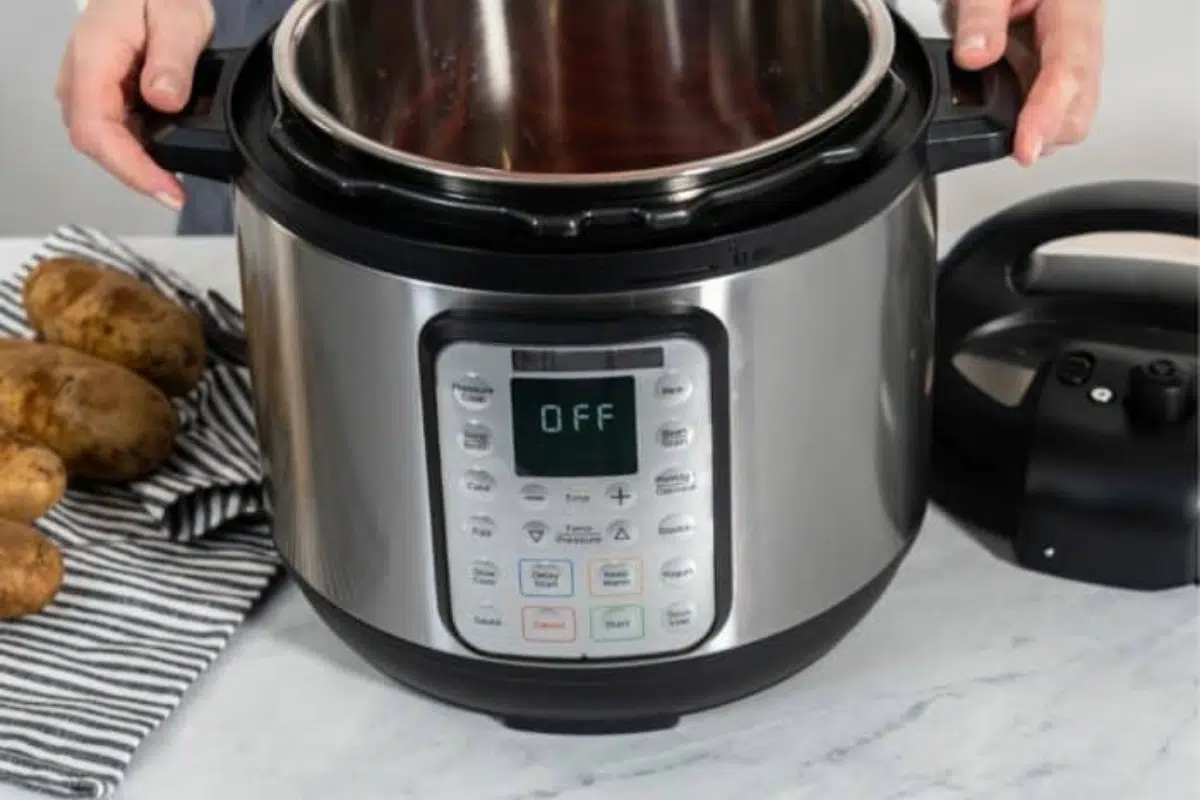
If stovetop rice consistently gives you trouble, there’s no reason not to explore other cooking methods. Rice cookers, pressure cookers, and multi-cookers have become popular because they simplify the process and provide reliable results. Many models automatically adjust cooking times and temperatures to prevent overcooking. Sometimes the best rice-cooking hack is simply using a tool designed specifically for the job.
This post may contain affiliate links or sponsored content. Disclosure Policy