12 Ways to Make Your Clothes Last Longer, From Laundry to Storage
Replacing clothes can get expensive fast, especially when favorite items start fading, shrinking, or losing their shape after only a few wears. While quality matters, the way you care for your clothing plays an even bigger role in how long it lasts. A few simple laundry and storage habits can help protect fabrics, preserve colors, and keep your wardrobe looking newer for much longer. These easy clothing care tricks can save you money while helping your favorite pieces stay in great condition year after year.
Wash Clothes in Cold Water
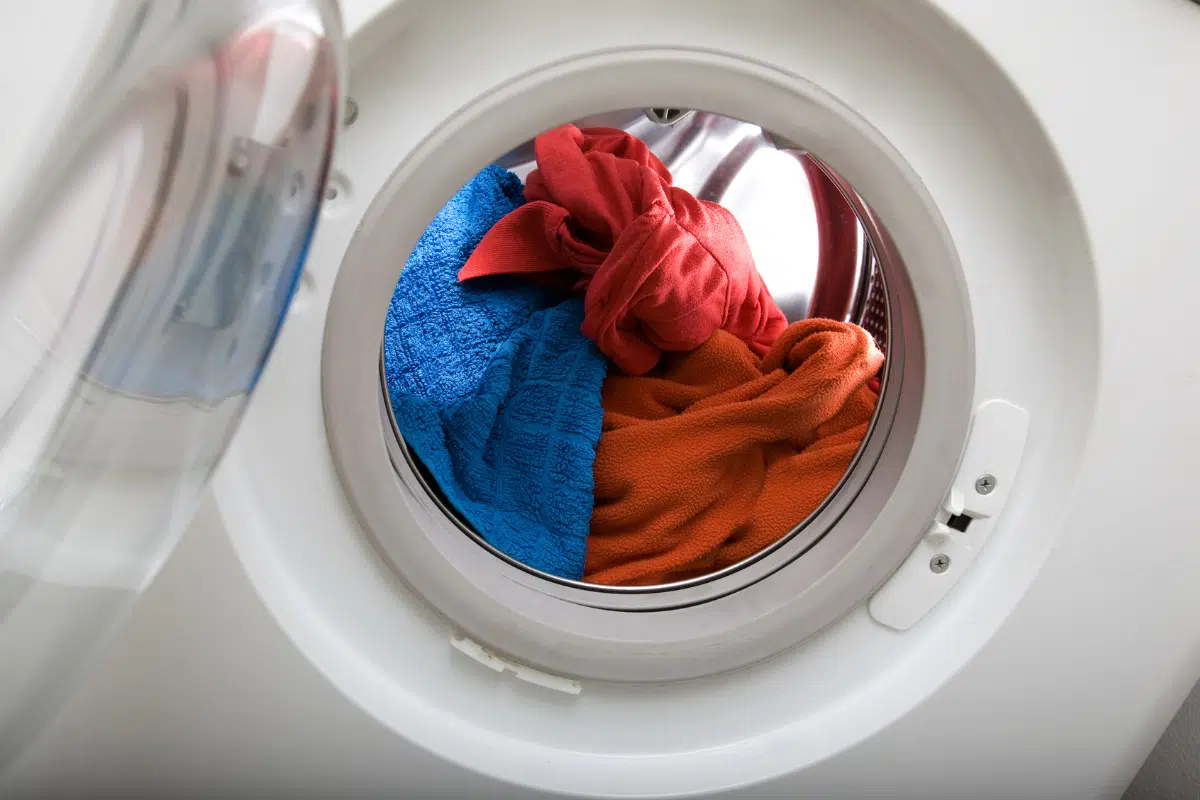
Cold water is much gentler on fabrics than hot water and helps prevent fading, shrinking, and stretching. It also protects dark colors from bleeding and helps delicate materials maintain their texture over time. Many detergents are now designed to work effectively in cold temperatures, making hot water unnecessary for most loads. As an added bonus, washing in cold water can also help lower your energy bill.
Air-Dry Whenever Possible
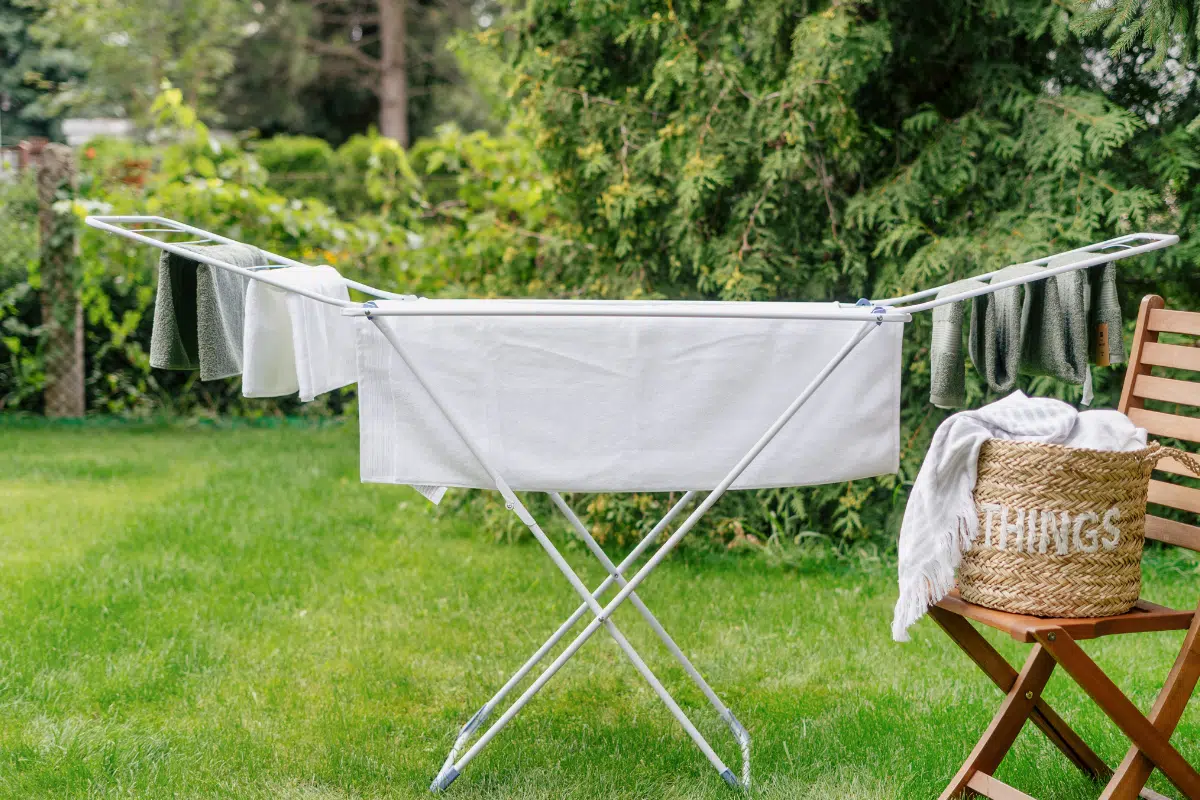
High dryer heat can weaken fibers, shrink fabrics, and cause clothing to wear out much faster. Air-drying helps preserve the shape, elasticity, and softness of your clothes while reducing damage from constant heat exposure. Hanging or laying items flat to dry is especially helpful for activewear, sweaters, bras, and delicate fabrics. Even partially air-drying before finishing items in the dryer can extend the life of your wardrobe.
Use Garment Bags for Delicates
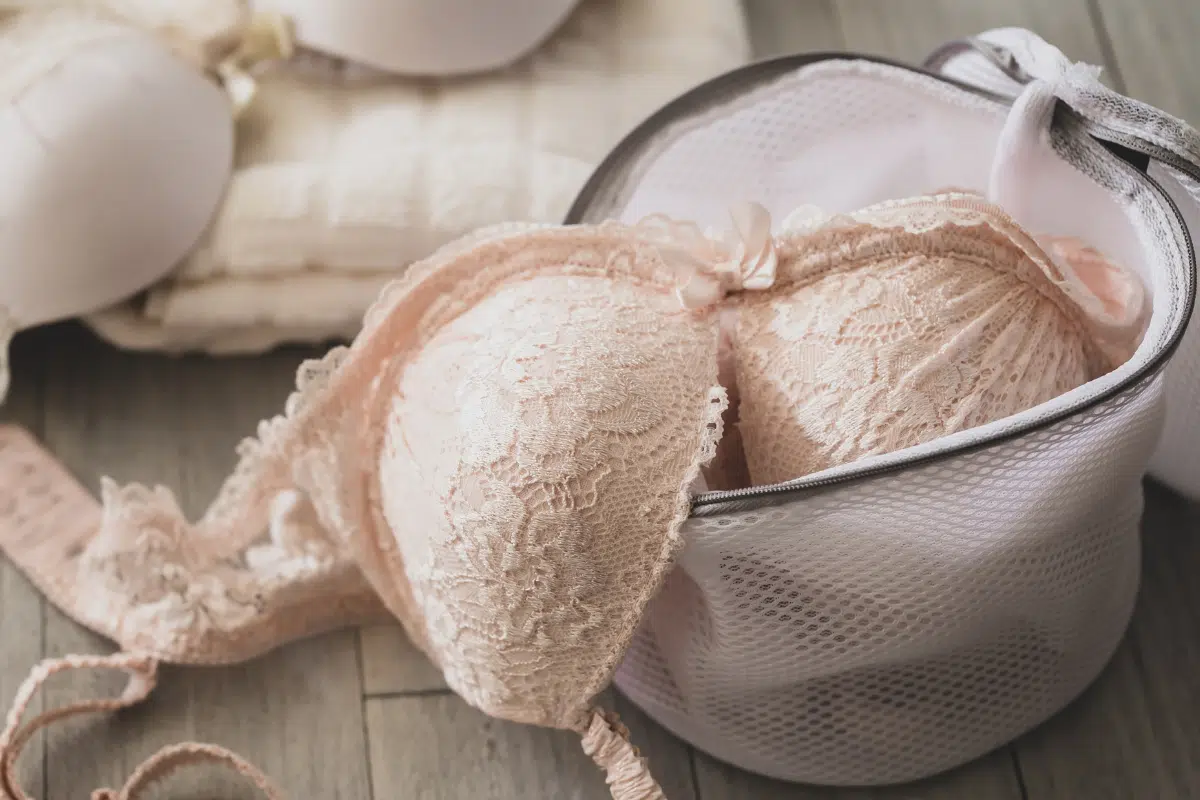
Mesh garment bags help protect delicate items from stretching, snagging, and tangling during the wash cycle. Lightweight tops, lingerie, hosiery, and sweaters are far less likely to get damaged when separated from rougher fabrics like jeans or towels. These bags also help preserve straps, lace, and embellishments that can easily tear in the machine. It is a small laundry upgrade that can make delicate clothing last significantly longer.
Learn Basic Mending Skills
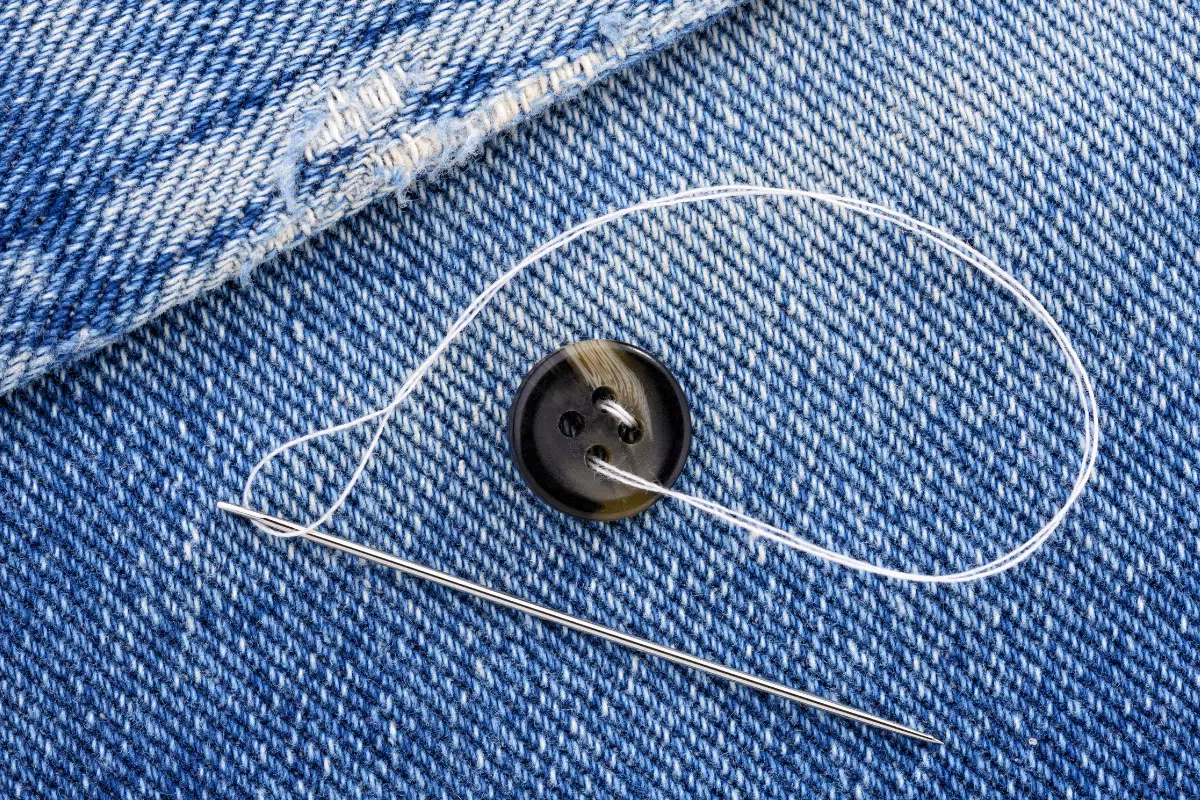
Knowing how to sew on a button or repair a small tear can save countless pieces of clothing from ending up in the trash. Minor repairs are often quick, inexpensive, and much easier than replacing an entire item. Simple mending also helps prevent small issues from becoming larger problems after additional wear or washing. A basic sewing kit can quickly pay for itself by helping extend the life of your wardrobe.
Rotate Your Shoes
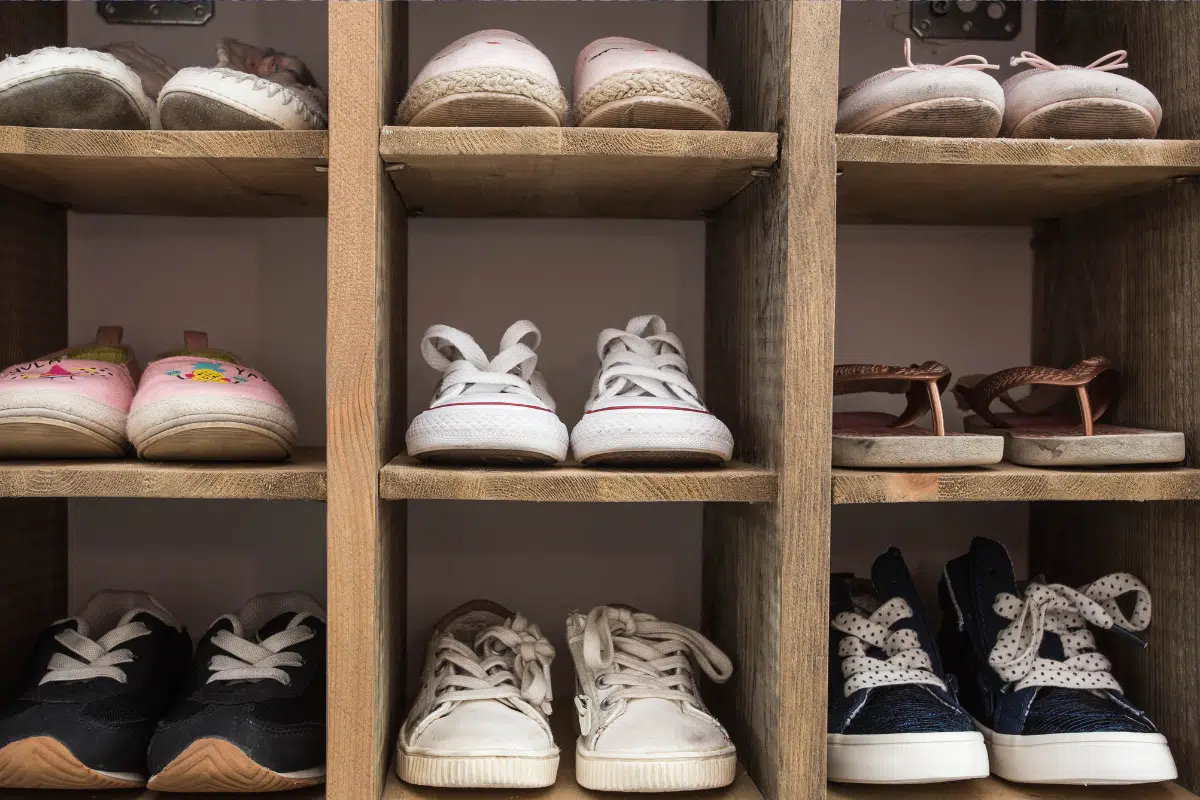
Wearing the same pair of shoes every day causes them to wear down much faster because the materials never fully recover between uses. Rotating shoes allows insoles, cushioning, and fabric to air out and regain their shape. This habit can help reduce odors, prevent excessive wear, and improve overall comfort. Even having just two or three pairs in regular rotation can noticeably extend shoe life.
Invest in Wooden Hangers
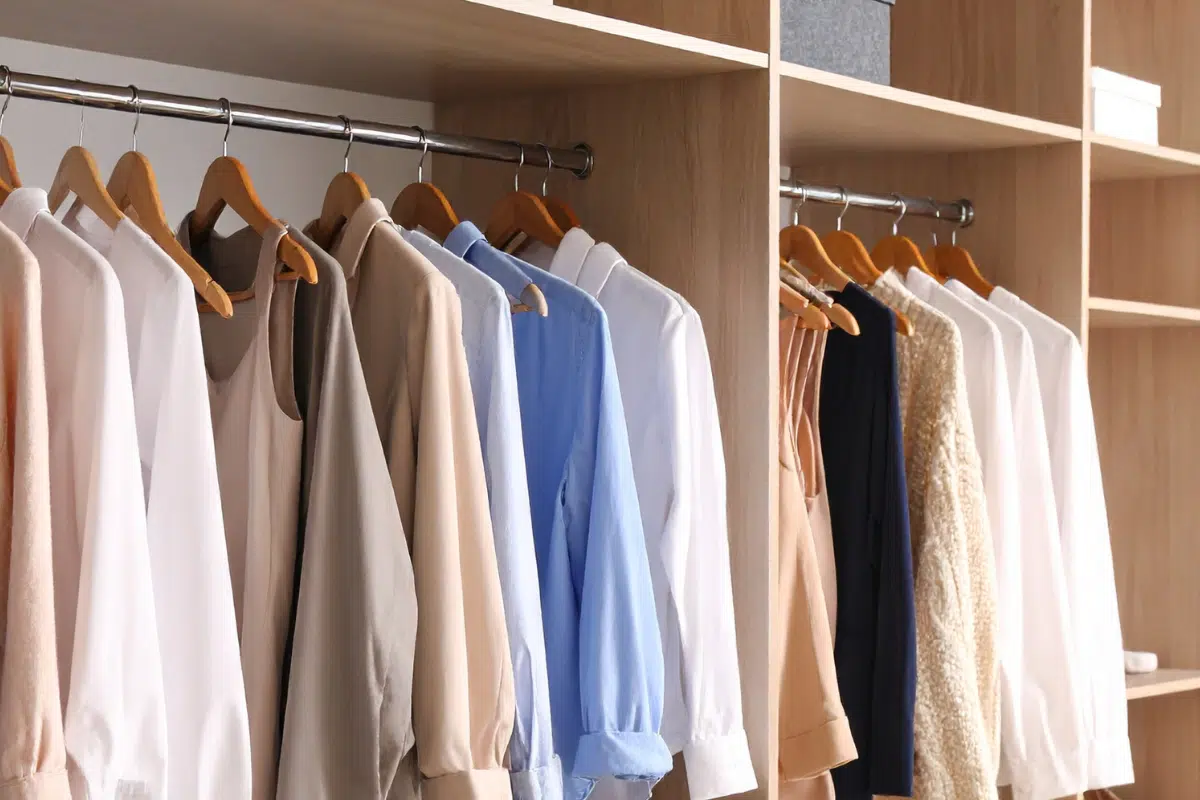
Wooden hangers support clothes better than thin wire or plastic hangers, helping them maintain their proper shape. Structured items like jackets, blazers, and coats especially benefit from the wider support wooden hangers provide. Cheap hangers can leave shoulder bumps, stretch fabrics, or even damage delicate materials over time. Upgrading your hangers is a simple closet change that helps clothing look more polished and last longer.
Spot Clean Instead of Full Wash
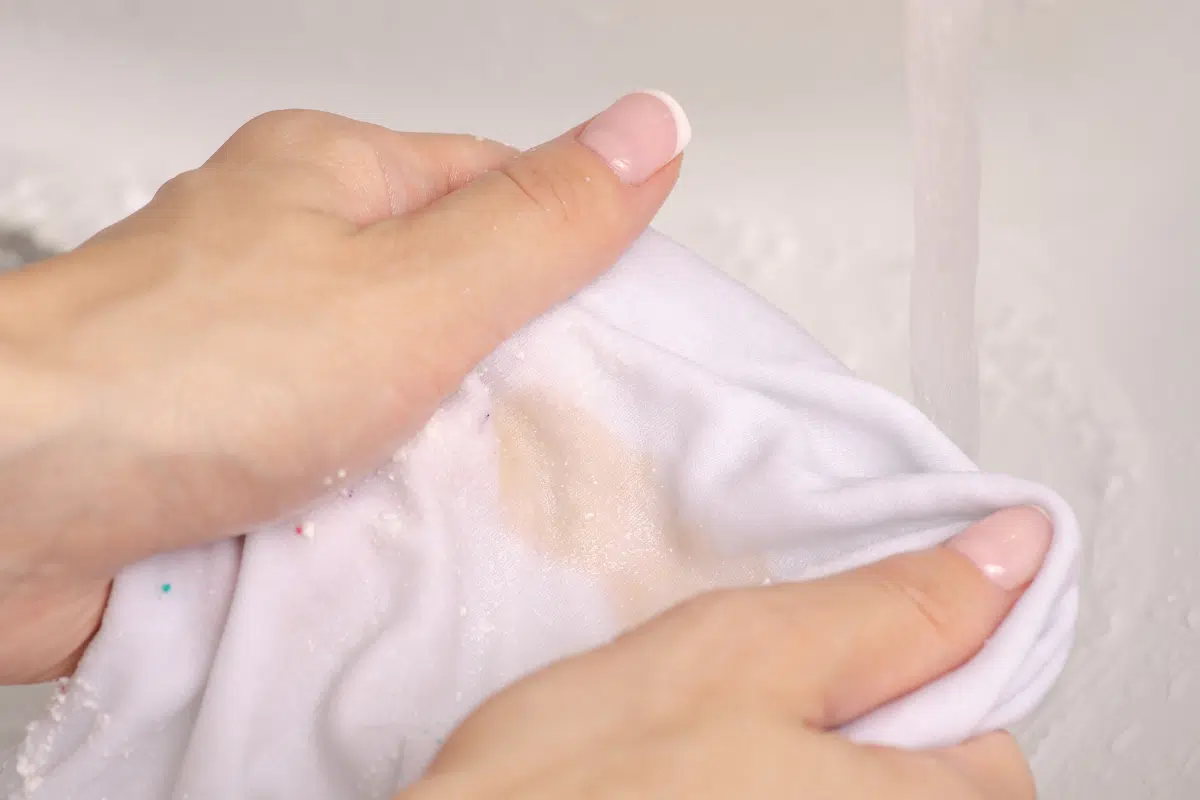
Not every clothing item needs a full wash after one wear, especially if it only has a small stain or mark. Spot cleaning helps reduce unnecessary washing, which can break down fabric fibers and fade colors over time. Treating stains quickly also prevents them from setting permanently into the material. Washing less frequently can dramatically extend the lifespan of many everyday clothing items.
Fold Sweaters, Don’t Hang Them
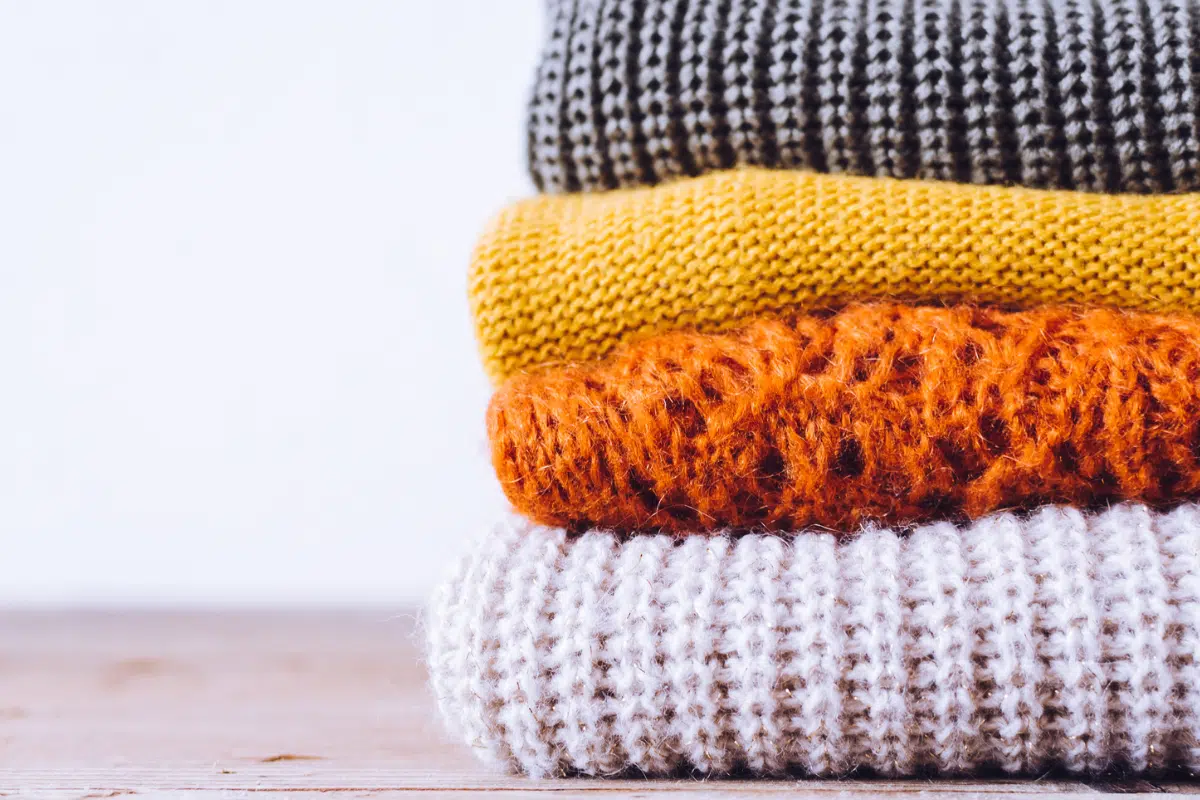
Heavy sweaters and knit fabrics can easily stretch out when hung for long periods of time. Folding them neatly helps preserve their original shape and prevents sagging shoulders or distorted sleeves. Proper sweater storage is especially important for wool, cashmere, and chunky knits that are more vulnerable to stretching. Keeping sweaters folded also helps them look neater and more organized in your closet or dresser.
Protect Clothes from Moths
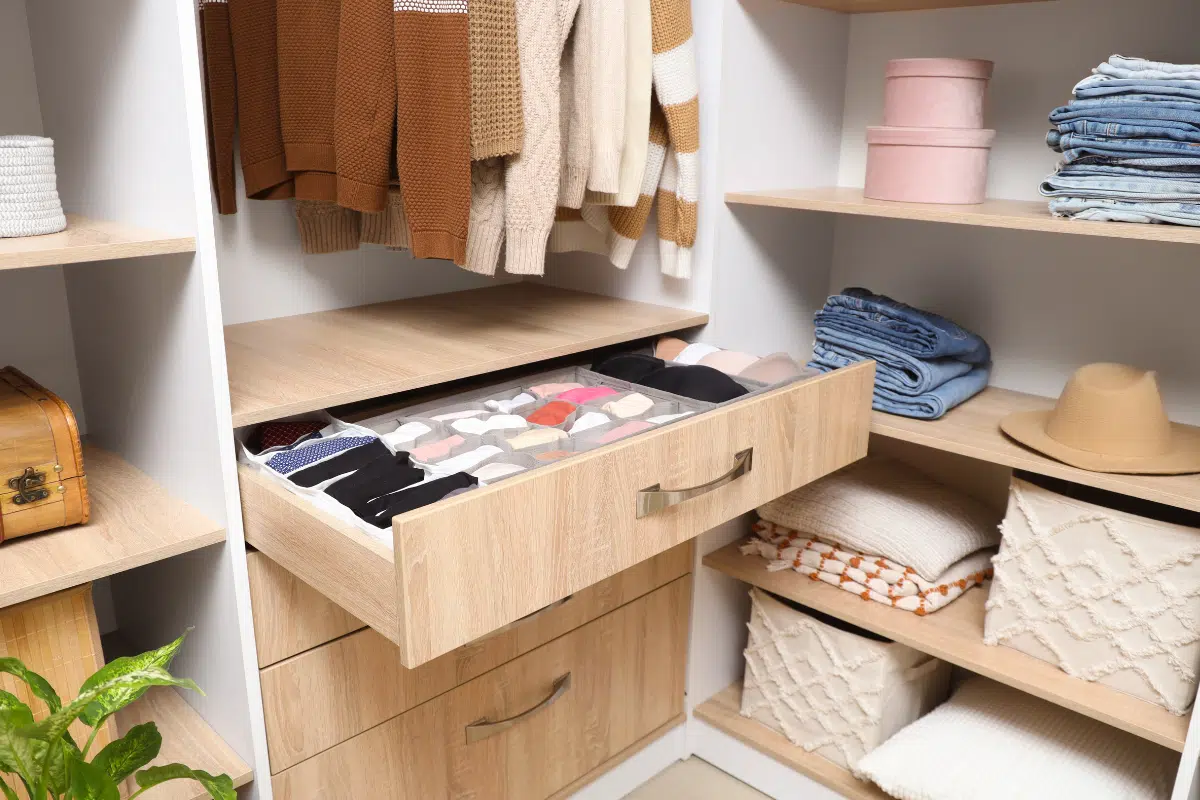
Natural fibers like wool, cashmere, and silk can attract moths and other fabric-damaging pests if stored improperly. Cedar blocks, lavender sachets, or airtight storage containers can help keep insects away while keeping clothes smelling fresh. Cleaning garments before long-term storage is also important since body oils and food residue can attract pests. A little prevention can protect expensive seasonal clothing from irreversible damage.
Use a Fabric Shaver
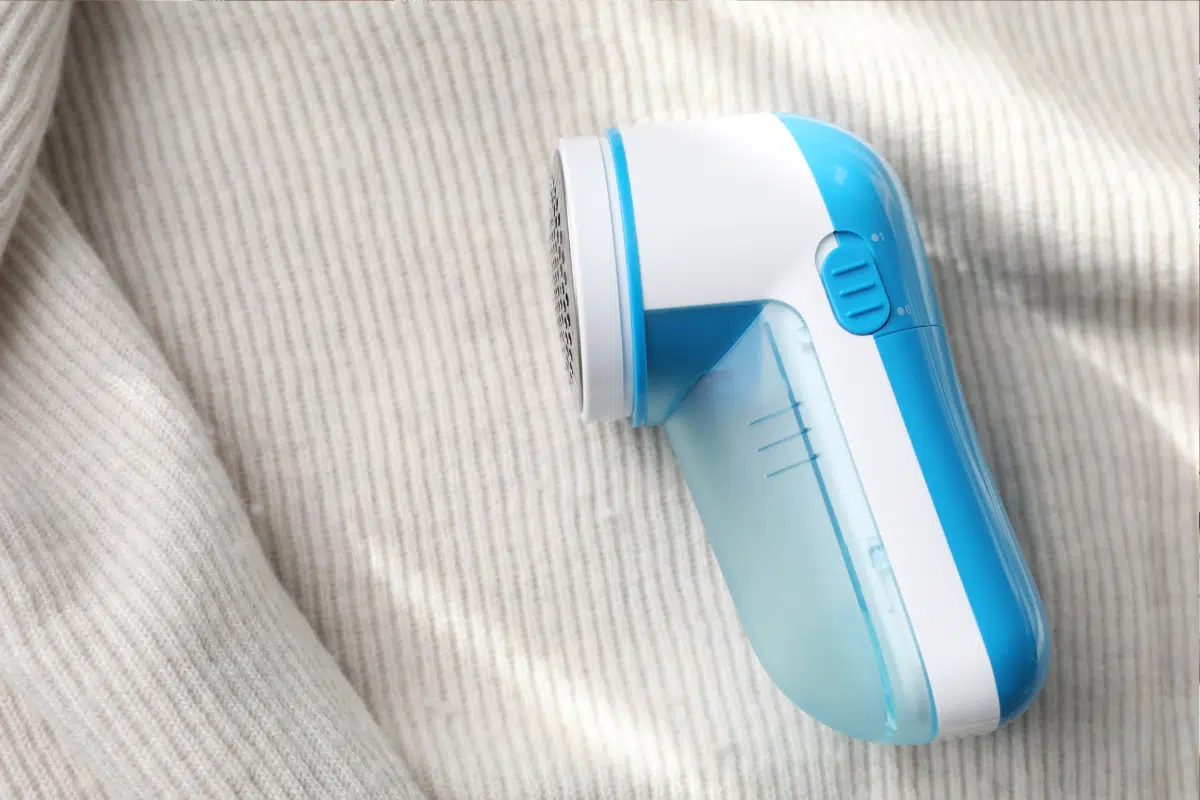
Fabric shavers remove pills and fuzz that make clothes look old and worn out. Sweaters, leggings, coats, and even furniture can quickly look refreshed after removing built-up pilling. This inexpensive tool helps restore a cleaner, smoother appearance without damaging most fabrics when used properly. Many older clothing items can look nearly brand new again after a quick pass with a fabric shaver.
Avoid Overstuffing Your Closet
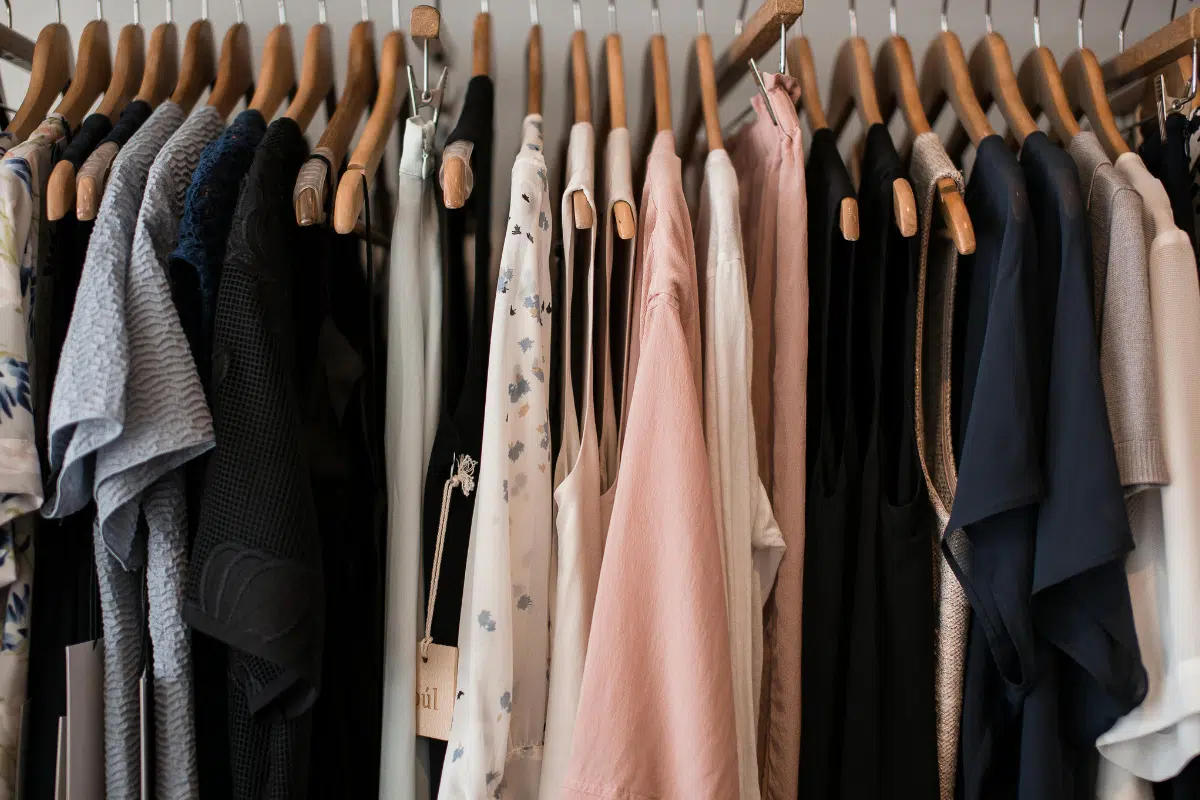
Overcrowded closets can crush fabrics, create wrinkles, and make it harder to properly store clothing. Constant friction between tightly packed garments can also lead to snags, stretched materials, and worn fabric over time. Giving clothes enough space allows them to maintain their shape and stay in better condition. An organized closet also makes it easier actually to see and wear everything you own.
Wash Jeans Sparingly
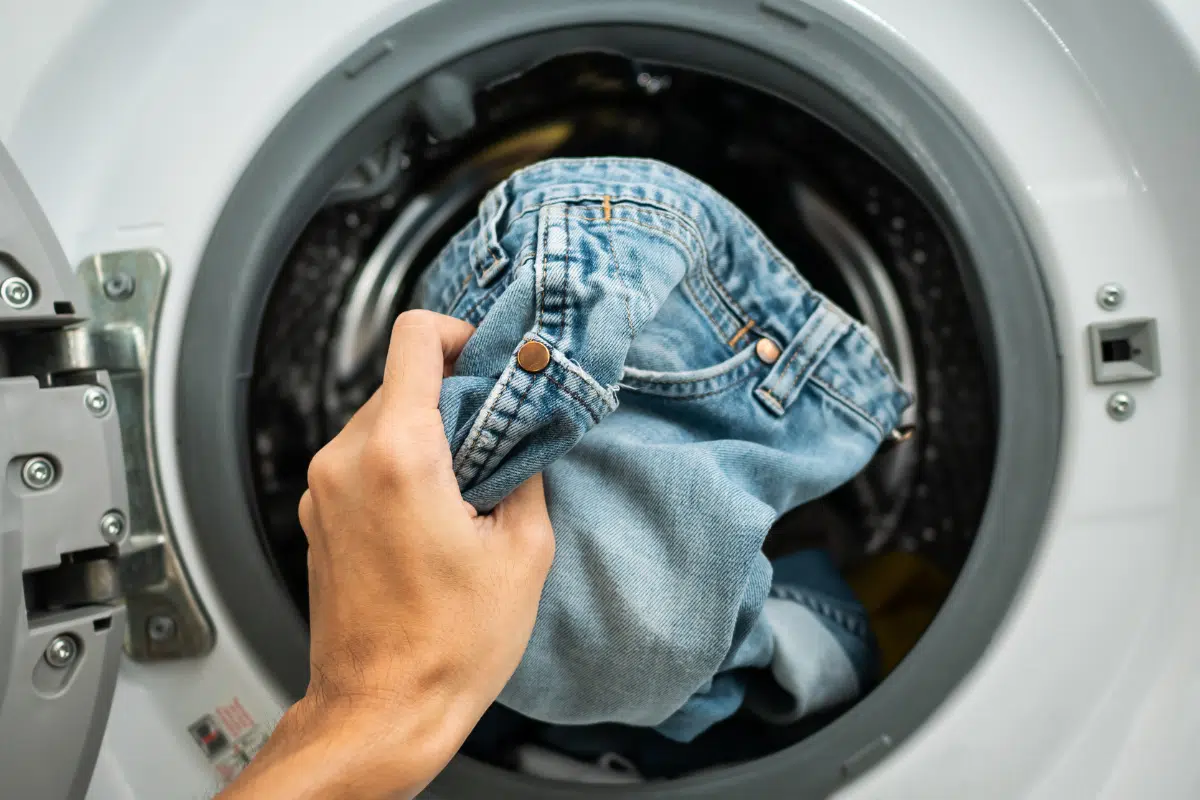
Washing jeans too frequently can fade the color, weaken fibers, and reduce the lifespan of the denim. Many denim experts recommend spot-cleaning small stains and washing jeans only after several wears unless they are visibly dirty. Turning jeans inside out before washing also helps protect the outer color from fading. With proper care, a good pair of jeans can stay comfortable and stylish for years.
This post may contain affiliate links or sponsored content. Disclosure Policy