10 Energizing Teas That Could Replace Your Morning Coffee
If you want to cut back on coffee without giving up a caffeinated morning drink, tea offers plenty of options. Black, green, oolong, and other teas made from Camellia sinensis naturally contain caffeine, although the amount varies by type, preparation, and serving size. Some herbal and specialty teas provide a different flavor experience, while caffeine-free blends can still make a refreshing addition to your routine. Here are 10 options worth trying when you want something different from your usual cup of coffee.
Matcha Green Tea
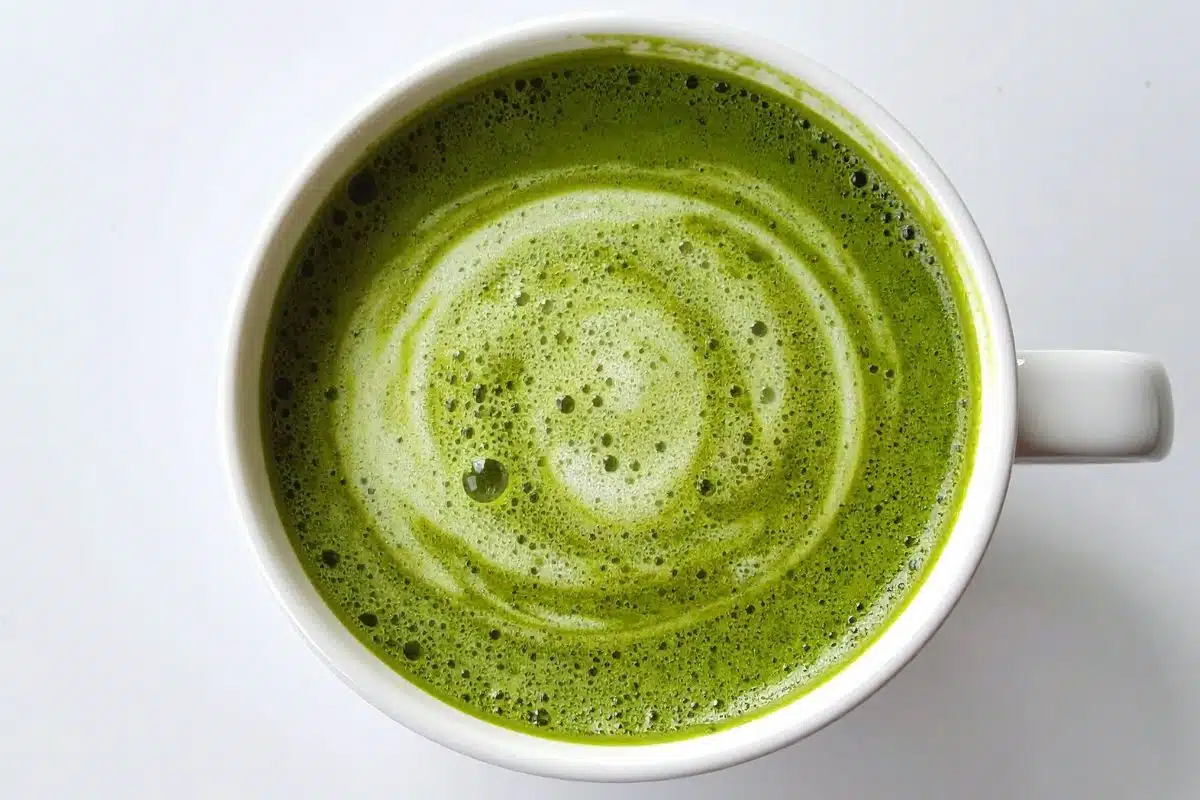
Matcha is made by grinding specially grown green tea leaves into a fine powder, so you consume the whole leaf rather than drinking an infusion. It naturally contains caffeine, making it a popular alternative to coffee for people looking for a caffeinated beverage. Matcha also contains L-theanine, an amino acid naturally found in tea. Keep in mind that caffeine levels vary by serving and preparation, so matcha isn’t necessarily a low-caffeine drink.
Yerba Mate
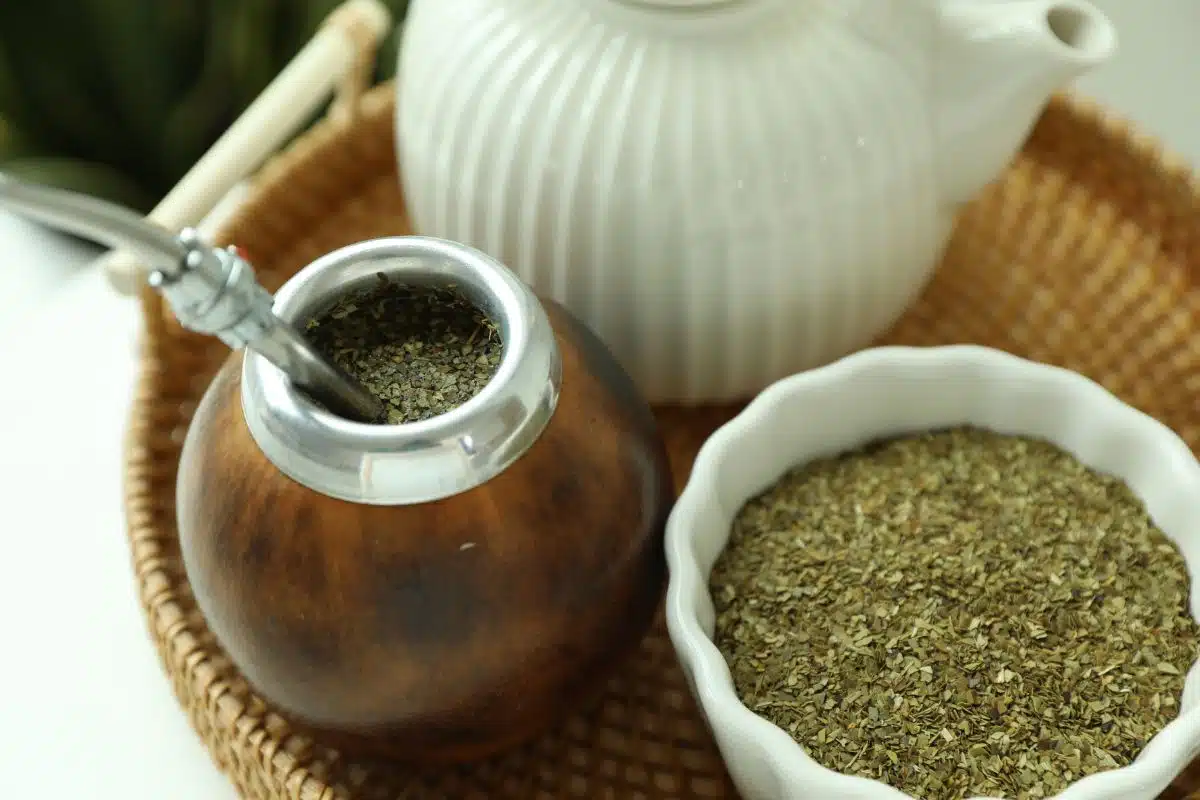
Yerba mate comes from the Ilex paraguariensis plant rather than the traditional tea plant. It naturally contains caffeine and has a distinctive earthy, slightly bitter flavor that can be enjoyed hot or cold. Caffeine content can vary considerably depending on how the leaves are prepared and brewed. For anyone looking beyond traditional tea, yerba mate offers a completely different flavor profile while still providing a caffeinated beverage.
Chai Tea
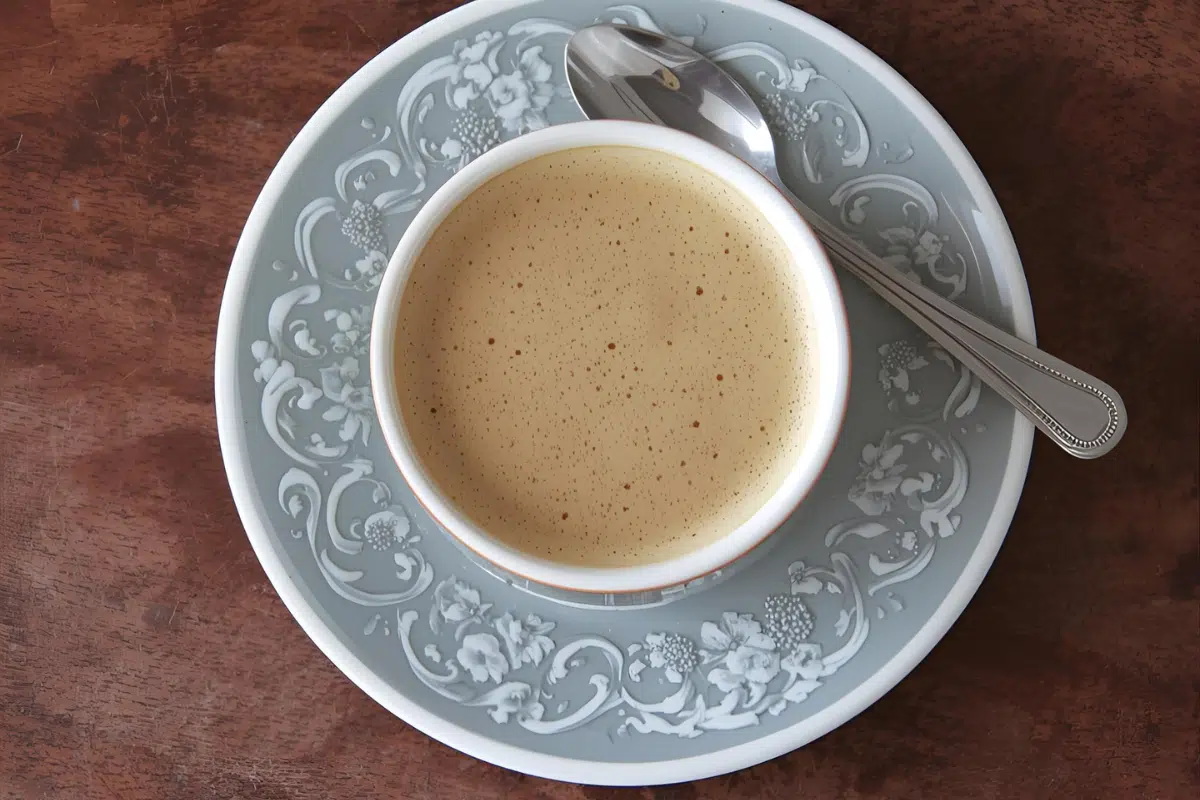
Traditional chai is typically made with black tea combined with spices such as cinnamon, cardamom, ginger, cloves, and black pepper. Because black tea contains caffeine, a traditional chai can provide a morning lift while delivering plenty of warming spice flavor. Not every chai beverage is the same, however; café-style chai lattes can contain substantial amounts of added sugar. For a simpler option, brew a spiced black tea at home and add milk if desired.
Earl Grey
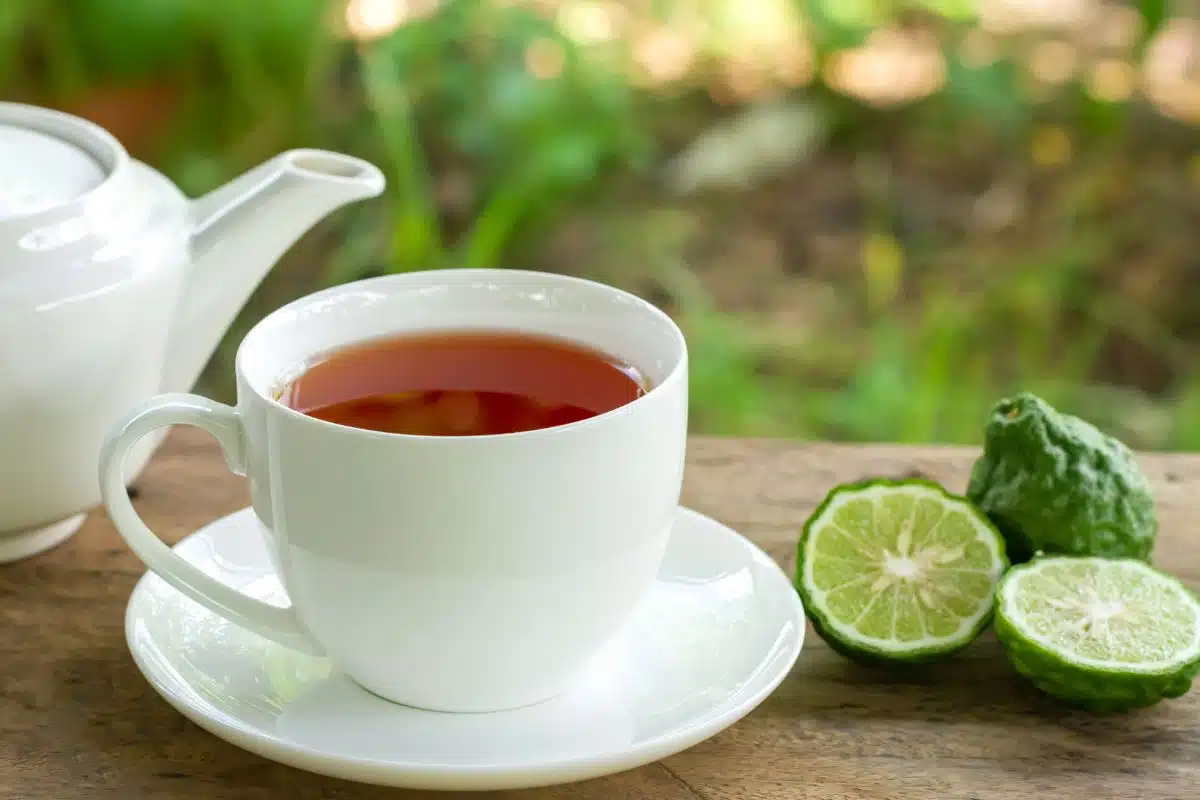
Earl Grey is traditionally a black tea flavored with bergamot, a citrus fruit that gives the tea its recognizable aroma. Since the base is usually black tea, it naturally contains caffeine. The flavor is bold but citrusy, making it an easy choice for people who find plain black tea too straightforward. It can be served hot, over ice, or with a splash of milk depending on your preference.
Oolong Tea
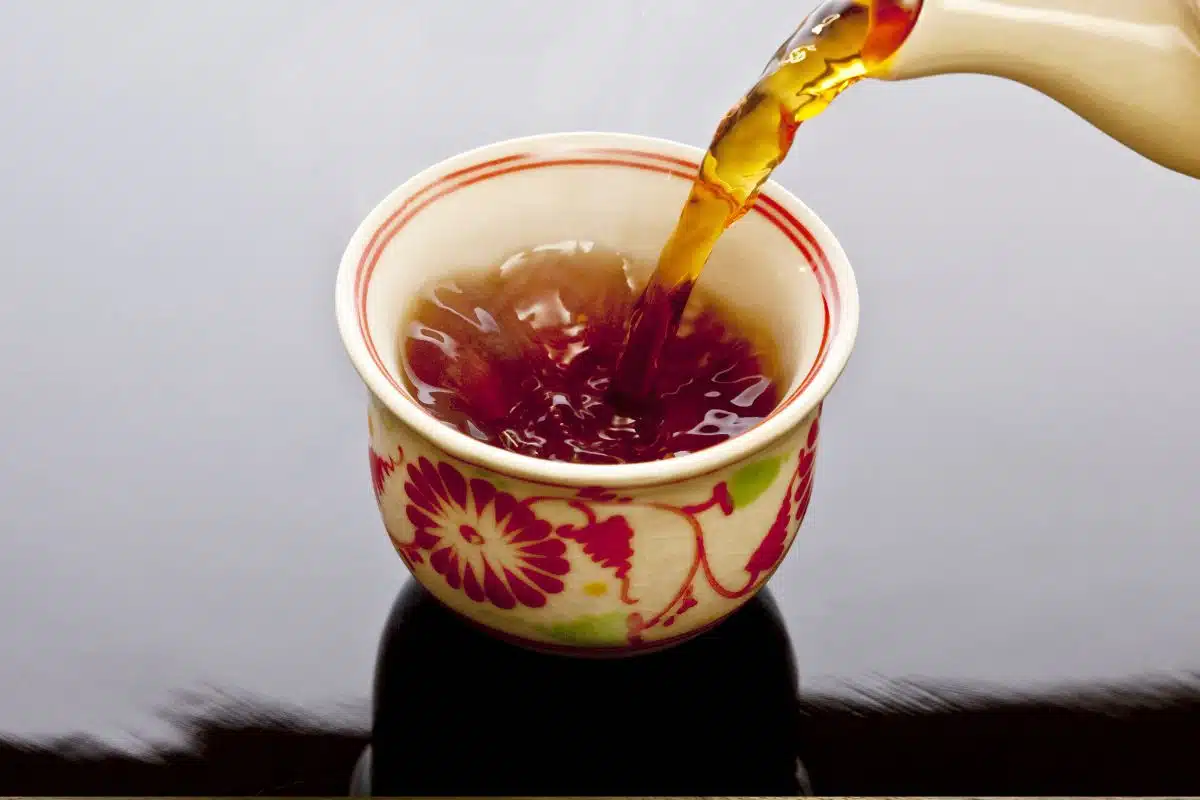
Oolong sits between green and black tea in terms of processing, producing a wide range of flavors from floral and lightly sweet to roasted and earthy. Like green and black tea, oolong comes from Camellia sinensis and naturally contains caffeine. The exact caffeine content can vary based on the tea and brewing method, so it is better not to assume every oolong provides the same level of stimulation. Its versatility makes it a good choice for both morning and afternoon drinking.
Guayusa Tea
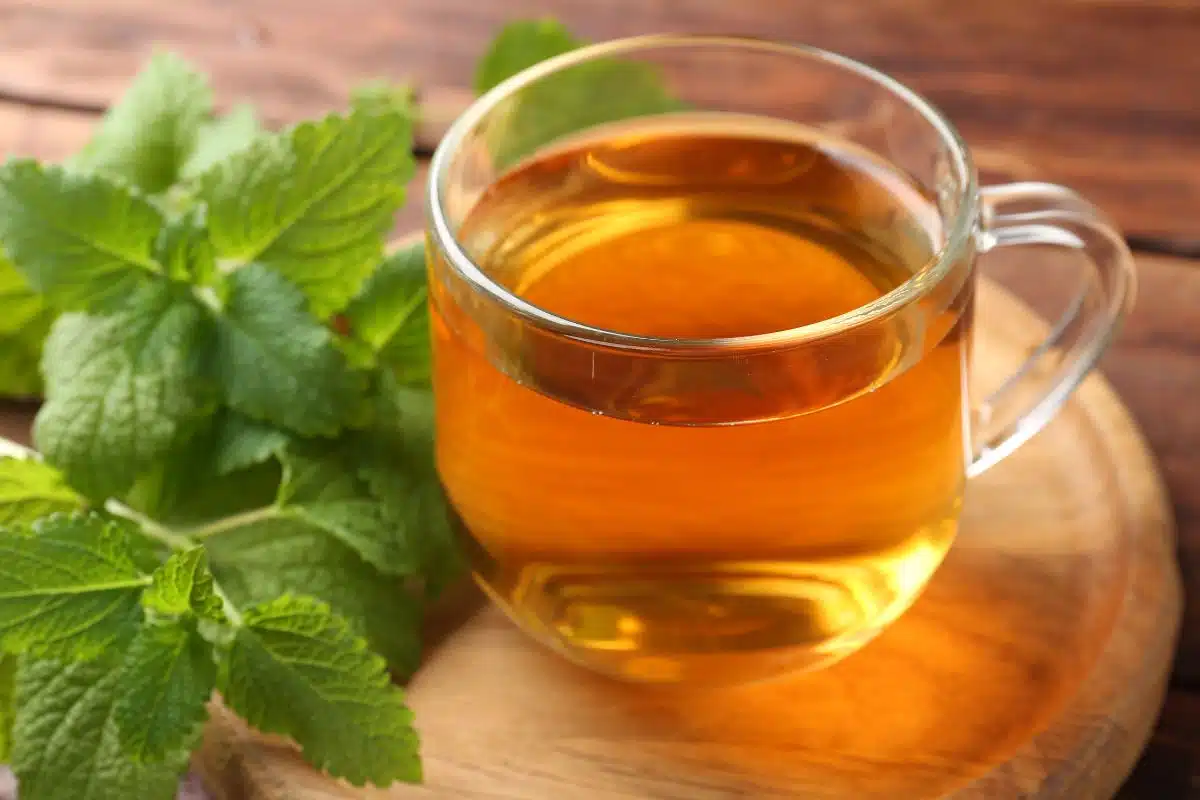
Guayusa is an Amazonian plant whose leaves are brewed into a caffeinated beverage. The FDA has reviewed guayusa leaf extract for use as an ingredient in beverages, and the plant naturally contains caffeine. Its flavor is generally described as smooth and earthy, making it an interesting alternative to traditional tea. Because caffeine levels can vary by product and preparation, check the label when buying packaged guayusa beverages.
Black Tea with Ginseng Blend
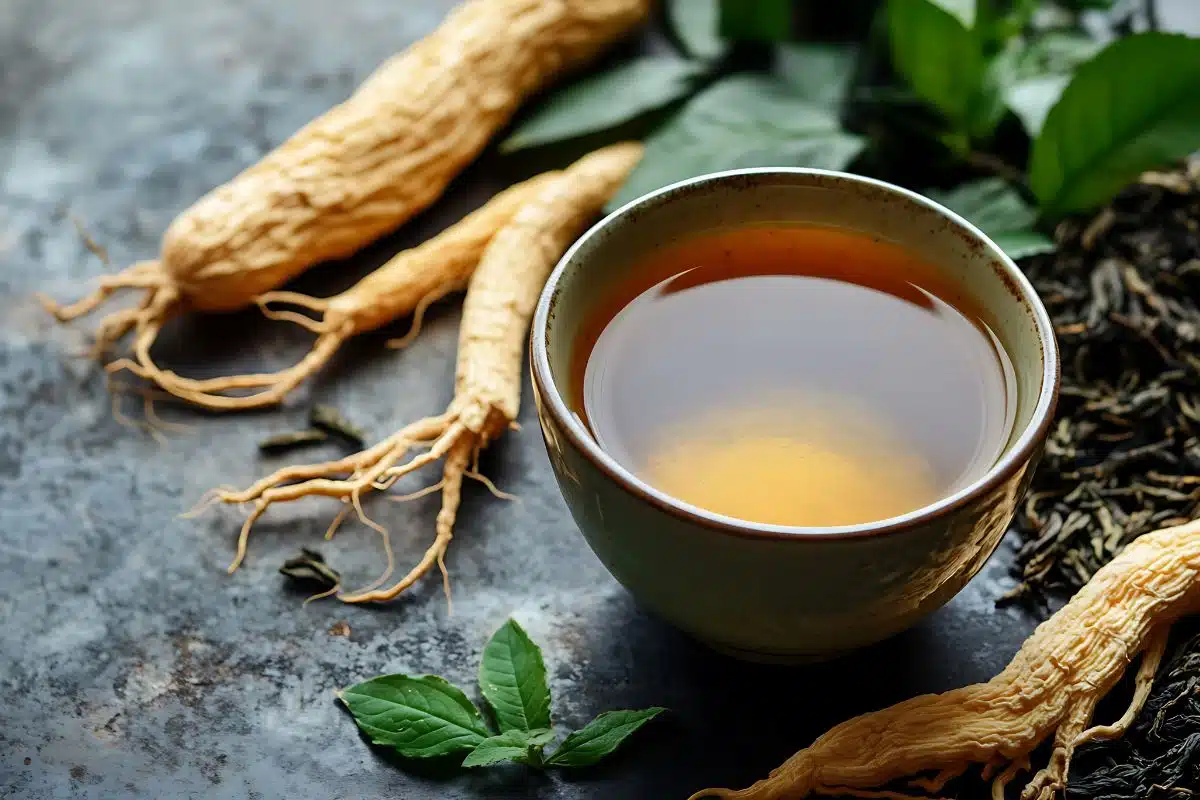
A black tea and ginseng blend combines naturally caffeinated tea with the earthy flavor of ginseng. Black tea provides the caffeine, while ginseng has traditionally been used in herbal preparations for a variety of purposes. However, claims that ginseng automatically provides an energy boost are stronger than the available evidence supports; NCCIH notes that research on ginseng and fatigue has produced mixed results. If you take medications, check with a healthcare professional before regularly using ginseng products because interactions are possible.
Pu-erh Tea
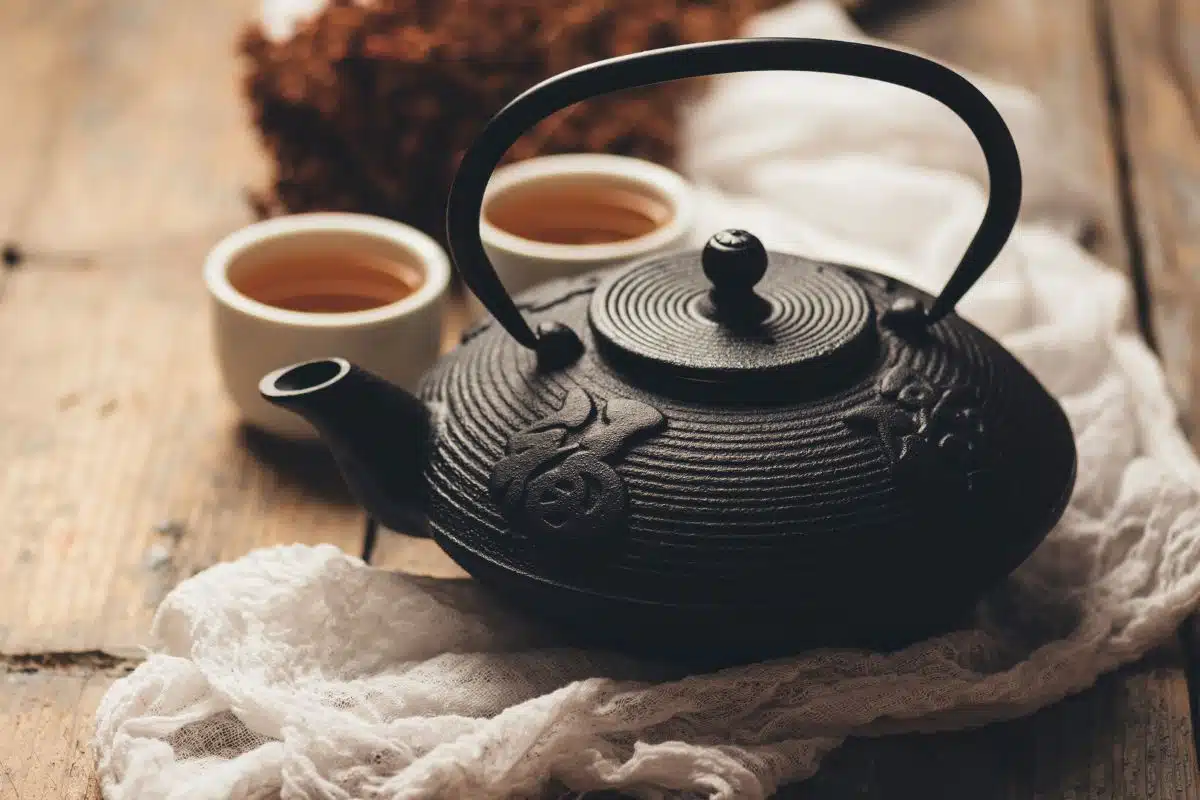
Pu-erh is a fermented or aged tea traditionally produced in China and made from the Camellia sinensis plant. Its deep, earthy flavor makes it appealing to people who prefer a more robust tea. Because it comes from the tea plant, it naturally contains caffeine, although the amount depends on the specific tea and how it is brewed. Try it plain first to appreciate its distinctive flavor, then experiment with serving it hot or chilled.
Lemon Ginger Tea

Lemon and ginger can make a cup of green tea taste brighter and more refreshing. If the blend contains green tea, it will provide caffeine; a lemon-ginger herbal tea without true tea leaves will generally be caffeine-free. That distinction is worth checking on the ingredient label if you’re specifically looking for a morning caffeine boost. Fresh lemon juice and a few slices of ginger can also be added to brewed green tea at home
Sencha Green Tea

Sencha is one of Japan’s best-known styles of green tea, with a fresh, grassy flavor and pleasant vegetal notes. Like other green teas, it contains caffeine, although the amount depends on the leaves, serving size, and brewing method. It can be enjoyed hot in the morning or brewed ahead and chilled for an afternoon drink. If you’re sensitive to caffeine, keep your serving size and brewing strength in mind.
This post may contain affiliate links or sponsored content. Disclosure Policy