10 Restaurant Changes Diners Are Starting to Notice Everywhere
Dining out is changing, but the biggest shifts aren’t always the flashy ones. Restaurants are responding to customers who are watching their budgets more closely while still looking for convenience, quality, and meals that feel worth the money. At the same time, technology is becoming more useful behind the scenes and at the point of ordering, while takeout and delivery remain an important part of how Americans get restaurant food. From more targeted value offers to streamlined menus and better takeout packaging, these changes are affecting what customers see, order, and pay for. Some are easy to spot the next time you visit a restaurant, while others are happening behind the scenes but can still change the dining experience.
Restaurant Deals Are Becoming More Targeted
Restaurant value isn’t simply about putting the cheapest item on the menu anymore. Restaurants are increasingly using limited-time offers, bundled meals, loyalty rewards, and discounts tied to specific ordering times or channels to give customers a reason to buy. The National Restaurant Association reports that value offers are especially important to off-premises customers, with limited-time deals, buy-one-get-one promotions, and discounts proving popular. That means diners may see more offers inside restaurant apps, loyalty programs, and online ordering platforms rather than across an entire menu.
Menus Are Getting More Focused
Restaurants don’t necessarily need enormous menus to give customers plenty of choices. A more focused menu can make kitchen operations easier, reduce the number of ingredients that have to be kept on hand, and allow restaurants to concentrate on dishes that consistently perform well. Rising operating costs are one reason restaurants are looking for greater efficiency throughout their operations. Diners may notice this as fewer obscure options, more flexible combinations, or menus built around a smaller group of proteins, sauces, sides, and toppings.
Ordering Technology Is Moving Beyond QR Codes
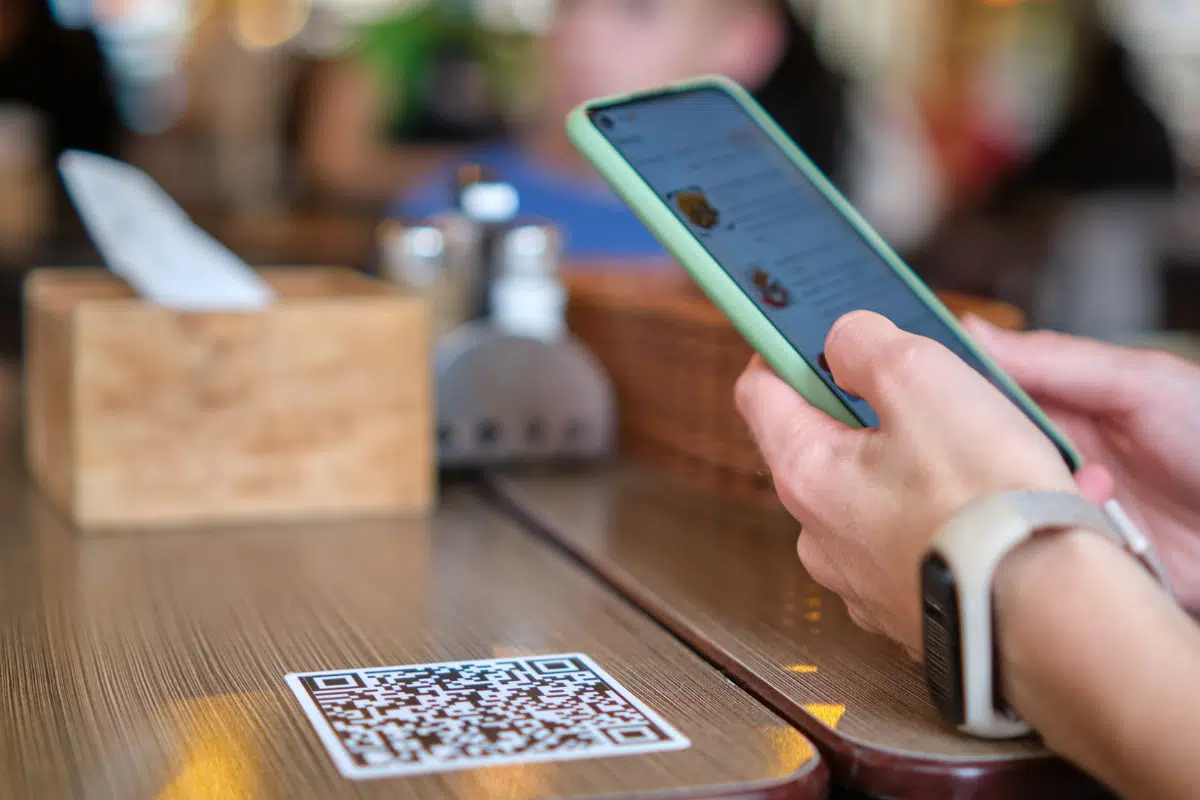
QR codes are only one piece of the restaurant technology puzzle. Restaurants are increasingly using handheld payment devices, mobile ordering, digital wallets, self-service kiosks, and apps that make ordering and paying faster. The National Restaurant Association says consumers particularly value technology that makes ordering and payment easier and faster, while operators are investing in technology that can improve efficiency. That doesn’t mean every restaurant is going fully digital. Instead, diners are likely to encounter a mix of traditional service and optional technology, such as a server taking an order on a handheld device or a customer choosing to pay directly at the table.
Local Ingredients Are Getting More Attention
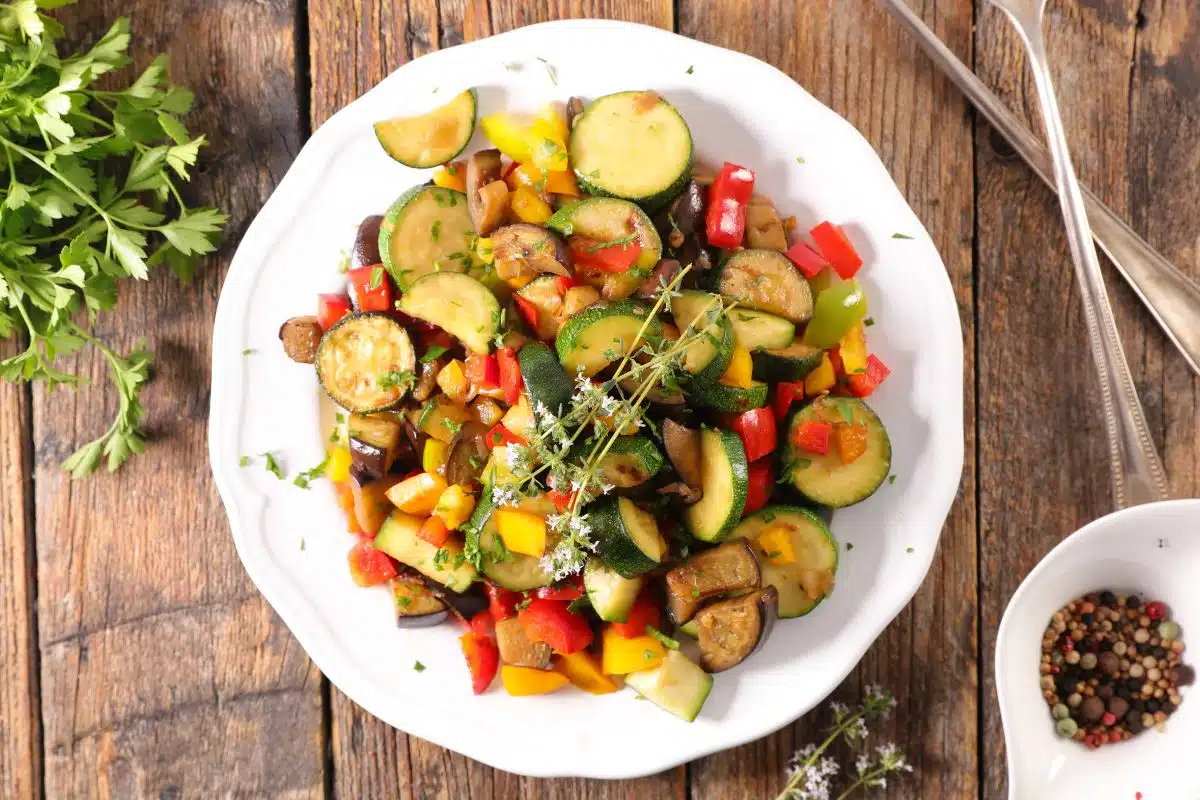
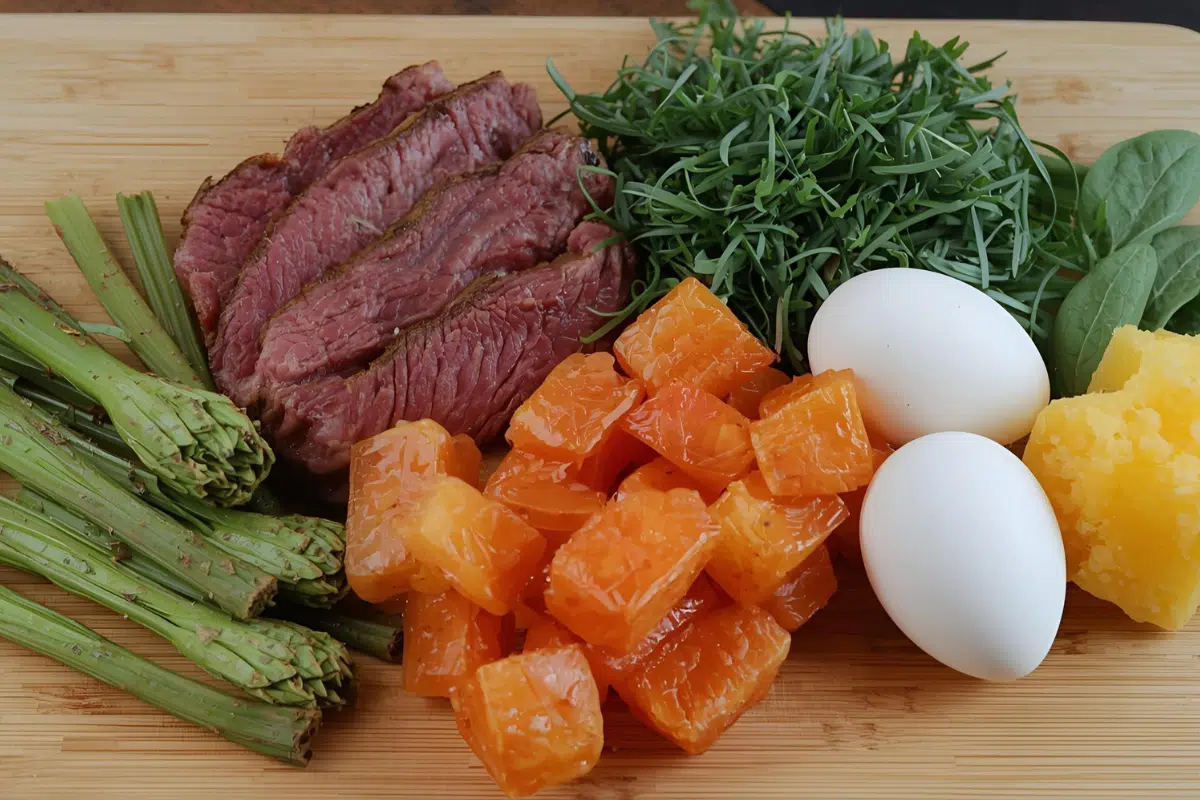
Local sourcing is becoming a more visible part of the restaurant experience, particularly for restaurants that want to differentiate themselves from large chains. Current culinary-industry research continues to identify local sourcing as an important menu direction, with restaurants highlighting nearby farms, regional producers, and seasonal ingredients. Customers may see this reflected in menu descriptions, specials boards, farmers-market-style ingredients, or dishes that change with the season. For independent restaurants especially, emphasizing where an ingredient comes from can give diners a reason to choose one restaurant over another.
Takeout Is Being Treated Like Its Own Dining Experience
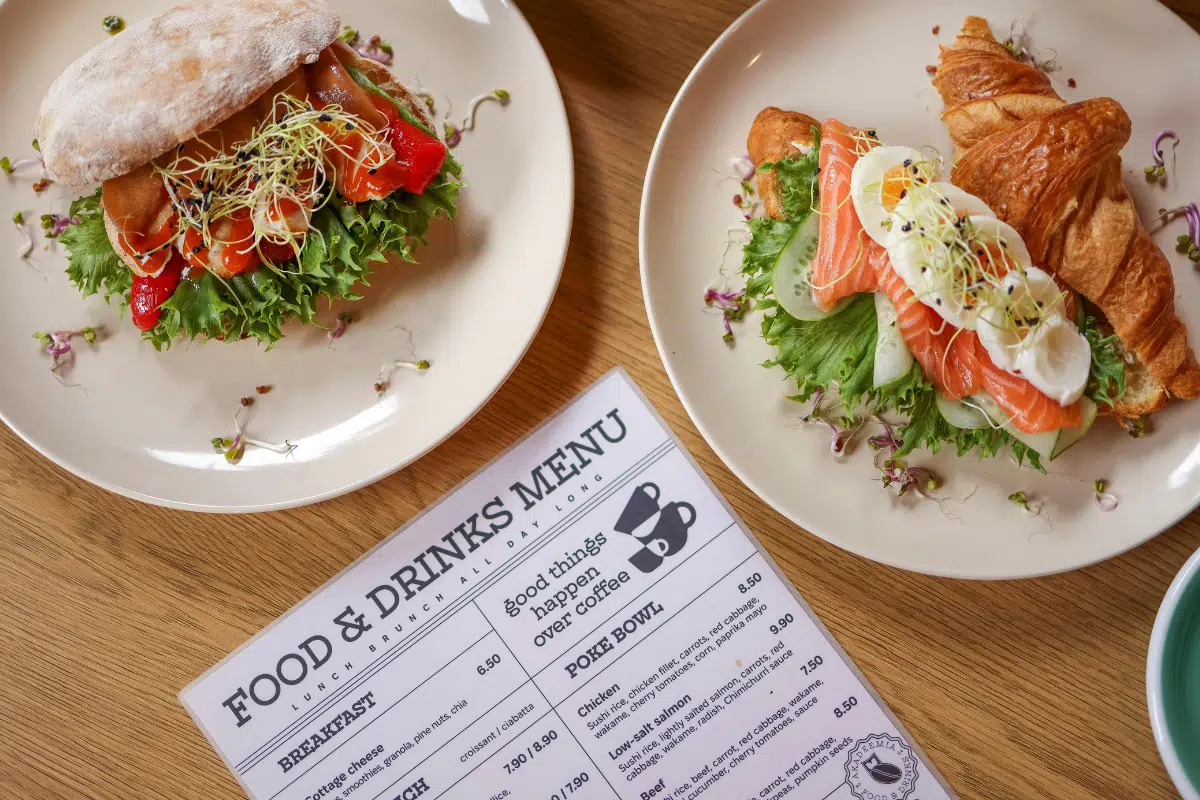
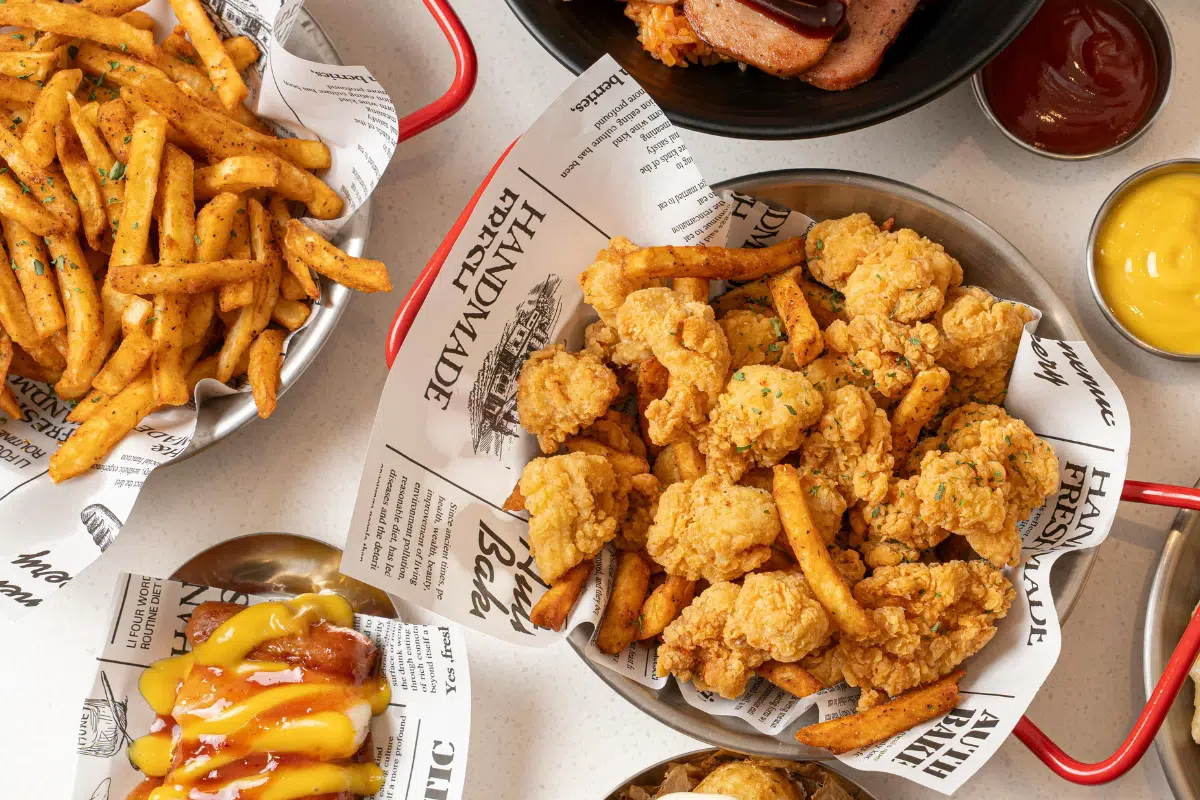
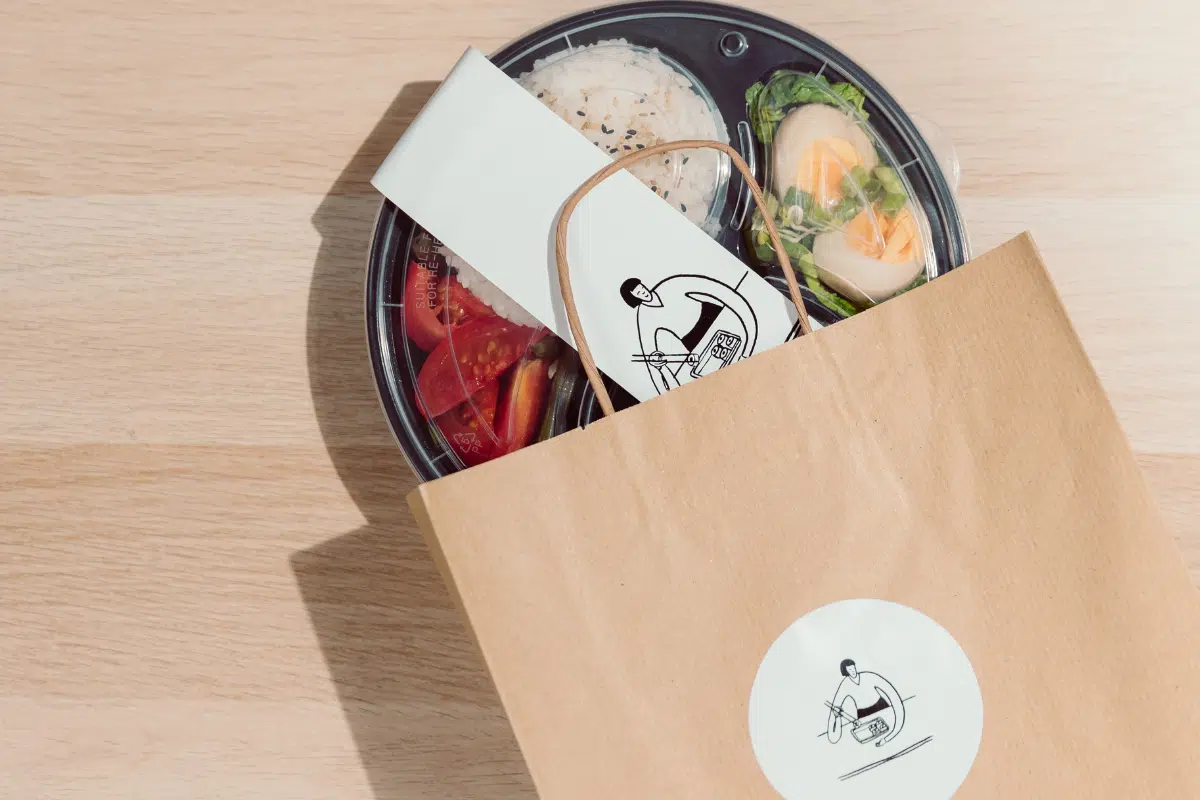
Restaurant food ordered to go is no longer simply food that happens to be put in a container. Restaurants are paying more attention to how meals hold up during transportation, because customers expect takeout and delivery to arrive in good condition. National Restaurant Association research shows that takeout, delivery, and drive-thru remain regular parts of consumers’ routines, with speed, good service, convenient technology, value, and loyalty programs all important to repeat business. That can mean packaging designed to preserve texture, better separation of hot and cold components, and menu items selected specifically for their ability to travel well. Diners may also see more meals, snacks, and bundles designed specifically for off-premises ordering.
AI Is Showing Up Behind the Scenes
Artificial intelligence is becoming part of restaurant operations, but customers won’t necessarily see a robot taking their order. Restaurants can use AI and data tools to help with inventory forecasting, staffing decisions, menu analysis, marketing, and other repetitive tasks. The National Restaurant Association says operators are exploring AI and automation as ways to address labor challenges, control costs, and improve efficiency. Some customers may encounter AI directly through automated ordering or personalized digital recommendations, but much of the technology works in the background.
Restaurants Are Designing More for Speed and Convenience
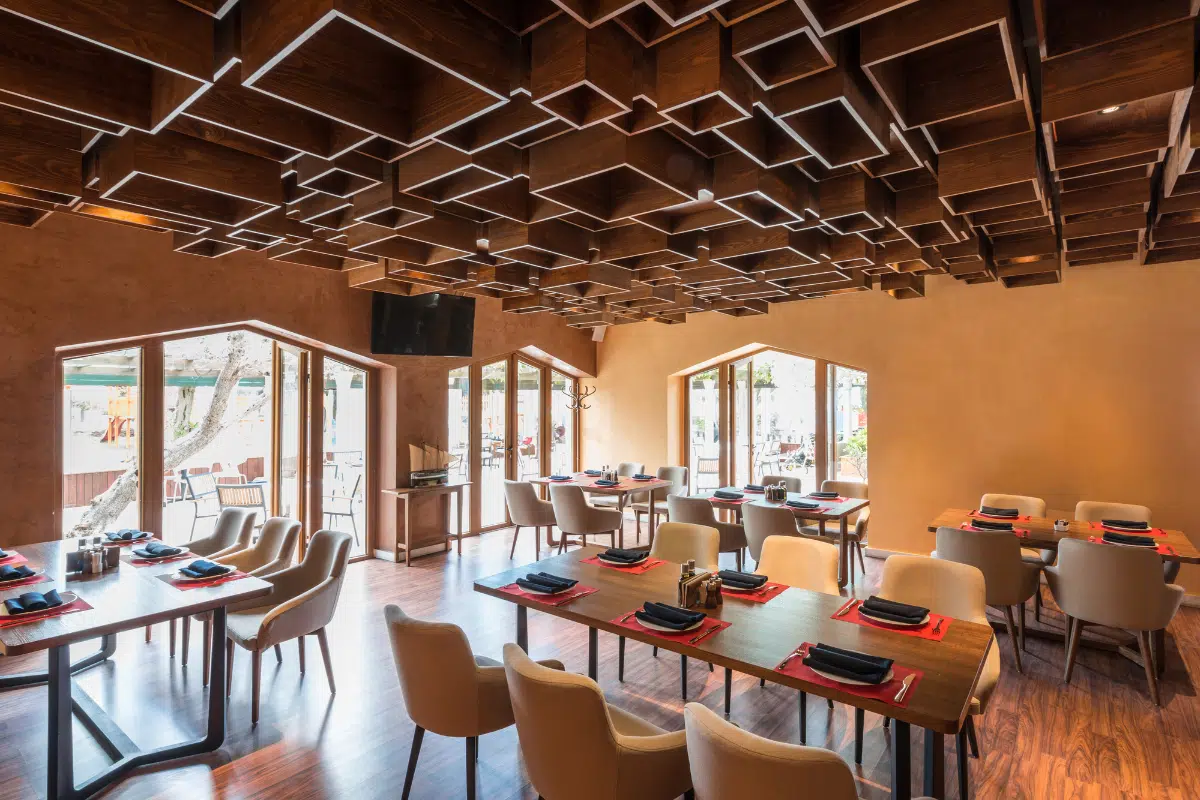
Convenience has become a major part of the restaurant experience, particularly for customers ordering food away from the dining room. Mobile ordering, digital payment, drive-thru improvements, pickup shelves, and handheld payment systems can all reduce the amount of time customers spend waiting. Restaurant-industry research identifies speed and intuitive ordering and payment technology among the features customers increasingly expect from off-premises dining. This doesn’t necessarily mean restaurants are trying to eliminate human interaction. Instead, many are giving customers more control over which parts of the process they want to handle themselves.
Dining Out Is Becoming More About the Experience
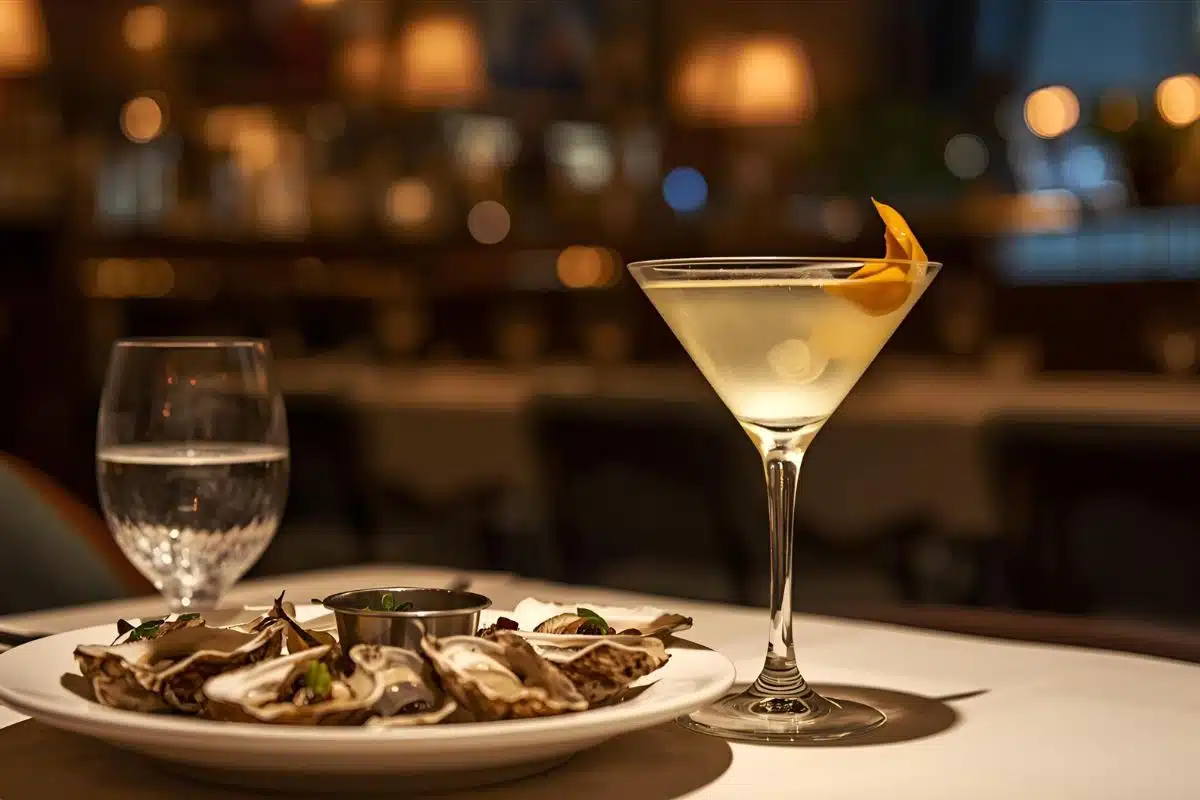
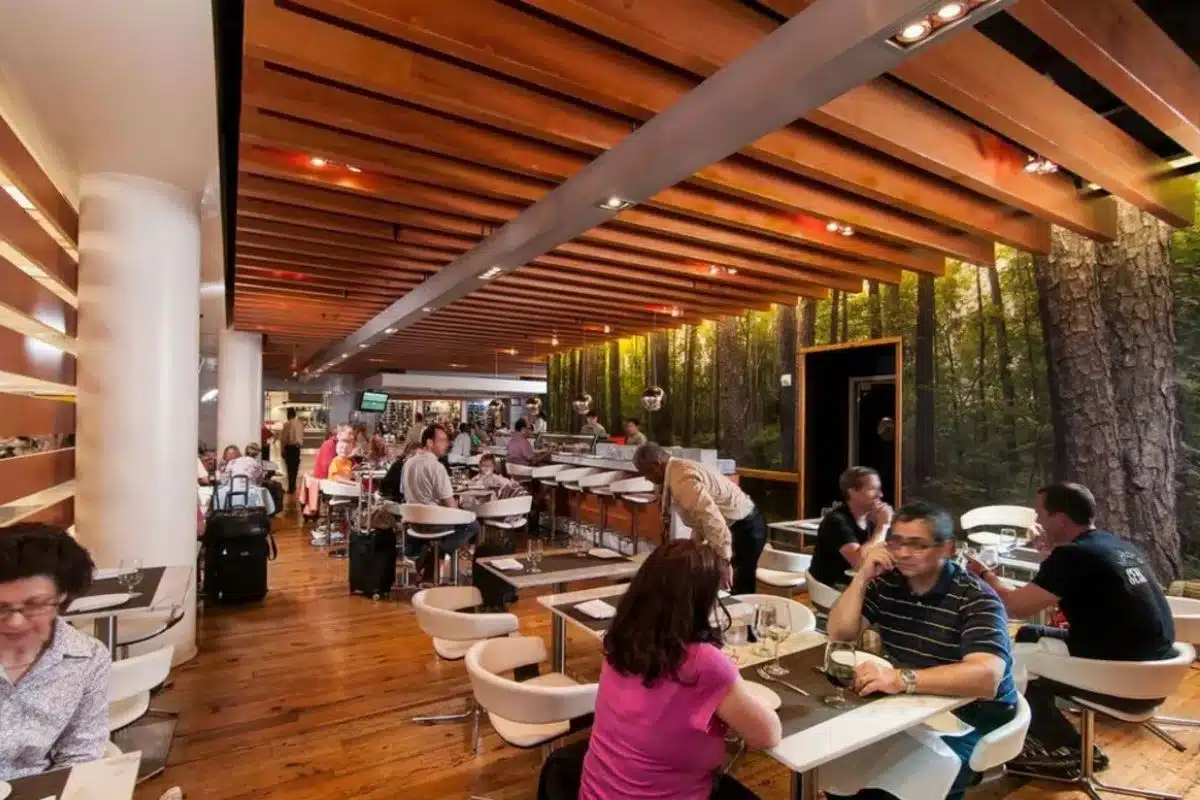
Restaurants have a reason to give customers something they can’t easily recreate at home. As takeout and delivery remain popular, memorable food, atmosphere, hospitality, and local experiences can help make an in-person visit feel worthwhile. Current restaurant research also shows that diners continue to value memorable local food experiences, particularly when traveling or spending on special occasions. That can take many forms, from open kitchens and chef-driven specials to themed events, regional ingredients, tasting menus, or simply a more distinctive atmosphere. The goal isn’t necessarily to make every restaurant extravagant—it is to give customers a reason to choose dining in when eating at home is an easy alternative.
Restaurant Loyalty Programs Are Doing More Work

Loyalty programs have evolved beyond simply giving customers a free item after several purchases. Restaurant apps can now connect ordering history, rewards, promotions, and personalized offers in one place. Technology and customer data are increasingly being used to tailor recommendations and promotions based on ordering patterns. For diners, that can mean seeing a discount for a favorite meal, receiving an offer during a slower period, or earning rewards automatically through an app. It also means customers who regularly order from the same restaurant may have a noticeably different digital experience from first-time visitors.
Restaurants Are Finding More Ways to Do More With Less
Behind many of these visible changes is a simple business reality: restaurants are under pressure to control costs while continuing to deliver good service. Operators are investing in technology, workforce training, better scheduling, inventory management, and other systems designed to improve productivity without making the customer experience feel stripped down. The National Restaurant Association identifies persistent operating costs, uneven traffic, and labor pressures as continuing challenges for restaurant businesses. For diners, the result can be subtle. A restaurant may have a smaller menu, more carefully scheduled staff, more automated ordering, or fewer wasted ingredients—all changes that help the business operate more efficiently while keeping the focus on the customer.
This post may contain affiliate links or sponsored content. Disclosure Policy