14 Everyday Habits That Can Quietly Add to Your Expenses
Most people try to be mindful about spending, but everyday habits can quietly drain your budget in ways that aren’t always obvious. Small fees, forgotten payments, and convenience-driven choices may not seem like much on their own—but they add up quickly over time. The good news is that once you spot these money leaks, they’re often easy to fix. Here are some of the most common ways people unintentionally waste money—and how to start keeping more of it.
Unused Subscriptions

Streaming services, apps, magazines, and memberships are easy to sign up for—and even easier to forget about. Many people continue paying for subscriptions they rarely or never use. Reviewing your bank statements can help you spot recurring charges you don’t actually need. Canceling even a few can free up noticeable monthly savings.
Extended Warranties

Extended warranties often sound reassuring, but they’re rarely worth the added cost. Many products already come with solid manufacturer coverage, and repairs can sometimes cost less than the warranty itself. Retailers also tend to make warranties sound more essential than they are. In most cases, skipping them is the smarter financial move.
Bottled Water

Buying bottled water regularly may seem harmless, but it’s a steady money drain. Over time, the cost of single-use bottles adds up significantly compared to tap or filtered water. A reusable water bottle is a simple switch that pays for itself quickly. It also helps reduce plastic waste, making it better for the environment.
ATM Fees
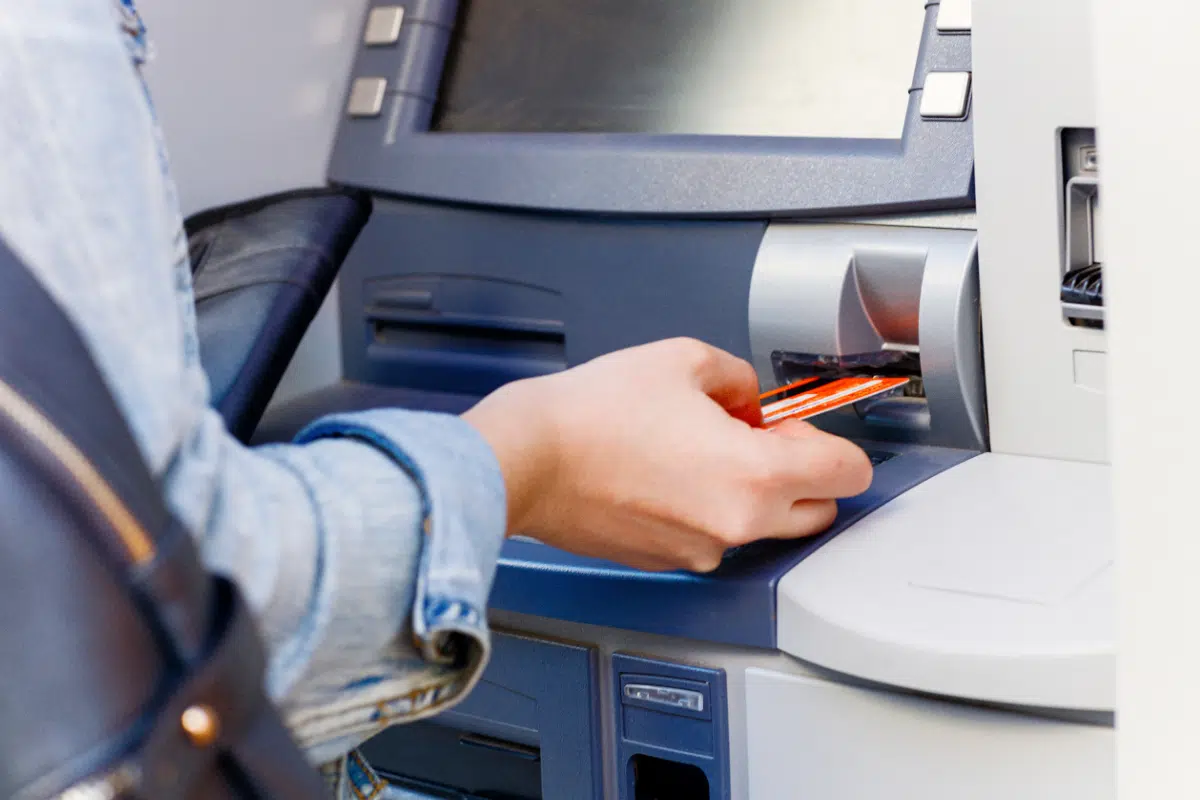
Out-of-network ATM withdrawals often come with small fees that add up over time. While a few dollars here and there may not seem like much, frequent withdrawals can quietly cost you more than expected. Choosing a bank with a wider ATM network or planning ahead can help you avoid these charges. Some retailers also offer cashback options that eliminate the need for ATM visits altogether.
Impulse Online Purchases

Flash sales, countdown timers, and “limited-time deals” are designed to encourage quick buying decisions. Unfortunately, these impulse purchases often lead to regret once the excitement wears off. Many items end up unused or forgotten shortly after arrival. Taking a pause before checkout can help you decide if you actually need the item.
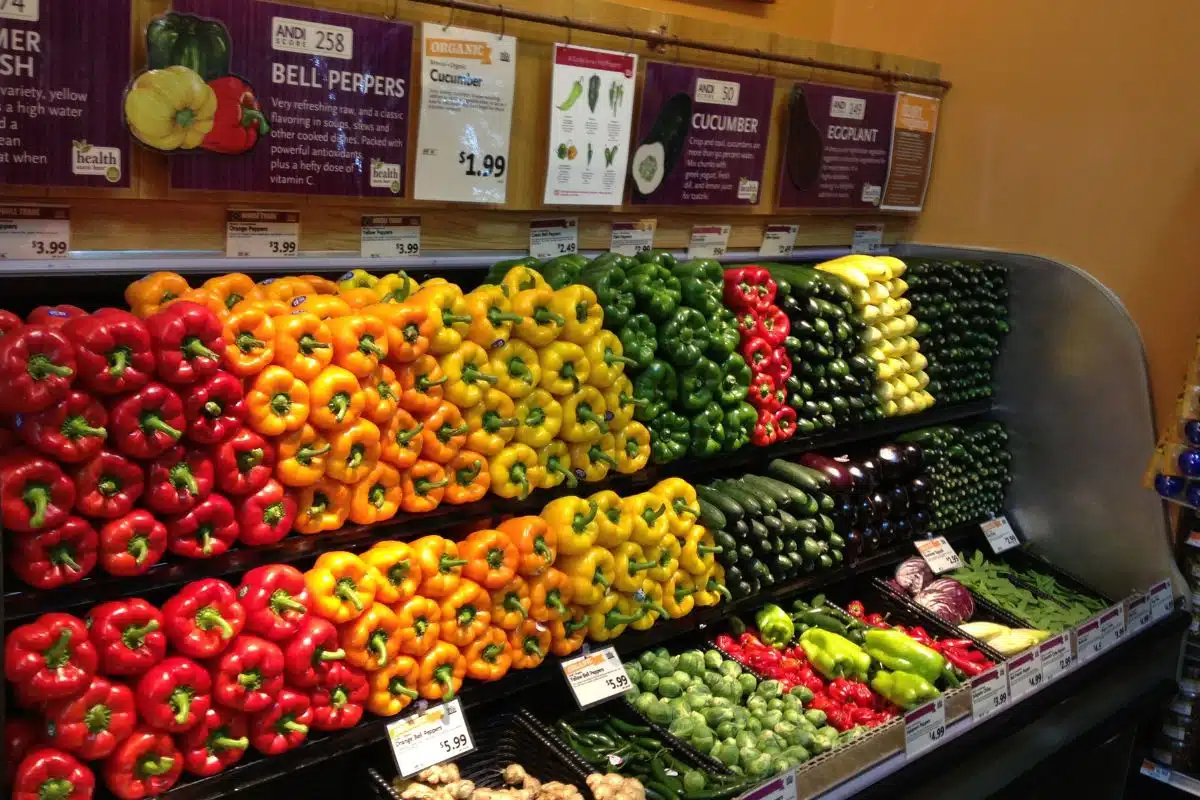
Name-Brand Groceries

Name-brand groceries often cost more simply because of marketing—not necessarily better quality. Many store-brand products use similar ingredients and taste nearly identical. Switching just a few items in your cart can lead to noticeable savings over time. It’s one of the easiest ways to cut your grocery bill without changing your diet.
Gym Memberships You Don’t Use

A gym membership can be a great investment—if you actually use it. However, many people sign up with good intentions and stop going after a short time. Those monthly fees continue to drain your budget regardless of attendance. If you’re not using it regularly, it may be worth rethinking or switching to more flexible options.
Premium Cable Packages

Cable packages can become expensive, especially when you’re only watching a few channels. With so many affordable streaming alternatives available, many households are paying for more than they use. Reviewing your viewing habits can help you decide if a downgrade makes sense. Cutting back can lead to significant monthly savings.
Convenience Foods

Pre-cut fruits, bagged salads, and single-serve snacks save time but come at a premium price. While convenient, they often cost much more than preparing the same items yourself. Buying whole ingredients and doing a little prep at home can make a big difference in your budget. It’s a simple trade-off between time and money.
Forgotten Gift Cards
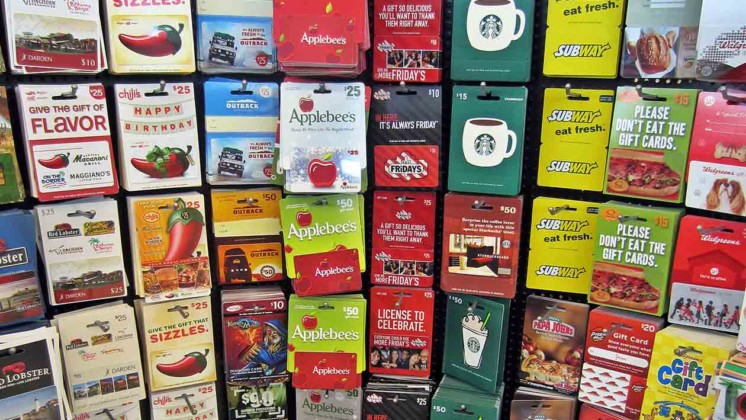
Millions of dollars in gift cards go unused every year simply because people forget they exist. They often get tucked away in wallets, drawers, or email inboxes and never used. Keeping track of them can prevent wasted value. Using gift cards promptly ensures you get the full benefit of your money.
Coffee Runs

Daily coffee shop visits may feel small, but they can add up to hundreds of dollars a year. Even a modest daily purchase quickly becomes a major expense over time. Brewing coffee at home is a simple habit that can lead to big savings. With so many affordable options, it’s an easy switch for most people.
Eating Out Too Often

Frequent restaurant meals are convenient but significantly more expensive than cooking at home. Even casual dining adds up quickly when done regularly. Preparing meals at home just a few more times per week can dramatically reduce spending. It also gives you more control over ingredients and portion sizes.
Late Fees
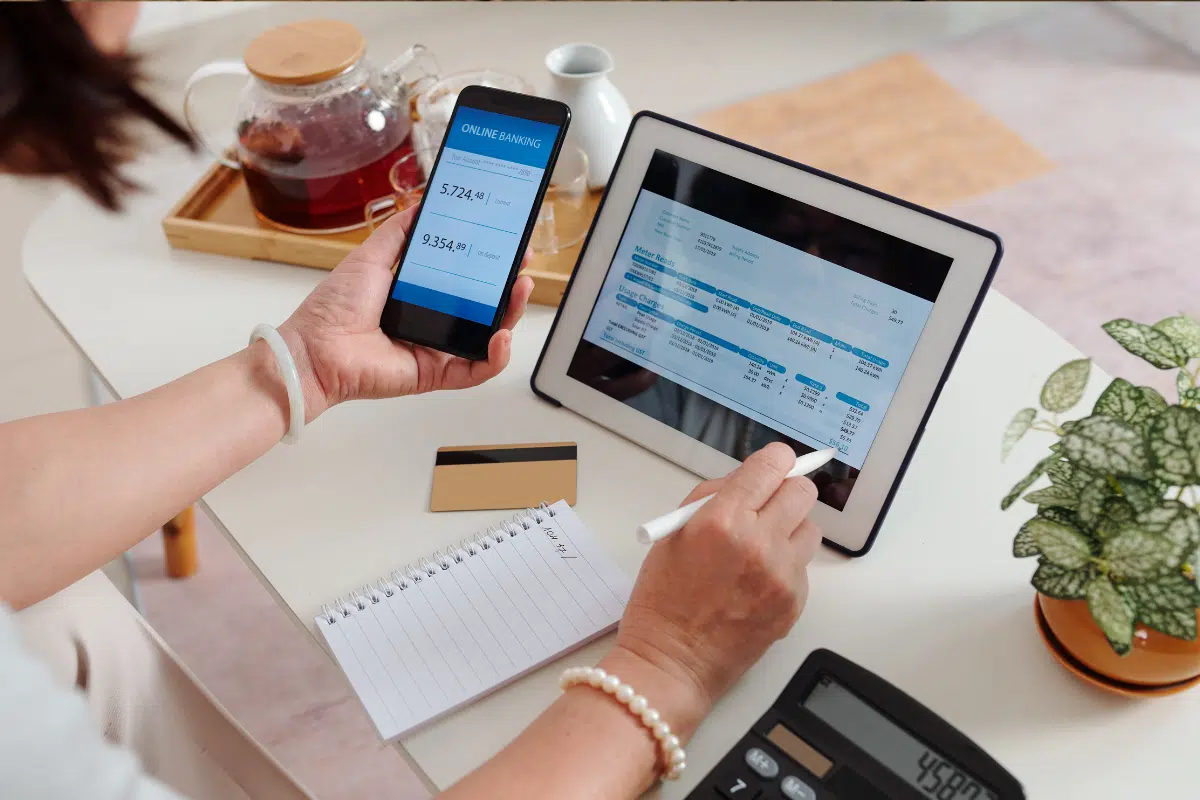
Late fees from bills, subscriptions, or even library books are easy to overlook but completely avoidable. Missing due dates can cost more than expected over time. Setting reminders or enrolling in auto-pay can help prevent unnecessary charges. A few small adjustments can keep your finances running more smoothly.
Overbuying Groceries

Buying more groceries than you need often leads to wasted food—and wasted money. Items can spoil before they’re used, especially perishable goods. Planning meals and sticking to a shopping list helps reduce excess spending. Being intentional at the store is one of the easiest ways to stretch your budget.
This post may contain affiliate links or sponsored content. Disclosure Policy