10 Grocery Store Foods Nutrition Experts Say to Think Twice About
Grocery shopping gets complicated when colorful packages promise convenience, health benefits, or premium ingredients at every turn. But a product can be perfectly reasonable to eat and still be worth a second look before you buy it. Sometimes the issue is added sugar or sodium; other times, you’re simply paying more for convenience when a less expensive alternative would work just as well. Here are 10 grocery store purchases worth examining more closely before they land in your cart.
Pre-Cut Fruits and Vegetables
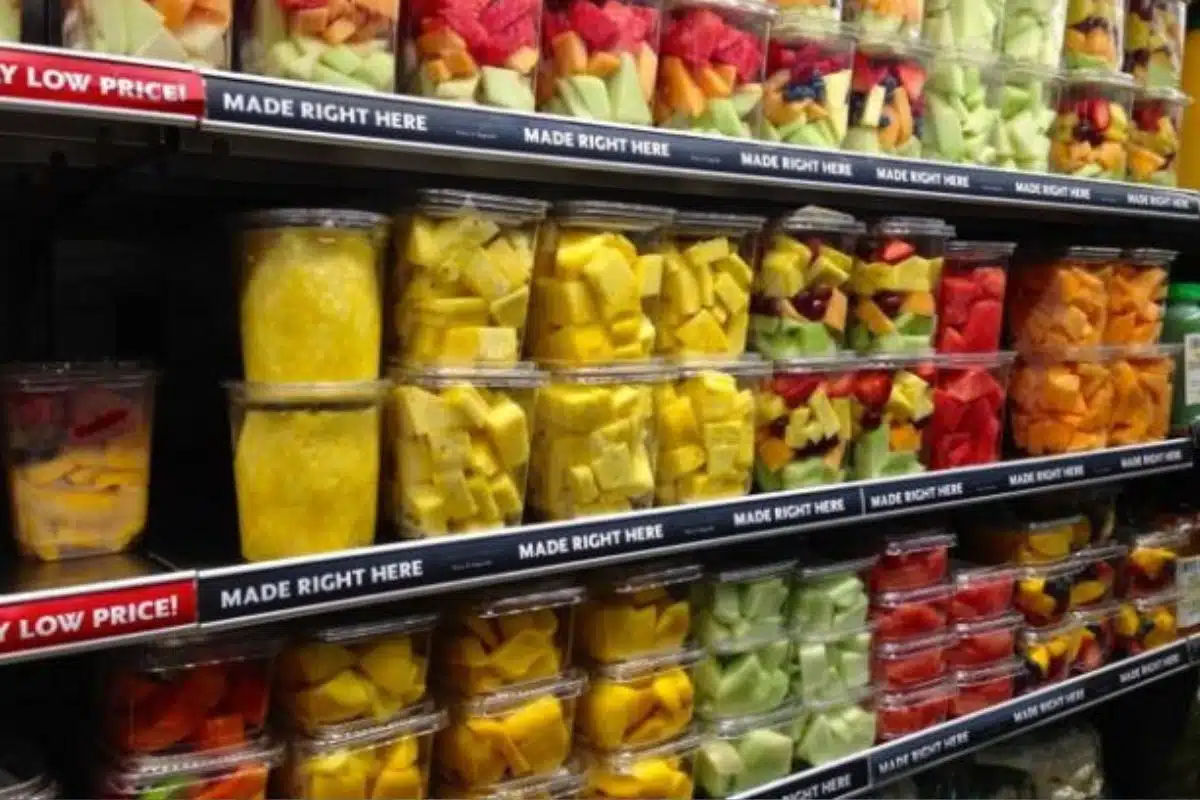
Pre-cut produce can be a genuine time-saver, especially when you’re trying to make fruits and vegetables easier to eat. The trade-off is usually convenience and price rather than nutrition, since you’re paying for the preparation and packaging. Cut produce also needs to be refrigerated and generally has a shorter storage window than whole produce. If you have the time, buying whole fruits and vegetables and cutting them at home can stretch your grocery budget further.
Sugary Breakfast Cereals
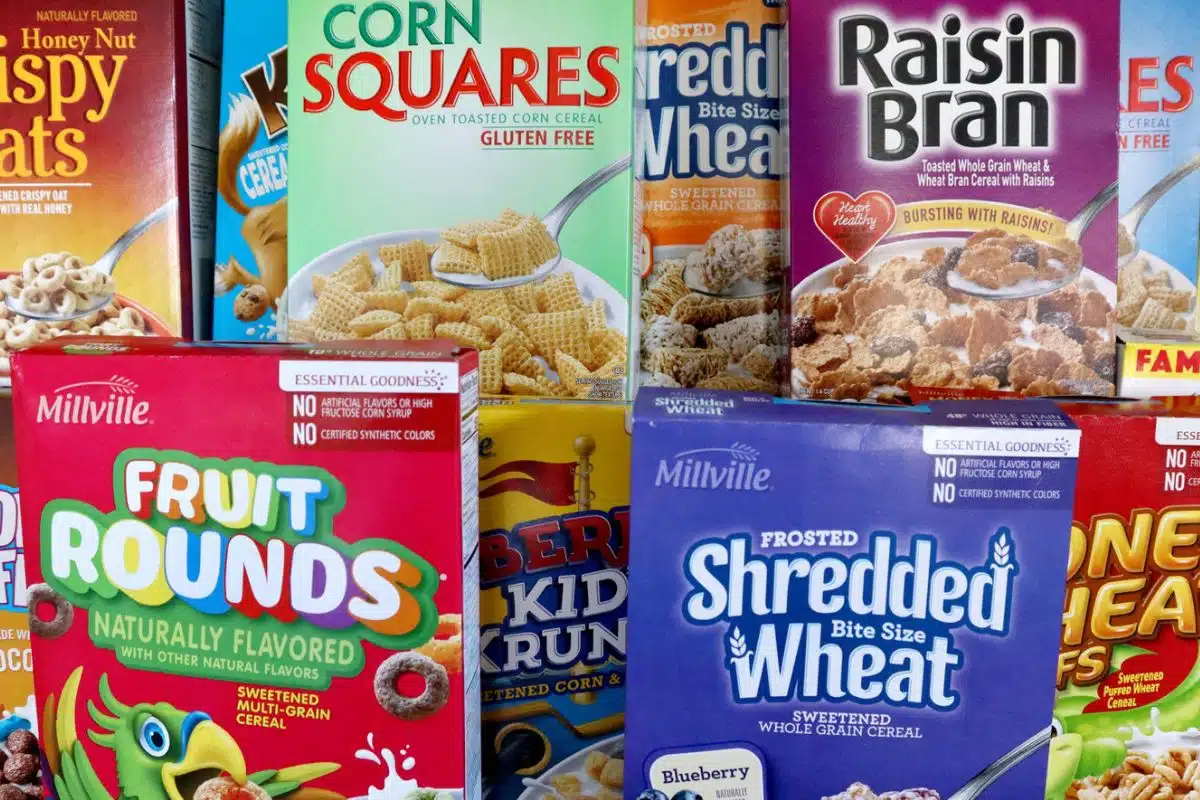
A cereal box can make impressive promises about whole grains, vitamins, or other nutrients while still containing a substantial amount of added sugar. Instead of relying on the front of the package, check the Nutrition Facts panel for added sugars and dietary fiber. Cereals made primarily from whole grains with more fiber and less added sugar can be a more filling choice. You don’t necessarily have to give up sweetened cereal, but comparing labels can help you find one that better fits your everyday breakfast.
Bottled Smoothies
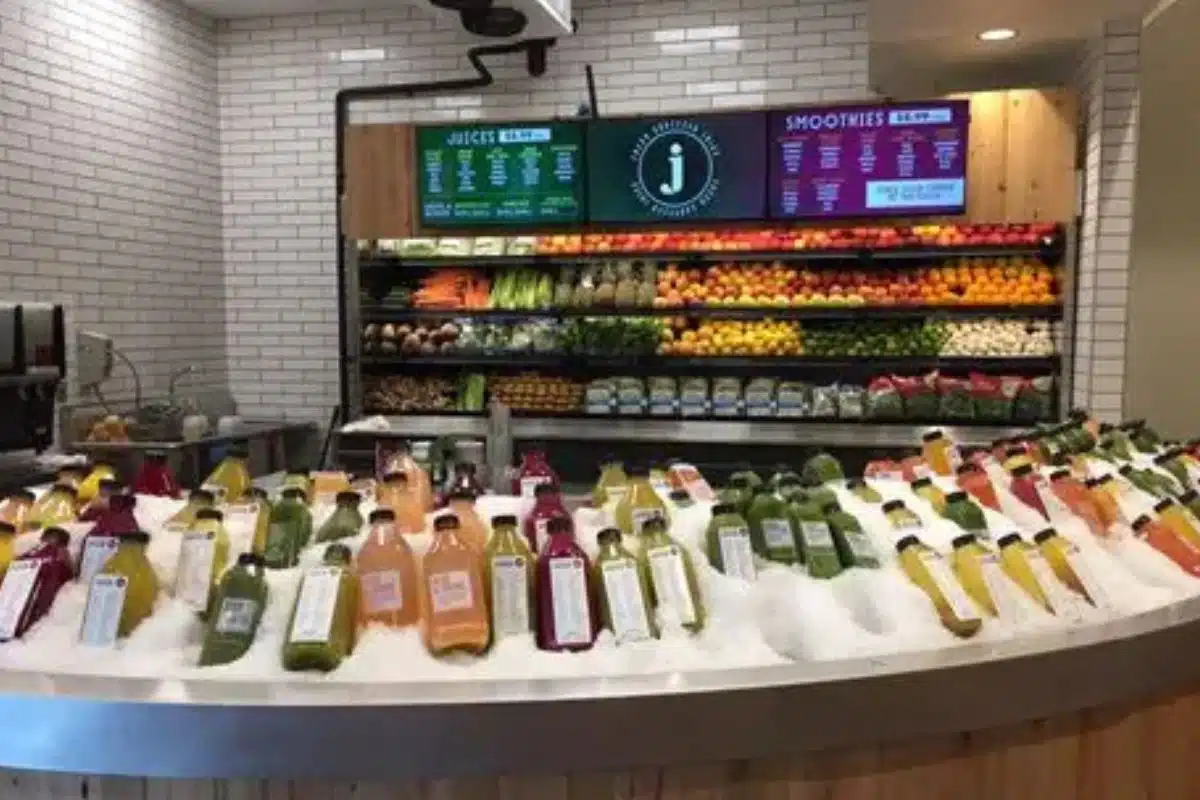
A bottled smoothie may look like an easy way to get fruit into your day, but the nutrition can vary dramatically from one product to another. Some contain substantial amounts of added sugar, while others are made primarily from whole fruits and vegetables and may have no added sugar at all. Check the ingredient list and Nutrition Facts label rather than assuming every smoothie in the refrigerated case is interchangeable. Making smoothies at home also gives you more control over the fruit, protein, fiber, and sweetness.
Flavored Yogurts
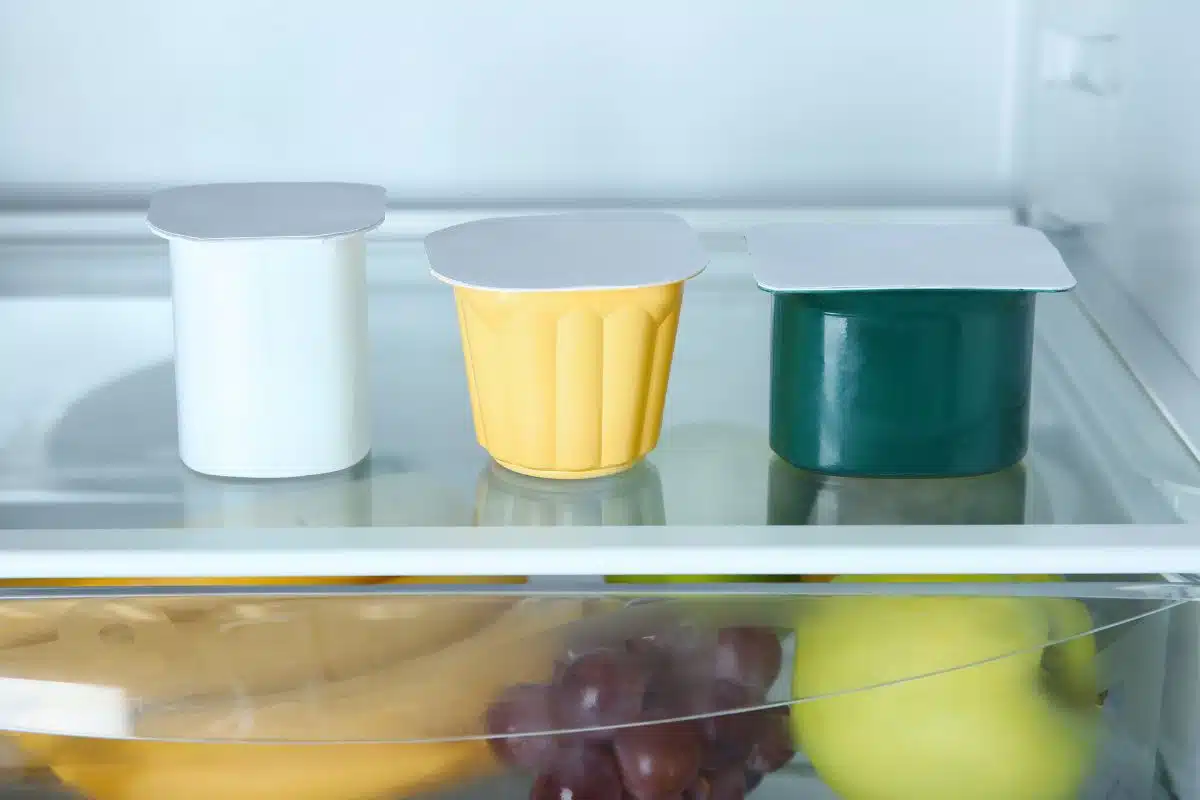
Yogurt can be a nutritious source of protein and calcium, but flavored varieties can contain considerably more added sugar than plain yogurt. The easiest way to compare products is to look specifically at the “Added Sugars” line on the Nutrition Facts label rather than judging by the flavor or packaging. Plain Greek yogurt topped with berries, nuts, cinnamon, or a small amount of honey gives you more control over sweetness. If you prefer flavored yogurt, simply compare a few labels and choose one that fits your preferences.
Prepared Deli Salads
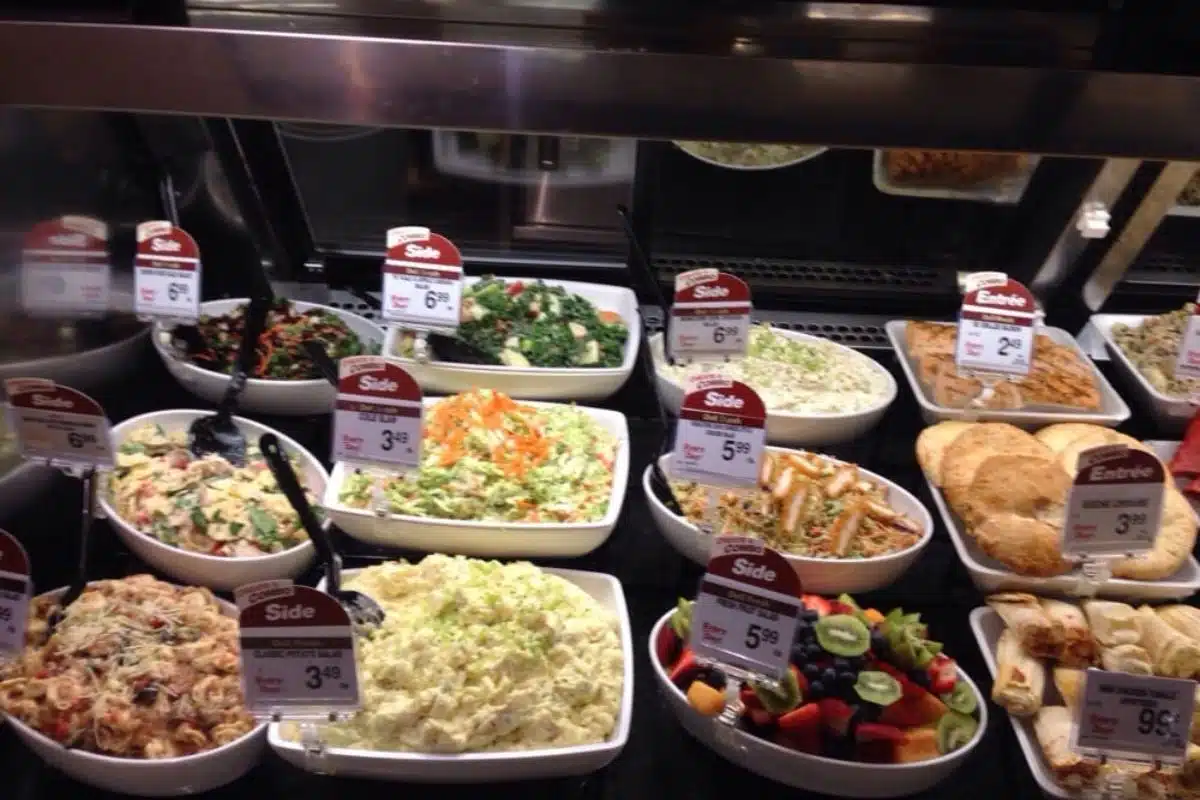
The deli case can make lunch incredibly convenient, but prepared pasta, potato, macaroni, and chicken salads can vary considerably in calories, sodium, saturated fat, and added ingredients. Creamy dressings and mayonnaise-based sauces can also make a small container surprisingly filling—and surprisingly expensive for the amount of food you get. Making a similar salad at home lets you choose the vegetables, protein, dressing, and portion size. It can also turn one batch of ingredients into several lunches.
Name-Brand Spices

Spices are one of the easiest grocery items to compare by price because the basic ingredient is often the same whether the jar carries a national brand or a store label. Before automatically reaching for the familiar brand, compare the price per ounce rather than the sticker price alone. Buying smaller quantities can also make sense for spices you use only occasionally because dried herbs and spices gradually lose their flavor and aroma over time. For frequently used seasonings, a less expensive store brand can be an easy place to trim the grocery bill.
Frozen “Diet” Meals
A frozen meal labeled “light,” “lean,” or “diet” isn’t automatically a better choice than another frozen entrée. Check the entire Nutrition Facts label, particularly protein, fiber, sodium, saturated fat, and serving size, rather than focusing on calories alone. Some meals can be useful when convenience matters, but others may leave you hungry soon after eating. If you rely on frozen meals regularly, comparing several options—or adding vegetables, fruit, or another protein source—can make the meal more satisfying.
Bottled Salad Dressings
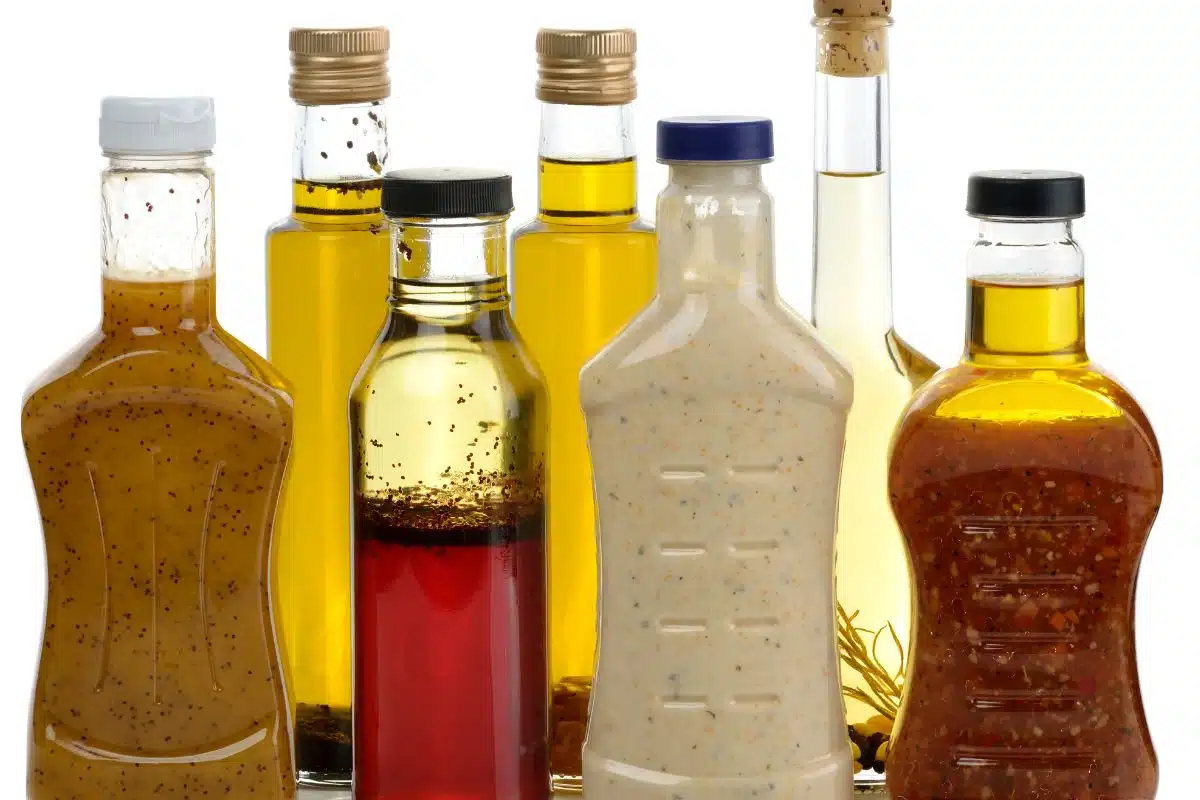
Bottled dressing can absolutely have a place in a well-stocked kitchen, but it’s worth checking the ingredient list and serving size before buying. Some varieties contain considerable amounts of added sugar or sodium, and a serving is often smaller than the amount people actually pour over a salad. A simple homemade dressing made with olive oil, vinegar or lemon juice, mustard, and seasonings takes only minutes to mix together. It also lets you control the flavor and ingredients without needing a separate bottle for every type of salad.
Pre-Shredded Cheese
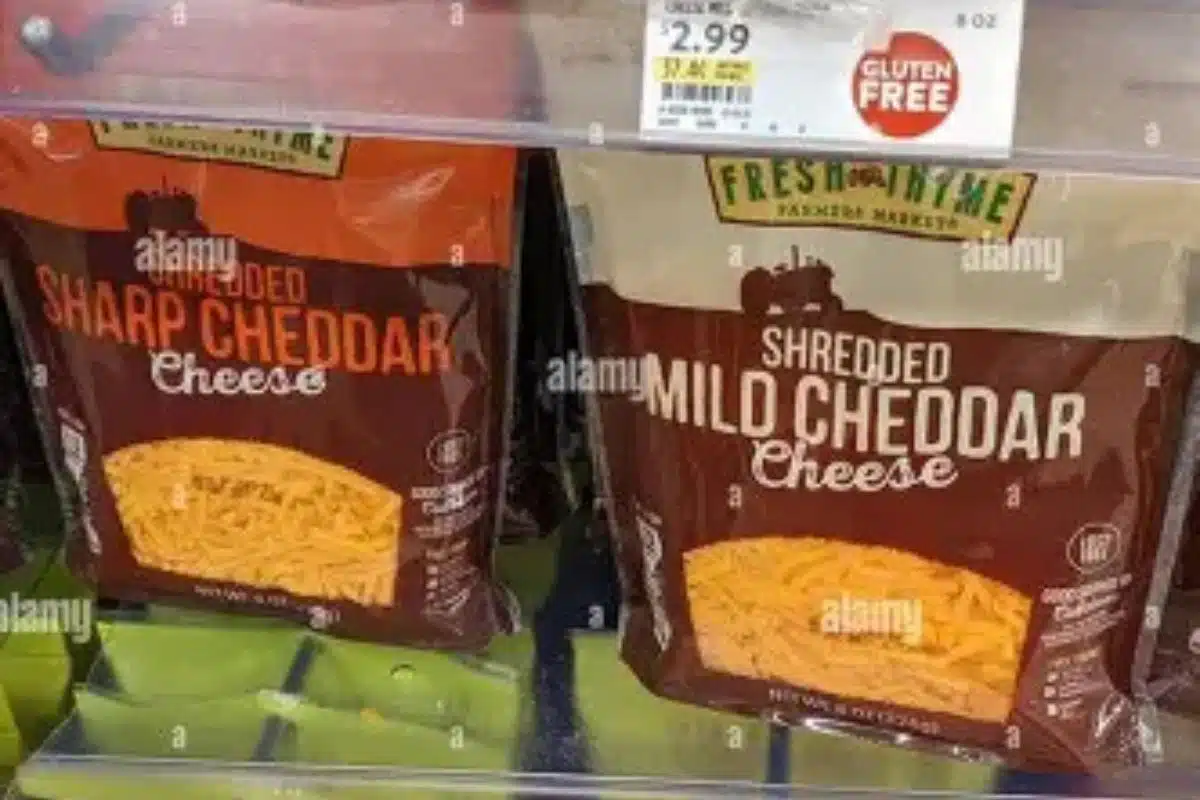
Pre-shredded cheese is convenient, particularly when you’re cooking on a busy night, but convenience can come with a higher price per ounce. Shredded cheese also commonly contains anti-caking ingredients to keep the pieces from sticking together, which can affect how some cheeses melt compared with cheese grated directly from a block. That doesn’t make packaged shredded cheese a bad choice—it simply gives you another factor to consider. If you regularly use large amounts of cheese for casseroles, quesadillas, or homemade pizza, buying a block and shredding it yourself may save money.
Bottled Water When Safe Tap Water Is Available
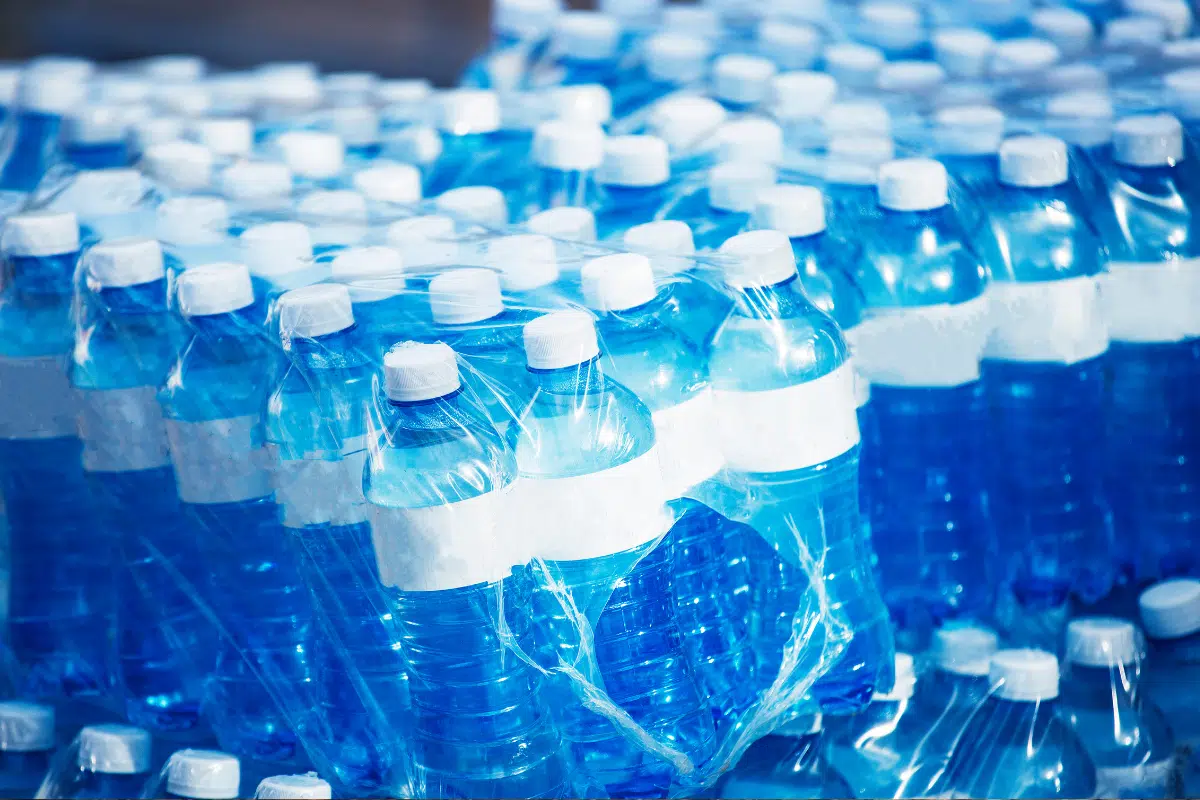
For households with safe tap water, bottled water can become an easy expense to overlook because each purchase seems inexpensive. A reusable bottle can eliminate many of those recurring purchases while making it easier to keep water on hand throughout the day. A home water filter can also be an option if you’re trying to improve taste or address a specific water-quality concern. Bottled water still has an important role when tap water isn’t safe or when you’re traveling, so this is really about choosing the option that makes sense for your situation.
This post may contain affiliate links or sponsored content. Disclosure Policy