8 Simple Portion Control Tips That Make Healthy Eating Easier
Portion control doesn’t have to mean strict dieting or complicated tracking. In fact, small, practical changes in how you serve and eat food can make a big difference in your overall intake. These easy strategies help you enjoy the foods you love while naturally avoiding overeating. With a few mindful habits, you can support better balance without feeling restricted.
Use Smaller Plates to Naturally Reduce Portions
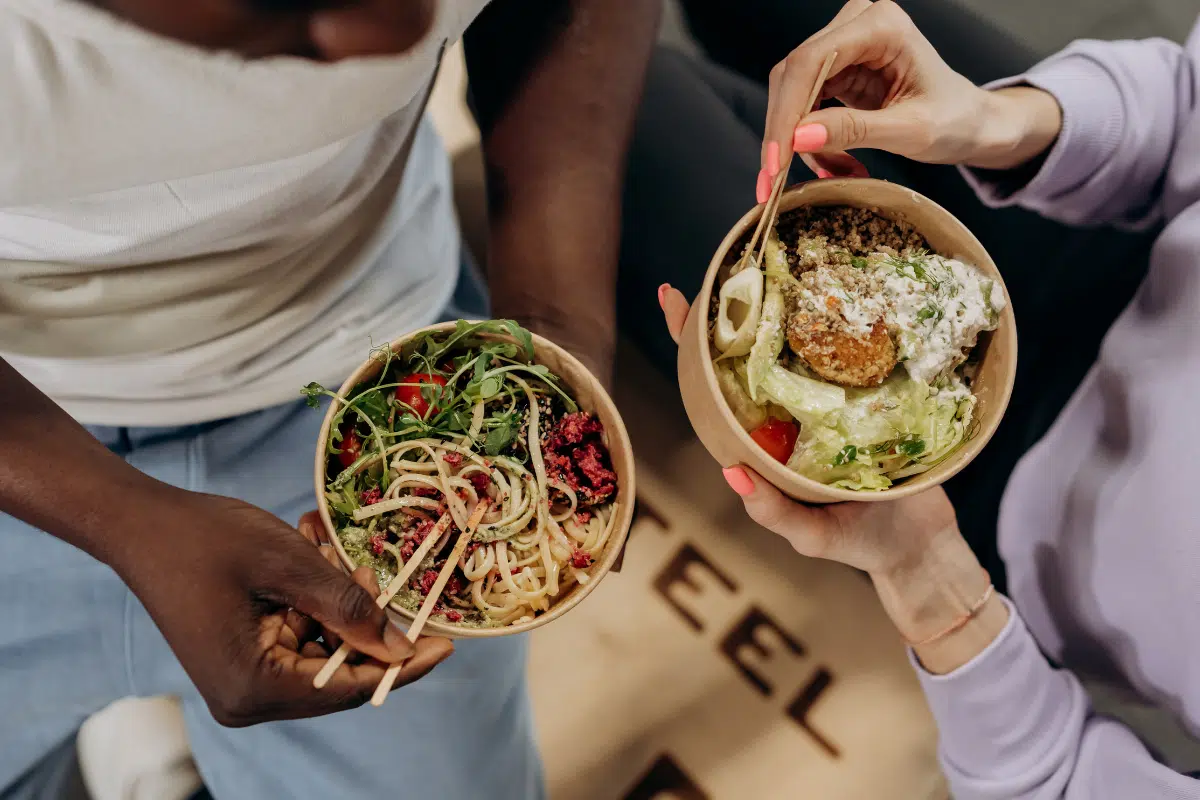
Switching to smaller plates is a simple visual trick that can help you eat less without noticing. When your plate looks full, your brain feels more satisfied, even if the portion is smaller. This can gently reduce overeating without any effort or calorie counting. It’s an easy habit change that works especially well for everyday meals at home.
Pre-Portion Snacks for Better Control
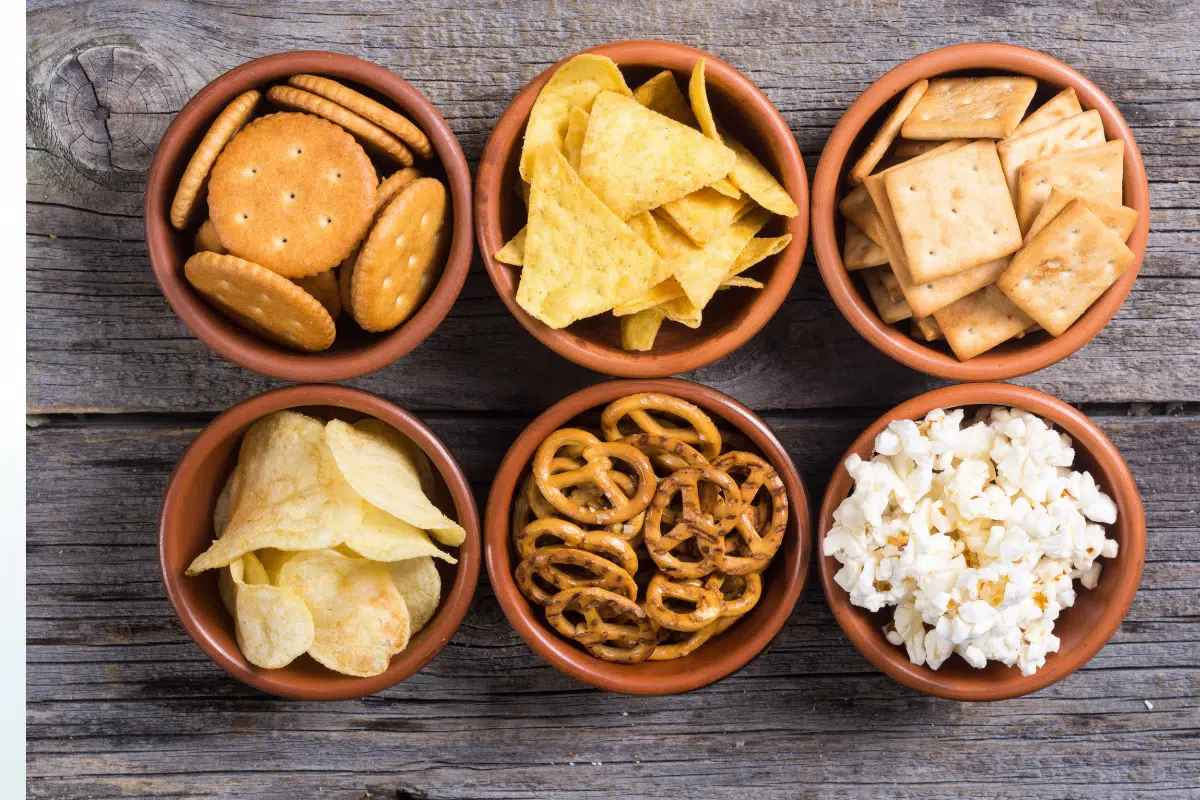
Snacking straight from large bags or boxes often leads to eating more than intended. Instead, divide snacks into small containers or grab-and-go portions ahead of time. This helps you stay aware of how much you’re eating while still enjoying treats. It also makes it easier to grab something reasonable when hunger strikes.
Fill Half Your Plate with Veggies
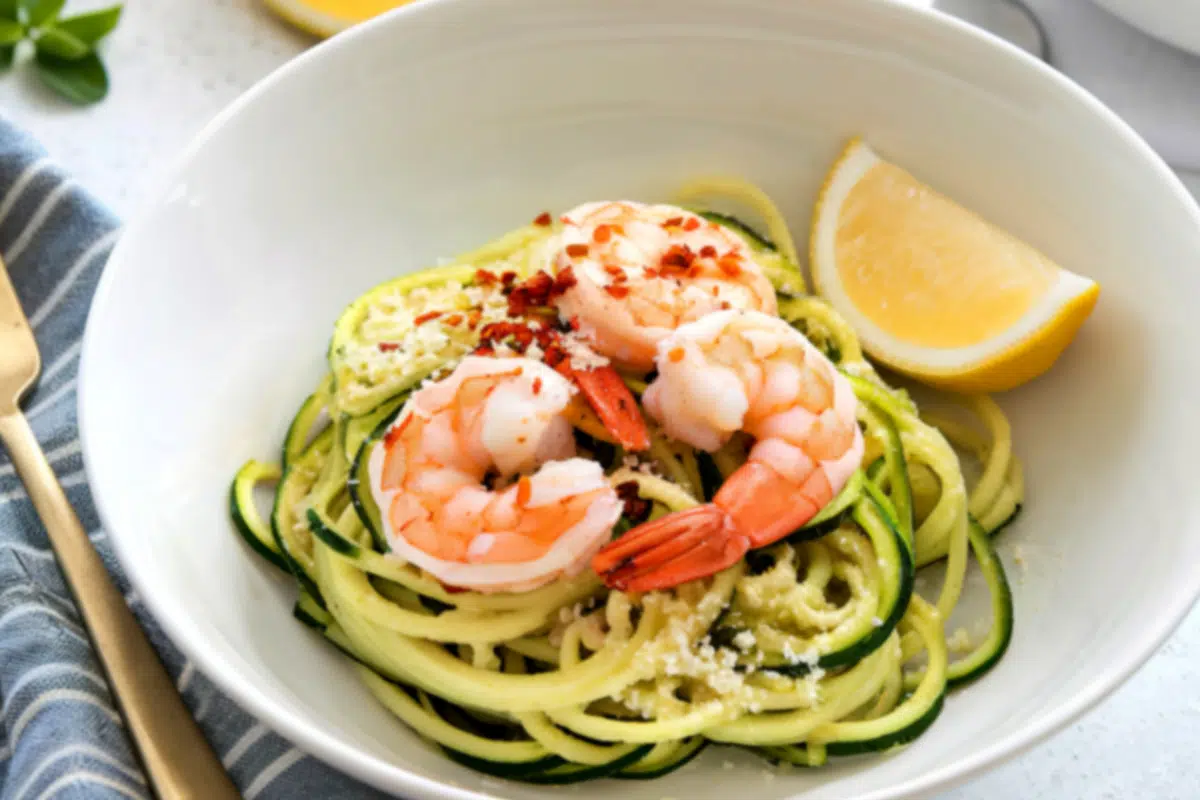
Vegetables add volume, color, and fiber without a lot of extra calories. When half your plate is made up of veggies, there’s naturally less room for heavier, more calorie-dense foods. This approach helps you feel full while keeping meals balanced. It’s a simple way to improve nutrition without complicated rules.
Use the “Hand Guide” for Portion Estimates
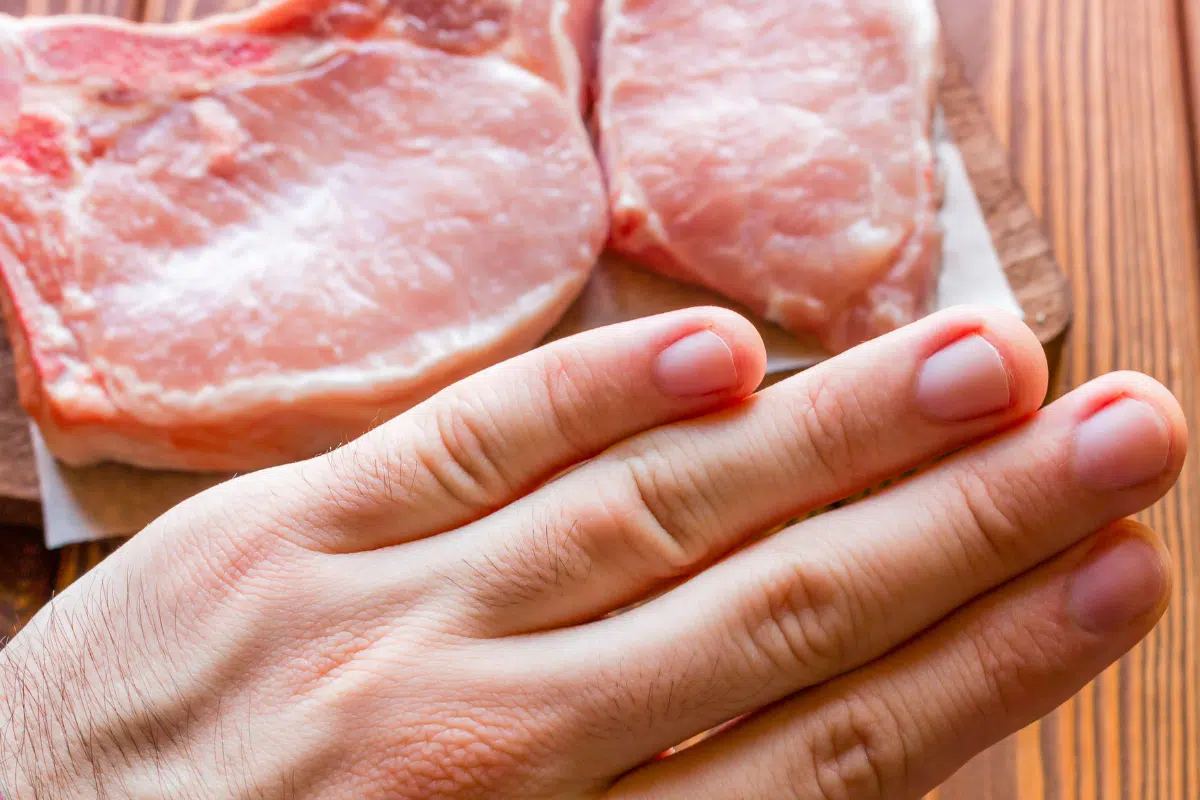
Your hand can serve as a quick and easy portion reference when you don’t want to measure food. A palm-sized portion works well for protein, a fist for carbohydrates, and a thumb for fats. While not exact, this method provides a helpful visual guide for balanced eating. It’s especially useful when eating out or cooking without measuring tools.
Slow Down and Eat More Mindfully

Eating too quickly can make it easy to miss your body’s fullness signals. Taking time to chew, pause, and enjoy each bite gives your brain a chance to catch up. This can naturally reduce overeating and improve satisfaction after meals. Mindful eating also helps you enjoy food more fully rather than rushing through it.
Drink Water Before You Eat

Starting meals with a glass of water can help take the edge off hunger. Sometimes thirst is mistaken for appetite, which can lead to larger portions than needed. Drinking water first helps you feel more grounded and less likely to overeat. It’s a small habit that supports better portion awareness.
Serve Meals in the Kitchen Instead of Family Style
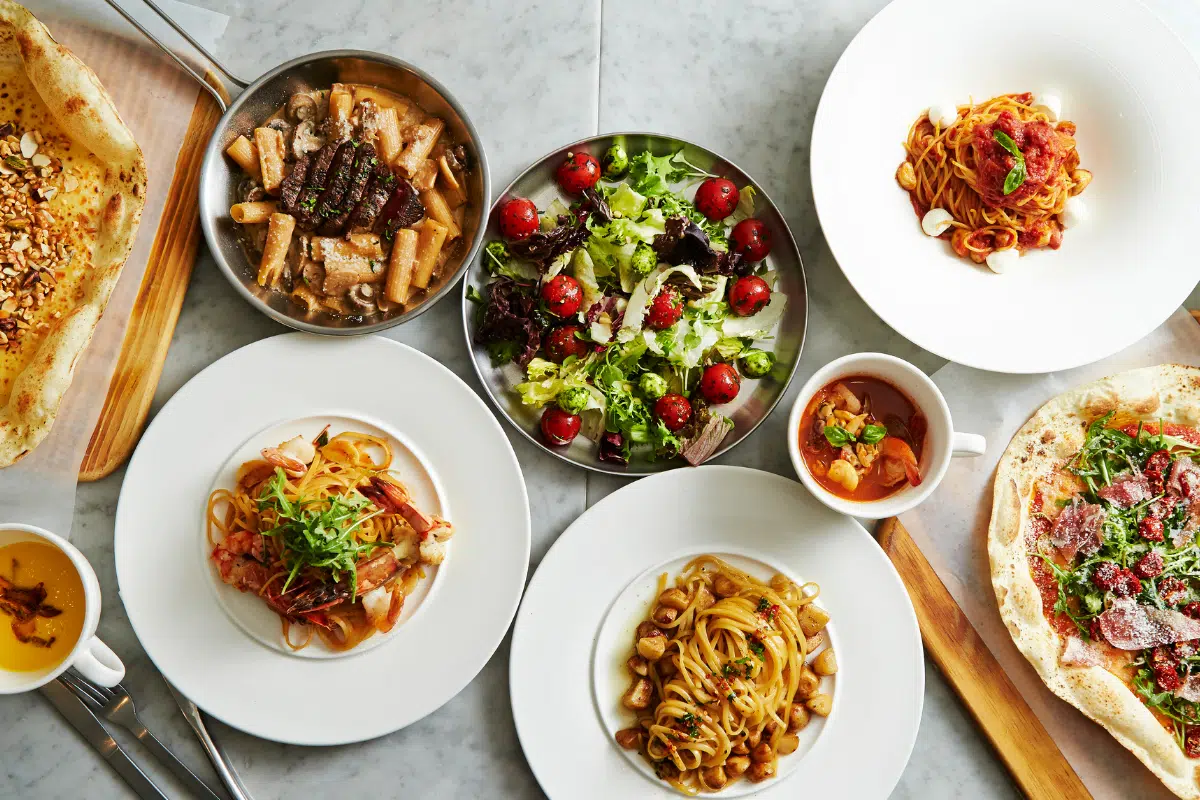
Keeping serving dishes off the table can reduce the temptation to go back for seconds. When food is already plated, it’s easier to recognize how much you’re eating. This small shift encourages more intentional choices rather than automatic refills. It also helps create a calmer, more mindful mealtime routine.
Avoid Skipping Meals to Prevent Overeating Later

Skipping meals often leads to stronger hunger and larger portions later in the day. Eating regularly helps stabilize appetite and energy levels. Balanced meals throughout the day make it easier to stay in control of portions naturally. Consistency tends to work better than restriction when it comes to long-term habits.
This post may contain affiliate links or sponsored content. Disclosure Policy