The Most Overpriced Items at Whole Foods – Stop Wasting Your Money
Shopping at Whole Foods Market can feel like a healthy upgrade — but not everything on those shelves is worth the premium price. While some products justify the cost with quality or sourcing, others are significantly more expensive than similar options at nearby stores. If you want to keep your grocery bill in check, these are the items experts and budget shoppers most often skip.
Pre-Cut Fruits and Vegetables
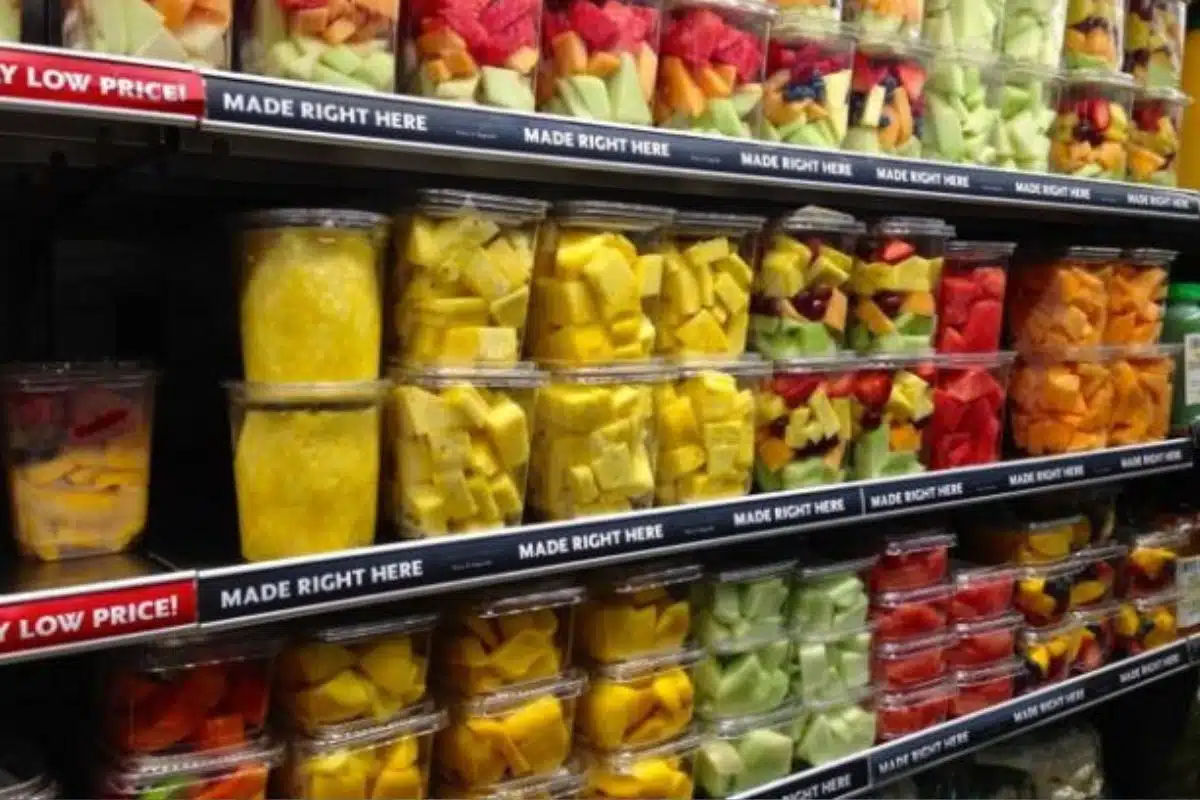
Pre-chopped produce is convenient, but you’ll often pay double or triple the price compared to whole items. Cutting your own fruit and vegetables takes only minutes and saves several dollars per package. This is one of the biggest markup categories in the store.
Single-Serve Snack Packs
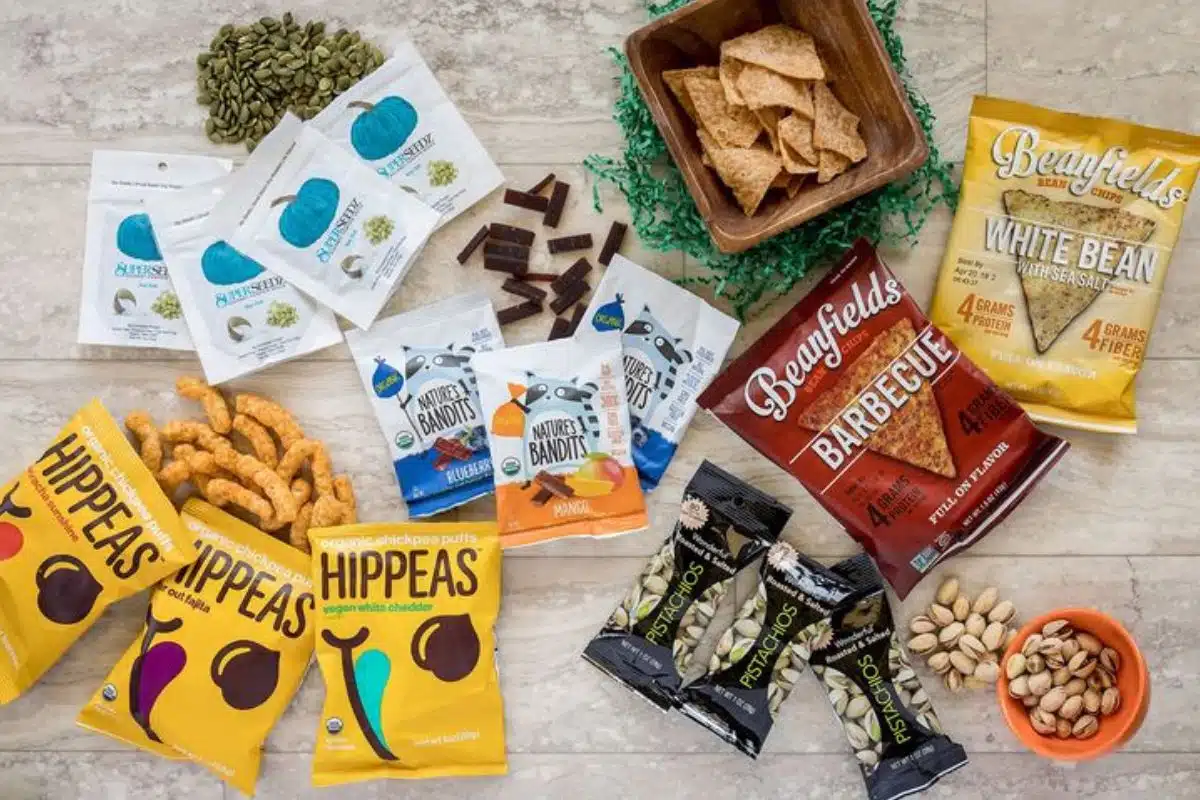
Individually wrapped nuts, trail mix, and snack boxes carry a steep per-ounce cost. Buying full-size bags and portioning them at home is far more economical. The packaging convenience is what you’re really paying for.
Prepared Hot Bar Meals
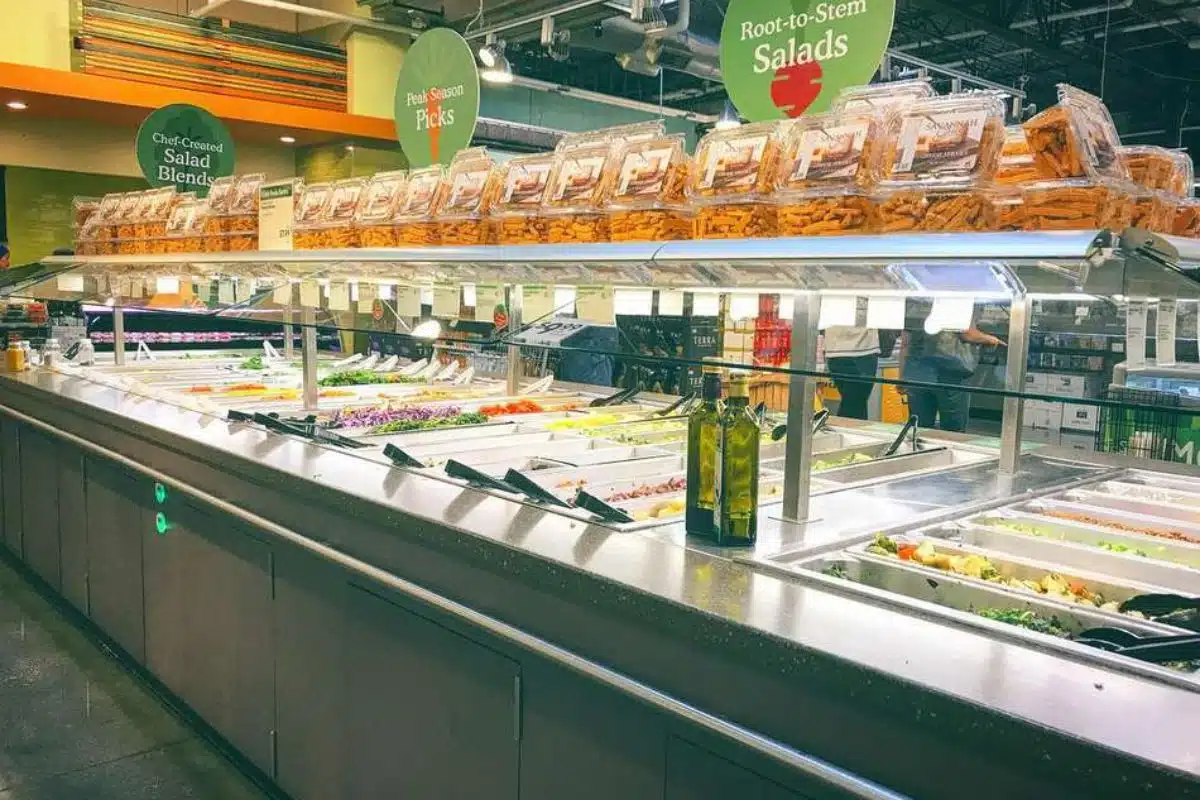
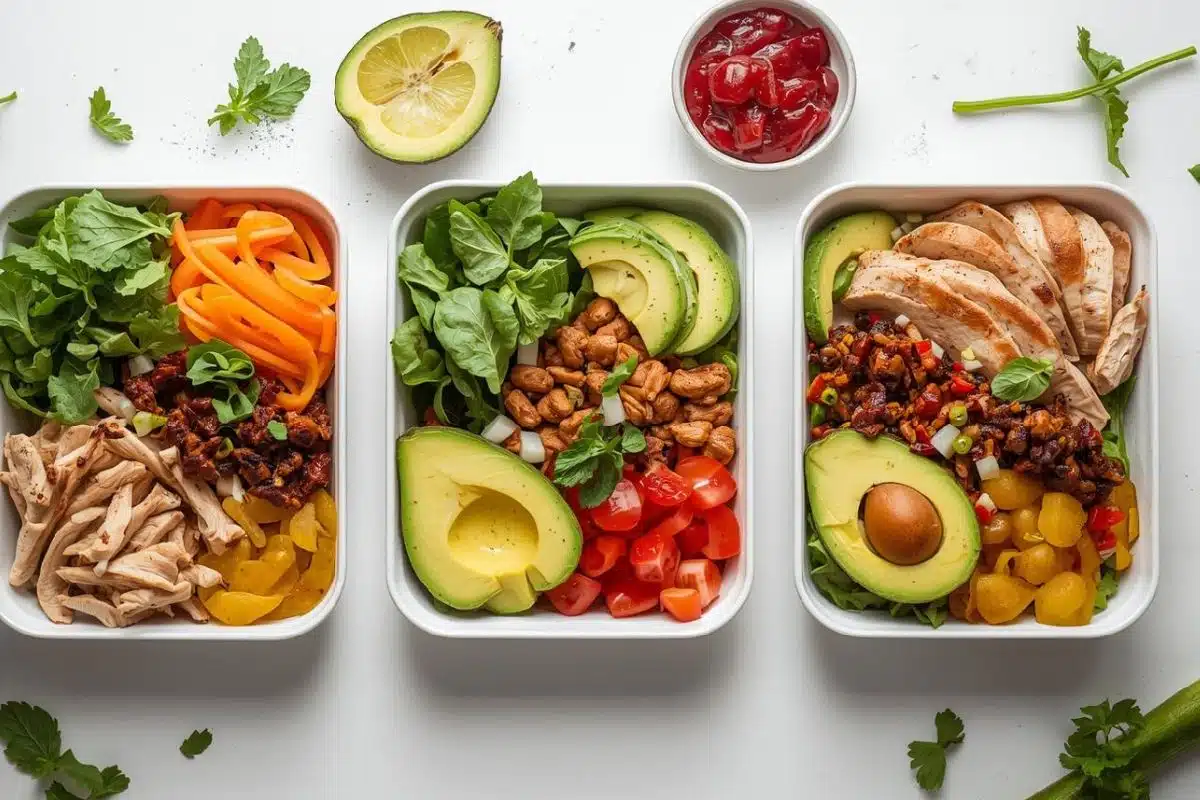
The hot bar can quietly become one of the most expensive lunches around. Per-pound pricing adds up fast, especially with heavier items like casseroles and proteins. A packed container can easily cost more than a restaurant meal.
Bottled Smoothies and Fresh Juices
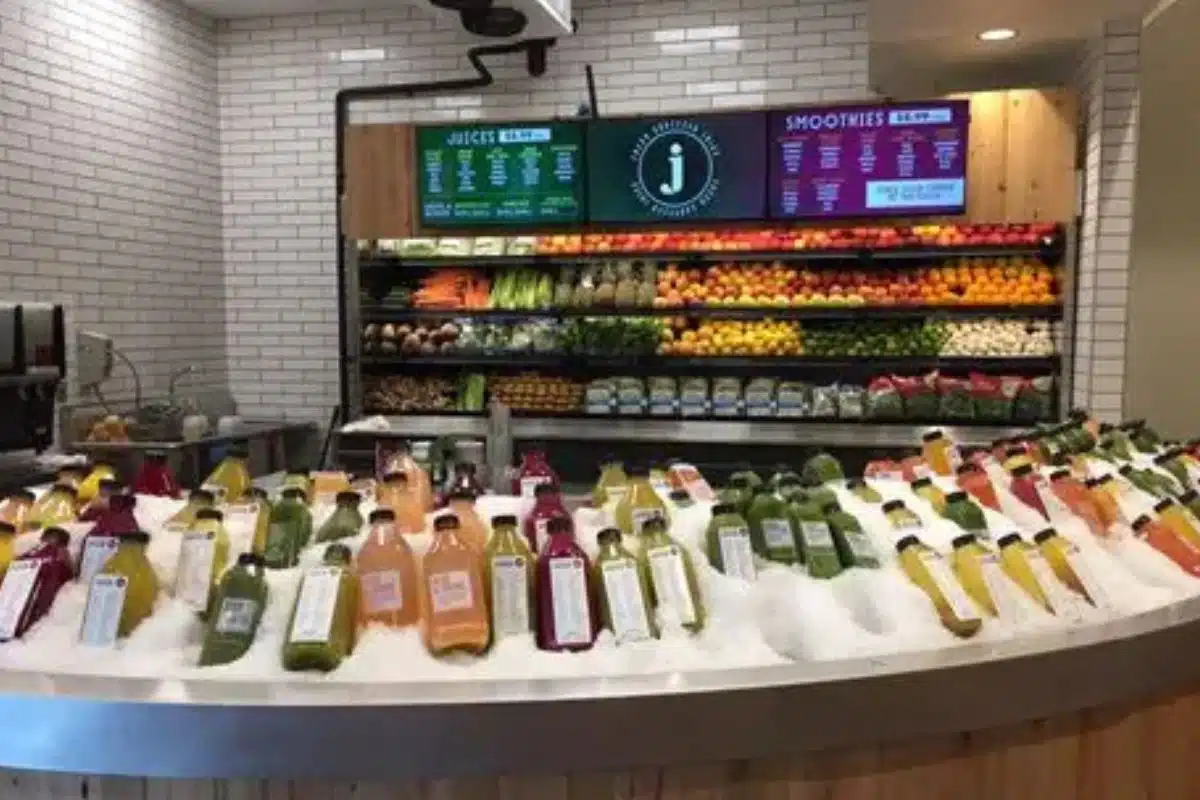
Cold-pressed juices and specialty smoothies often come with luxury pricing. Making similar blends at home costs a fraction per serving. Even store-brand refrigerated juices are usually much cheaper elsewhere.
Name-Brand Pantry Staples
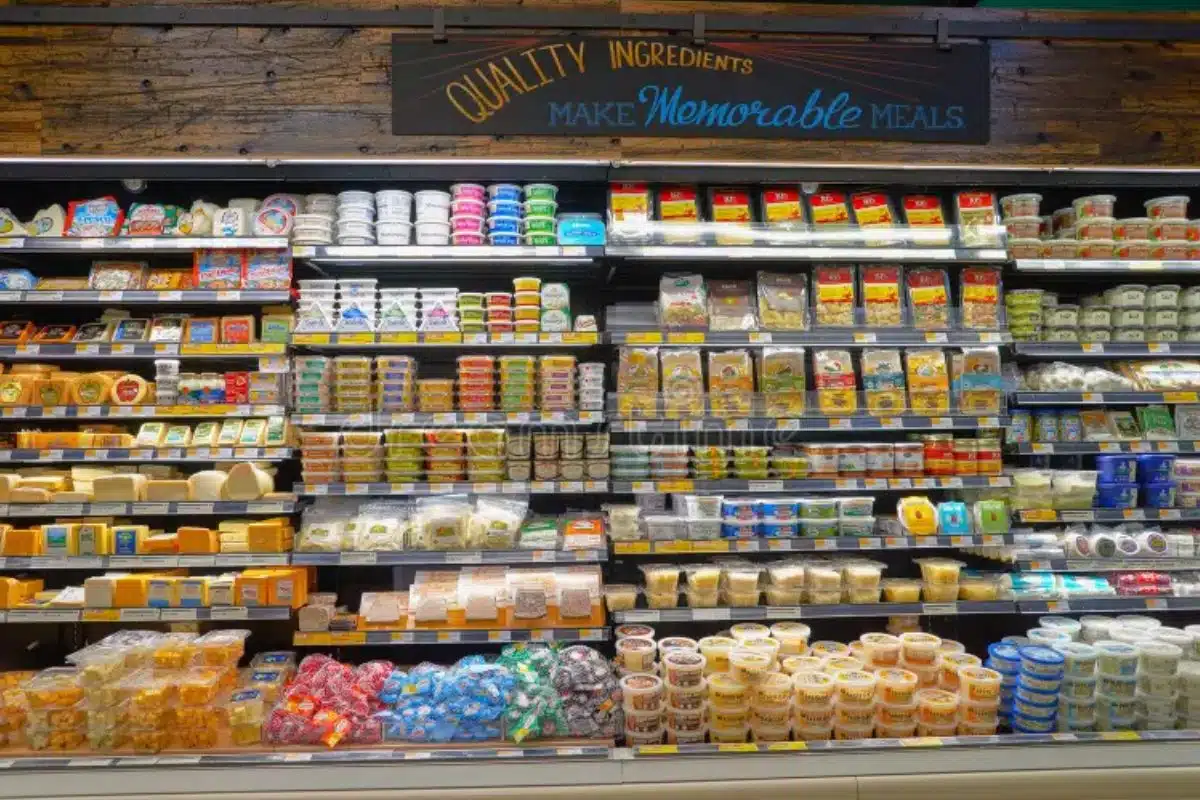
Items like cereal, pasta, condiments, and baking supplies are frequently priced higher than at big-box grocers. Unless they’re on promotion, there’s rarely a savings advantage here. Compare unit prices and you’ll often see the gap.
Specialty Waters and Functional Drinks
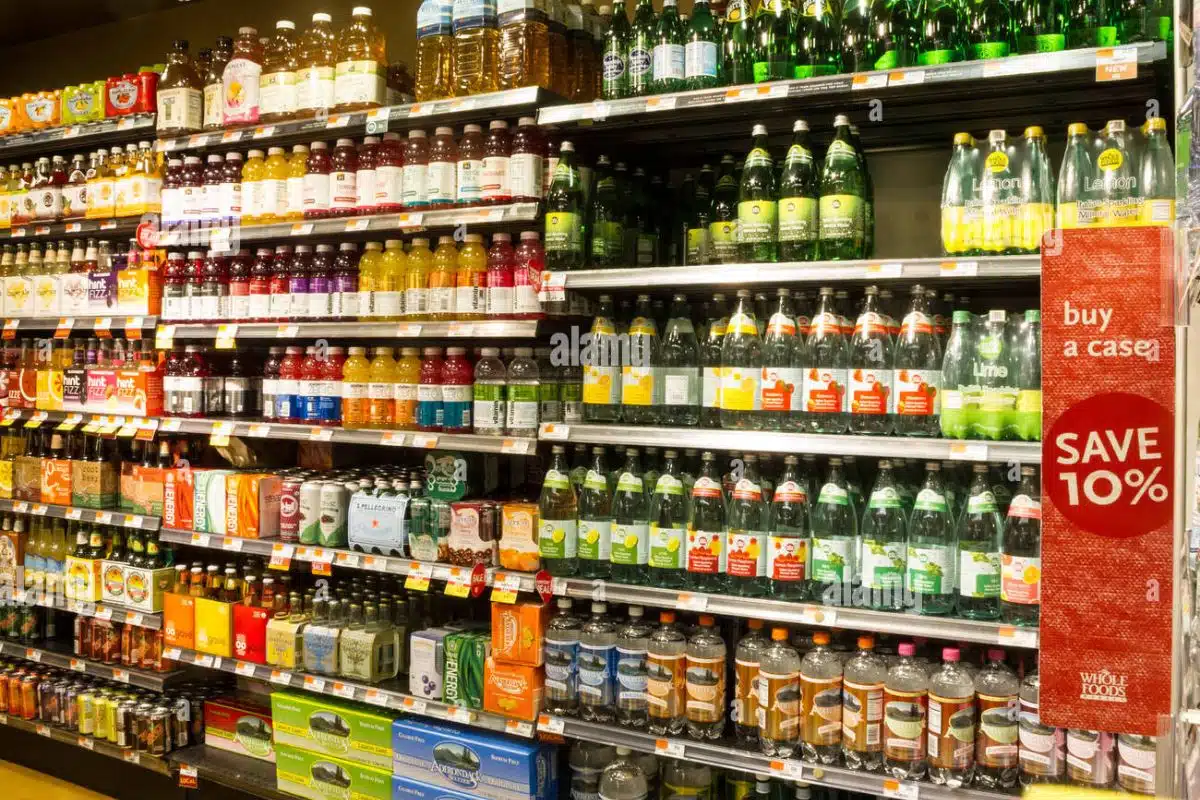
Electrolyte waters, alkaline water, and “performance” drinks are heavily marked up. In many cases, the benefits don’t justify the price difference. A reusable bottle and filtered tap water win on cost every time.
Out-of-Season Produce
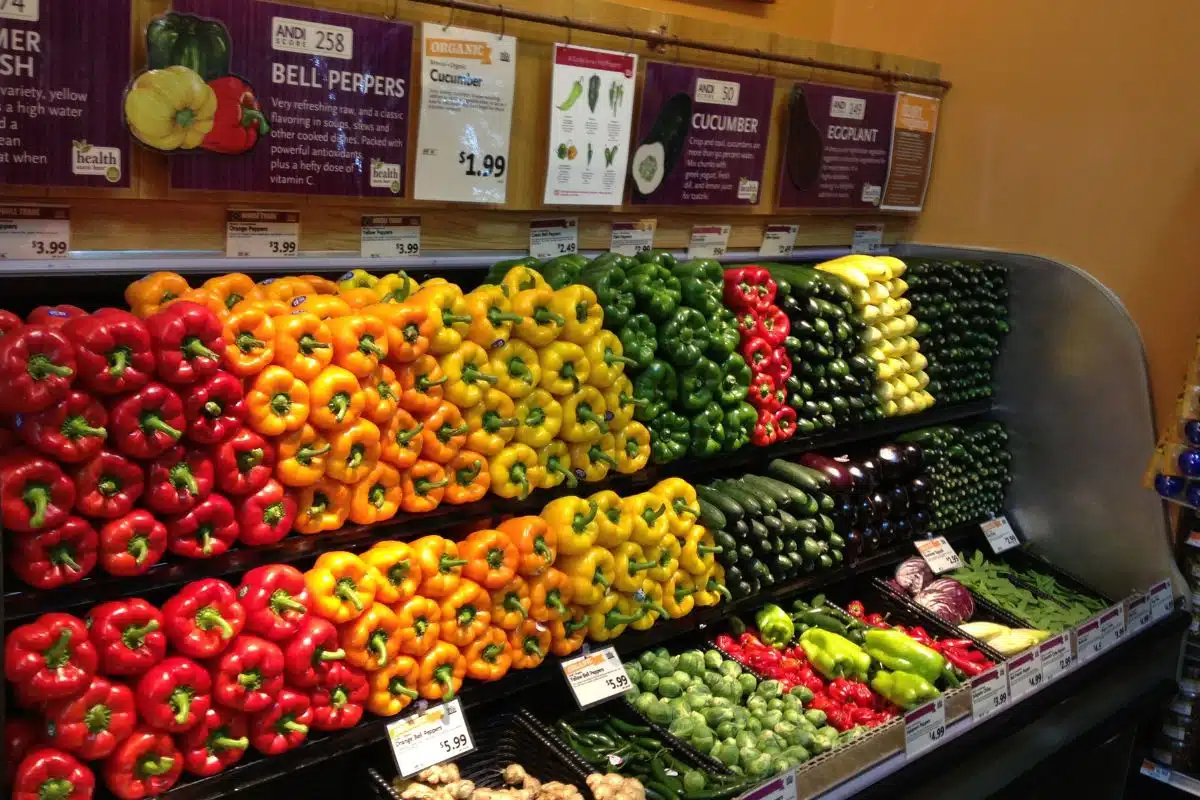
When fruits and vegetables are out of season locally, prices climb sharply. The same items are often cheaper frozen — and just as nutritious. Shopping seasonally makes a noticeable difference at checkout.
Gourmet Cheese Cuts
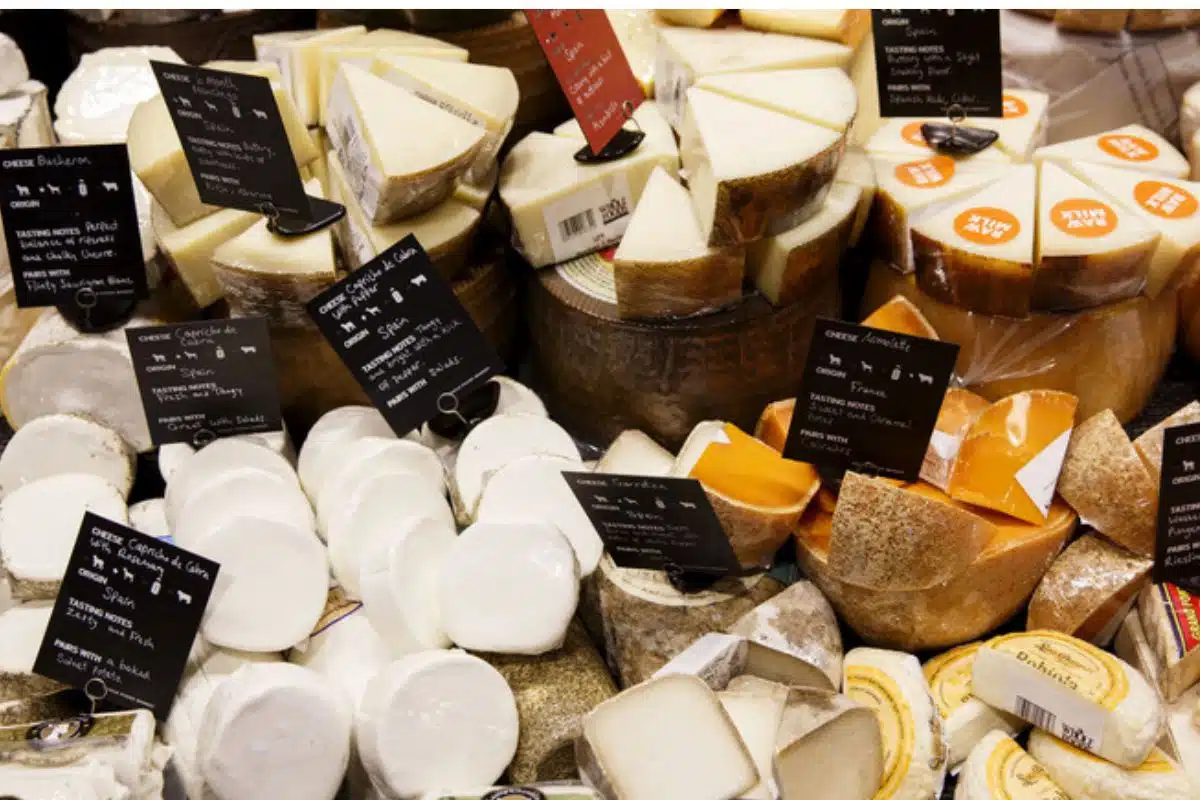
Pre-cut specialty cheeses cost more per pound than buying larger wedges. Ask for a smaller custom cut from the counter instead. You’ll get the same product with less markup.
Organic Packaged Treats
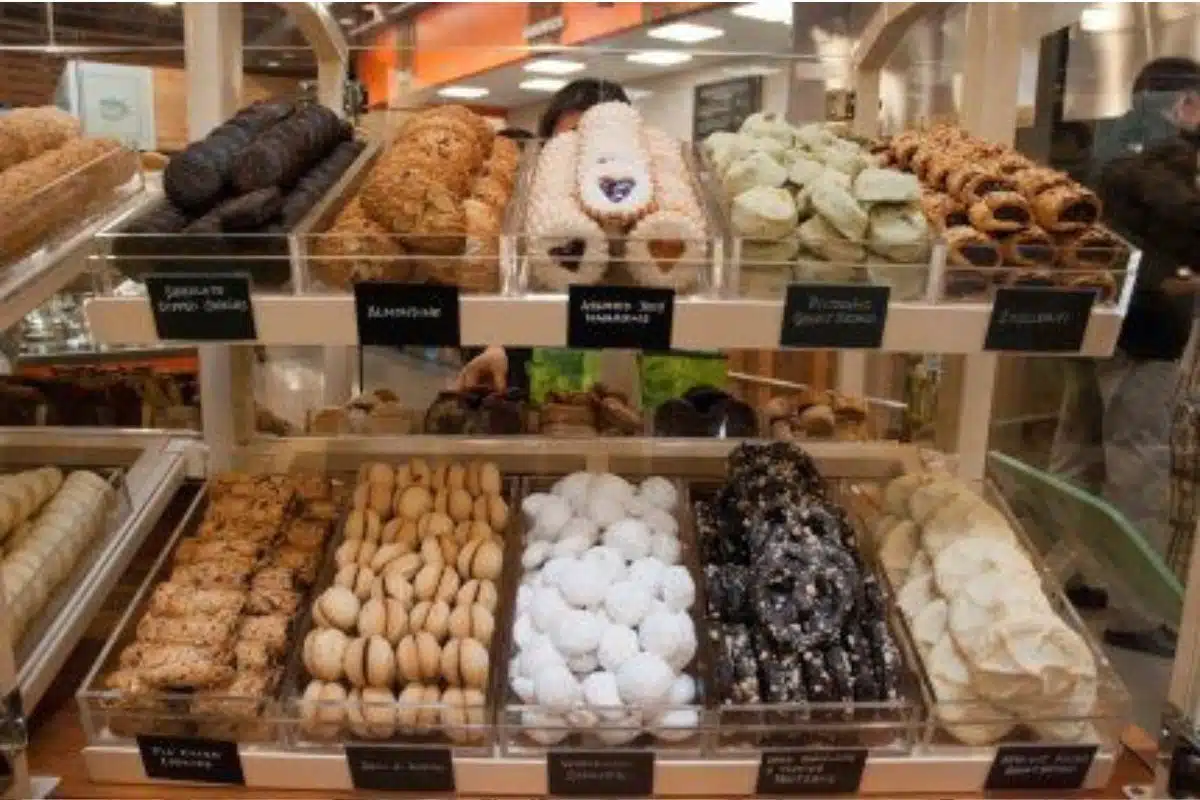
Organic cookies, chips, and desserts often carry premium branding and premium pricing. Similar better-for-you treats are widely available for less at other retailers. This is a frequent impulse-buy trap.
This post may contain affiliate links or sponsored content. Disclosure Policy