
5 Money-Saving Tips for Back-to-School Lunches
Looking to cut costs on back-to-school lunches without sacrificing nutrition or taste? Discover our top 5 money-saving tips that will help you pack budget-friendly meals your kids will love! From meal prep strategies to smart shopping hacks, make this school year delicious and affordable.

Back-to-school lunches don’t have to drain your grocery budget—or take over your evenings.
Let’s be honest: I love my kids, but I don’t want to spend the beginning or end of every day preparing elaborate lunches. During a busy school week, convenience is tempting. Pre-portioned snacks, individual yogurt cups, juice boxes, packaged lunches, and single-serving treats can make packing a lunch feel effortless.
The problem? Convenience often comes with a higher price tag.
The good news is that you don’t have to choose between affordable, nutritious, and kid-approved. A little planning can make homemade lunches just as convenient as packaged ones, while giving you more control over what goes into your child’s lunchbox.
And you don’t need to spend your entire Sunday meal-prepping, either.
Here are five simple ways to save money on school lunches while keeping them easy, nutritious, and—most importantly—something your kids will actually eat.
5 Money-Saving Tips for Back-to-School Lunches
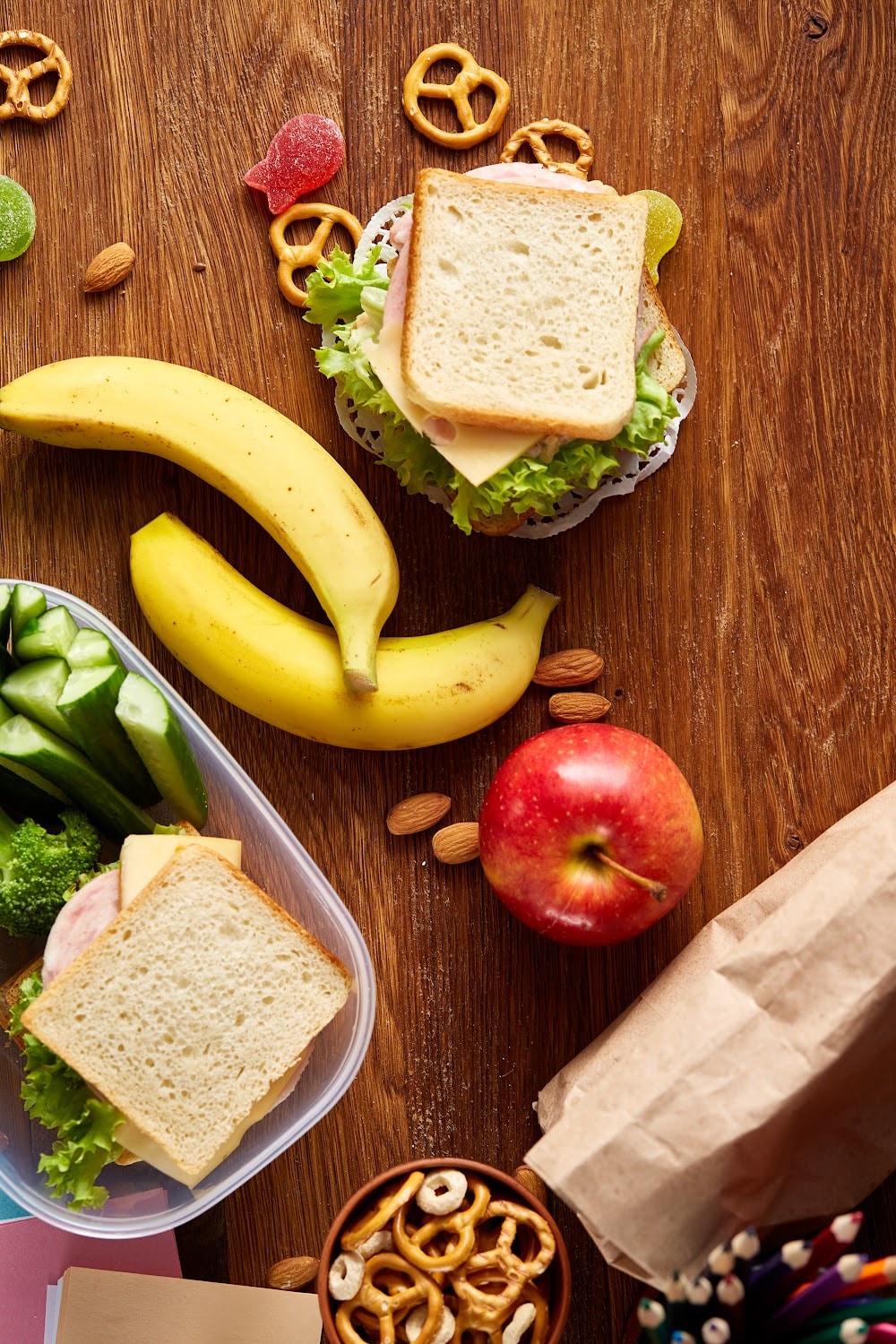
Plan Your Lunches Around What’s on Sale
Before you head to the grocery store, take a quick look at what’s on sale. Instead of deciding what your kids will eat first and then shopping for all of it, try flipping the process around:
See what’s on sale → build lunches around those foods → shop your pantry and freezer for the rest.
For example, if grapes, cheese, whole-grain bread, and yogurt are on sale, those foods can become the foundation for several lunches and snacks that week.
This doesn’t mean you need a detailed five-day meal plan. Even choosing three or four lunch combinations and rotating them can make your week easier.
Let Your Kids Help
Pull out a piece of paper and ask your kids to name some of their favorite lunchbox foods. You might even have them look at your grocery store’s weekly ad and choose a few sale items they’d actually like to eat.
This accomplishes two things:
- You’re building your shopping list around foods your family will use.
- Your kids get some control over what goes into their lunchbox.
That second part matters. A nutritious lunch isn’t a bargain if it comes home untouched.
2. Turn Family-Size Packages Into Convenience Packs
Here’s one of the easiest ways to save money:
Buy the larger package and portion it yourself.
Individual snack packs are convenient, but you’re often paying for that convenience and the extra packaging. Instead of buying individually packaged crackers, pretzels, popcorn, dried fruit, or other shelf-stable snacks, purchase a larger package and divide it into portions at home.
You can use reusable containers, small food-safe bags, or silicone snack bags.
Spend 20–30 minutes once or twice a week portioning snacks, and suddenly your homemade lunch routine becomes much closer to the convenience of grabbing a packaged snack.
A Few Easy DIY Snack Ideas
Try portioning:
- Popcorn
- Whole-grain crackers
- Pretzels
- Trail mix
- Dried fruit
- Fresh fruit
- Carrot or cucumber sticks
- Cheese cubes
- Homemade muffins
- Homemade snack bars
One important reminder: Follow your school’s allergy policies and age-appropriate food-safety recommendations when choosing and packing snacks.
And don’t feel like every snack needs to be homemade. The goal isn’t to make your lunchbox Pinterest-perfect. It’s to find a system that saves money and works for your family.
3. Buy Whole Fruits and Vegetables When It Makes Sense
Pre-cut produce can be a wonderful time-saver, but you’re often paying someone else to do the cutting. If you have the time, buy whole fruits and vegetables and prepare them yourself.
For example, instead of buying a small container of sliced apples, buy whole apples and slice them at home. Instead of purchasing a tiny bag of baby carrots, compare the price with a larger package or whole carrots.
But here’s the key:
Don’t automatically assume whole produce is always cheaper. Compare the unit price.
Grocery prices vary, and sometimes sales make prepared produce surprisingly competitive. Your best friend here is the unit price, not the package price.
Buy What’s in Season
Seasonal produce can also be a budget-friendly choice because you’re buying foods when they’re generally more abundant. Apples, berries, grapes, oranges, melons, peaches, and other fruits can rotate through your lunchboxes depending on what’s affordable and available.
You don’t need to buy every type of fruit every week. Pick one or two affordable options your kids enjoy and build from there.
4. Think Beyond Juice Boxes and Single-Serve Drinks
Drinks are an easy place for lunchbox spending to add up. Instead of automatically buying individual juice boxes or bottled drinks, consider sending water in a reusable bottle if your child’s school allows it.
You can also use a reusable insulated bottle for milk or another appropriate beverage, provided it can be kept safely cold and your school permits it. Water is inexpensive, doesn’t require individual packaging, and eliminates a lot of unnecessary waste.
Make the Reusable Bottle Part of the Routine
The key to making reusable containers actually save money is to use them consistently. Keep bottles and lunch containers together in one easy-to-reach location. Have kids bring them home every day. Wash them promptly so they’re ready for the next morning.
A reusable bottle that sits forgotten in a backpack isn’t saving you anything. And remember: you don’t need to buy an expensive collection of specialized lunch gear. If you already have safe, functional containers at home, use them.
5. Use Your Freezer to Save Money and Time
Your freezer can be one of your best back-to-school lunch helpers. Freezing foods when they’re on sale allows you to buy at a lower price and use them later. Depending on the food, freezer-friendly options can include:
- Bread and rolls
- Tortillas
- Shredded cheese
- Some lunch meats
- Berries and other fruits
- Homemade muffins
- Homemade snack bars
- Cooked foods suitable for reheating
Just remember that not everything freezes well. Some fruits and vegetables can change texture after thawing, so test foods before filling your freezer with them.
Batch Cooking Makes Lunches Easier
You can also prepare certain foods in larger batches and freeze portions for later. Breakfast burritos, muffins, homemade snack bars, meatballs, and other freezer-friendly foods can be prepared ahead of time and pulled out as needed.
This gives you two savings at once:
You save money by buying ingredients strategically, and you save time by preparing several servings at once.
That’s a win on a busy school morning.
Bonus Tip: Pack Leftovers
Don’t overlook dinner leftovers. If your child enjoys last night’s meal, turn it into tomorrow’s lunch.
A leftover chicken-and-rice dinner can become a lunchbox meal. Extra pasta can be packed for the next day. Roasted vegetables, meatballs, quesadillas, or homemade pizza can all potentially make excellent leftovers.
You already paid for the food.
Use it before buying something else.
Of course, make sure leftovers are cooled, stored, transported, and reheated safely. An insulated lunch bag and appropriate ice packs are especially important for foods that need to stay cold.
Create a Simple Lunchbox Formula
If you’re tired of trying to invent a brand-new lunch every morning, create a simple formula. Think of lunch as a mix of:
Main + fruit/vegetable + snack + drink
For example:
- Turkey and cheese sandwich + apple slices + popcorn + water
- Pasta salad + grapes + cheese cubes + water
- Hummus and pita + cucumber slices + berries + water
- Leftover chicken and rice + orange slices + crackers + water
You can rotate the ingredients without reinventing the entire lunch. This makes grocery shopping easier, reduces food waste, and keeps your routine manageable.
Don’t Overpack the Lunchbox
Here’s another sneaky way to waste money:
Packing too much food.
If your child regularly brings half of their lunch home, pay attention to what they’re actually eating. Maybe they’re always eating the fruit but never touching the crackers. Maybe they love the sandwich but don’t eat the yogurt.
Adjust.
You can always pack more later if your child’s appetite or schedule requires it. And don’t confuse a full lunchbox with a successful lunchbox. The goal is to send enough nutritious food to fuel your child through the school day—not to send home a collection of leftovers every afternoon.
The Bottom Line
Packing affordable school lunches doesn’t require hours of meal prep or a refrigerator full of specialty products. Start with what your family already buys and make small changes:
Plan around sales. Portion family-size packages yourself. Buy whole produce when it offers a better value. Use reusable bottles and containers. Take advantage of your freezer. And don’t forget about leftovers.
Most importantly, keep it realistic.
Your child’s lunch doesn’t need to look like something from a magazine. It needs to be nutritious, affordable, practical, and something your child will eat.
A little preparation on the weekend can save you money—and make those hectic school mornings a whole lot easier. And honestly, I’ll take an extra 20 minutes of Sunday prep if it means fewer rushed mornings and a little more money left in the grocery budget.
Here’s to a school year filled with full bellies, happy kids, and fewer expensive trips to the grocery store!
Other Back To School Savings Tips
16 Must Have Money Saving Phone Apps
FREE Online Learning Websites for Kids
Smart Ways To Save On Back To School
Thrift-Store Shopping Hacks from a Professional Thrifter
This post may contain affiliate links or sponsored content. Disclosure Policy





One Comment