10 Beloved Fast Food Chains We Wish Were Still Around
Fast food is always evolving, but not every chain makes it through changing tastes, competition, and corporate shifts. Over the decades, plenty of restaurants built loyal followings before quietly disappearing or being absorbed into bigger brands. What they left behind isn’t just menu items—it’s memories of road trips, after-school stops, and family nights out. Here’s a look back at 10 fast food and casual dining chains that fans still talk about today.
Burger Chef
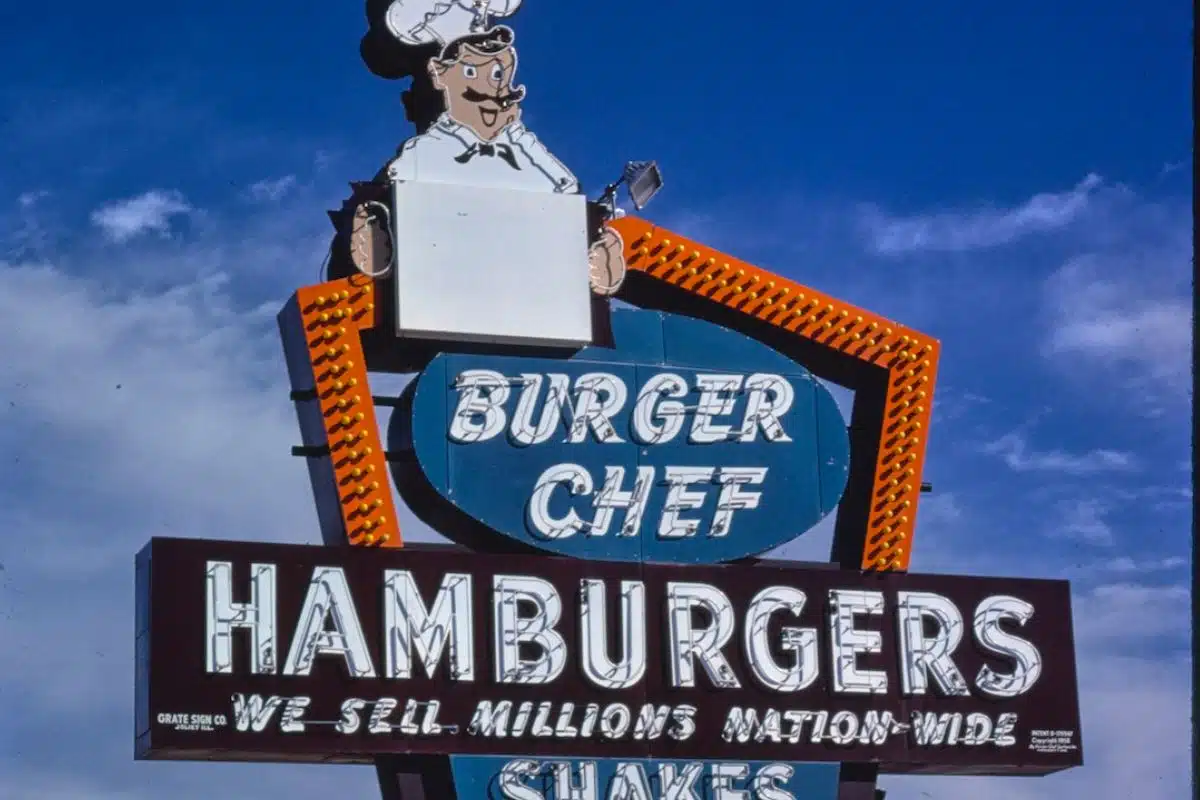
Once a major rival to McDonald’s during the 1960s and 1970s, Burger Chef was known for its creative approach to fast food. It introduced items like the “Works Bar,” which let customers customize their burgers with a variety of toppings—something ahead of its time. The chain also focused heavily on kid-friendly marketing, including themed meals and promotions. Despite its early success, Burger Chef was gradually outpaced by larger competitors and was eventually absorbed into Hardee’s in the 1980s. Today, fans still remember its innovative spirit and distinctive menu ideas. For many, it remains one of the most missed names in early fast food history.
Howard Johnson’s
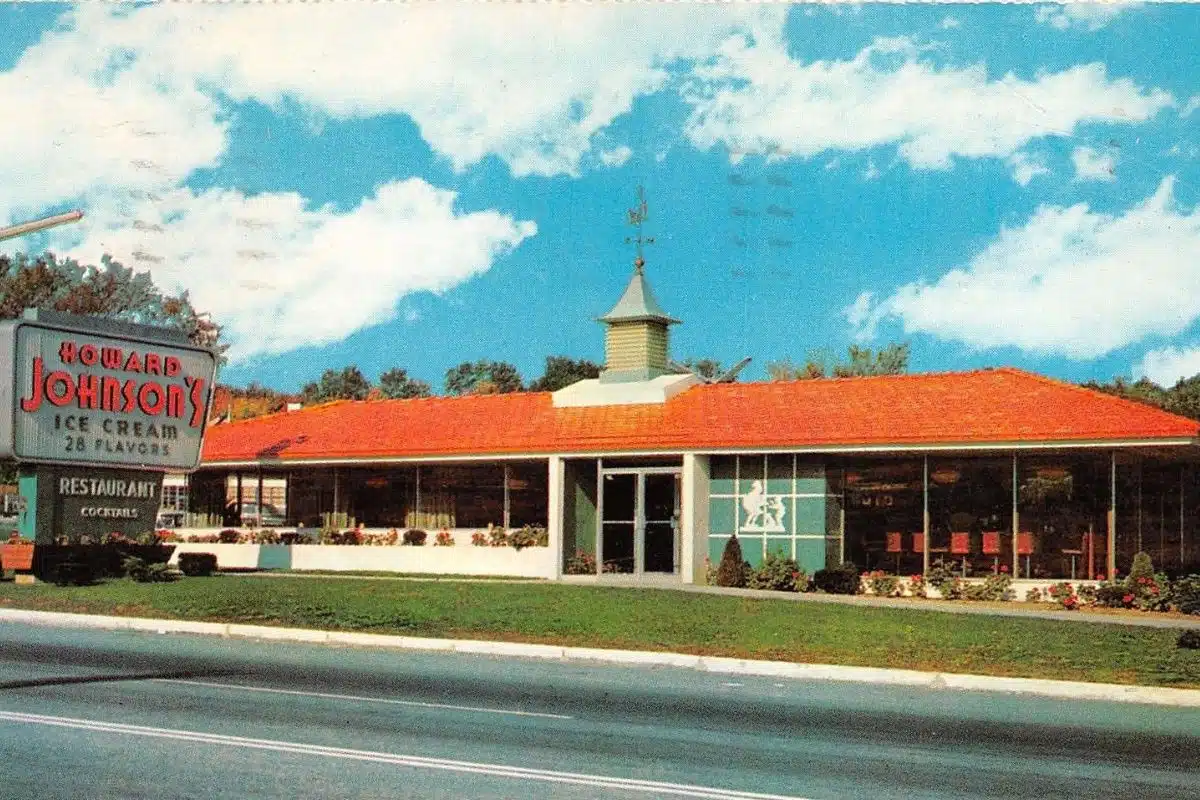
Howard Johnson’s was once a defining feature of American road trips, easily recognized by its bright orange rooflines. More than just a restaurant chain, it combined dining and lodging, making it a go-to stop for families traveling across the country. Its menu featured classic comfort foods like fried clams, burgers, and famously rich ice cream. At its peak, it had hundreds of locations, but the rise of interstate travel chains and changing dining habits led to its decline. Most locations disappeared by the early 2000s. Today, it remains a symbol of mid-century Americana and roadside nostalgia.
Chi-Chi’s
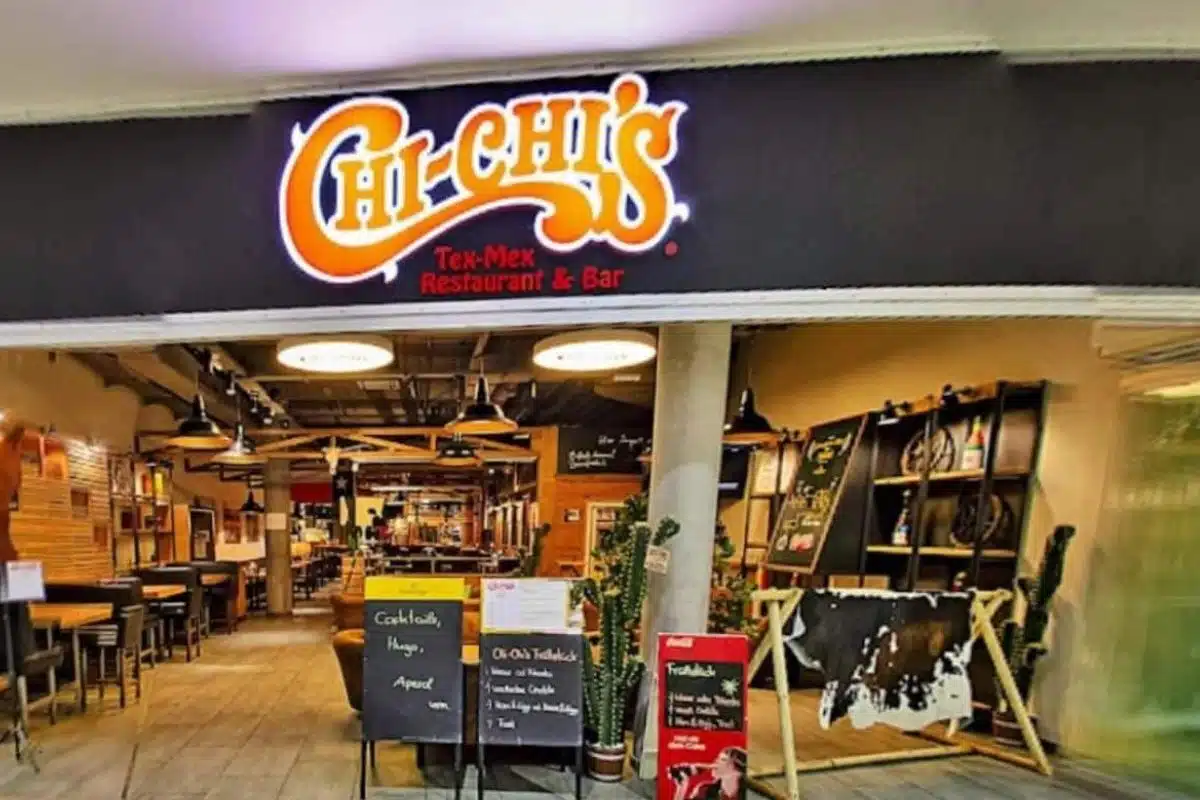
Chi-Chi’s brought Tex-Mex cuisine into the mainstream with a fun, festive dining atmosphere. It was especially known for dishes like chimichangas, fried ice cream, and its signature salsa. For many families, it was a popular sit-down alternative to traditional fast food. The chain suffered a major setback in the early 2000s following a food safety outbreak, along with financial struggles. While a few international locations have existed in later years, the U.S. presence largely disappeared. Fans still remember its bold flavors and lively restaurant experience.
Gino’s Hamburgers
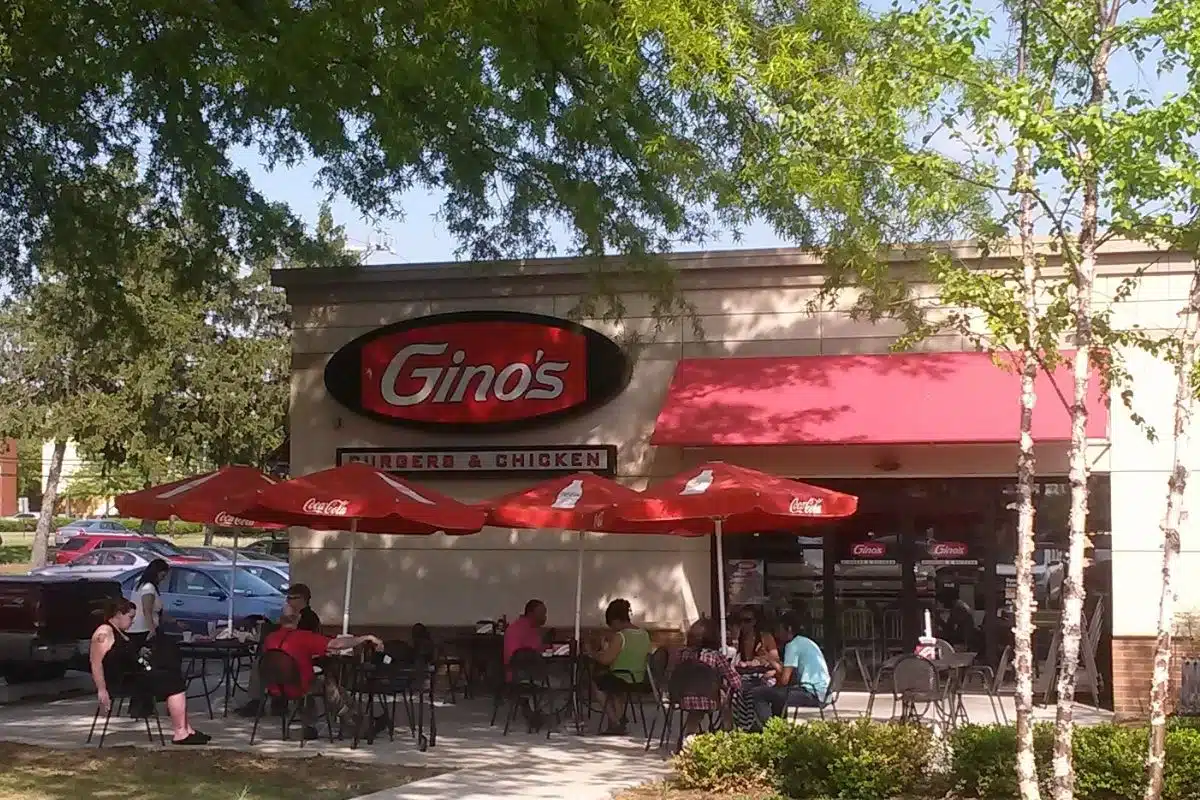
Gino’s Hamburgers built a strong regional following, especially in the Mid-Atlantic area. Known for its burgers, fries, and “Kraut Burger,” it offered a distinct alternative to national chains. Many locations were also tied to sports promotions and community events, adding to its local appeal. In the 1980s, the chain merged with Marriott’s restaurant division, and the Gino’s name gradually faded. Some locations were converted into other brands, but the original identity was lost. Despite that, it still holds nostalgic value for longtime customers in the region.
White Tower
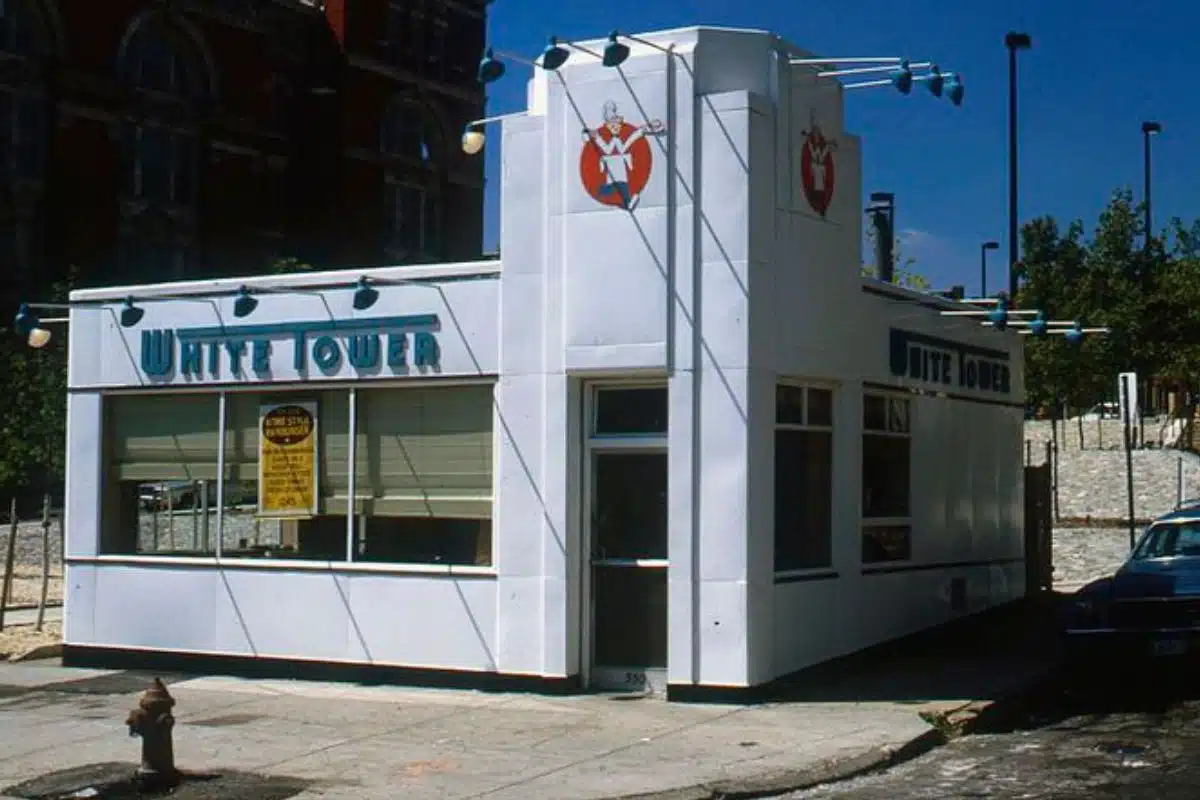
White Tower was one of the early pioneers of the fast food model, even competing directly with White Castle. Its small square burgers and streamlined service made it a popular urban dining option in the mid-20th century. The chain also helped shape early expectations of quick-service restaurants. By the 1960s, White Tower had largely disappeared from most markets due to legal battles and increased competition. Its influence, however, can still be seen in modern burger chains that followed its early blueprint. Today, it is remembered as one of the forgotten foundations of fast food culture.
Steak & Ale

Steak & Ale offered a more upscale version of casual dining, combining steakhouse meals with a relaxed, pub-like atmosphere. It became popular in the 1970s and 1980s for its salad bar, prime rib, and affordable steak dinners. Many customers viewed it as a step above typical fast food but still accessible for families. The chain closed in 2008 after financial struggles, ending its long run in American dining history. While there have been attempts to revive the brand, most original locations never returned. It remains a nostalgic favorite for those who remember its warm, wood-paneled dining rooms.
Kenny Rogers Roasters
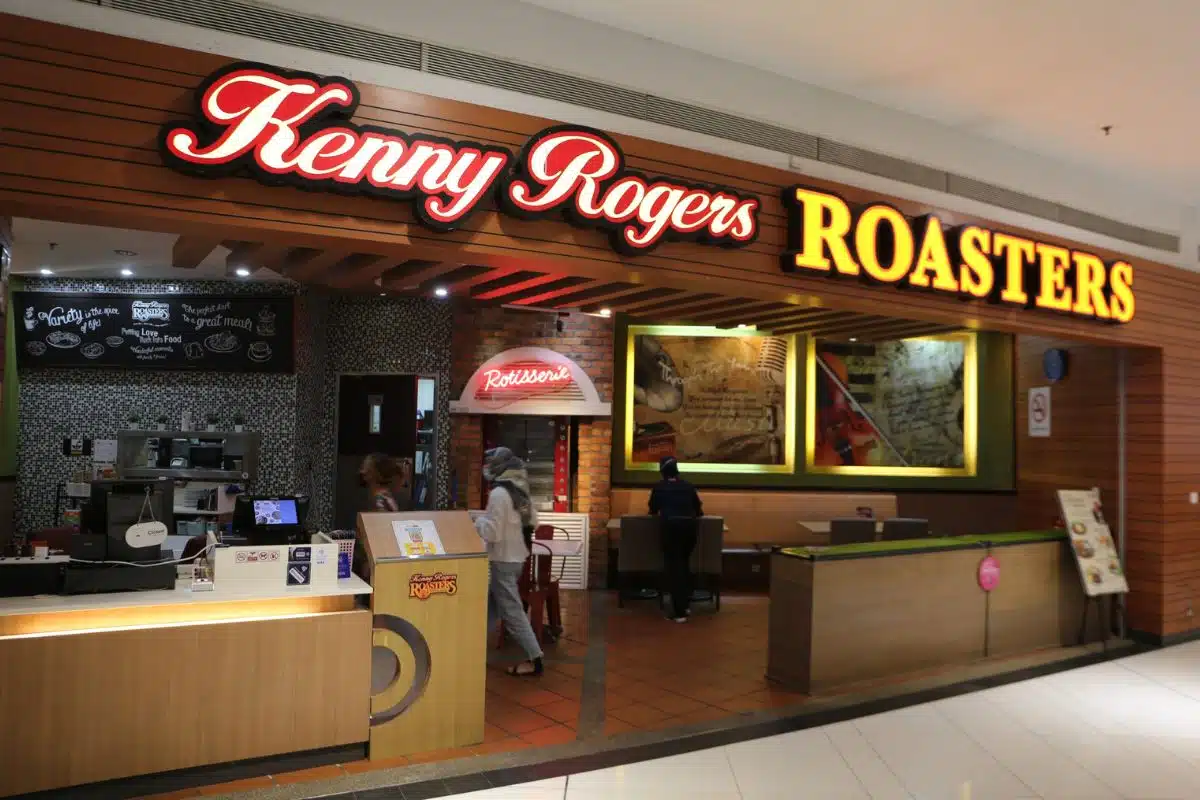
Kenny Rogers Roasters gained popularity in the 1990s for its rotisserie chicken cooked over open flames. The menu focused on hearty, homestyle meals with sides like corn muffins, mashed potatoes, and vegetables. It became especially well-known after appearing in pop culture references, boosting its visibility. Although the U.S. locations eventually closed, the brand continued in some international markets. In America, however, it faded due to competition and financial challenges. Fans still recall its signature smoky chicken and comforting meal style.
Boston Market (Original Locations)
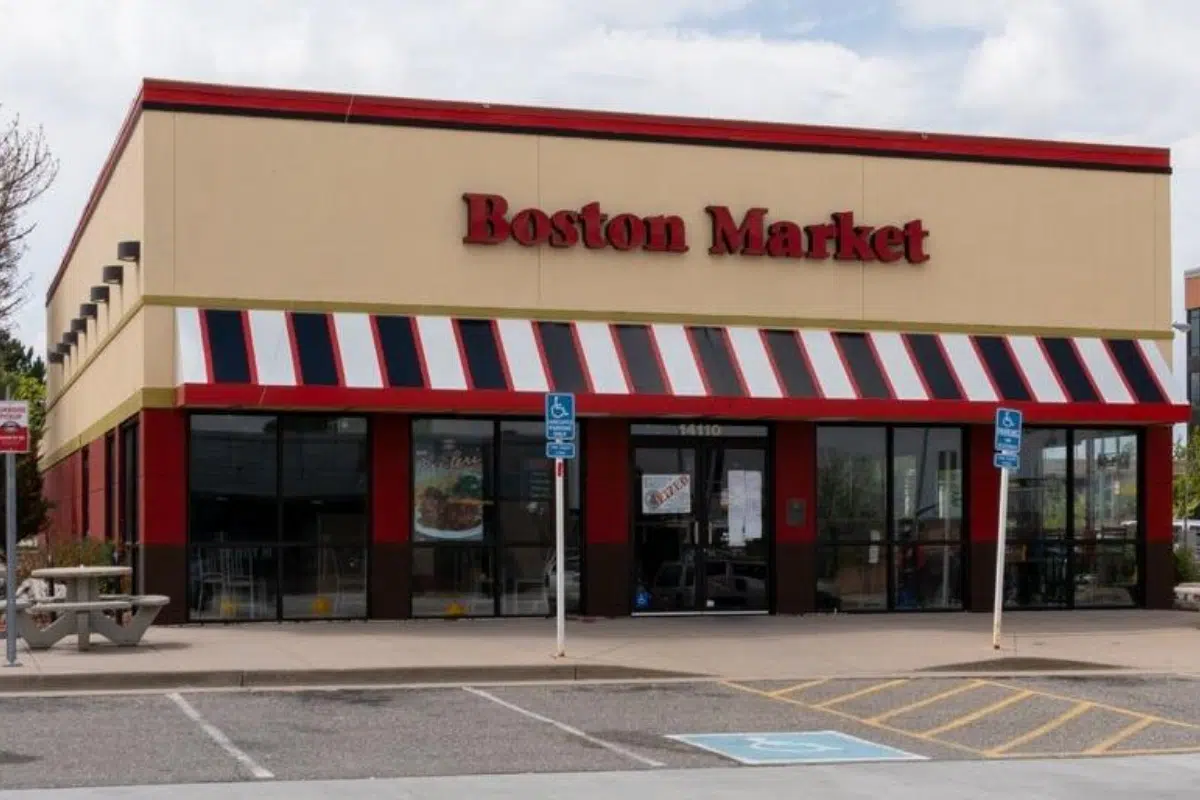
Boston Market began as Boston Chicken in the late 1980s, quickly gaining attention for its rotisserie chicken and homestyle sides. Early locations had a smaller, more neighborhood-focused feel compared to its later expansion. The concept centered on quick, ready-to-serve comfort meals. As the chain expanded nationally, it rebranded as Boston Market and shifted toward a broader menu. While it still exists today in limited form, many people remember its earlier, more consistent quality and cozy atmosphere. The original charm of the early locations is what fans often miss most.
ShowBiz Pizza Place
ShowBiz Pizza Place was a standout in the family entertainment dining era, combining pizza with arcade games and animatronic stage shows. It competed directly with early Chuck E. Cheese locations, offering a similarly themed experience but with its own cast of characters. For kids, it was as much about the show as the food. Eventually, ShowBiz merged with Chuck E. Cheese, and most of its branding disappeared. The original animatronics and characters, however, remain a cult favorite among nostalgic fans. Today, it’s remembered as a uniquely quirky part of 1980s and 1990s entertainment dining.
Beefsteak Charlie’s
Beefsteak Charlie’s was known for its hearty steak and salad offerings, often promoted with an “all-you-can-eat” style experience. It gained popularity in the New York area and expanded during the 1970s and 1980s. The chain leaned into a casual, lively dining atmosphere. By the late 1980s, financial difficulties led to its closure, and the brand largely disappeared. Despite attempts at revival, it never regained its original footprint. For many diners, it remains a symbol of a bygone era of American casual dining.
This post may contain affiliate links or sponsored content. Disclosure Policy