7 Global Flavor Combinations That Can Transform Everyday Meals
You don’t need a passport to bring new flavors into your kitchen. A few familiar ingredients can change the character of everyday vegetables, grains, meats, seafood, and soups, giving routine meals a completely different direction. These seven combinations draw inspiration from different culinary traditions without attempting to represent an entire cuisine with a single list of ingredients. Use them as starting points, then adjust the flavors to suit your own cooking and preferences.
Japan: Miso, Soy, and Sesame

Japanese cooking includes an enormous range of regional and traditional flavors, but the combination of fermented ingredients, soy, and sesame is an approachable place to begin. Miso and soy sauce contribute savory depth, while toasted sesame adds nuttiness and aroma. Try whisking miso with a little soy sauce, rice vinegar, and sesame oil to make a dressing for roasted vegetables or noodles. A small amount of grated ginger can add freshness and balance to the richer flavors.
Mexico: Chili, Lime, and Cumin

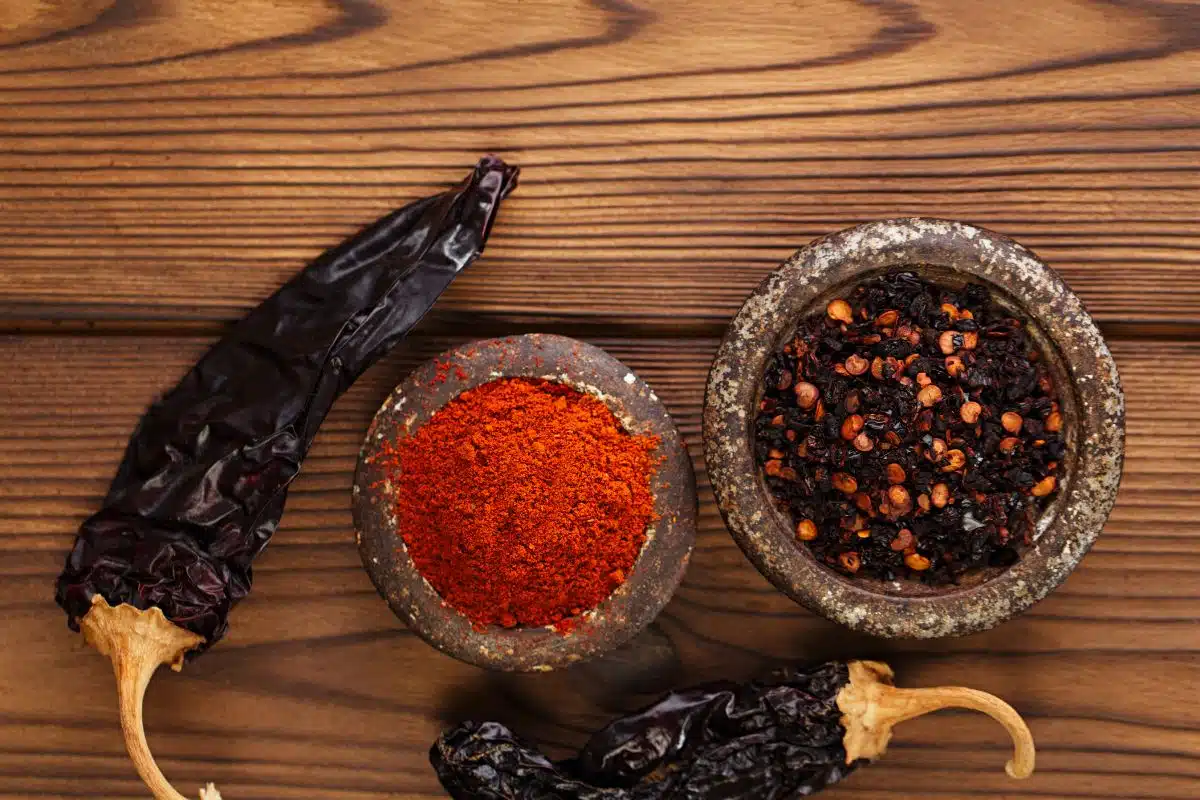
Mexican cuisine encompasses many regional traditions, but chili, citrus, herbs, and spices frequently appear in combinations that are easy to adapt at home. Lime provides acidity while chili and cumin add warmth and depth to everything from beans to roasted vegetables. Try tossing corn, potatoes, chicken, or shrimp with cumin and chili before cooking, then finish the dish with fresh lime juice. Cilantro, when you enjoy it, can add another layer of freshness
India: Cumin, Coriander, and Ginger
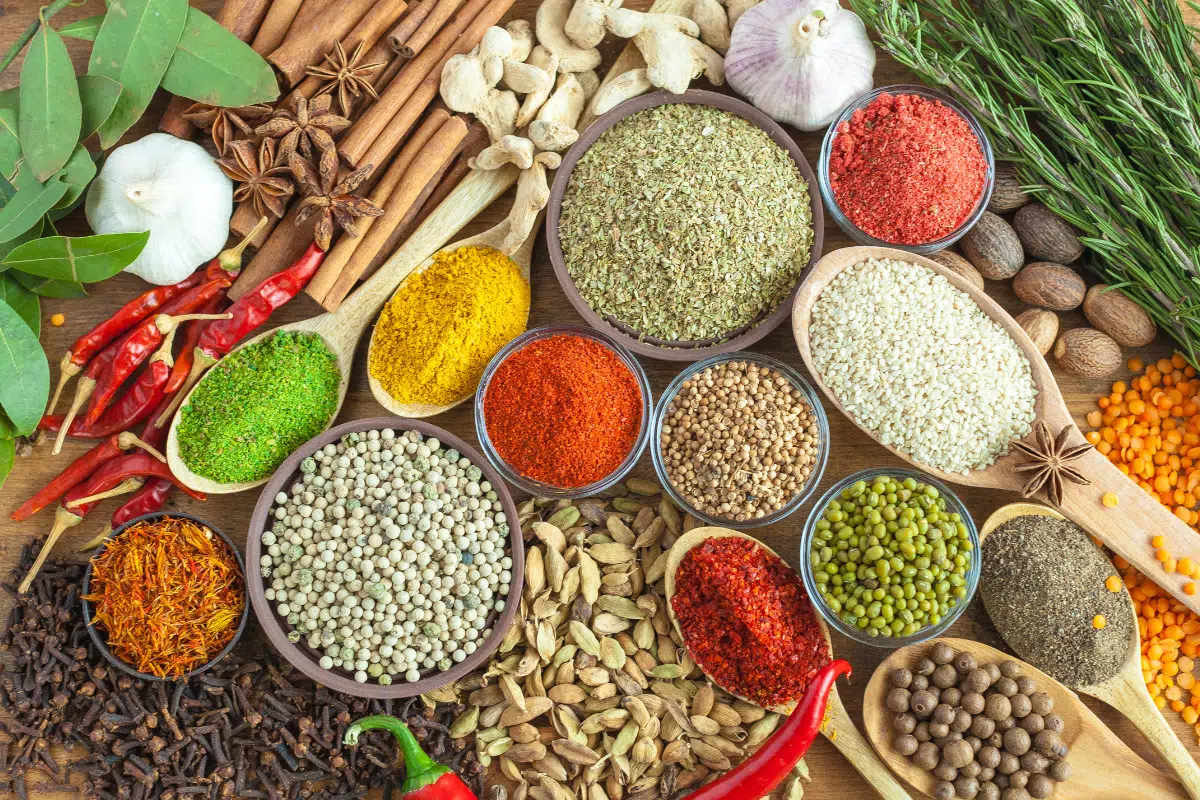
Indian cuisine is extraordinarily diverse, with different regions relying on their own combinations of spices, herbs, aromatics, and cooking techniques. Cumin, coriander, and ginger provide one versatile starting point for exploring those flavors. Toasting whole cumin or coriander briefly in oil can release their aroma before other ingredients are added. The combination works particularly well in lentils, chickpeas, roasted vegetables, rice dishes, and a variety of stews.
Mediterranean: Olive Oil, Lemon, and Herbs
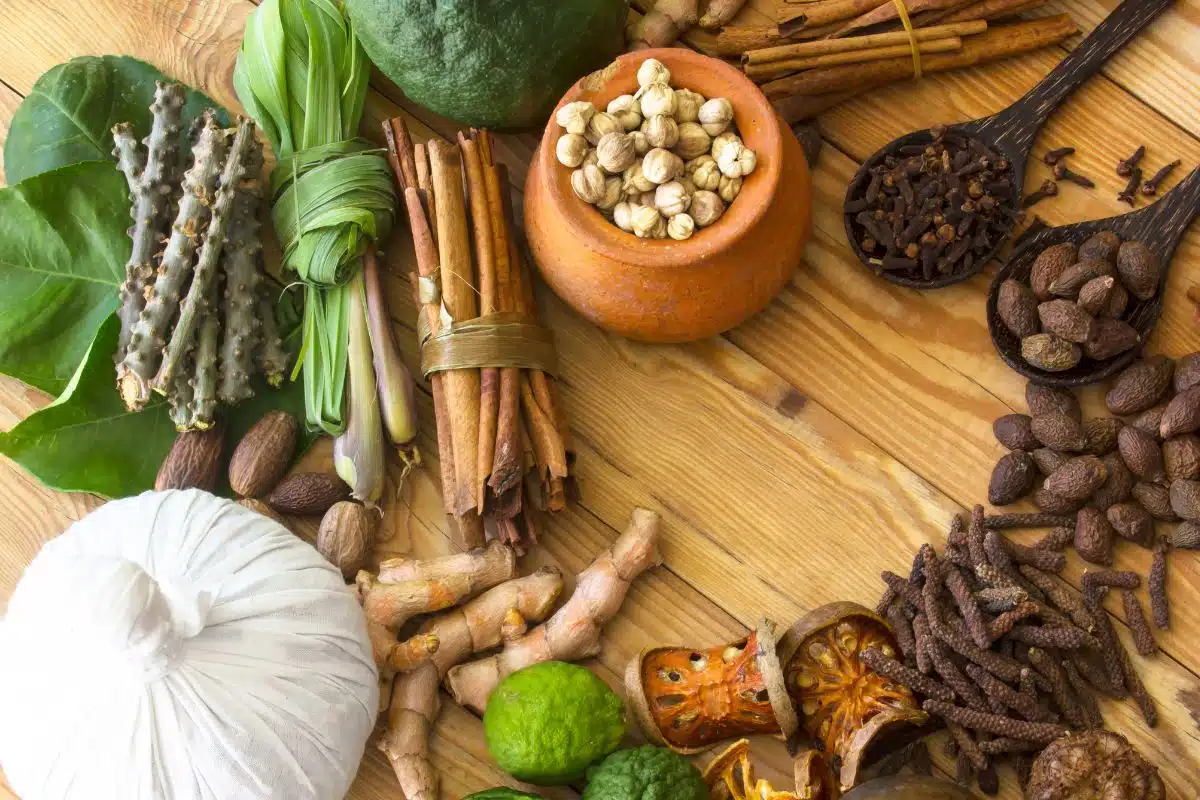
Mediterranean cooking varies from country to country, but olive oil, fresh herbs, garlic, and citrus are useful building blocks for many dishes. The combination of rich olive oil and bright lemon juice can make simple vegetables, grains, fish, and chicken taste considerably more lively. Try making a quick dressing with olive oil, lemon juice, garlic, and oregano and tossing it with roasted vegetables. Fresh parsley or basil added just before serving can provide another burst of flavor.
Thailand: Coconut, Lime, and Chili
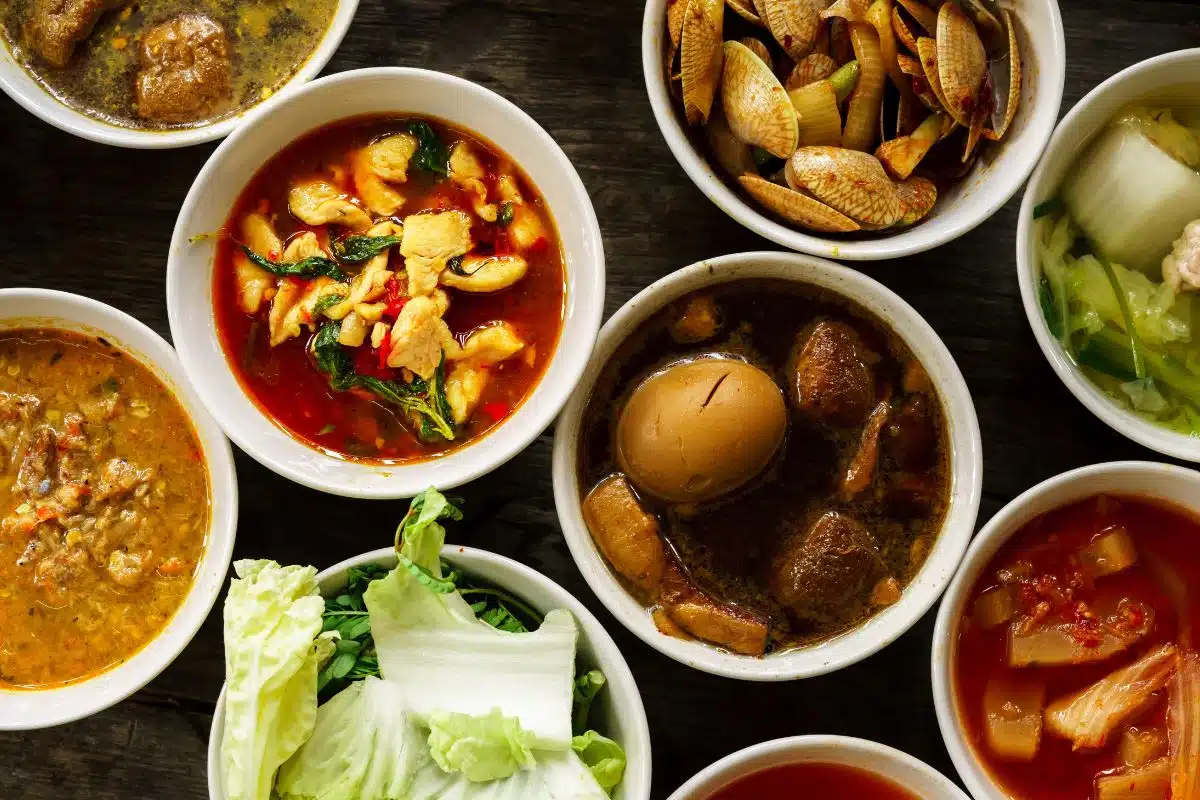
Thai cuisine is known for balancing multiple flavors rather than relying on heat alone. Coconut milk can provide richness, while lime brings acidity and chili adds heat; ingredients such as fish sauce, herbs, garlic, and lemongrass can add further complexity. For an easy weeknight meal, simmer vegetables and a protein in coconut milk with Thai curry paste, then finish with lime juice. Adjust the chili gradually so the heat doesn’t overwhelm the other flavors.
Middle East: Tahini, Lemon, and Sumac
The cuisines of the Middle East encompass numerous countries and culinary traditions, so no three ingredients can represent the entire region. Still, tahini, lemon, and sumac make a useful combination for home cooks who want to explore some of its bright, nutty, and tangy flavors. A simple tahini sauce can be made by thinning sesame paste with lemon juice and water until smooth. Drizzle it over roasted cauliflower, chickpeas, grilled chicken, or grain bowls, then add a little sumac for a pleasantly tart finish.
American South: Smoke, Heat, and Tang

Southern cooking in the United States includes a wide range of traditions, from barbecue and soul food to Cajun and Creole influences, so its flavors can’t be reduced to one formula. Smoke, acidity, heat, and savory seasonings do appear frequently in many familiar Southern-inspired dishes. Try combining a smoky spice blend with a tangy vinegar-based sauce for chicken, pork, beans, or roasted vegetables. A little hot sauce at the table lets everyone control the amount of heat without changing the entire dish.
This post may contain affiliate links or sponsored content. Disclosure Policy