6 Simple Tips for Cooking Whole Grains Better Every Time
Whole grains are a versatile pantry staple, but getting the right texture can take a little practice. Some grains turn out perfectly tender while others end up chewy, mushy, or bland, leaving home cooks wondering where they went wrong. The good news is that a few simple techniques can make a noticeable difference, from how you rinse and cook them to when you season and let them rest. These practical tips can help you prepare whole grains with better texture and more flavor every time.
Soak Grains to Speed Up Cooking and Improve Texture
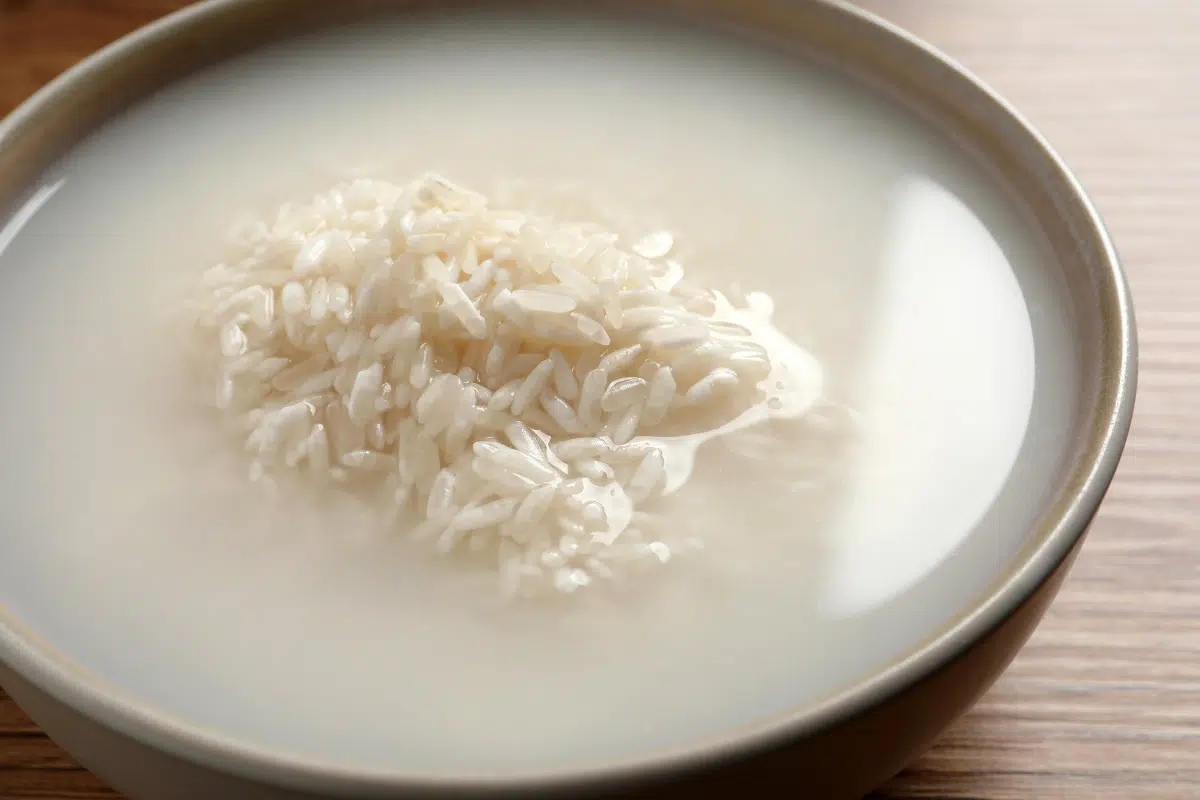
Soaking grains like brown rice, farro, barley, or wheat berries before cooking can significantly reduce cooking time and improve consistency. Even a few hours of soaking helps soften the outer layer, leading to a more tender final texture. Some nutrition experts also note that soaking may help make certain nutrients more bioavailable. This simple step is especially useful for meal prep or weeknight cooking when time is limited.
Toast Grains Before Adding Liquid
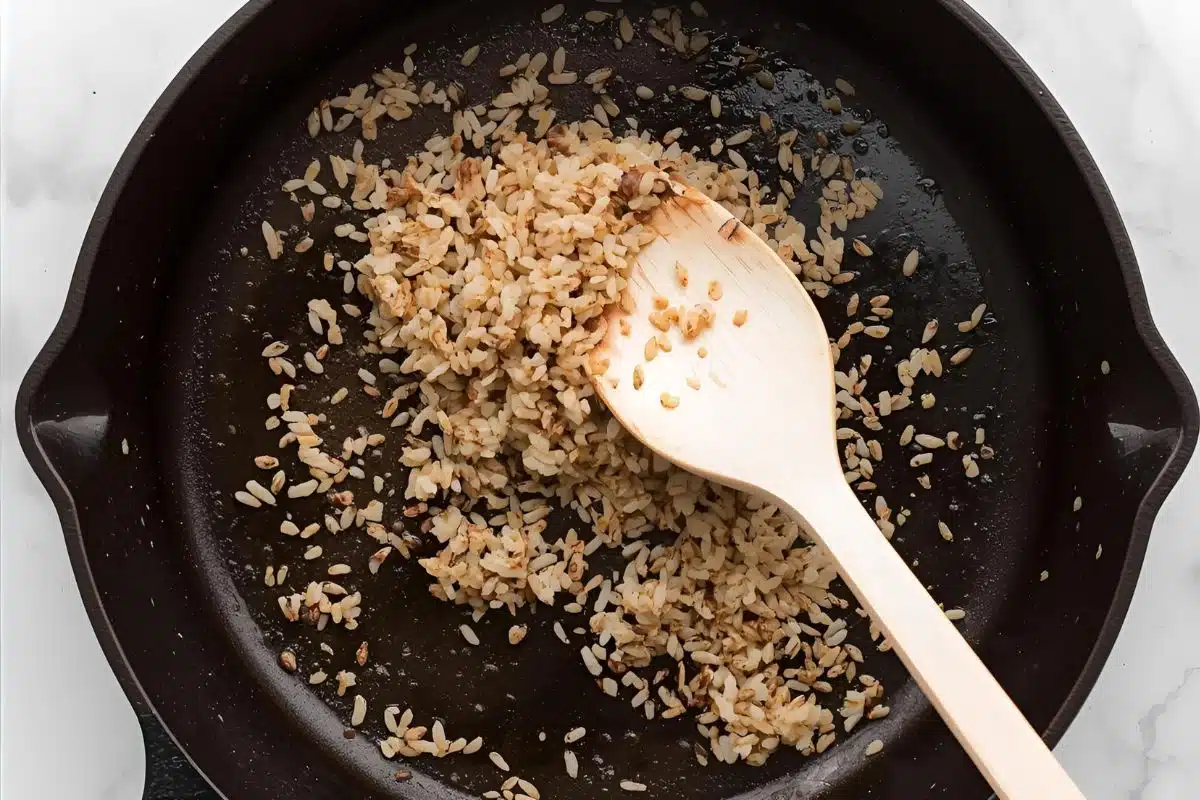
Lightly toasting dry grains in a pan before boiling is a professional chef technique that enhances flavor instantly. This step brings out a deeper, nuttier taste in grains like quinoa, bulgur, and farro while helping prevent mushy results. It only takes a few minutes but makes a noticeable difference in both aroma and taste. Many home cooks now use this method as a standard step rather than an optional extra.
Cook in Broth Instead of Plain Water
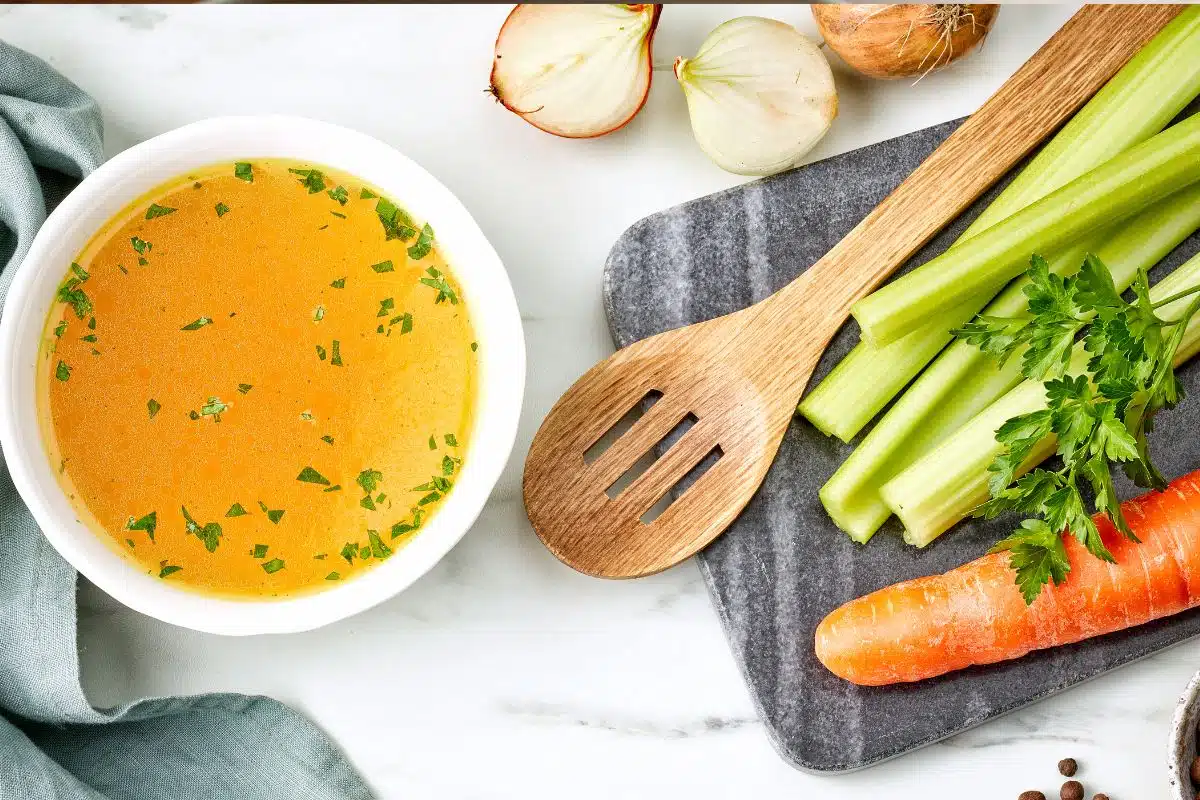
Using broth instead of water is one of the easiest ways to elevate plain grains without extra effort. Vegetable, chicken, or bone broth infuses grains with savory depth, making them more satisfying on their own or as part of a dish. You can also enhance flavor further by adding garlic, bay leaves, or fresh herbs during cooking. This method is especially helpful when grains are the base of bowls, salads, or side dishes.
Batch Cook and Freeze for Easy Meal Prep
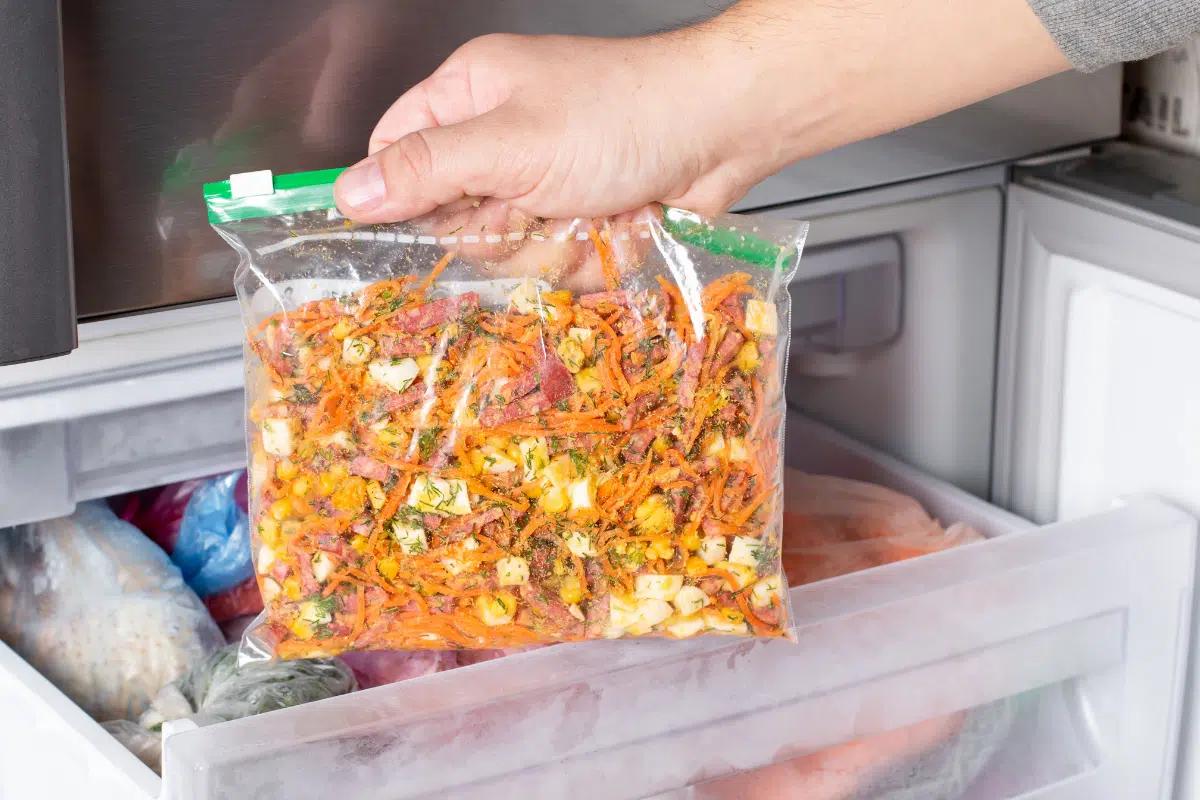
Meal prepping grains has become a major time-saving strategy in modern home cooking. Cooking a large batch of rice, quinoa, or barley and freezing it in individual portions allows you to build meals in minutes throughout the week. Simply reheat with a splash of water or broth to restore texture. In 2026, this approach remains one of the most effective ways to maintain healthier eating habits on a busy schedule.
Mix Different Grains for Better Flavor and Nutrition
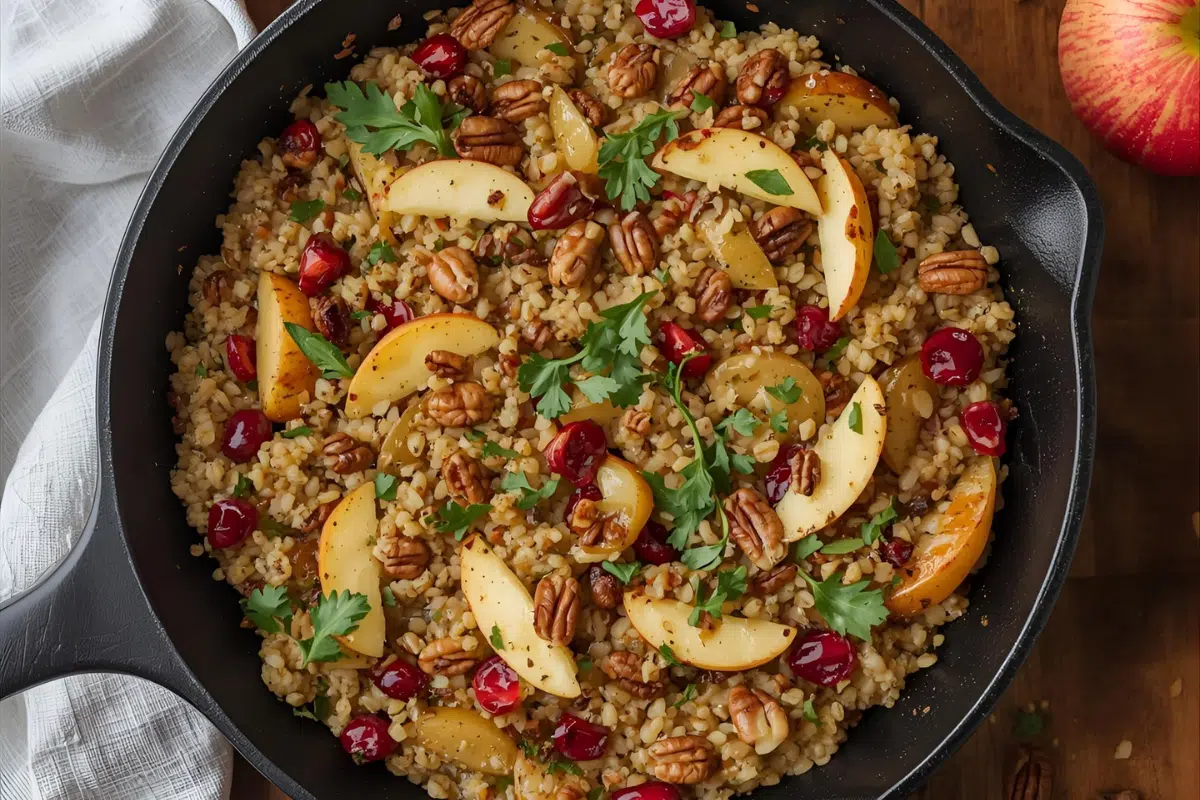
Combining grains like quinoa with brown rice or farro with barley creates more interesting texture and a broader nutrient profile. Each grain brings something different—whether it’s chewiness, nuttiness, or added fiber—making meals more satisfying overall. This technique also helps reduce repetition if you eat grains frequently. Many home cooks now blend grains intentionally instead of sticking to a single variety.
Repurpose Leftover Grains Into New Meals
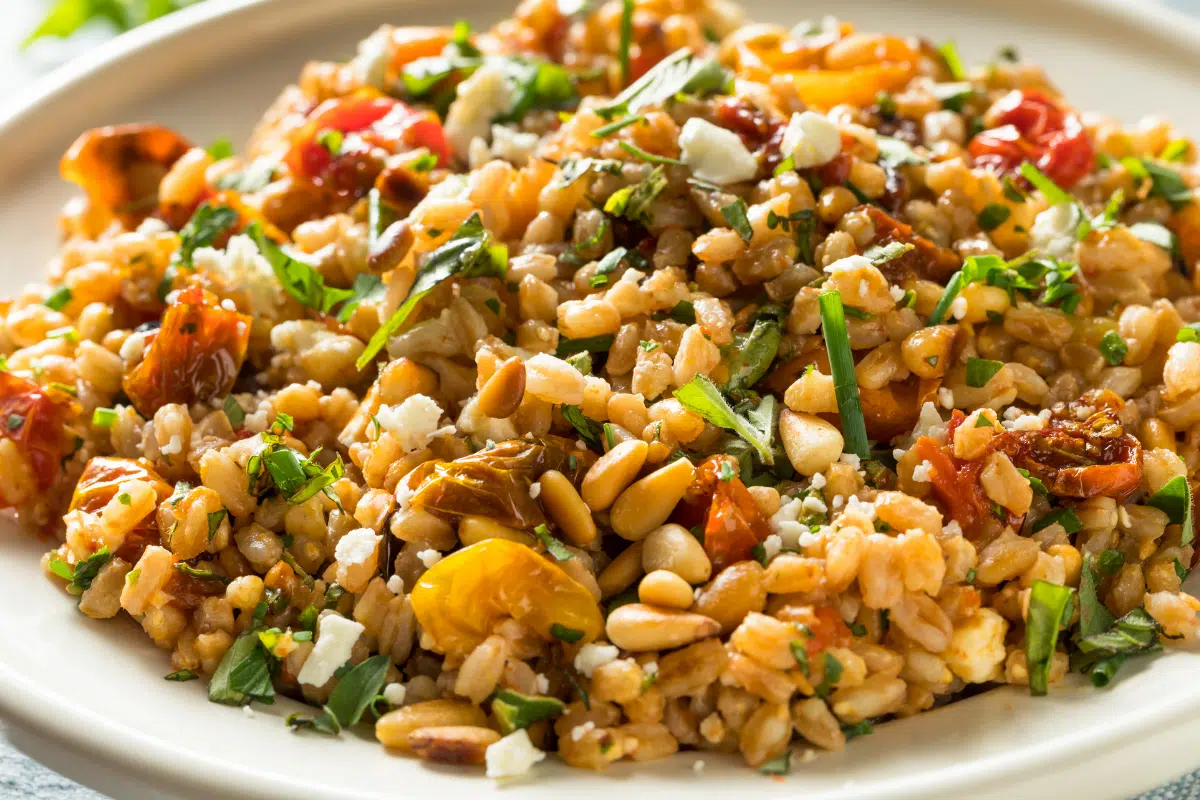
Leftover grains are incredibly versatile and can be transformed into entirely new dishes. They can be added to soups, mixed into salads, or used as a base for breakfast bowls with eggs or fruit. For extra texture, you can even pan-fry them to create a crispy base for stir-fries or grain “hashes.” This approach reduces food waste while making healthy eating more convenient and creative.
This post may contain affiliate links or sponsored content. Disclosure Policy