
Simple Ways to Keep Colored Clothes Bright and Vibrant
Easily help maintain the color of your clothes longer with the help of these practical tips. Reduce fading and keep colors bright with every load of laundry.

Have you ever washed a new pair of black leggings only to pull them out of the laundry looking faded and worn? It’s frustrating when your favorite clothes lose their vibrant color after just a few washes.
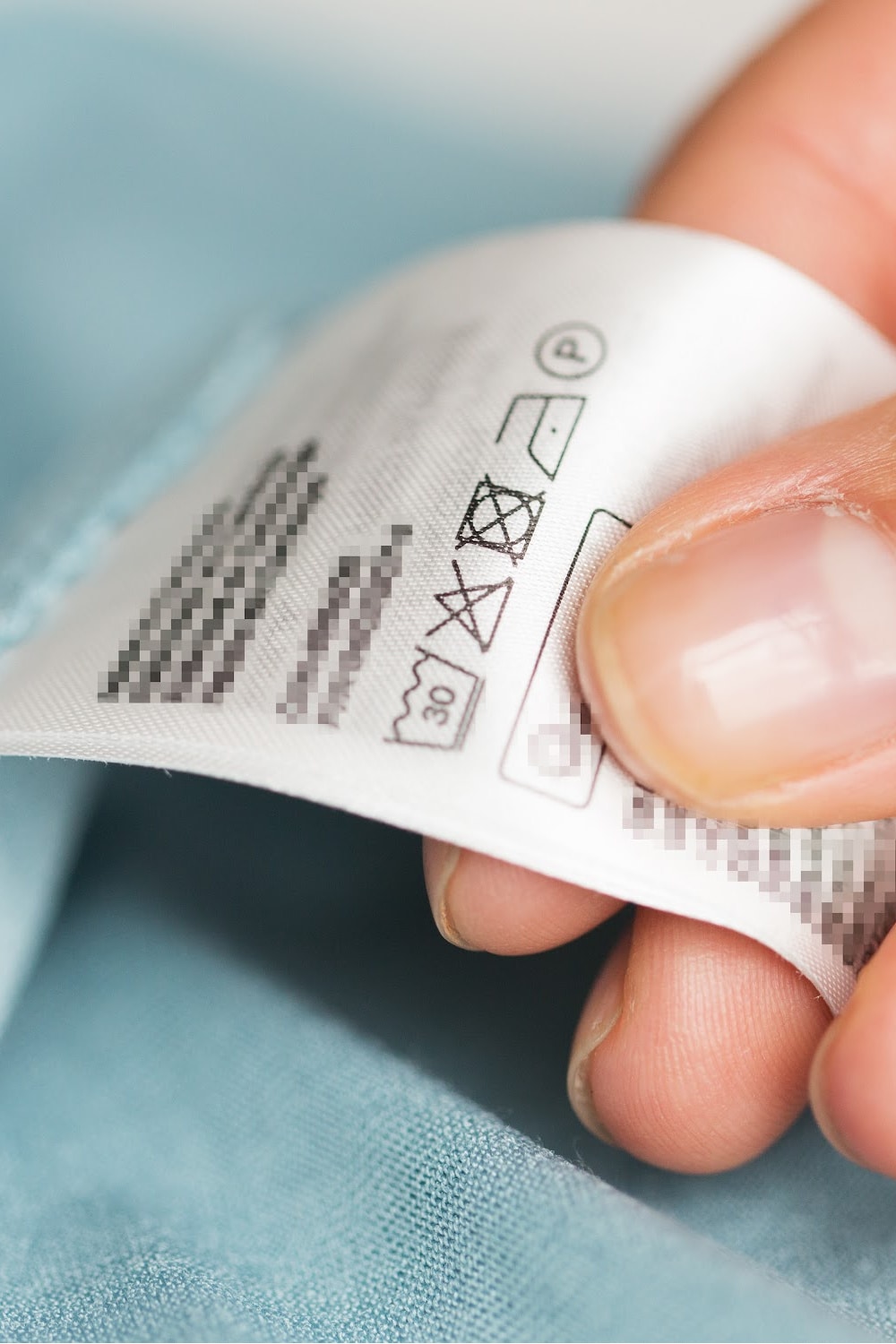
The good news is that fading isn’t inevitable. With the right laundry habits, you can help preserve your clothing’s color and keep your family’s favorite outfits looking newer for longer. Start by checking the care label on each garment, since fabric type and washing instructions matter. Then follow these simple laundry tips to help prevent fading and keep your colors bright wash after wash.
Simple Laundry Tips To Help Keep Colors Bright
What Does Color “Bleeding” Mean?
Have you ever pulled a load of laundry out of the washing machine only to discover that a favorite shirt has lost some of its color—or worse, that a red sock has turned your whites pink? That’s color bleeding, and it can happen when excess dye washes out of one garment and transfers to another.
New clothing, especially brightly colored or darkly dyed items, may release some excess dye during the first few washes. However, fading and bleeding aren’t the same thing. Color bleeding happens when dye transfers to other fabrics, while fading occurs when a garment gradually loses its original color. Washing, friction, heat, sunlight, and repeated wear can all contribute to fading over time.
The good news is that a few simple laundry habits can help reduce dye transfer and keep your favorite clothes looking their best. Here’s how to protect those colors and make your clothing last longer.
Laundry tip: Wash new, brightly colored, and dark garments separately until you’re confident they won’t release excess dye. A color-catcher sheet may also help capture some loose dye, but it isn’t a substitute for sorting laundry.
Wash Dark Colors Together
Sorting your laundry is one of the easiest ways to help prevent color transfer. Wash whites separately from dark and brightly colored garments, especially when you’re dealing with new clothing that may release excess dye.
You don’t necessarily need to wash every shade separately forever. Once garments have been washed several times without bleeding, you can often combine similar colors according to their care instructions.
Don’t forget to consider fabric weight, too. Heavy items, such as jeans and towels, can rub against lightweight fabrics during washing and increase friction. Washing similar weights together can help reduce unnecessary wear.
Inside tip: Turn new dark jeans, black leggings, and other richly colored garments inside out before washing. This helps protect the visible surface from some of the friction that can contribute to fading.
If you’re looking for more ways to simplify your routine, check out these smart ways to tame your laundry pile.
Wash Clothes Inside Out
Want to help your favorite clothes look newer for longer? Turn them inside out before tossing them into the washing machine.
During washing and drying, fabrics rub against one another and the machine’s drum. Over time, this friction can contribute to pilling, surface wear, and fading, particularly on dark clothing and garments with printed designs.
Turning clothes inside out helps protect the outer surface from some of that wear. It’s especially useful for black leggings, graphic T-shirts, jeans, workout clothes, and brightly colored garments.
Remember that turning clothes inside out won’t stop all fading, but it’s an easy habit that can help preserve their appearance. Check out these other laundry mistakes that could be ruining your clothes.
Wash Clothes in Cold Water
Cold water is a great choice for many everyday laundry loads. It can help reduce dye release from some fabrics, minimize the risk of color transfer, and reduce the wear associated with frequent hot-water washing.
It also saves energy because your washing machine doesn’t have to heat the water. That’s a win for both your laundry routine and your utility bill!
For best results, choose a detergent formulated to work well in cold water and follow the garment’s care label. Modern detergents can clean many everyday loads effectively in cold water.
When should you use warmer water? Some heavily soiled items, certain fabrics, and specific hygiene-related laundry situations may benefit from warmer water. Follow the garment and detergent instructions rather than assuming cold water is always the best choice for every load.
Don’t Overstuff the Washing Machine
It can be tempting to cram as much laundry as possible into one load, especially when you’re trying to get through a mountain of dirty clothes. However, overloading your washing machine can prevent garments from moving freely enough for effective cleaning and rinsing.
When clothes are packed too tightly, detergent and water may not circulate as effectively. The added friction can also contribute to fabric wear, tangling, and wrinkles.
Instead, leave enough room for clothes to move freely during the wash cycle. Follow your machine’s loading recommendations, since capacity varies by model and load type.
Inside tip: If you have to push down hard to fit the last few items into the drum, it’s probably time to split the load into two smaller batches.
Should You Wash Clothes With Vinegar?
You may have heard that adding white vinegar to your washing machine helps brighten colors, soften fabrics, and remove odors. Although vinegar can help with certain mineral deposits and residues in some situations, it’s not a reliable way to restore faded clothing or prevent dye bleeding.
Adding vinegar to every load isn’t necessary, either. Some washing machine manufacturers advise against using vinegar because repeated exposure to acidic products may damage rubber components or other machine parts.
For everyday laundry, you’re better off using the correct amount of detergent and following your washing machine’s care instructions. If clothes look dull because of detergent buildup, try reducing excess detergent and ensuring the load rinses properly.
If you enjoy making your own household cleaners, take a look at these homemade cleaning products, and always follow product safety instructions.
Important: Never mix vinegar with chlorine bleach. The combination can release dangerous chlorine gas.
Don’t Overdry Your Clothes
Your clothes don’t need to come out of the dryer damp to avoid damage. However, excessive heat and prolonged tumbling can contribute to fabric wear, shrinkage, and fading over time.
To help protect your clothing, check the care label and choose the appropriate dryer setting. Lower heat is often a good option for everyday clothing, while delicate fabrics may be better suited to air drying.
Remove clothes promptly when the cycle ends, and avoid running them through repeated drying cycles when they’re already dry.
Want to reduce heat exposure altogether? Air-drying is an excellent option for many garments. Hang clothes inside out and dry them in a shaded, well-ventilated area when possible. Direct sunlight can fade some dyes, so keep that in mind when drying dark or brightly colored clothing outdoors.
For another helpful laundry trick, learn how to use wool dryer balls in your dryer.
Final Thoughts on Keeping Clothes Colors Bright
Keeping your clothes looking bright doesn’t require expensive laundry products or complicated routines. A few simple changes—sorting similar colors, washing in cold water when appropriate, turning garments inside out, avoiding overloaded machines, and using sensible drying settings—can help reduce fading and unnecessary wear.
Most importantly, pay attention to the care labels on your clothing. Different fabrics and dyes have different needs, and following those instructions is one of the best ways to protect your wardrobe and help your favorite pieces last longer.
More Great Tips & Tricks
5 Good Reasons Why You Should Be Using Laundry Balls
6 Common Laundry Problems and How to Fix Them
10 Surprising Uses for Coffee Grounds You Never Knew About
This post may contain affiliate links or sponsored content. Disclosure Policy