What Happens to Leftover Food at Buffalo Wild Wings?
Buffalo Wild Wings is known for fresh, made-to-order wings, sauces, and sports-bar favorites served in high volume every day. With that kind of turnover, food safety standards and quality control are a major priority—and that means most “leftover food” doesn’t end up where many people assume. Like most large restaurant chains, Buffalo Wild Wings follows strict health regulations and internal food safety policies that determine what can be reused, what must be discarded, and what can be repurposed or recycled. Here’s a closer look at what typically happens behind the scenes.
Most Cooked Food Is Not Saved or Reused
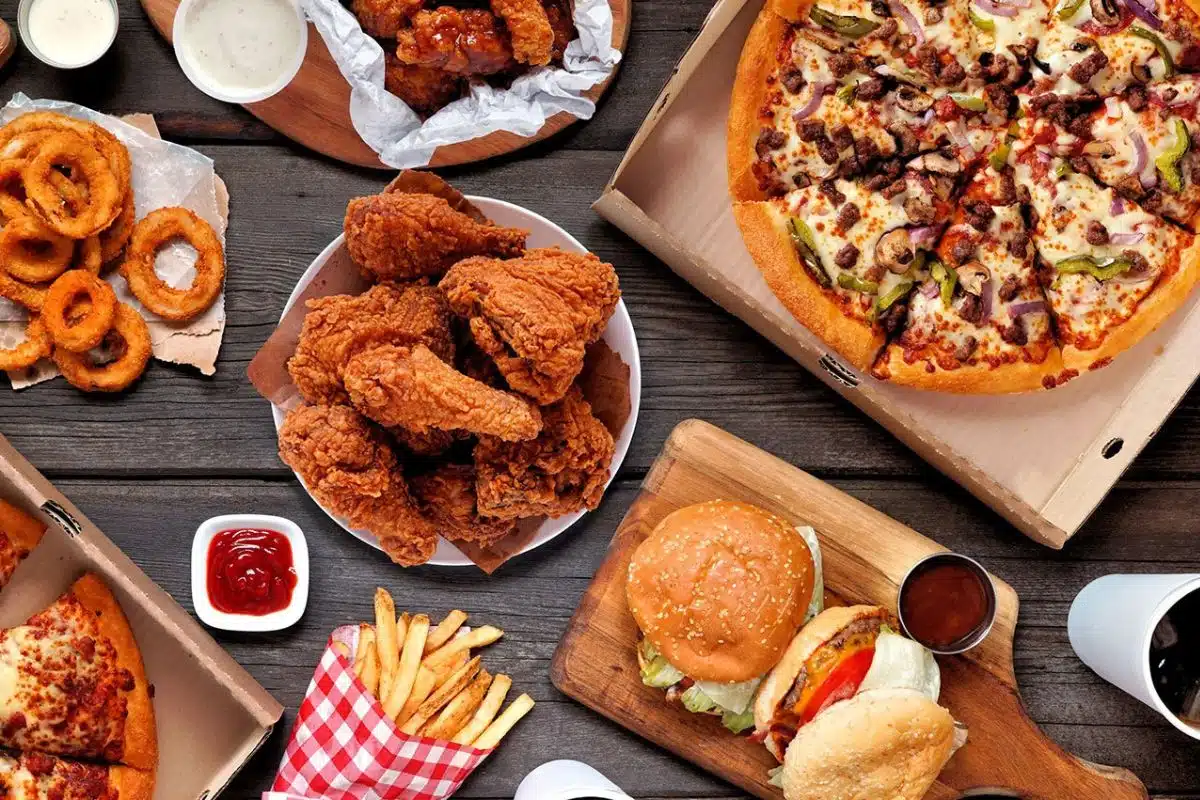
In restaurant kitchens, food safety rules are strict. Once chicken, fries, or other cooked items have been served or held past safe time limits, they are generally discarded rather than saved for later use. Buffalo Wild Wings locations follow standard food safety guidelines that prioritize freshness and reduce any risk of contamination. This means excess cooked food at the end of service is typically thrown away rather than stored.
Raw Ingredients Are Carefully Managed
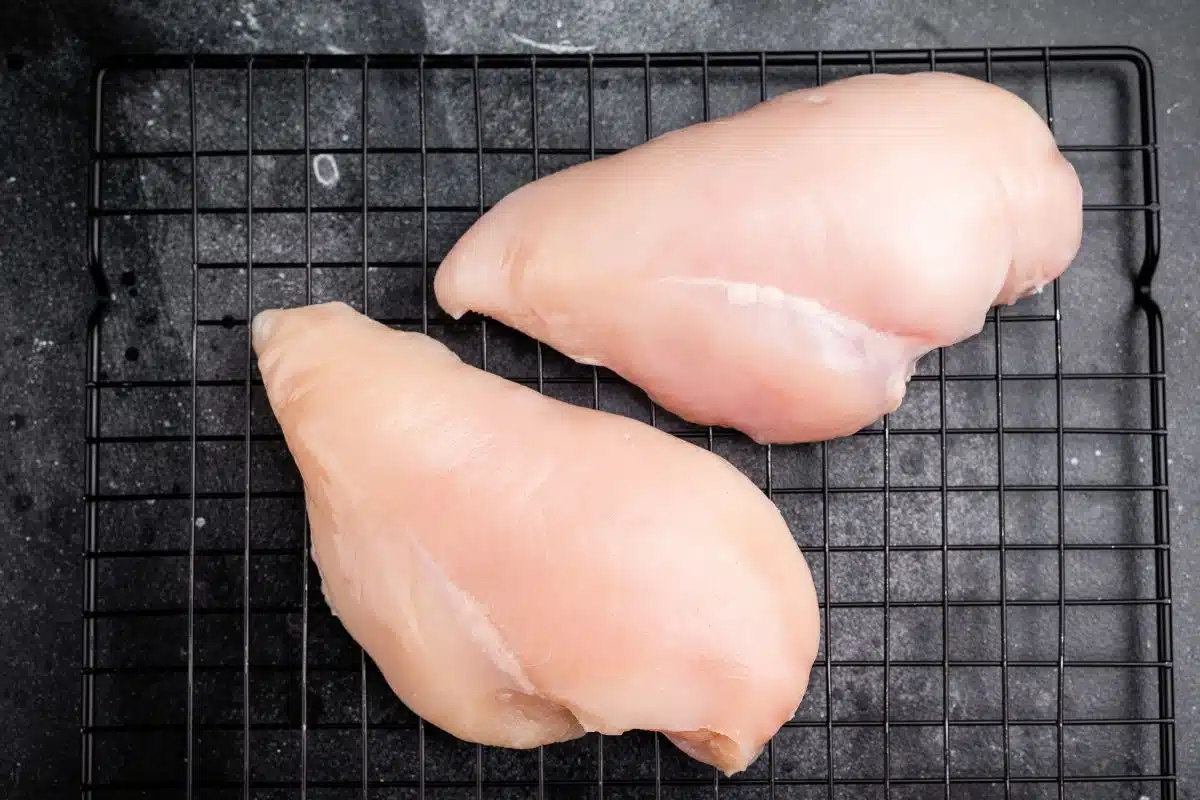
Raw chicken and other perishables are stored under strict temperature controls and prepared in batches based on expected demand. If raw product is nearing expiration or has been prepared but not used within safe time windows, it is also discarded according to food safety rules. While this can result in some waste, it helps ensure consistency and reduces the risk of serving unsafe food.
Food Waste Is Often Minimized Through Prep Systems
Rather than relying on leftovers, restaurants like Buffalo Wild Wings use prep forecasting systems to estimate daily demand. Ingredients such as pre-portioned chicken, sauces, and sides are prepared in controlled amounts throughout the day. This system helps reduce excess food before it ever becomes waste, especially during slower periods or between peak game-day rushes.
Packaging and Byproducts Are Recycled Where Possible
While leftover cooked food is usually discarded for safety reasons, many locations participate in recycling programs for materials like cardboard, packaging, and cooking oil. Used fryer oil, for example, is commonly collected and processed into biofuel or other industrial products through third-party recycling partners.
Unsold Food Donations Are Limited by Safety Rules
Some restaurants and chains participate in food donation programs, but strict health regulations often limit what can safely be donated. Items must meet temperature, handling, and timing standards to qualify. Because Buffalo Wild Wings food is made-to-order and highly perishable, donation opportunities are generally limited compared to packaged retail food.
Daily Waste Is Managed Through Health Regulations
All waste disposal is governed by local health department rules. This includes proper storage, sealing, and disposal of food scraps to prevent pests and maintain sanitary conditions in restaurant kitchens. These procedures are part of standard restaurant operations and are regularly inspected for compliance.
This post may contain affiliate links or sponsored content. Disclosure Policy