
10 Grocery Store Changes Shoppers Are Seeing More Often
A trip to the grocery store can reveal a lot about what shoppers value right now. Store brands have become more important, convenience foods are getting more sophisticated, and international flavors that once required a trip to a specialty market are increasingly easy to find in everyday aisles. At the same time, retailers are using apps, loyalty programs, and other technology to make shopping more personalized and to compete more aggressively on price. Not every change is happening in every supermarket, but the overall direction is clear: shoppers want value, convenience, variety, and products that fit the way they actually cook and eat
Grocery Value Is More Important Than Ever

Price continues to play a major role in what shoppers put into their carts. Retailers are responding with more store-brand products, loyalty discounts, digital coupons, and value-focused promotions. Shoppers are also paying closer attention to unit prices instead of simply comparing the price printed on the package. In many stores, the best deal may now require using a loyalty account or digital coupon.
Store Brands Are Taking Up More Shelf Space

Private-label products have moved well beyond the perception of being simply the cheaper alternative. Grocery retailers are expanding their own brands into premium, organic, specialty, and convenience categories. Shoppers are increasingly willing to choose store brands when they offer comparable quality at a lower price. For households trying to control grocery spending, that makes private-label products a more appealing first choice.
Prepared Foods Are Expanding Beyond the Deli
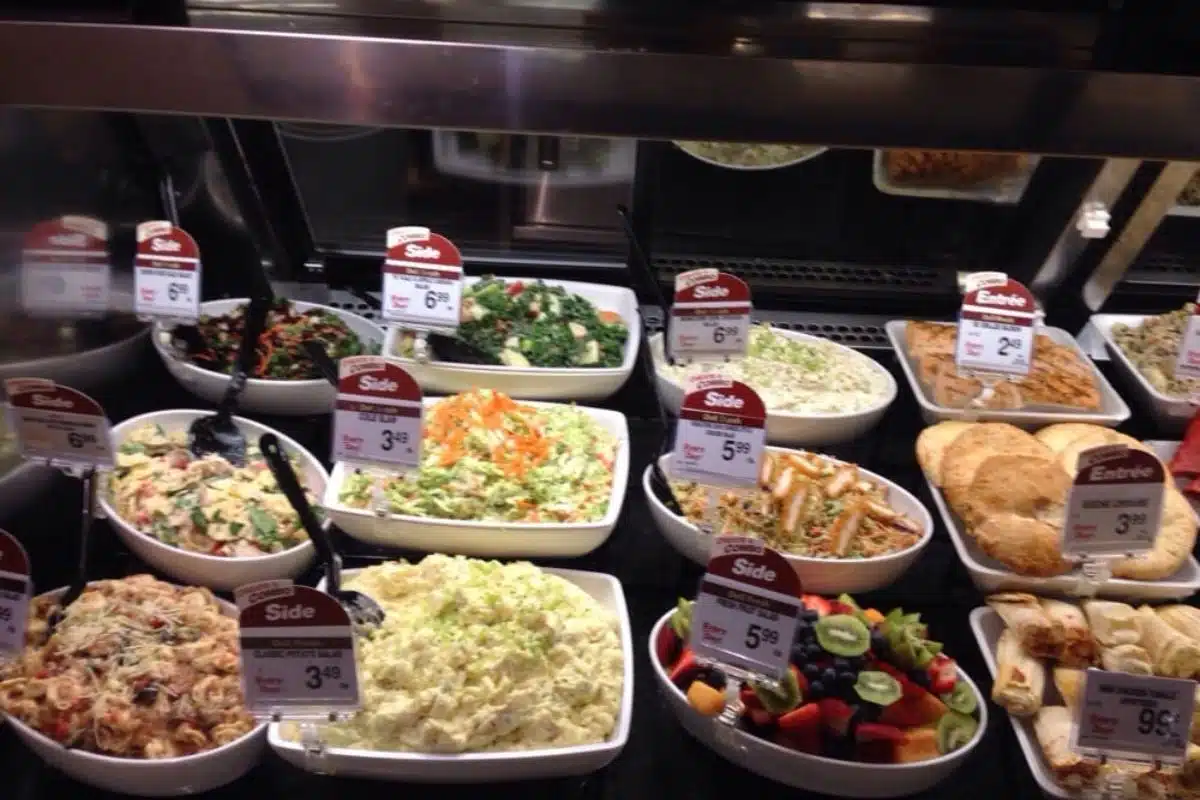
Grocery stores are offering more options for shoppers who want dinner without starting completely from scratch. Beyond rotisserie chickens, stores are adding prepared entrées, refrigerated meals, ready-to-cook proteins, chopped vegetables, and other convenient shortcuts. These products can help households reduce cooking time while still assembling a meal at home. For many shoppers, the grocery store is becoming an alternative to ordering takeout several nights a week.
Global Ingredients Are Becoming Everyday Staples
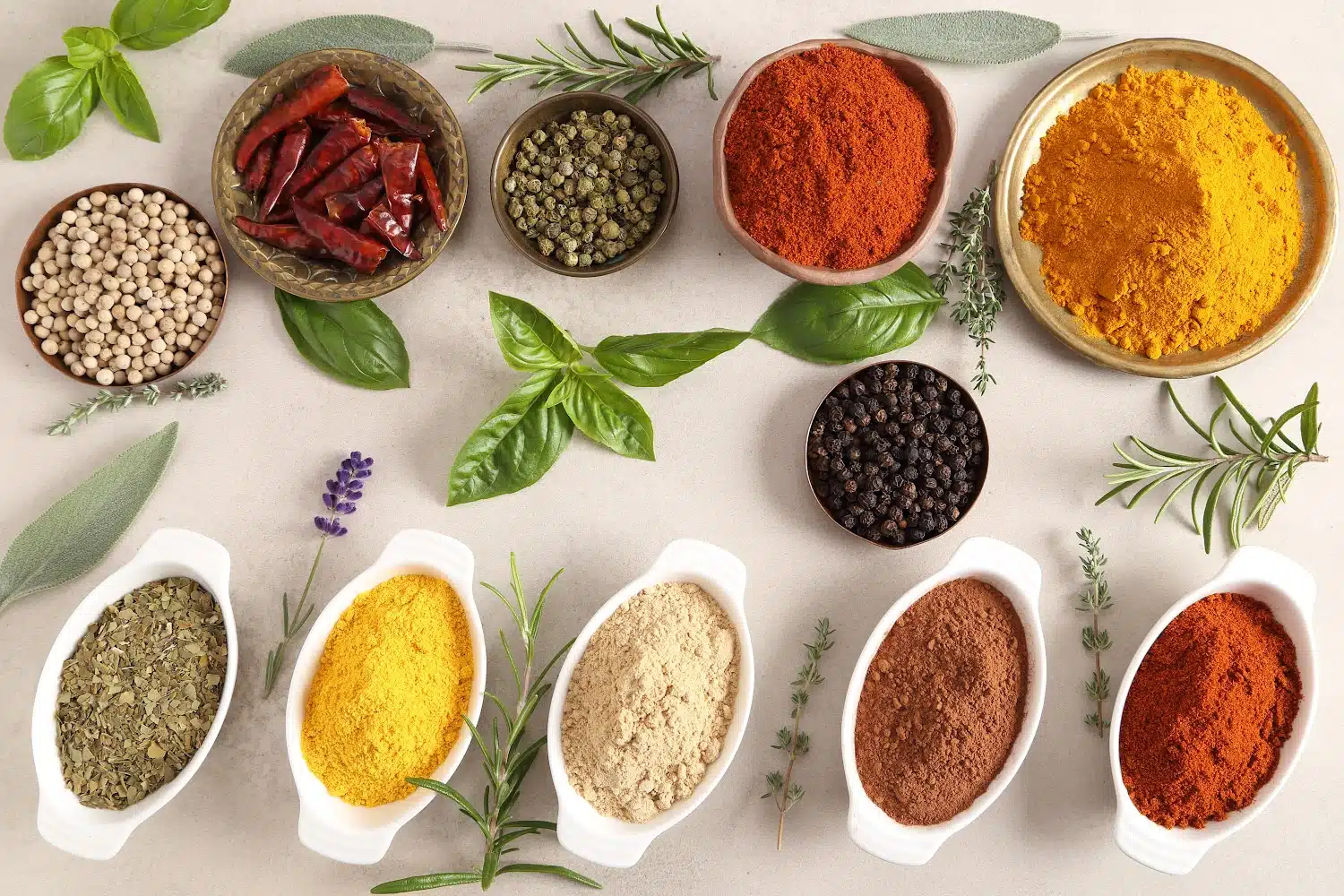
Ingredients that once seemed specialized are becoming easier to find in conventional supermarkets. Gochujang, tahini, curry pastes, chili crisp, harissa, international noodles, and other global ingredients are increasingly appearing in mainstream aisles. Grocery stores are also incorporating international flavors into frozen meals, sauces, snacks, and prepared foods. The trend reflects how many home cooks are experimenting with a wider range of cuisines.
High-Protein Foods Are Showing Up Everywhere
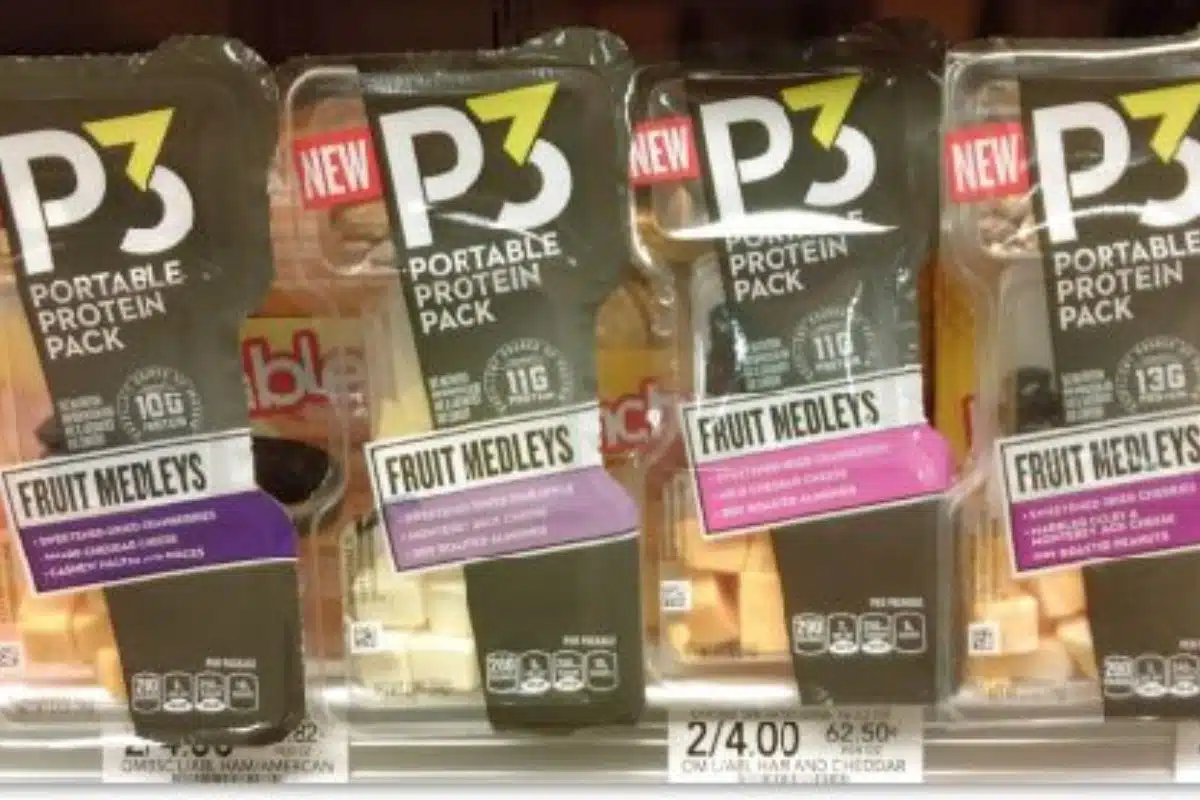
Protein-focused products are no longer limited to sports nutrition aisles. Shoppers can now find high-protein yogurts, cereals, bars, shakes, frozen meals, snacks, and other products throughout the store. These foods give consumers more convenient ways to add protein to breakfast, snacks, and meals. However, shoppers still need to check nutrition labels because a high-protein claim doesn’t automatically mean a product is nutritious.
“Better-For-You” Foods Are Becoming More Specific
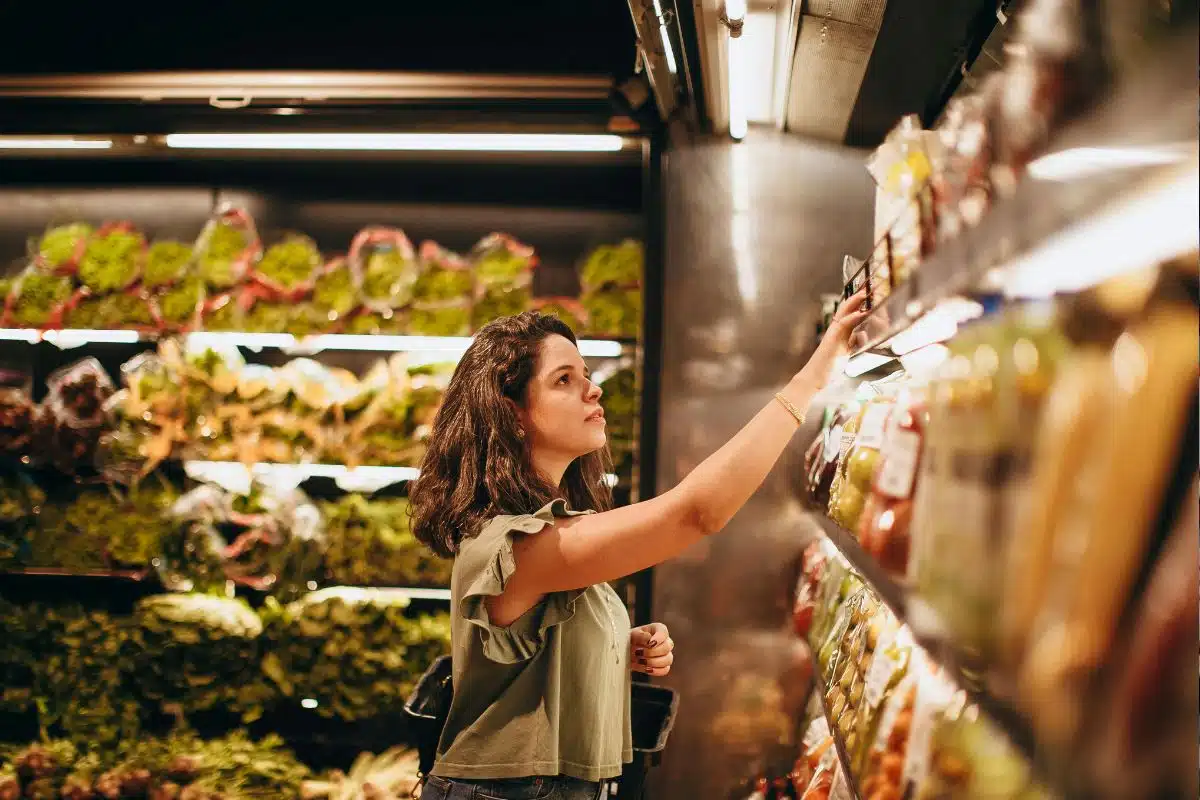
The broad idea of a “healthy” product is giving way to more specific nutritional priorities. Shoppers may be looking for more fiber, less added sugar, fewer artificial colors, more protein, or ingredients that fit a particular dietary need. Food companies are responding by highlighting specific characteristics instead of simply calling a product healthy. Reading the Nutrition Facts panel and ingredient list remains the best way to evaluate those claims.
Small Indulgences Are Getting More Attention

Shoppers may be cutting back in some areas while still making room for affordable treats. Premium chocolate, specialty cookies, gourmet popcorn, upgraded ice cream, and other snacks offer a relatively inexpensive way to splurge. These products give shoppers something that feels special without requiring a major purchase. Grocery retailers are responding by expanding indulgent options across a wider range of price points.
Loyalty Apps Are Changing How Grocery Deals Work
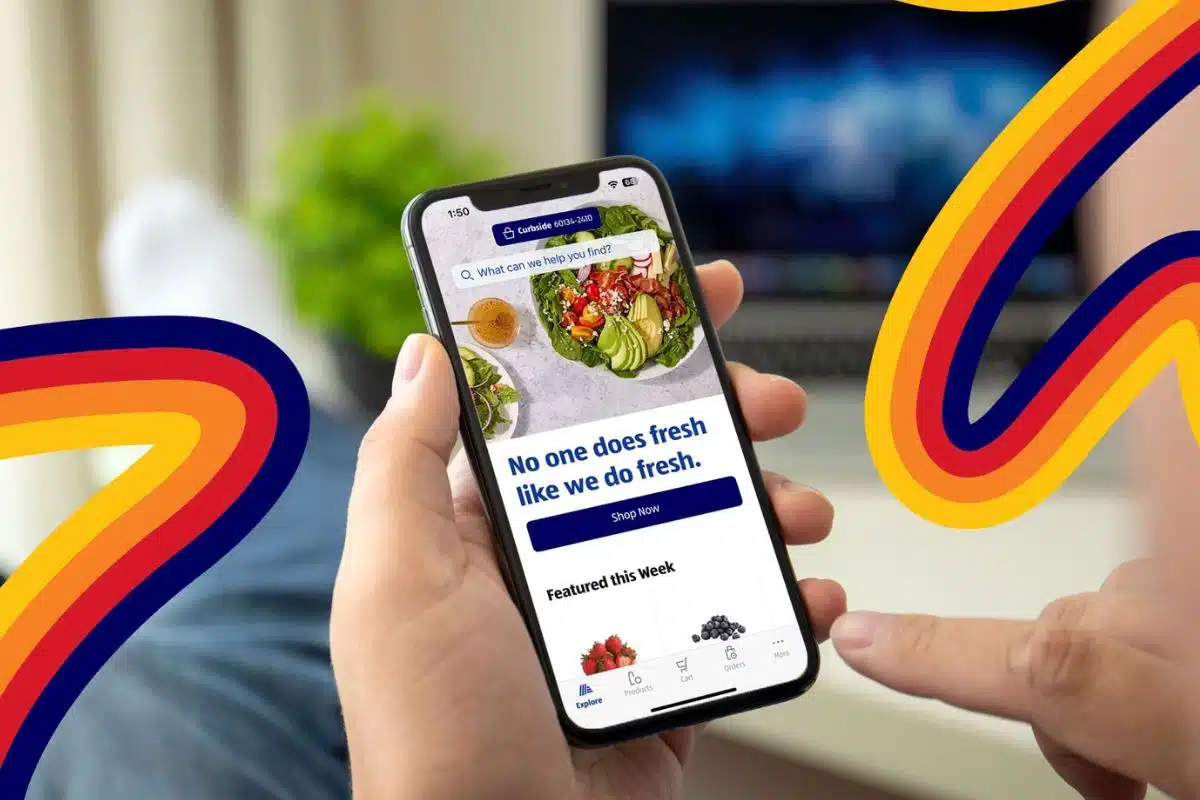
Digital loyalty programs have become an increasingly important part of grocery shopping. Supermarket apps can provide digital coupons, personalized offers, shopping lists, rewards, and other promotions. That means the price displayed on the shelf isn’t always the lowest price available to a member of the store’s loyalty program. Shoppers who want the best deals may need to activate digital coupons or scan their loyalty account at checkout.
Online Grocery Shopping Is Blurring the Lines
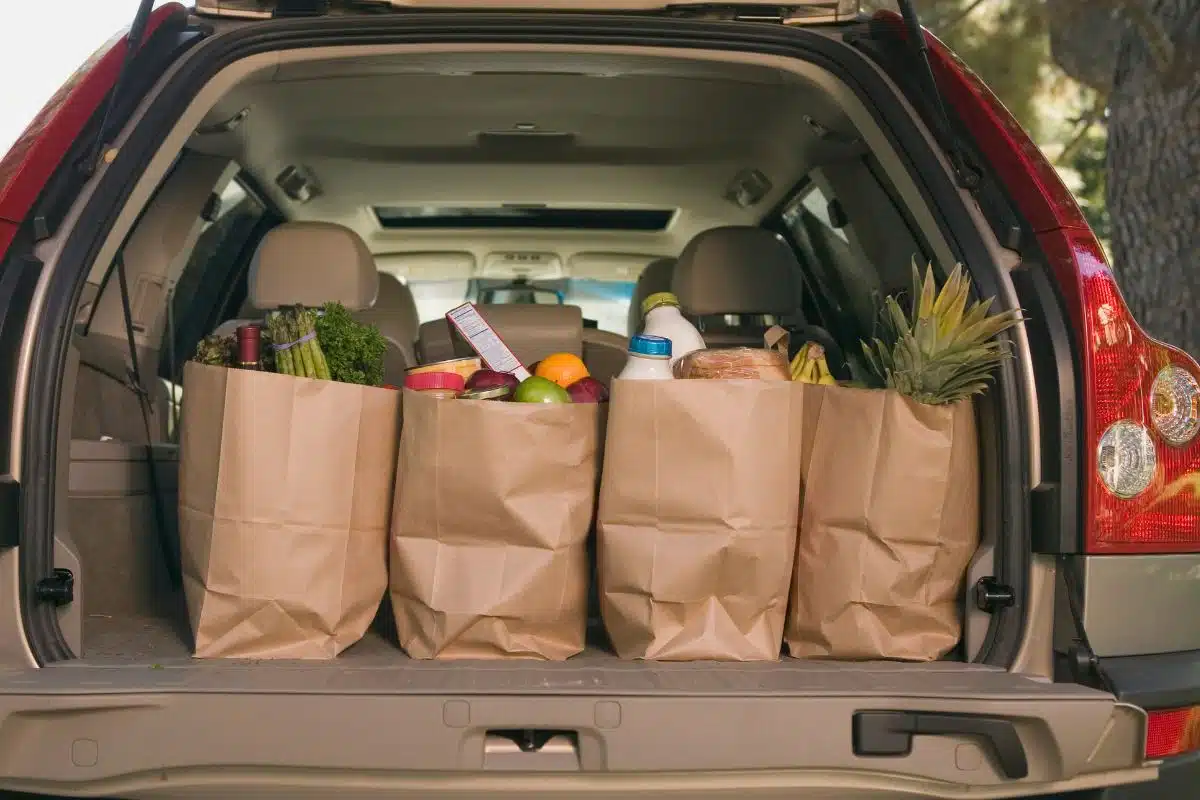
Online grocery ordering has become a regular option for many shoppers, whether they choose delivery or store pickup. Retailer websites and apps make it easier to search products, build shopping lists, reorder staples, and compare options from home. Pickup also allows customers to avoid walking through the entire store while still collecting their groceries at a convenient time. Physical stores remain important, however, particularly for shoppers who want to choose fresh foods themselves.
Seasonal and Local Foods Are Getting More Visibility
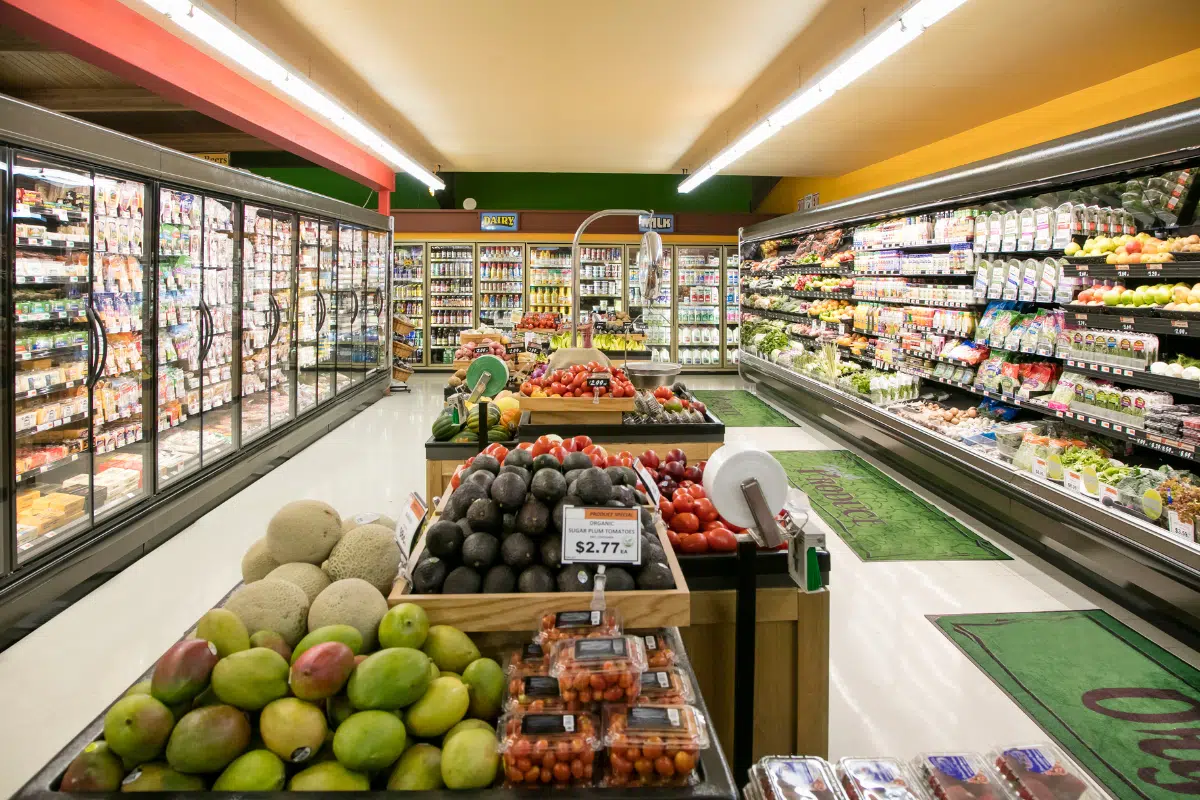
Grocery stores continue highlighting seasonal produce and locally sourced products, although availability varies by region and retailer. Signs featuring nearby farms, regional specialties, and seasonal fruits and vegetables can make these products easier for shoppers to spot. Buying produce when it is abundant can sometimes offer better value while also giving shoppers more variety throughout the year. Local products also give grocery stores a way to differentiate themselves while connecting shoppers with foods produced closer to home.
This post may contain affiliate links or sponsored content. Disclosure Policy