
11 Everyday Lifestyle Changes That Are Becoming More Common
Not every major trend starts with a viral video or a headline. Many of the biggest changes in how people live are happening gradually as families look for ways to save money, reduce stress, simplify daily routines, and make better use of their time. These quiet lifestyle shifts may not dominate social media, but they’re becoming increasingly common in households across the country. Here are some of the everyday habits that are reshaping modern life—often without much fanfare.
Staying Home More Often

Going out every weekend is no longer the default for many households. Instead, people are hosting friends at home, enjoying movie nights, tackling DIY projects, or simply relaxing after a busy week. Rising entertainment costs have encouraged many families to find affordable ways to unwind without leaving the house. For many, staying in has become a choice rather than a compromise.
Cutting Back on Monthly Subscriptions

Subscription services have become so common that many people are taking a closer look at recurring charges. Instead of paying for multiple streaming platforms, meal kits, apps, and subscription boxes year-round, households are rotating services or canceling those they rarely use. Even small monthly savings can add up over time. Reviewing subscriptions has become one of the easiest ways to trim a household budget.
Repeating the Same Favorite Outfits

The pressure to wear something new for every occasion has eased considerably. Many people are building capsule wardrobes filled with versatile pieces that can be mixed and matched throughout the week. Investing in quality basics instead of constantly chasing trends has become a practical approach to fashion. Outfit repeating is increasingly viewed as smart, sustainable, and budget-friendly.
Choosing Store Brands First

Private-label products have improved dramatically in recent years, making them a popular choice even for shoppers who can afford national brands. Grocery stores now offer store-brand versions of everything from pantry staples to frozen foods and household cleaners. Many shoppers find little difference in quality while saving a noticeable amount on each grocery trip. As a result, buying store brands has become a routine decision rather than a last resort.
Rotating the Same Reliable Meals

Instead of searching for new recipes every night, many families rely on a small collection of meals they know everyone enjoys. Taco night, sheet pan dinners, pasta dishes, soups, and slow cooker recipes often appear on repeat because they’re dependable and easy to prepare. Meal repetition also helps reduce food waste and simplify grocery shopping. Familiar dinners can make busy weeks feel much more manageable.
Silencing Smartphone Notifications

Constant notifications can quickly become overwhelming, prompting many people to rethink how they use their phones. More users are turning off nonessential alerts, scheduling “Do Not Disturb” hours, and limiting interruptions during work or family time. This simple change can reduce distractions while helping people stay focused. Many find that fewer notifications create a calmer daily routine.
Trying Low-Buy or No-Buy Challenges

More consumers are challenging themselves to spend less by committing to low-buy or no-buy periods. Rather than eliminating all spending, these challenges encourage thoughtful purchases while cutting back on impulse buying. Participants often focus on using what they already own before buying something new. Many discover that the experience changes their shopping habits long after the challenge ends.
Prioritizing Sleep

Late nights and packed schedules are giving way to healthier sleep routines for many adults. Consistent bedtimes, reduced evening screen time, and improved sleep environments have become priorities as people recognize the connection between sleep and overall well-being. Getting enough rest is increasingly viewed as an important part of productivity rather than something to sacrifice. For many, quality sleep has become a form of self-care.
Repairing Instead of Replacing
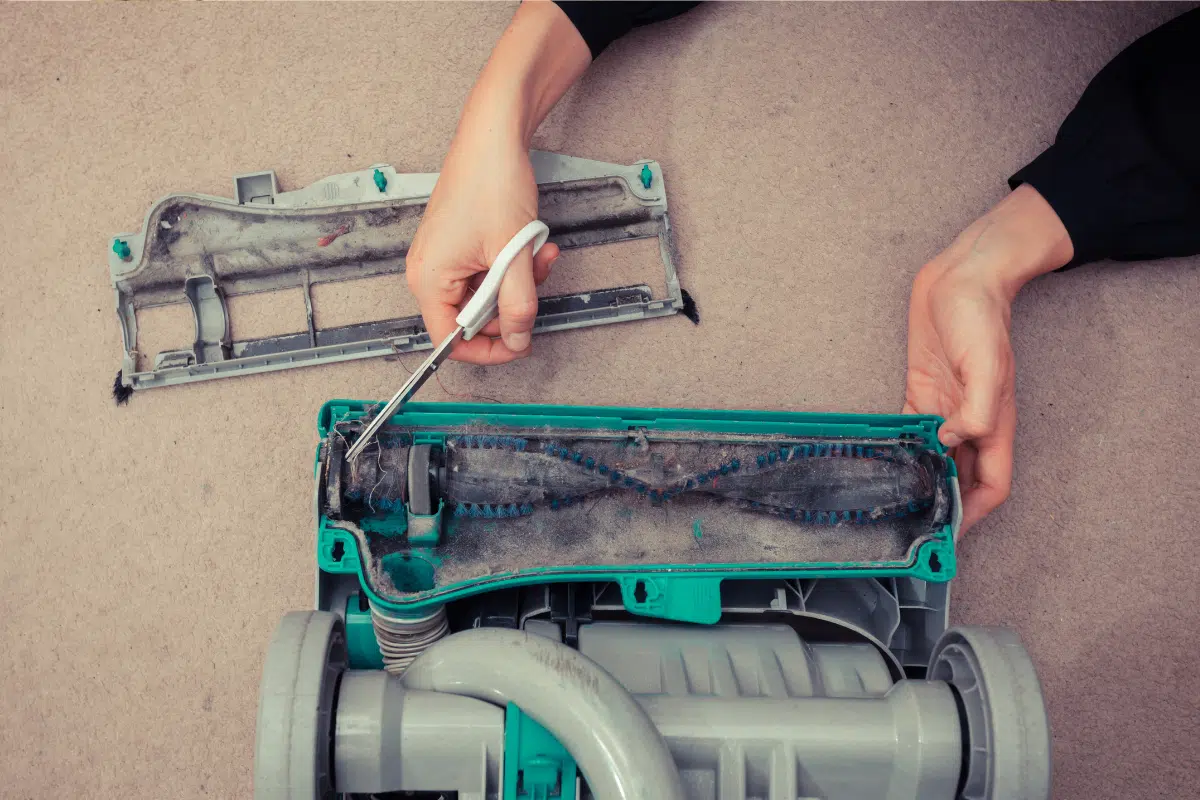
Rather than automatically replacing broken items, more people are learning basic repair skills or seeking professional repairs. Clothing is being mended, furniture refinished, and small appliances fixed instead of discarded. Online tutorials have made many simple repairs easier for beginners to tackle at home. Repairing items often saves money while reducing household waste.
Keeping Smaller Social Circles

Many adults are focusing on a handful of close friendships instead of trying to maintain large social networks. Smaller circles often allow for deeper conversations, stronger trust, and more meaningful connections. Busy schedules also make it difficult to invest equally in dozens of relationships. Quality time with a few trusted friends has become more valuable than a packed social calendar.
Shopping Secondhand First

Thrift stores, consignment shops, online resale platforms, and community marketplaces have become regular shopping destinations for many families. People are finding quality furniture, clothing, décor, and children’s items at significantly lower prices than buying new. Shopping secondhand also extends the life of useful products and helps reduce waste. What was once seen primarily as a budget option has become a mainstream shopping strategy.
This post may contain affiliate links or sponsored content. Disclosure Policy