8 Foods That Are Better Stored Somewhere Other Than Plastic
Plastic containers are convenient, affordable, and widely used in nearly every kitchen. But when it comes to certain foods, they may not be the best storage option. Heat, acidity, oils, and fermentation can all interact with plastic in ways that affect freshness, odor, and in some cases, food quality over time. Food safety experts often recommend using glass, stainless steel, or ceramic containers for specific types of foods to help preserve taste and reduce unnecessary exposure to breakdown byproducts. Here are eight foods that are better stored in alternative containers when possible.
Tomato Sauce and Other Acidic Foods
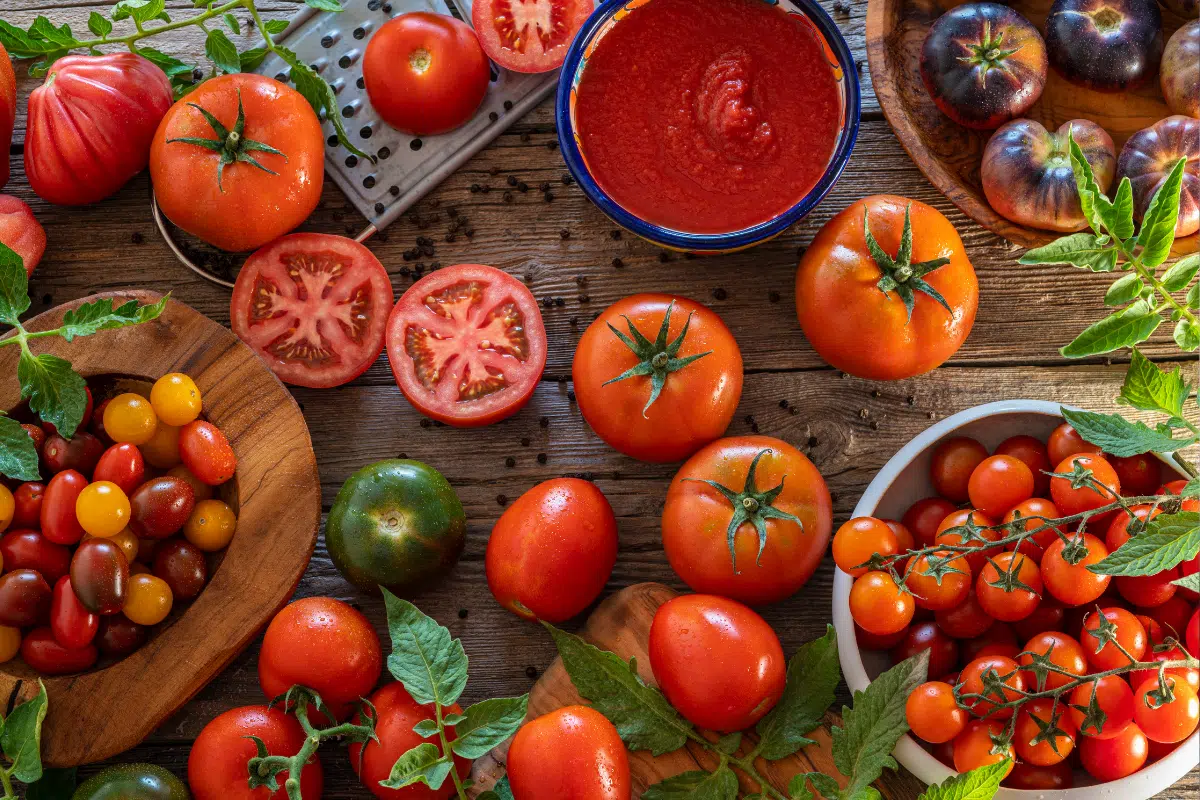
Acidic foods like tomato sauce, citrus-based dishes, and vinegar-heavy dressings can interact with plastic over time. This may lead to staining, lingering odors, and gradual wear on the container surface. Even high-quality plastics can retain strong tomato or citrus smells after repeated use. Glass containers are a more stable option for acidic foods because they don’t absorb color or odor. They also help maintain flavor integrity during storage. For long-term storage, especially, glass is often preferred.
Hot Soups and Stews
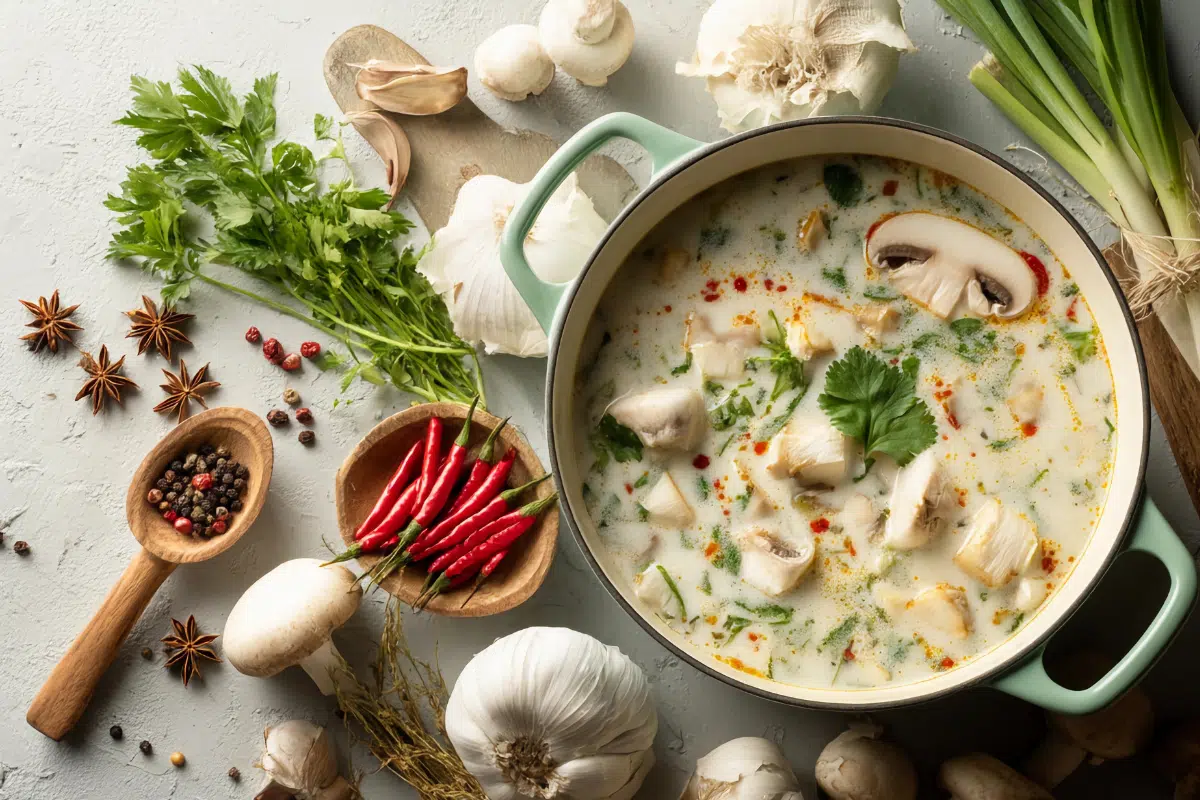
Storing hot soups or stews directly in plastic containers can cause warping or softening of the material. In some cases, heat may also increase the likelihood of chemical migration from lower-quality plastics. Allowing food to cool slightly before storing is always recommended. For best results, many kitchens use heat-safe glass containers for soups and liquid-based meals. These help maintain temperature stability and prevent flavor changes. They’re also easier to reheat safely when needed.
Greasy or Oily Foods
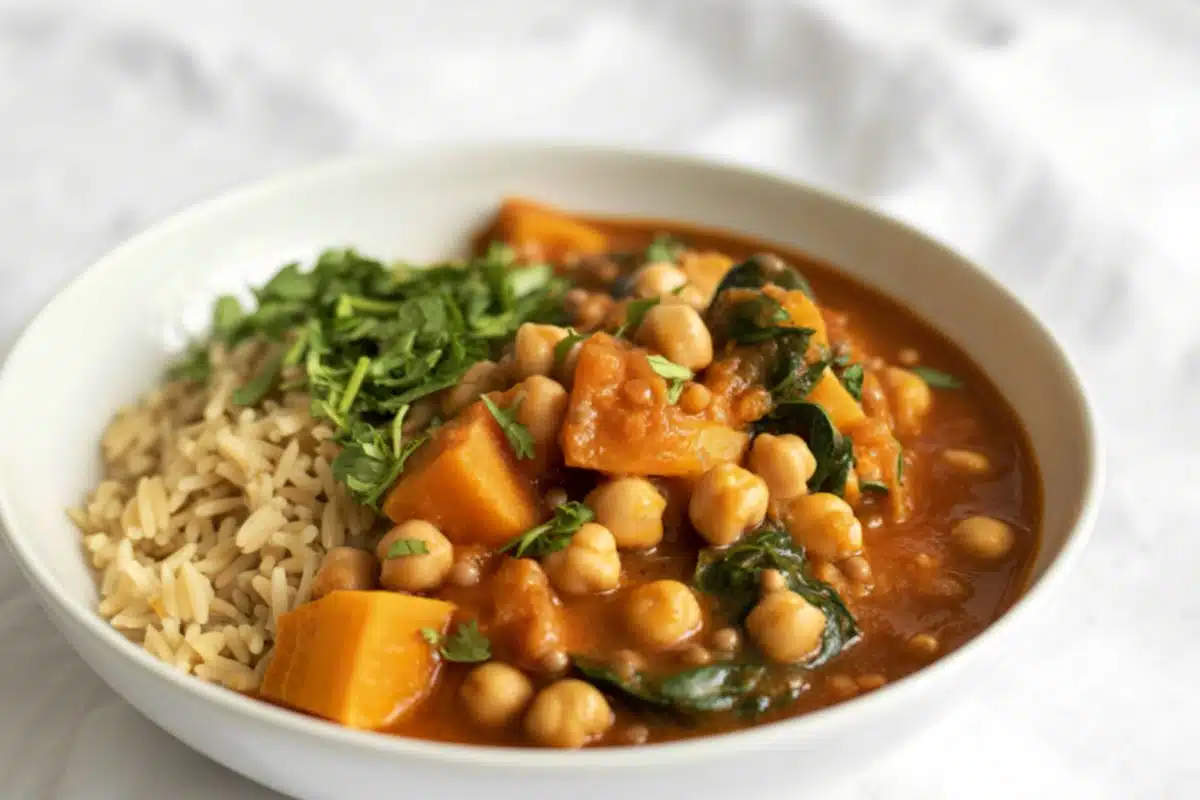
Foods rich in oils—such as pasta dishes, curries, or buttery sauces—can be difficult to store in plastic over time. Oils tend to cling to plastic surfaces, which can lead to lingering odors and gradual staining. With repeated use, this may make containers harder to clean thoroughly. Glass or stainless steel containers are more resistant to oil absorption. They also help preserve the food’s original flavor without leaving residual odors. This makes them a better option for long-term storage.
Leftover Takeout with Strong Spices
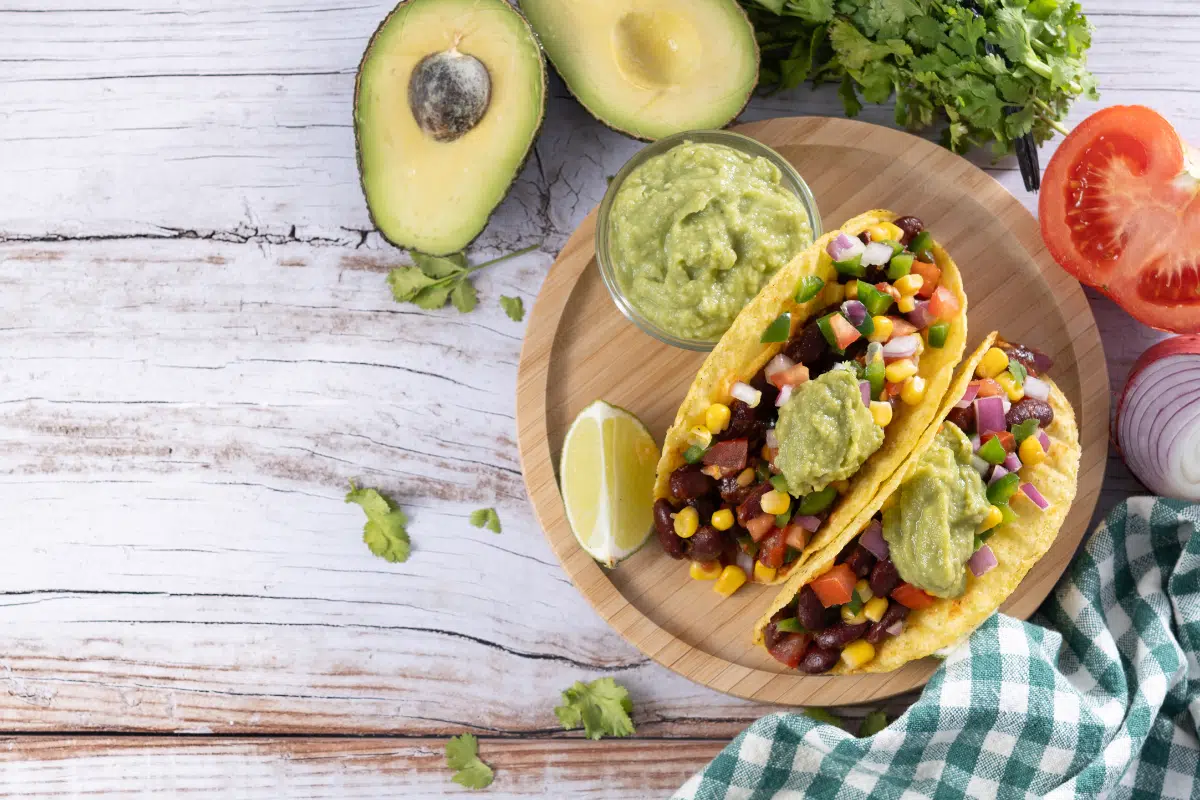
Heavily spiced foods like Indian, Thai, or Mexican dishes often contain ingredients such as turmeric, chili oil, and cumin. These spices can stain plastic containers quickly and leave behind strong odors that are difficult to remove. Even after washing, the scent may remain. Glass containers do not absorb pigments or odors in the same way. They help keep leftovers fresh without altering future meals stored in the same container. This makes them especially useful for bold, flavorful dishes.
Fresh Herbs
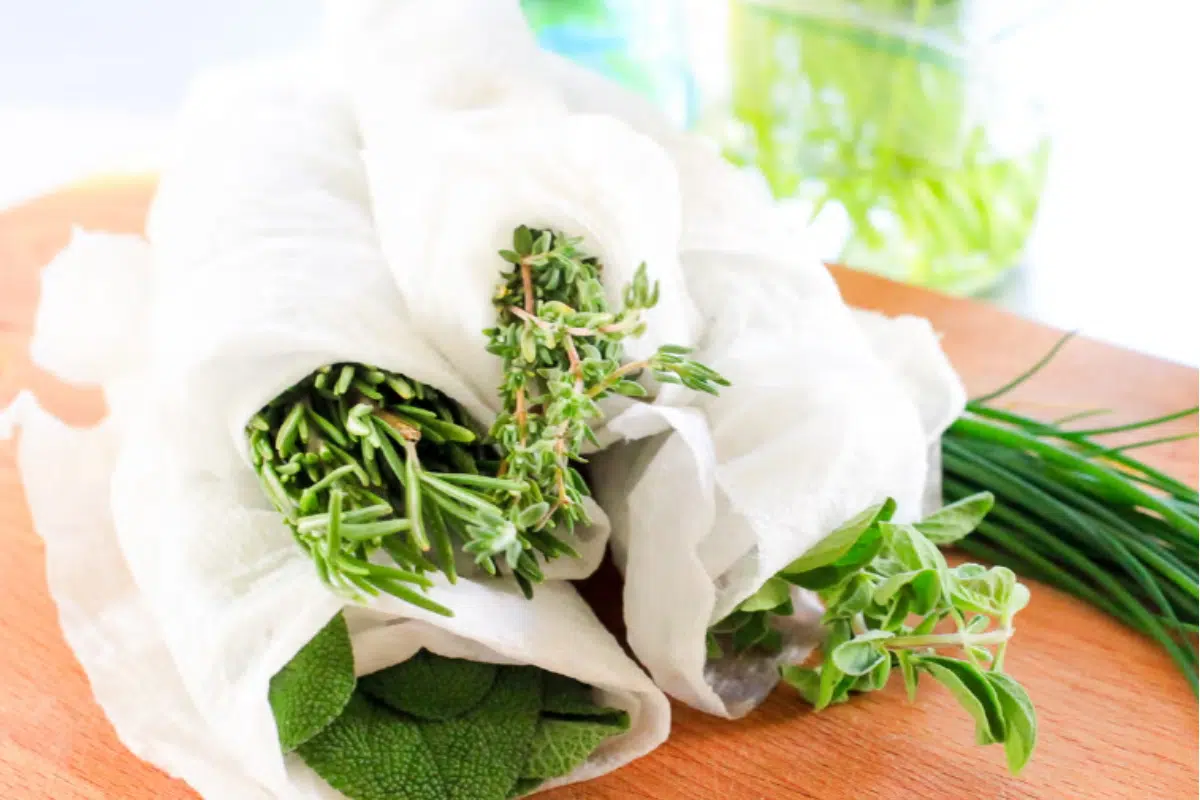
Delicate herbs such as basil, cilantro, and parsley tend to wilt quickly when stored in sealed plastic containers. Lack of airflow and excess moisture can speed up spoilage. As a result, herbs may lose freshness faster than expected. A better method is to store herbs in a glass jar with a small amount of water, similar to fresh flowers, or use breathable storage methods. This helps maintain texture and flavor for longer. Proper storage can significantly extend their usability.
Cheeses
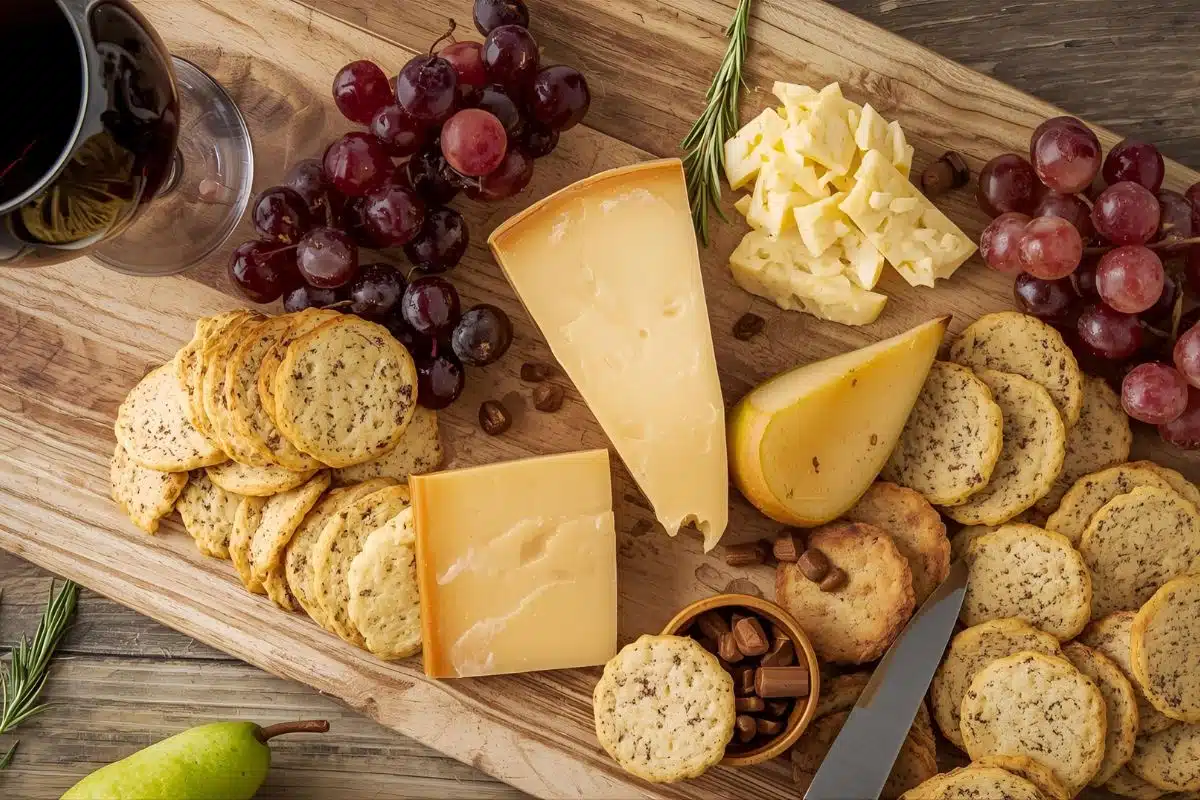
Cheese requires a balance of moisture and airflow to stay fresh, which tightly sealed plastic containers don’t always provide. Soft cheeses in particular can become overly moist, while hard cheeses may dry out unevenly. Over time, plastic can also trap odors that affect flavor. Many cheese enthusiasts prefer parchment paper or wax paper, followed by a loose outer wrap. This allows the cheese to breathe while still being protected. Specialized cheese paper or breathable containers can also help extend freshness.
Fermented Foods
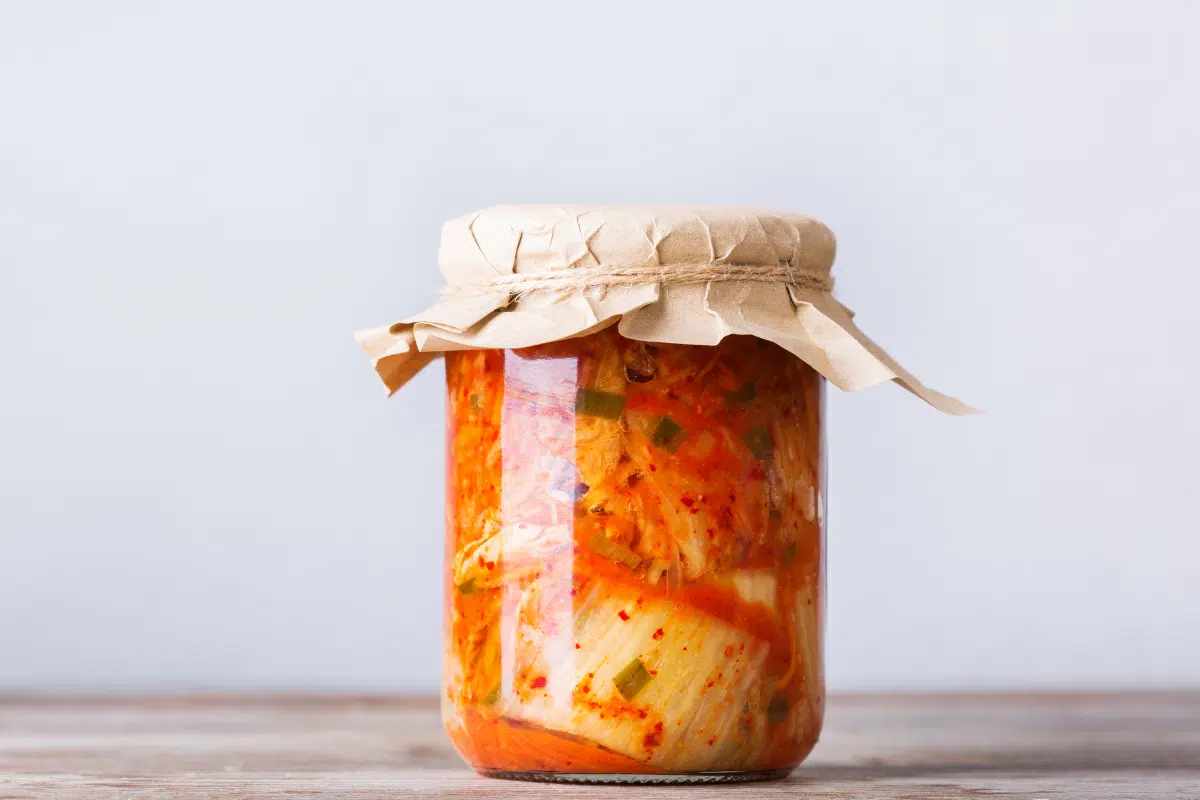
Fermented foods like kimchi, sauerkraut, and pickles continue to release gases during storage. In tightly sealed plastic containers, this pressure can build up and cause lids to bulge or containers to weaken over time. The acidity of these foods may also interact with plastic surfaces. Glass jars with loosely fitted lids or fermentation-safe containers are generally preferred. These allow gases to escape safely while preserving flavor and texture. They also make it easier to monitor the fermentation process.
Leftovers You Plan to Reheat
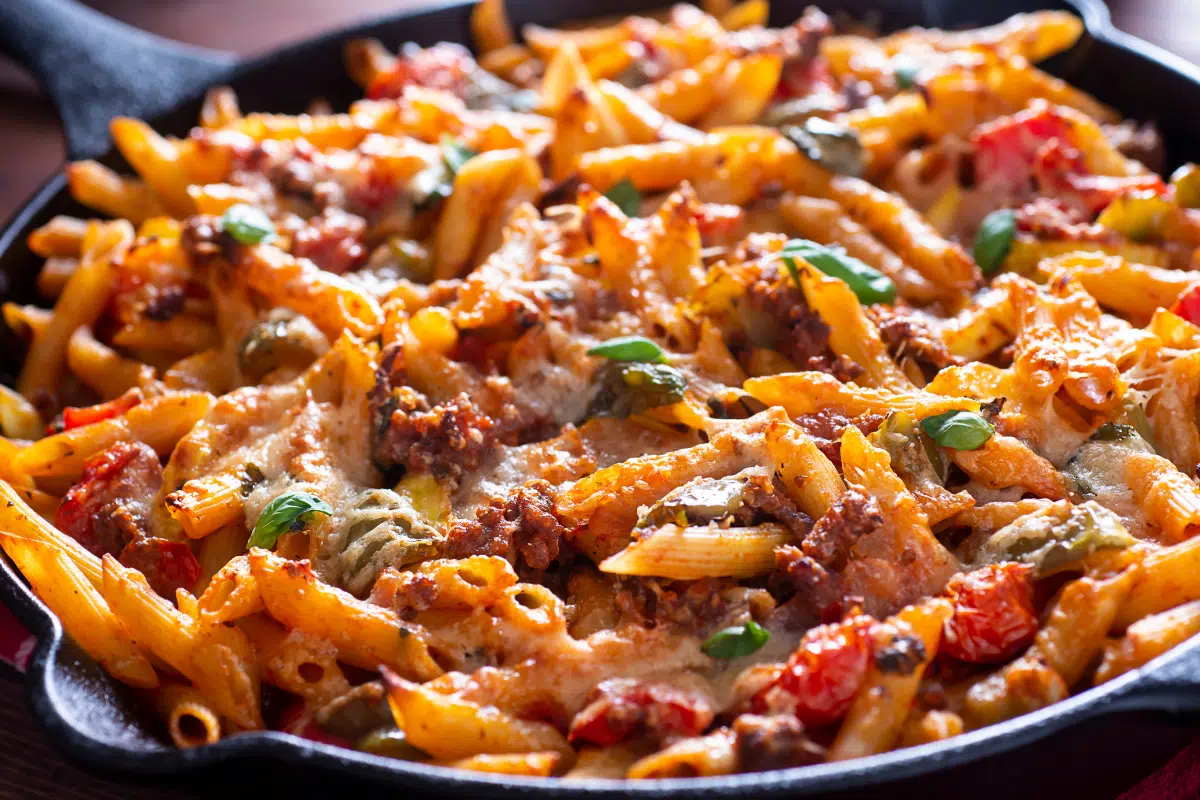
While many plastic containers are labeled microwave-safe, repeated heating can still cause warping or wear over time. Some food safety experts suggest using glass for meals that will be reheated frequently, especially hot or oily dishes. This helps reduce potential changes in taste or texture. Glass containers also distribute heat more evenly in the microwave or oven. They are generally more durable for long-term reheating use. For regular leftovers, they offer a more stable storage solution overall.
This post may contain affiliate links or sponsored content. Disclosure Policy