
9 Causes of Cloudy Granite Countertops and How to Fix Them
Granite countertops are prized for their durability and natural beauty, but even this tough stone can lose its shine over time. If your countertops have started looking dull, hazy, or cloudy, it doesn’t necessarily mean they’re permanently damaged. In many cases, the problem is caused by everyday cleaning habits, hard water deposits, or residue that can be corrected with the right approach. Before assuming it’s time for a costly replacement, take a look at these common reasons granite countertops become cloudy—and what you can do to restore their natural luster.
Soap Residue Has Built Up Over Time
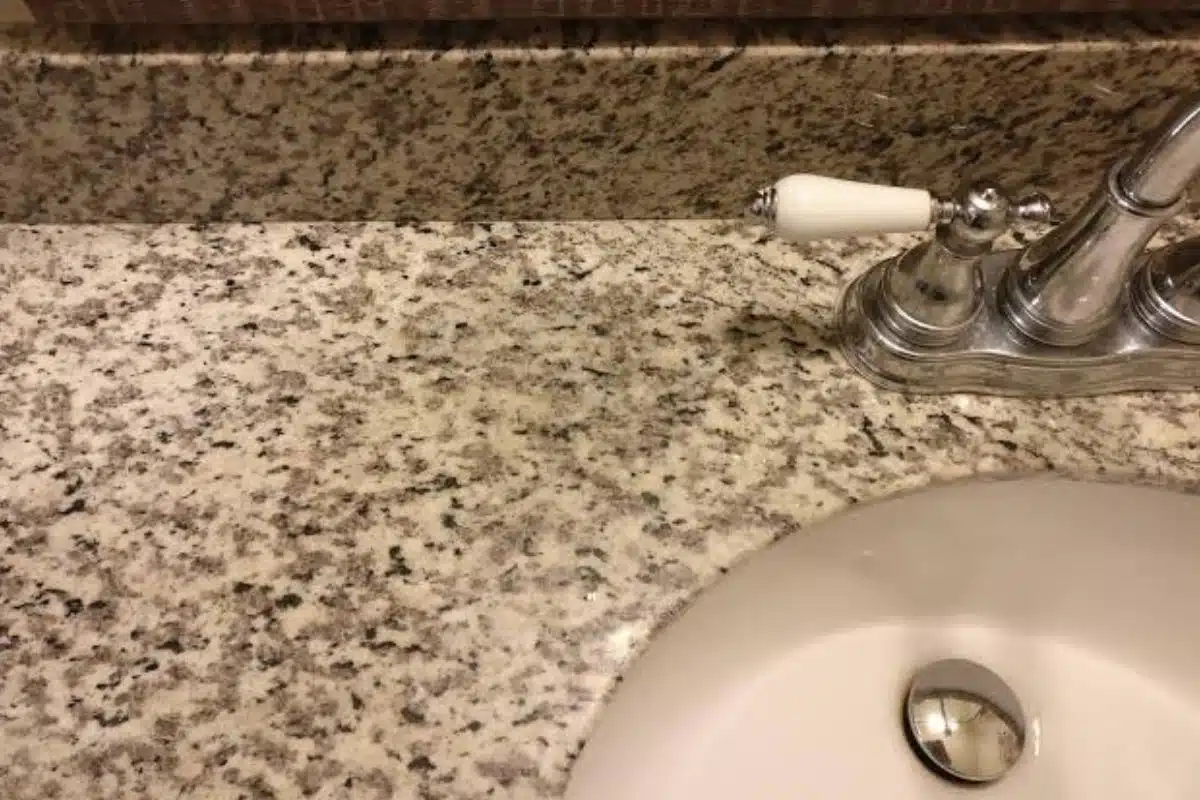
A countertop may appear cloudy simply because of a layer of soap residue left behind by everyday cleaning. Dish soap and some household cleaners can create a thin film that dulls granite’s natural shine, especially if the surface isn’t rinsed thoroughly. To fix it, wipe the countertop with a cleaner specifically formulated for natural stone or use warm water with a microfiber cloth to remove buildup. Dry the surface completely after cleaning to help prevent streaks.
Hard Water Mineral Deposits
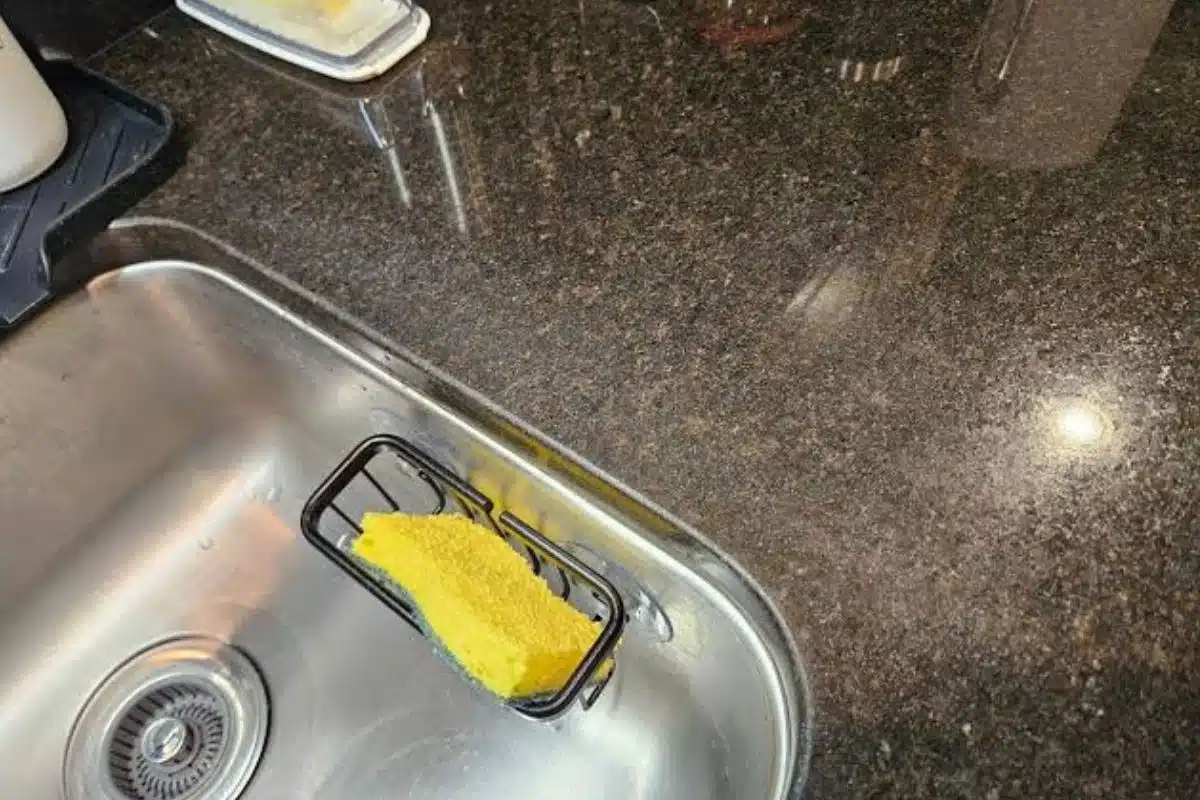
If you live in an area with hard water, minerals like calcium and magnesium can leave behind a cloudy film near faucets and sinks. These deposits become more noticeable as they accumulate over time. A stone-safe hard water remover or a granite cleaner designed to dissolve mineral buildup can often restore the finish. Avoid using harsh acidic cleaners like vinegar or lemon juice, which can damage certain stone sealers and nearby surfaces.
The Countertop Needs to Be Resealed

Granite is naturally porous, and while it doesn’t need constant sealing, the protective sealer gradually wears away. When that happens, moisture and residue may penetrate the surface, making it appear dull or uneven. You can test the sealer by placing a few drops of water on the countertop. If the water quickly absorbs into the stone instead of beading up, it’s probably time to apply a fresh coat of granite sealer according to the manufacturer’s instructions.
Cleaning Products Are Leaving Behind a Film
Not every kitchen cleaner is safe for natural stone. Products that contain waxes, silicones, or shine enhancers may temporarily make the countertop look glossy but often leave behind a residue that becomes cloudy over time. Switch to a pH-balanced cleaner made specifically for granite and natural stone. Consistently using the right product helps prevent future buildup while protecting the countertop’s finish.
Grease and Cooking Oils Have Accumulated

Cooking oils, butter, and food splatters can create an invisible layer that gradually dulls the appearance of granite. This is especially common around the stove and food preparation areas. Regularly cleaning with a stone-safe degreasing cleaner and a soft microfiber cloth can remove oily residue without harming the stone. Wiping spills promptly also helps prevent buildup from becoming more difficult to remove.
Etching or Surface Damage Is Being Mistaken for Cloudiness
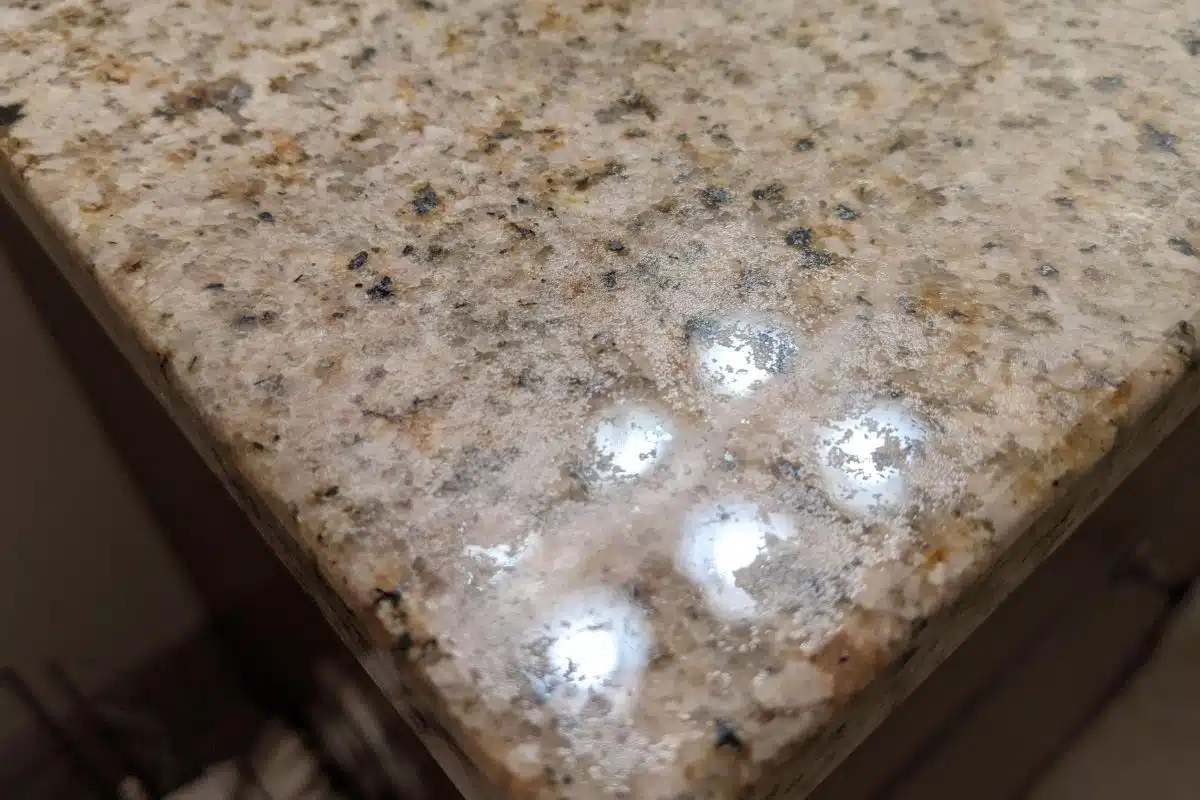
While granite is more resistant to etching than marble, some varieties contain minerals that can be affected by strong acidic substances or abrasive cleaning products. Small etched areas may appear lighter or hazier than the surrounding stone. If cleaning doesn’t improve the appearance, the surface may require professional polishing or refinishing. Avoid abrasive scrub pads that could make the damage more noticeable.
Fine Scratches Are Dulling the Finish
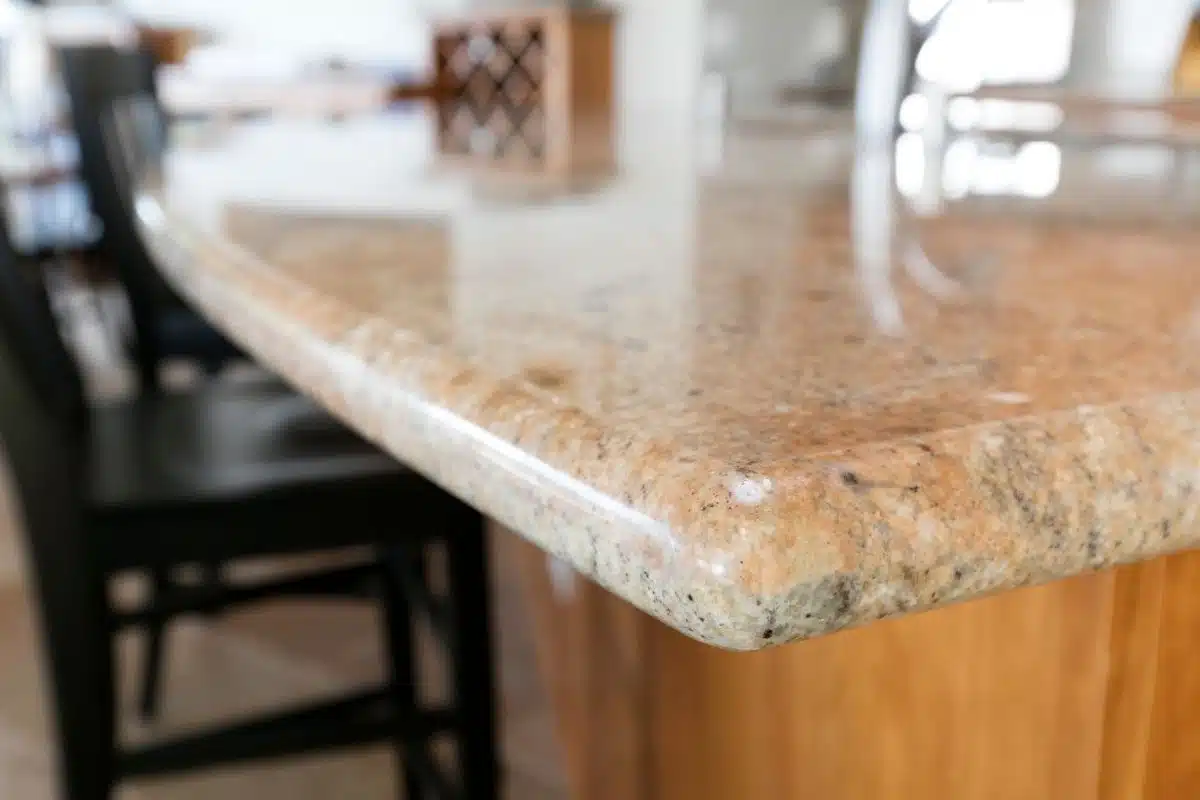
Years of sliding heavy cookware, small appliances, or decorative items across the countertop can create tiny surface scratches. Although they’re often difficult to see individually, together they can reduce the stone’s overall shine. Using cutting boards, protective pads, and lifting heavy objects instead of dragging them can help prevent additional wear. If scratches are widespread, a stone restoration professional may be able to polish the surface.
Moisture Is Trapped Beneath a Topical Coating
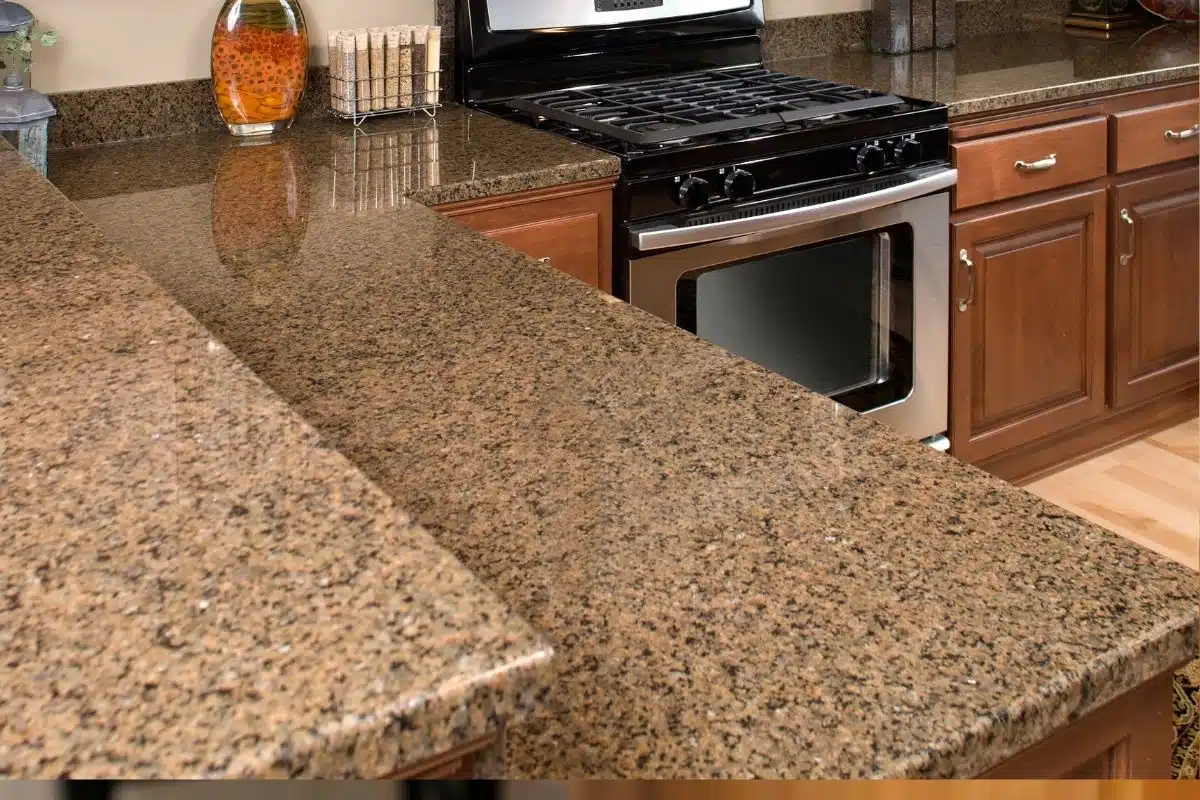
Some homeowners unknowingly apply countertop waxes, acrylic finishes, or other coatings that aren’t recommended for granite. If moisture becomes trapped beneath these products, the countertop can develop a cloudy or uneven appearance. Removing these coatings often requires a stone-safe stripping product or professional assistance. Once removed, the granite can usually be cleaned and properly sealed without the need for additional surface coatings.
The Granite Simply Needs a Deep Cleaning
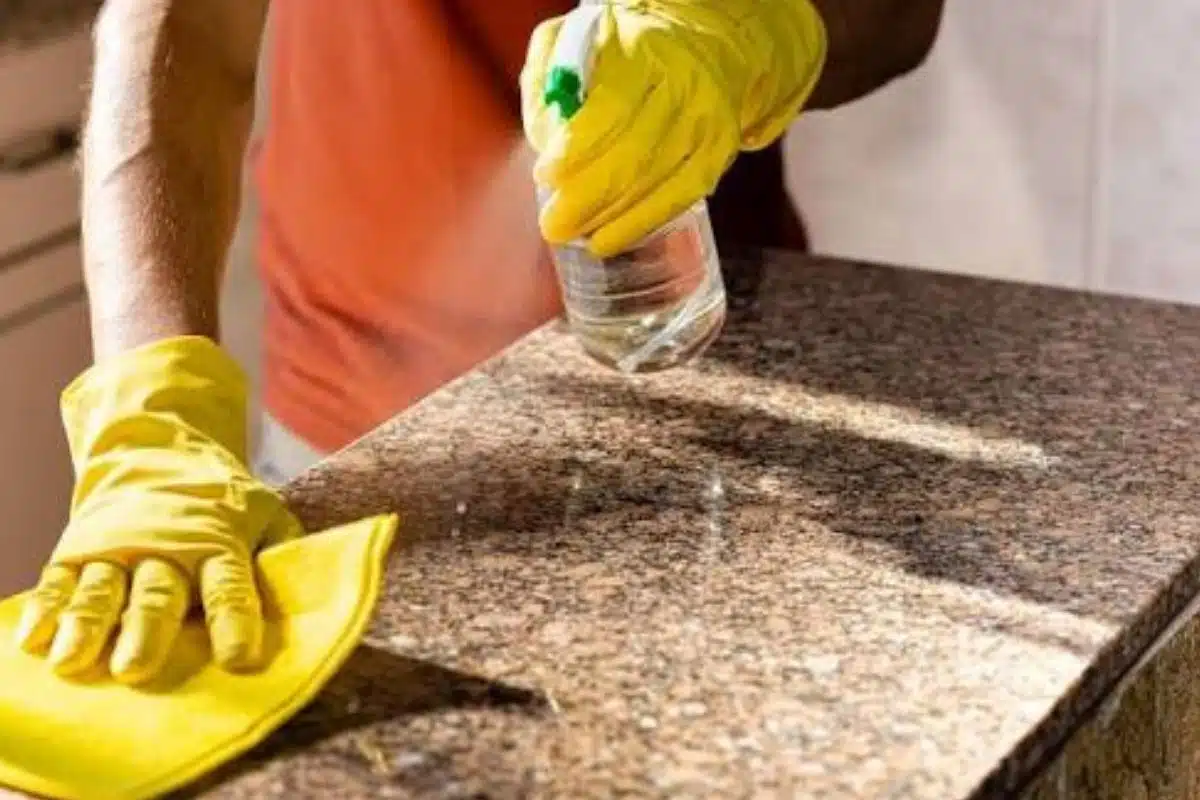
Sometimes the solution is surprisingly simple. Everyday dust, cooking residue, fingerprints, and airborne grease can gradually accumulate, making granite appear lifeless even when it isn’t damaged. A thorough cleaning with a quality granite cleaner, followed by buffing with a clean microfiber cloth, often restores much of the stone’s natural beauty. Making this part of your regular cleaning routine helps keep countertops looking polished for years to come.
This post may contain affiliate links or sponsored content. Disclosure Policy