7 Reasons You Should Never Wash Coffee Grounds Down the Drain
After brewing a fresh pot of coffee, it may seem harmless to rinse the used grounds down the kitchen sink. While a small amount might disappear without an immediate problem, making it a regular habit can lead to clogged pipes, plumbing repairs, and even issues for your local wastewater system. Unlike many food scraps, coffee grounds don’t dissolve in water, which is why plumbers consistently recommend keeping them out of your drains. Here are seven important reasons to toss coffee grounds in the trash or compost bin instead of washing them down the drain.
Coffee Grounds Don’t Dissolve in Water
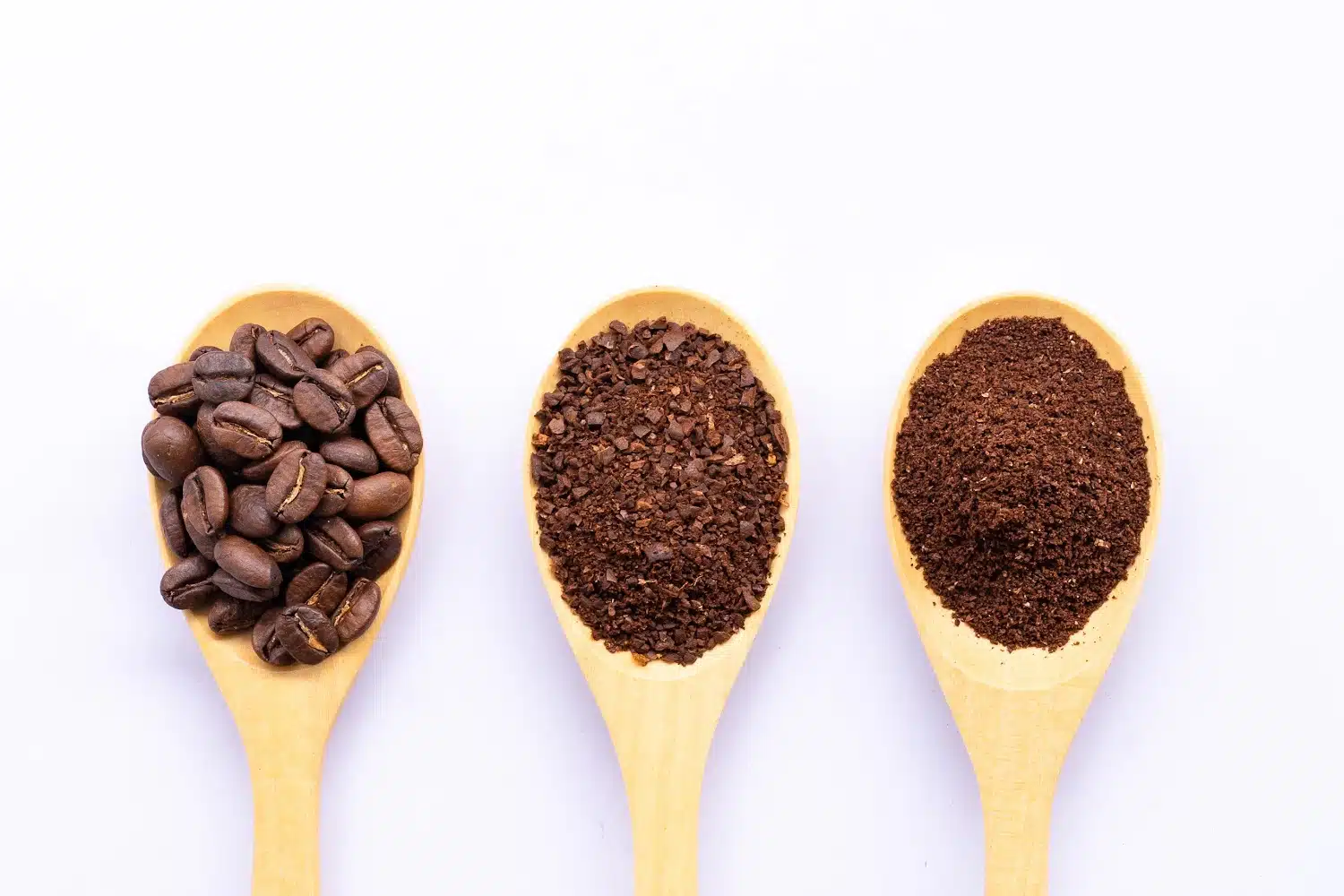
One of the biggest misconceptions is that coffee grounds break apart once they’re rinsed down the sink. In reality, they remain solid and can accumulate inside your plumbing over time. Instead of dissolving, the grounds settle along the inside of pipes, especially in areas where water flow slows down. Even if your drain seems fine today, repeated rinsing can gradually create stubborn blockages that are much harder to remove.
They Can Combine With Grease to Create Tough Clogs
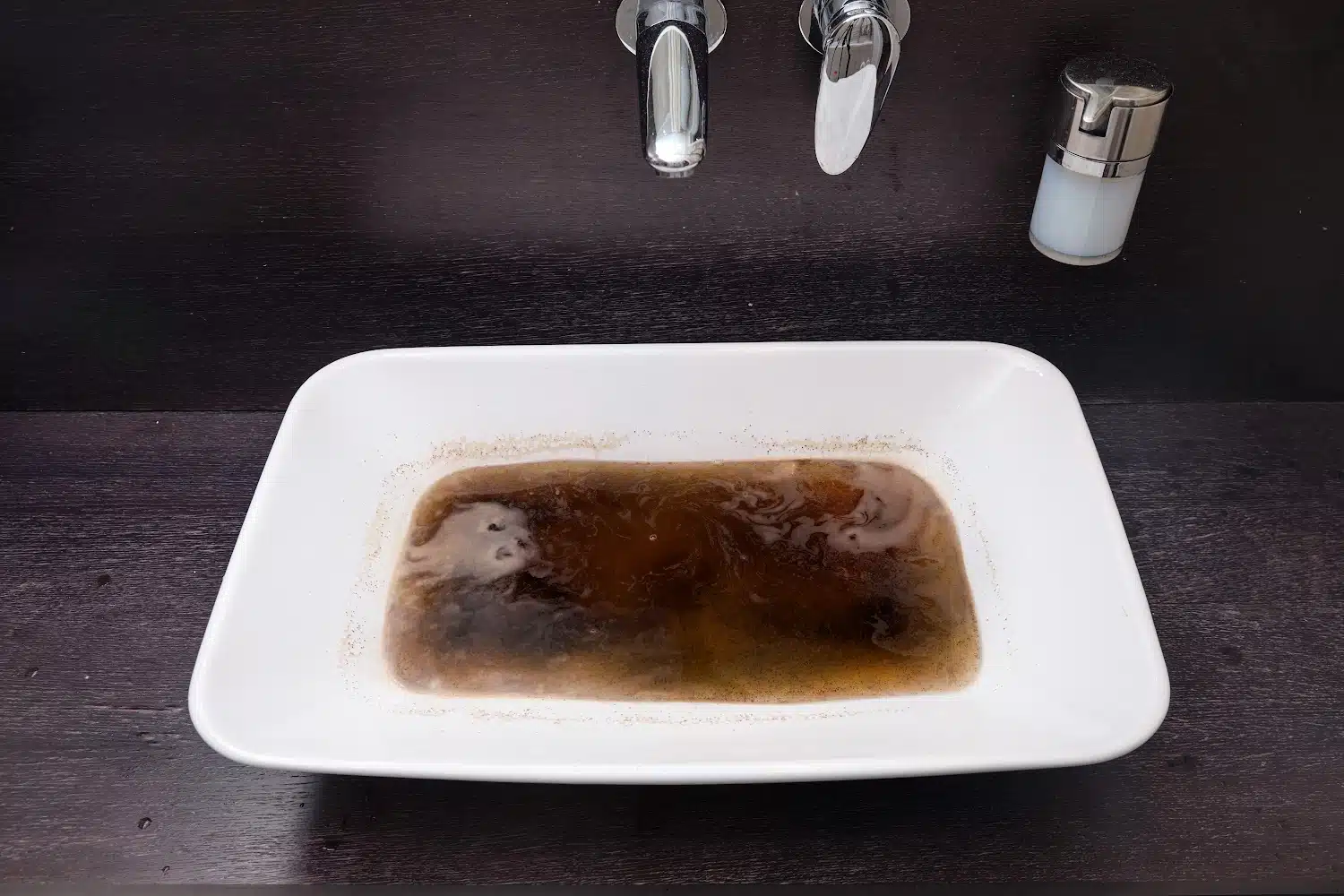
Coffee grounds become even more problematic when they’re mixed with cooking grease, oils, or butter that have also gone down the drain. The grease acts like glue, trapping the grounds and other food particles into thick masses that cling to pipe walls. These clogs often build slowly, meaning you may not notice a problem until water begins draining much more slowly or stops altogether.
Garbage Disposals Aren’t Designed for Coffee Grounds
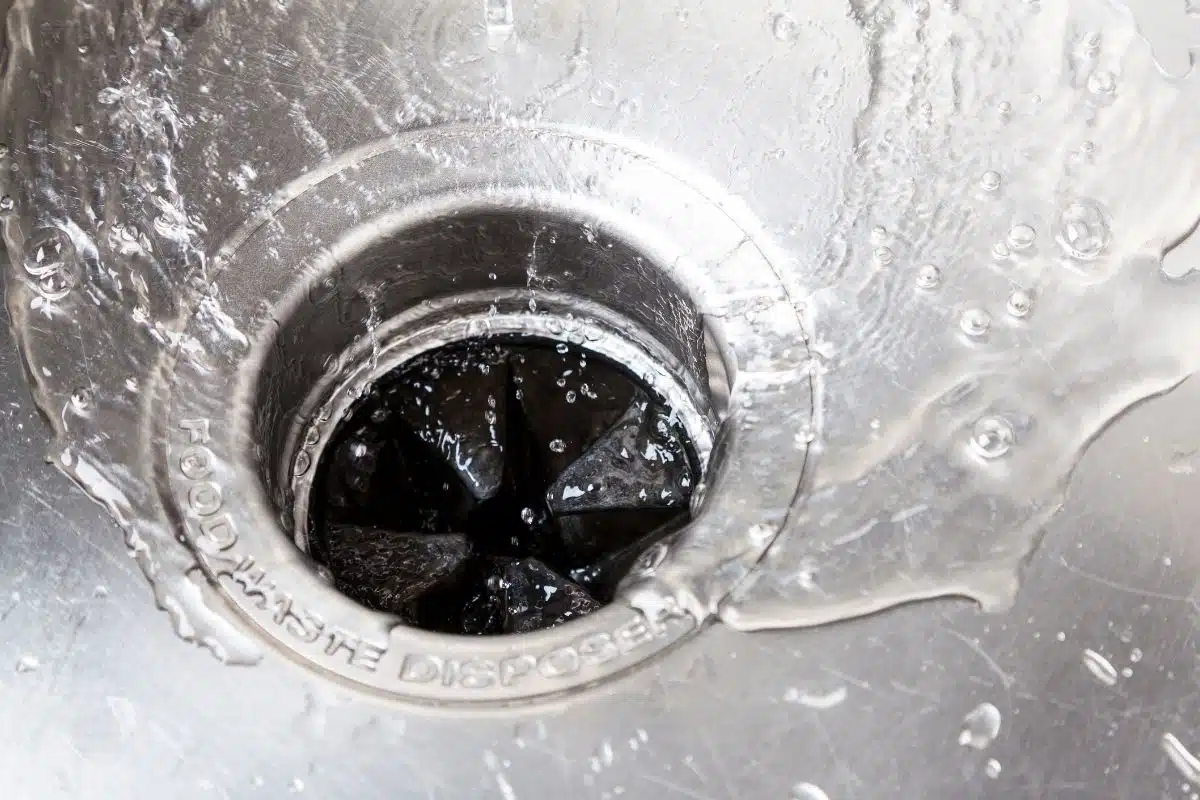
Many people assume that having a garbage disposal makes it safe to rinse coffee grounds down the sink. Unfortunately, that’s not how disposals work. A garbage disposal chops up food scraps, but it doesn’t dissolve them. Coffee grounds often pass through largely unchanged and can collect in your plumbing, increasing the risk of clogs farther down the line.
They May Contribute to Sewer Line Problems
Once coffee grounds leave your home’s plumbing, they don’t simply disappear. Large amounts can continue traveling through municipal sewer systems, where they may contribute to blockages when combined with grease and other debris. Many wastewater utilities encourage residents to keep coffee grounds out of drains because preventing these materials from entering the sewer system helps reduce maintenance issues and costly repairs.
They Can Shorten the Life of Older Plumbing
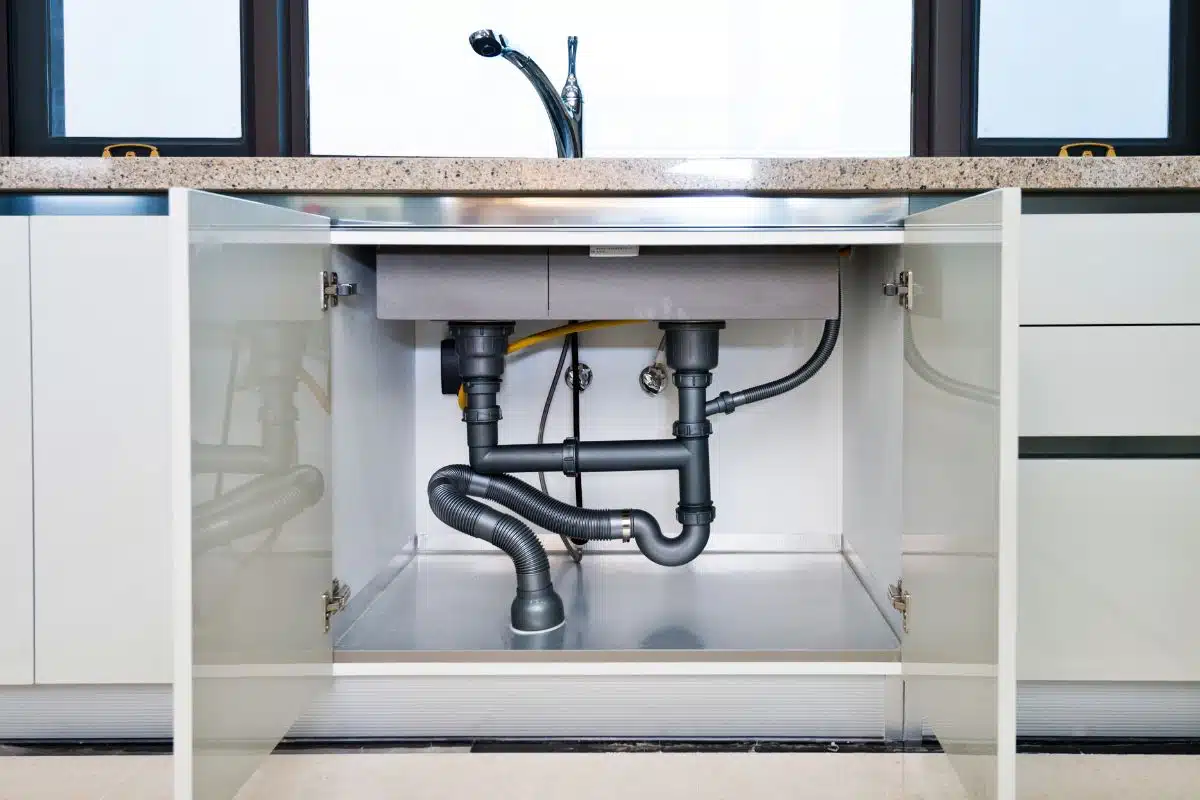
If your home has aging pipes, repeatedly sending coffee grounds through them can increase wear over time. Older plumbing often has rougher interior surfaces where grounds are more likely to collect. As buildup increases, water flow becomes restricted, making future clogs more likely and potentially leading to expensive plumbing service.
Composting Coffee Grounds Is a Better Option
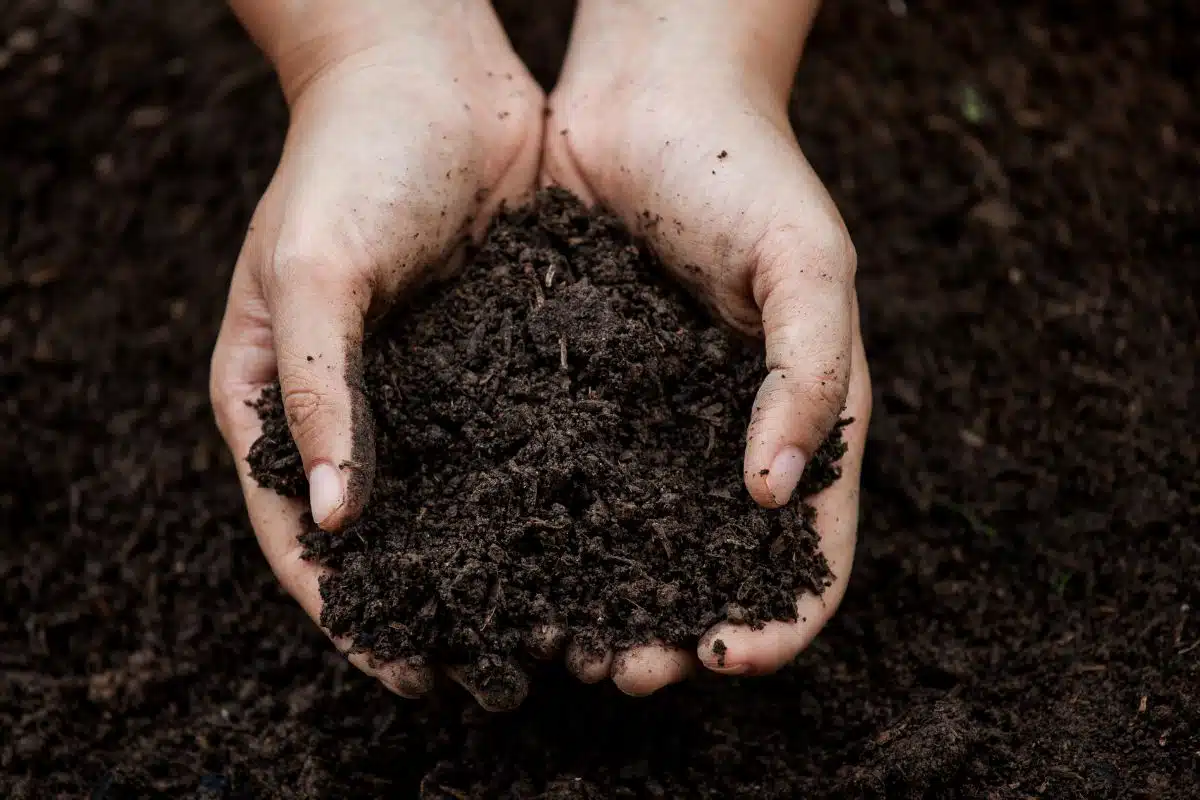
Instead of sending coffee grounds down the drain, consider putting them to good use. Coffee grounds are rich in organic matter and make an excellent addition to many compost piles. When mixed with other compost ingredients like leaves and food scraps, they help create nutrient-rich compost that can improve garden soil. Just remember that moderation is important, as too many coffee grounds can affect the balance of your compost.
There Are Plenty of Useful Household Uses Instead

Coffee grounds can often be reused around the home before they’re thrown away. They can help absorb odors in the refrigerator, add texture to homemade body scrubs, or be used in certain gardening applications where appropriate. Finding a second life for used coffee grounds not only keeps them out of your plumbing but also reduces household waste. Even if you don’t compost, reusing them is usually a better choice than washing them down the sink.
This post may contain affiliate links or sponsored content. Disclosure Policy