Tomato Growers Swear By These Natural Boosters Found Right at Home
Nothing beats the flavor of a homegrown tomato, but producing plants loaded with juicy, flavorful fruit often comes down to healthy soil and consistent care—not expensive fertilizers. Many experienced gardeners rely on simple household and backyard materials to nourish their tomato plants naturally throughout the growing season. When used correctly, these everyday items can improve soil health, encourage stronger roots, and help plants thrive. Here are some of the most popular natural tomato boosters that gardeners continue to swear by.
Compost
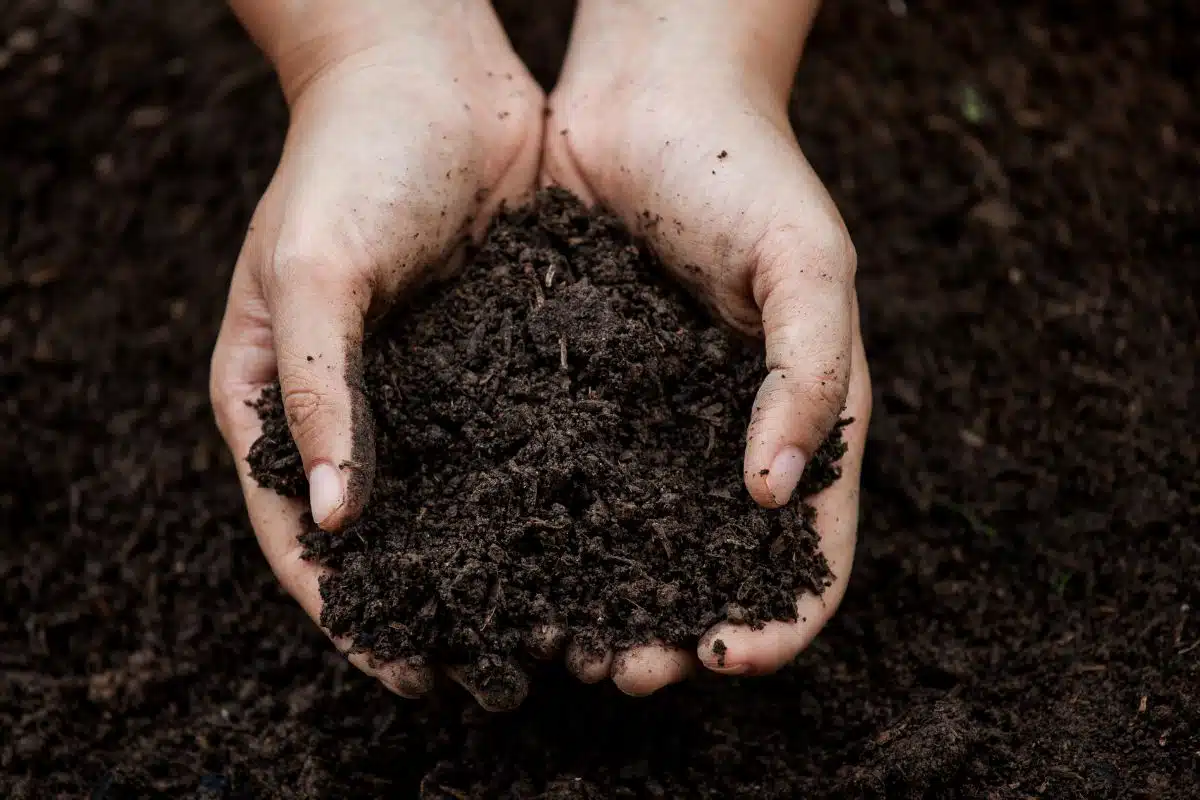
Finished compost is one of the best natural amendments you can give tomato plants. Rich in organic matter, it slowly releases nutrients while improving soil structure and moisture retention. Compost also feeds beneficial microbes that help make nutrients more available to plant roots. Adding a few inches before planting and using it as a side dressing during the season provides tomatoes with steady nourishment.
Crushed Eggshells
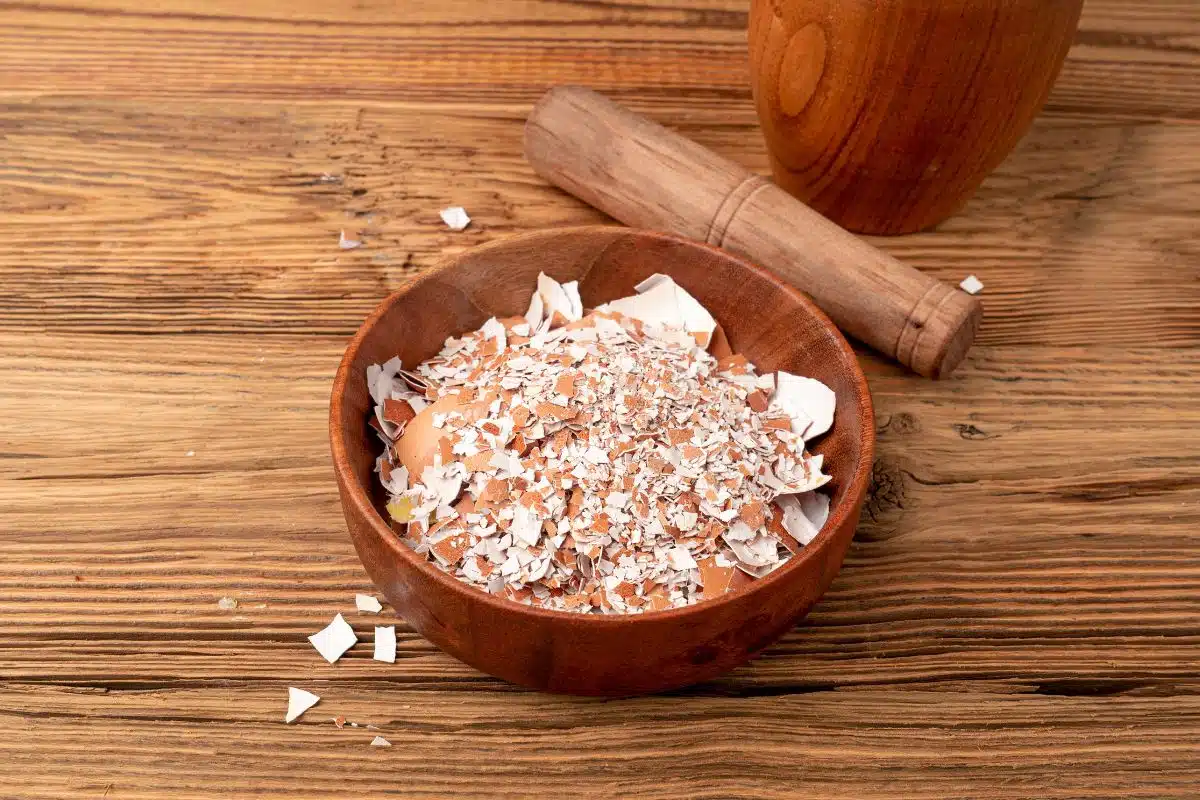
Eggshells are a favorite among home gardeners because they contain calcium, an important nutrient for healthy tomato development. While the calcium breaks down gradually rather than immediately, crushed eggshells can contribute to long-term soil health. They’re best worked into the soil before planting or added to compost rather than placed directly in the planting hole. Finely crushing them helps speed decomposition.
Coffee Grounds
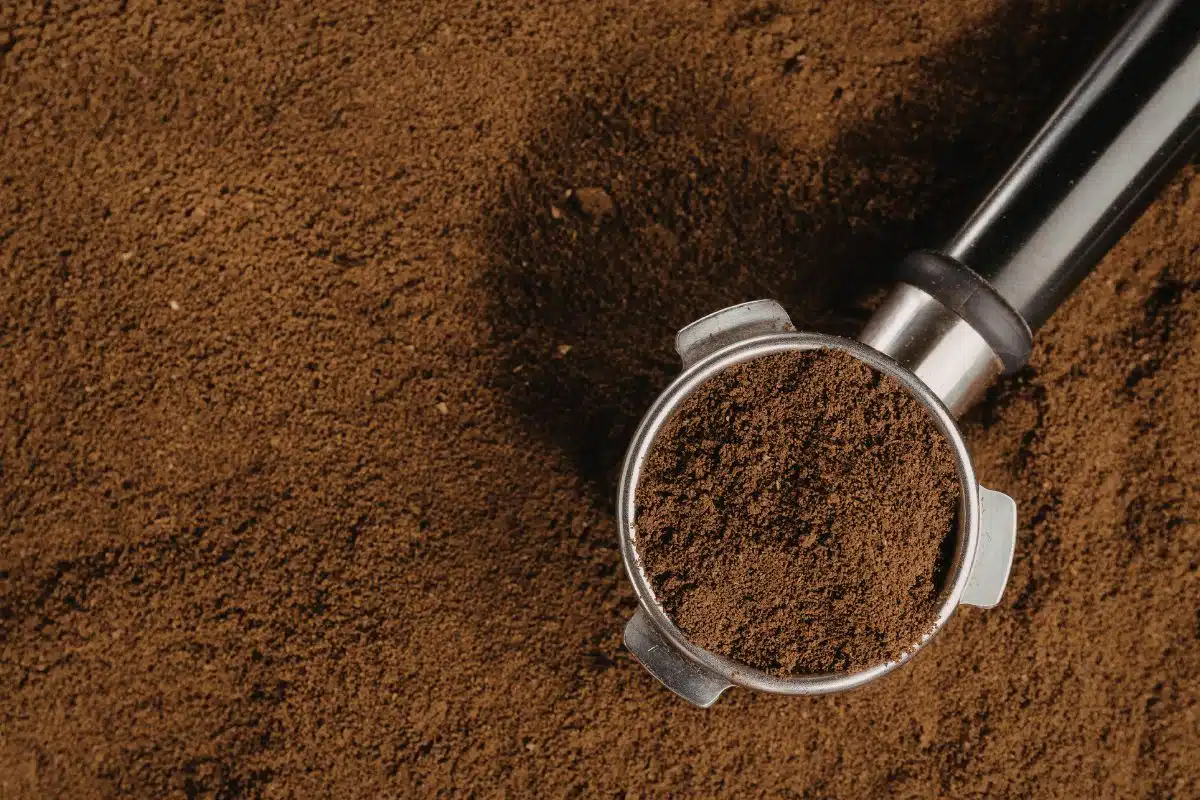
Used coffee grounds can be a helpful addition when incorporated into compost or mixed lightly into garden soil. They contribute organic matter and small amounts of nutrients while encouraging earthworms and beneficial microorganisms. Because fresh coffee grounds can become compacted and may affect soil balance if overused, moderation is key. A thin layer or composted grounds works much better than heavy applications.
Banana Peels
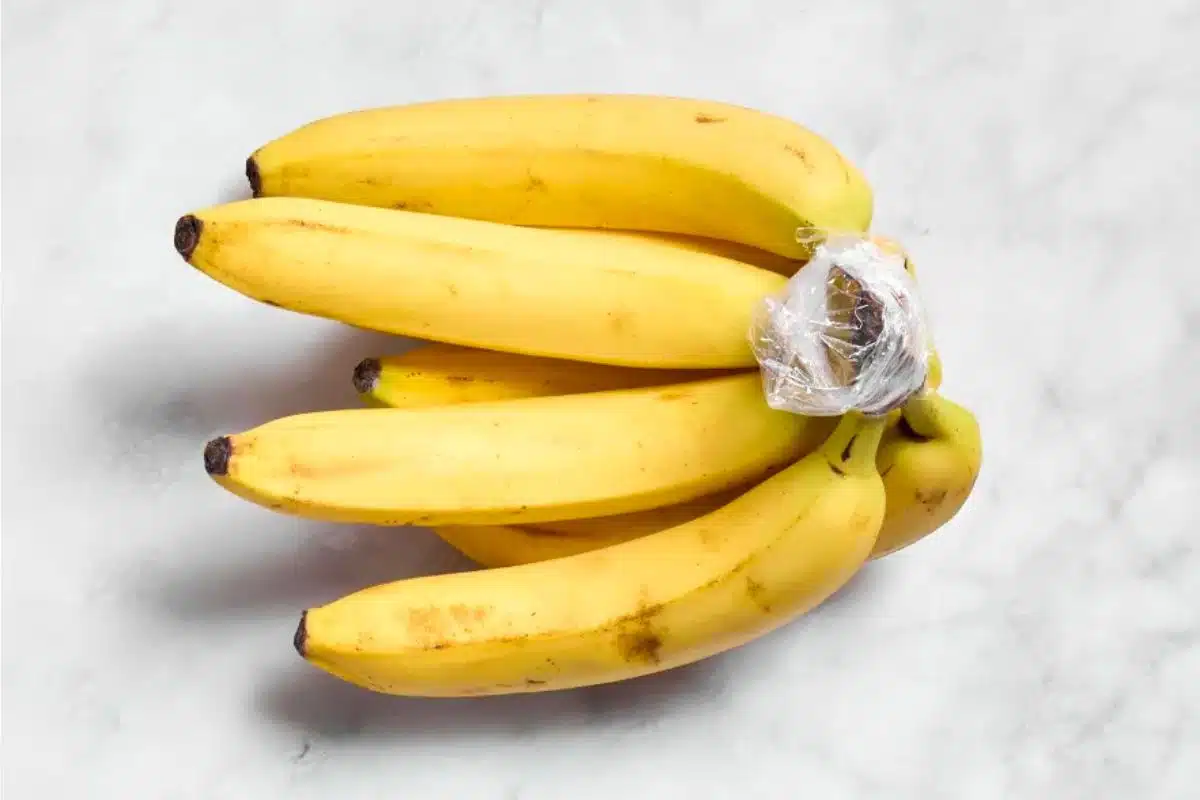
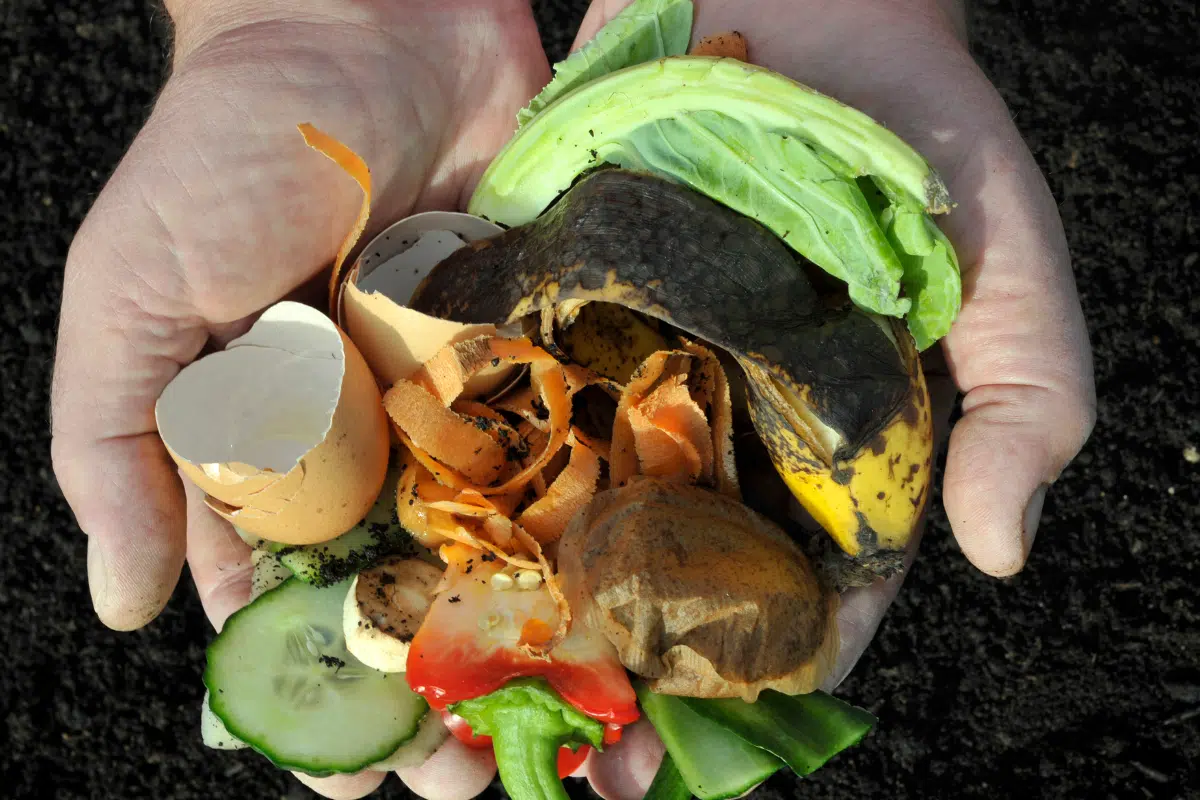
Banana peels contain potassium along with smaller amounts of phosphorus and other nutrients that support healthy plant growth. Instead of burying large pieces beside plants, which can attract pests, chop them into small pieces and add them to your compost pile where they’ll decompose efficiently. Finished compost then returns those nutrients to your garden. This creates a more balanced and effective source of nutrition.
Grass Clippings
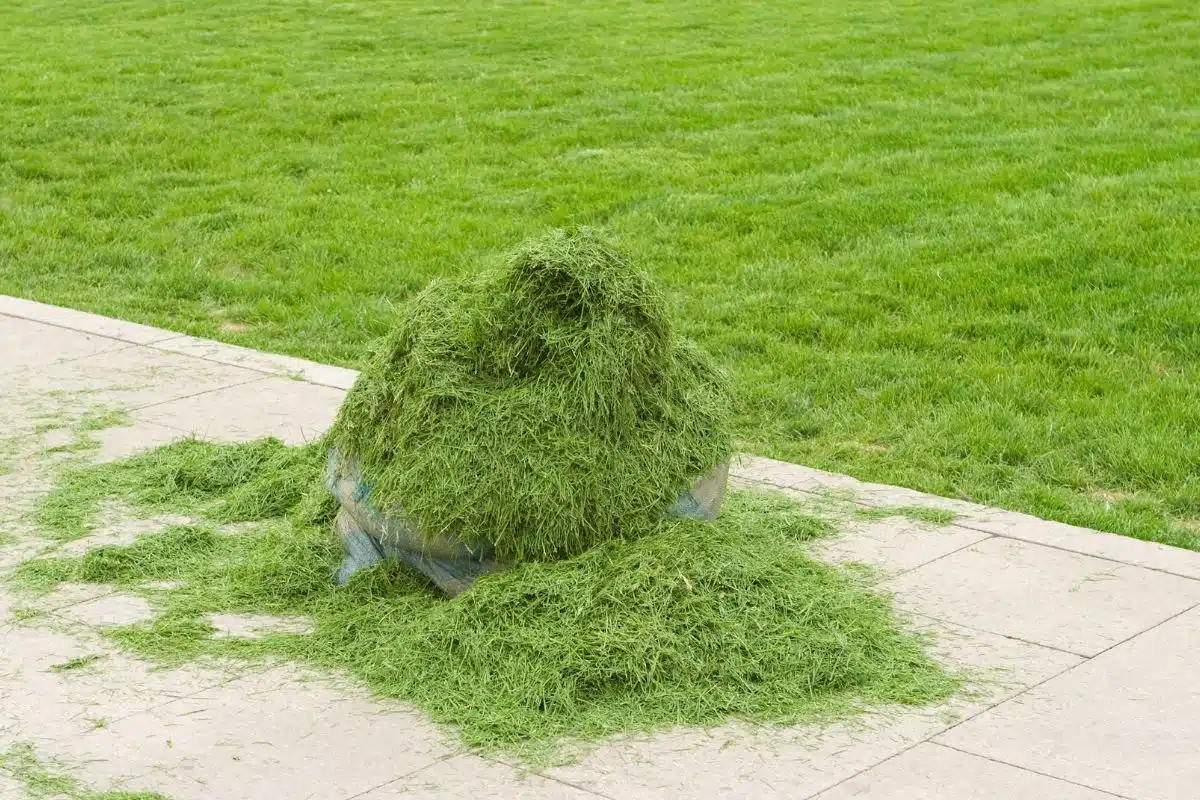
Untreated grass clippings make an excellent mulch around tomato plants. A layer two to three inches thick helps conserve moisture, reduce weeds, and keep soil temperatures more consistent during hot summer weather. As the clippings slowly decompose, they also return nutrients to the soil. Only use clippings from lawns that haven’t been treated with herbicides or pesticides.
Wood Ash
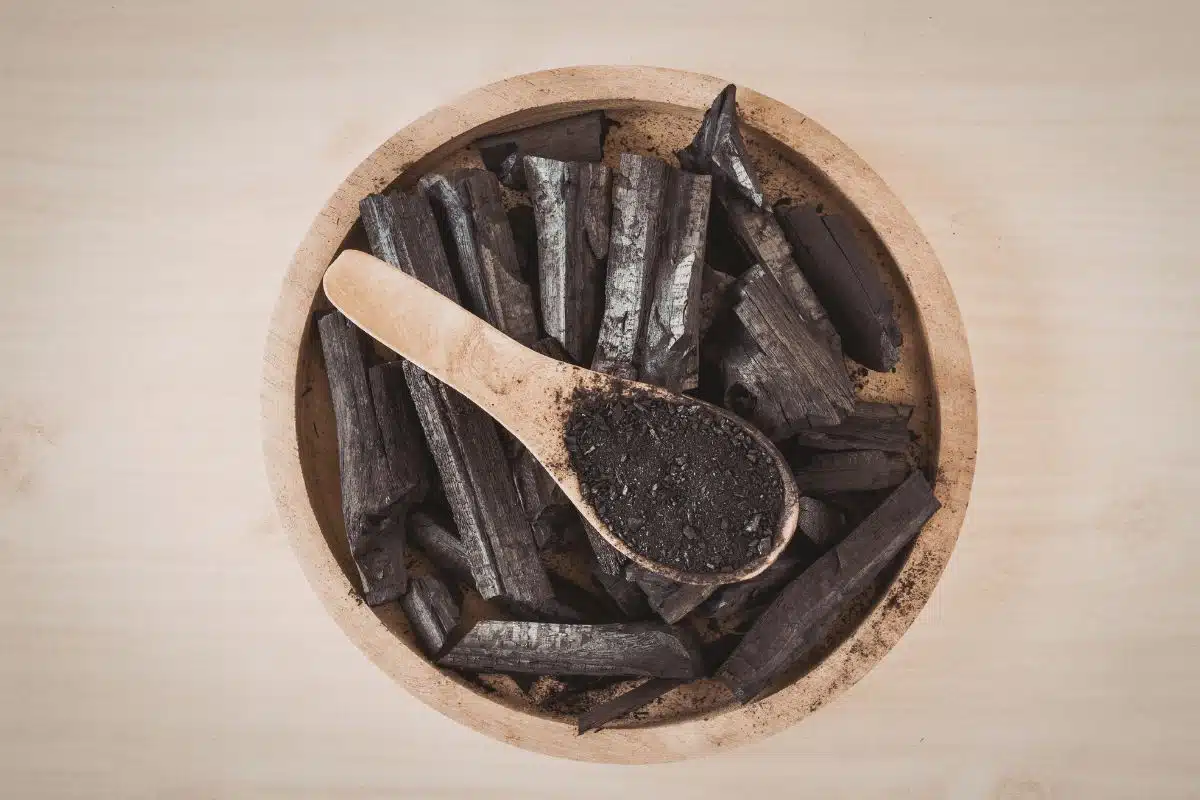
If you have a wood-burning fireplace or fire pit, cooled wood ash can be useful in gardens with acidic soil. Wood ash contains potassium and calcium while helping raise soil pH. Because tomatoes grow best in slightly acidic soil, it’s important not to overapply ash or use it without understanding your soil’s current pH. A soil test is the best way to determine whether wood ash will benefit your garden.
Epsom Salt
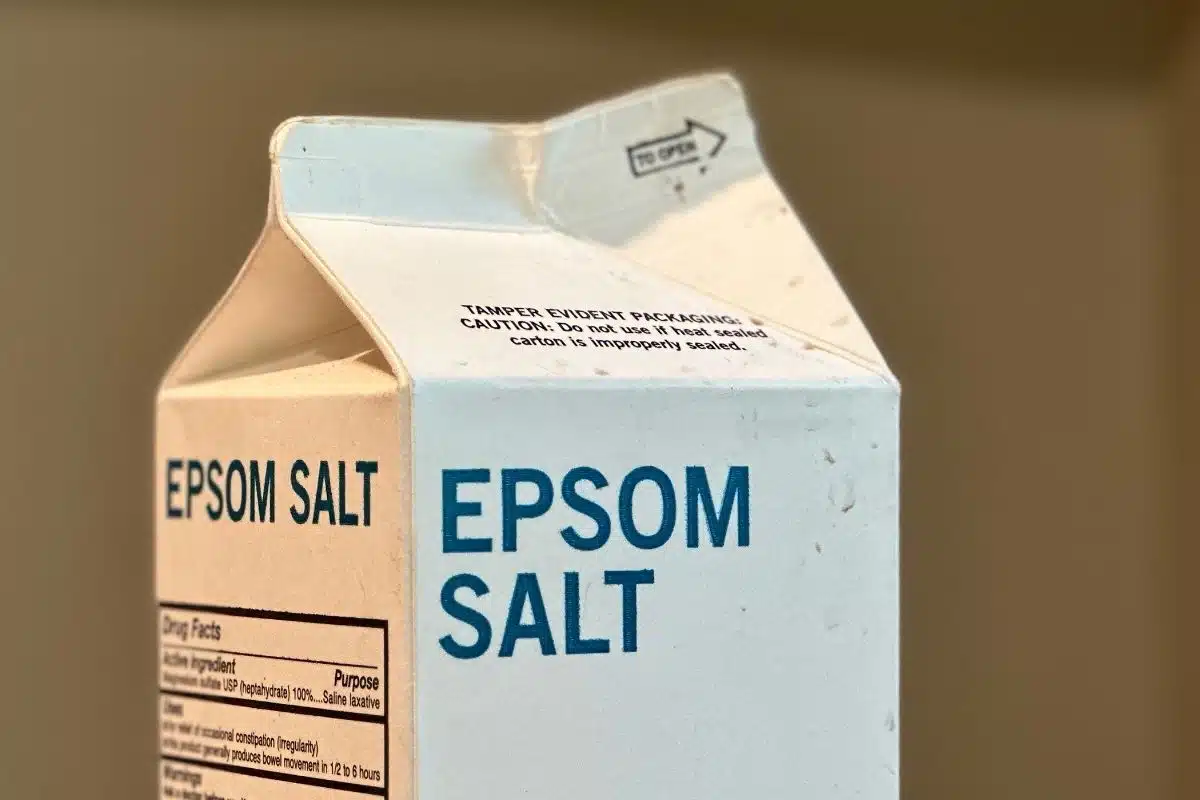
Epsom salt remains one of the most debated tomato gardening tips. It supplies magnesium, which plants need for photosynthesis, but only benefits tomatoes if your soil is actually deficient in magnesium. Adding Epsom salt to soil that already contains adequate levels won’t improve production and may interfere with nutrient balance. A soil test can help determine whether it’s appropriate for your garden.
Fish Emulsion
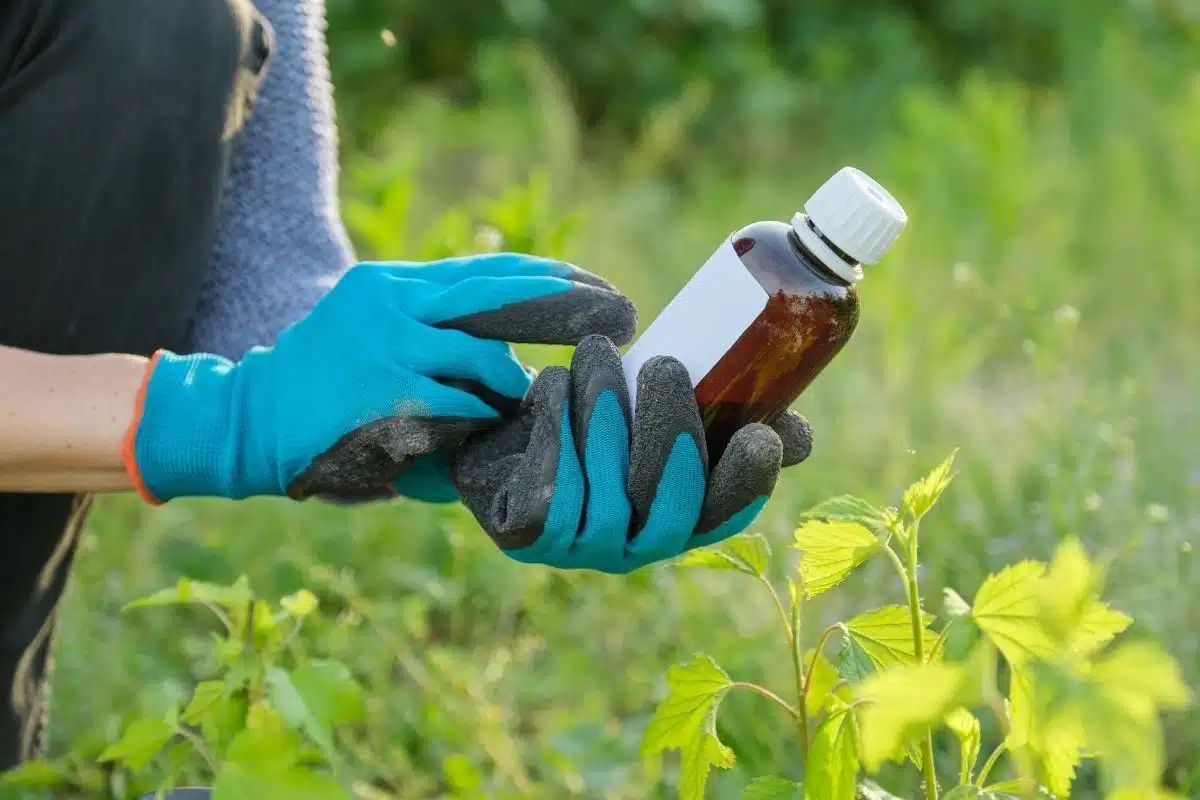
Fish emulsion is a natural liquid fertilizer made from processed fish byproducts and has become a favorite among organic gardeners. It’s especially useful early in the growing season because it provides readily available nitrogen that supports vigorous leaf and stem growth. Since it works quickly, it’s commonly diluted with water and applied every few weeks according to the label directions. Avoid overapplying once flowering begins, as excessive nitrogen can reduce fruit production.
Worm Castings
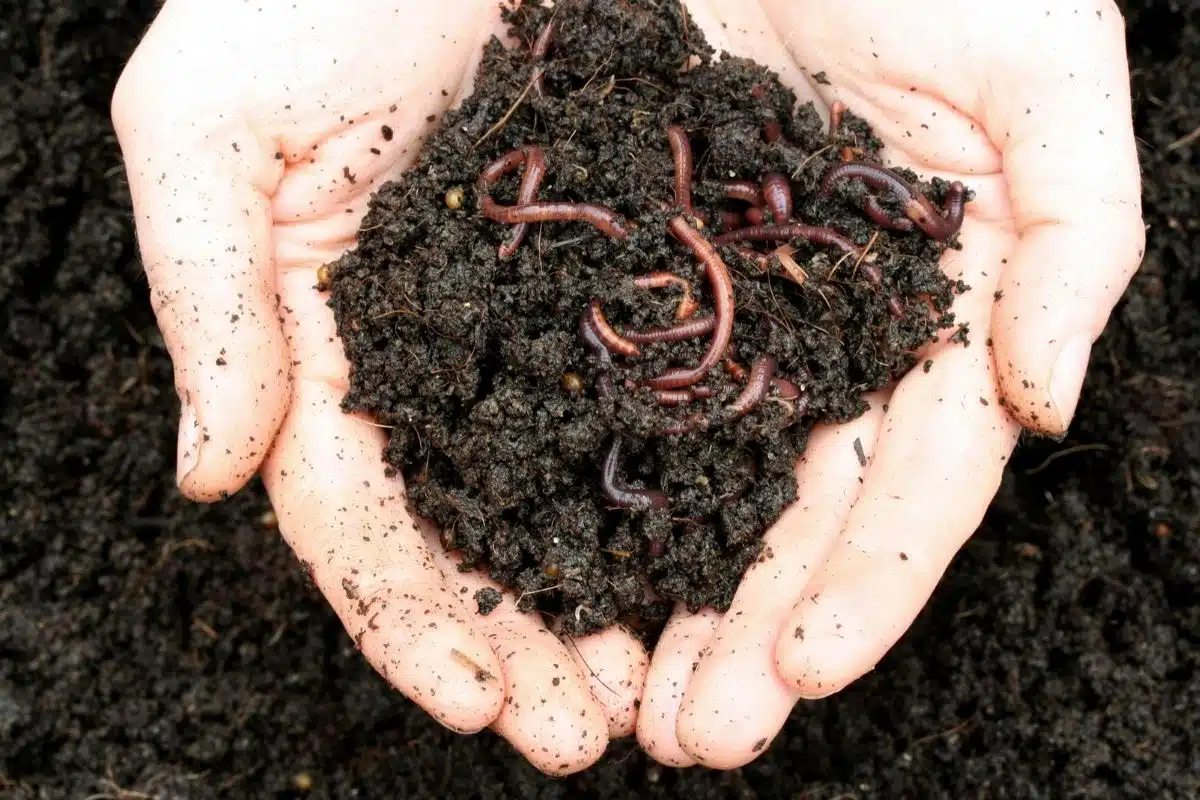
Often called “black gold” by gardeners, worm castings are one of the richest natural soil amendments available. They contain a wide range of plant nutrients along with beneficial microbes that improve soil biology. Worm castings release nutrients slowly, making them difficult to overuse compared to synthetic fertilizers. Mixing them into planting holes or using them as a top dressing helps support healthy tomato growth all season.
Shredded Leaves
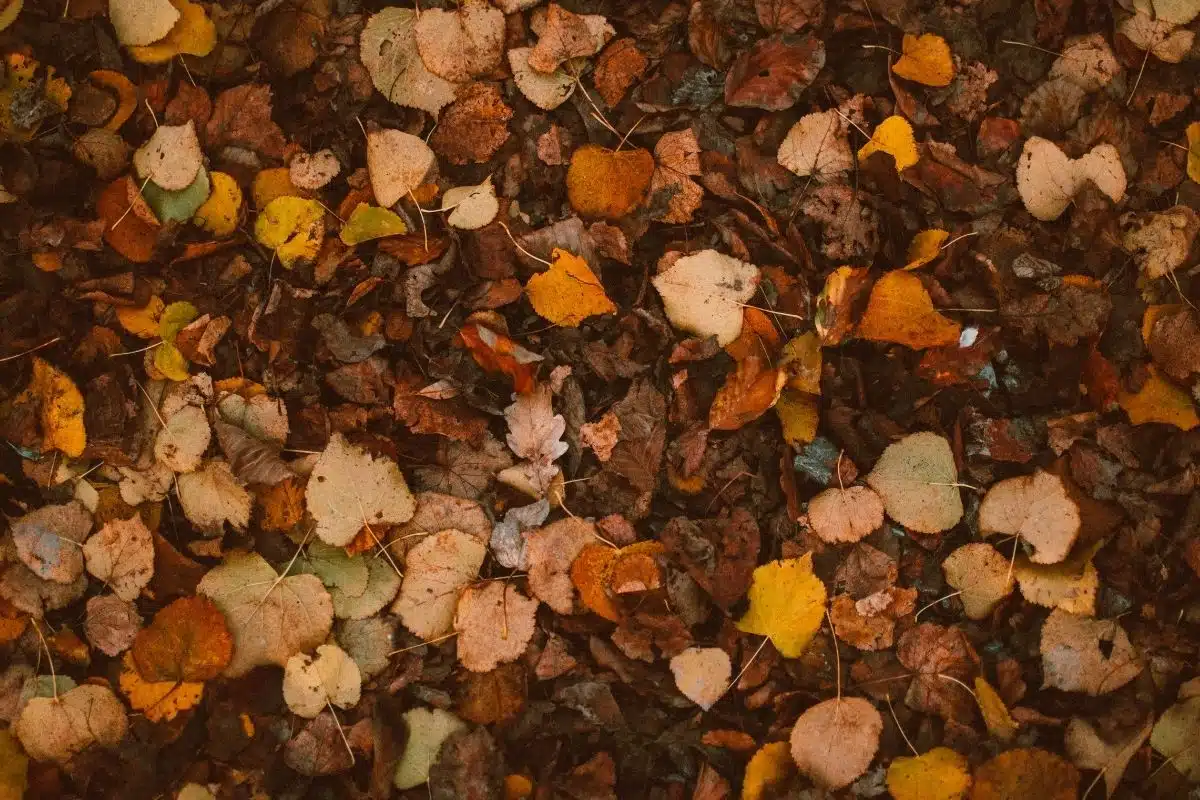
Instead of bagging fallen leaves, many gardeners shred and compost them for future use in vegetable gardens. Shredded leaves improve soil structure, increase organic matter, and help the soil retain moisture while supporting beneficial organisms. They also make an effective mulch around tomato plants once partially decomposed. Avoid using leaves from diseased trees or black walnut trees, which can inhibit plant growth.
Seaweed
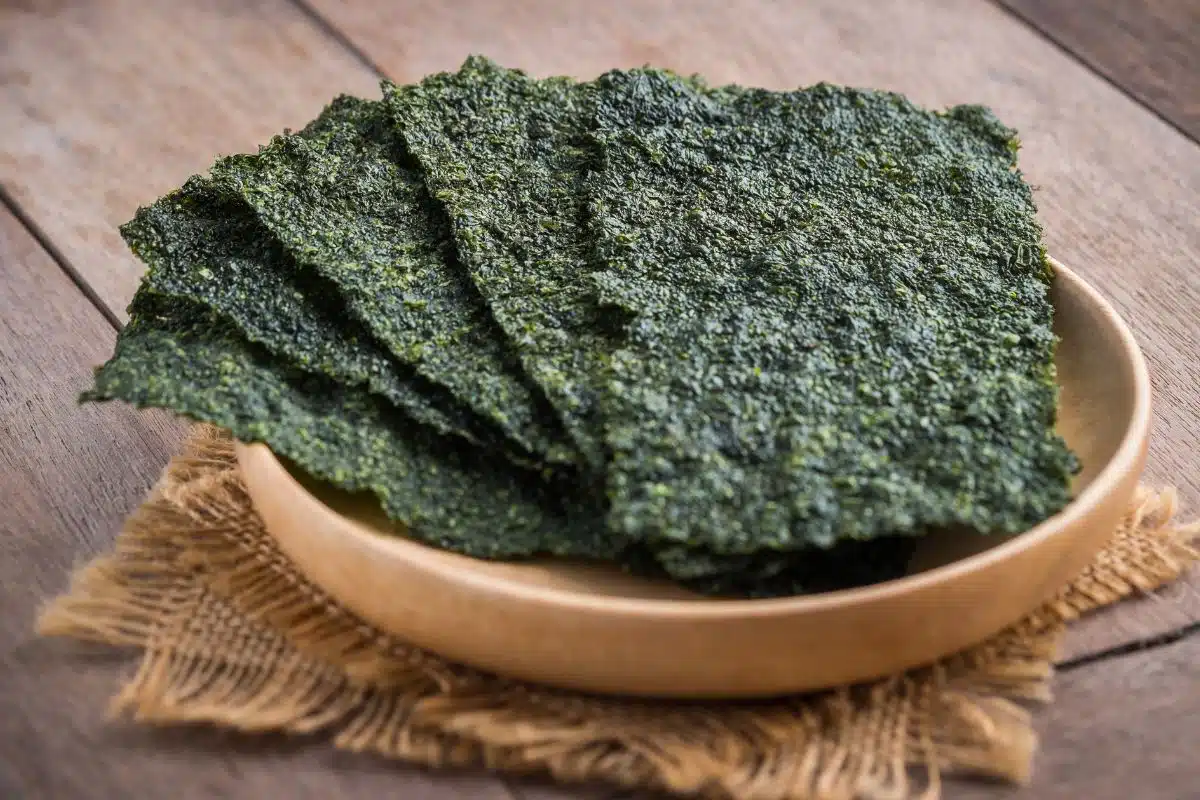
Seaweed has long been valued as a natural garden amendment because it contains trace minerals and natural plant compounds that support healthy growth. Gardeners near the coast often rinse collected seaweed thoroughly to remove excess salt before composting or using it as mulch where local regulations allow collection. Dried seaweed products are also widely available for inland gardeners. It adds organic matter while providing a diverse range of micronutrients.
Homemade Compost Tea
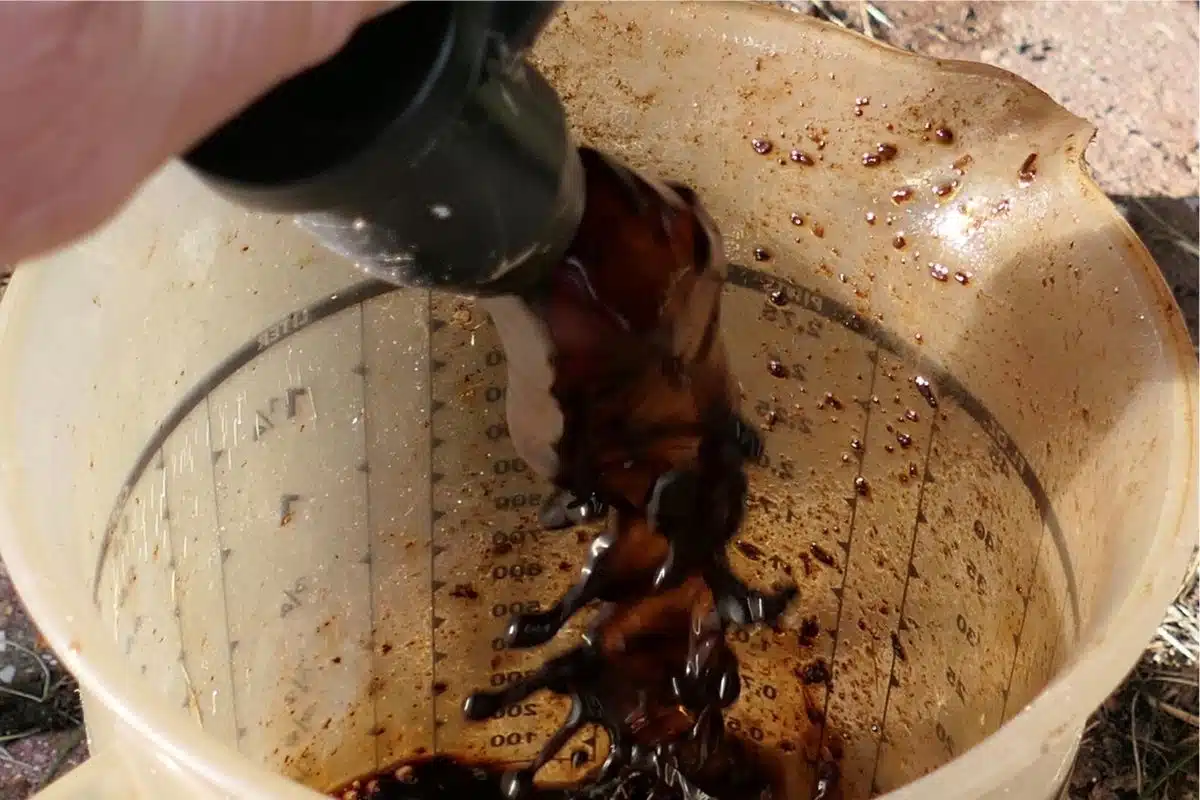
Compost tea is made by steeping finished compost in water to create a nutrient-rich liquid that can be applied to the soil around tomato plants. While research shows it shouldn’t be relied upon as a replacement for compost itself, it can provide beneficial microorganisms and a small nutrient boost when prepared properly. Use only well-finished compost and clean equipment to reduce contamination risks. Applying it directly to the soil is generally preferred over spraying leaves.
This post may contain affiliate links or sponsored content. Disclosure Policy