8 Simple Freezer Tips That Can Help Food Stay Fresher Longer
Freezer burn is one of the most common reasons perfectly good food ends up in the trash. While frozen foods can last for months, exposure to air inside the freezer can dry them out, change their texture, and leave them tasting stale. The good news is that preventing freezer burn doesn’t require expensive equipment or special storage systems. These simple habits can help protect your food, preserve quality, and save money by reducing waste.
Use a Straw to Remove Excess Air
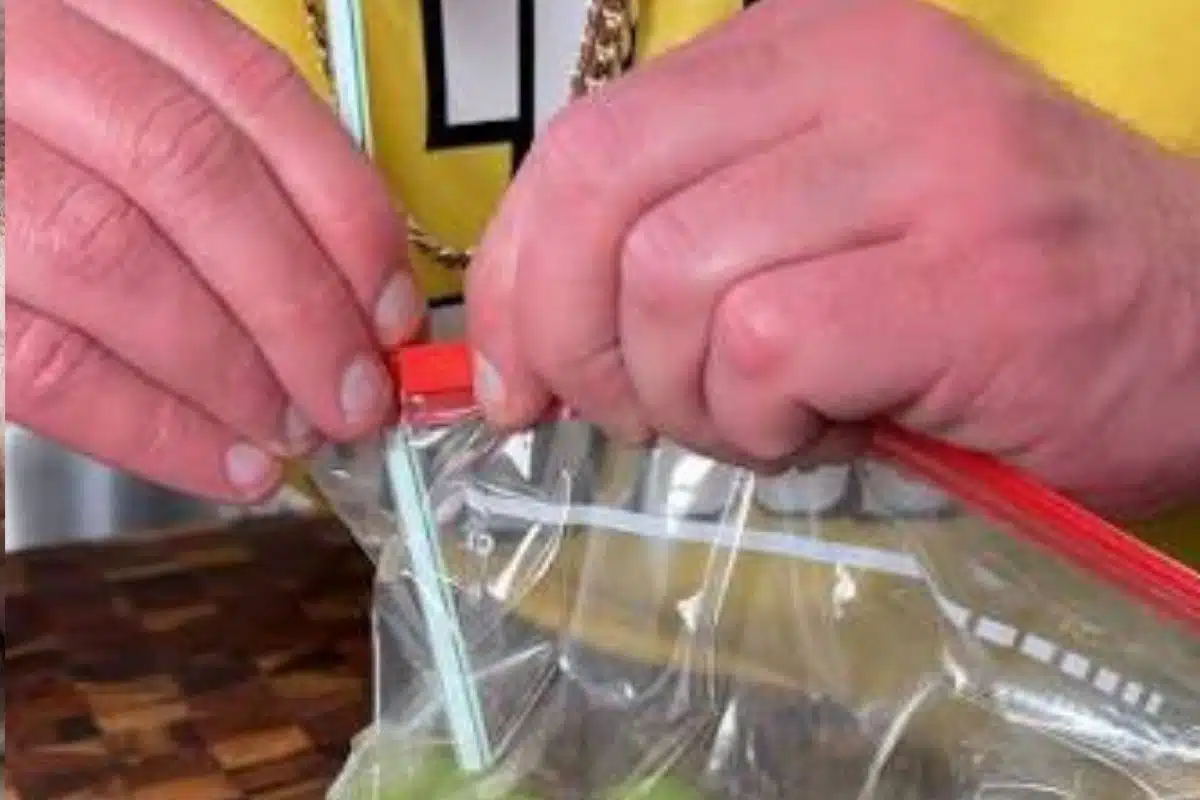
One of the easiest ways to reduce freezer burn is to remove as much air as possible before freezing food. If you don’t own a vacuum sealer, place food in a freezer bag, seal it almost completely, and use a straw to gently suck out the remaining air before closing the bag. Less air means less moisture loss and fewer ice crystals forming on your food. This quick trick works especially well for meats, vegetables, and baked goods. It takes only a few seconds but can significantly improve how well food holds up during long-term storage.
Wrap Food Before Placing It in Freezer Bags
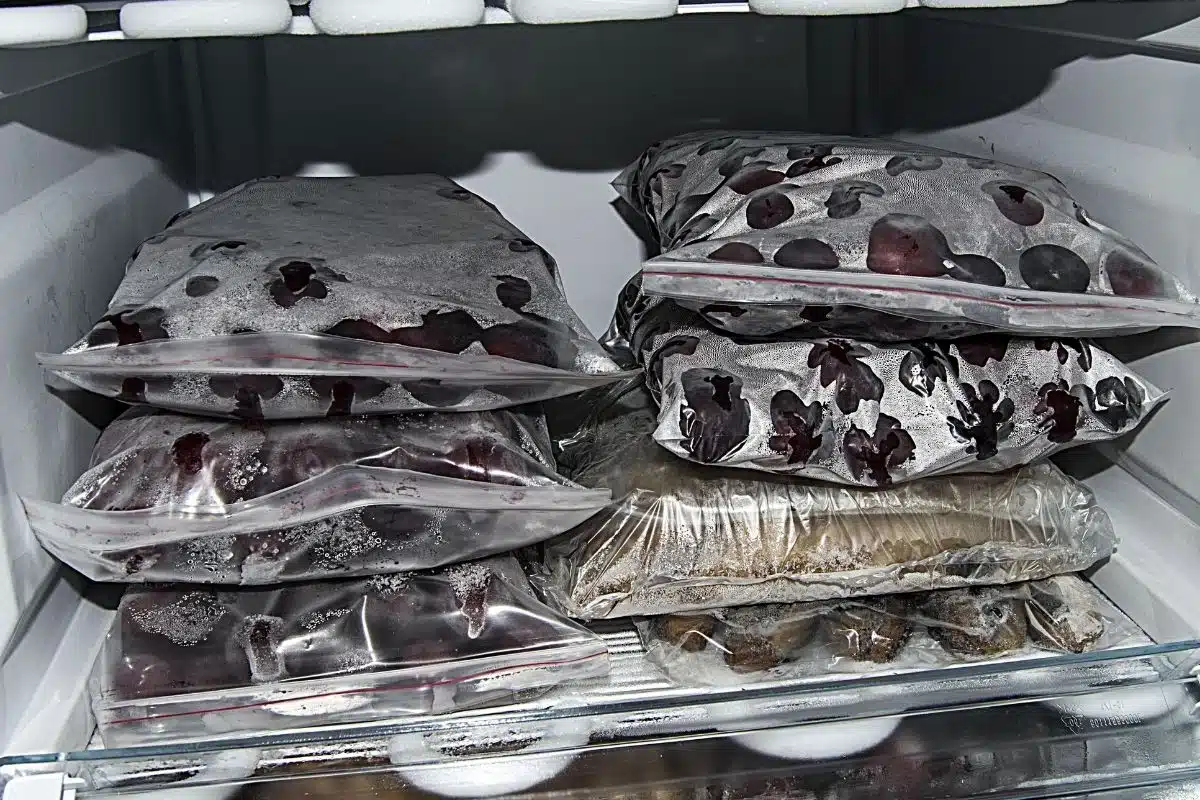
Double protection can go a long way in preventing freezer burn. Wrap foods tightly in plastic wrap, freezer paper, or aluminum foil before placing them inside a freezer bag. This extra barrier helps reduce exposure to cold, dry freezer air. Foods like steaks, chicken breasts, bread, and homemade baked goods benefit the most from this method. The added layer helps maintain texture and flavor even after several months in the freezer.
Use Freezer-Safe Storage Containers
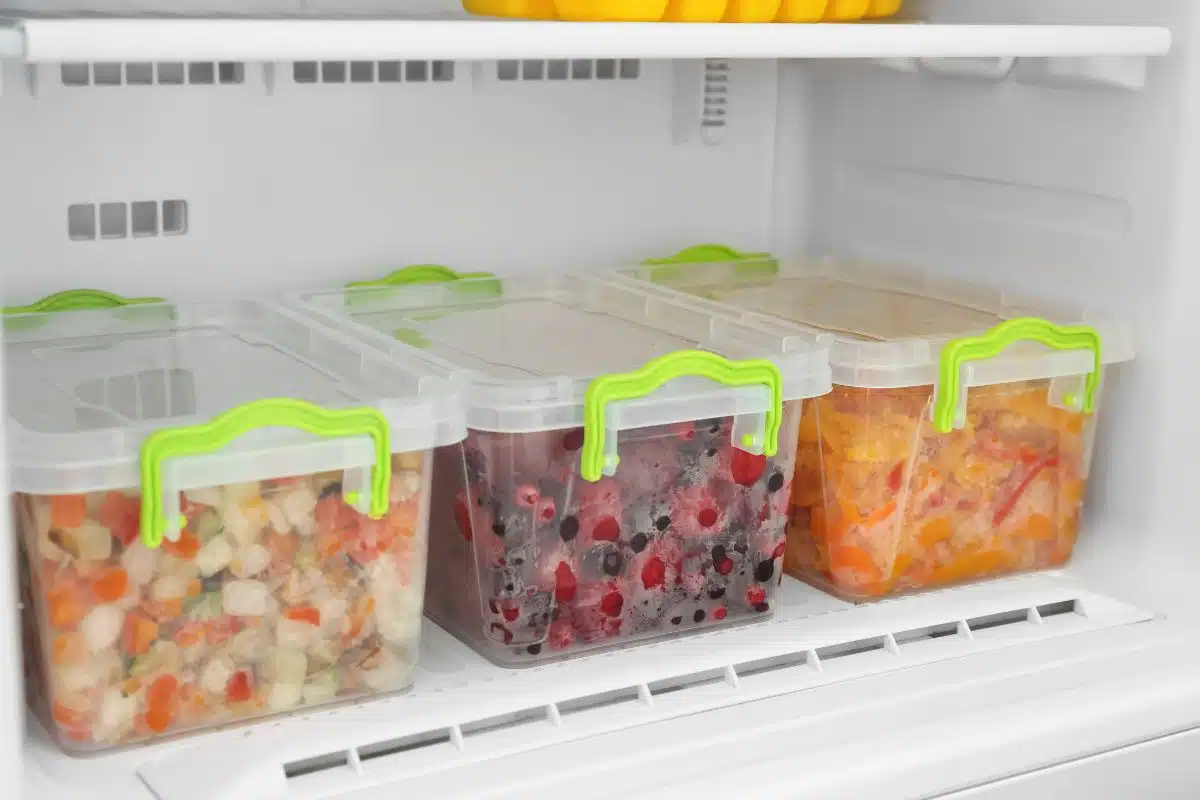
Not all containers are designed for freezing. Freezer-safe containers are built to withstand low temperatures and create a tighter seal than many standard food storage containers. Using the right container helps keep air out and moisture in. When filling containers, leave only the recommended amount of headspace for expansion. Too much empty space allows more air to circulate, increasing the risk of freezer burn.
Freeze Foods in Smaller Portions
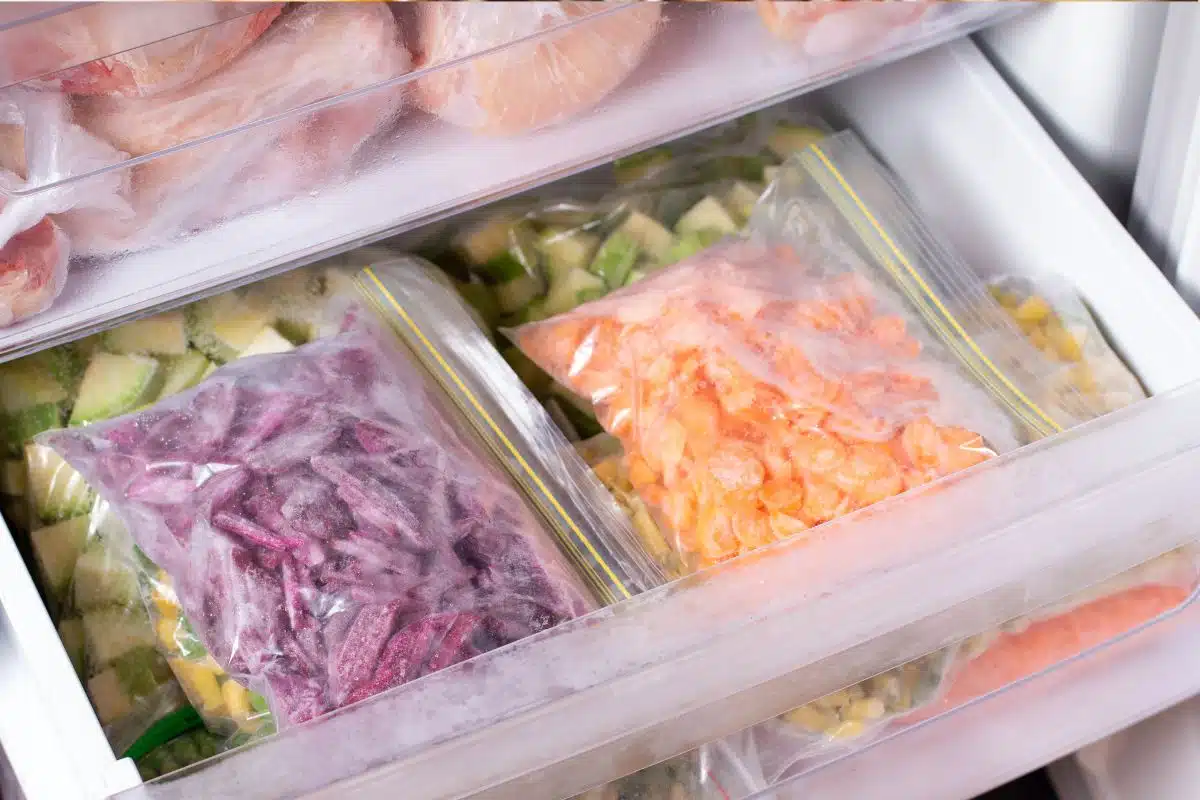
Large packages often contain extra air and take longer to freeze. Dividing food into meal-sized portions allows it to freeze more quickly and evenly. Faster freezing helps preserve texture and reduces the formation of large ice crystals. Smaller portions also make meal prep easier since you can thaw only what you need. This prevents repeated thawing and refreezing, which can damage food quality.
Label Everything With a Date
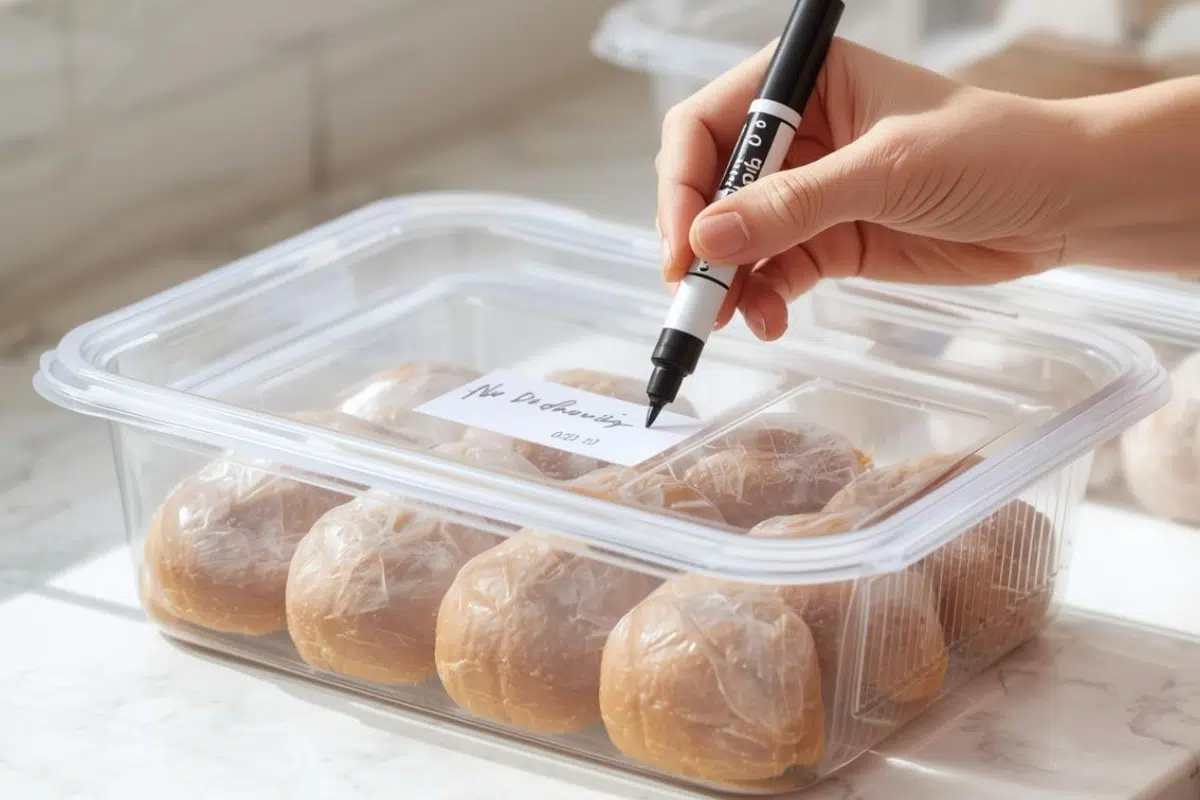
Even properly stored food doesn’t stay at peak quality forever. Labeling packages with the contents and freeze date helps you use older items first. This simple habit reduces the chances of forgotten food sitting in the freezer for months longer than intended. A permanent marker and a few extra seconds can save both money and frustration later. Knowing exactly what’s in your freezer also makes meal planning much easier.
Keep Your Freezer Full
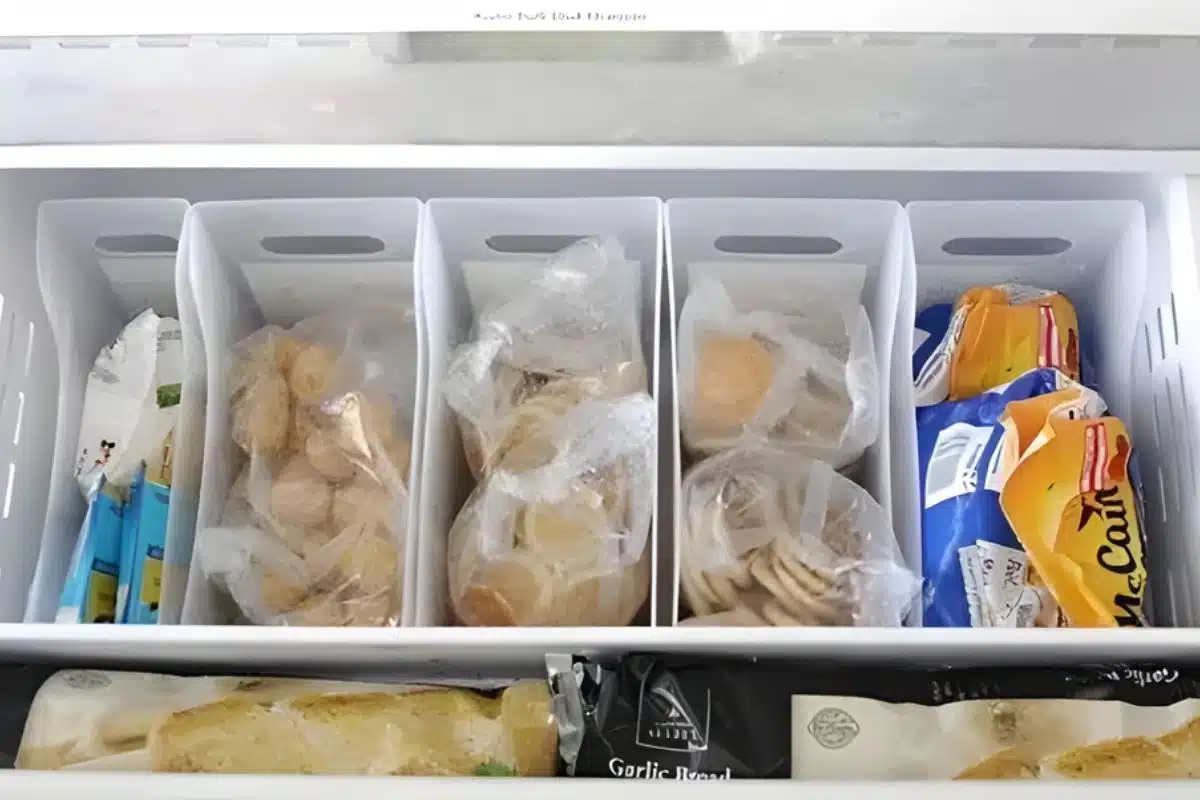
A full freezer maintains temperature more efficiently than a mostly empty one. Frozen items help keep each other cold, reducing temperature fluctuations that can contribute to freezer burn. If your freezer is only partially full, consider storing containers of ice or frozen water bottles to fill empty spaces. This can help maintain a more consistent freezing environment.
Avoid Frequent Door Opening
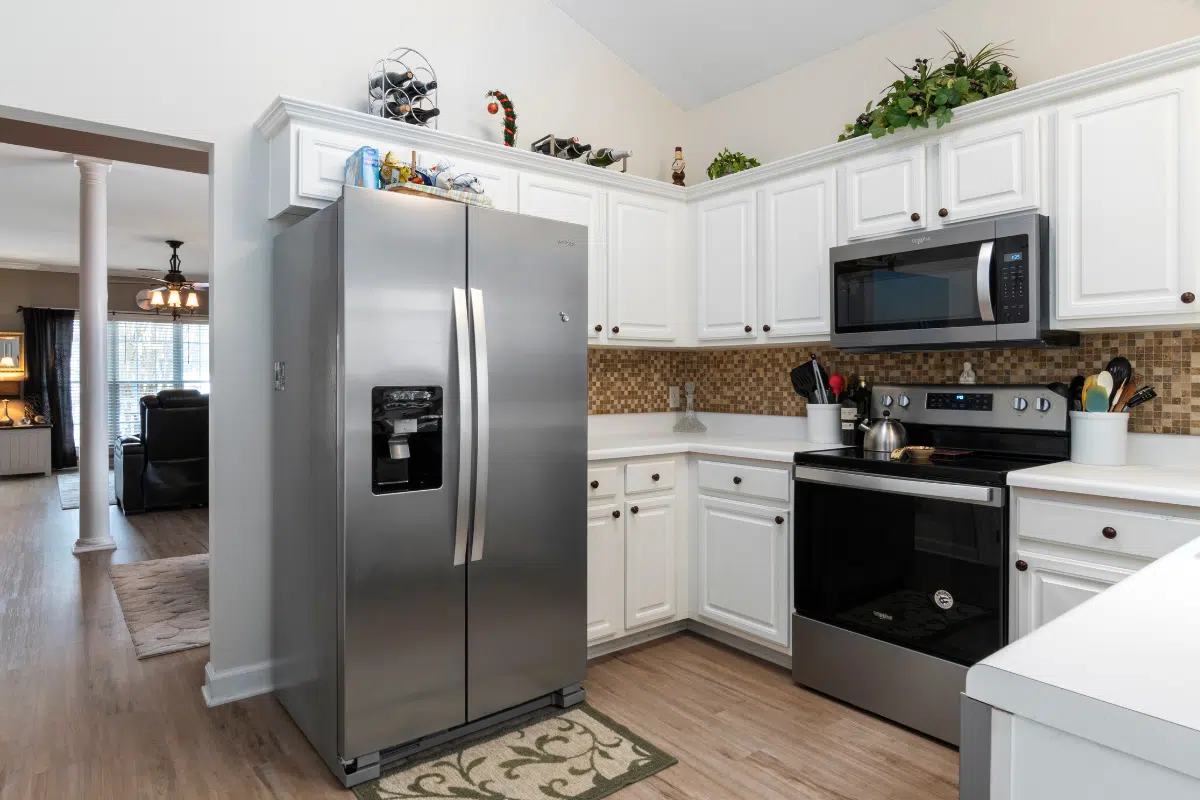
Every time the freezer door opens, warm air enters, and cold air escapes. These temperature swings can encourage moisture to form and eventually lead to freezer burn. Try to organize your freezer so that frequently used items are easy to find. Spending less time searching with the door open helps maintain a stable temperature and protects frozen foods.
Cool Foods Before Freezing
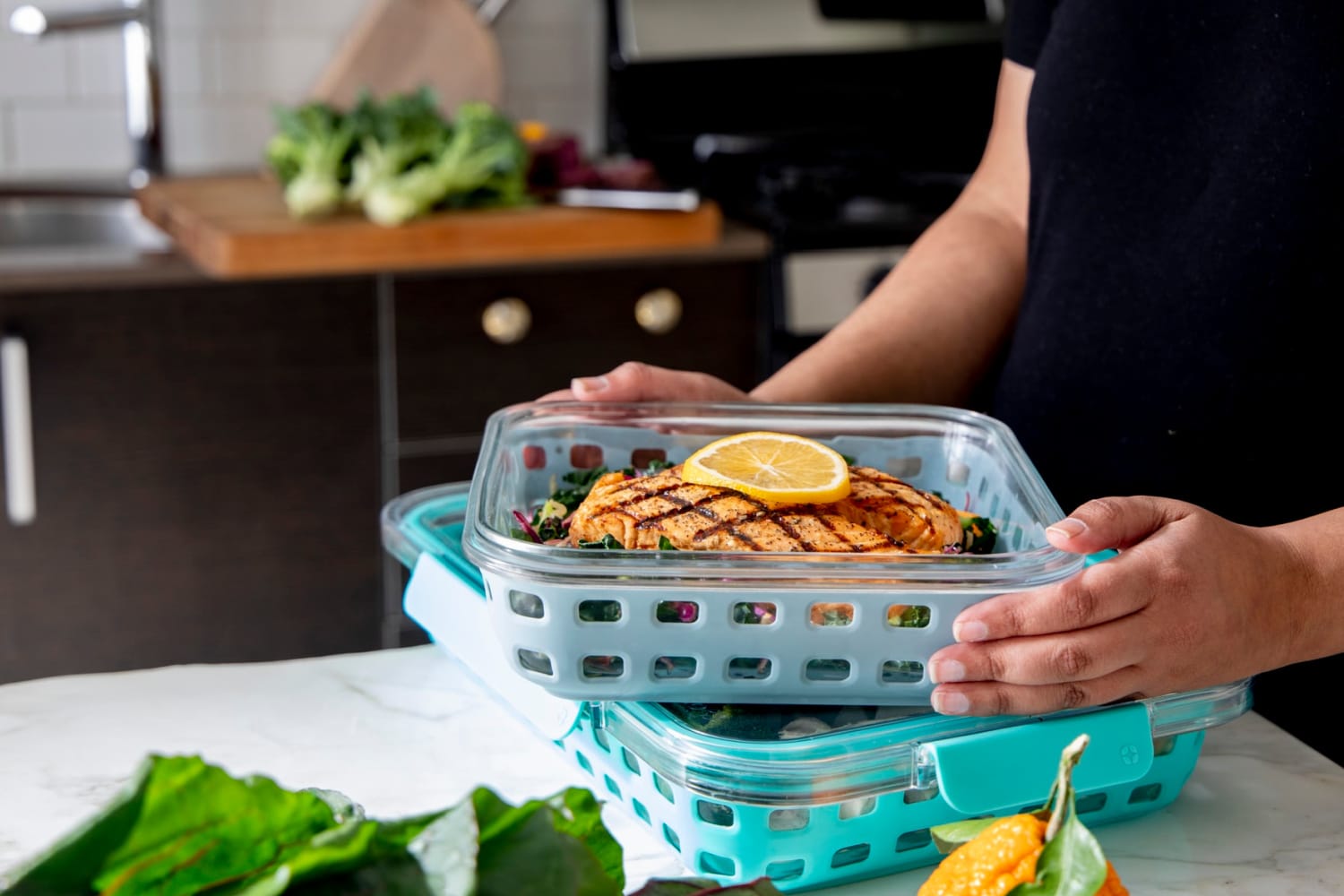
Placing hot food directly into the freezer can raise the internal temperature and create excess moisture. Allow cooked foods to cool before packaging and freezing them. This not only helps protect nearby frozen items but also reduces condensation that can lead to ice crystal formation. The result is better texture and flavor when the food is thawed later.
Use Heavy-Duty Freezer Bags
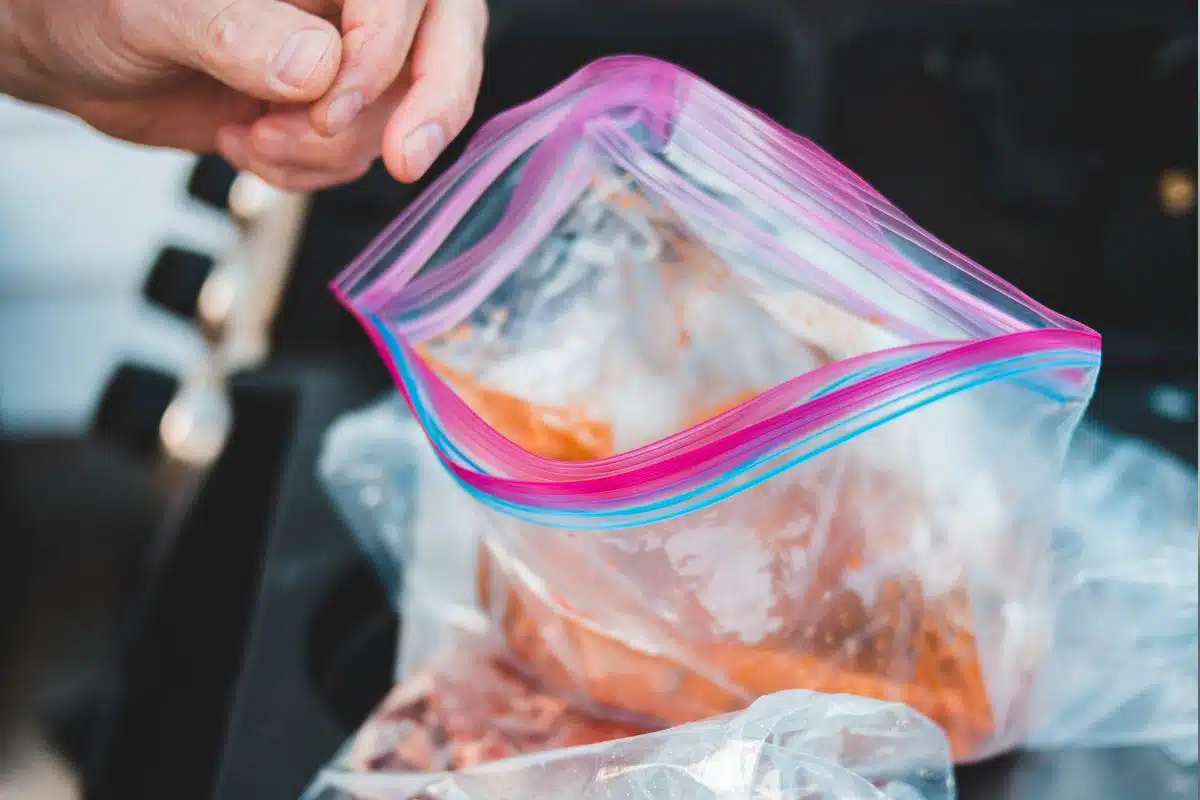
Freezer bags are thicker and more durable than standard storage bags. They provide a stronger barrier against air and moisture, making them a smart choice for long-term freezing. While they may cost slightly more upfront, they can help extend the quality of frozen foods and reduce waste. They’re particularly useful for meats, seafood, and prepared meals.
Rotate Food Regularly
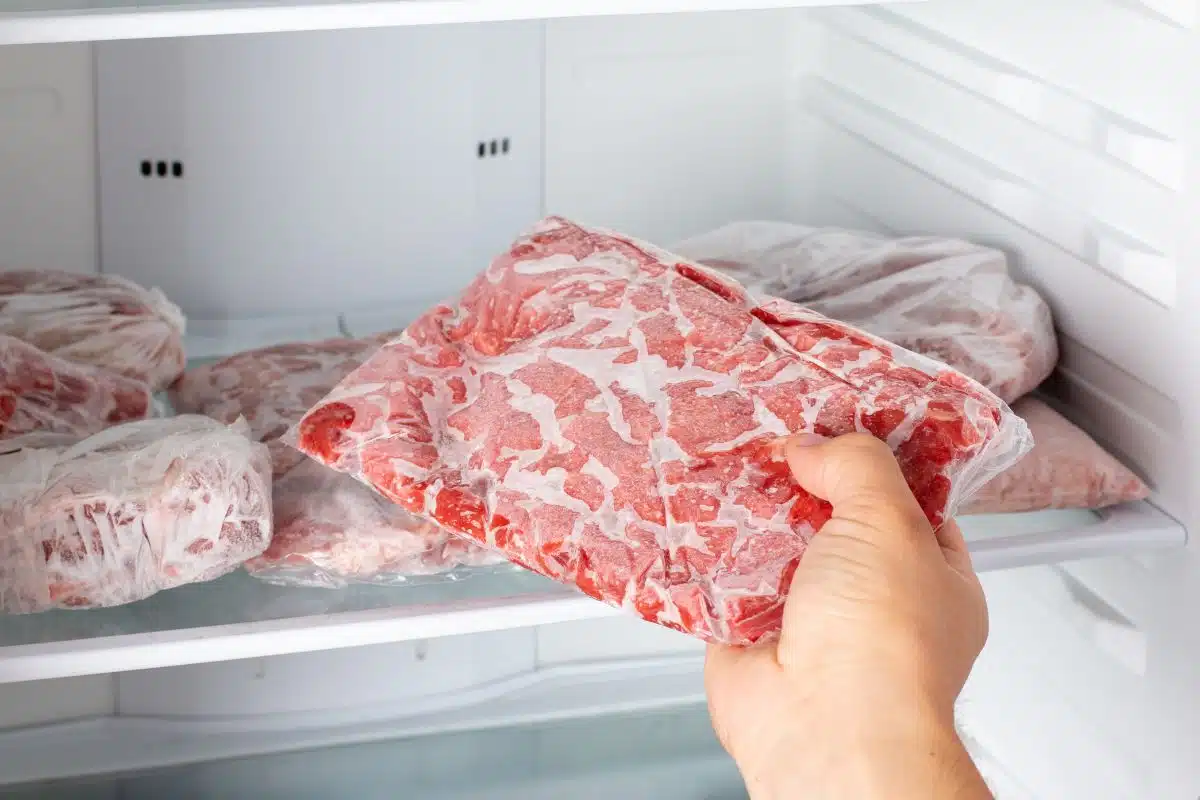
Practicing a “first in, first out” system helps ensure older items are used before newer ones. This simple organizational habit keeps food moving through your freezer instead of lingering long enough to develop quality issues. Take a few minutes every month to check dates and move older foods to the front. Regular rotation helps you get the most value from everything you freeze.
Freeze Food Quickly
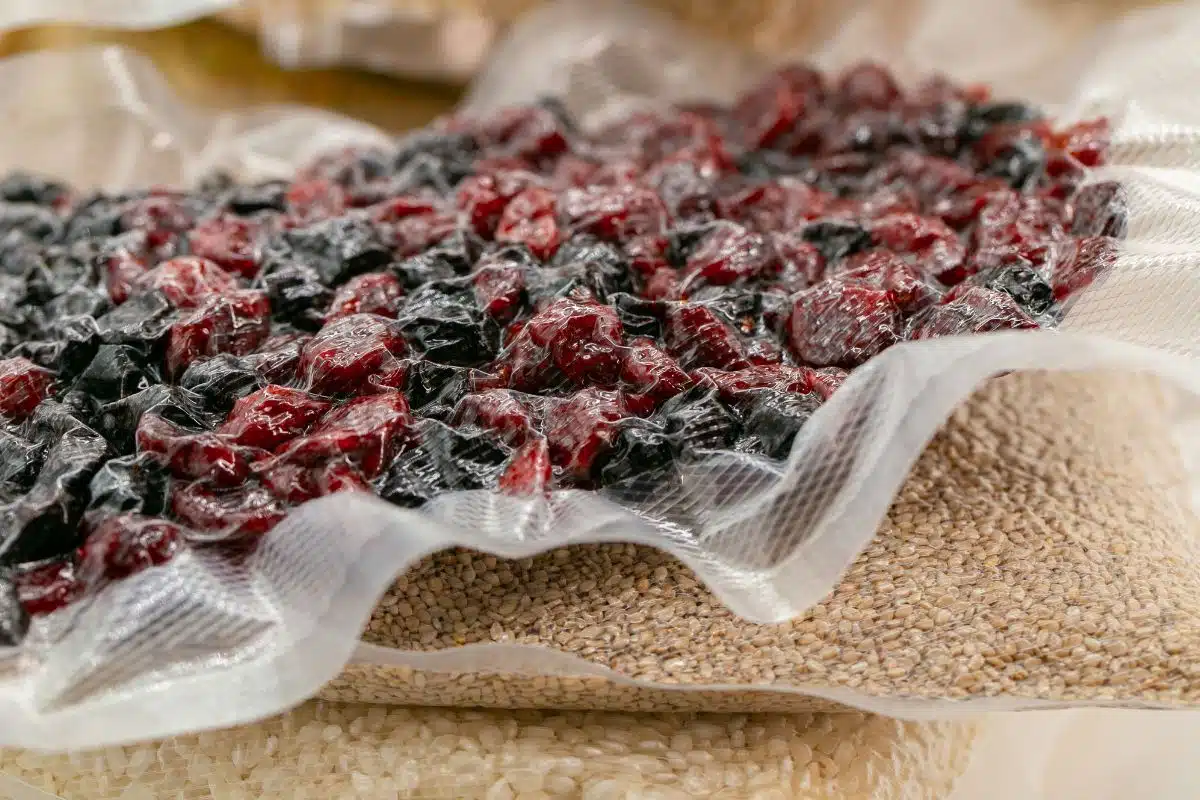
The faster food freezes, the smaller the ice crystals that form inside it. Smaller crystals cause less damage to texture, helping foods retain their quality after thawing. Avoid overloading your freezer with large amounts of unfrozen food at once. Giving food enough space for cold air to circulate can help it freeze more efficiently.
Check Your Freezer Temperature
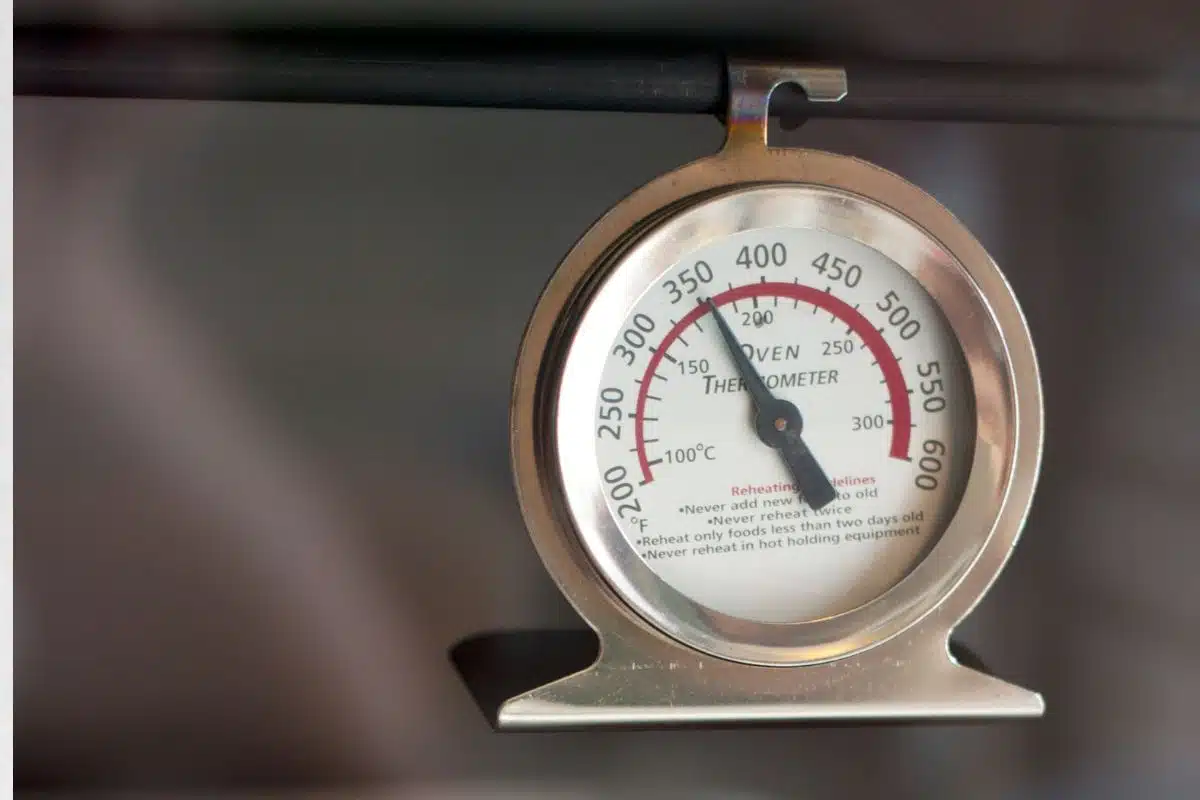
For best results, your freezer should be set at 0°F (-18°C) or below. Temperatures that are too warm can shorten storage life and increase the likelihood of freezer burn. An inexpensive appliance thermometer can help verify that your freezer is maintaining the correct temperature. Consistent cold temperatures are one of the best defenses against food quality loss.
This post may contain affiliate links or sponsored content. Disclosure Policy