10 Composting Tips Every Home Gardener Should Know
Composting doesn’t have to be complicated or time-consuming. With a few simple tricks, you can turn everyday kitchen scraps into nutrient-rich compost that helps your garden thrive. Whether you’re new to composting or looking to make the process easier, these practical hacks will help you reduce waste and create “black gold” right at home.
Start with the Right Balance of Greens and Browns
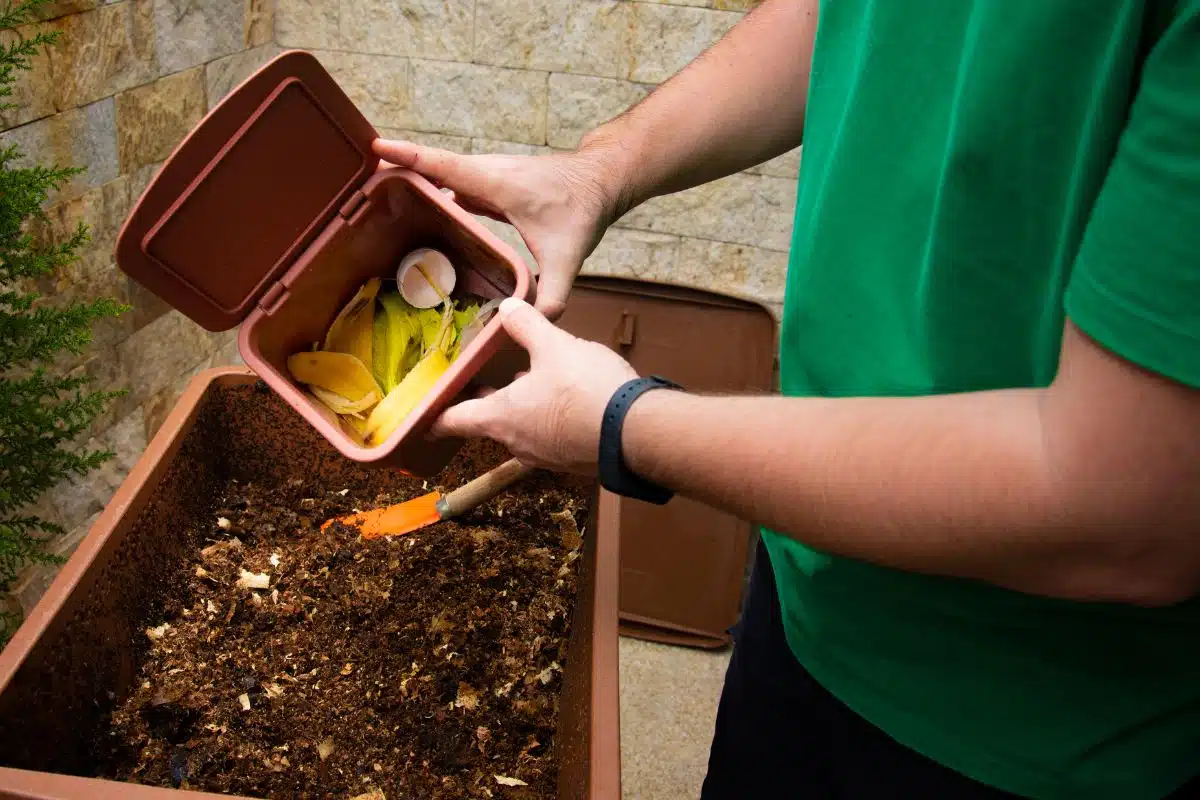
A successful compost pile needs the right mix of “greens” (like fruit and veggie scraps) and “browns” (like dried leaves and cardboard). Too many greens can make your pile soggy, while too many browns can slow decomposition. Aim for a balance to keep everything breaking down efficiently. This simple adjustment makes a big difference in how quickly you get usable compost.
Freeze Food Scraps Until You’re Ready
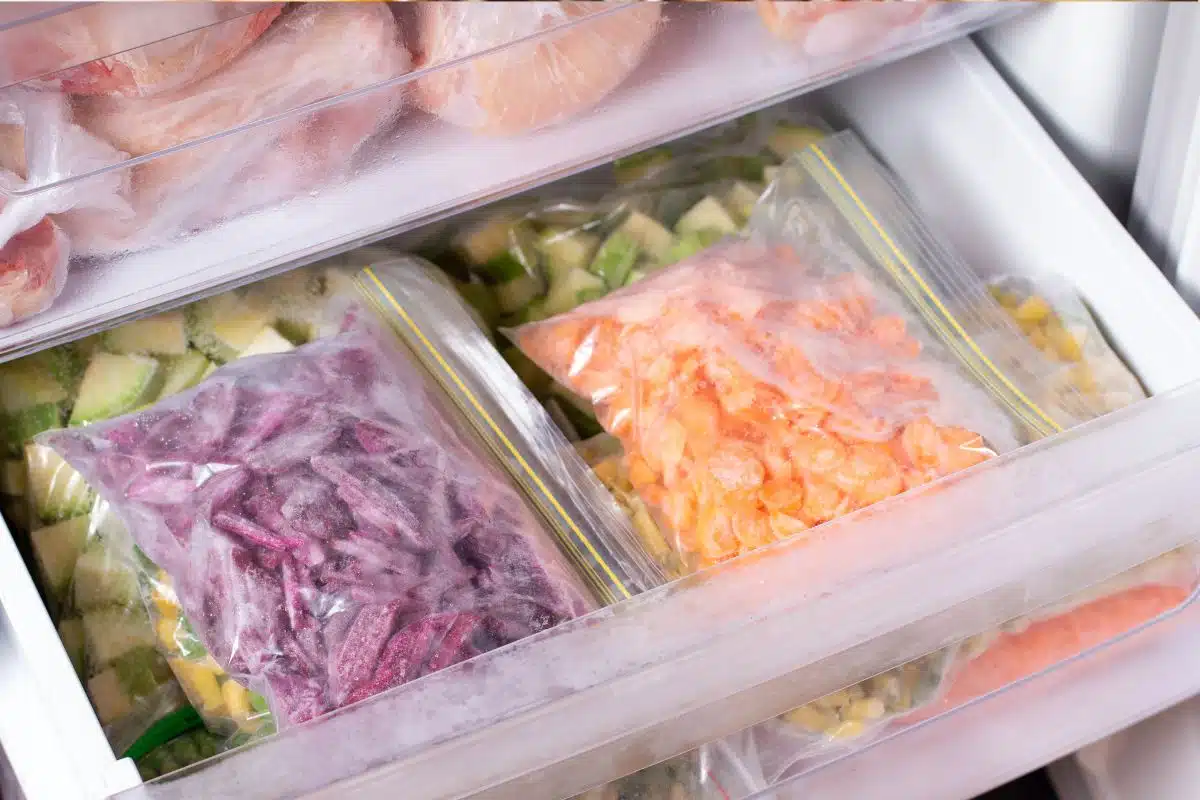
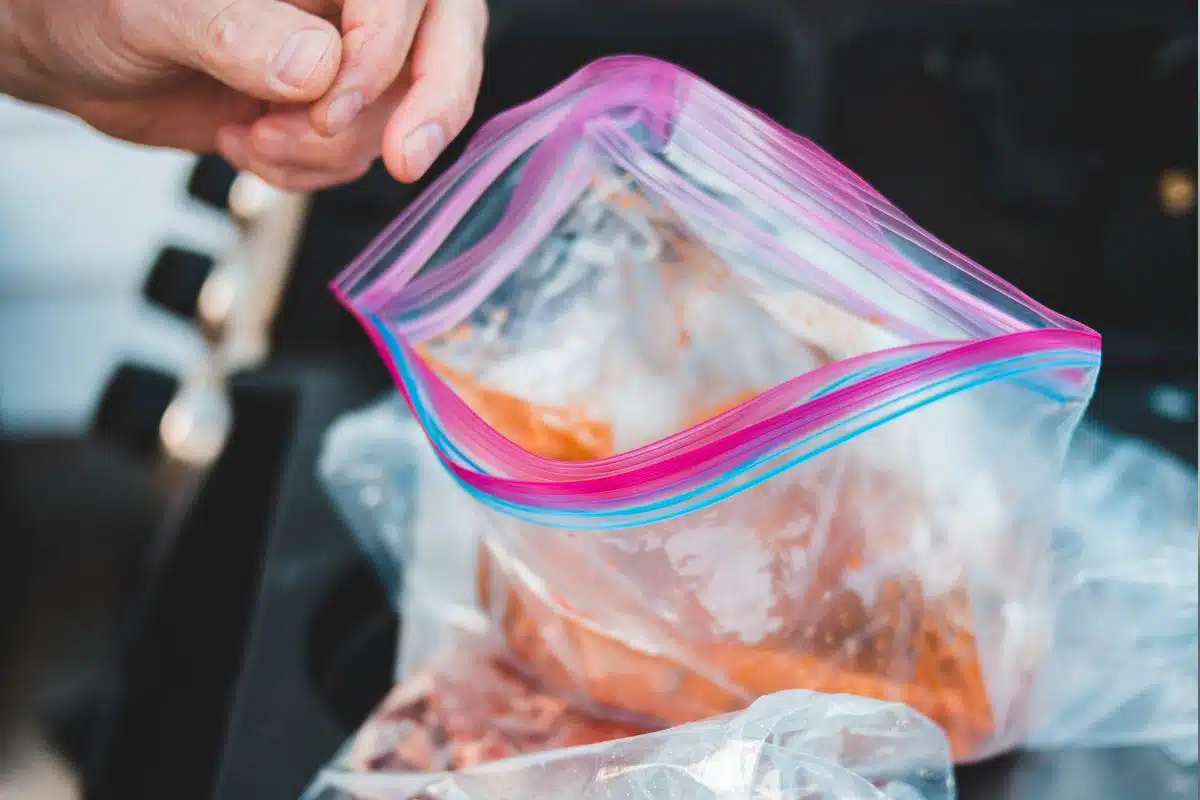
If you don’t want odors or pests, store your kitchen scraps in the freezer until you’re ready to compost. Freezing also helps break down the cell structure of food, which speeds up decomposition later. It’s an easy habit that keeps your kitchen fresh. Plus, it makes composting feel less messy.
Chop Scraps Into Smaller Pieces
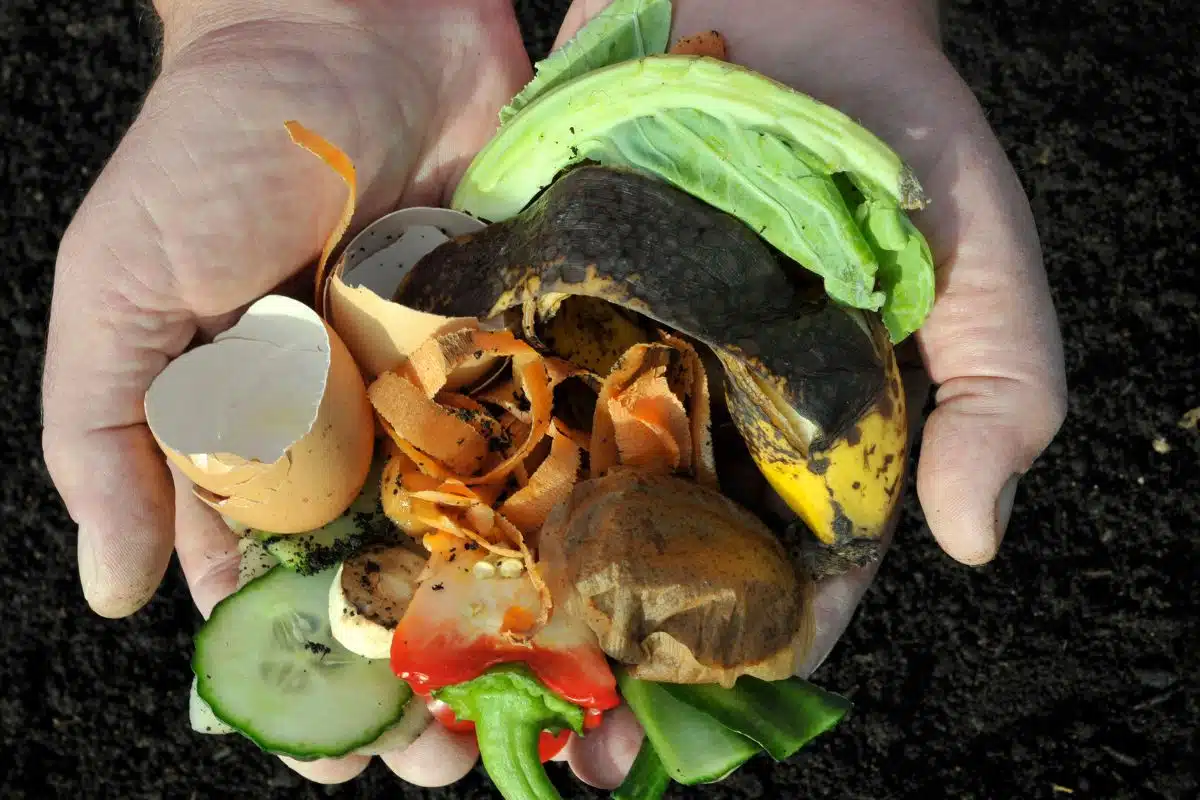
Cutting your food scraps into smaller pieces helps them break down much faster. Large chunks can take weeks longer to decompose, especially tougher items like peels. A quick chop before tossing them in your compost bin saves time in the long run. It’s a small step with big results.
Use a Countertop Compost Bin
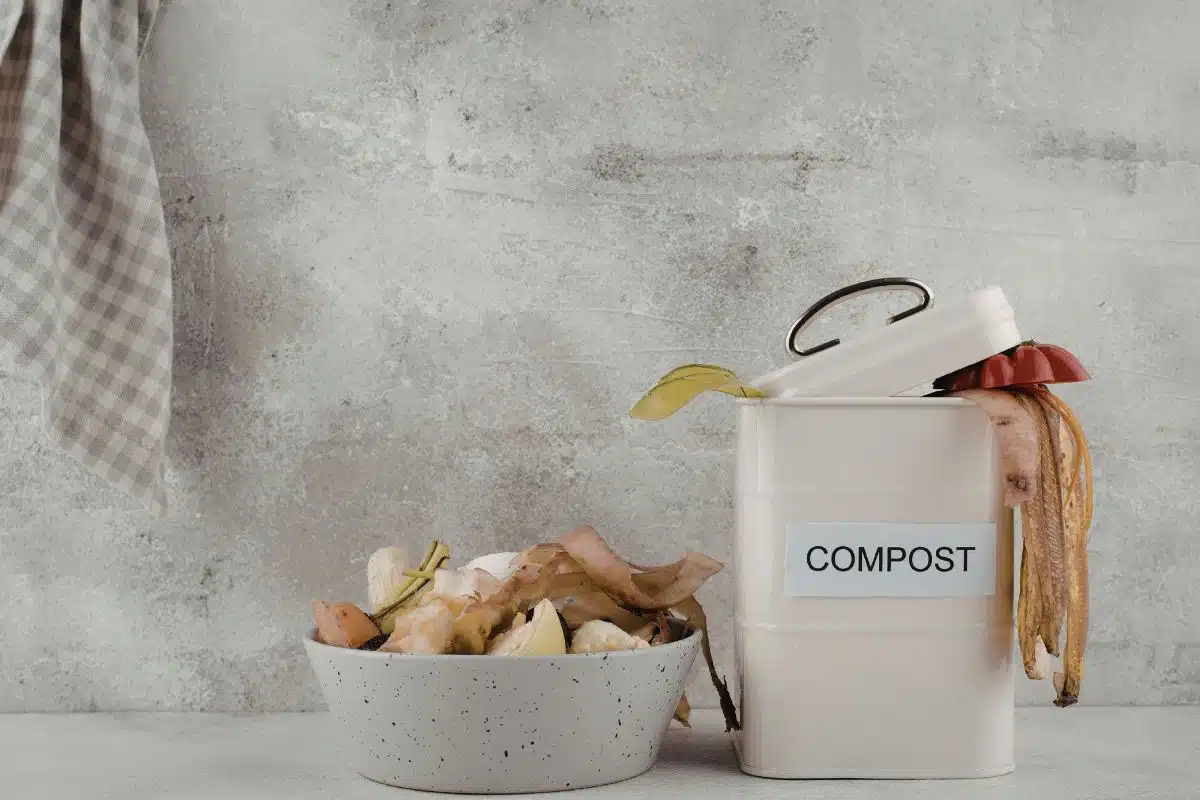
A small countertop compost bin makes it easy to collect scraps throughout the day. Look for one with a charcoal filter to control odors. Having a designated space encourages consistency and keeps everything organized. It’s especially helpful if you cook frequently.
Add Coffee Grounds and Filters
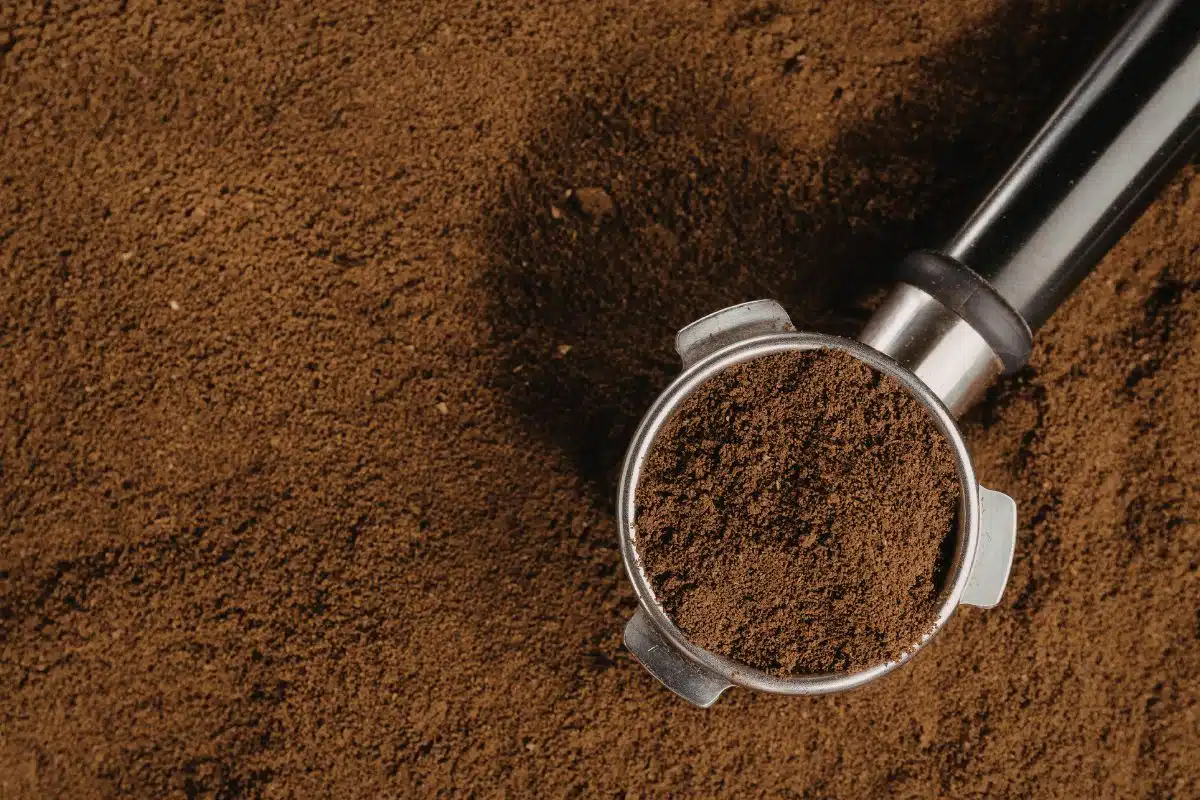
Used coffee grounds are rich in nitrogen and great for compost. You can even toss in paper filters, which count as “browns.” They help improve soil structure and attract beneficial organisms. Just be sure to mix them with other materials for balance.
Layer Like a Lasagna
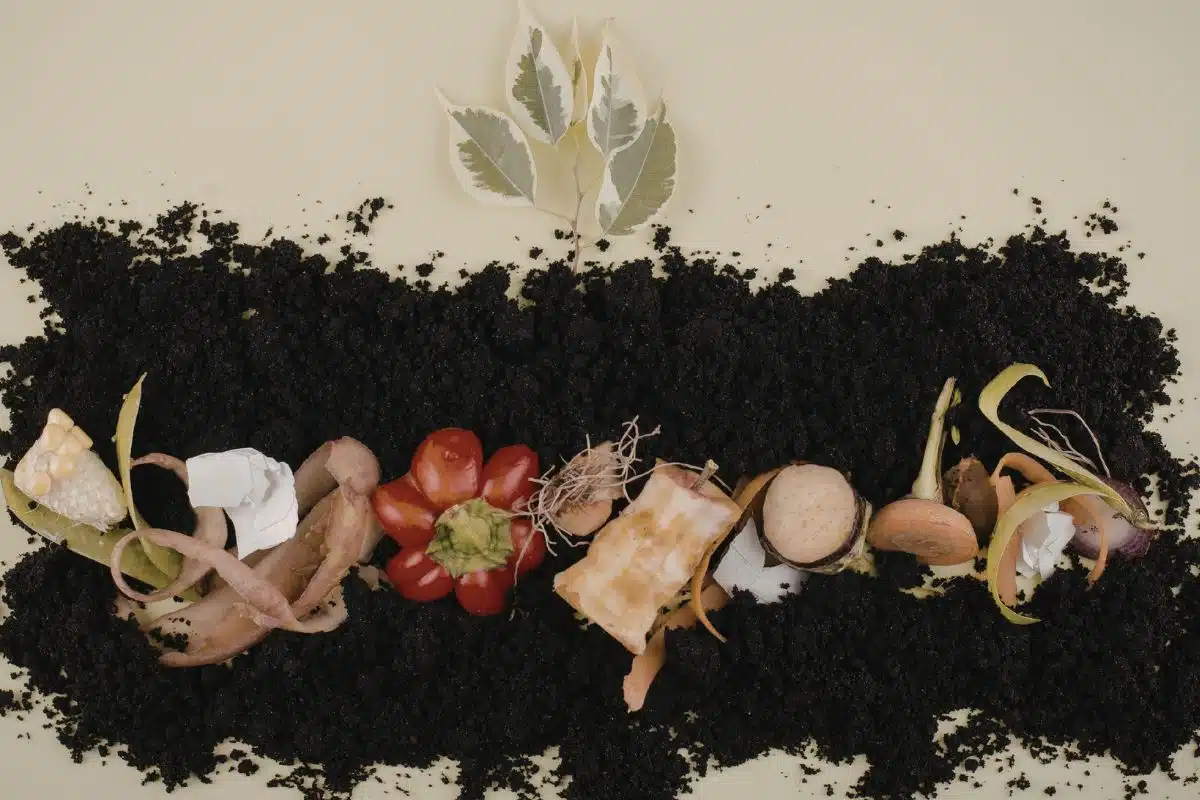
Think of your compost pile like a lasagna—alternate layers of greens and browns. This helps maintain airflow and keeps moisture levels balanced. Proper layering prevents odors and speeds up decomposition. It’s one of the easiest ways to improve your compost results.
Turn Your Pile Regularly
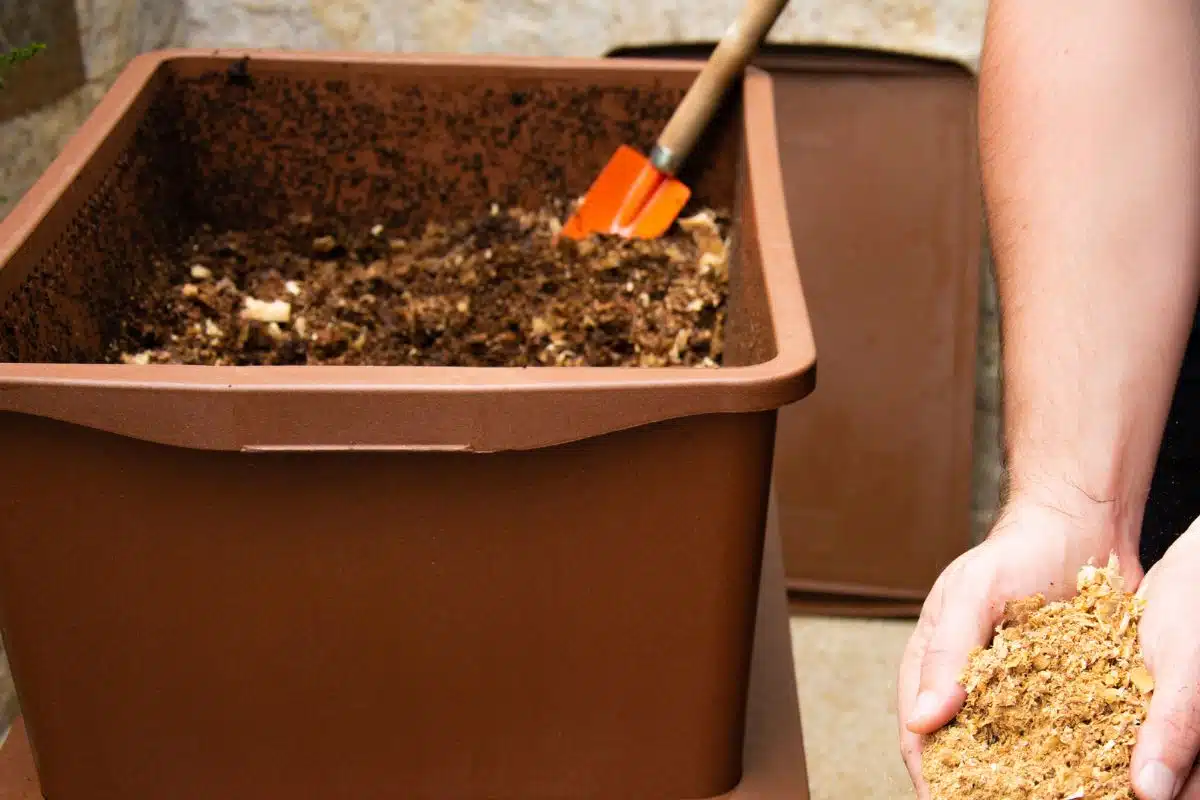
Turning your compost pile adds oxygen, which helps microbes do their job faster. Even turning it once a week can significantly speed up the process. It also helps prevent unpleasant smells. A simple garden fork is all you need.
Keep It Moist, Not Soaked
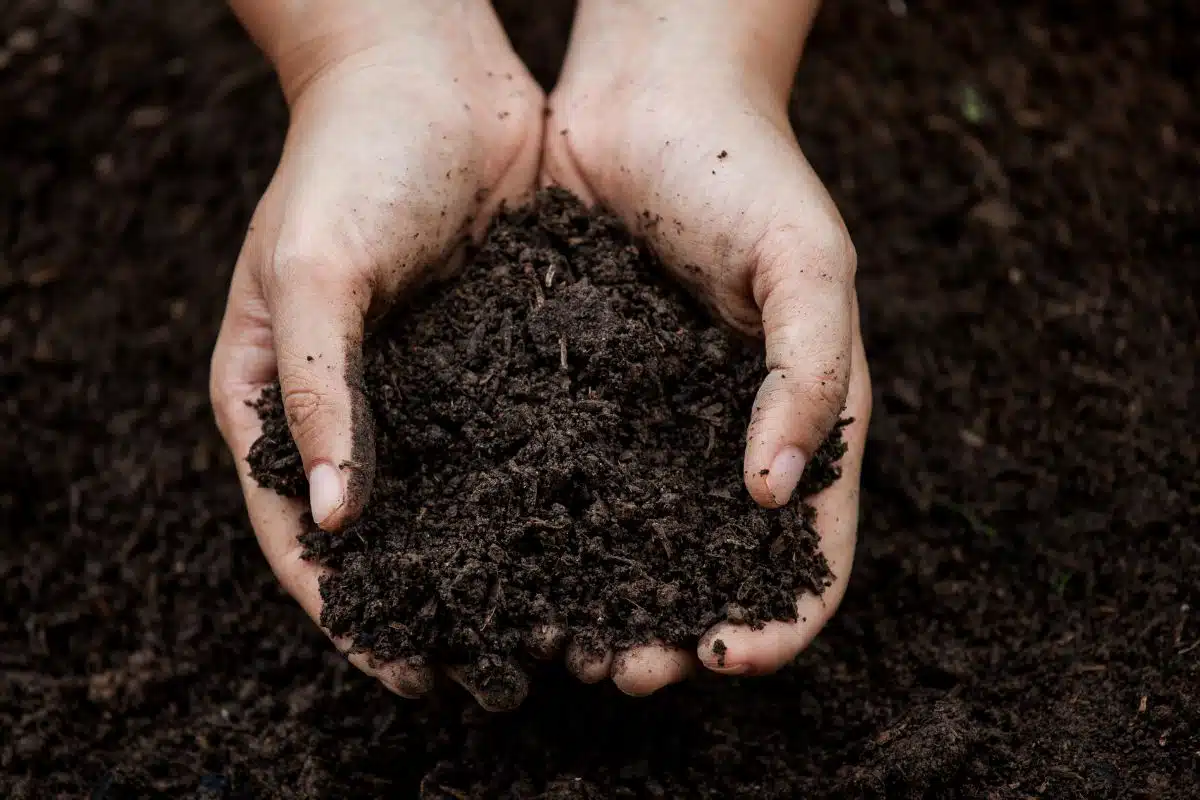
Your compost should feel like a damp sponge—not too dry and not dripping wet. If it’s too dry, decomposition slows down; too wet, and it can start to smell. Add water or dry materials as needed to maintain balance. Monitoring moisture is key to success.
Avoid Meat and Dairy Scraps
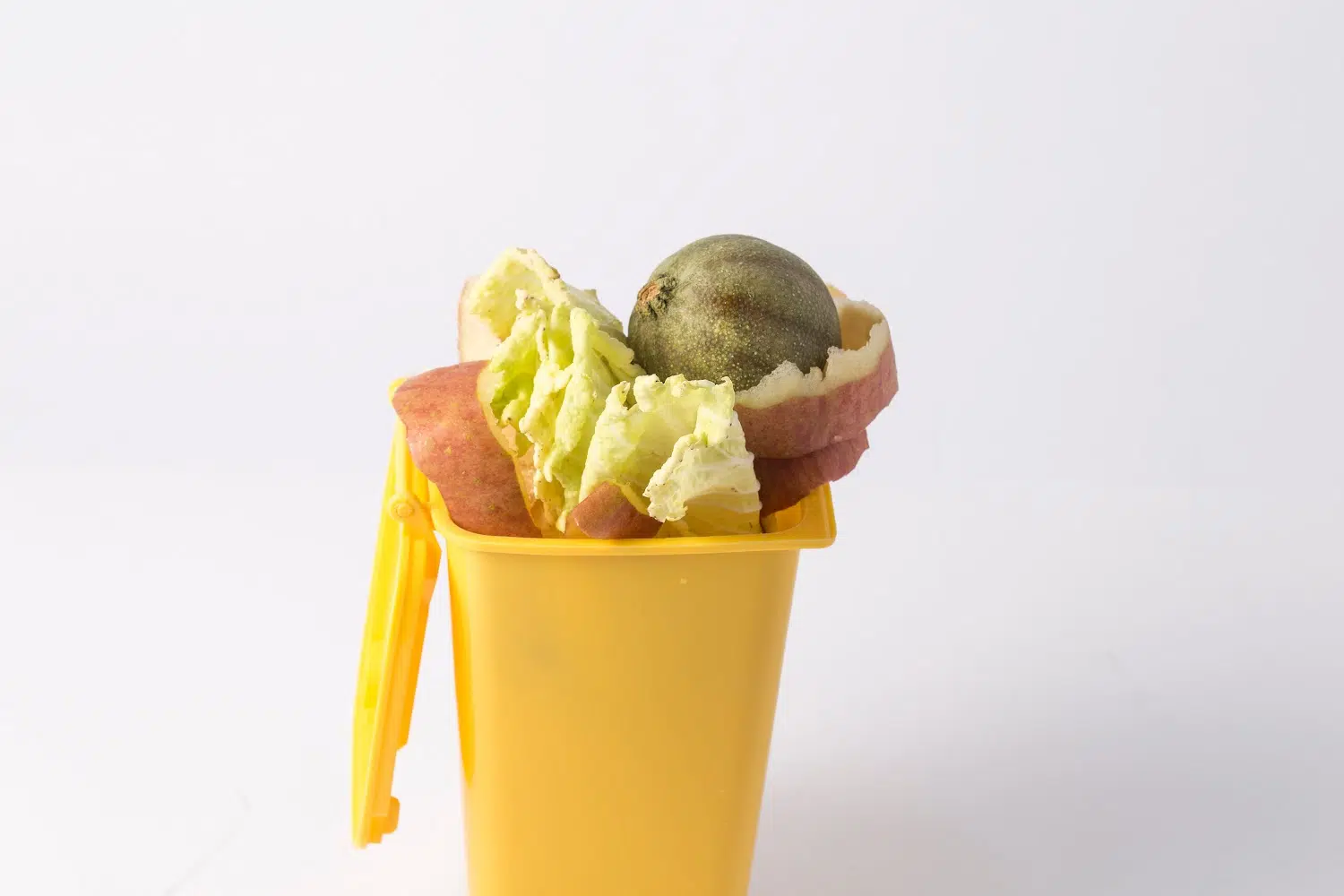
Stick to fruit, vegetable, and plant-based scraps to keep your compost pile healthy. Meat and dairy can attract pests and create strong odors. Avoiding these items keeps your compost cleaner and easier to manage. It’s especially important for backyard composting.
Use Finished Compost in Your Garden
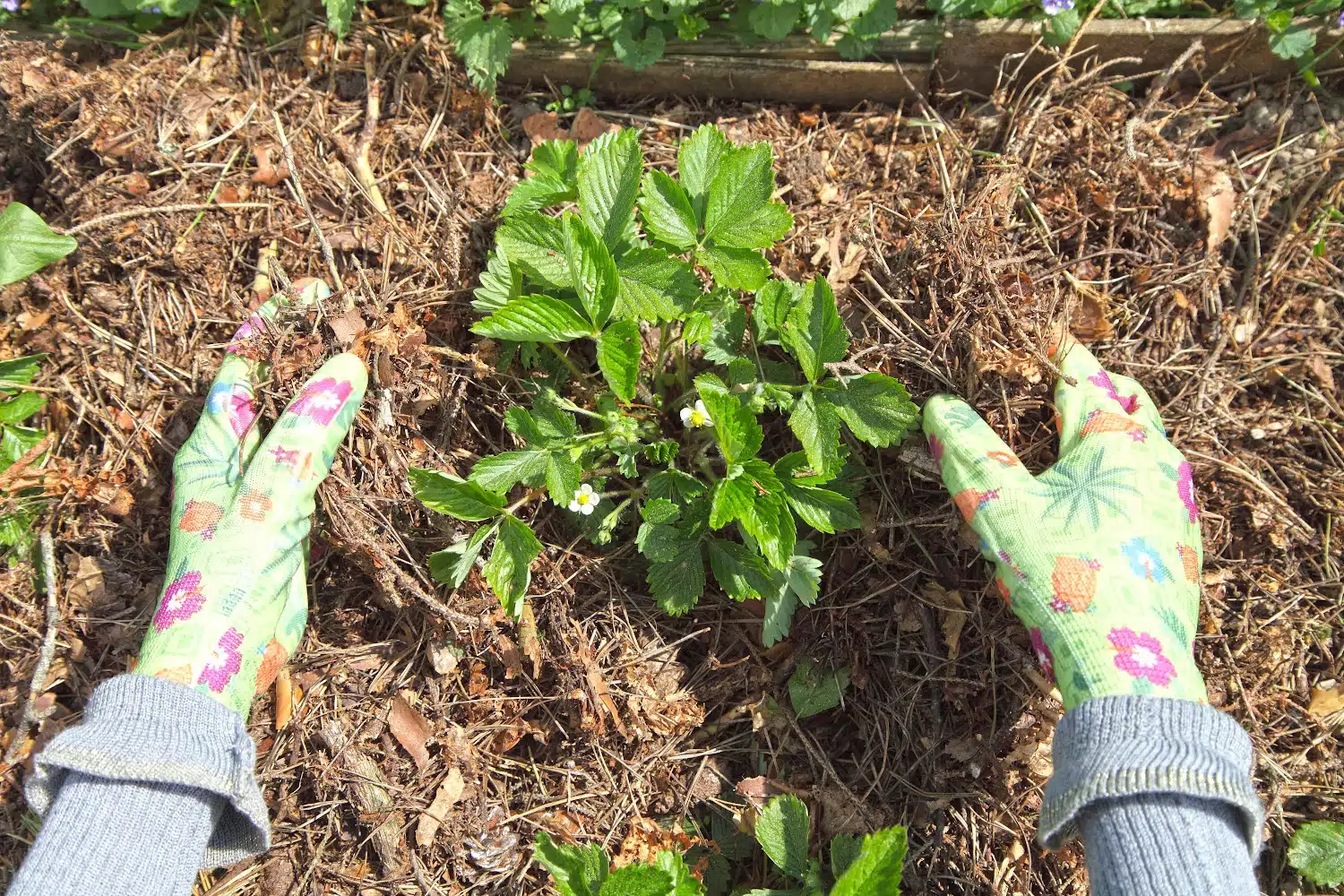
Once your compost turns dark and crumbly with an earthy smell, it’s ready to use. Mix it into garden beds, sprinkle it around plants, or use it in pots. It improves soil health, boosts plant growth, and reduces the need for chemical fertilizers. Your kitchen scraps truly become garden gold.
This post may contain affiliate links or sponsored content. Disclosure Policy