12 Simple Ways to Make Better Roasted Vegetables
Roasted vegetables should have browned, caramelized edges and tender centers—not a soggy texture or burnt spots. The difference often comes down to a few simple details, from how you cut the vegetables to what you roast them on. Whether you’re making a weeknight side dish or prepping vegetables for several meals, these simple techniques can help you get more consistent results from the oven.
Dry Your Vegetables Before Roasting
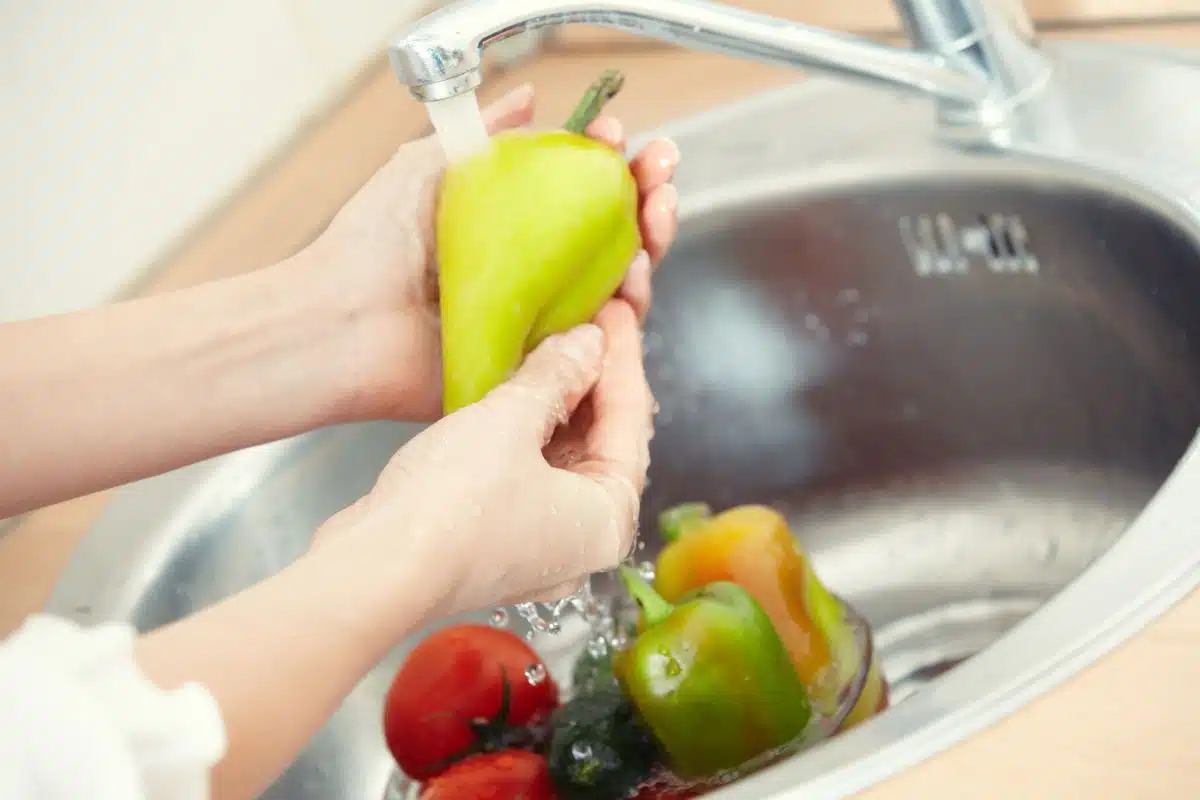
After washing your vegetables, dry them thoroughly before adding oil and seasonings. Extra surface water has to evaporate before the vegetables can brown, which can leave them softer and paler. A clean kitchen towel or paper towel works well for drying broccoli, cauliflower, zucchini, carrots, and other produce. This is especially helpful when roasting vegetables with a naturally high water content.
Cut Vegetables Into Similar-Sized Pieces
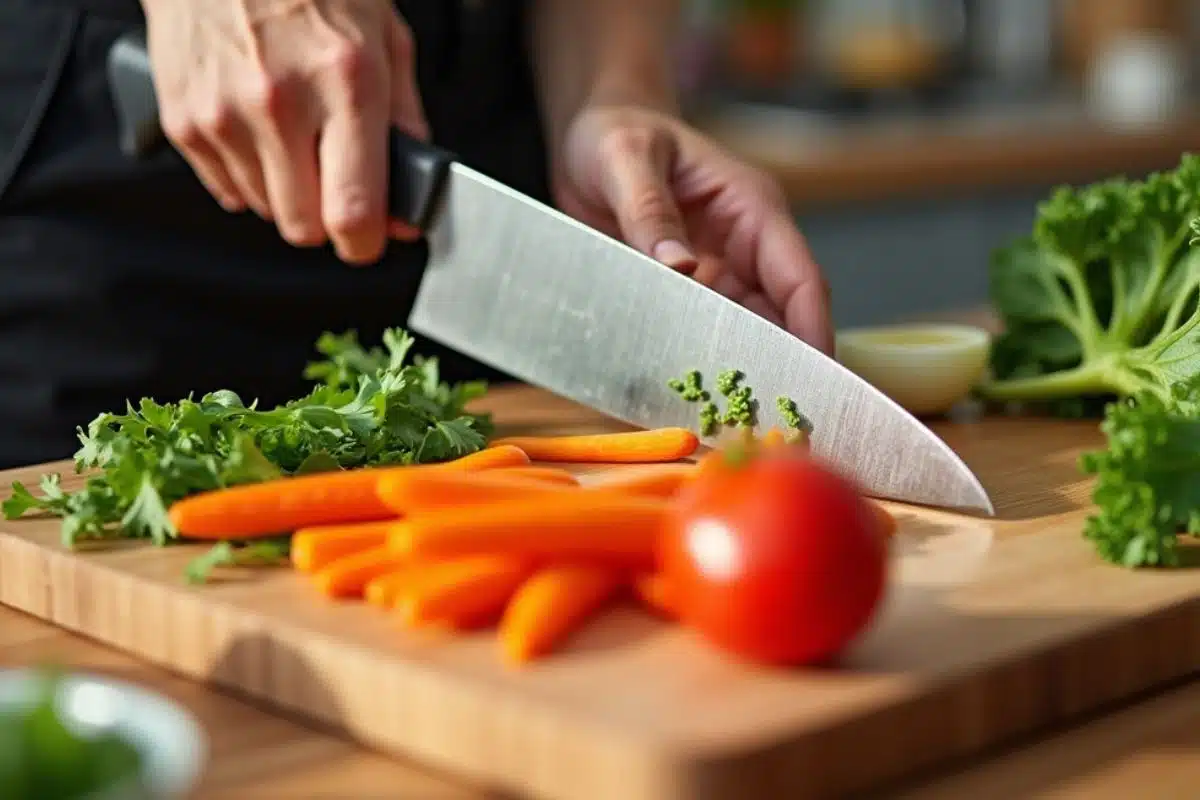
Uniform pieces are easier to roast evenly. If some chunks are twice the size of others, the smaller pieces may burn before the larger ones are tender. You don’t have to make every piece identical, but aim for similar thickness and size within each batch.
Give the Vegetables Plenty of Room
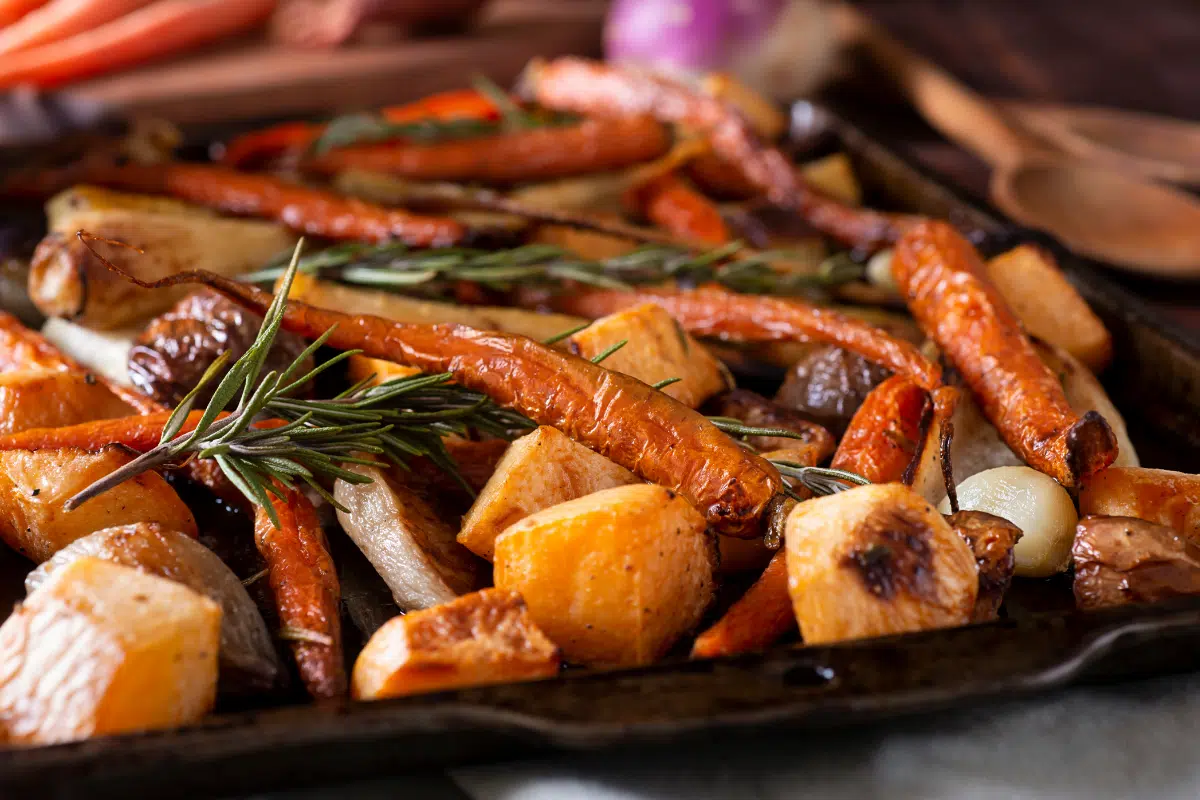
One of the easiest ways to end up with soggy vegetables is to pile too many onto one pan. Vegetables release moisture as they cook, and crowding prevents that moisture from escaping efficiently. Arrange them in a single layer with some space between the pieces. If necessary, use two sheet pans instead of cramming everything onto one.
Preheat the Oven and the Pan
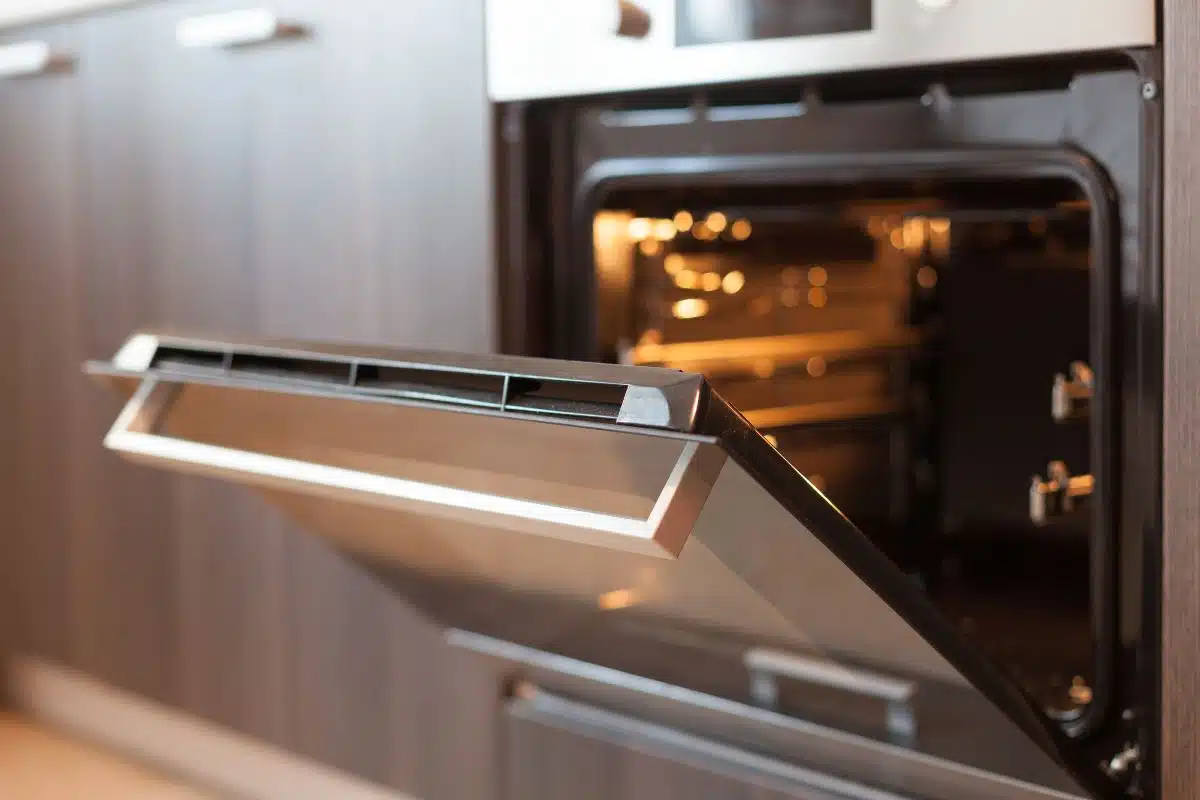
Don’t put your vegetables into a cold oven and expect the same results. Give the oven plenty of time to reach the desired temperature before roasting. For an extra boost of browning, you can place a sturdy sheet pan in the oven while it preheats, then carefully add the vegetables to the hot surface. A hot pan gives the vegetables immediate contact with a heated cooking surface.
Toss with Oil Before Seasoning
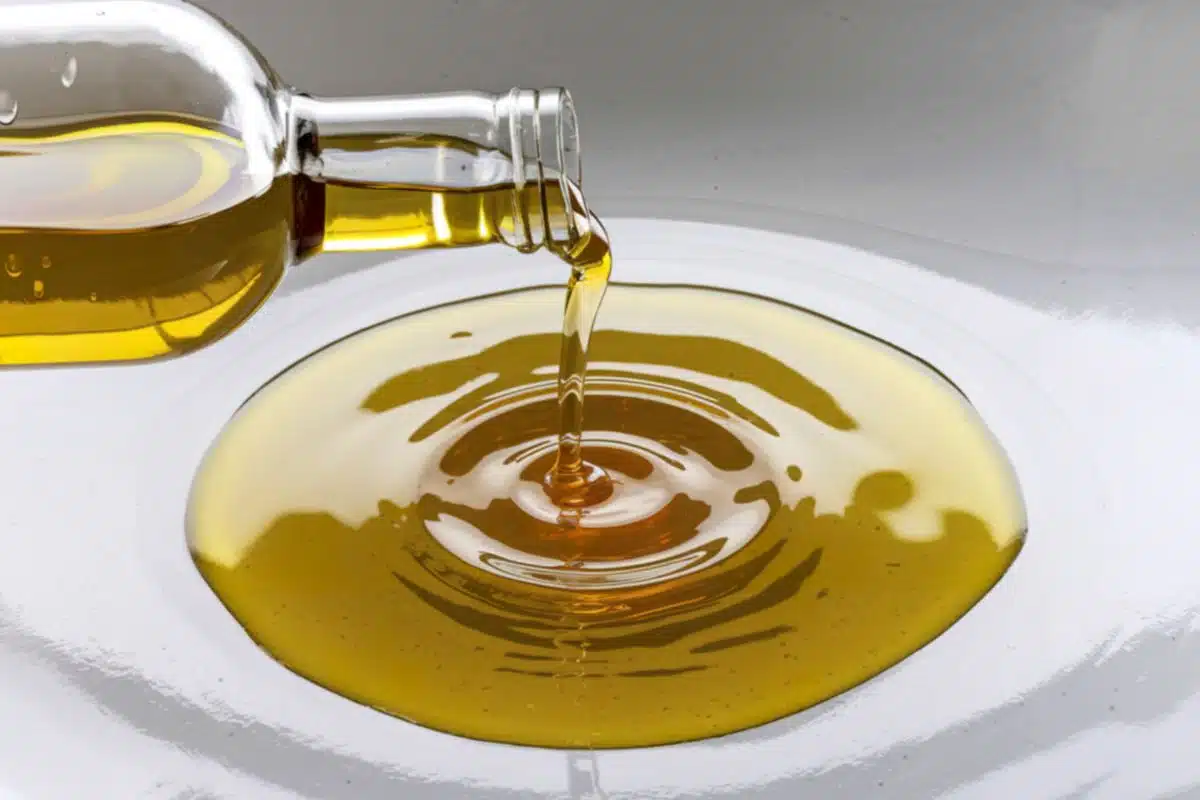
For more even browning and seasoning, toss the vegetables with oil and seasonings in a bowl before spreading them onto the pan. This coats each piece rather than leaving some vegetables practically dry while others are swimming in oil. Add salt, pepper, garlic powder, paprika, or other seasonings at this stage, depending on the vegetables you’re roasting.
Don’t Overdo the Oil
More oil doesn’t automatically mean better roasted vegetables. Too little can leave vegetables dry, while too much can make them greasy and interfere with browning. A useful starting point is about 1 to 2 tablespoons of oil per pound of vegetables, then adjust based on the type and size of the vegetables.
Roast at a High Enough Temperature

For most vegetables, an oven temperature around 400°F to 425°F is a good starting point. The higher heat helps drive off moisture while encouraging browning and caramelization. Very dense vegetables may need more time at the same temperature, while delicate vegetables can cook much faster. Keep in mind that convection ovens may cook and brown food more quickly than conventional ovens.
Don’t Flip Too Soon
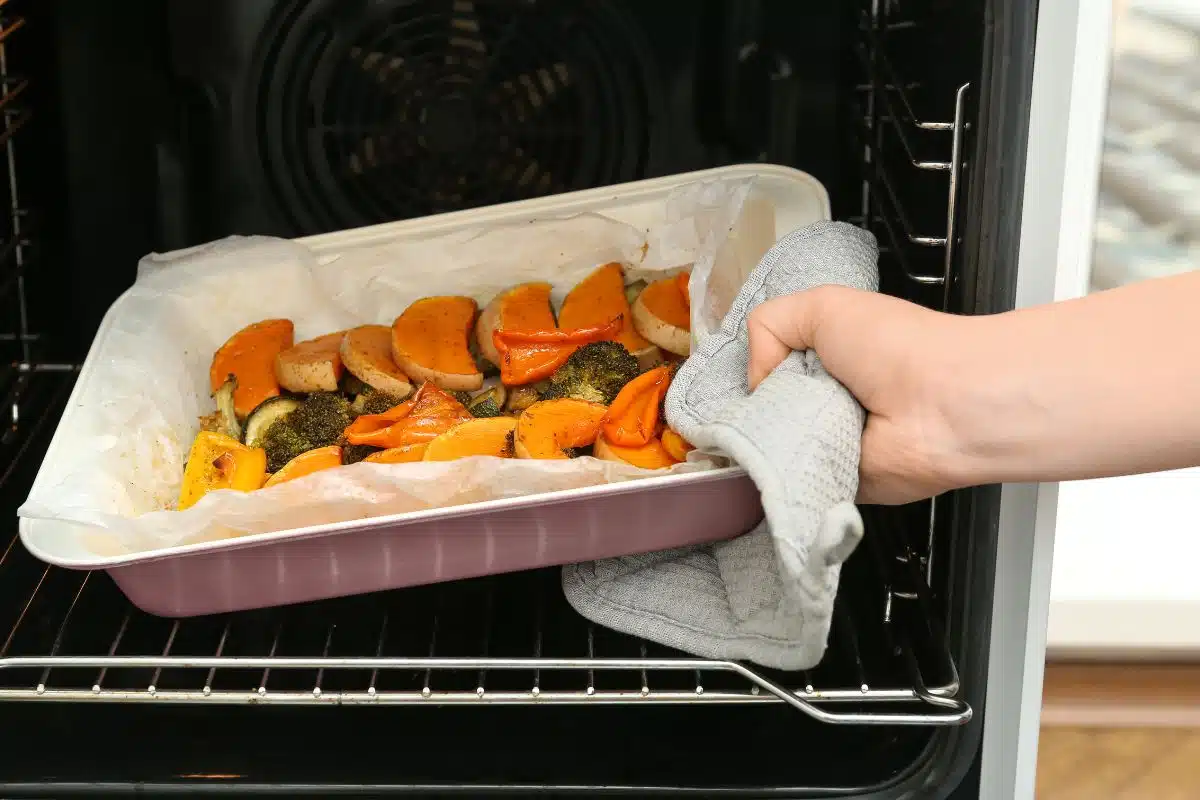
Roasted vegetables don’t need constant stirring. Let them sit against the hot pan long enough to develop browned edges before turning them. Moving them too frequently can interrupt that direct contact and make it harder to develop good color. The exact timing depends on the vegetable, but patience during the first part of roasting can pay off.
Match Vegetables With Similar Cooking Times
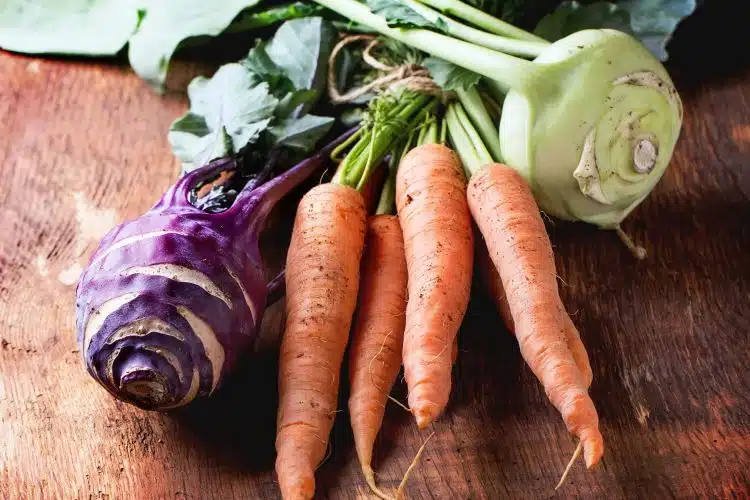
Not every vegetable belongs on the pan at the same time. Potatoes, carrots, and other dense root vegetables generally need longer than zucchini, bell peppers, or mushrooms. You can either roast vegetables with similar cooking times together or give the slower-cooking vegetables a head start before adding the others.
Add Delicate Ingredients Later
Some ingredients can burn long before the vegetables are finished. Fresh garlic, delicate herbs, cheese, nuts, and sweet glazes are often better added toward the end of roasting rather than at the beginning. This gives the vegetables time to brown without turning your seasonings bitter or burnt. It also lets fresh ingredients retain more of their flavor.
Finish With Something Fresh
Roasted vegetables can benefit from a finishing touch right before serving. A small sprinkle of flaky salt, squeeze of lemon juice, splash of vinegar, fresh herbs, or drizzle of a flavorful sauce can brighten the deep, roasted flavors. Add it after the vegetables come out of the oven so the fresh flavors remain distinct.
Let Them Rest Before Serving
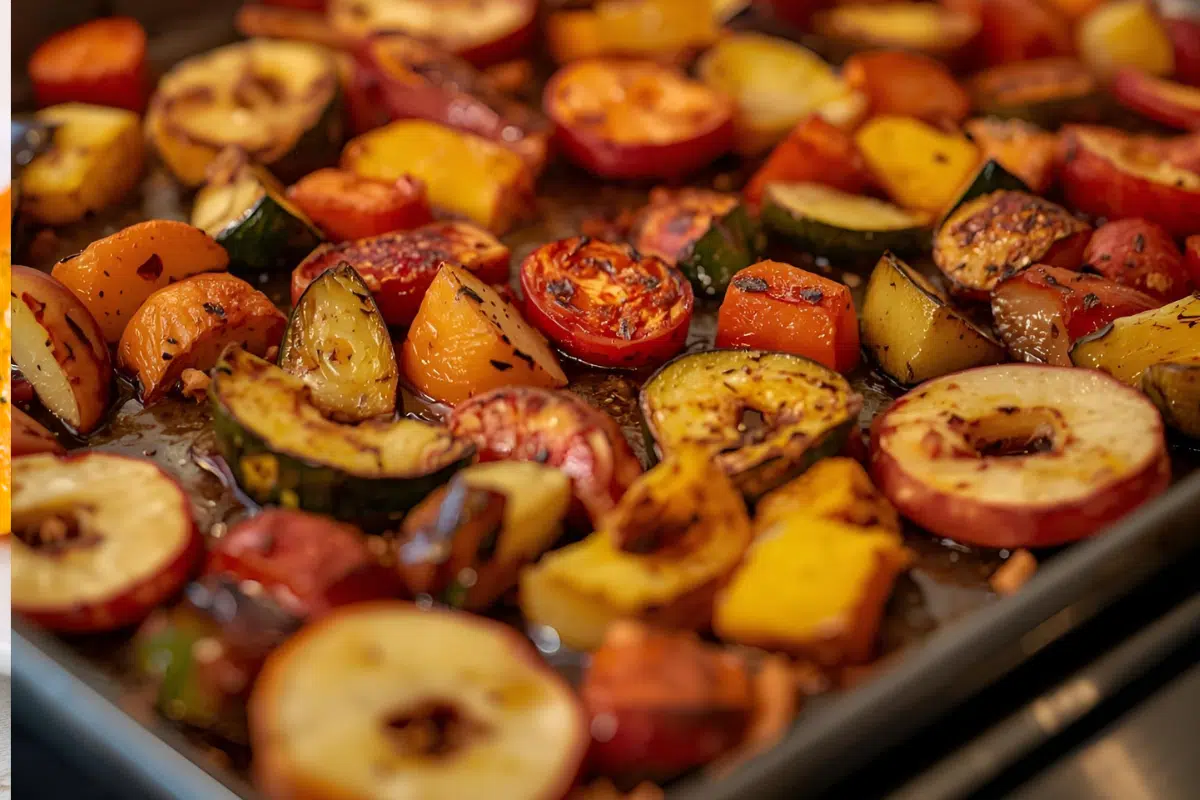
Give roasted veggies a minute or two on the pan before serving. This helps them firm up slightly and keeps them from getting soggy.
This post may contain affiliate links or sponsored content. Disclosure Policy