8 Breakfast Habits That Were Common in the 1950s
Breakfast in the 1950s looked very different from the way we eat it now. Back then, convenience foods were booming, portion expectations were changing, and nutrition advice was often shaped by trends we wouldn’t recognize today. Some rules were rooted in tradition, while others reflected marketing messages of the time. Here are eight breakfast habits from the 1950s that would likely raise eyebrows in today’s health-conscious world.
“A Proper Breakfast Must Be Hot and Hearty”
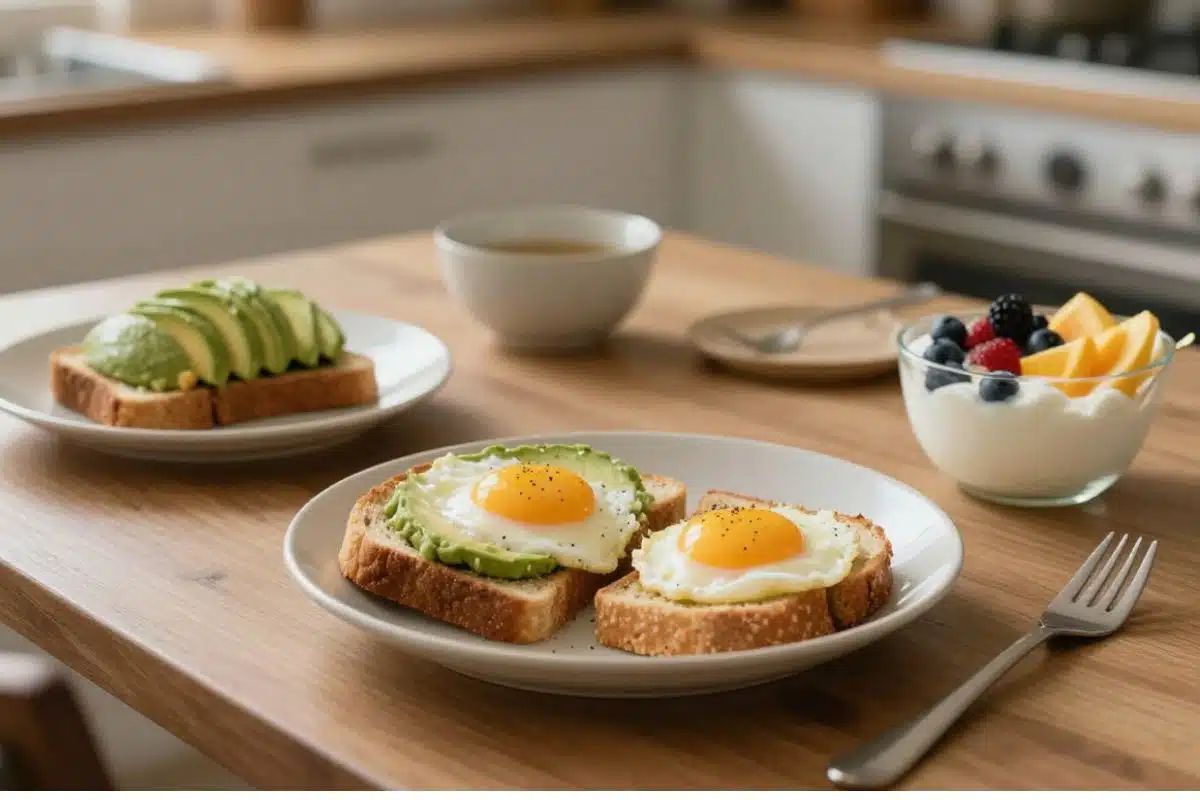
In the 1950s, breakfast was often expected to be a substantial hot meal—think eggs, bacon, toast, and potatoes. Light options like yogurt bowls, smoothies, or grab-and-go bars weren’t common household staples yet. The idea was that a big breakfast fueled a full day of work. Today, many people prefer flexible options that fit busy schedules and varied dietary needs.
Sugary Cereal Was Considered a Healthy Start
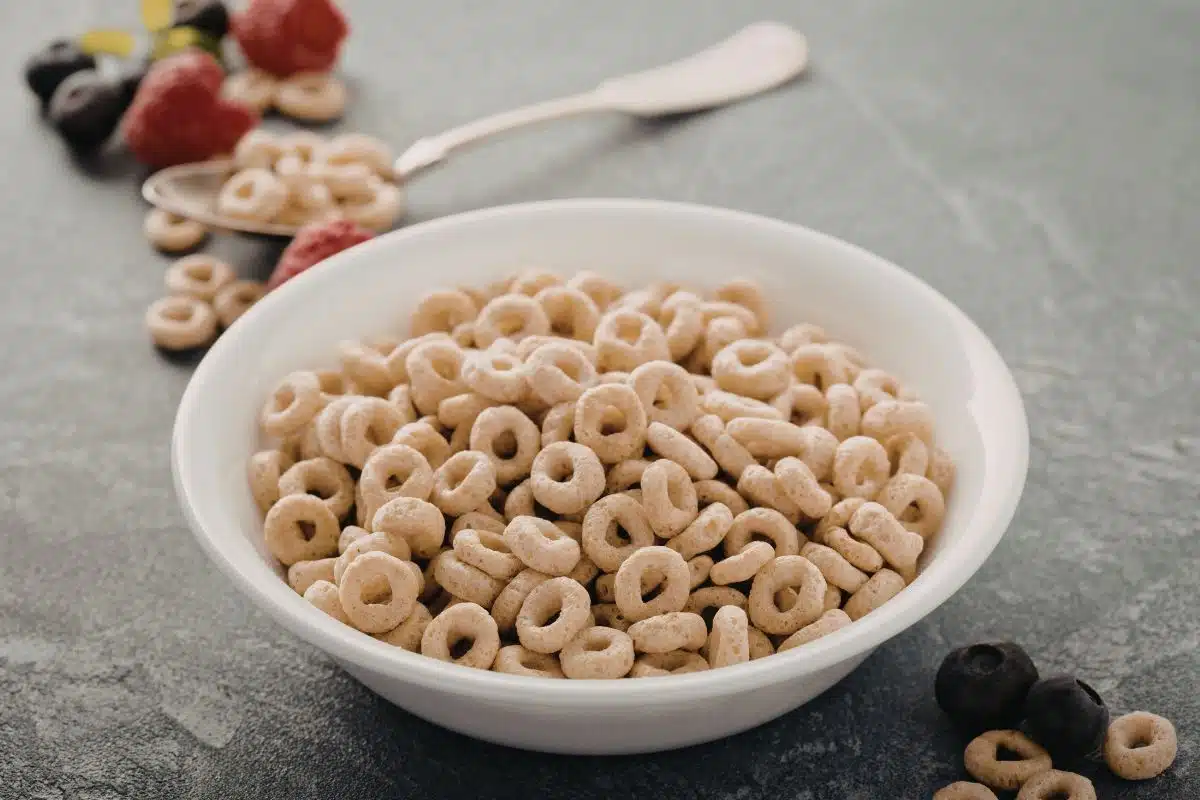
The post-war boom brought a rise in packaged breakfast cereals, many marketed directly to families. Bright boxes and fun characters helped make sugary cereals a morning staple. At the time, they were often promoted as fortified and nutritious. Today, consumers pay much closer attention to sugar content and ingredient labels.
Milk Was Non-Negotiable

Milk was commonly viewed as an essential part of every breakfast, especially for children. It was encouraged as a key source of nutrients and often paired with cereal, toast, or even eggs. While milk is still popular, today’s breakfast tables include many alternatives such as plant-based drinks. Dietary preferences and lactose-free options have expanded significantly.
Coffee Was Strictly for Adults

In many households, coffee was seen as an adult-only beverage. Children typically drank milk or juice instead. Coffee culture wasn’t yet centered around specialty drinks or customizable orders. Today, coffee shops offer everything from cold brews to flavored lattes enjoyed by a wide range of consumers.
Butter and White Bread Were the Standard

Refined white bread with butter was a common breakfast staple in the 1950s. Whole-grain options were far less mainstream than they are today. Nutrition guidance now encourages higher fiber choices, which has shifted many people toward whole-wheat or multigrain breads. The focus on balanced macronutrients has changed how we think about toast.
Portion Sizes Were Increasing Rapidly
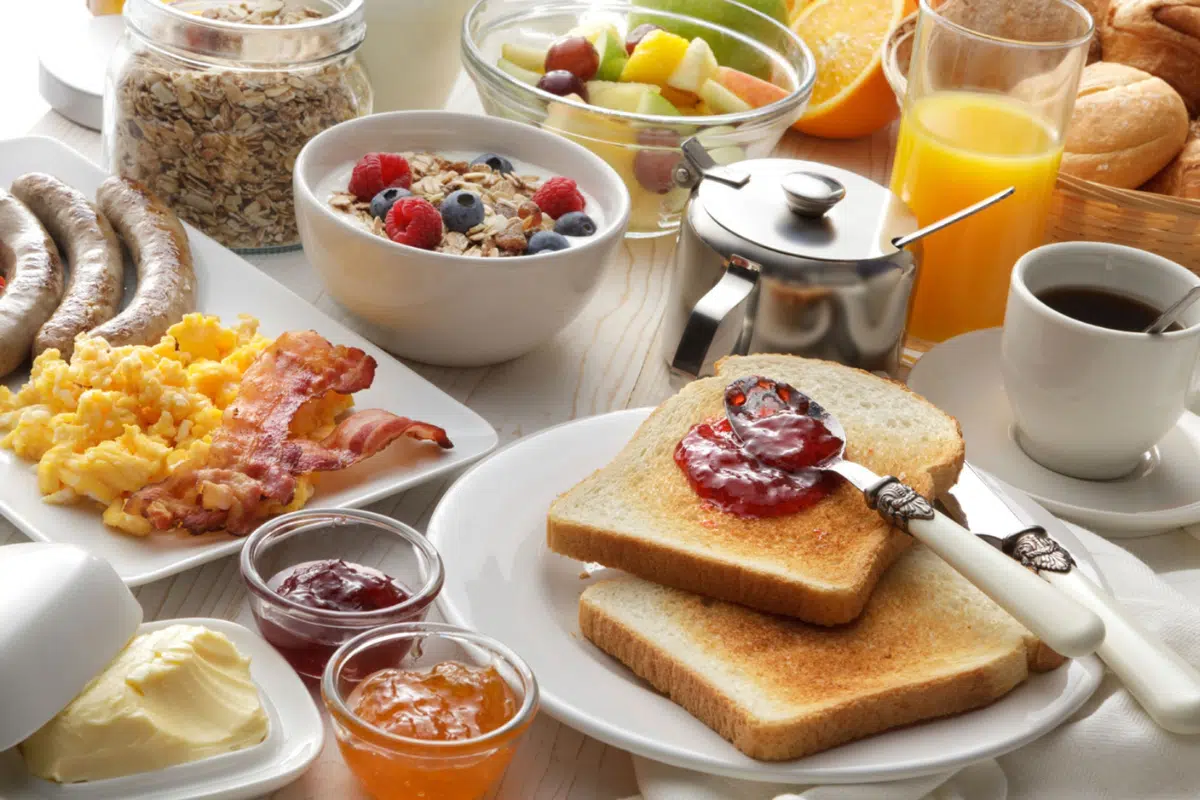
As food manufacturing expanded, portion sizes began to grow compared to earlier decades. Breakfast plates became more generous, especially in American households embracing abundance after wartime rationing. Today, many people are more mindful of portion control and balanced eating. Smaller, nutrient-dense meals are often preferred.
Breakfast Was Expected at the Kitchen Table

The 1950s emphasized family routines, and breakfast was commonly eaten together at home. Convenience culture was still developing, so eating on the go wasn’t the norm. Now, busy lifestyles mean breakfast might happen at a desk, in the car, or even skipped entirely. Flexibility has replaced the once-rigid mealtime structure.
Skipping Breakfast Was Strongly Discouraged

Breakfast was widely promoted as the “most important meal of the day.” Skipping it was often viewed as unhealthy or irresponsible. While many still believe in starting the day with a meal, modern nutrition research suggests individual needs vary. Intermittent fasting and personalized eating patterns have reshaped how people think about morning meals.
This post may contain affiliate links or sponsored content. Disclosure Policy