These 12 Everyday Foods Could Help Lower Inflammation
Chronic inflammation has become a growing area of interest in nutrition and wellness, as researchers continue to explore how daily habits and food choices can influence the body’s natural inflammatory response. While inflammation is an important part of the healing process, ongoing inflammation may contribute to a variety of health concerns over time. The good news is that supporting a healthy balance can start with simple choices made at the grocery store. Many nutrient-rich foods contain compounds that may help support overall wellness and a balanced inflammatory response. Here are 12 foods you can easily incorporate into your meals to nourish your body and promote long-term health.
Fatty Fish
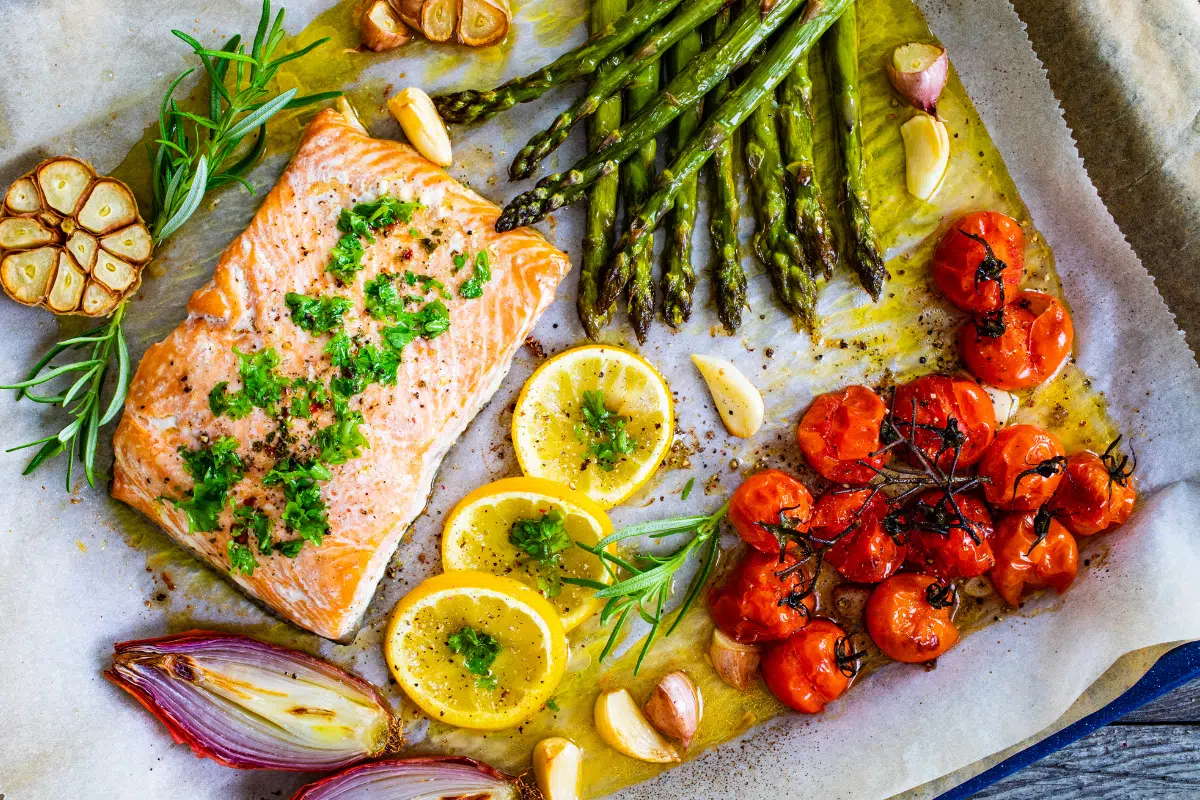
Fatty fish like salmon, sardines, and mackerel remain some of the most powerful anti-inflammatory foods thanks to their high omega-3 fatty acid content. These healthy fats help reduce inflammatory markers in the body and support heart, brain, and joint health. Nutrition experts continue to recommend eating fatty fish at least twice per week for optimal benefits. To this day, it remains a cornerstone of the Mediterranean-style eating pattern linked to longevity.
Leafy Greens
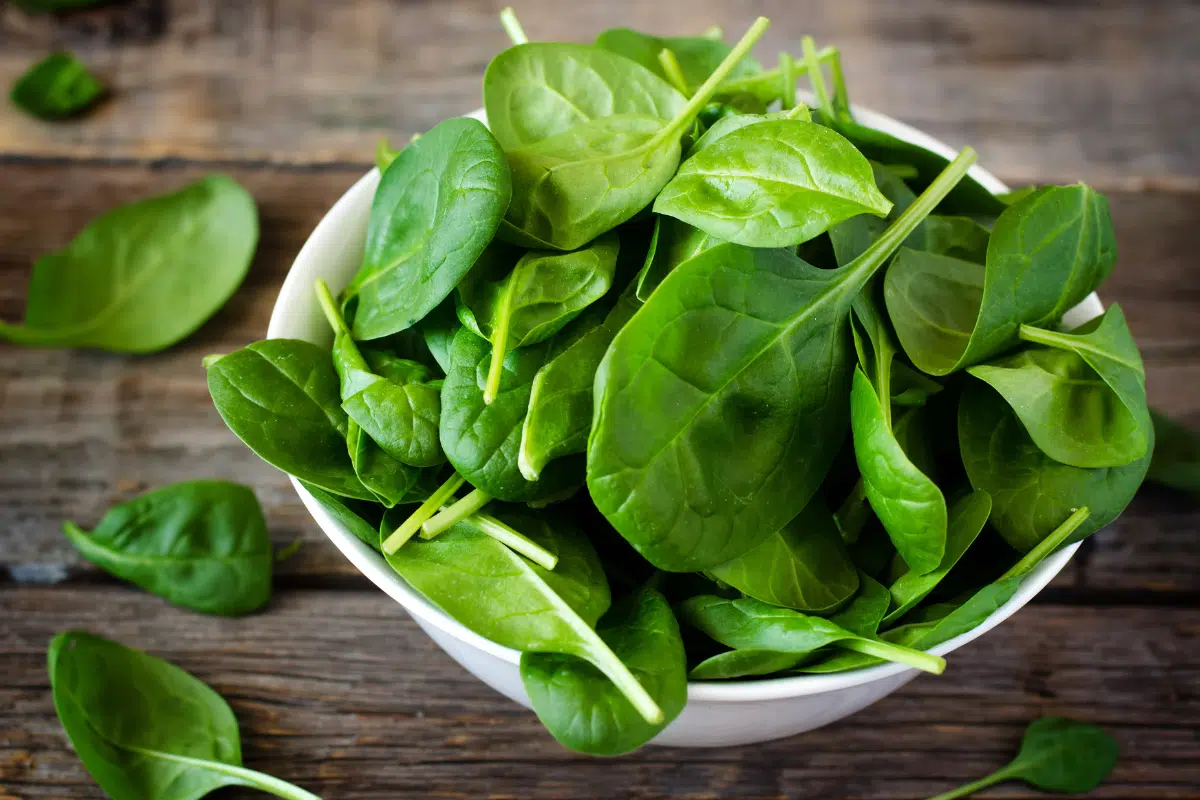
Spinach, kale, collard greens, and Swiss chard are packed with antioxidants, fiber, and essential vitamins that help protect cells from oxidative stress. These nutrients work together to reduce inflammation at the cellular level while supporting immune function. Leafy greens are also low in calories but high in nutrient density, making them ideal for daily consumption. Adding them to smoothies, salads, or sautés is one of the easiest ways to boost your anti-inflammatory intake.
Berries
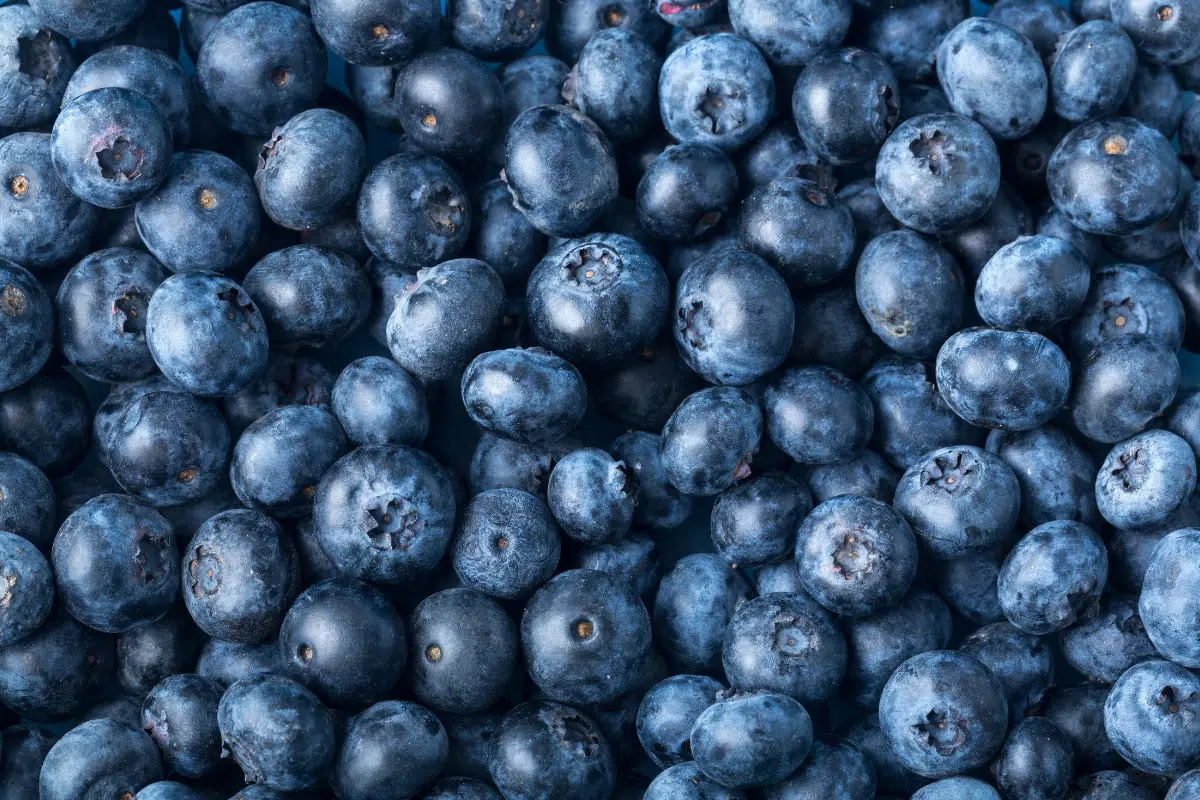
Blueberries, strawberries, raspberries, and blackberries are rich in anthocyanins, the compounds responsible for their deep color and powerful antioxidant effects. These fruits help fight oxidative stress, which is closely linked to chronic inflammation. Recent nutrition studies continue to highlight berries as one of the most effective everyday foods for supporting immune and brain health. They’re also naturally sweet, making them an easy healthy swap for processed snacks.
Extra Virgin Olive Oil
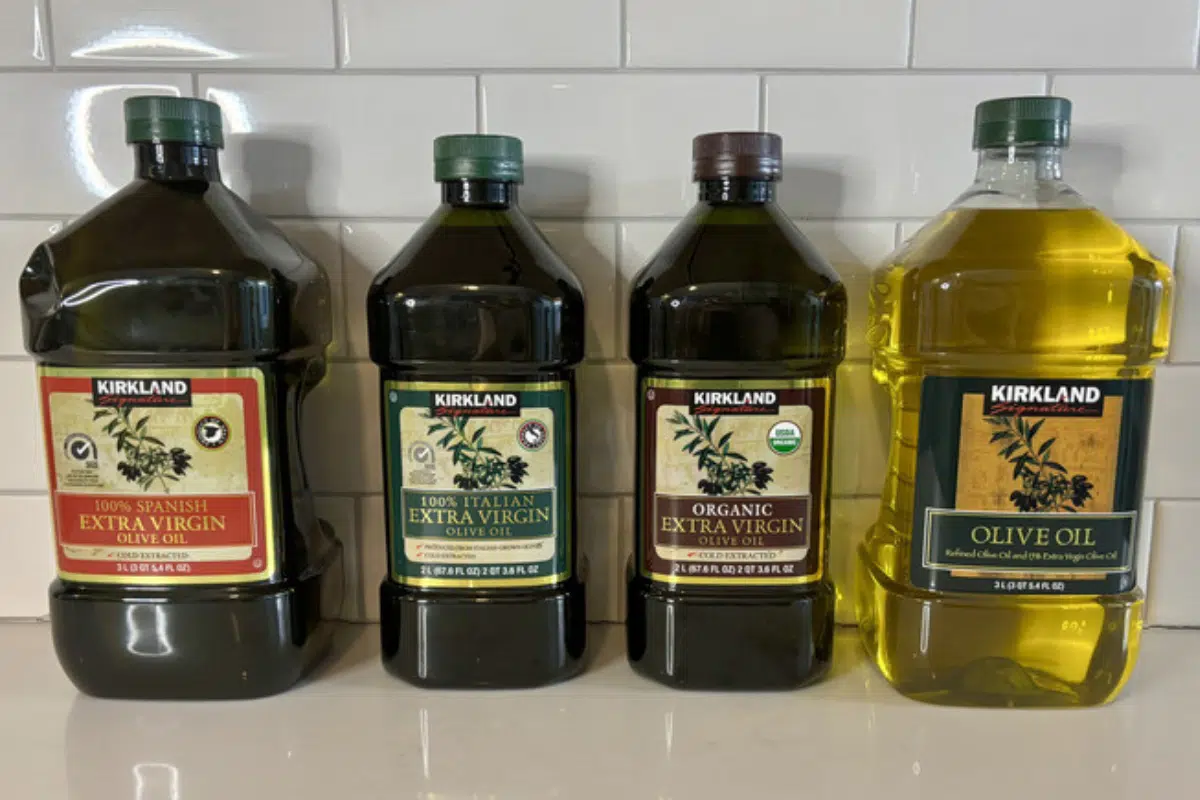
Extra-virgin olive oil remains a key component of anti-inflammatory diets like the Mediterranean diet, which continues to rank highly in long-term health research. It contains monounsaturated fats and polyphenols that help reduce inflammation and support heart health. Experts still recommend using olive oil as a primary cooking fat instead of highly processed oils. Drizzling it over vegetables or using it in dressings maximizes its benefits.
Turmeric

Turmeric has maintained its reputation as one of the most studied anti-inflammatory spices due to its active compound, curcumin. Research shows curcumin may help reduce inflammation in the joints and support overall cellular health. To improve absorption, it’s commonly paired with black pepper, which enhances its effectiveness. Many people now incorporate turmeric into teas, smoothies, soups, and even golden milk lattes.
Ginger

Ginger continues to be widely recognized for its ability to reduce inflammation in the digestive system and muscles. It contains bioactive compounds like gingerol that have antioxidant and anti-inflammatory effects. Many wellness routines now include ginger tea or fresh ginger added to meals for daily support. It’s also commonly used to help ease nausea and support gut health.
Nuts
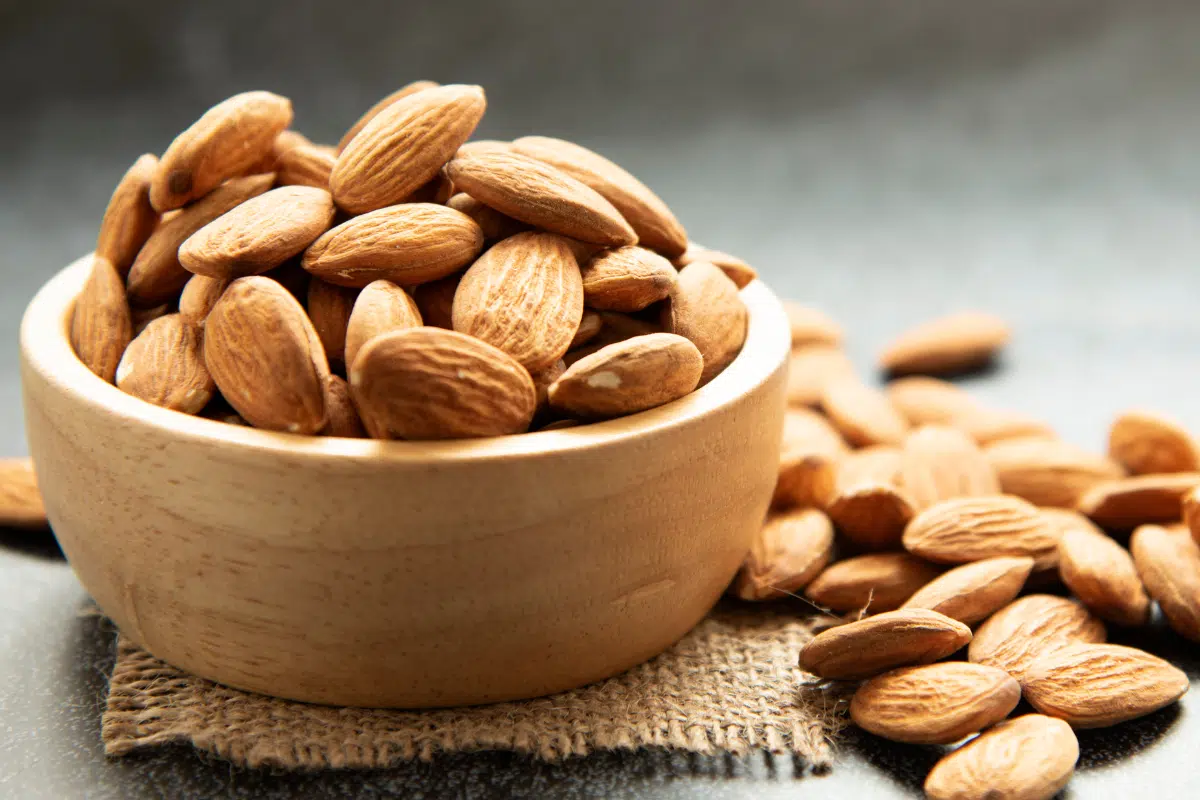
Almonds, walnuts, and pistachios provide a powerful combination of healthy fats, fiber, and vitamin E, all of which help reduce inflammation. Walnuts in particular are rich in omega-3 fatty acids, making them especially beneficial for heart and brain health. Nutrition trends this year continue to emphasize nuts as a satisfying, portable snack that supports long-term wellness. A small handful a day is often enough to gain benefits without overdoing calories.
Tomatoes
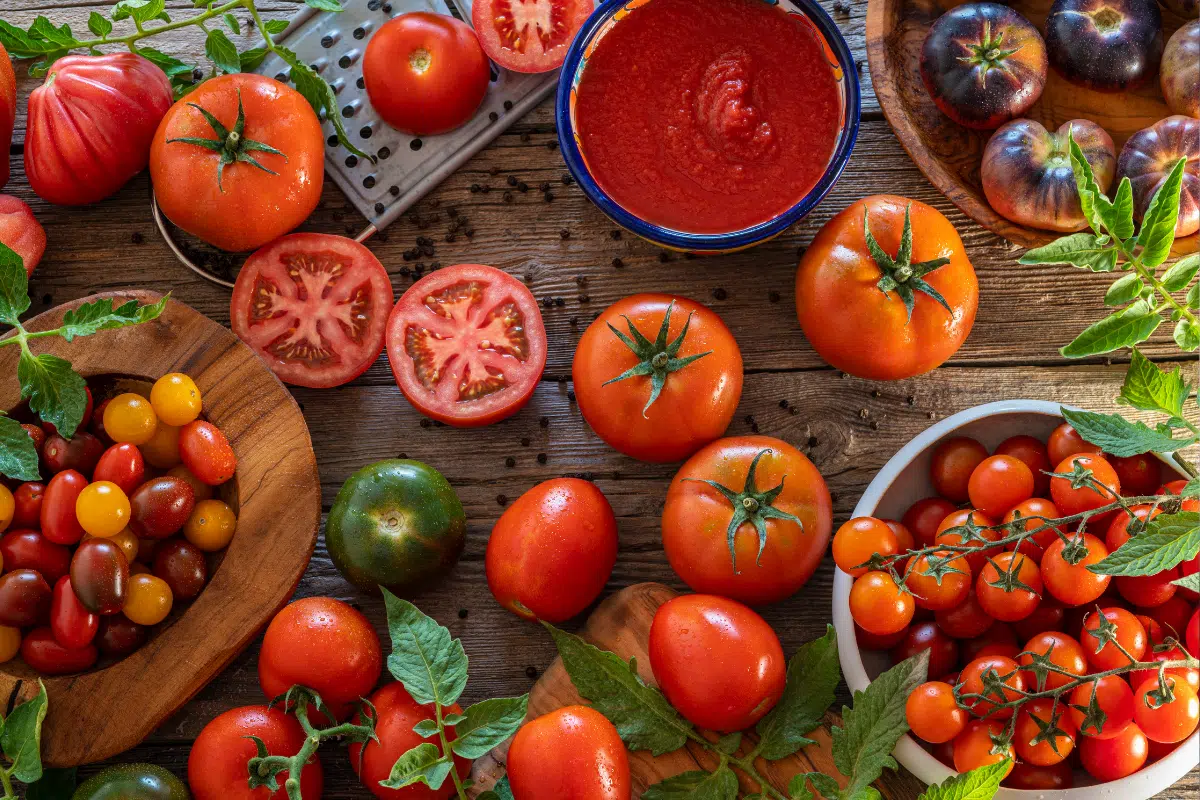
Tomatoes are a major source of lycopene, an antioxidant that has been linked to reduced inflammation and improved skin and heart health. Cooking tomatoes with a healthy fat like olive oil increases lycopene absorption, making sauces and roasted dishes especially beneficial. Recent dietary guidance continues to highlight cooked tomatoes as more bioavailable than raw in many cases. They remain a versatile staple in anti-inflammatory eating patterns.
Green Tea

Green tea is rich in catechins, particularly EGCG, which has been studied for its anti-inflammatory and cell-protective properties. Drinking it regularly may help reduce oxidative stress and support metabolic health. It remains one of the most recommended daily beverages in wellness-focused diets. Both hot and iced versions provide similar benefits when consumed without added sugar.
Garlic
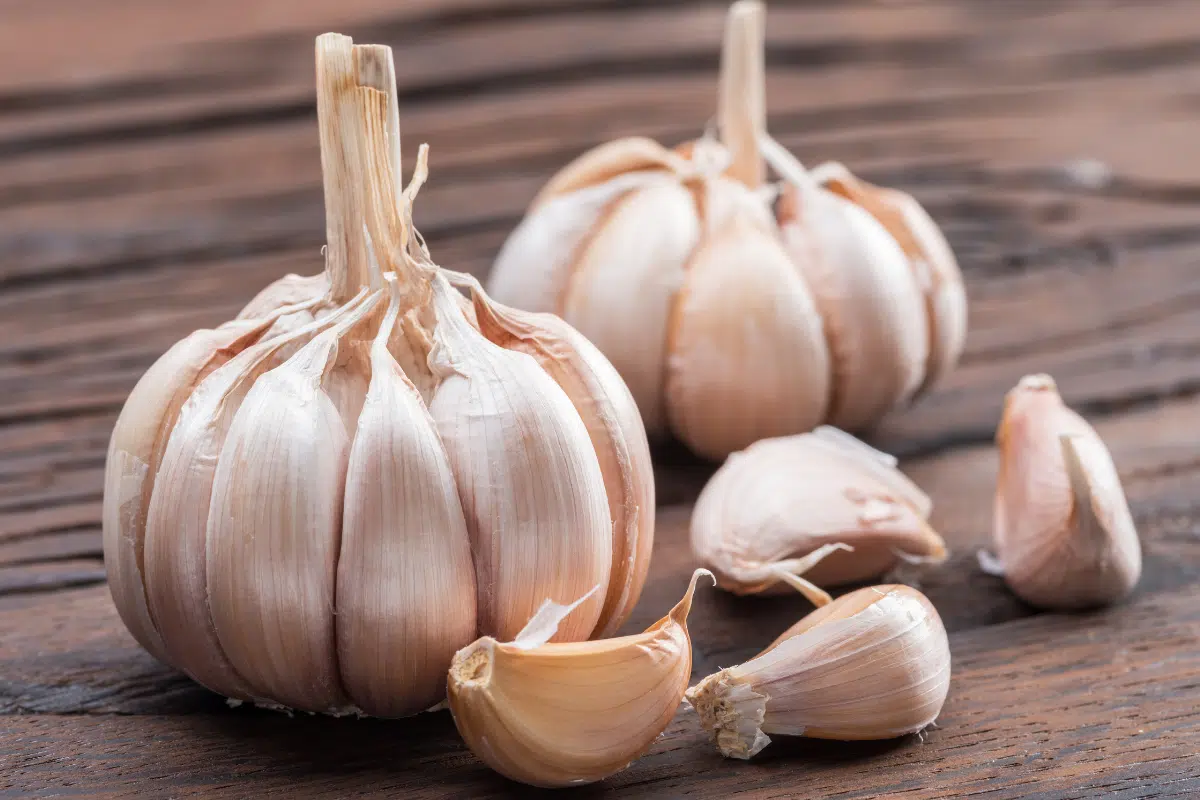
Garlic contains sulfur compounds such as allicin, which have been shown to help lower inflammatory markers and support immune function. Fresh garlic provides the strongest benefits, especially when crushed or chopped before cooking. Many health-focused diets continue to use garlic as a foundational flavor base for savory meals. It also pairs well with nearly every cuisine, making it easy to incorporate daily.
Avocados
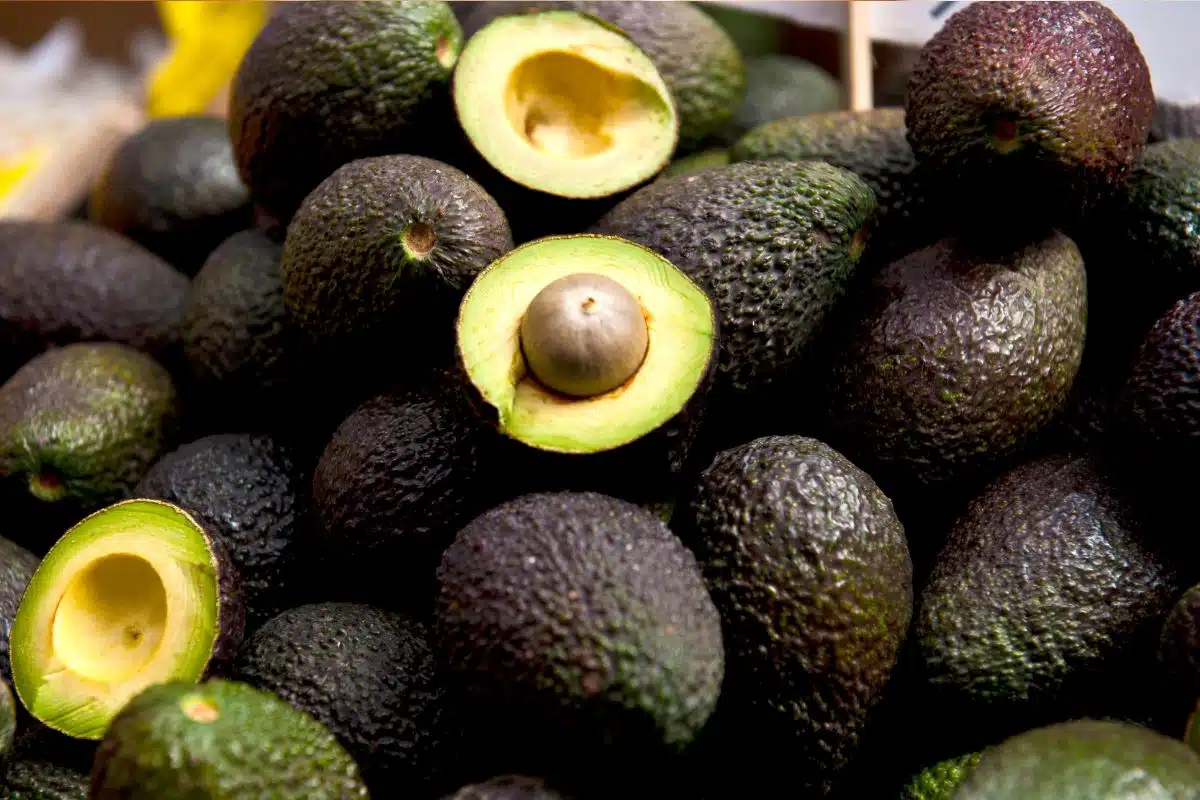
Avocados are rich in monounsaturated fats, fiber, and antioxidants that help reduce inflammation and support heart health. They also contain compounds that may help protect skin and support healthy cholesterol levels. Avocados remain a popular staple in balanced diets due to their versatility and nutrient density. They can be added to toast, salads, smoothies, or eaten on their own.
Dark Chocolate

Dark chocolate with at least 70% cacao contains flavonoids that help reduce inflammation and improve blood flow. These compounds also act as antioxidants, supporting overall cardiovascular health when consumed in moderation. Recent nutrition guidance continues to emphasize portion control while still recognizing its benefits. A small square after meals can satisfy cravings while still supporting a balanced diet.
This post may contain affiliate links or sponsored content. Disclosure Policy