10 Simple Tricks for Making Crispy Homemade Fries
Perfectly crispy homemade fries aren’t just about the cooking method—they’re the result of a few simple techniques that make all the difference. Whether you prefer baking, air frying, or traditional deep frying, the right preparation can help you achieve fries with a crisp, golden exterior and a fluffy interior. These expert-approved tips will help you get consistently delicious results while avoiding the soggy or uneven fries that can happen with common cooking mistakes.
Soak the Potatoes Before Cooking
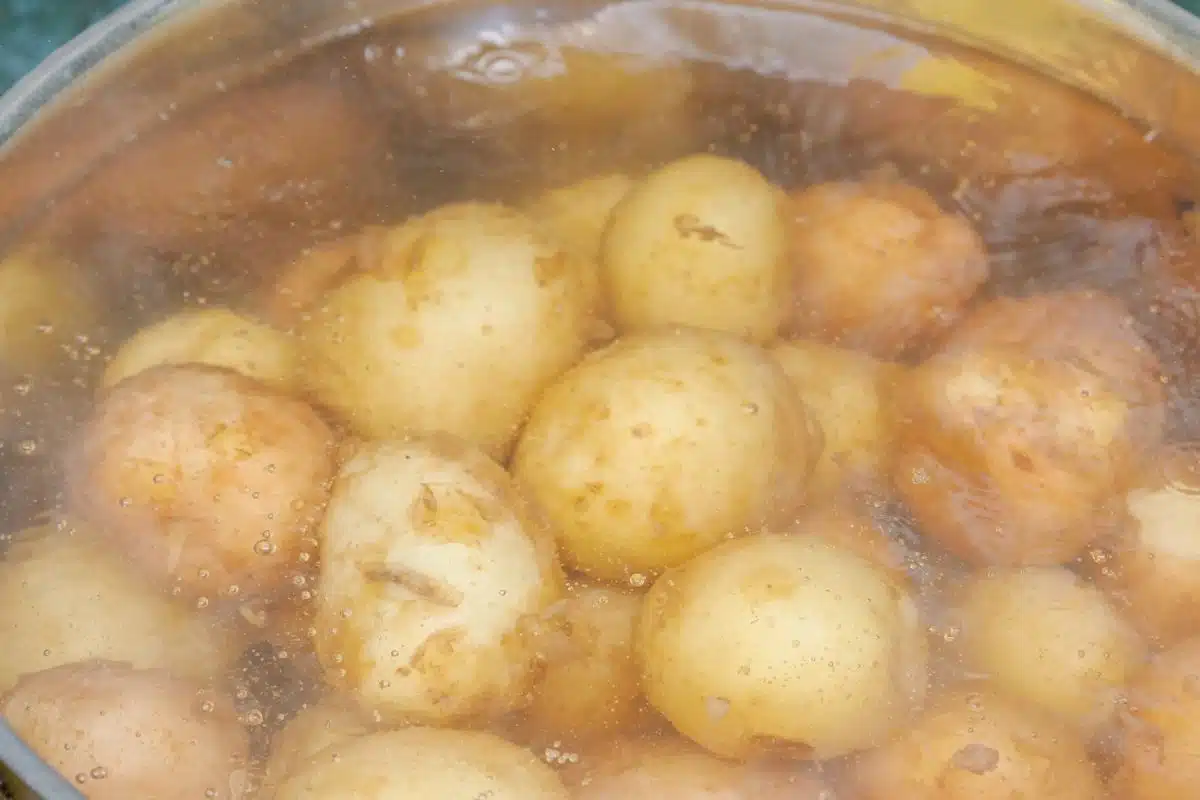
One of the easiest ways to improve homemade fries is to soak the cut potatoes in cold water for at least 30 minutes, or up to several hours if you have the time. Soaking removes excess surface starch, which can prevent the potatoes from crisping properly during cooking. After soaking, rinse them if needed and dry them thoroughly before adding any oil or seasoning. This simple step creates a noticeably crispier finished fry.
Dry the Potatoes Thoroughly
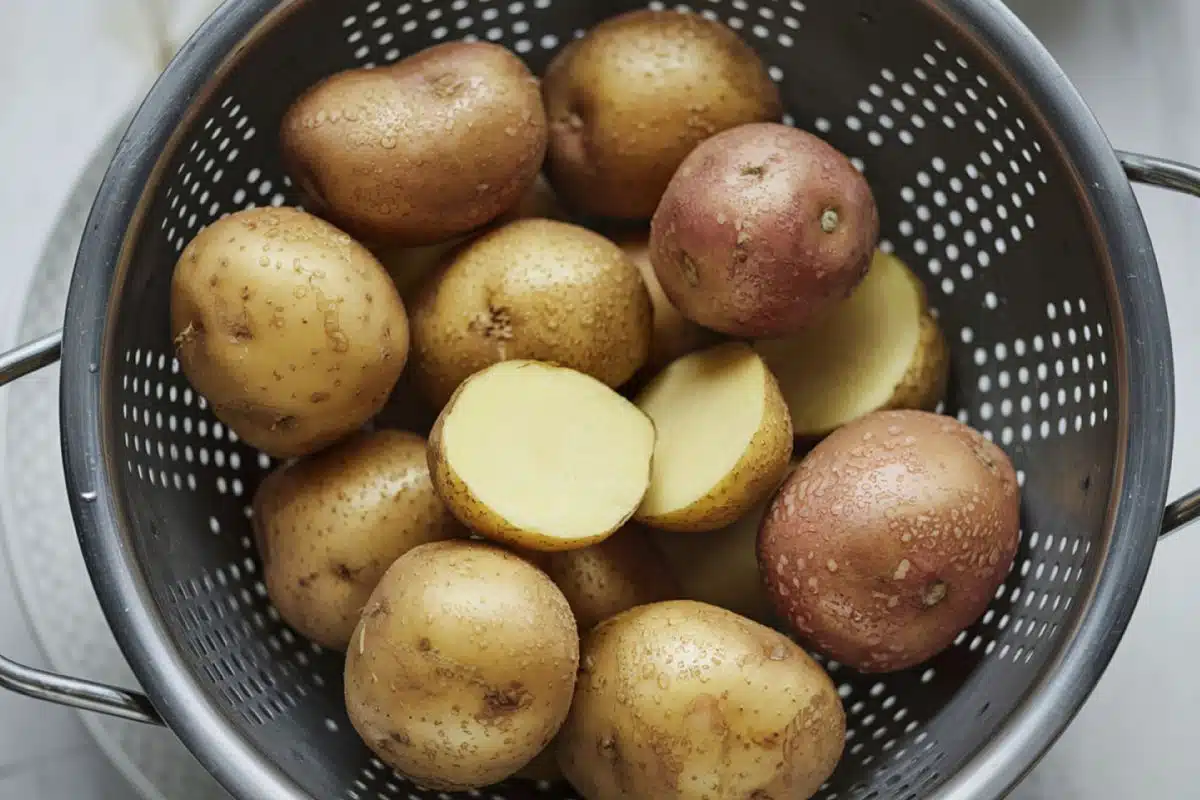
Moisture is one of the biggest obstacles to crispy fries. After soaking or washing the potatoes, use clean kitchen towels or paper towels to remove as much water as possible from every piece. Excess moisture causes the potatoes to steam instead of brown, resulting in a softer texture. Taking a few extra minutes to dry them well can dramatically improve the final result.
Cut the Fries to a Uniform Size
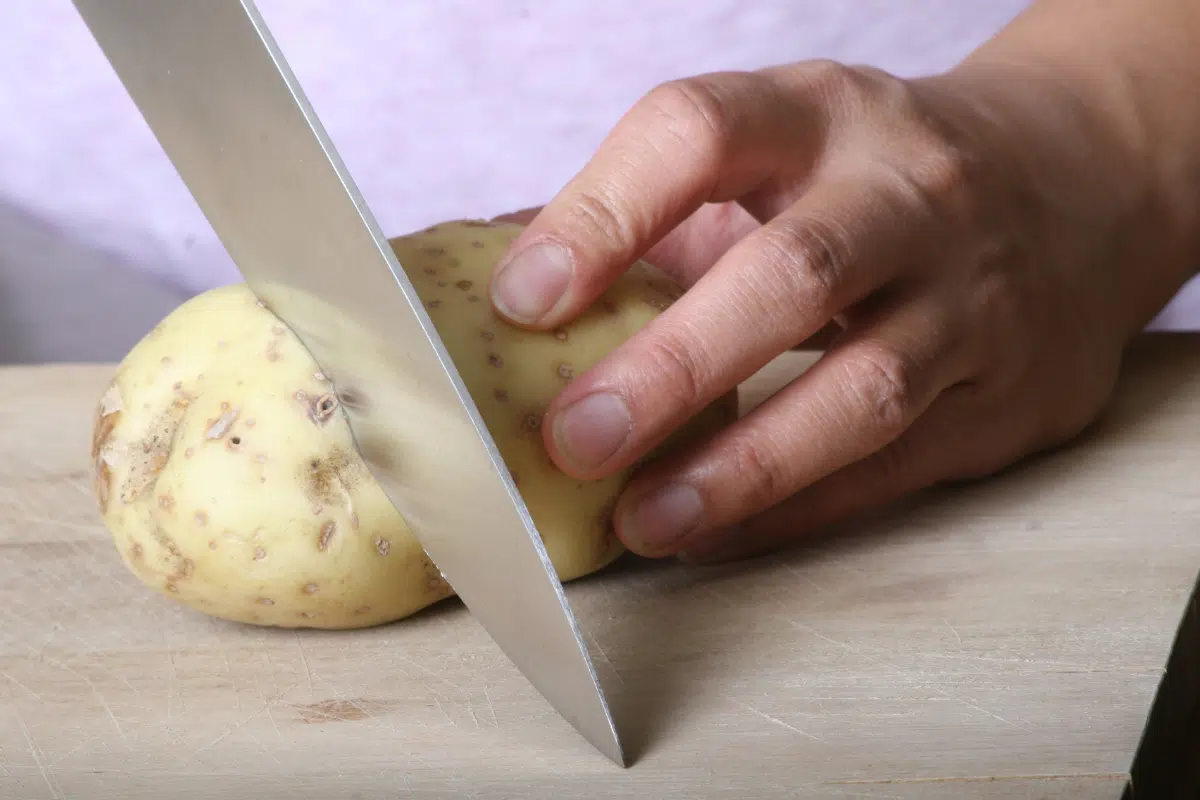
Consistently sized fries cook at the same rate, helping you avoid a batch with some pieces overcooked while others remain underdone. Aim for strips that are similar in both thickness and length, whether you prefer shoestring, classic, or steak fries. A fry cutter can make the job easier, but a sharp chef’s knife works just as well. Uniform cuts also create a more attractive finished dish.
Choose the Right Potatoes
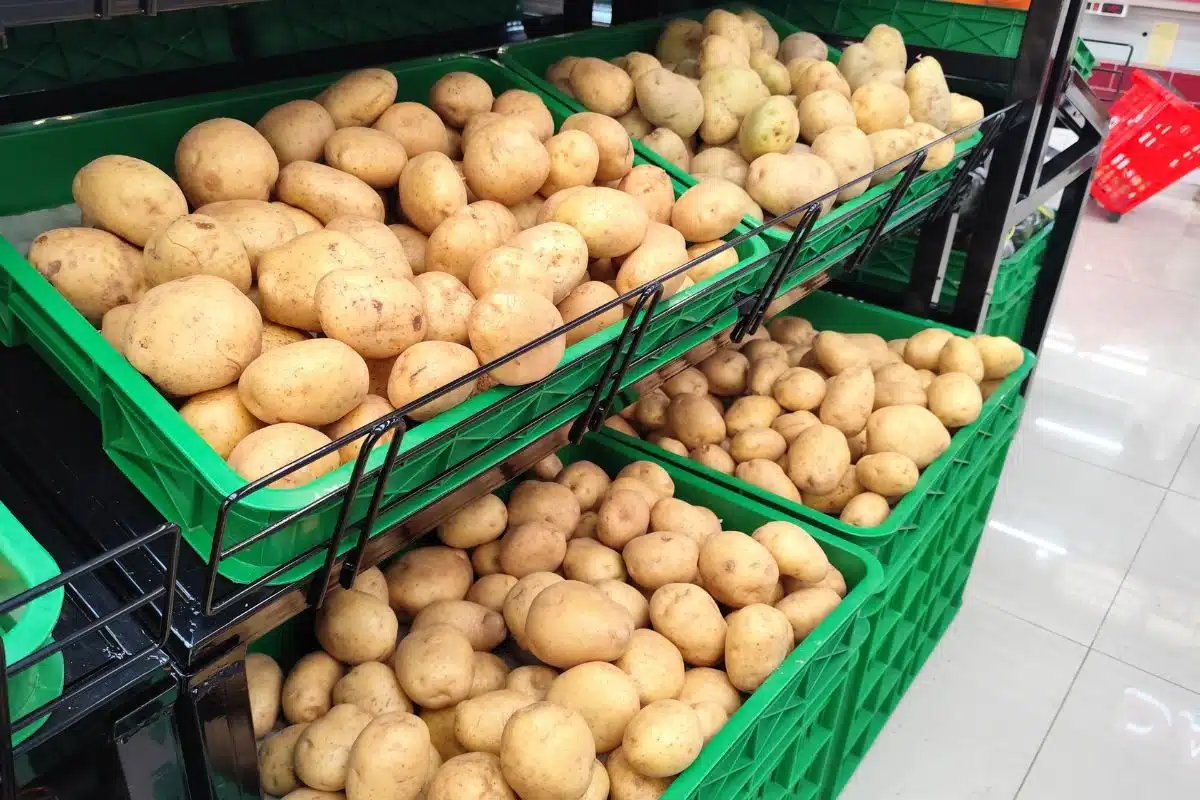
The type of potato you use has a major impact on texture. Russet potatoes remain the top choice for homemade fries because their high starch content creates a light, fluffy center with a crisp exterior. Yukon Gold potatoes can also produce excellent fries with a slightly creamier texture. Waxy potatoes generally hold their shape well but don’t develop the same crisp finish.
Give the Fries Plenty of Space
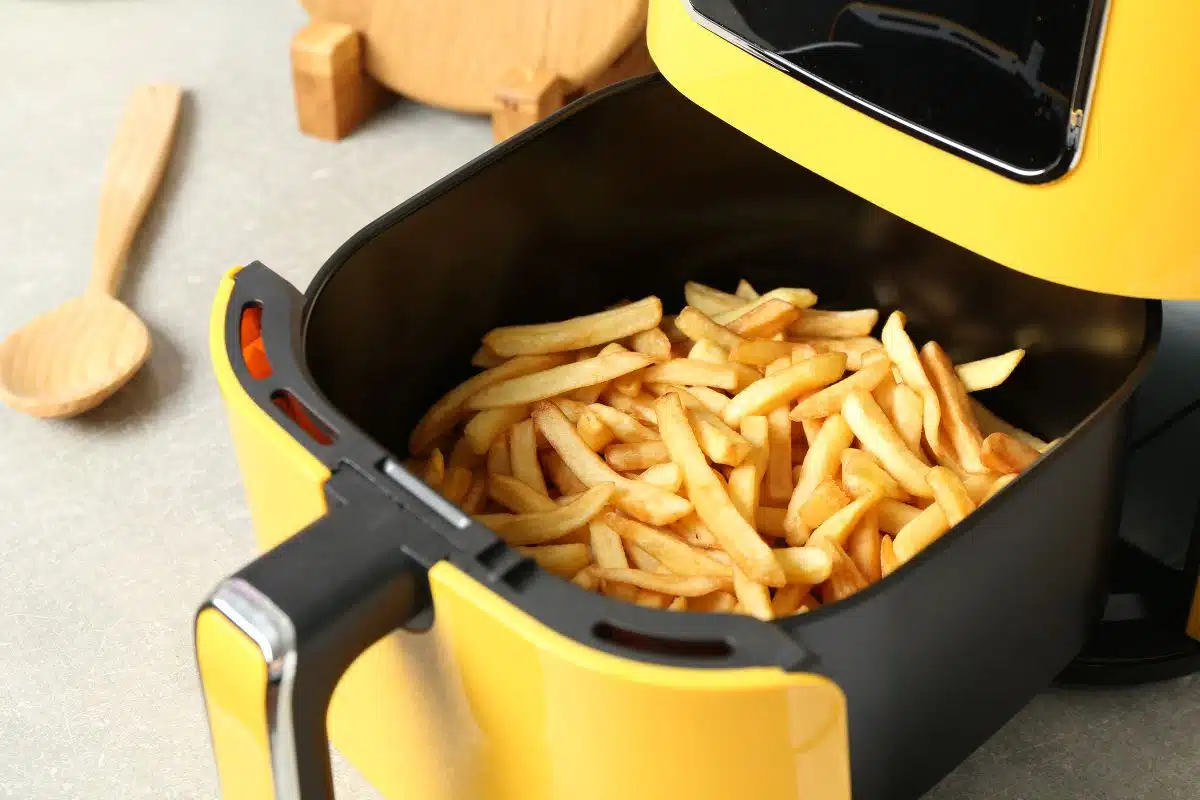
Whether you’re baking or using an air fryer, overcrowding is one of the most common reasons fries fail to crisp properly. When potatoes are packed too closely together, they trap steam instead of allowing hot air to circulate around each piece. Arrange the fries in a single layer with a little space between them, and cook in batches if necessary. The extra time is well worth the improved texture.
Try a Double-Cook Method
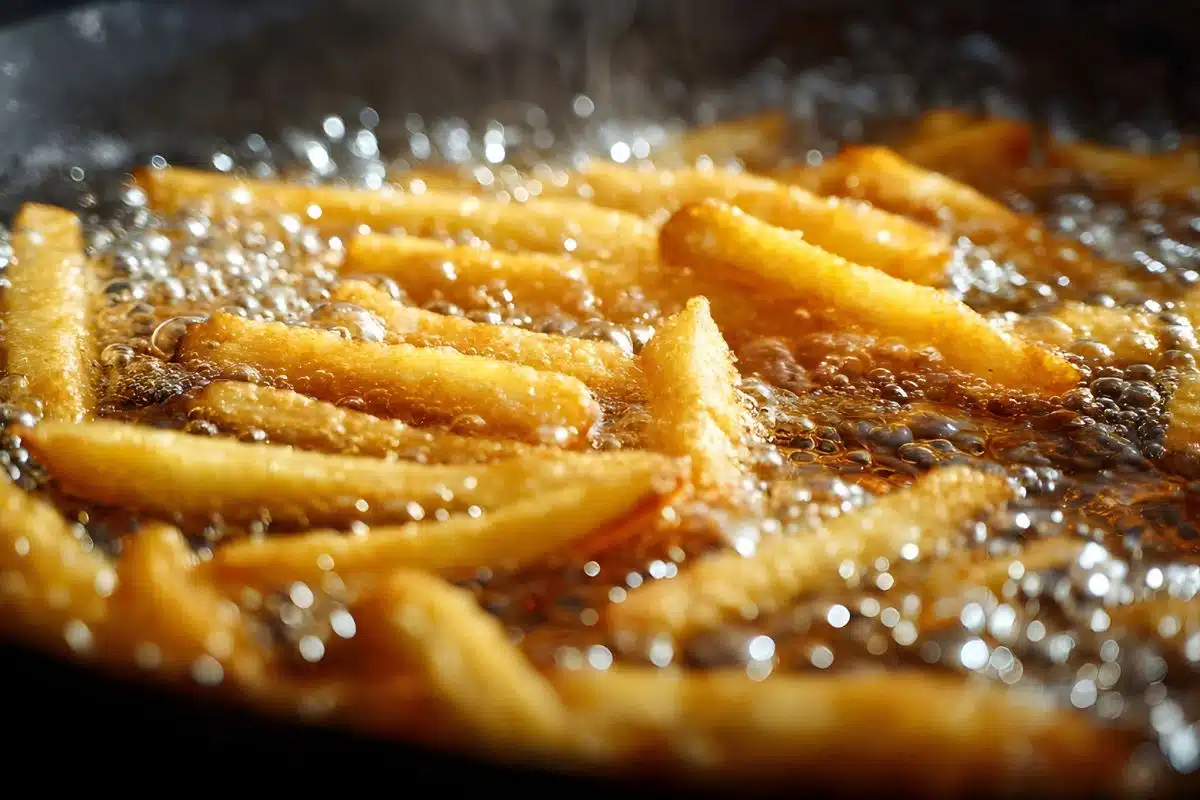
Many restaurants achieve their signature fries by cooking the potatoes twice. The first round gently cooks the inside until tender, while the second round at a higher temperature creates the crisp golden exterior. This method works especially well for deep frying but can also be adapted for oven-baked and air-fried fries by partially cooking them before increasing the heat. The result is a better balance of crispness and fluffiness.
Lightly Coat with Cornstarch
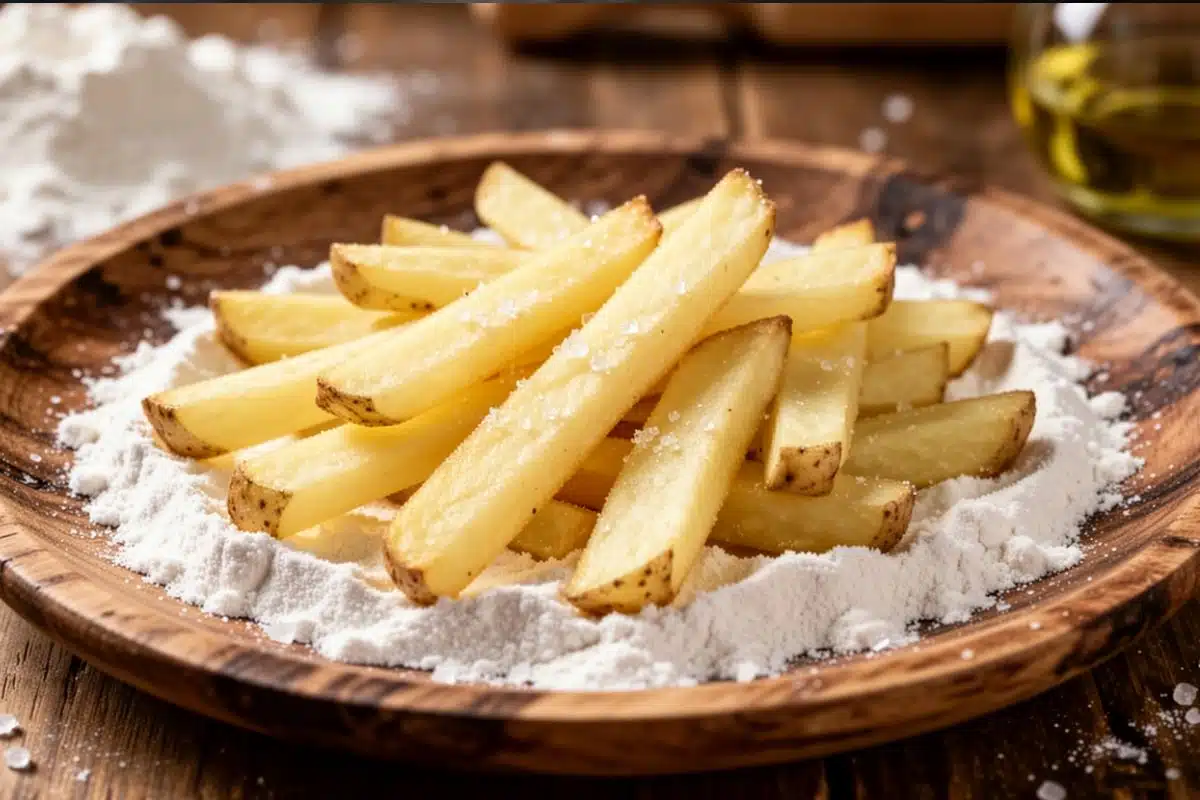
A light dusting of cornstarch before cooking can help create an extra-crispy surface. The cornstarch absorbs residual moisture and forms a delicate coating that browns beautifully during cooking. Toss the potatoes with just a small amount after they’ve been dried and before adding oil. Too much isn’t necessary—a thin coating is all it takes.
Start with a Hot Cooking Surface
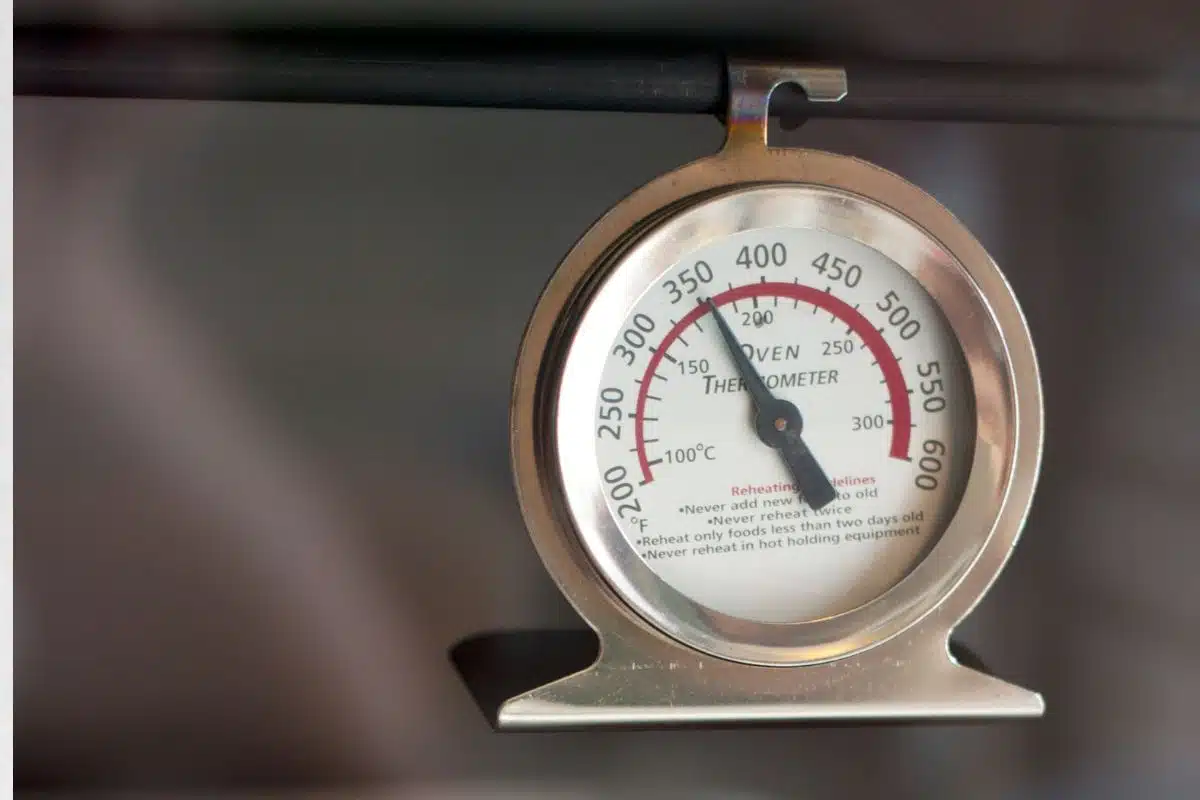
For oven fries, preheating the baking sheet helps the potatoes begin browning as soon as they hit the pan. If you’re deep frying, make sure the oil has fully reached the proper cooking temperature before adding the potatoes. Starting with insufficient heat can lead to greasy, soggy fries that absorb more oil than necessary. A properly heated surface encourages immediate caramelization and crisping.
Turn the Fries During Cooking
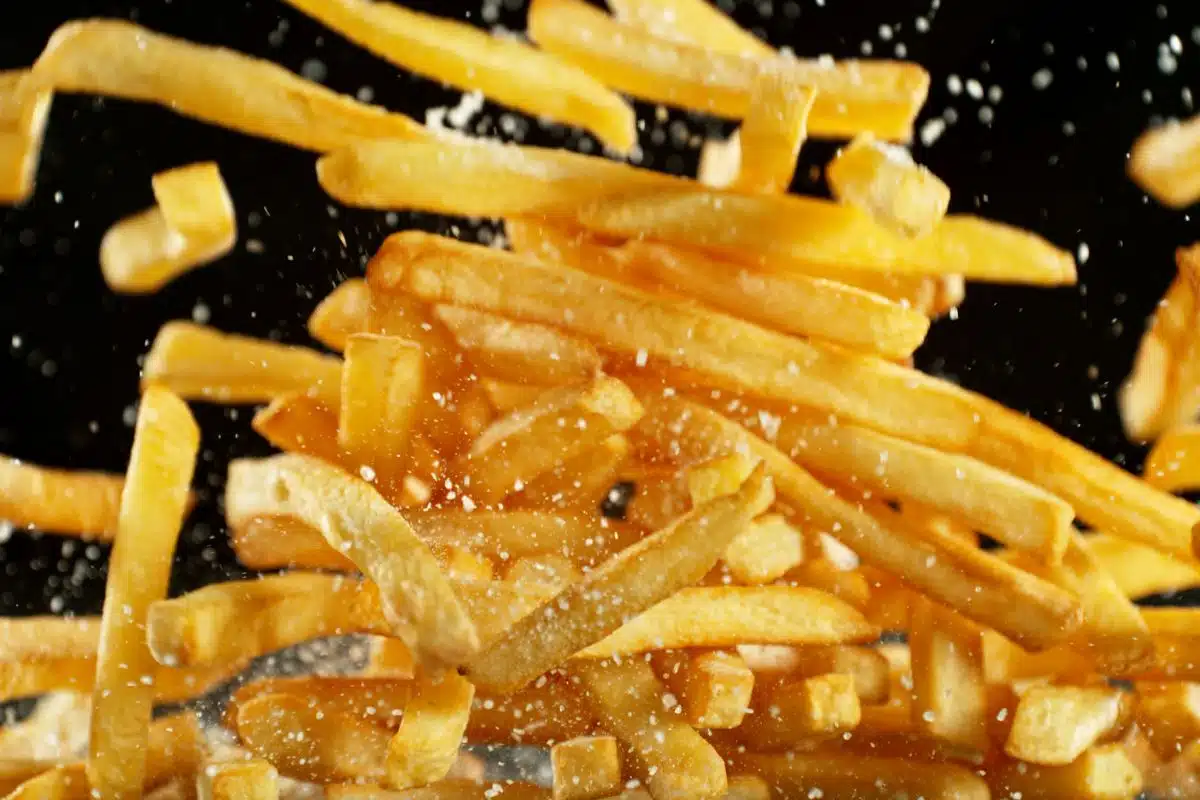
Flipping fries about halfway through cooking helps both sides brown evenly and prevents one side from becoming overly dark while the other stays pale. This is particularly important when baking or air frying, where direct contact with the pan can affect browning. Using a thin spatula or tongs makes turning easy without breaking the potatoes. Even browning also improves the overall texture.
Season Them at the Right Time
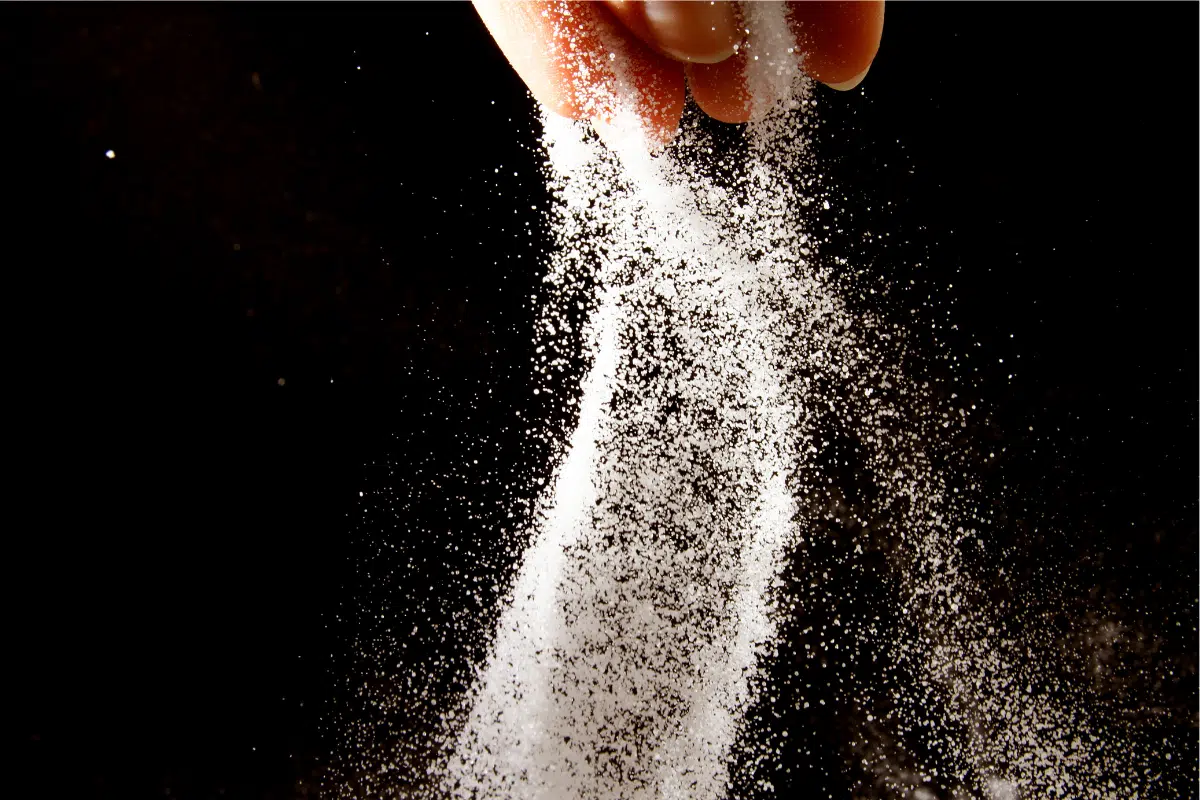
Salting at the proper moment helps maximize both flavor and texture. Deep-fried fries should be seasoned immediately after coming out of the oil so the salt adheres to the hot surface. For baked or air-fried fries, seasoning lightly before cooking and adding a final sprinkle after cooking provides the best balance of flavor without drawing out too much moisture. Fresh herbs, garlic powder, paprika, or grated Parmesan can also add extra flavor once the fries are finished.
This post may contain affiliate links or sponsored content. Disclosure Policy