10 Food Trends That Are Changing How People Eat
The way people eat is always evolving, influenced by changing tastes, food prices, social media, and new ideas about cooking and nutrition. Some trends introduce new ingredients or preparation methods, while others bring renewed attention to familiar foods in a different way. From what people cook at home to what they look for at the grocery store, these shifts can reveal a lot about how everyday eating habits are changing. Here are 10 food trends that are influencing what people eat and how they approach food.
Cottage Cheese Get a High Protein Makeover

Cottage cheese has gone from an old-fashioned side dish to a popular ingredient for high-protein meals and snacks. People are blending it into sauces, dips, smoothies, baked goods, and even desserts to create a creamy texture while adding protein. Its mild flavor also makes it easy to pair with both sweet and savory ingredients. The renewed interest in cottage cheese fits into a broader shift toward getting more protein from everyday foods rather than relying only on bars and powders.
Deviled Eggs Get Creative
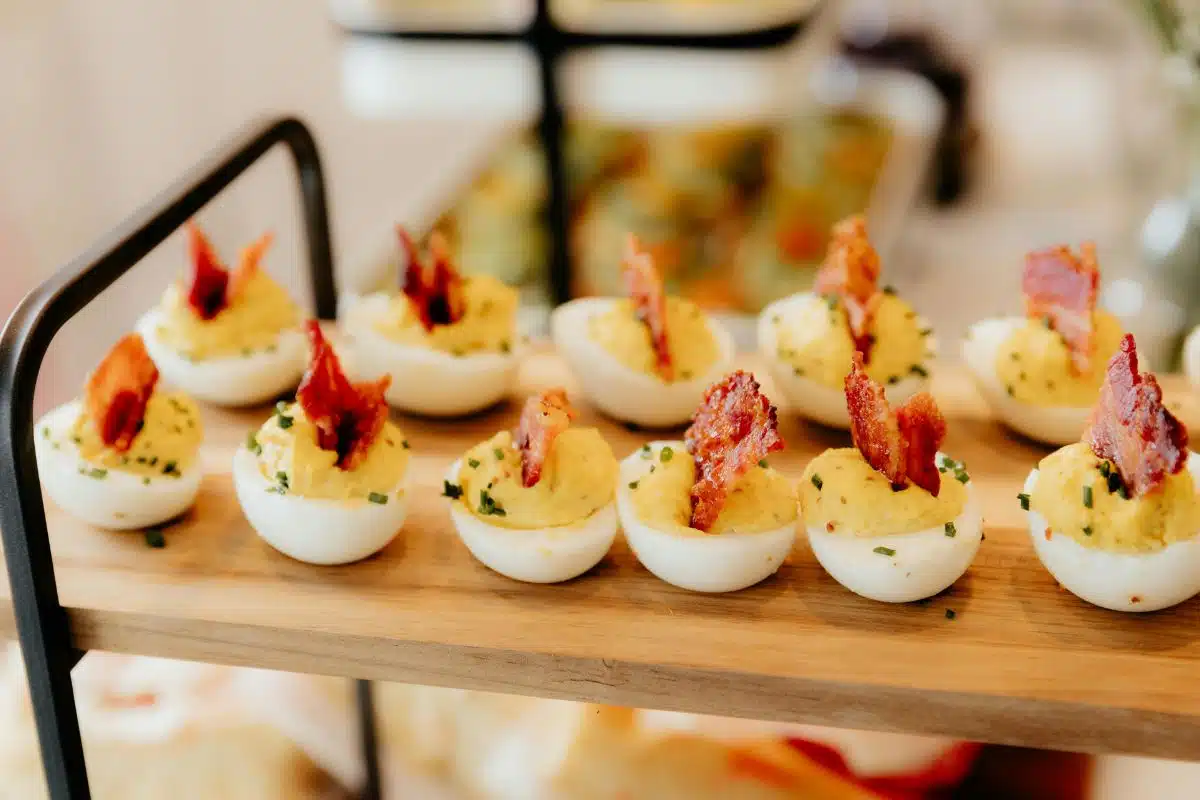
Deviled eggs are getting plenty of attention beyond traditional holiday and potluck tables. Home cooks and chefs are experimenting with toppings and fillings that range from smoked salmon and pickled vegetables to spicy sauces, herbs, and other unexpected combinations. Eggs are also being treated as a more versatile, protein-rich snack rather than simply a breakfast staple. Recent food coverage shows how creative egg preparations continue to find an audience online and at gatherings.
Meatloaf Get a Modern Update
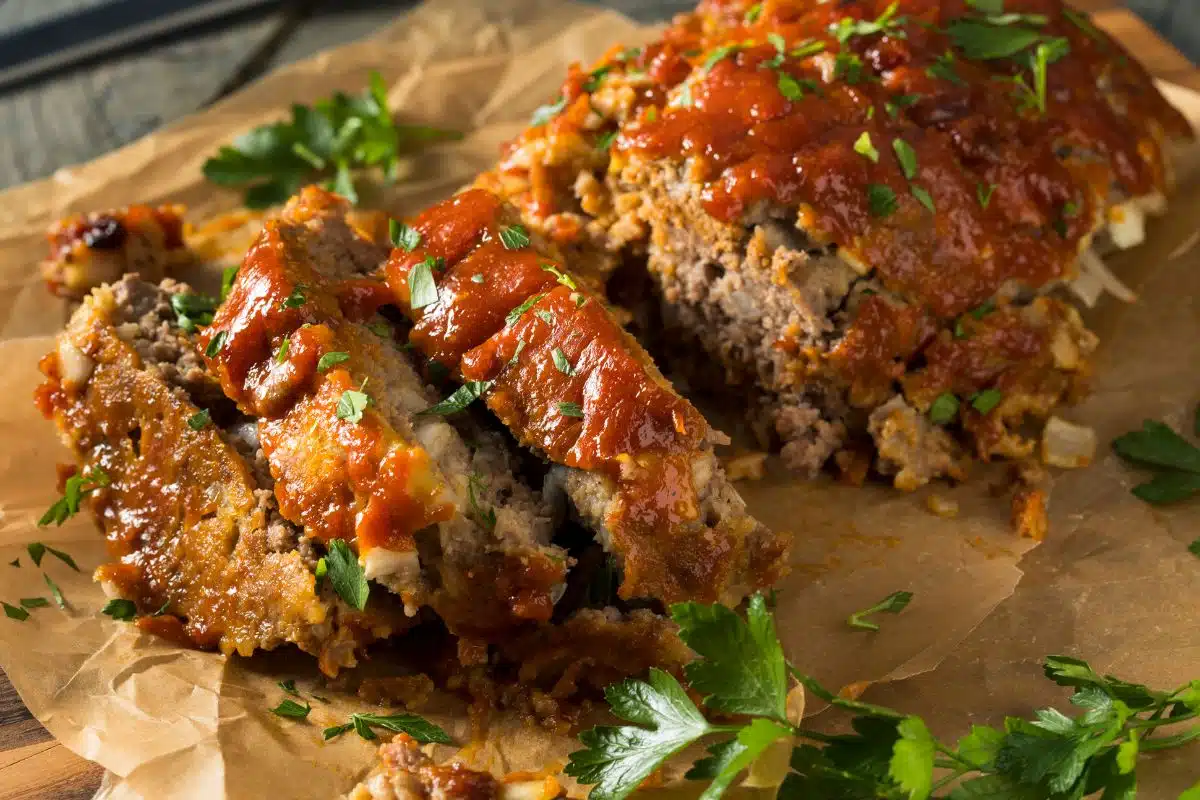
Meatloaf may be a classic, but today’s versions don’t have to look like the dinner your grandmother made. Cooks are experimenting with different ground meats, fresh herbs, vegetables, cheeses, and flavorful glazes to give the familiar dish a new personality. It’s also a practical choice for households trying to stretch a package of ground meat across several meals. The combination of affordability, leftovers, and easy customization keeps this comfort-food staple relevant.
Tinned Fish Moved Beyond Tuna

Canned seafood is getting a more prominent place in the pantry, with shoppers looking beyond traditional canned tuna. Sardines, salmon, trout, mackerel, mussels, and other seafood can be served on toast, tossed into salads and pasta, or added to snack boards. The appeal is partly practical: shelf-stable seafood is convenient and easy to keep on hand. Premium packaging and more creative serving ideas have also helped move canned fish beyond its old lunchbox image.
Oatmeal Gets More Versatile
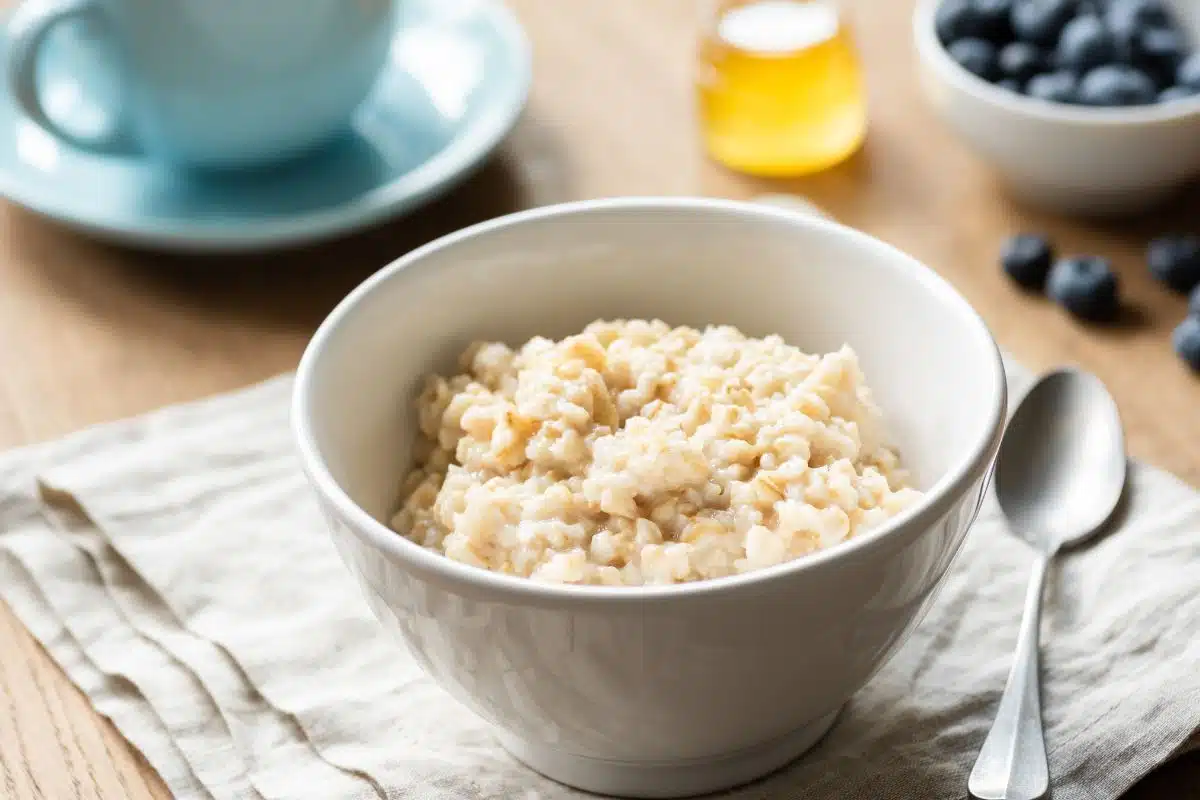
Oatmeal has expanded well beyond the basic bowl of oats and brown sugar. Overnight oats, baked oatmeal, savory bowls, and recipes that combine oats with fruit, nuts, seeds, and other ingredients give this pantry staple plenty of new uses. Interest in fiber-rich foods is also influencing product development, with oats appearing in a growing range of foods marketed around fiber and digestive wellness.
Pickled Vegetables Add More Flavor to Everyday Meals
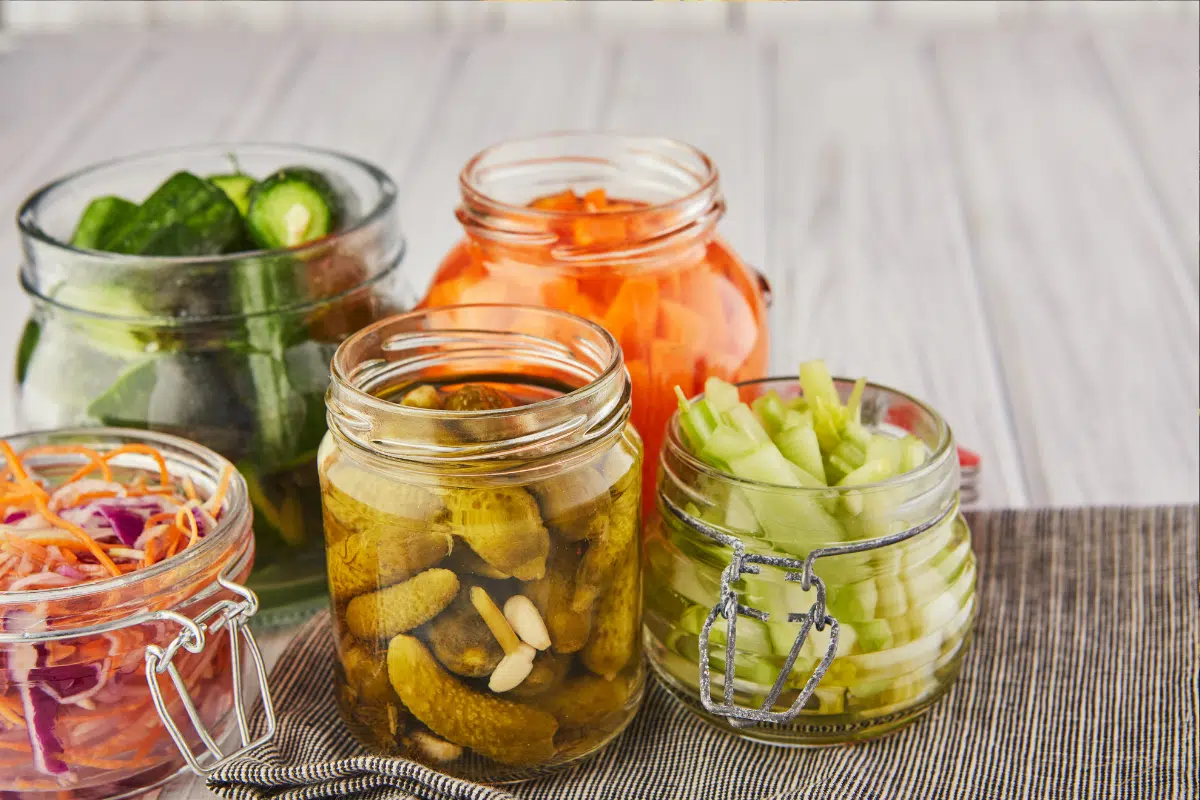
Pickled vegetables are showing up far beyond the traditional pickle jar. Quick-pickled onions, cucumbers, carrots, radishes, and jalapeños can add a bright, tangy contrast to tacos, sandwiches, salads, burgers, and grain bowls. Quick pickling is particularly approachable because it can be done in the refrigerator without traditional canning equipment. It’s an easy way to add bold flavor while making use of fresh produce.
Homemade Bread Is Having Another Moment

More people are baking bread at home, from rustic sourdough loaves to soft sandwich bread and dinner rolls. Bread machines, no-knead recipes, and online tutorials have made homemade baking more approachable than ever. Many home bakers enjoy controlling the ingredients while avoiding unnecessary additives found in some commercial breads. Fresh-baked bread also fills the home with an aroma that’s hard to resist.
Chicken Pot Pie Goes Beyond the Classic
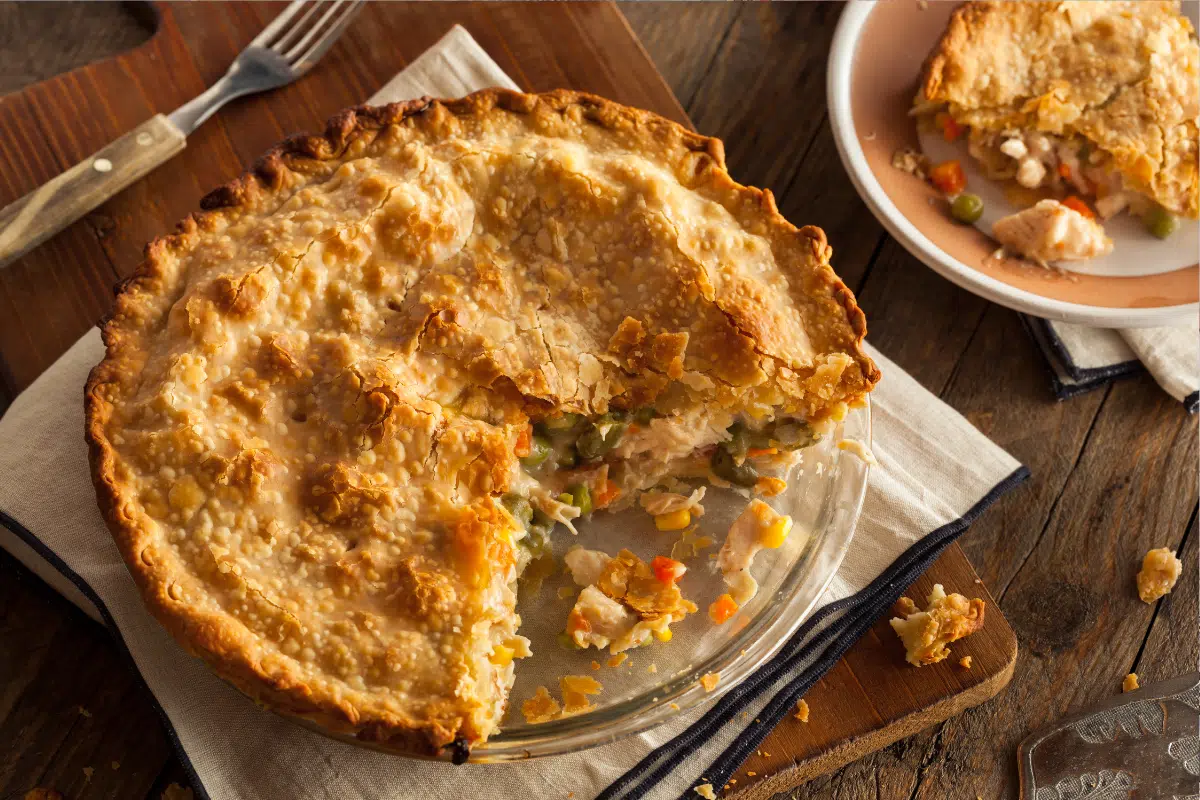
Chicken pot pie continues to work its way into modern meal planning because it combines convenience with familiar comfort-food flavors. Rotisserie chicken, frozen vegetables, store-bought pastry, and individual portions can simplify the traditional recipe. At the same time, homemade versions allow cooks to change the vegetables, seasonings, and crust to suit their families. It’s a good example of how classic dishes are being adapted to fit today’s busier kitchens.
Egg Salad Finds New Flavor Combinations
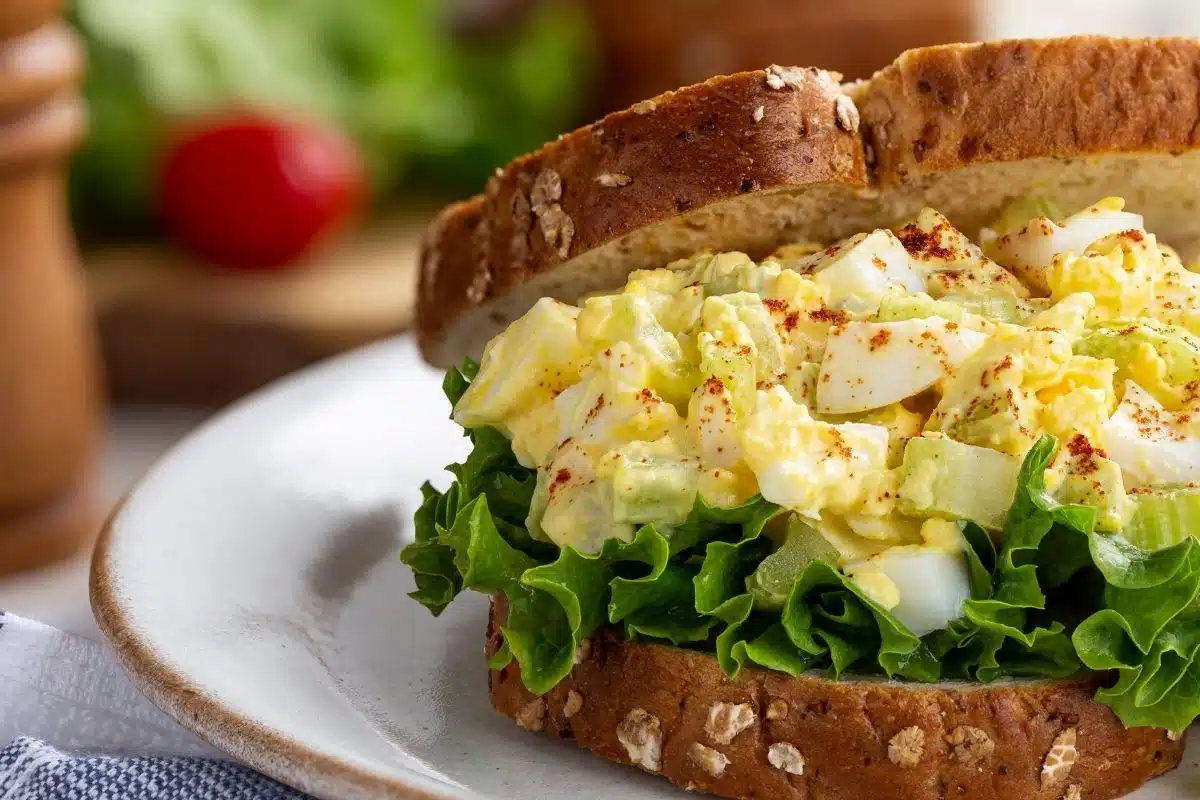
Egg salad is getting a refresh as cooks experiment with ingredients beyond mayonnaise and mustard. Greek yogurt, avocado, fresh herbs, Dijon mustard, pickled vegetables, and different seasonings can completely change the flavor of the familiar sandwich filling. Eggs also fit neatly into the broader interest in protein-forward meals and snacks. Serve the finished mixture on toast, crackers, lettuce, or a sandwich for an inexpensive lunch that can be customized in plenty of ways.
Familiar Foods Are Getting More Protein

The push for more protein is changing the way people approach everyday meals and snacks. Instead of treating protein as something that comes primarily from shakes and supplements, shoppers are increasingly looking for convenient whole-food sources such as cottage cheese, eggs, yogurt, seafood, and meat. Food retailers are responding with more protein-focused products and meal options, too. This shift is influencing everything from breakfast and snacks to frozen foods and pantry staples.
This post may contain affiliate links or sponsored content. Disclosure Policy