8 Clever Ways Restaurants Get You to Spend More Money
Ever sat down at a restaurant planning to order “just a meal,” only to leave with appetizers, drinks, dessert—and a much higher bill than expected? You’re not imagining it. Many restaurants use subtle, well-tested strategies to gently steer your choices and increase your total spend without you even noticing. From menu design psychology to portion tactics, here are some of the sneaky tricks restaurants use to get you to spend more than you intended.
Menu Design That Guides Your Eyes
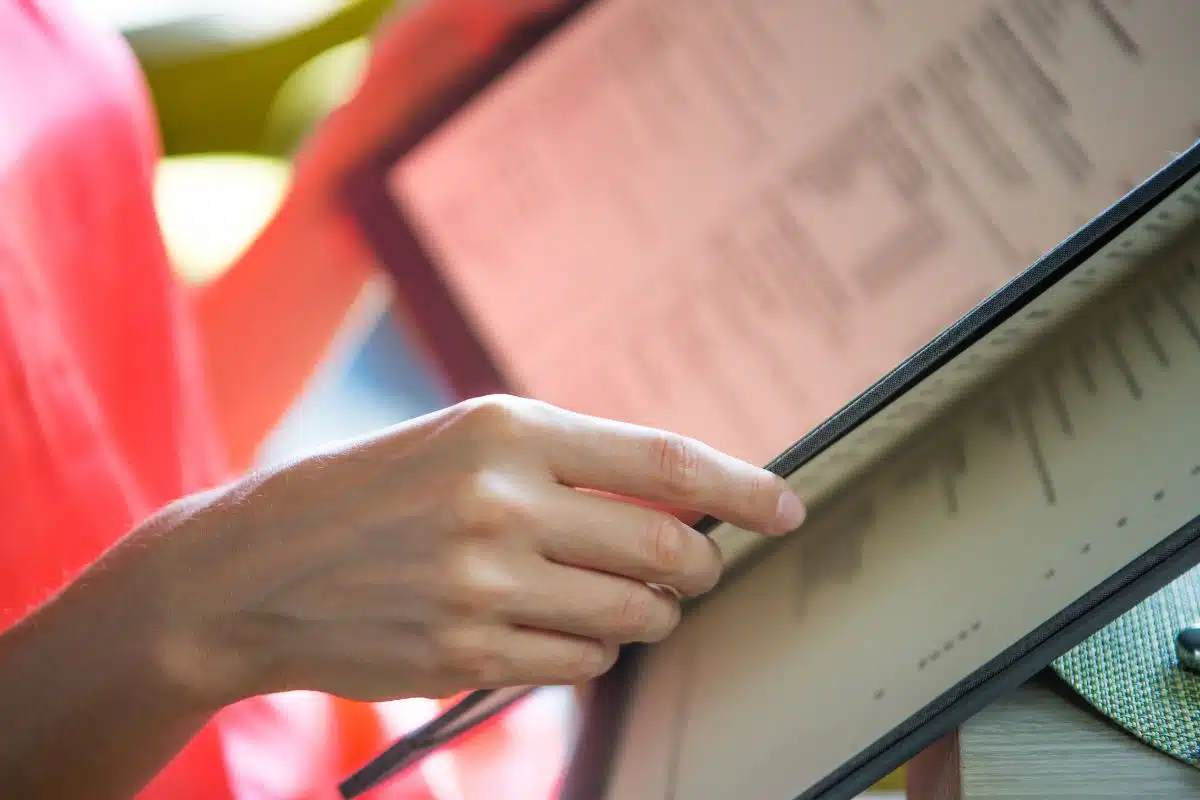
Menus are carefully designed to direct your attention to high-profit items. Boxes, bold fonts, and images are strategically placed to make certain dishes stand out. These “visual anchors” influence what you choose first. Often, those highlighted items are not the cheapest options.
Mouthwatering Descriptions
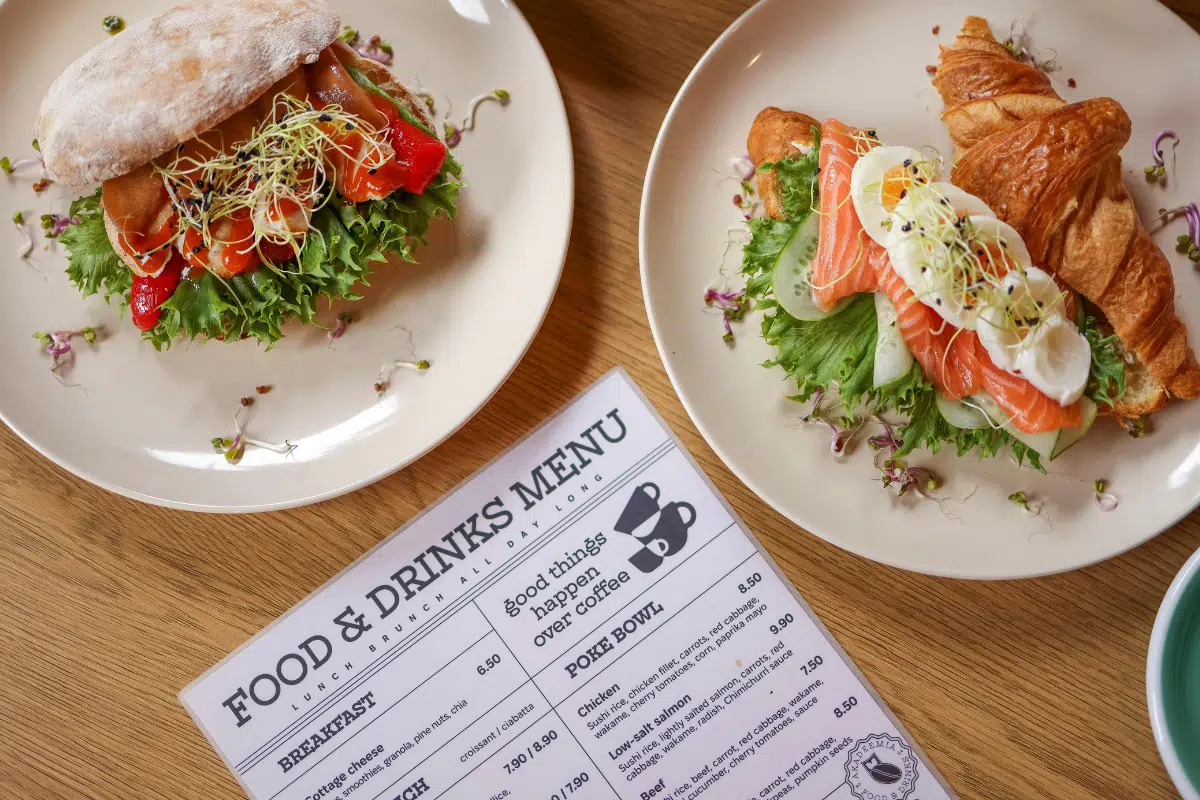
Dishes are described with words like “hand-crafted,” “slow-roasted,” and “signature” to justify higher prices and make items sound irresistible.
No Dollar Signs on Prices
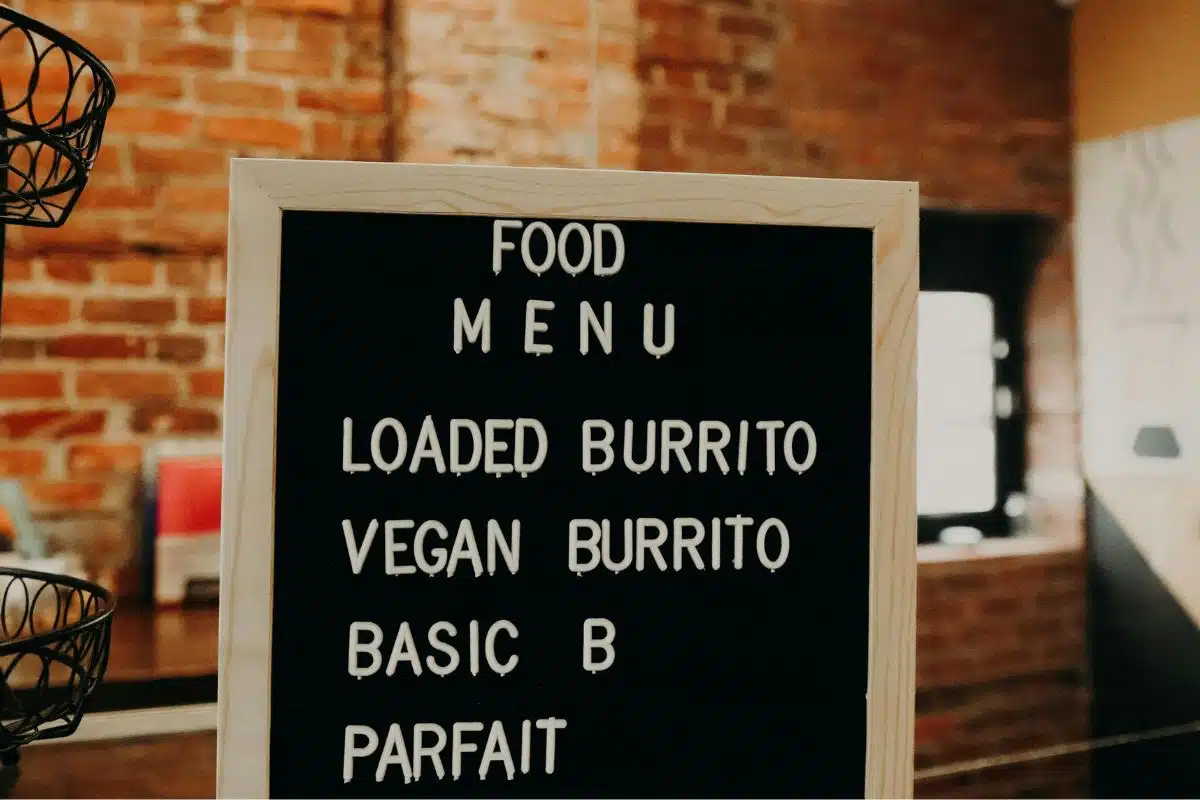
Ever notice menus often list prices like “18” instead of “$18”? That’s intentional. Removing the dollar sign reduces the psychological impact of spending money. It makes prices feel less like a transaction and more like a simple choice.
Upselling by Servers
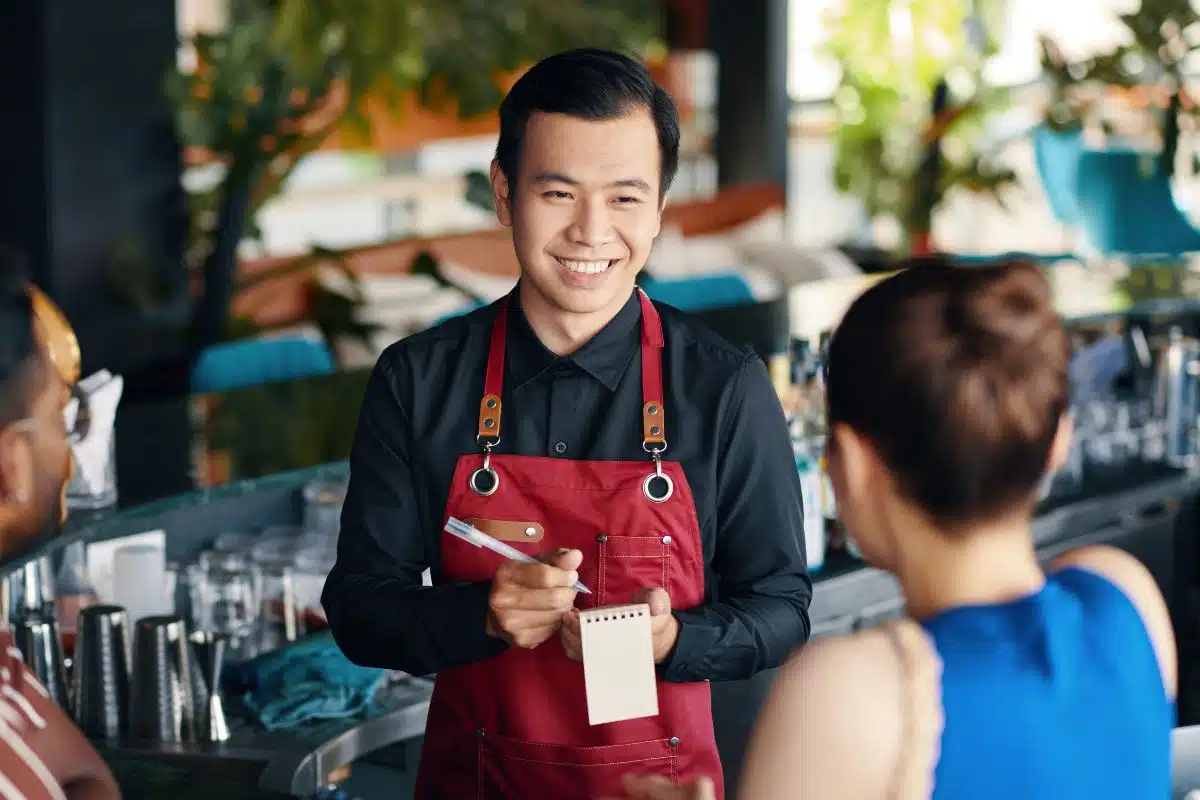
Servers are often trained to suggest upgrades like appetizers, premium sides, or dessert. Phrases like “Would you like to add…” are designed to gently increase your order total. Because it feels like a recommendation, many diners say yes without thinking.
“Decoy” Pricing Strategies
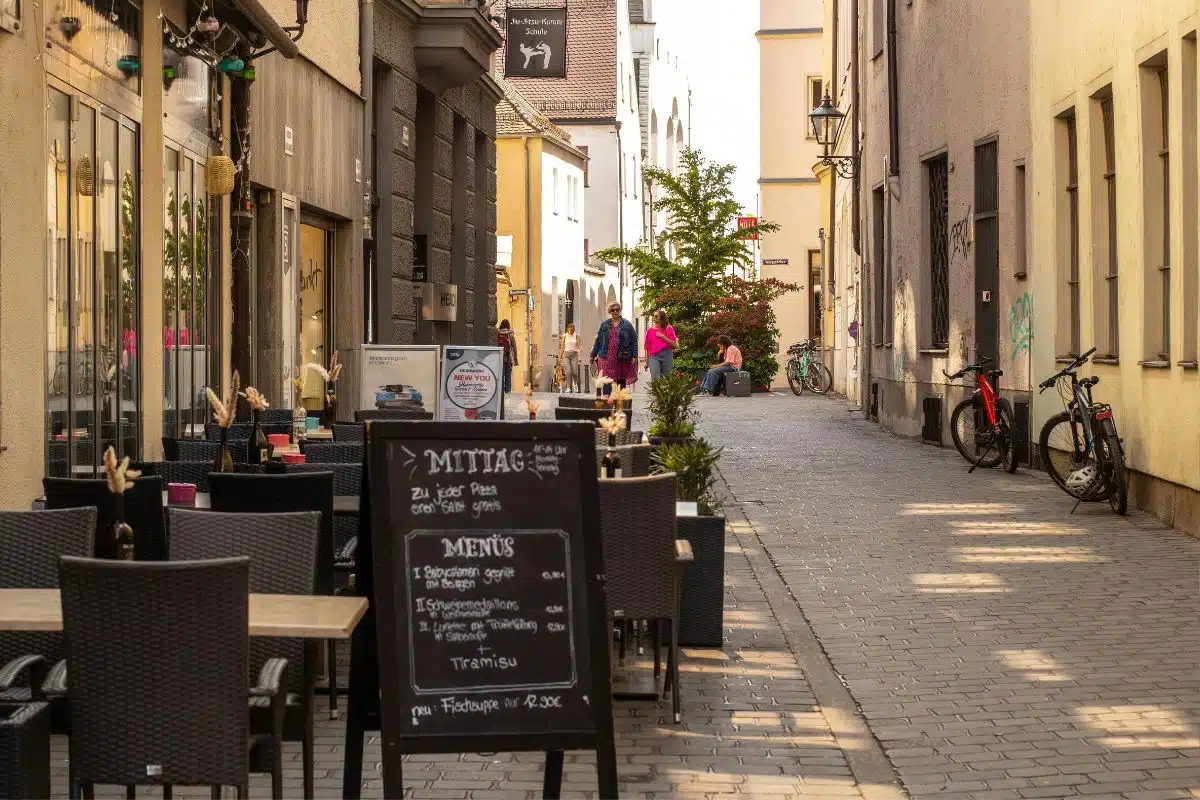
Restaurants sometimes include an expensive menu item to make other dishes look more reasonable. This is known as a decoy effect. When you see a $42 entrée next to a $28 one, the $28 option suddenly feels like a deal. It subtly nudges you toward mid-to-high priced items.
Automatic Add-Ons
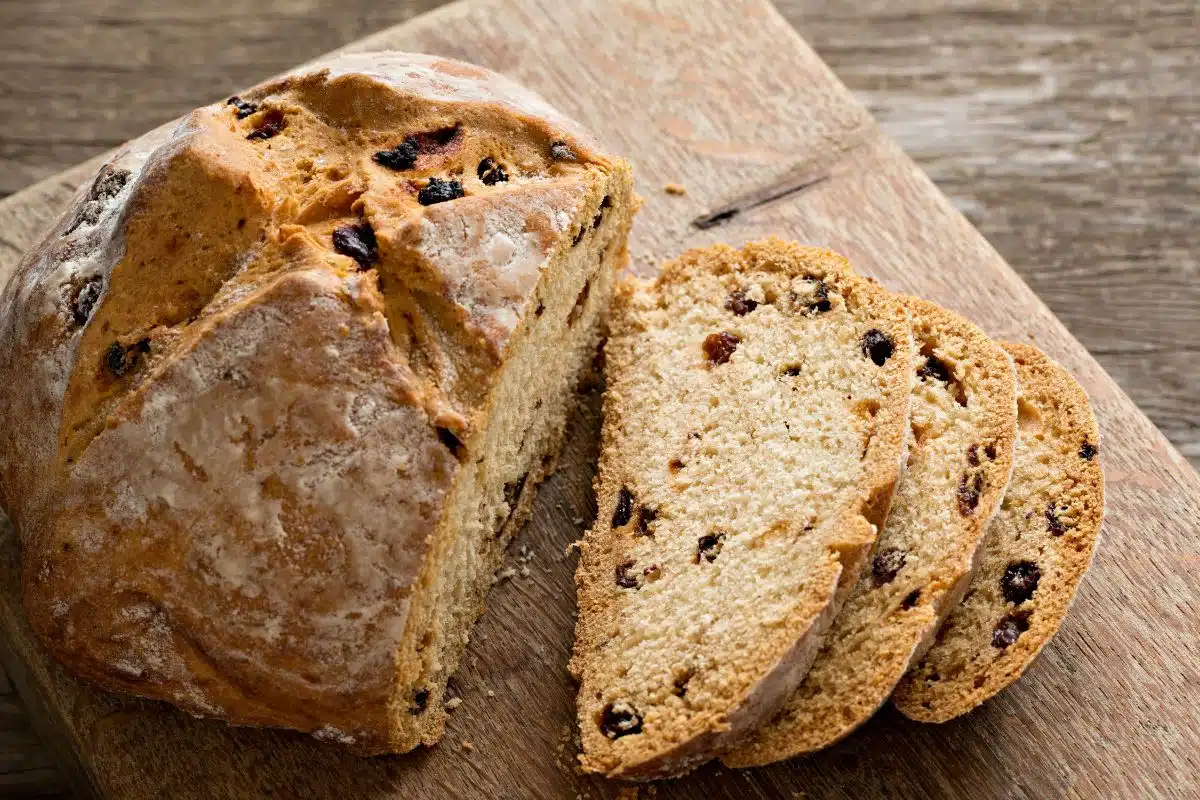
Items like bread baskets, bottled water, or table-side sauces may be added without clearly stating they cost extra.
Background Music and Ambience
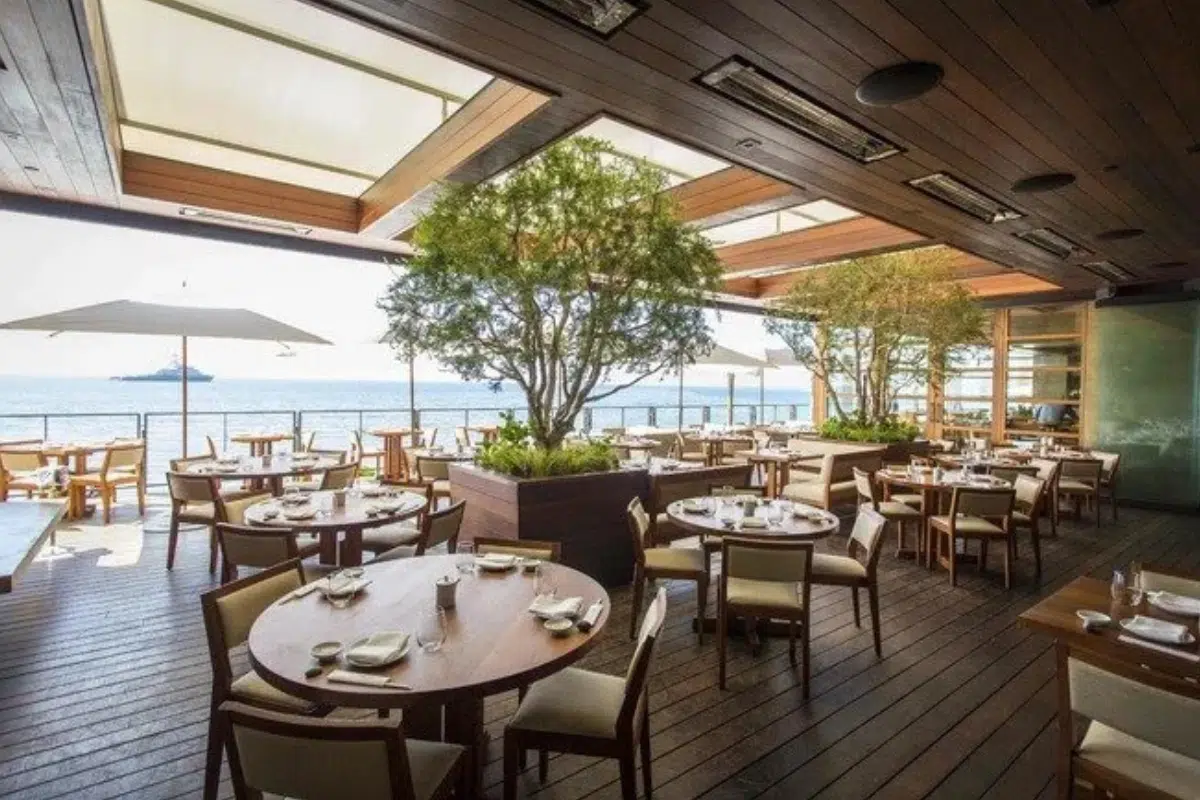
Even the atmosphere plays a role in spending behavior. Slower music can encourage guests to linger longer, which often leads to ordering additional drinks or dessert. Comfortable, relaxed environments subtly increase overall consumption. The longer you stay, the more you tend to order.
Dessert and Drink Menus After the Meal
Drinks, cocktails, and add-ons are often positioned prominently on menus. These items typically have high profit margins. Eye-catching descriptions like “house-made” or “signature” make them even more tempting. Many diners end up ordering more than one.
This post may contain affiliate links or sponsored content. Disclosure Policy