8 Common Olive Oil Mistakes That Can Affect the Way You Cook
Olive oil is a kitchen staple praised for its flavor and health benefits—but using it the wrong way can completely undermine both. From cooking at the wrong temperature to storing it improperly, small mistakes can lead to bland dishes, wasted money, and even damaged nutrients. The good news? Most olive oil mistakes are easy to fix once you know what to look for. Whether you’re sautéing, drizzling, or dressing a salad, avoiding these common missteps will help you get the most flavor and value out of every bottle.
Cooking at Too High a Heat
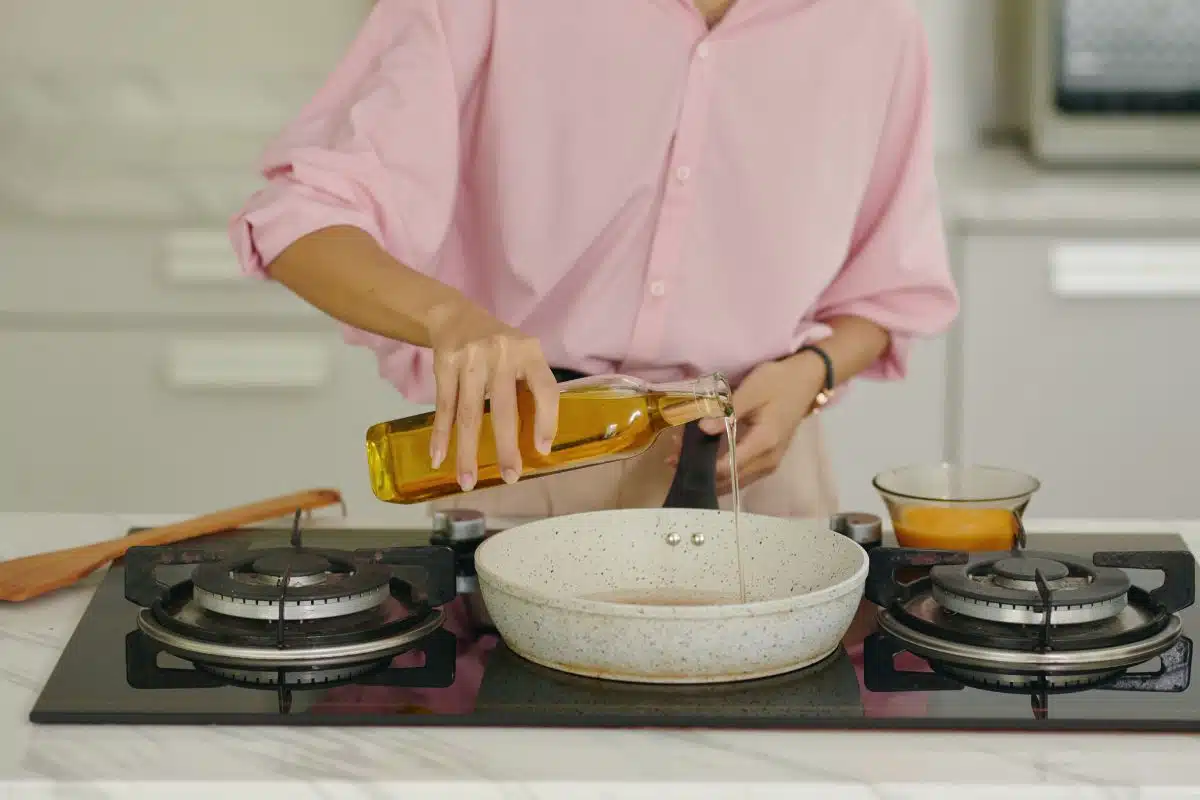
Olive oil, especially extra virgin, has a moderate smoke point and can break down when overheated. Cooking at excessively high temperatures can cause it to burn, creating a bitter taste and reducing its nutritional value. Instead, use it for medium-heat cooking or finishing dishes. For high-heat searing, consider oils with higher smoke points.
Storing It Near the Stove
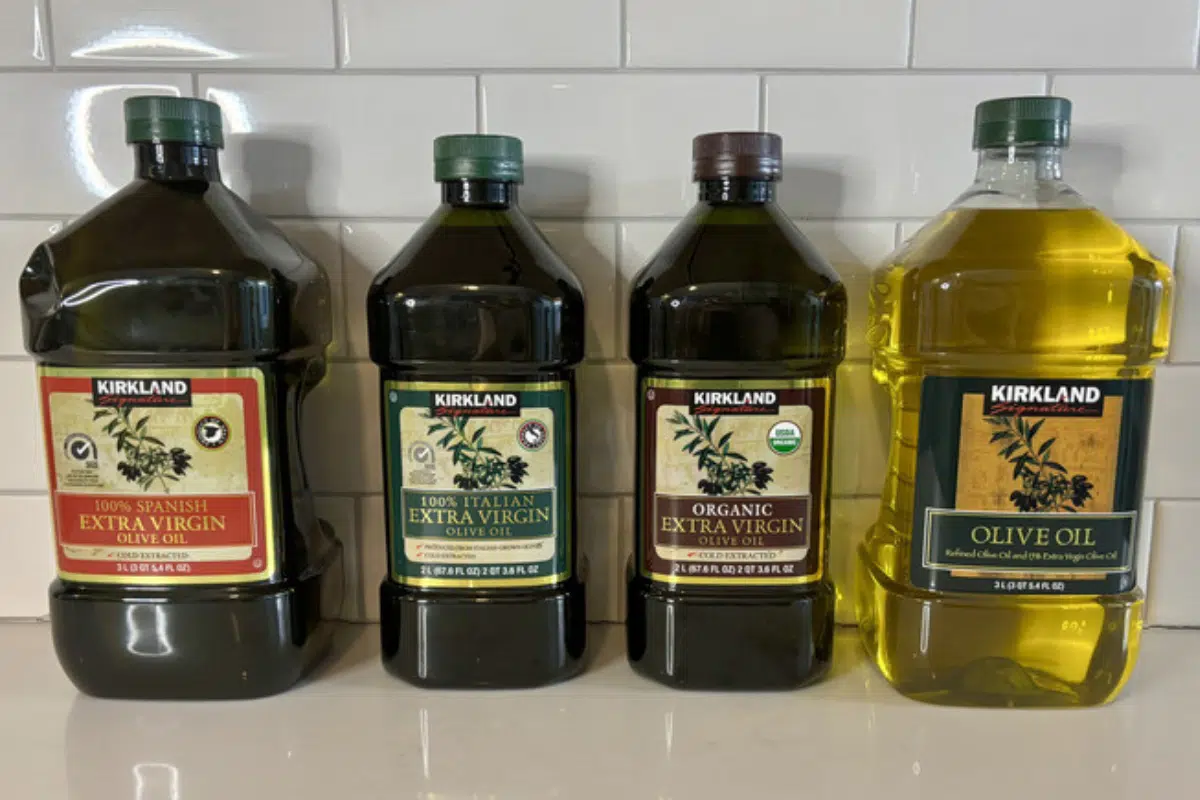
Olive oil is sensitive to light, heat, and air, all of which can cause it to go rancid faster. Keeping it near the stove or in direct sunlight speeds up this process. Store your olive oil in a cool, dark place, preferably in a tinted glass bottle or a pantry. Proper storage helps preserve both flavor and freshness.
Using It Long Past Its Prime
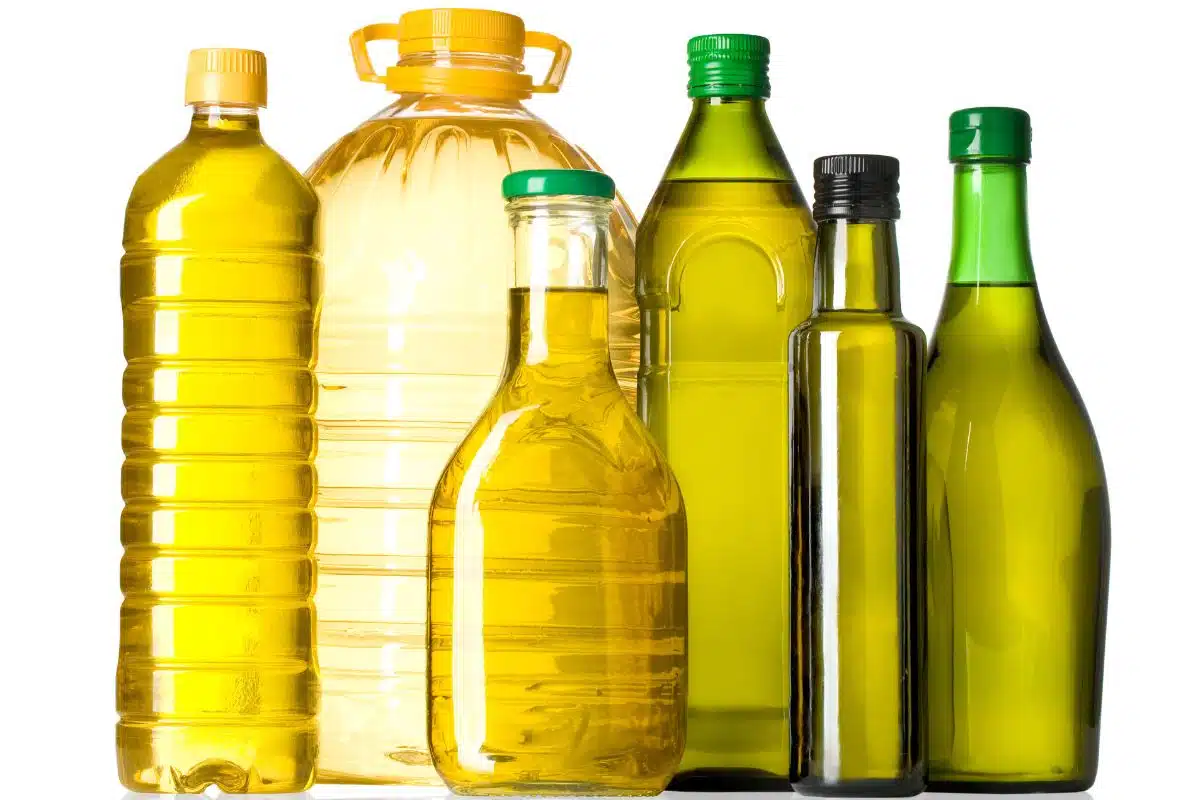
Unlike wine, olive oil does not improve with age. Over time, it loses its flavor and can become stale or rancid. Many people hold onto bottles for far too long, diminishing the quality of their meals. For best results, use olive oil within a few months of opening.
Drizzling It Too Early
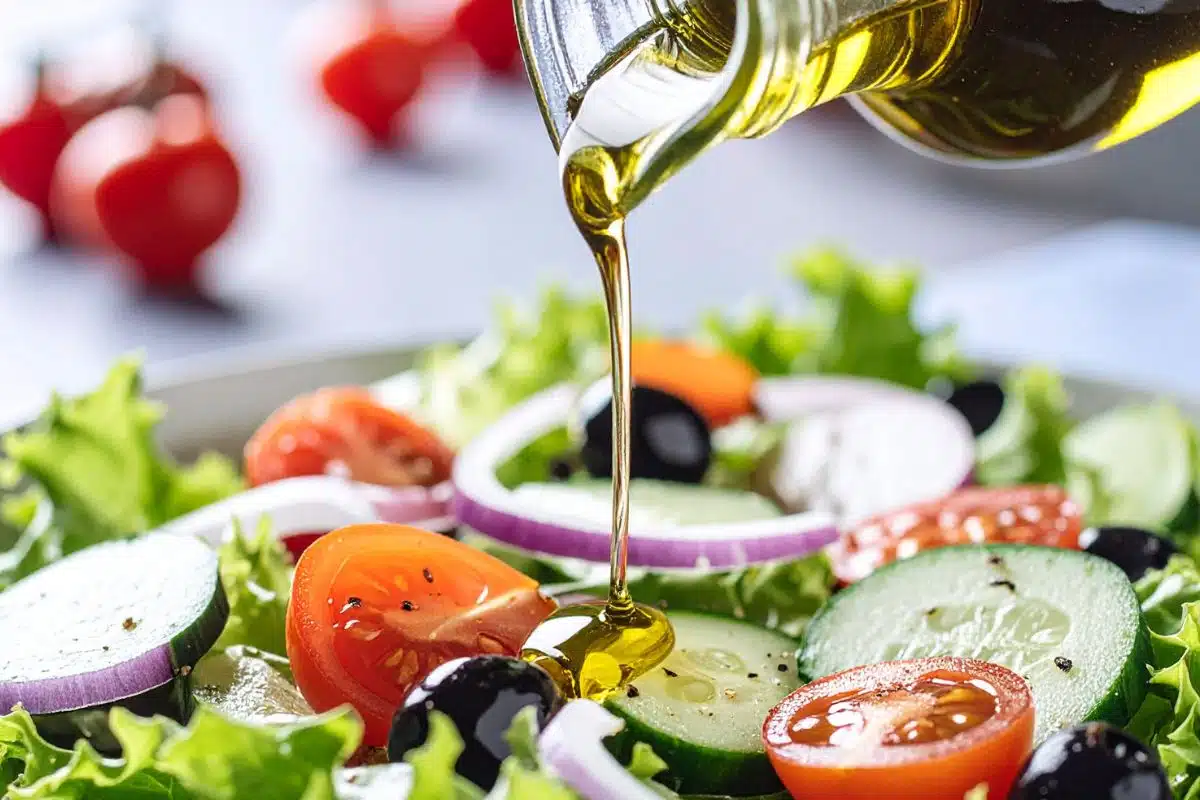
Adding olive oil too early to delicate dishes can mute its fresh, peppery flavor. It shines most as a finishing oil on salads, vegetables, or bread.
Buying Clear Bottles
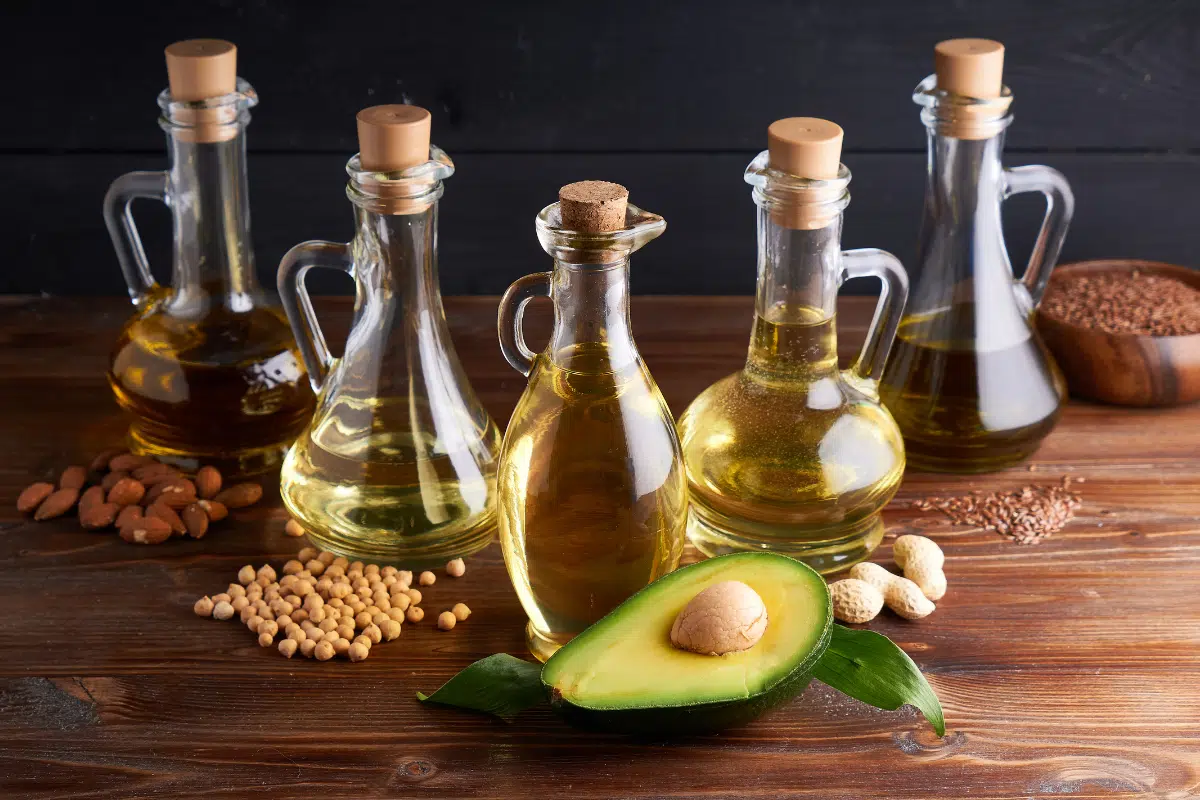
Clear glass looks pretty, but light breaks down olive oil quickly. Dark glass or metal tins protect it and keep the flavor fresh longer.
Thinking “Light” Means Healthier
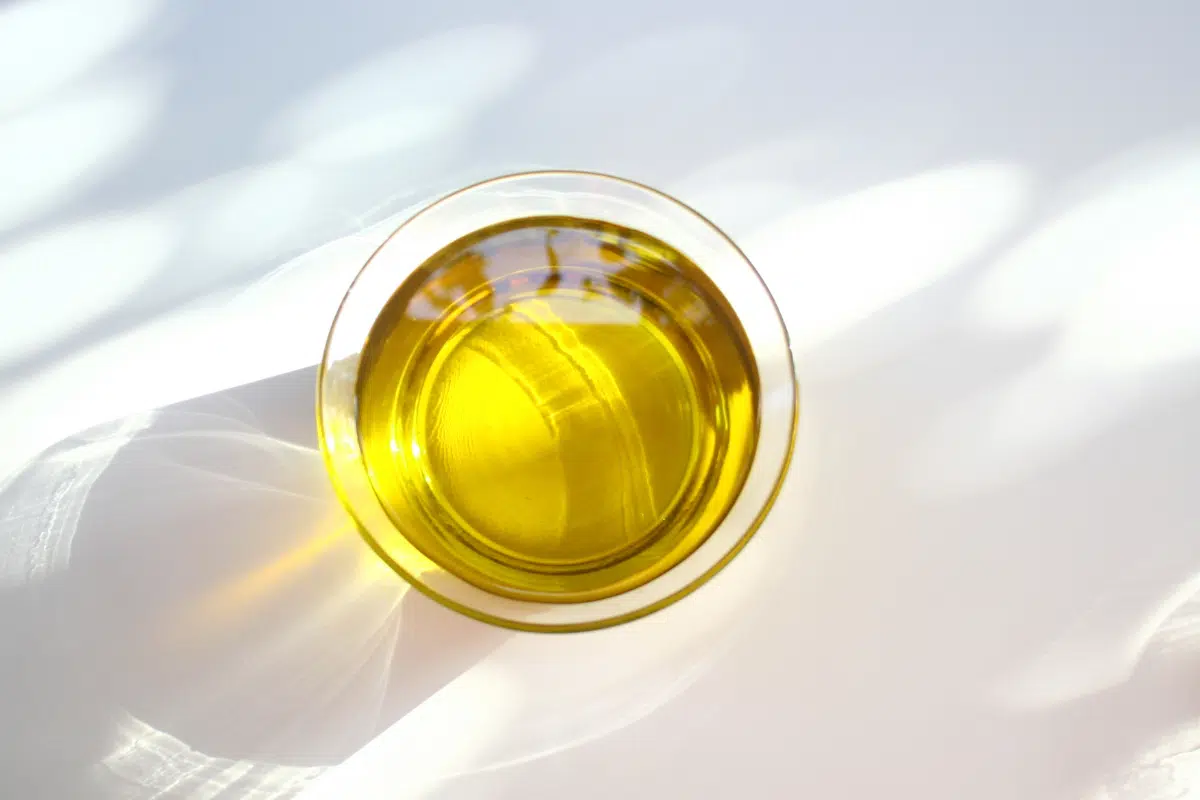
“Light” olive oil isn’t lower in calories — it’s just more highly refined and has less flavor. Extra virgin offers the best taste and nutrients.
Not Tasting Before Using

Not all olive oils taste the same, and some can develop off-flavors over time. Skipping a quick taste test before using it in a dish can lead to disappointing results. A good olive oil should taste fresh, slightly fruity, and sometimes peppery. If it tastes flat or musty, it’s time to replace it.
Using Extra Virgin Olive Oil for Everything
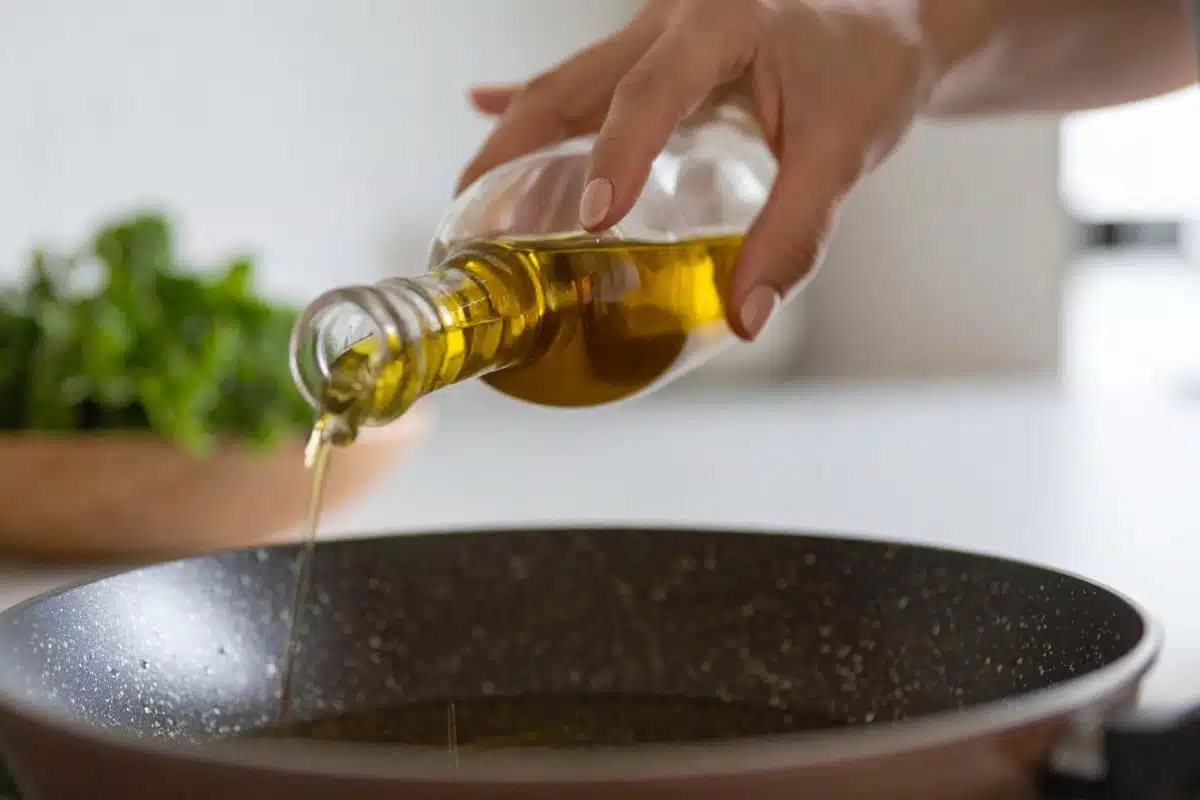
Extra virgin olive oil is prized for its rich flavor, but that doesn’t mean it’s ideal for every cooking method. Using it in high-heat cooking can waste its delicate taste and beneficial compounds. Save it for drizzling, dressings, or low-heat applications. Use lighter olive oils or other oils when cooking at higher temperatures
This post may contain affiliate links or sponsored content. Disclosure Policy