
How Aldi’s Store Layout Helps Shoppers Save Money
Aldi has built a loyal customer base by doing something many grocery stores struggle to achieve: keeping prices consistently low while making shopping surprisingly efficient. While shoppers often notice the savings, many don’t realize how much thought goes into the store’s design and operations. From smaller footprints and streamlined inventory to checkout innovations and private-label dominance, nearly every aspect of Aldi’s business model is designed to eliminate unnecessary costs. Understanding these strategies can help shoppers appreciate why the chain continues to attract budget-conscious customers looking for value without sacrificing quality.
The Quarter Cart System
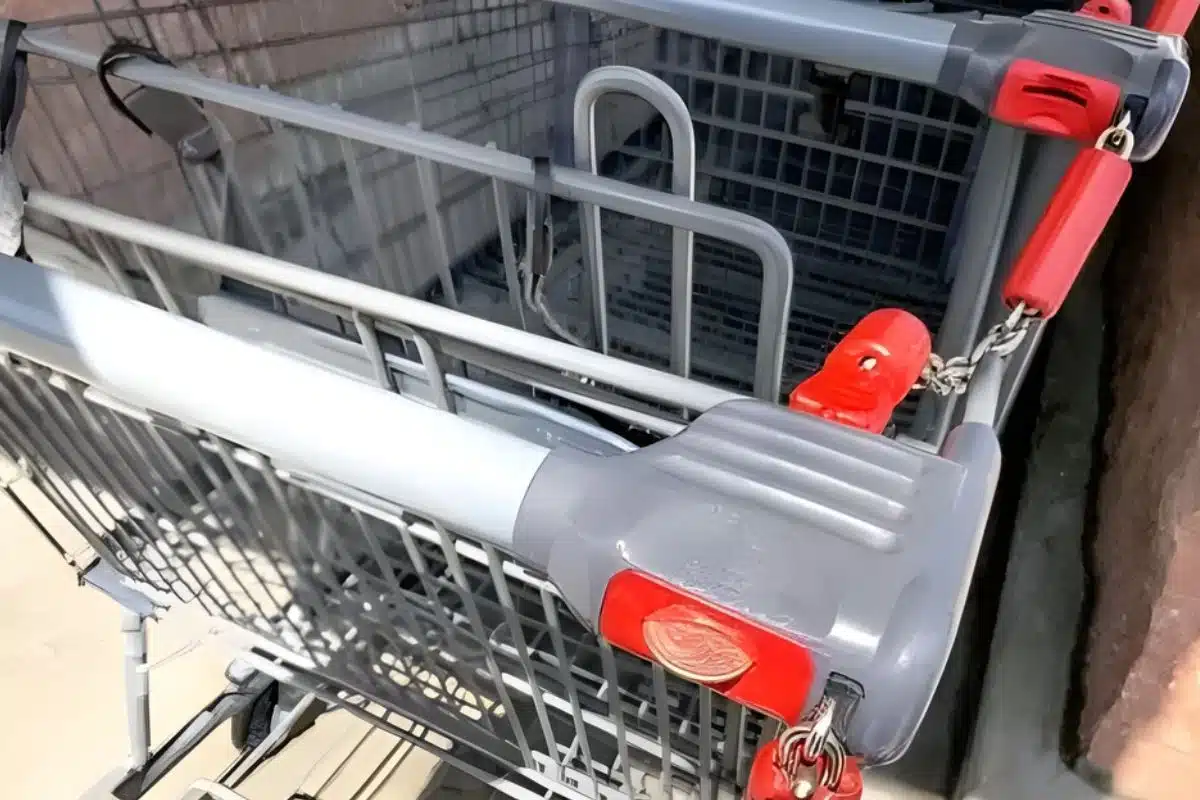
The quarter cart system may seem unusual at first, but it serves a practical purpose. By requiring shoppers to return their own carts, Aldi significantly reduces the labor needed to collect carts from parking lots. Those labor savings can then be redirected toward keeping grocery prices lower. It also helps keep parking areas organized and reduces the number of carts that are damaged or lost.
Smaller Stores Mean Greater Efficiency
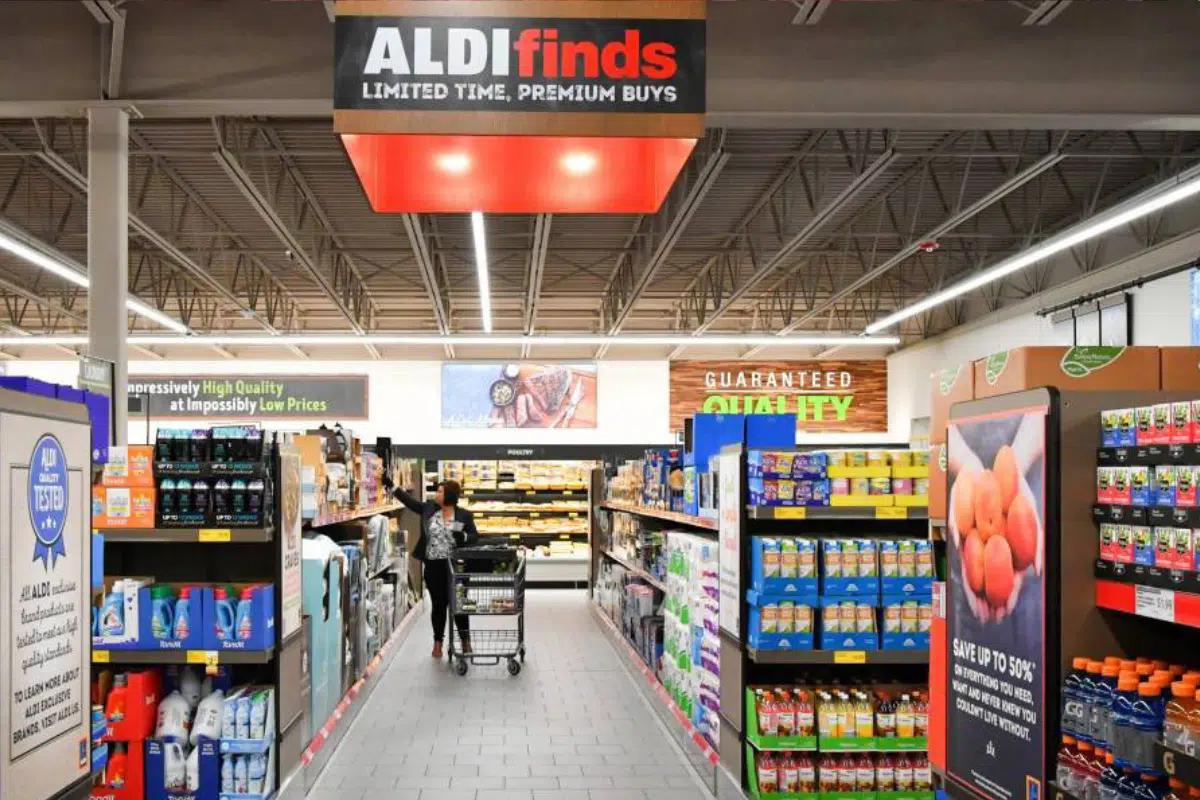
Unlike many large supermarket chains, Aldi operates relatively compact stores. A smaller footprint means lower rent, utility, and maintenance costs, which helps keep overhead expenses under control. For shoppers, the layout often translates into quicker trips and less time spent navigating endless aisles. The focused design allows customers to find essentials without feeling overwhelmed by excessive options.
A Curated Product Selection
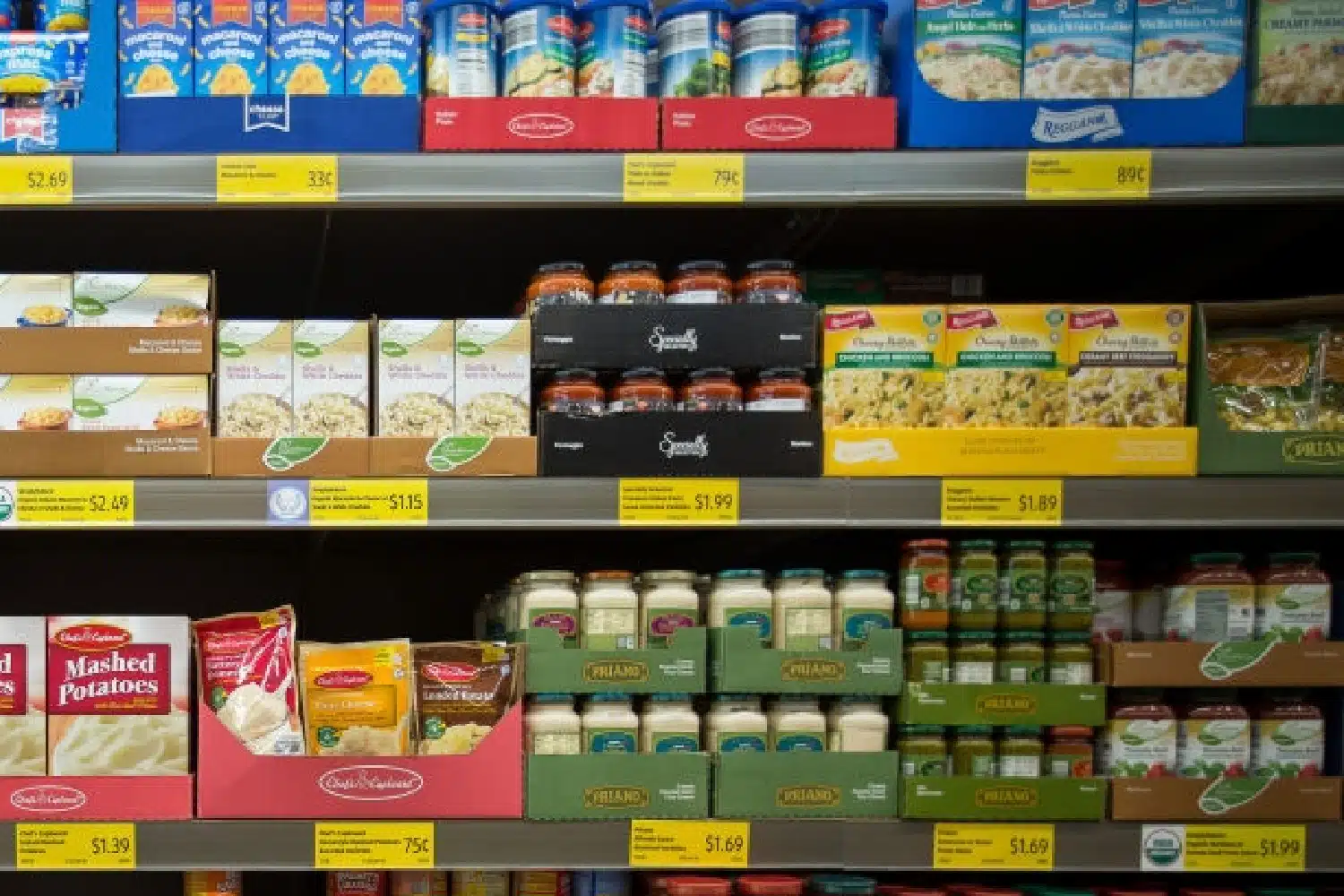
Traditional supermarkets may stock dozens of versions of the same product, but Aldi takes a different approach. By offering a carefully selected assortment, the company simplifies inventory management and reduces storage costs. Fewer choices can also make shopping less stressful, allowing customers to make decisions more quickly. This streamlined approach is one of the key reasons Aldi can operate so efficiently.
Private Labels Drive Savings

A large percentage of Aldi’s products are sold under its own exclusive brands. Private-label goods eliminate many of the marketing and distribution costs associated with national brands while maintaining quality standards. Independent product comparisons frequently find that Aldi’s store brands perform similarly to more expensive alternatives. For shoppers, this often translates into noticeable savings across an entire grocery cart.
Shelf-Ready Packaging Saves Time
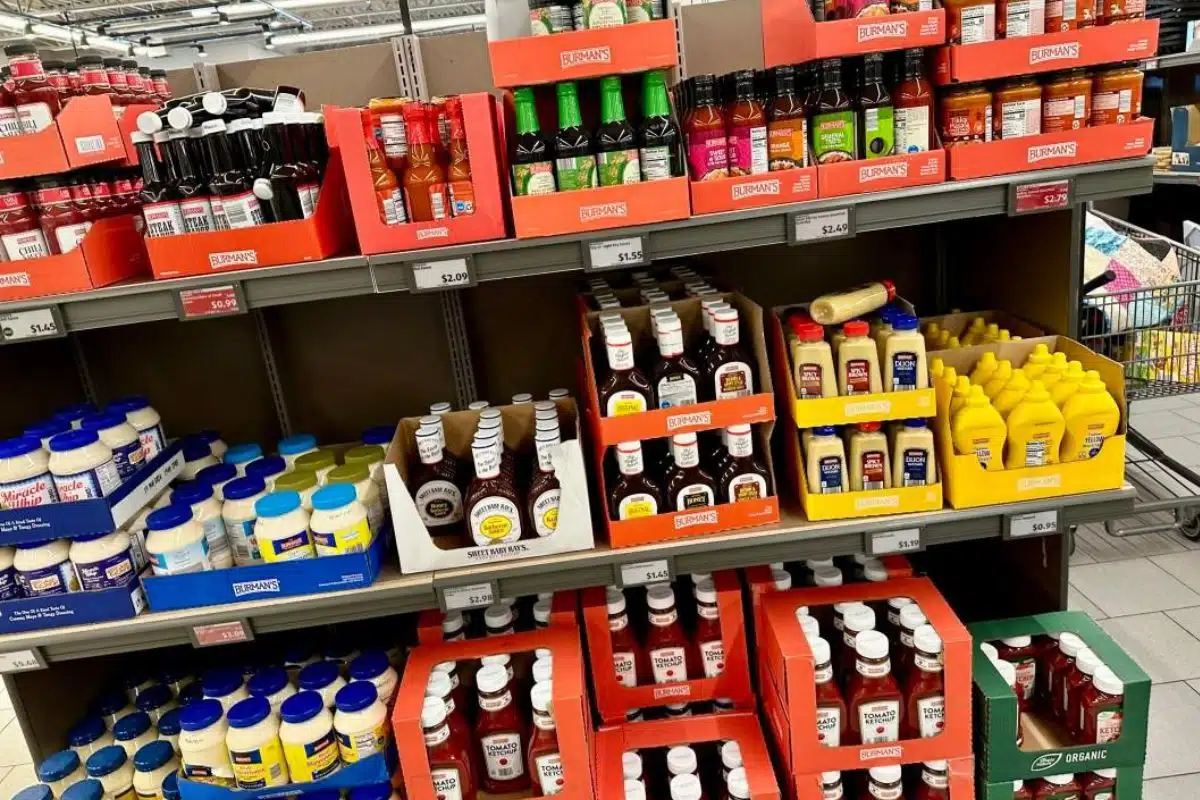
Many Aldi products arrive in packaging designed to go directly onto store shelves. Employees can quickly place an entire case on display rather than stocking items individually. This reduces labor requirements and helps stores replenish inventory more efficiently. The practice may not look as polished as traditional merchandising, but it plays an important role in controlling costs.
Checkout Is Designed for Speed
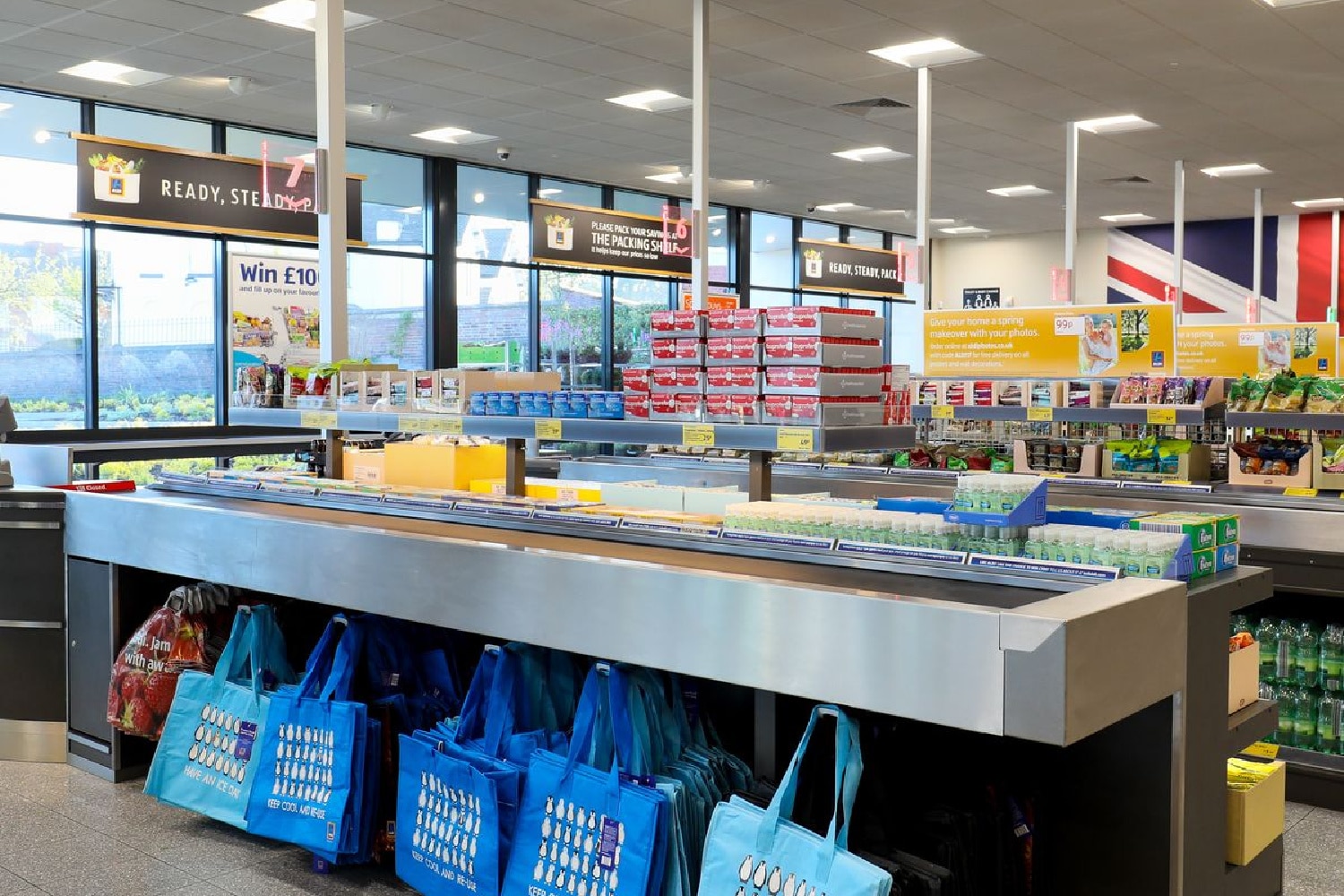
Aldi’s checkout process is intentionally optimized for efficiency. Product packaging often includes multiple large barcodes, making items easier and faster to scan. Cashiers are trained to process transactions quickly, helping keep lines moving even during busy shopping periods. Faster checkout reduces wait times and allows stores to operate effectively with smaller teams.
The Separate Bagging Area

Rather than slowing down checkout lanes with bagging, Aldi encourages shoppers to bag groceries at a designated area after paying. This system keeps registers moving while giving customers more control over how their items are packed. Many shoppers also appreciate being able to bring reusable bags or containers from home. The result is a faster process that benefits both customers and store operations.
Employees Wear Many Hats
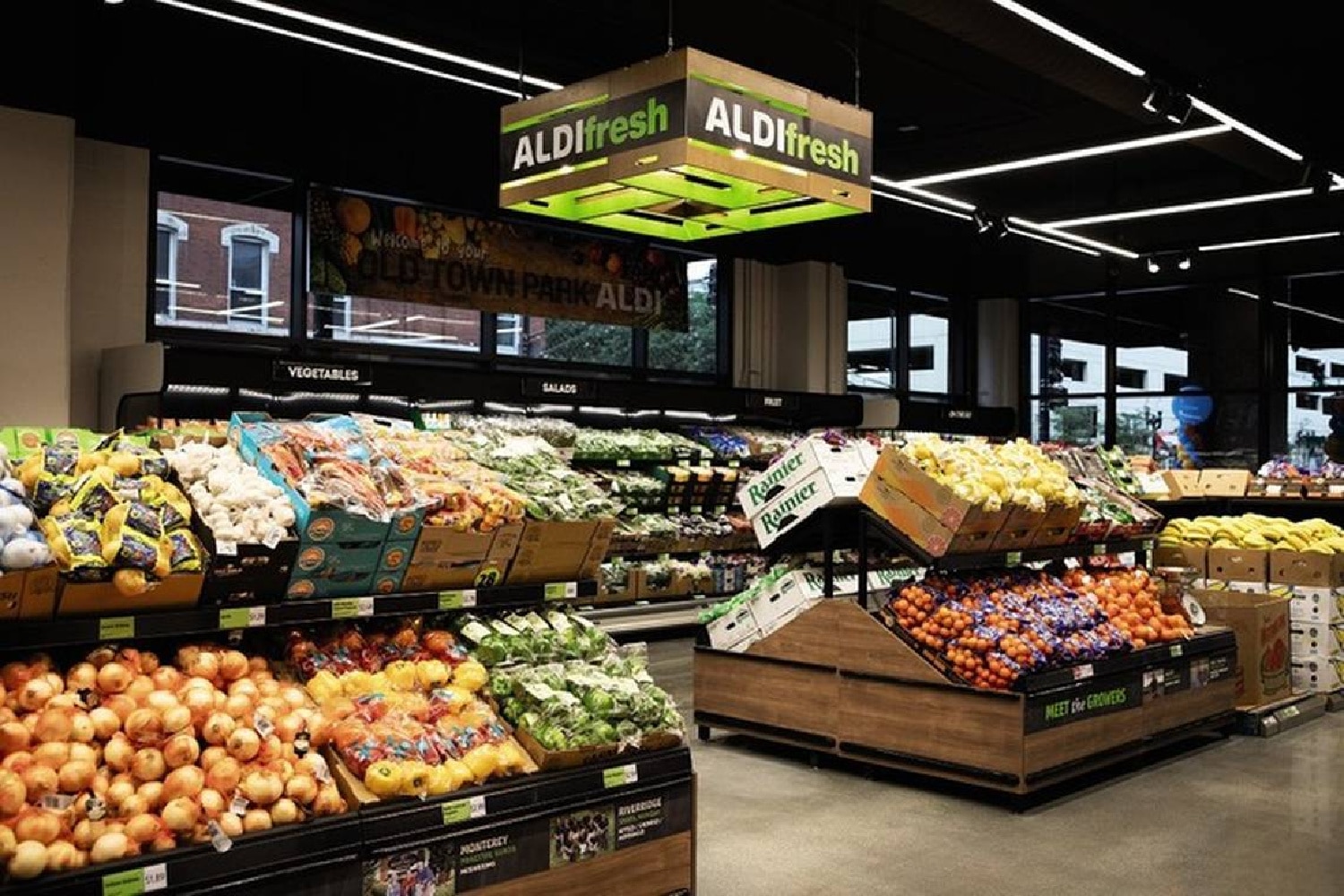
Aldi employees are often cross-trained to handle a variety of responsibilities throughout the day. A team member might stock shelves, assist customers, and operate a register during the same shift. This flexible staffing model helps stores remain efficient while maintaining service levels. Cross-training also allows managers to quickly respond to changing customer traffic patterns.
Store Layout Reduces Impulse Buying
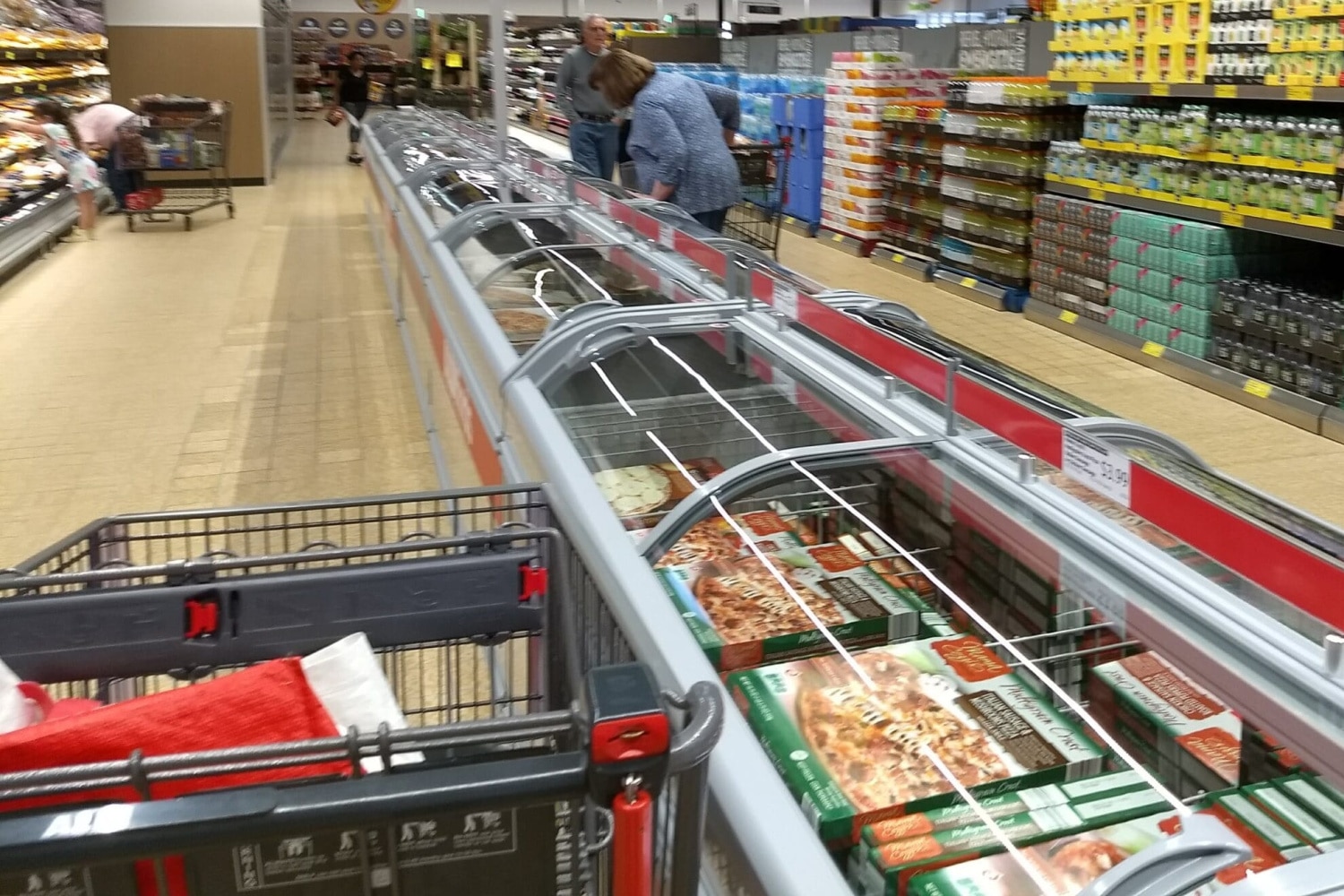
The straightforward layout found in most Aldi stores helps shoppers locate everyday items quickly. With fewer displays competing for attention, customers often find it easier to stick to their shopping lists. While Aldi’s popular seasonal aisle still encourages discovery, the overall store design remains relatively simple and uncluttered. This balance helps shoppers save both time and money.
Operational Simplicity Lowers Costs
Many of Aldi’s savings come from small operational decisions that shoppers may never notice. Energy-efficient lighting, streamlined store fixtures, and simplified décor all help reduce expenses. Rather than investing heavily in elaborate displays or luxury finishes, the company focuses resources on keeping prices competitive. These behind-the-scenes efficiencies add up and contribute to the value shoppers experience every week.
This post may contain affiliate links or sponsored content. Disclosure Policy