10 Pickled and Fermented Foods Worth Trying at Least Once
Sour, tangy, and fermented flavors are having a major resurgence in 2026—and this time, it’s about more than just nostalgia for pickles on a plate. Across social media, restaurant menus, and home kitchens, “bright” and “funky” foods are becoming a go-to flavor category. From probiotic-rich staples to bold condiments that wake up simple meals, fermented foods are being embraced for both their taste and their functional benefits. What’s driving the trend is a mix of curiosity and wellness. Many of these foods are naturally rich in probiotics and developed through traditional preservation methods that enhance both flavor and shelf life.
Kimchi
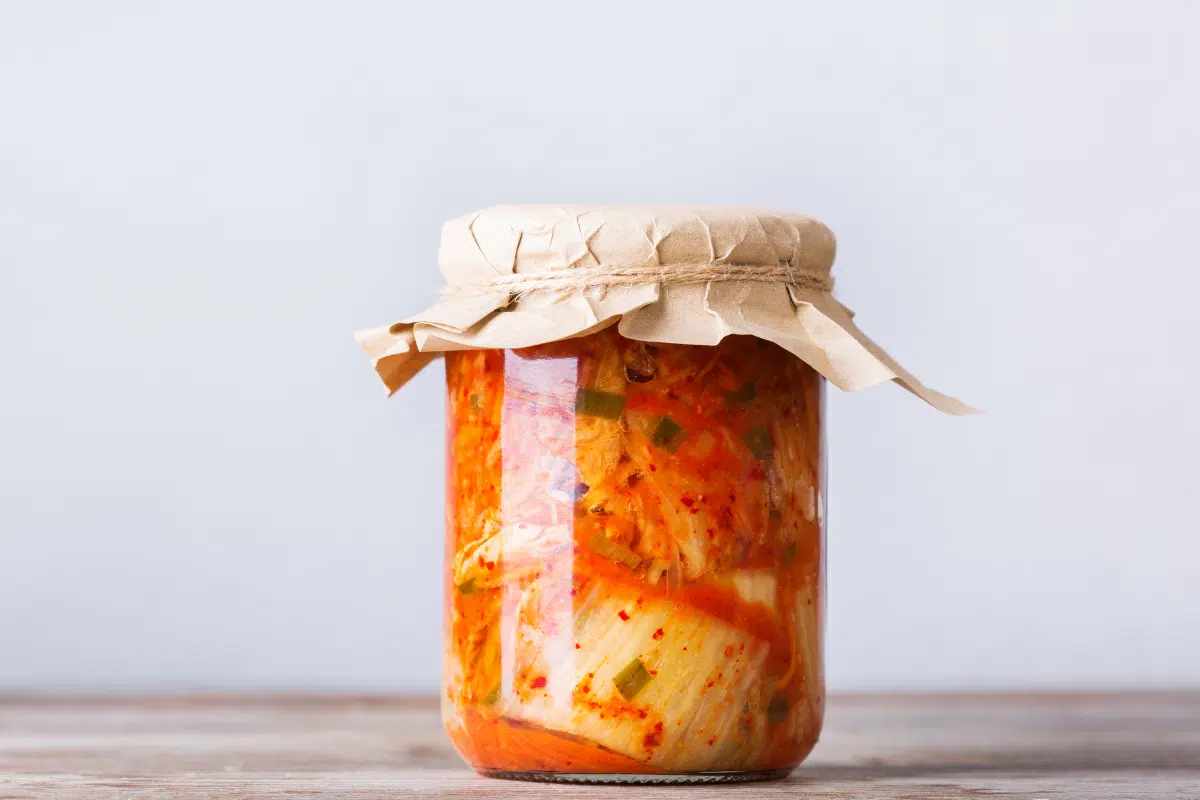
Kimchi remains one of the most recognizable fermented foods in the world, and its popularity continues to grow beyond Korean cuisine. Made from fermented cabbage and radishes with chili, garlic, and ginger, it delivers a bold combination of spice, sourness, and umami. In 2026, it’s commonly used in fusion dishes like kimchi fried rice, quesadillas, and even burgers. Its probiotic content also makes it a favorite in gut-health-focused eating.
Pickled Red Onions
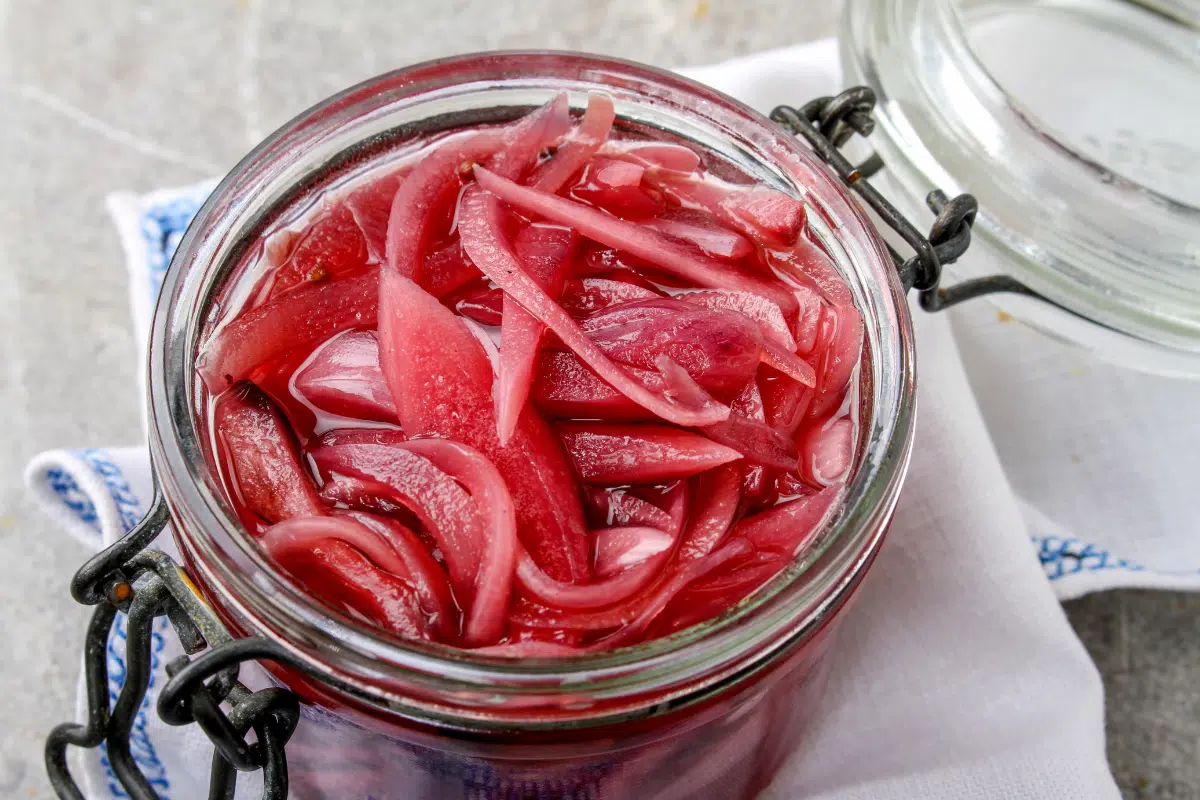
Pickled red onions are one of the easiest ways to add brightness to a meal with minimal effort. Their sharp, slightly sweet flavor balances rich or heavy dishes like tacos, sandwiches, and grain bowls. The vibrant pink color also makes them popular for food styling and social media-friendly plates. Many home cooks now keep a jar in the fridge at all times because they’re quick to prepare and last for weeks.
Sauerkraut
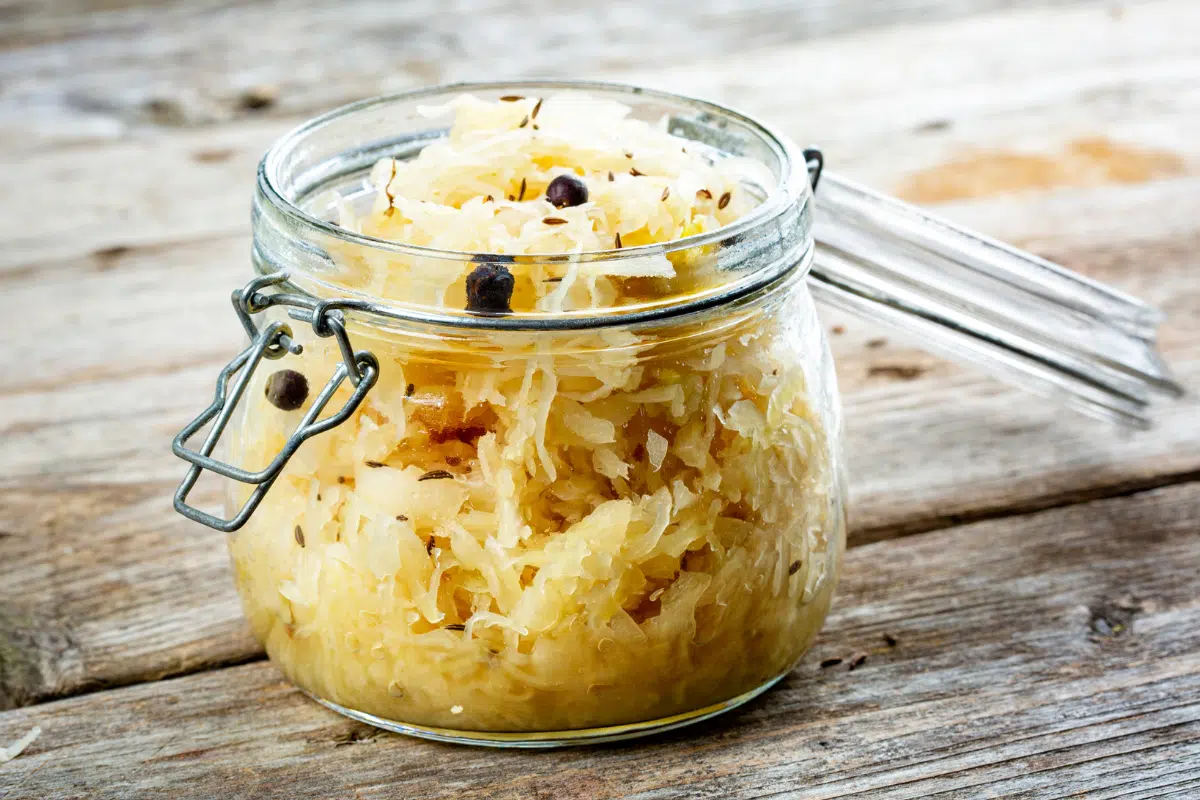
Sauerkraut has moved far beyond traditional German cuisine and is now a staple in modern wellness and plant-forward eating. This fermented cabbage is tangy, salty, and packed with live cultures that support digestion. It pairs well with sausages, roasted vegetables, and sandwiches, but it’s also increasingly used in bowls and wraps for added texture. Its simplicity and long history make it one of the most accessible fermented foods.
Pickled Jalapeños
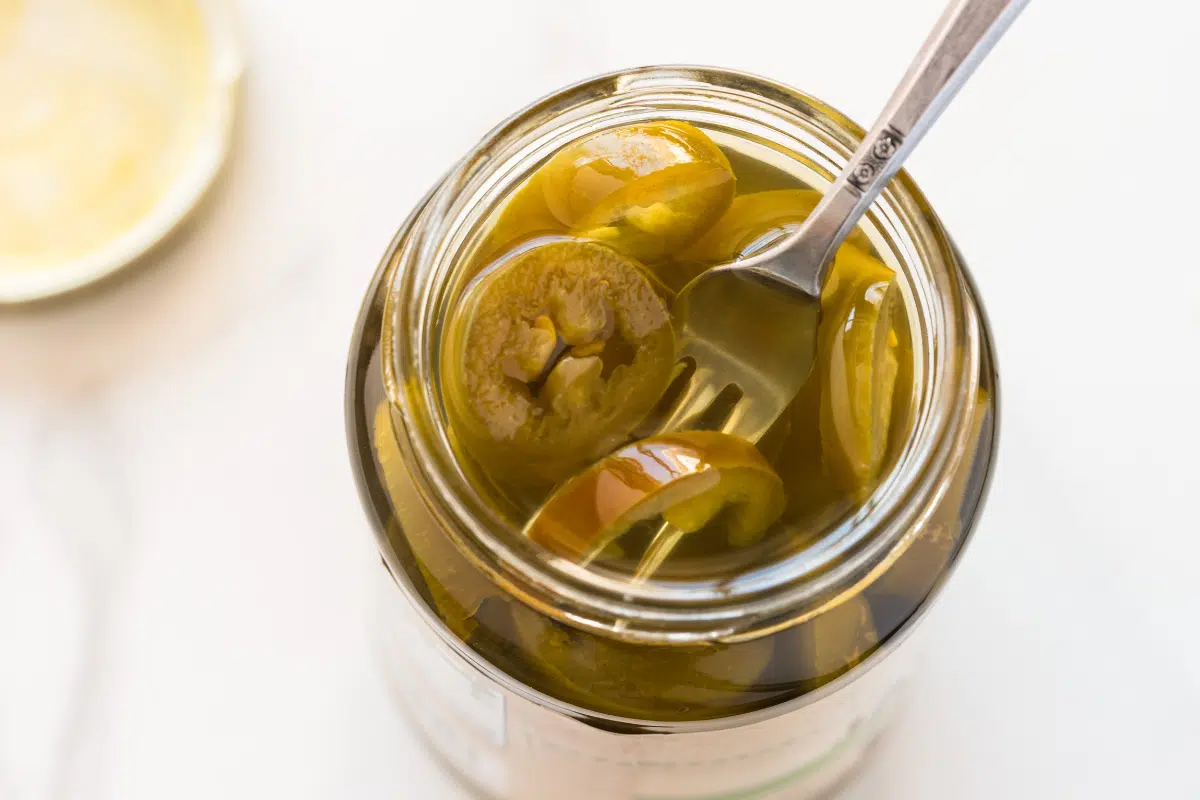
Pickled jalapeños deliver a combination of heat and acidity that enhances everything from nachos to burgers. The pickling process slightly softens the pepper’s sharpness while preserving its signature kick. In recent years, they’ve become a staple topping for homemade pizzas, scrambled eggs, and even avocado toast. Their long shelf life and bold flavor make them a pantry essential for spice lovers.
Kombucha
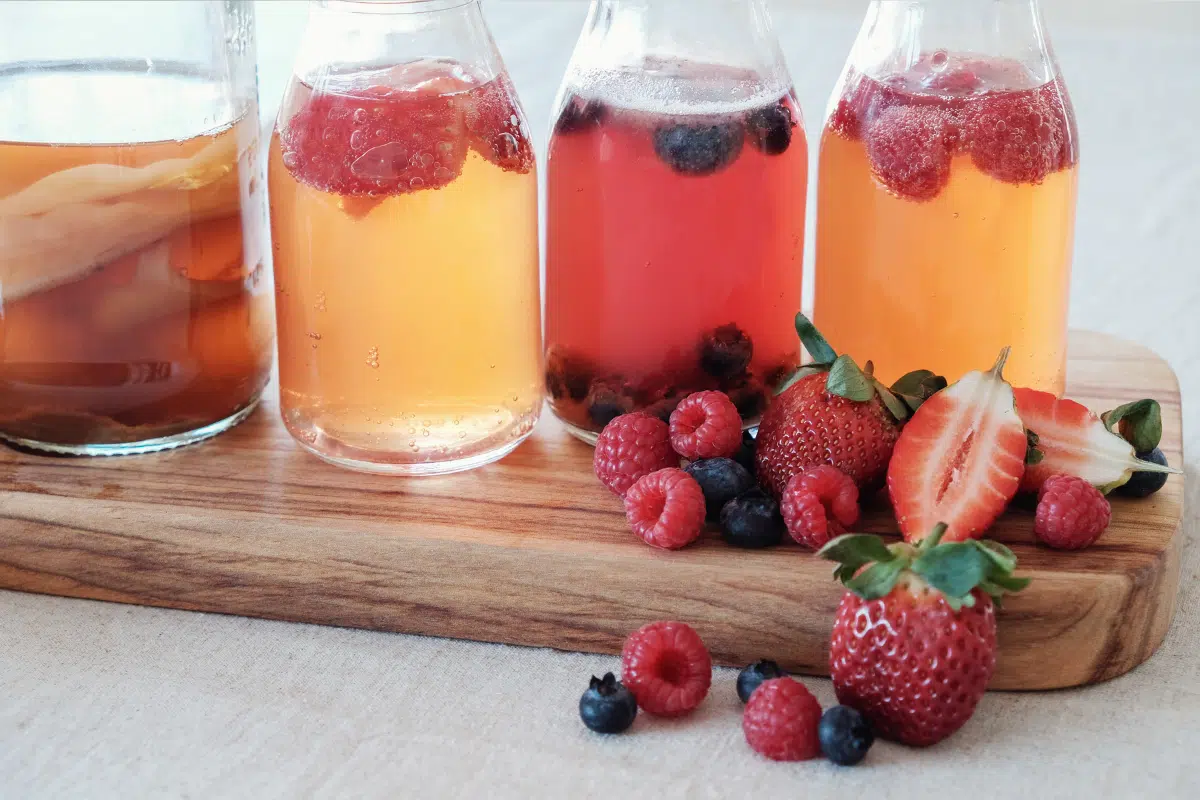
Kombucha continues to dominate the functional beverage space, offering a fizzy alternative to soda with a tangy, fermented edge. Made from fermented tea, it often features flavors like ginger lemon, berry hibiscus, or tropical fruit blends. In 2026, kombucha is increasingly found in low-sugar and craft-style versions, appealing to consumers looking for both flavor and digestive benefits. It’s now a mainstream fridge staple rather than a niche health drink.
Fermented Hot Sauce
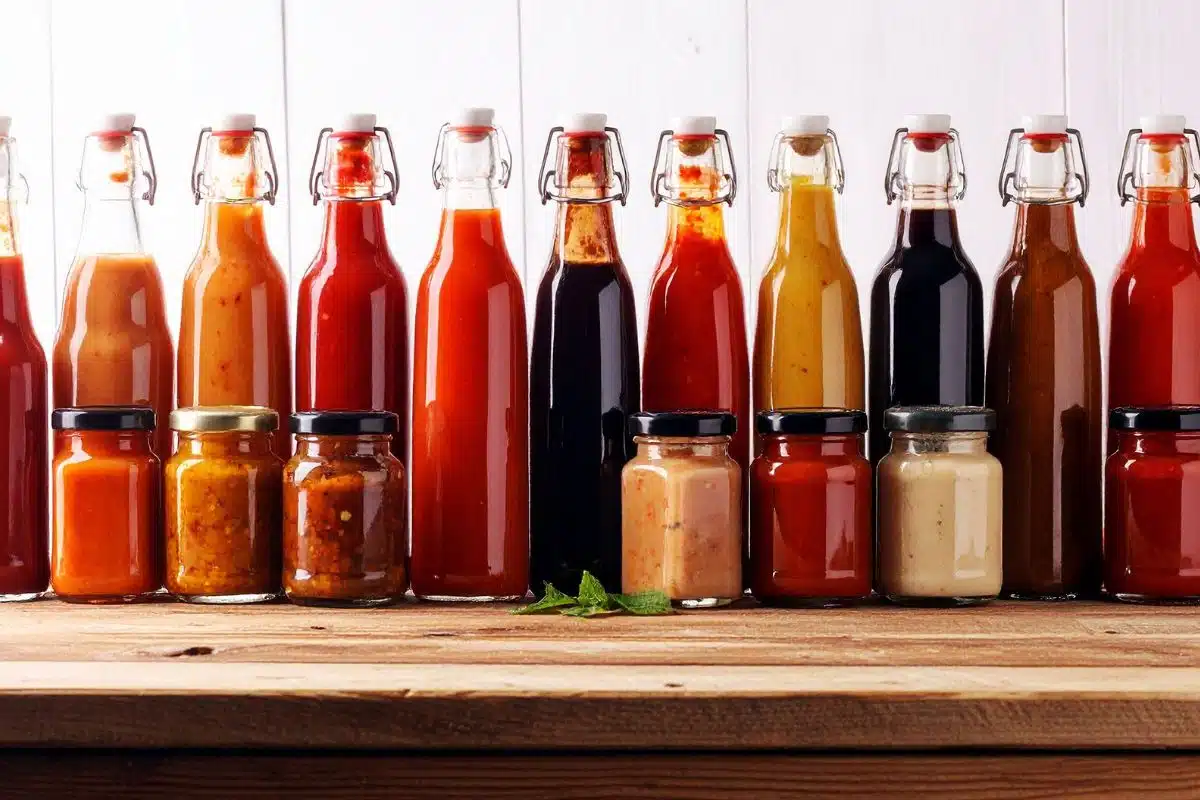
Fermented hot sauces are gaining popularity among chefs and home cooks for their deeper, more complex flavor profiles. Unlike standard hot sauces, fermentation adds acidity and a subtle funk that enhances heat rather than overpowering it. These sauces often use chili peppers, garlic, and salt, and are aged over time for intensity. They’re now commonly used in marinades, eggs, tacos, and even cocktails.
Pickled Garlic
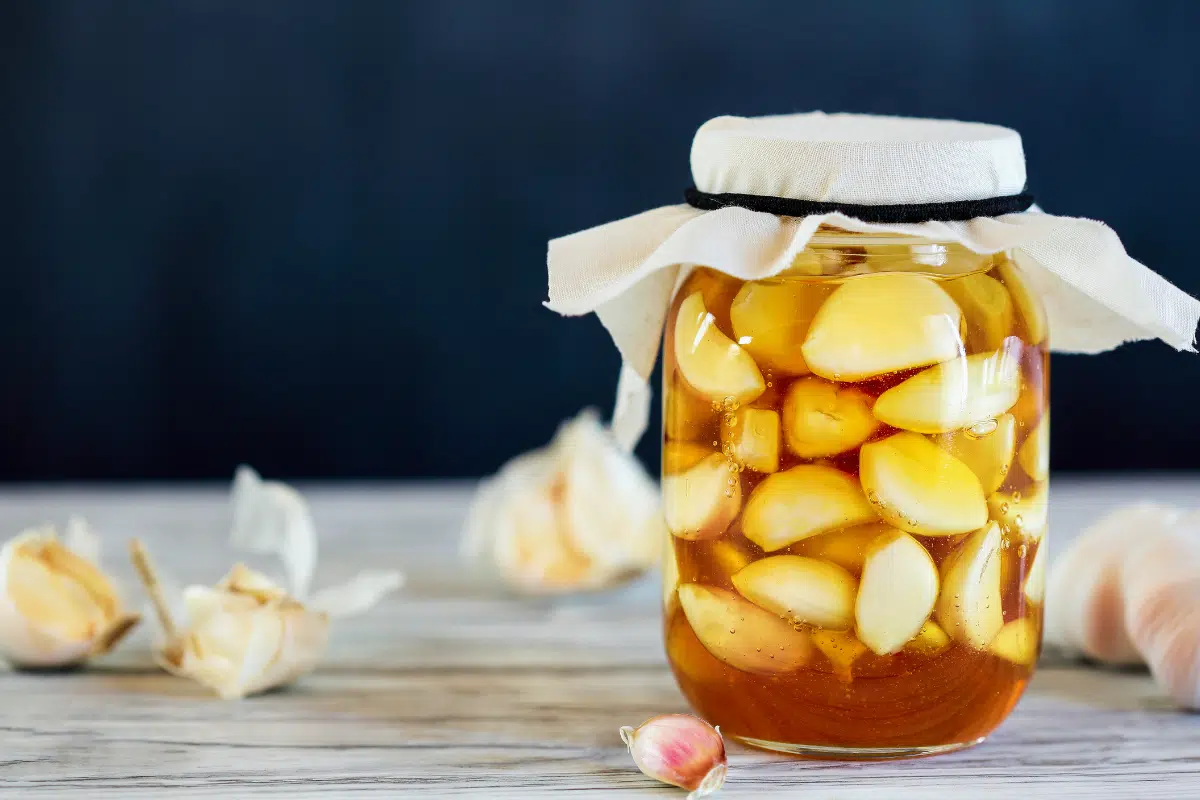
Pickled garlic has gained viral attention for its surprisingly mild and snackable flavor compared to raw garlic. The fermentation process softens its sharpness and adds a slightly sweet, tangy note. Many people enjoy it straight from the jar, while others use it in sauces, dressings, or charcuterie boards. Its popularity has grown alongside the broader trend of probiotic-rich, gut-friendly foods.
Miso Paste
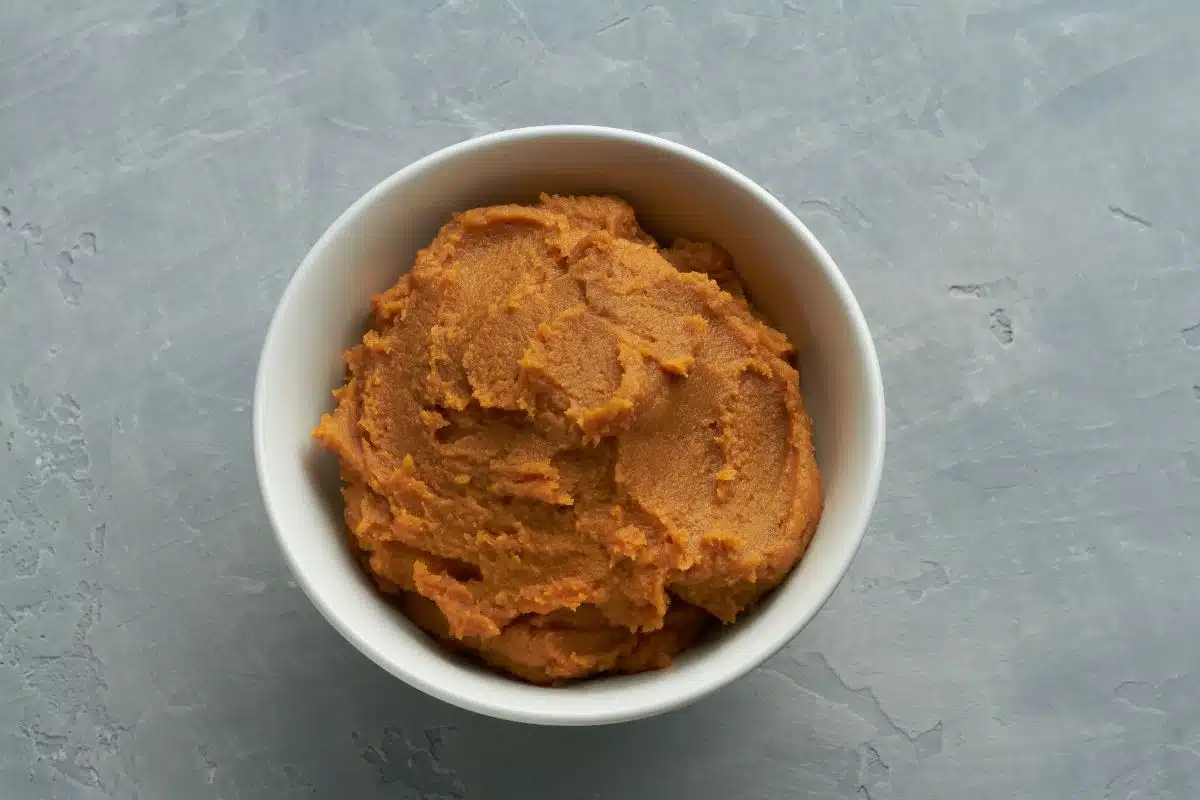
Miso paste remains a cornerstone of Japanese cuisine and continues to expand into global cooking trends. Made from fermented soybeans, it delivers a deep umami flavor that enhances soups, marinades, and dressings. In 2026, chefs are also incorporating miso into unexpected dishes like cookies, caramel sauces, and butter blends. Its versatility and long fermentation process make it a powerful flavor booster.
Pickled Cucumbers (Classic Dill Pickles)
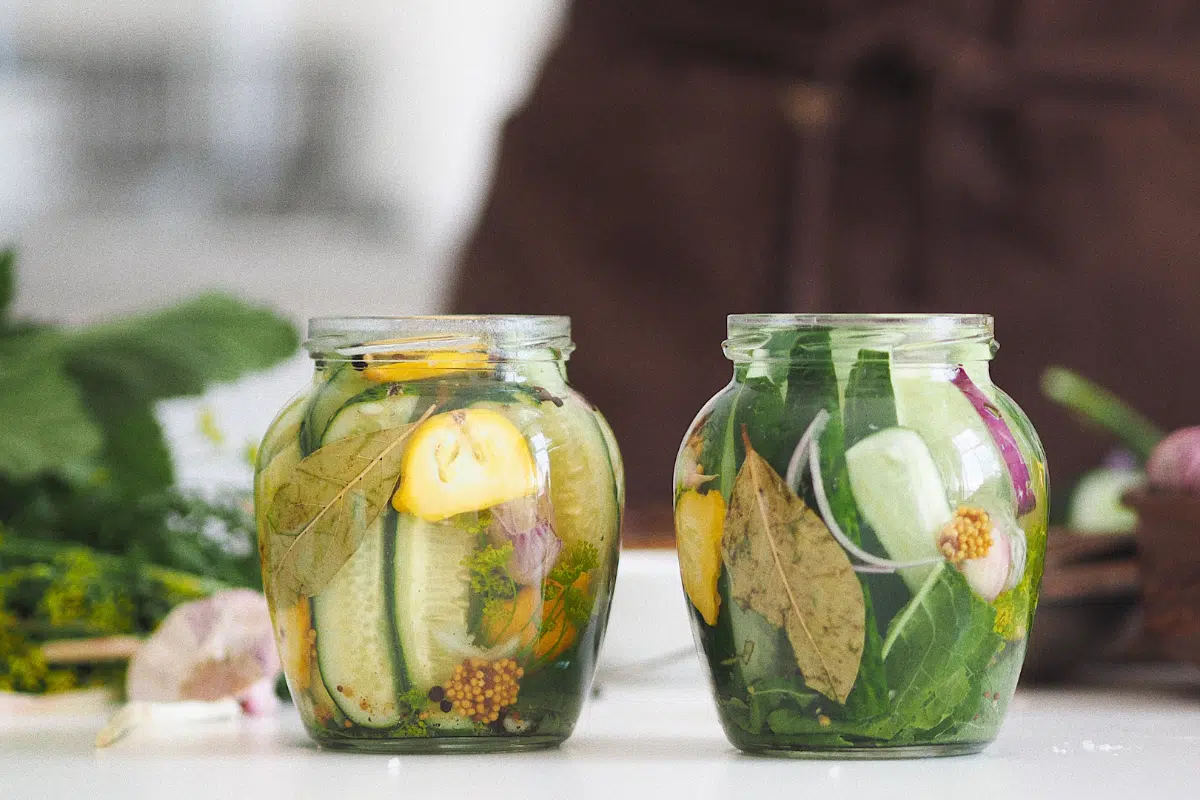
Classic dill pickles have experienced a resurgence thanks to the “pickle everything” trend across social media. Crunchy, tangy, and refreshing, they’re now being featured in everything from fried pickle appetizers to pickle-flavored snacks and sauces. Their enduring appeal lies in their balance of acidity and crunch, making them a versatile addition to sandwiches, burgers, and snack boards.
Fermented Salsa
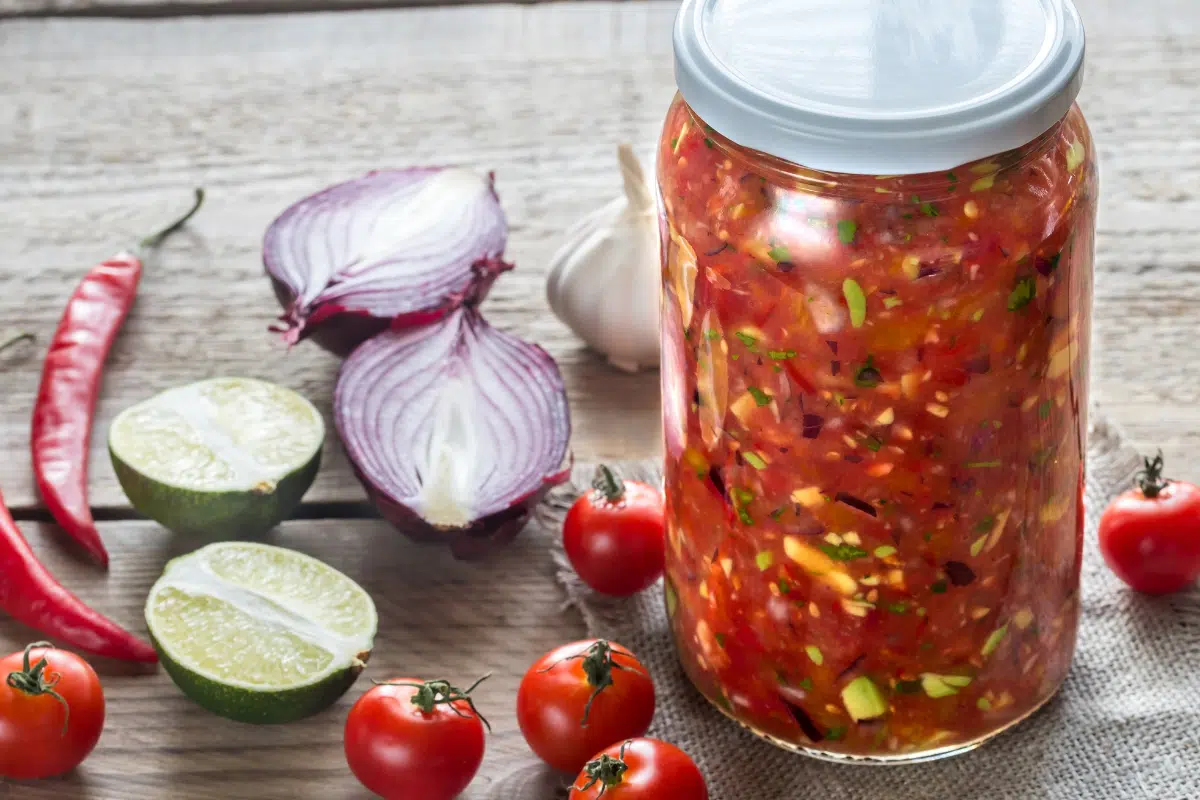
Fermented salsa builds on the traditional tomato-based dip by allowing ingredients to develop deeper, tangier flavors over time. The fermentation process enhances acidity and creates a more complex taste profile compared to fresh salsa. It pairs especially well with tortilla chips, tacos, grilled meats, and rice bowls. As interest in homemade fermentation grows, this version is becoming a favorite for food enthusiasts looking for bold, layered flavors.
This post may contain affiliate links or sponsored content. Disclosure Policy