9 Common Baking Mistakes That Can Ruin Your Desserts
Baking continues to be one of the most rewarding kitchen skills, but it’s also one of the easiest to get wrong if a few basics are off. Small differences in measurement, temperature, or technique can completely change the texture of cookies, cakes, and breads. In 2026, more home bakers are leaning into precision and simple technique upgrades rather than complicated recipes. These essential tips will help you get more consistent, bakery-quality results without needing professional training.
Inconsistent Measuring Is the Fastest Way to Ruin a Recipe
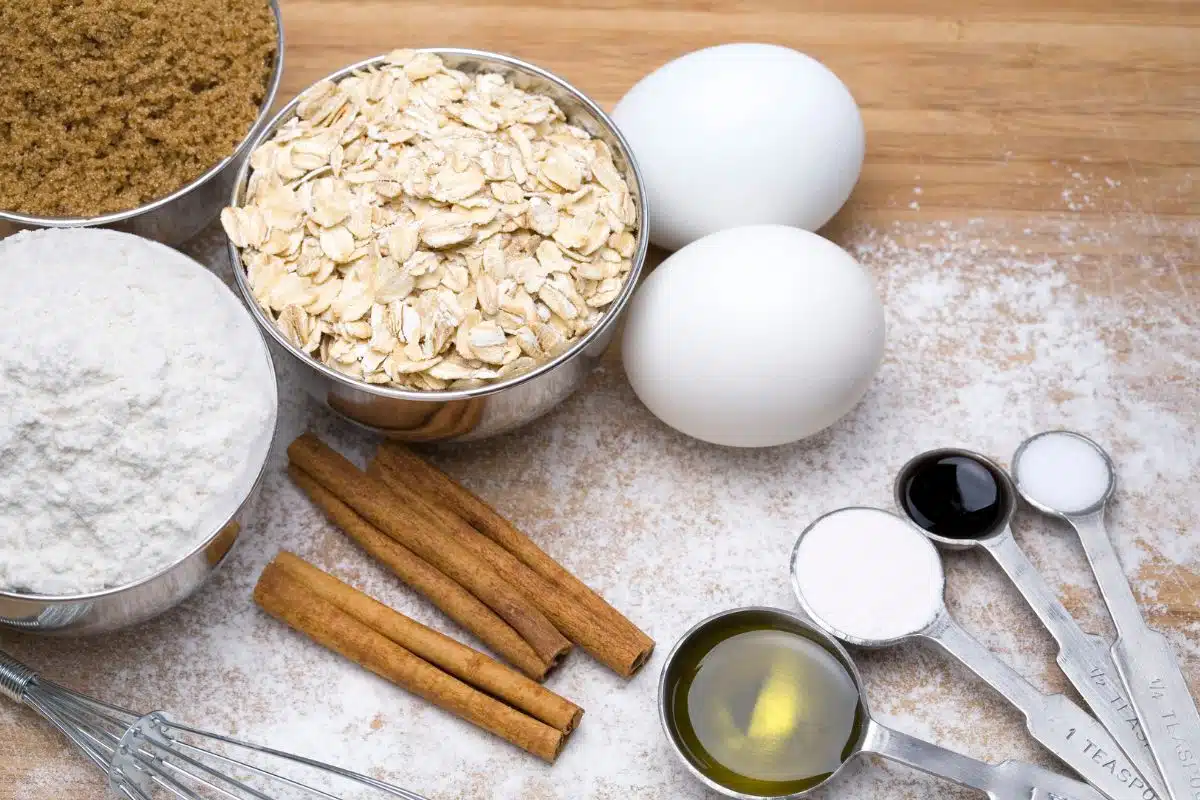
Baking depends on precision, so even small measurement errors can affect structure and flavor. Using a kitchen scale is becoming more common because it eliminates guesswork and improves consistency, especially with flour and sugar. Measuring cups can still work, but how ingredients are packed or scooped can drastically change results. For reliable baking, accuracy matters more than speed.
Cold Ingredients Can Prevent Proper Mixing
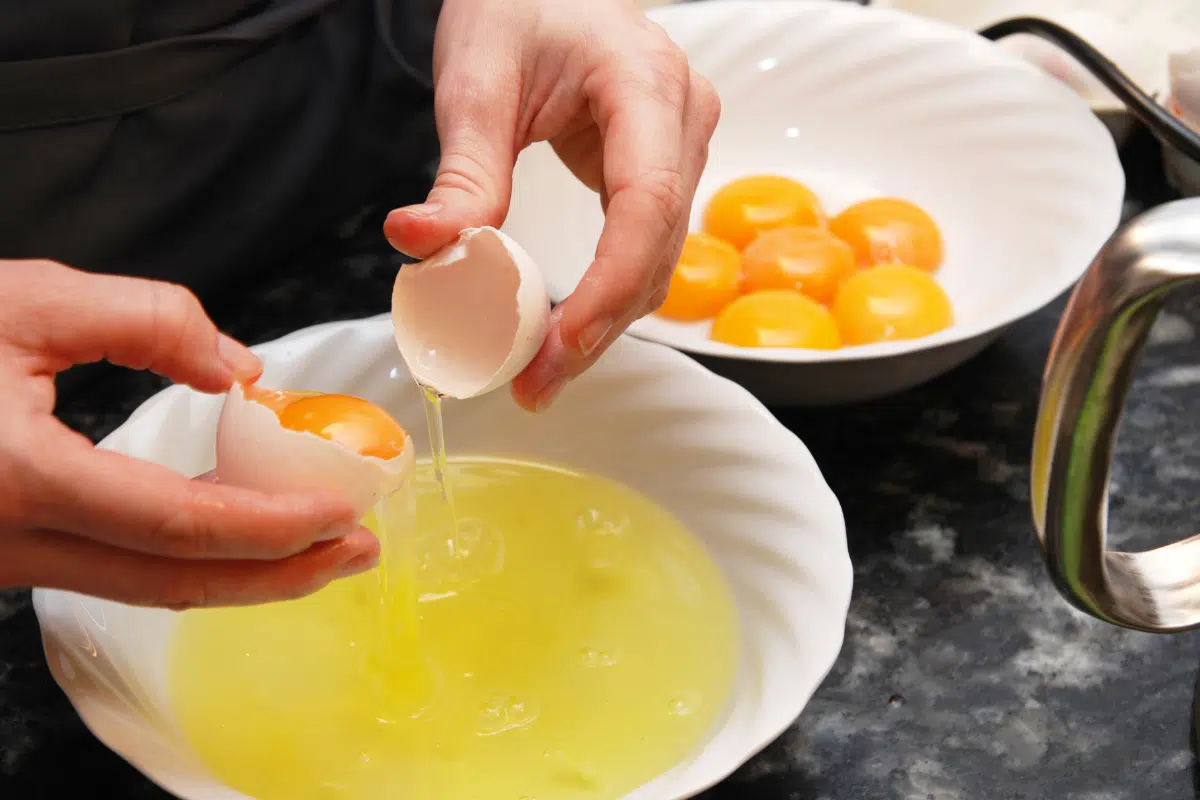
Butter, eggs, and dairy perform best when they are at room temperature because they blend more evenly into batters. This helps trap air, which is essential for light cakes and tender cookies. Cold ingredients can cause mixtures to curdle or become uneven, especially in butter-based recipes. Allowing ingredients to sit out briefly before baking can noticeably improve texture.
Overmixing Leads to Dense, Tough Baked Goods
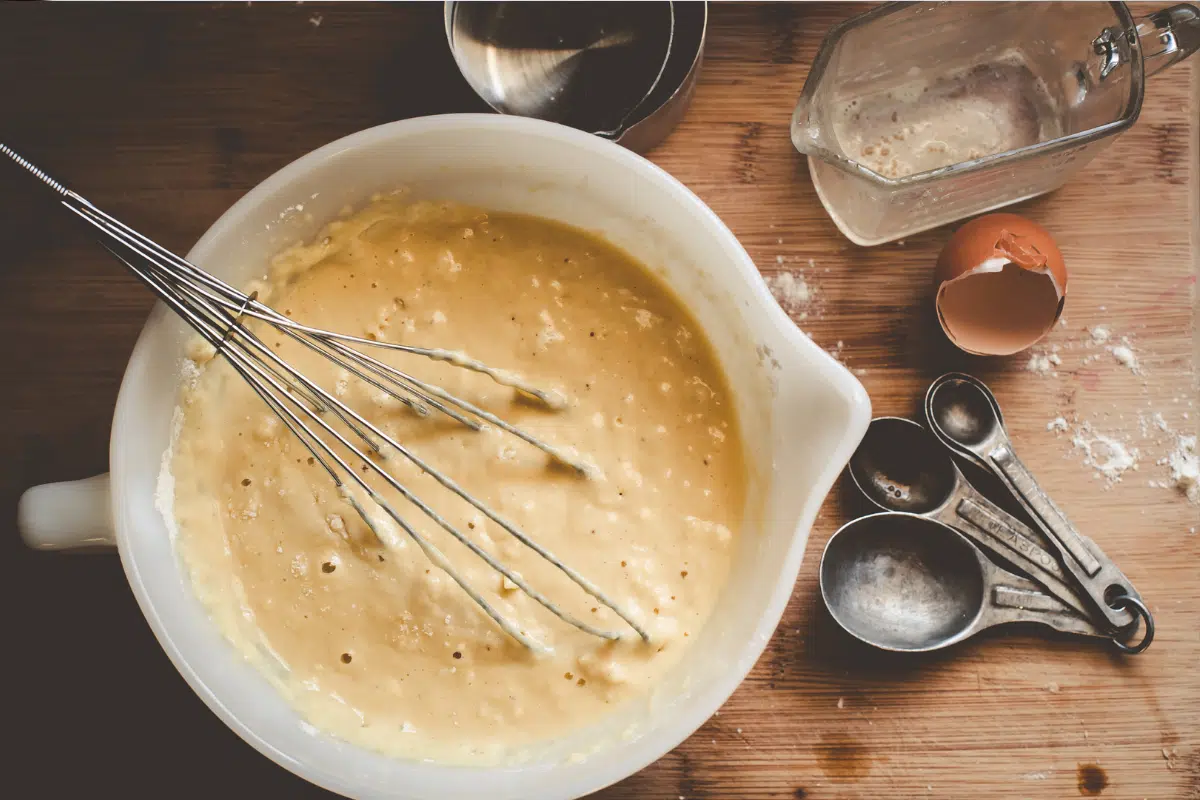
One of the most common baking mistakes is overmixing batter once flour is added. Excess mixing develops gluten, which can make cakes dense and cookies overly firm instead of soft and tender. The goal is to mix just until ingredients are combined, even if the batter looks slightly uneven. Gentle mixing consistently leads to lighter, more delicate results.
Skipping Oven Preheating Disrupts Baking Time
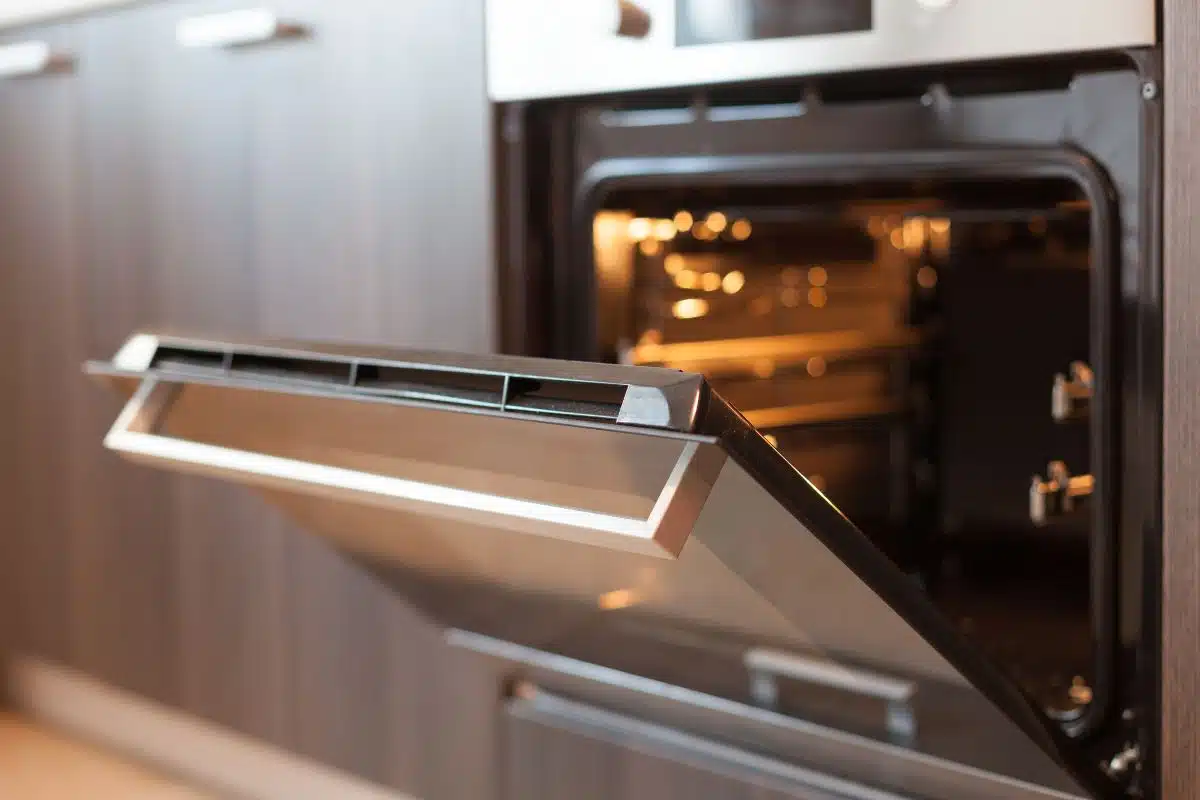
A properly preheated oven is essential for even baking and predictable results. If the oven isn’t fully heated, baked goods may rise unevenly or develop poor texture. Modern ovens can take longer than expected to reach stable temperature, even after the preheat signal appears. Giving the oven extra time ensures a more consistent bake from start to finish.
Using the Wrong Bakeware Changes the Outcome
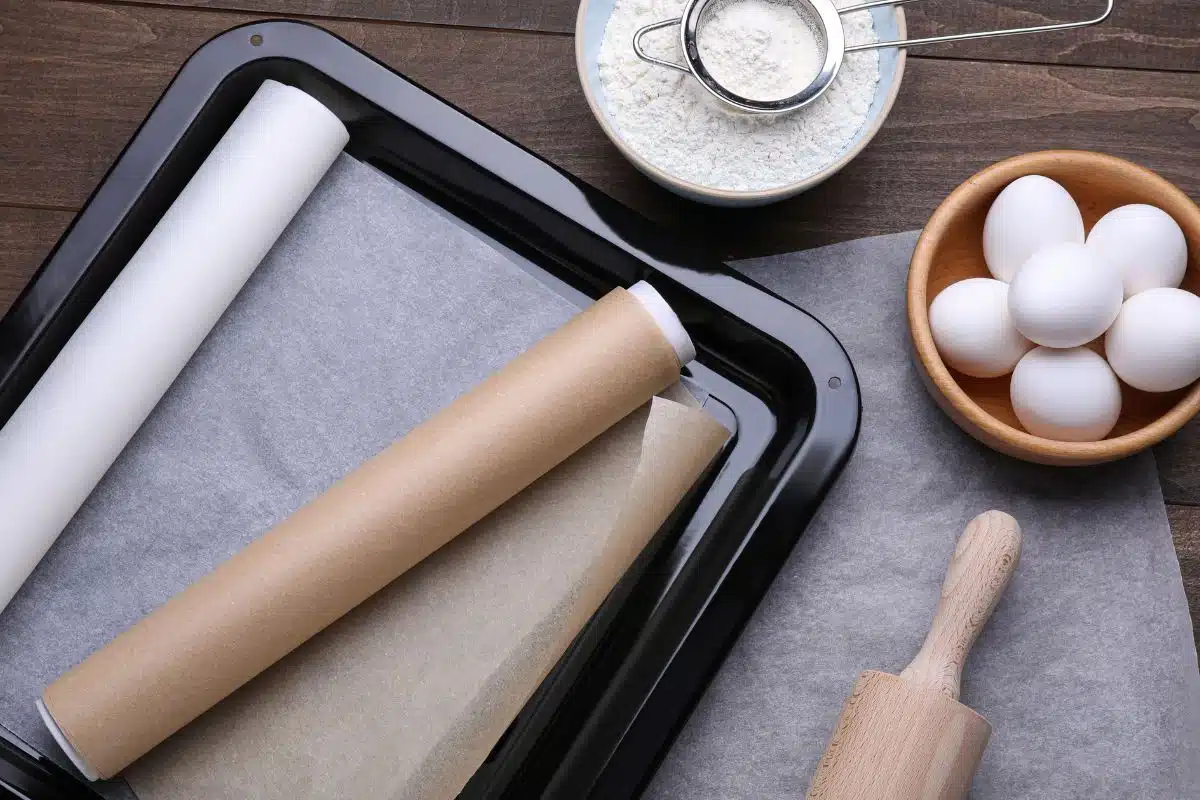
Different materials conduct heat differently, which affects how baked goods cook. Metal pans brown faster, glass retains heat longer, and silicone often requires longer bake times. These differences can impact texture, rise, and color if not accounted for. Choosing the right bakeware — or adjusting time slightly — can significantly improve results.
Crowding the Pan Affects Even Baking
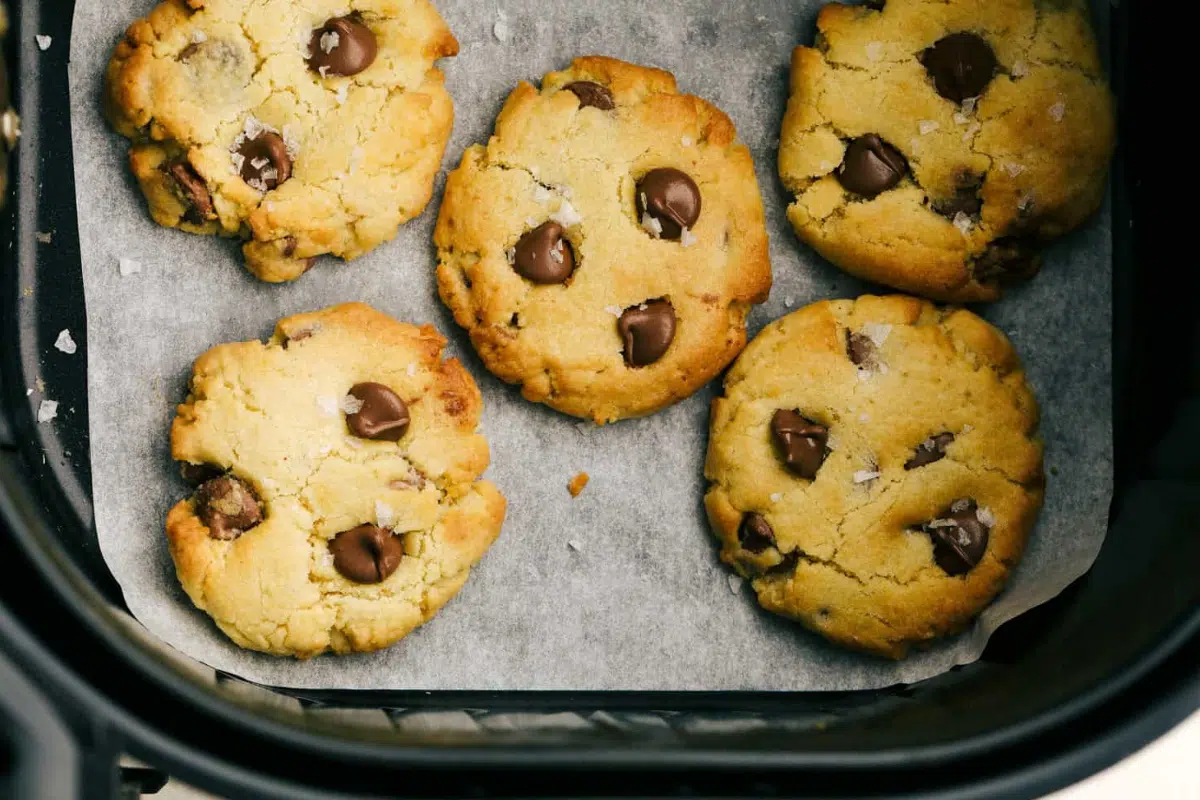
Leaving enough space between cookies, muffins, or cupcakes allows heat to circulate properly. When items are too close together, they can spread unevenly or bake into each other. Proper spacing helps maintain shape and ensures consistent browning. It’s a simple adjustment that often makes baked goods look more professional.
Not Checking Doneness Early Leads to Overbaking
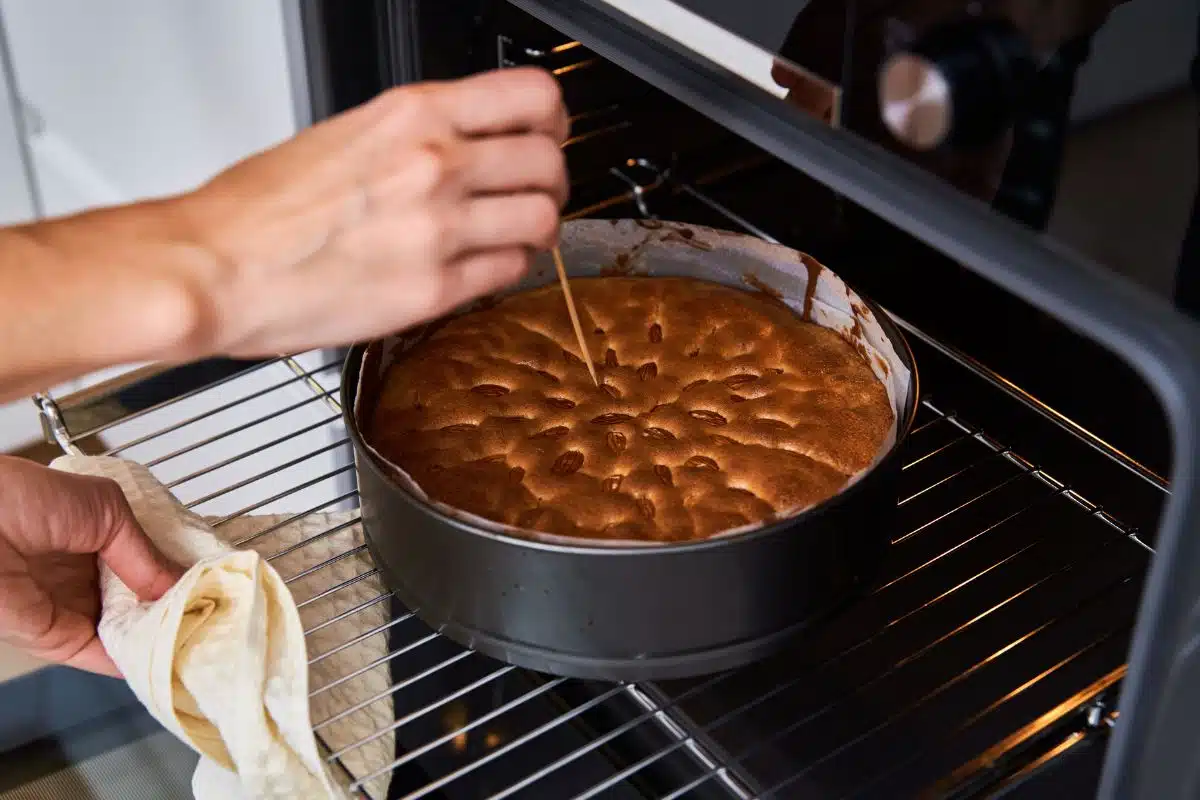
Baked goods can go from perfect to overdone in just a few minutes. Using a toothpick or cake tester helps ensure cakes and muffins are set in the center before removing them from the oven. For breads, tapping the bottom for a hollow sound remains a reliable test. Checking early and often helps prevent dry or burnt results.
Cutting Cooling Time Short Affects Texture
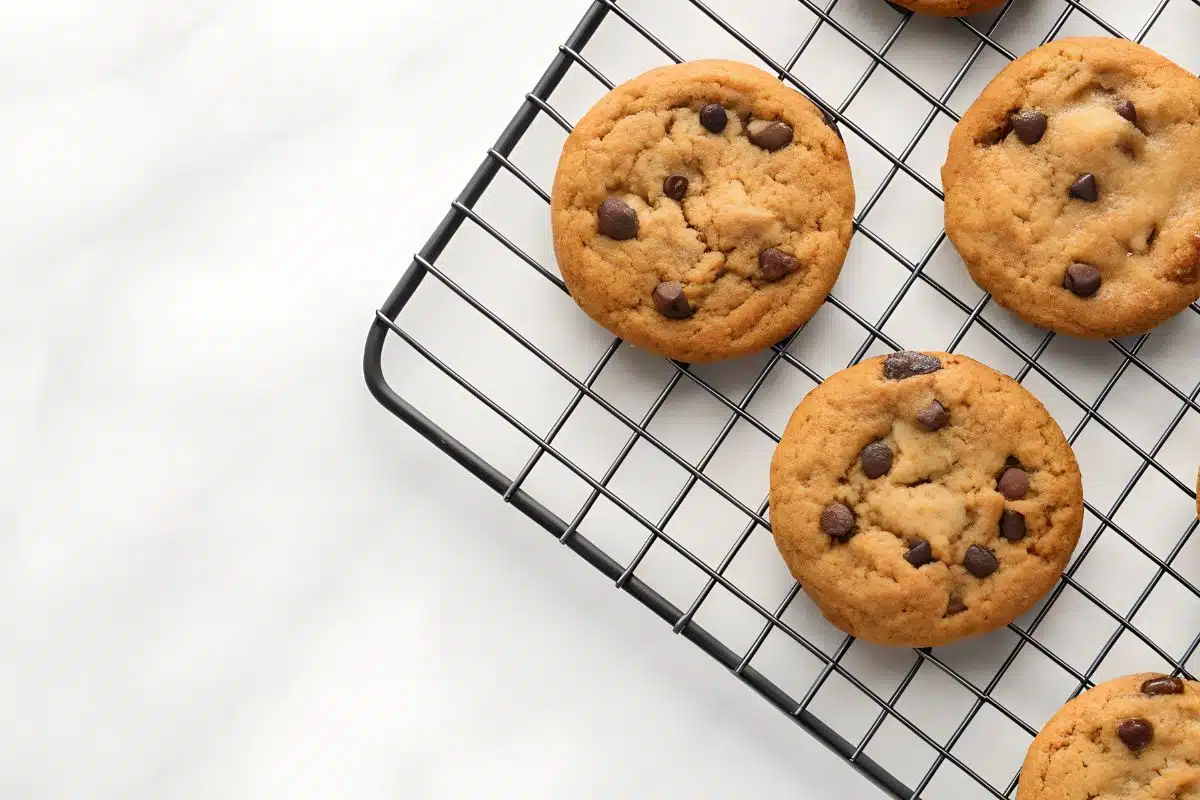
Cooling is part of the baking process, not just an afterthought. Cakes and cookies continue to set as they cool, which helps them firm up properly and improves structure. Removing baked goods too early from pans or storing them before they cool completely can lead to soggy or crumbly results. Patience during this step often makes a noticeable difference.
Skipping Flavor Enhancers Limits Results
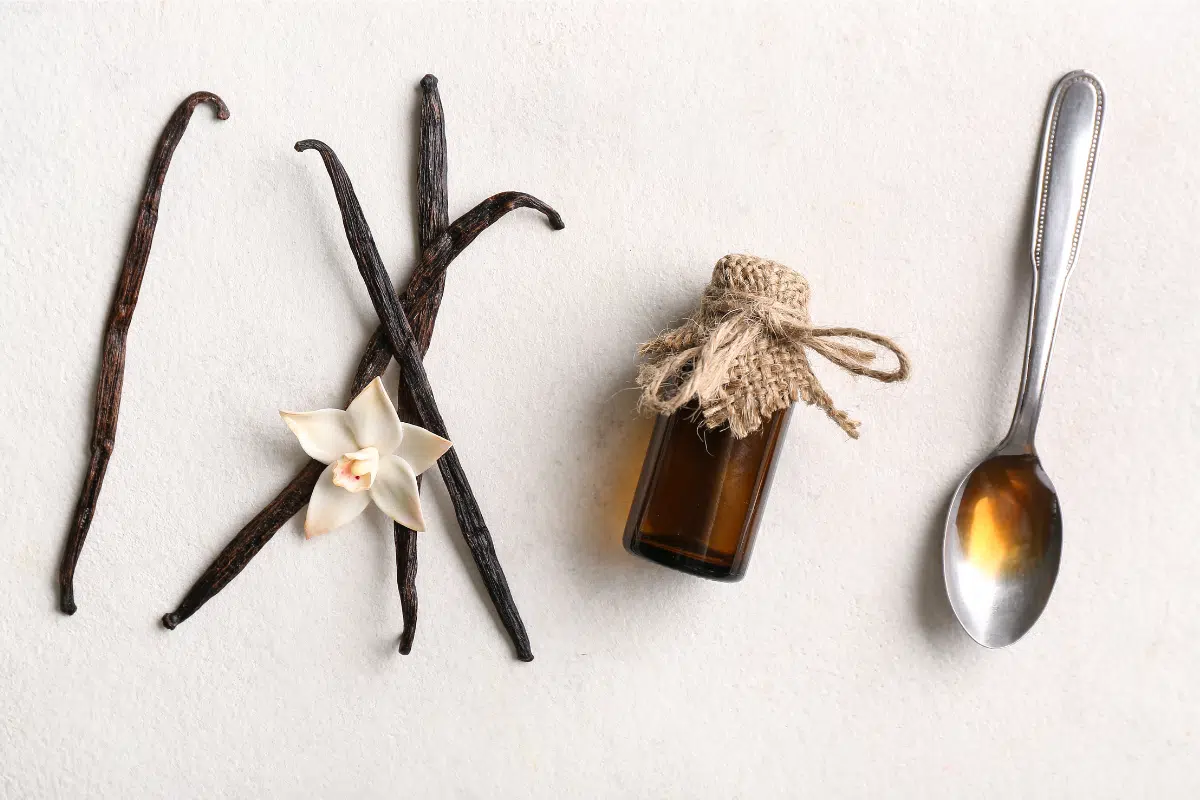
Small additions like vanilla extract, citrus zest, spices, or even a pinch of salt can dramatically improve baked goods. These ingredients enhance sweetness, balance richness, and add depth without changing the recipe structure. Many modern bakers are experimenting with subtle flavor upgrades to make classic recipes feel more bakery-quality. A small adjustment can often elevate the final result more than extra sugar ever could.
This post may contain affiliate links or sponsored content. Disclosure Policy