7 Smart Driving Habits That Help You Save on Fuel
Fuel prices may rise and fall throughout the year, but using less gas is always good for your budget. The good news is that improving fuel economy doesn’t require buying a new vehicle. A few simple driving habits and basic maintenance routines can help you get more miles out of every tank while also reducing wear and tear on your car. Whether you have a gas-powered vehicle, a hybrid, or a small SUV, these practical tips can help you spend less at the pump.
Accelerate Smoothly

Rapid acceleration forces your engine to burn more fuel than necessary. Instead of flooring the gas pedal when a light turns green, gradually build up speed and anticipate traffic whenever possible. Gentle acceleration allows your vehicle to operate more efficiently while creating a smoother ride. Over time, this simple habit can noticeably improve your overall fuel economy.
Maintain a Steady Speed
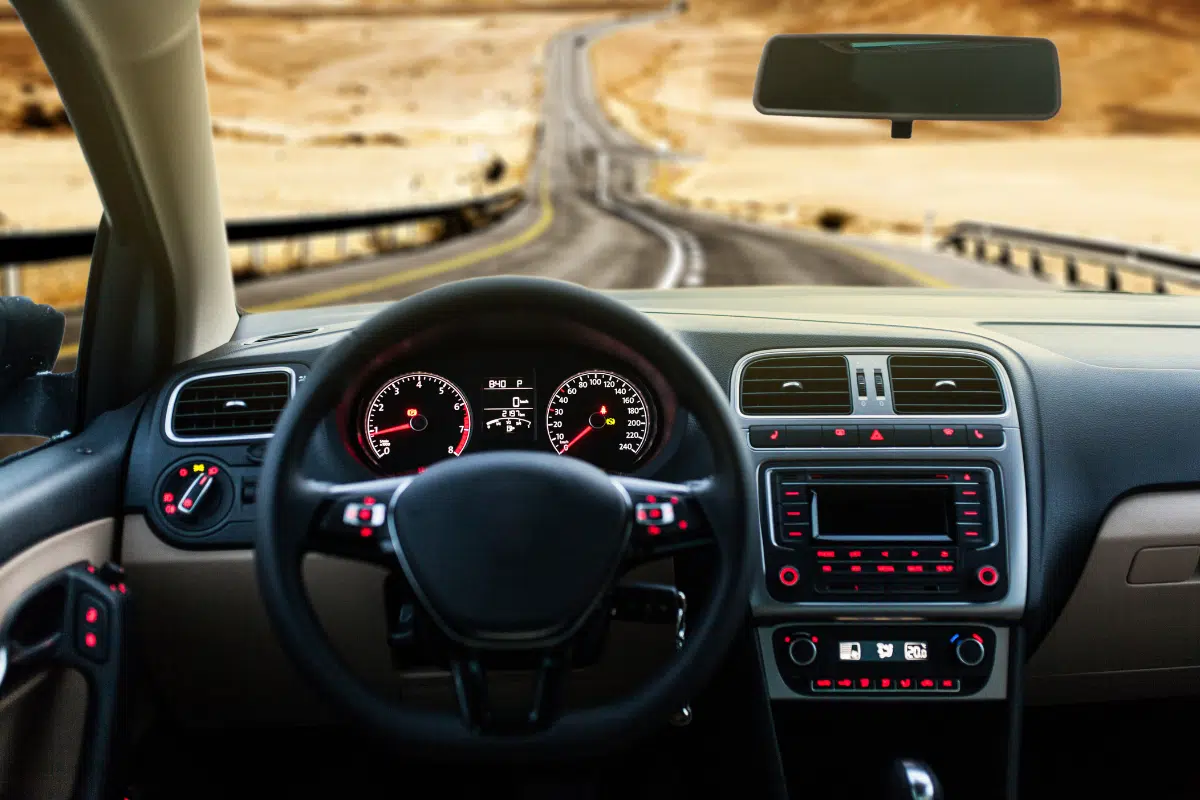
Constantly speeding up and slowing down uses more fuel than maintaining a consistent pace. On highways, cruise control can help keep your speed steady when traffic conditions allow, reducing unnecessary acceleration. Staying within posted speed limits also improves fuel efficiency since most vehicles consume significantly more fuel at higher speeds. A smooth, consistent driving style benefits both your wallet and your vehicle.
Avoid Excessive Idling
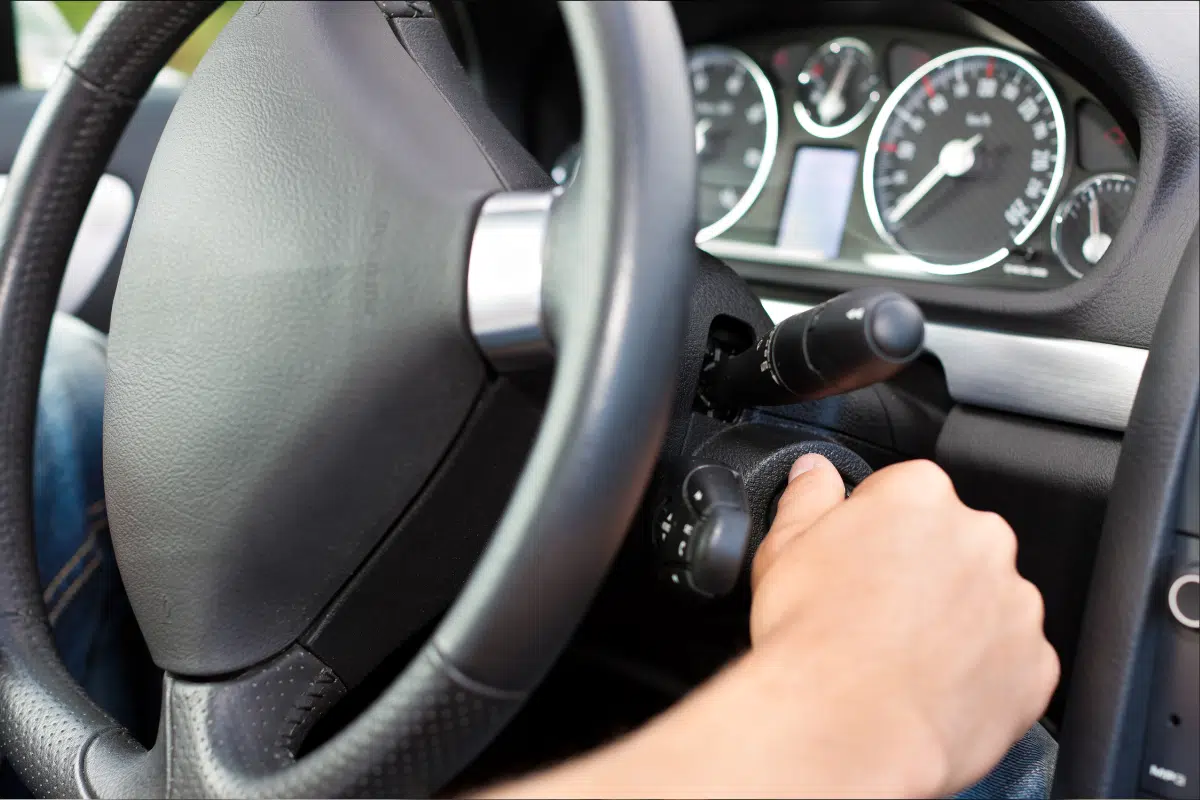
Modern vehicles use very little fuel when restarting, making long periods of idling less efficient than many people realize. If you’re parked and expect to wait for more than a minute or two—such as outside a school pickup line or while waiting for someone—it often makes sense to turn off the engine if it’s safe and practical to do so. Reducing idle time saves fuel while also decreasing engine wear and emissions.
Remove Extra Weight
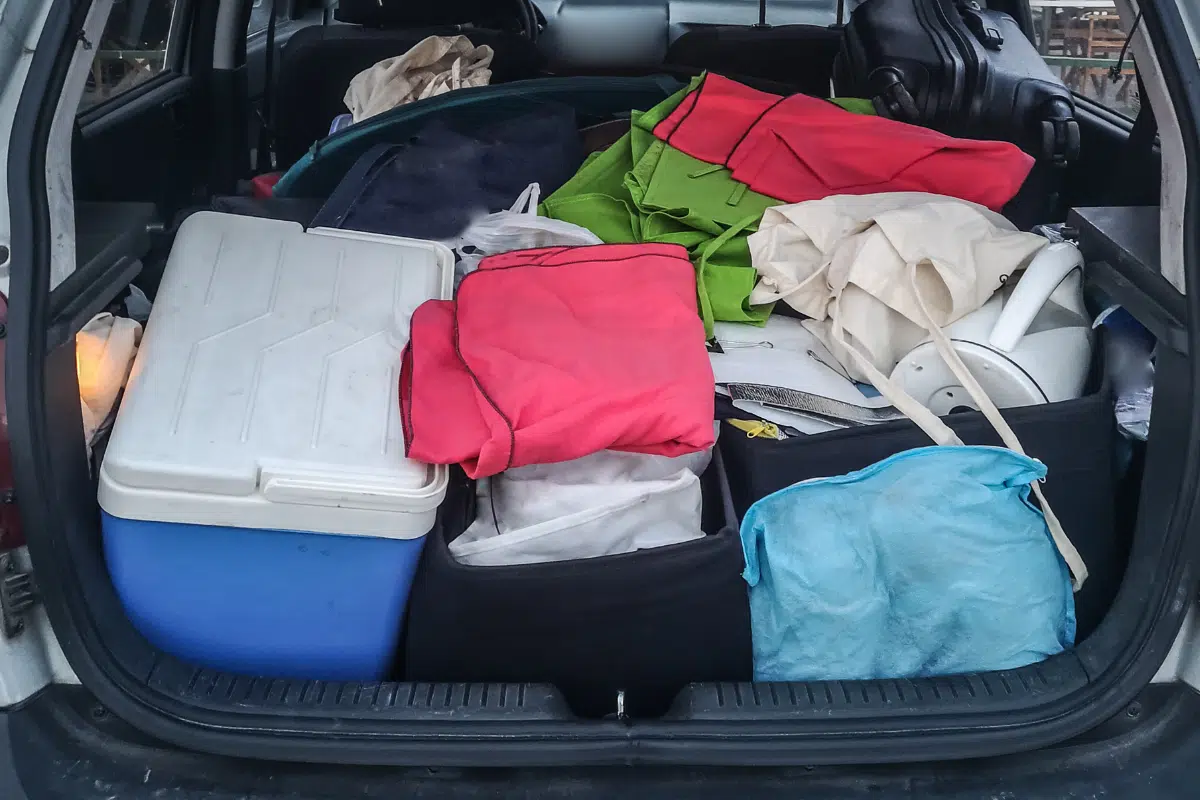
Every extra pound your vehicle carries requires additional energy to move. Clear out sports equipment, tools, storage bins, or other heavy items that don’t need to stay in your trunk every day. If you use roof racks or cargo boxes, remove them when they’re not in use since they can create additional wind resistance. A lighter, more aerodynamic vehicle generally uses less fuel.
Keep Your Tires Properly Inflated
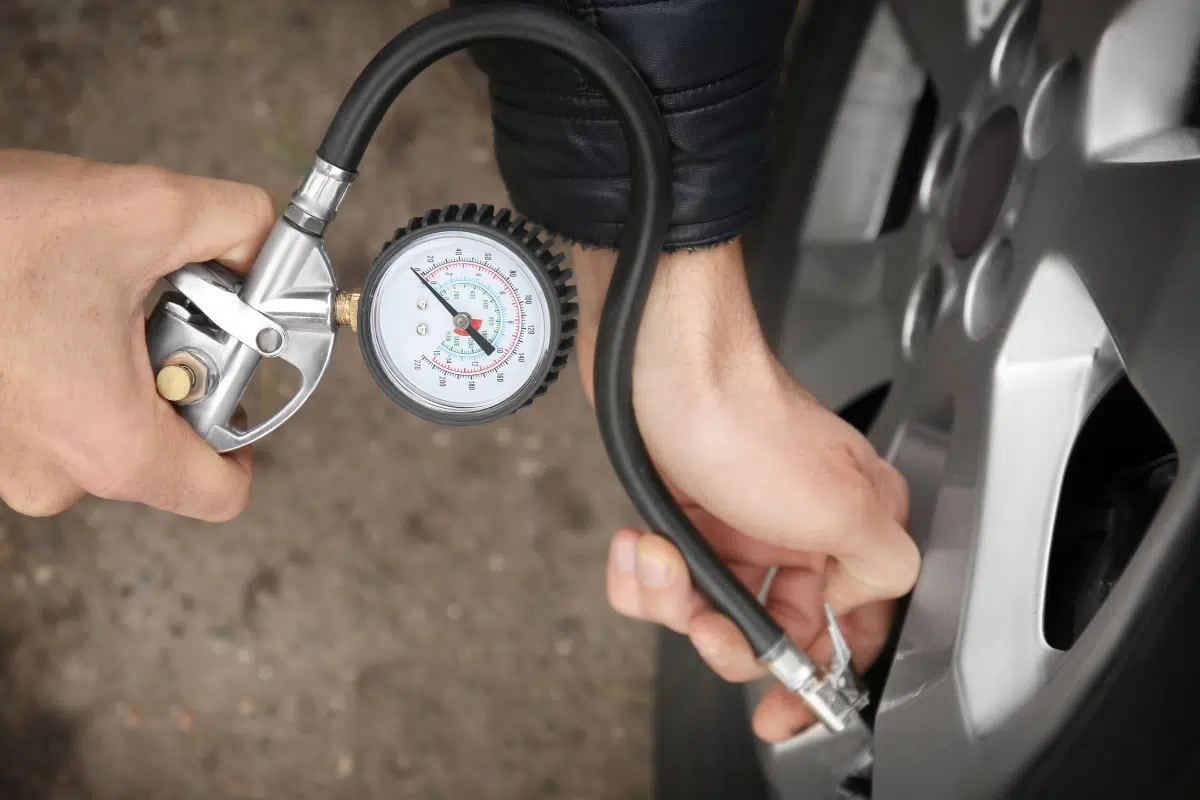
Underinflated tires create additional rolling resistance, forcing your engine to work harder and burn more fuel. Check your tire pressure at least once a month using the pressure listed on the driver’s door sticker—not the maximum pressure printed on the tire itself. Properly inflated tires also improve handling, extend tire life, and promote more even tread wear. It’s one of the easiest maintenance tasks you can do.
Use Your Air Conditioning Strategically
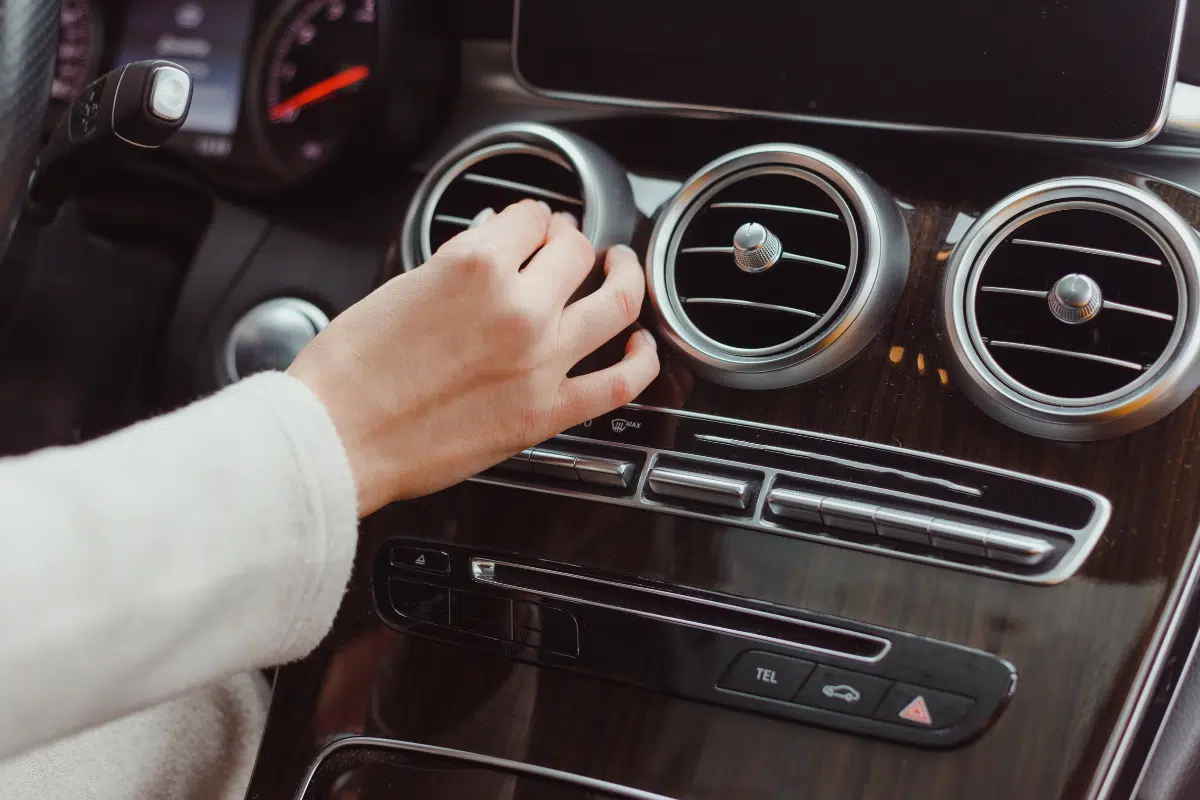
Running the air conditioner requires energy from your engine, although the impact on fuel economy varies depending on your vehicle and driving conditions. At lower speeds, opening the windows may be a comfortable alternative on mild days. At highway speeds, however, open windows can increase aerodynamic drag, making air conditioning the more efficient choice in some situations. Using your vehicle’s climate controls thoughtfully can help balance comfort and fuel savings.
Combine Errands Into One Trip

Planning your errands efficiently reduces both mileage and fuel consumption. Instead of making several separate trips throughout the week, group nearby destinations together into one outing. A warmed-up engine also operates more efficiently than a cold one, so combining trips can reduce fuel used during repeated cold starts. A little planning can save both time and money while cutting back on unnecessary driving.
This post may contain affiliate links or sponsored content. Disclosure Policy