8 Smart Kitchen Tricks That Help You Waste Less Food Fast
Wasting food isn’t just bad for your wallet—it’s tough on the planet too. The good news? A few Food waste adds up fast, and most of us throw away more groceries than we realize. From forgotten leftovers to produce that spoils too quickly, small habits in the kitchen can quietly drain your budget week after week. The good news is that cutting food waste doesn’t require a total lifestyle overhaul. A few simple changes can help you save money, keep your kitchen more organized, and make the most of every grocery trip.
Keep an “Eat Me First” Bin
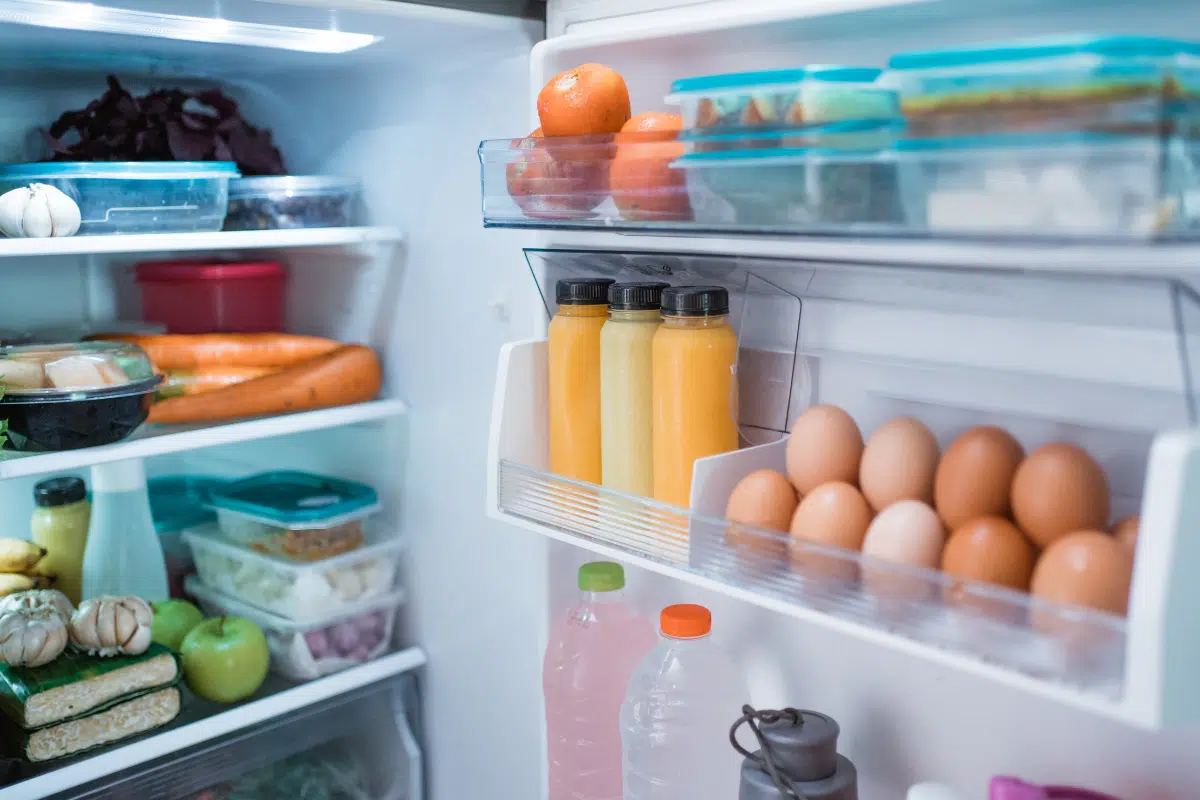
One of the easiest ways to reduce food waste is to create an “Eat Me First” section in your refrigerator. Use a small basket or designated shelf for leftovers, opened containers, and produce that needs to be used quickly. This simple visual reminder helps prevent perfectly good food from being forgotten in the back of the fridge. It also makes meal planning easier because you instantly know what should be eaten first.
Store Produce Properly
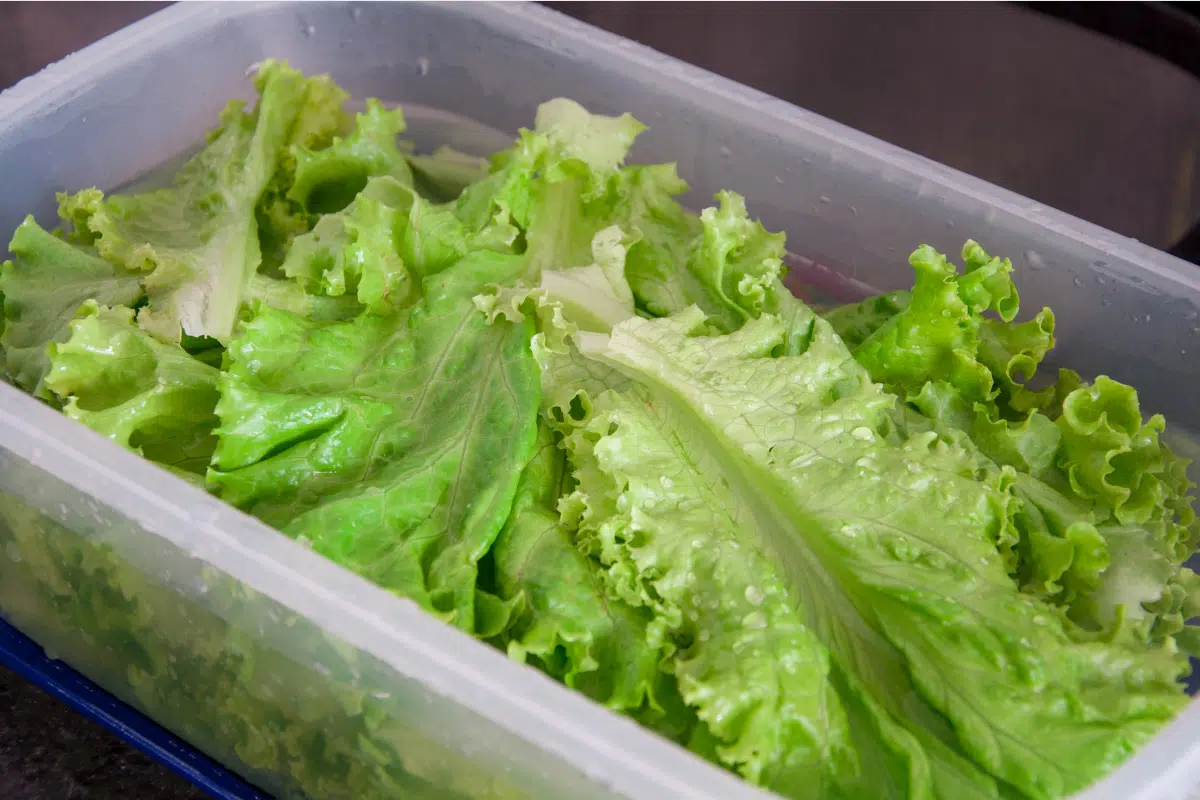
Proper storage can dramatically extend the life of your fruits and vegetables. Some produce, like apples and bananas, release ethylene gas that speeds up ripening, so keeping them separate from other items can help prevent premature spoilage. Leafy greens stay fresh longer when stored with a dry paper towel to absorb excess moisture. Fresh herbs also last much longer when wrapped in damp paper towels or stored upright in water.
Freeze More Than You Think
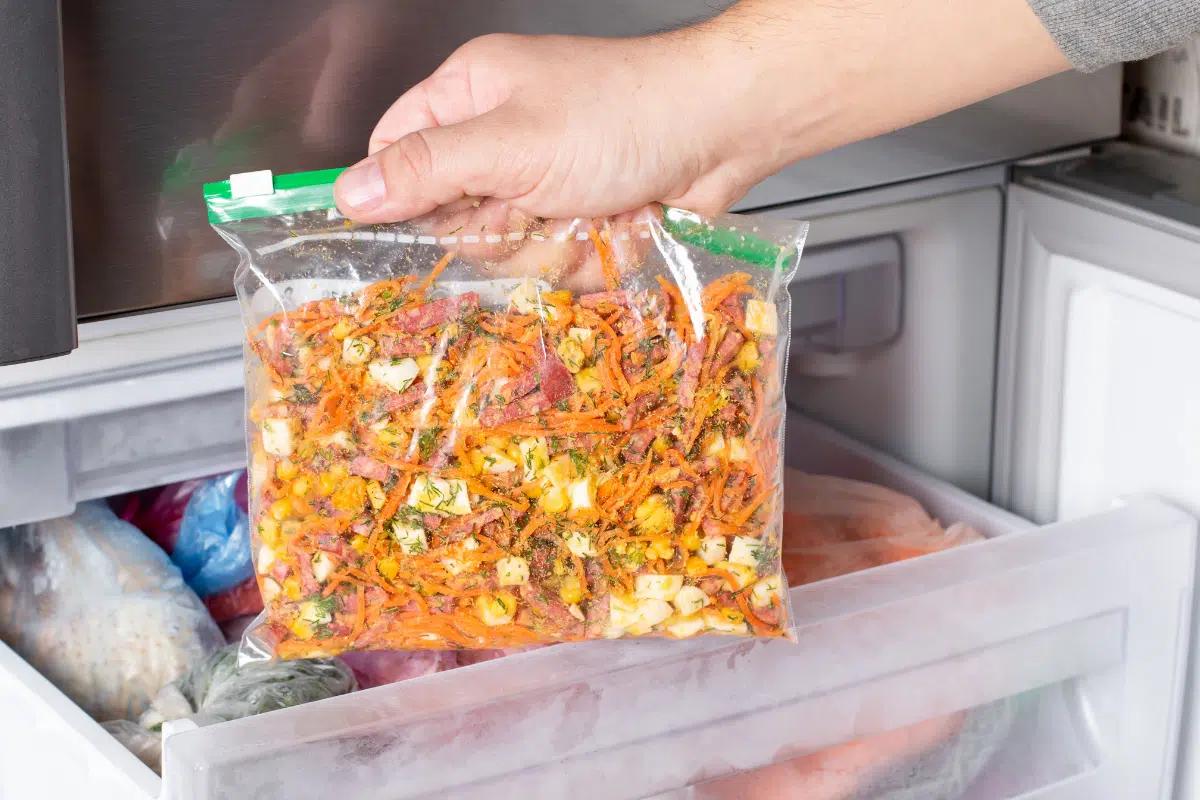
Many foods freeze far better than people realize. Bread, shredded cheese, cooked rice, broth, herbs, and even ripe bananas can all be frozen for later use. Labeling items with the date helps you keep track of what needs to be used first and avoids mystery freezer containers. Having frozen ingredients on hand also makes quick meals easier while reducing unnecessary waste.
Get Creative With Leftovers

Leftovers do not have to feel repetitive or boring. Roasted vegetables can become soups, omelets, or breakfast hashes, while leftover chicken works perfectly in wraps, salads, or pasta dishes. Overripe fruit can be blended into smoothies, baked into muffins, or turned into homemade sauces. A little creativity can completely transform leftovers into meals that feel brand new.
Plan Meals Around What You Already Have
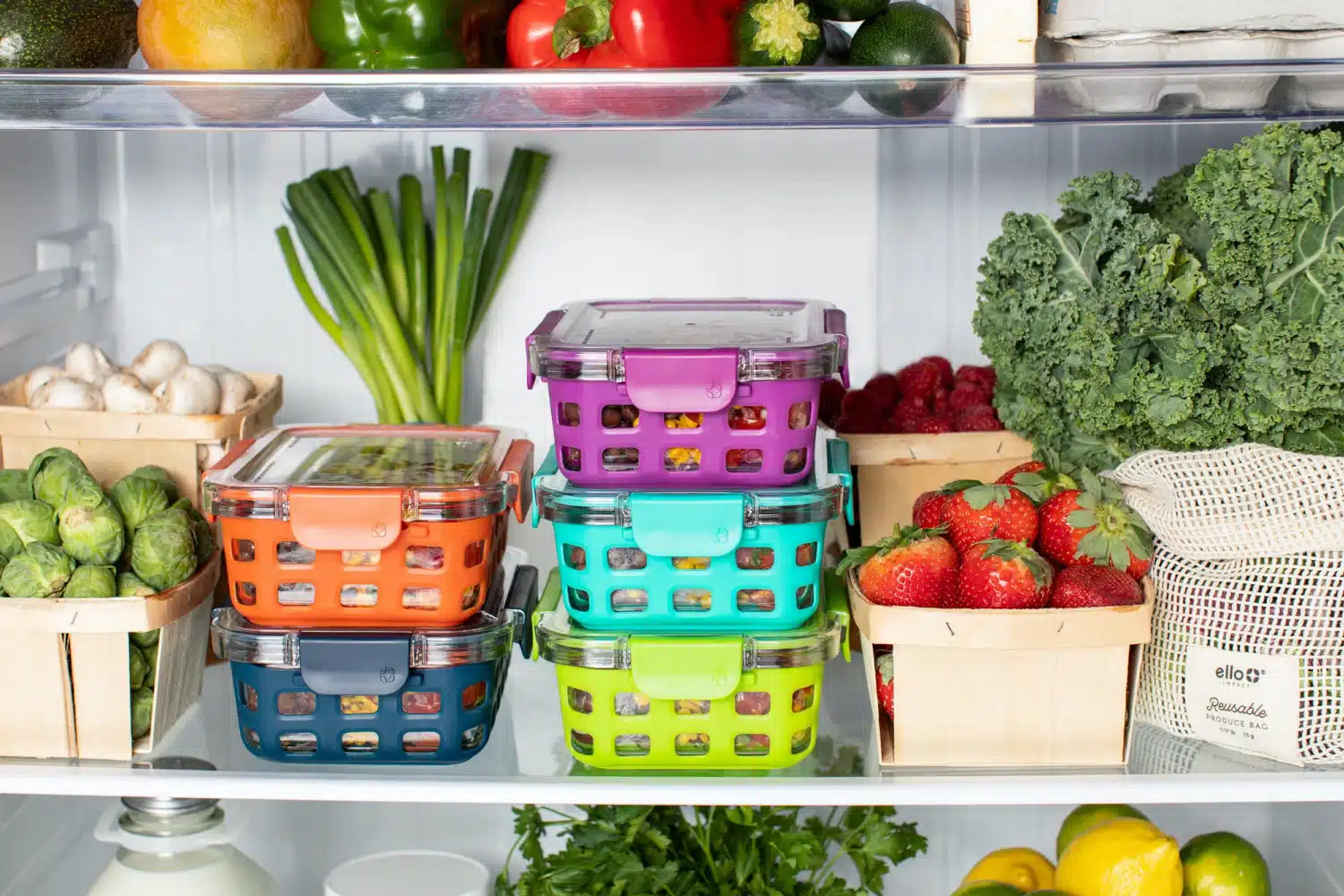
Before heading to the grocery store, take inventory of your fridge, freezer, and pantry. Planning meals around ingredients you already own helps prevent duplicate purchases and forgotten items from expiring. This habit also encourages smarter grocery shopping and cuts down on impulse buys. Even using just a few existing ingredients each week can make a noticeable difference in your food budget.
Learn Portion Control
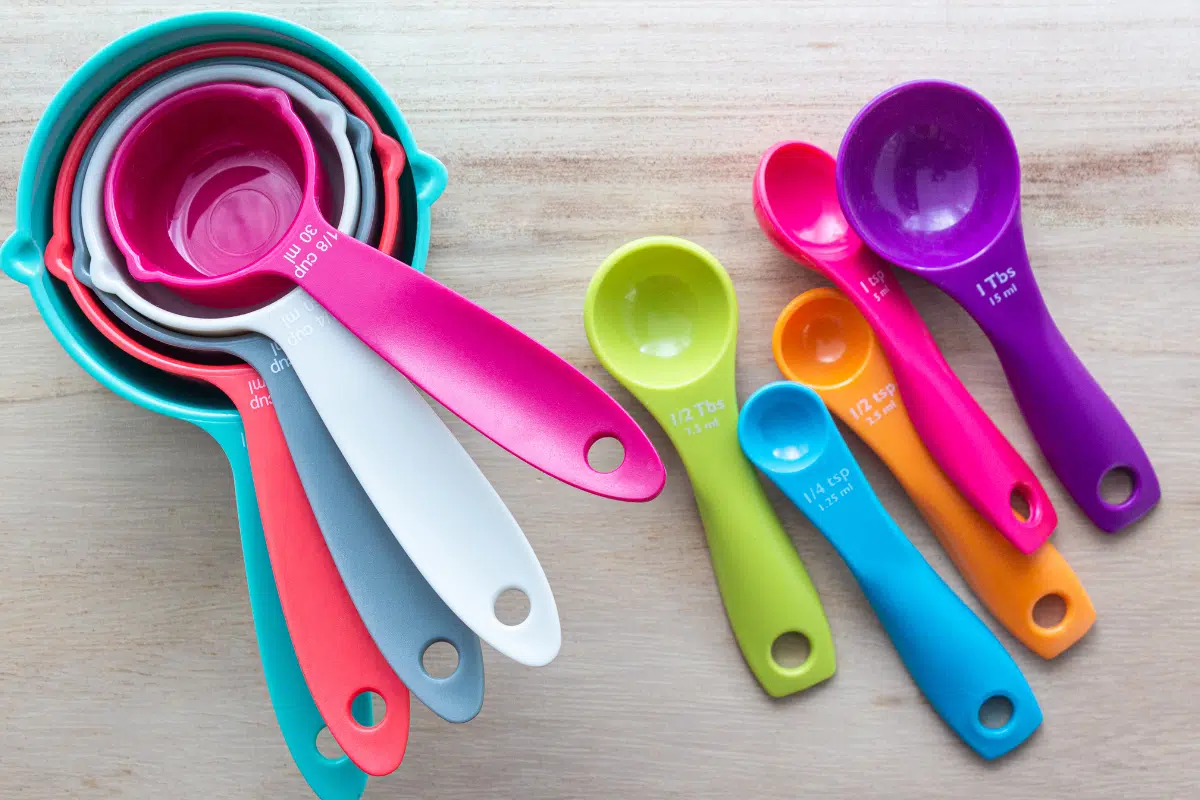
Cooking too much food is one of the biggest causes of everyday waste. Staples like pasta, rice, and oatmeal are especially easy to overestimate when preparing meals. Using measuring cups or portion guides can help you cook only what you truly need, especially for smaller households. You will waste less food and often save money on groceries over time.
Compost Scraps
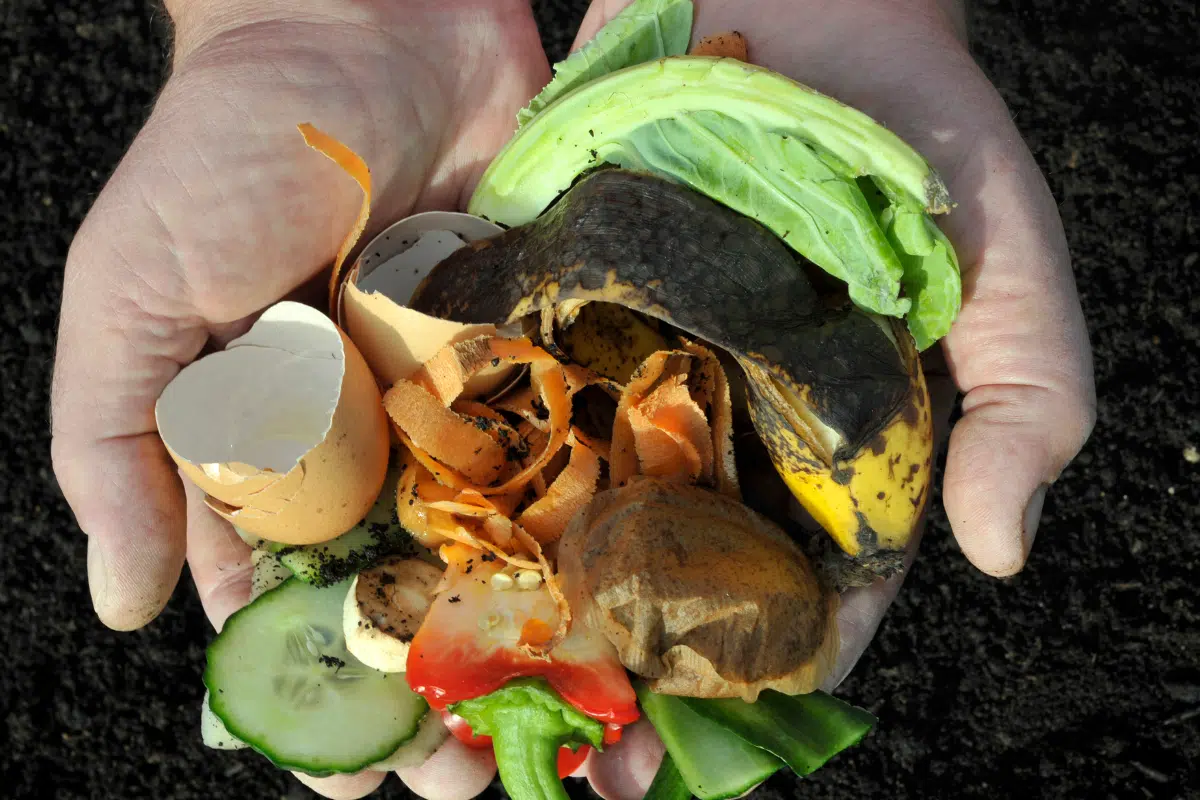
Some food waste is unavoidable, but composting keeps those scraps out of the landfill. Fruit peels, vegetable trimmings, eggshells, and coffee grounds can all break down into nutrient-rich compost for gardens and plants. Even small countertop compost bins make the process easy for beginners. It is a simple habit that reduces waste while giving something useful back to the environment.
Understand Expiration Labels

Food labels can often be confusing and lead people to throw away items too soon. “Best by” and “sell by” dates usually refer to quality rather than safety, meaning many foods are still perfectly fine after those dates pass. Learning to rely on your senses—such as smell, texture, and appearance—can help reduce unnecessary waste. Understanding the difference between food quality and food safety can save both groceries and money.
This post may contain affiliate links or sponsored content. Disclosure Policy