9 Winter Kitchen Mistakes That Are Making Dinner Harder Than It Needs to Be
Winter dinners should be cozy and comforting, not stressful and time-consuming. Yet colder months often bring habits that slow cooking down, create extra mess, or make weeknight meals feel more exhausting than they should. These common winter kitchen mistakes may be standing between you and easier, smoother dinners.
Not Adjusting Your Meal Plan for Shorter Days
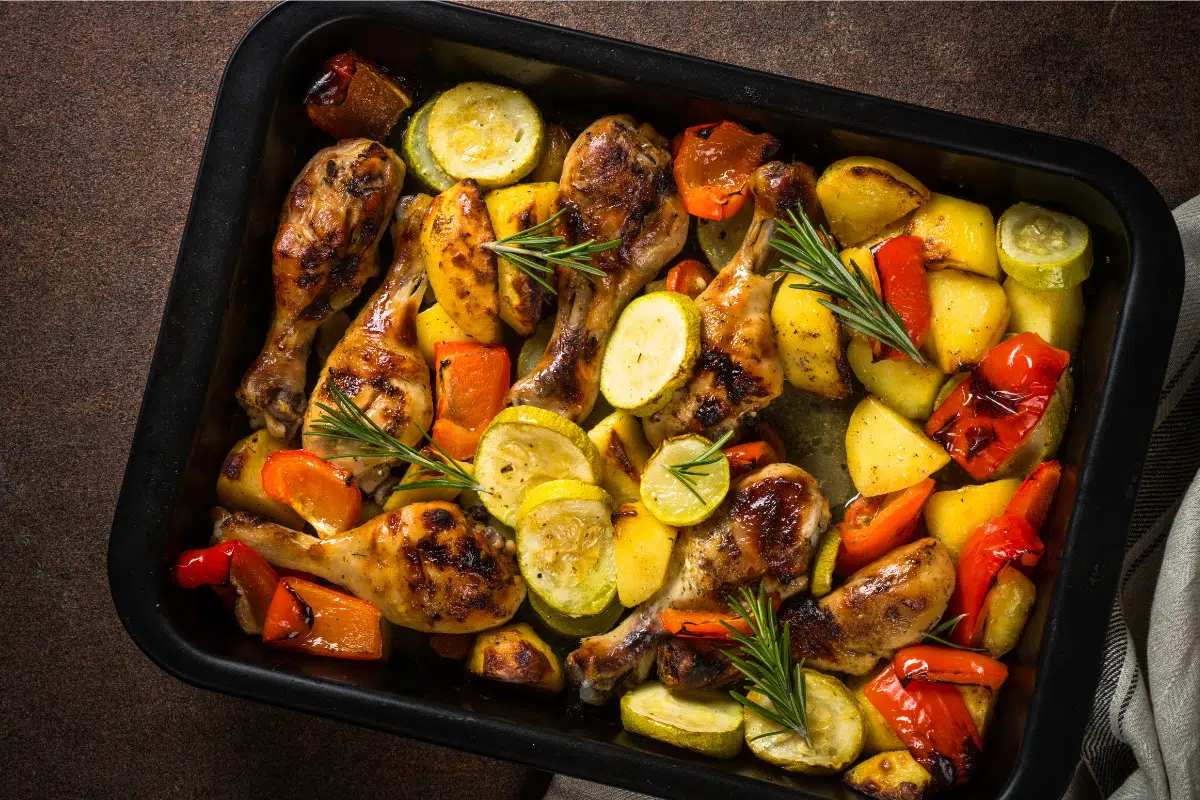
When it gets dark early, energy levels drop fast. Planning long, complicated meals for busy winter evenings often leads to burnout or last-minute takeout. Winter calls for simpler, one-pan or slow-cooker meals that match the season.
Letting the Freezer Turn Into a Black Hole
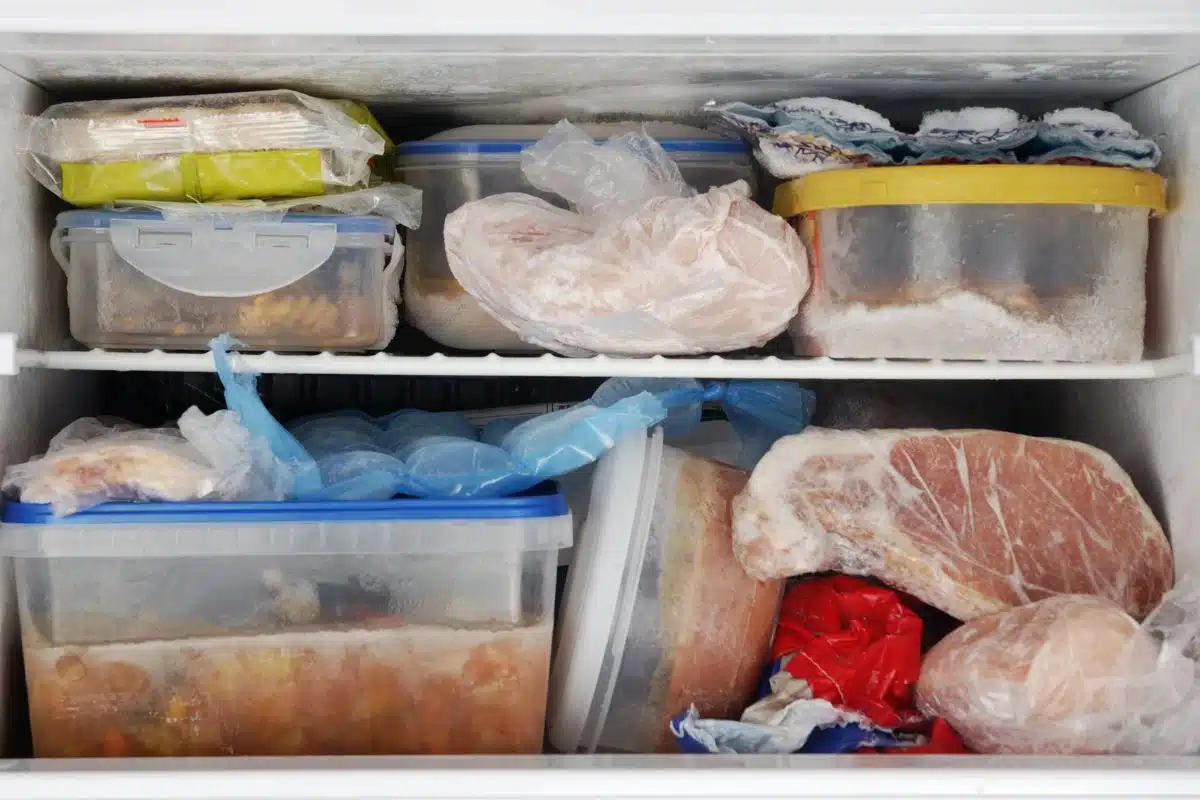
Freezers get packed in winter, but without organization, food gets forgotten. This leads to duplicate purchases and wasted leftovers instead of easy heat-and-eat dinners. Clear labels and basic categories make winter cooking far easier.
Keeping Summer Foods Front and Center
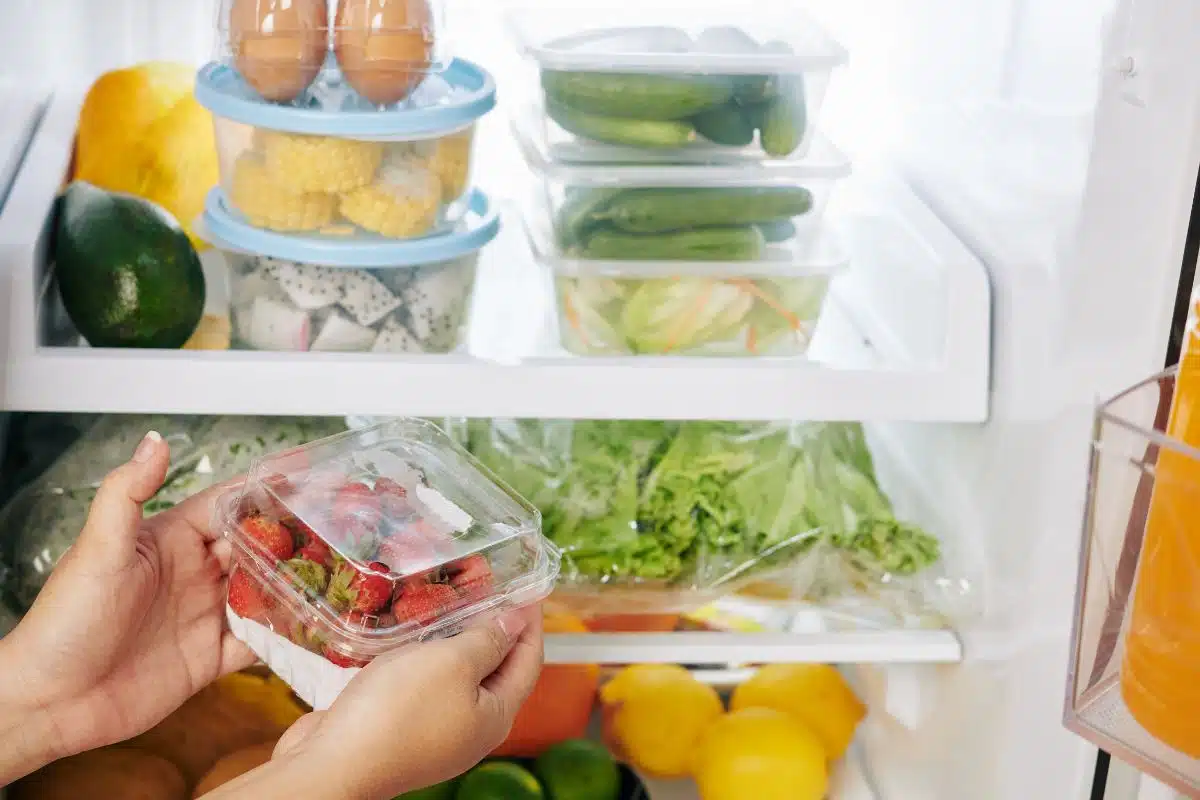
Light sauces, grilling tools, and summer snacks can crowd valuable space in winter. When cold-weather staples are buried, dinner takes longer. Rotating pantry and fridge items seasonally keeps what you need within reach.
Ignoring the Power of Make-Ahead Prep
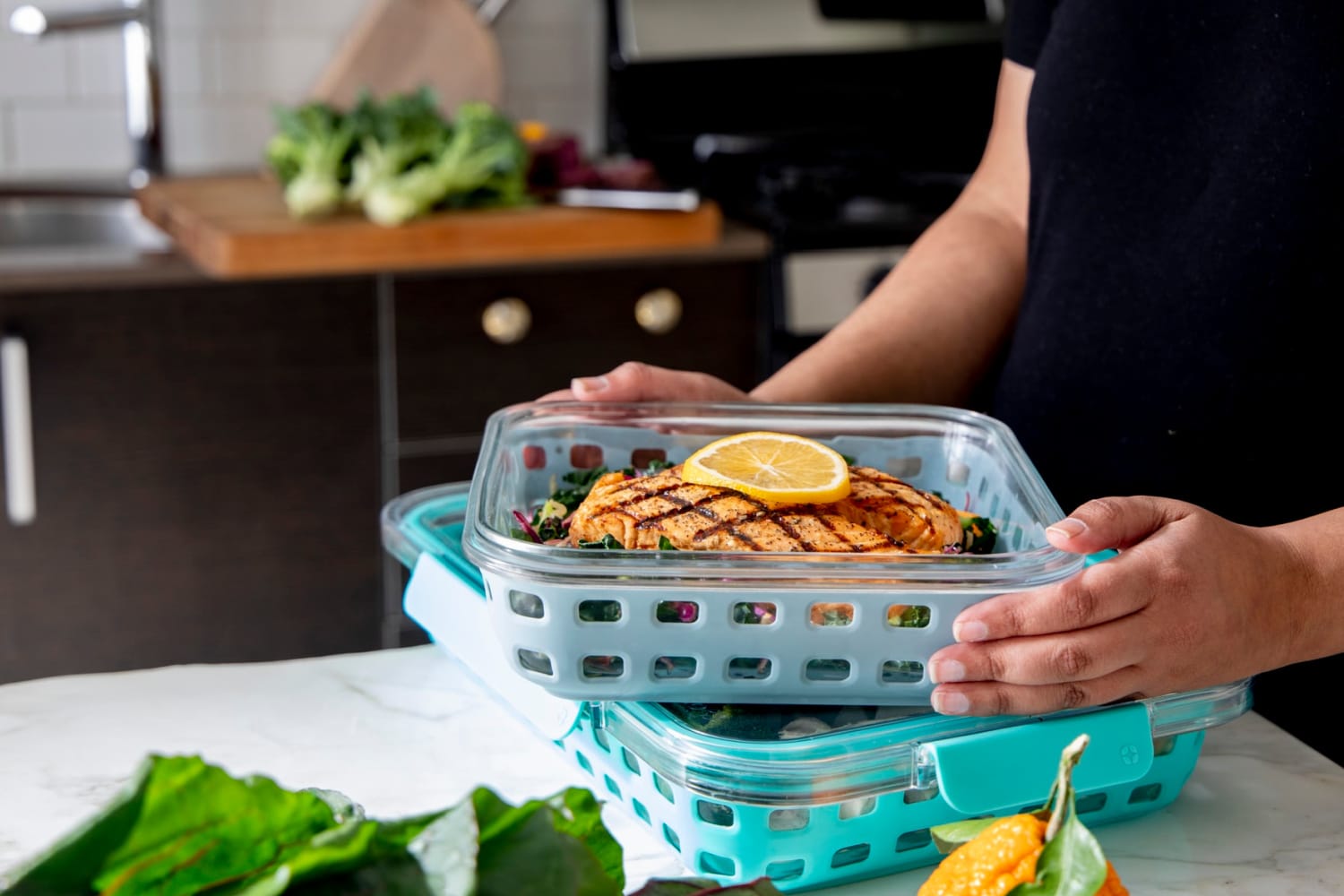
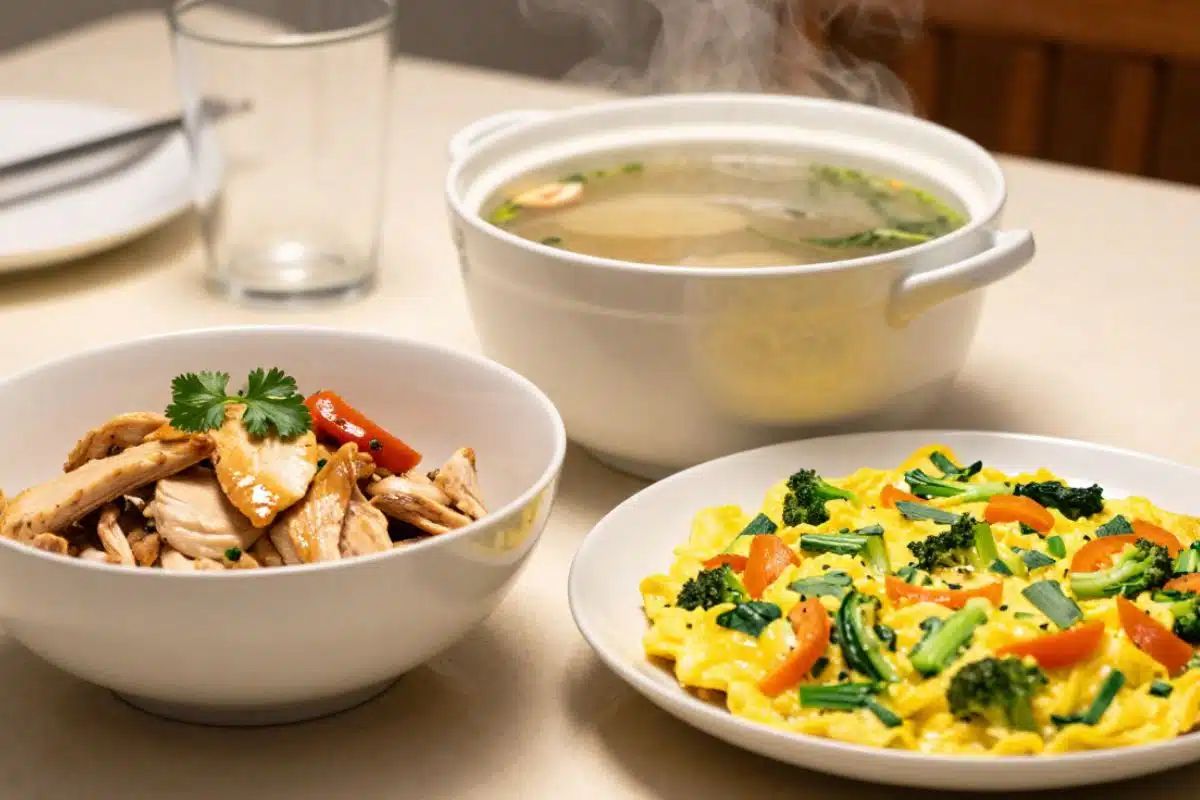
Winter foods like soups, casseroles, and braised meats are ideal for prepping ahead. Skipping this step means more work every night. Even small prep sessions can save time and stress during the week.
Overcrowding the Stove
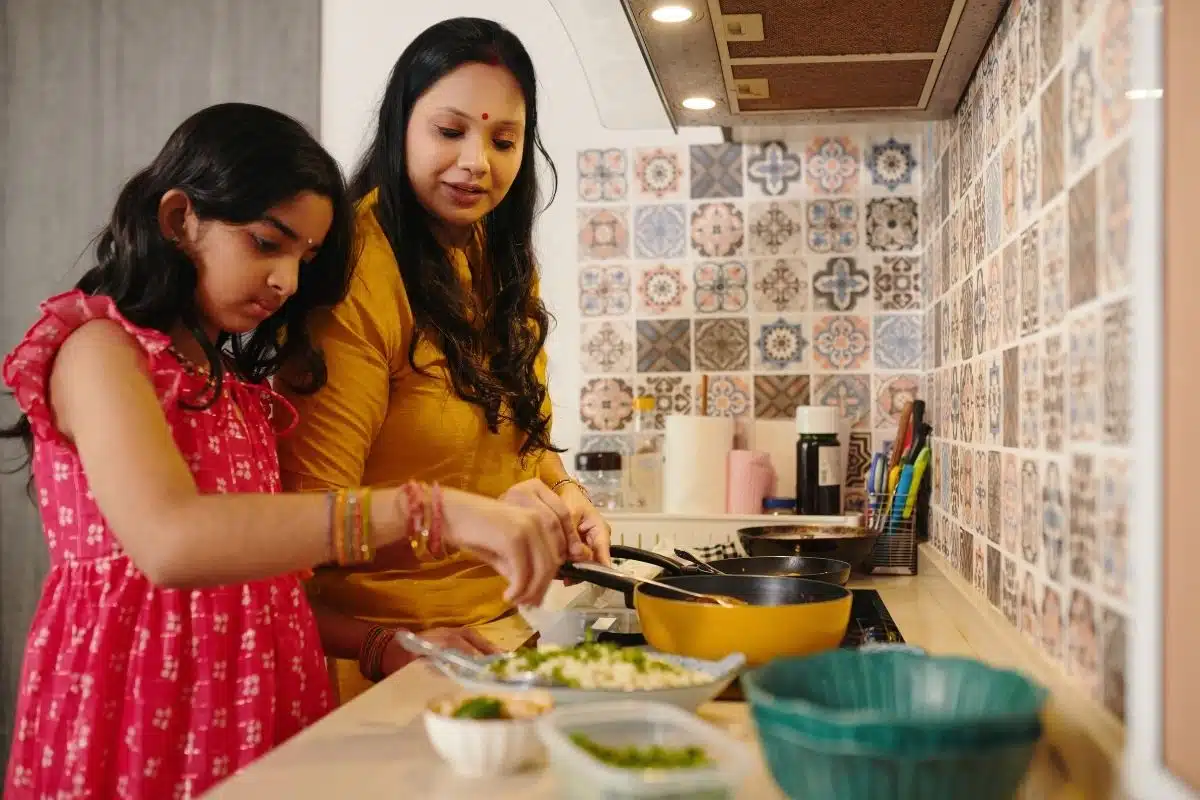
Cold weather cooking often involves multiple pots, but too many pans slow everything down. One-pot and sheet-pan meals reduce cleanup and make dinner more manageable when the kitchen feels busy.
Forgetting to Warm Ingredients First
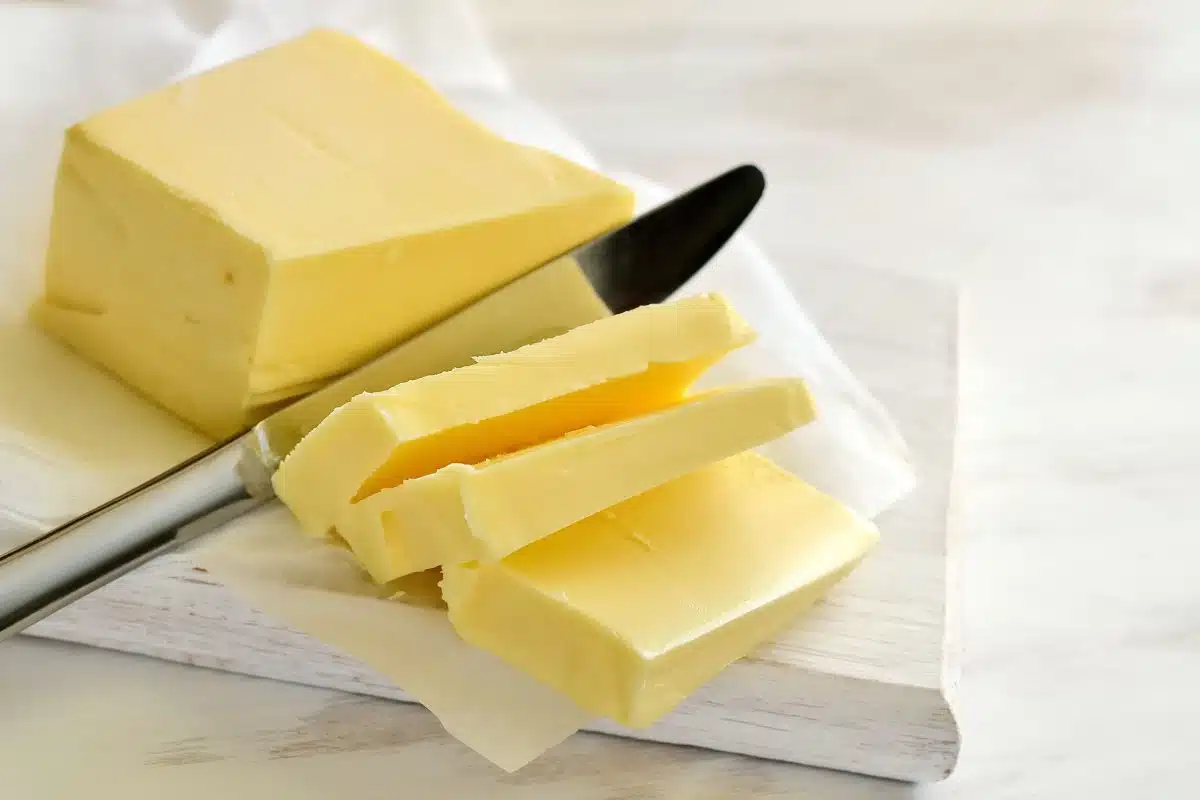
Cold butter, cold broth, and frozen proteins slow cooking and affect texture. Letting ingredients come closer to room temperature before cooking helps meals come together faster and more evenly.
Underusing the Oven
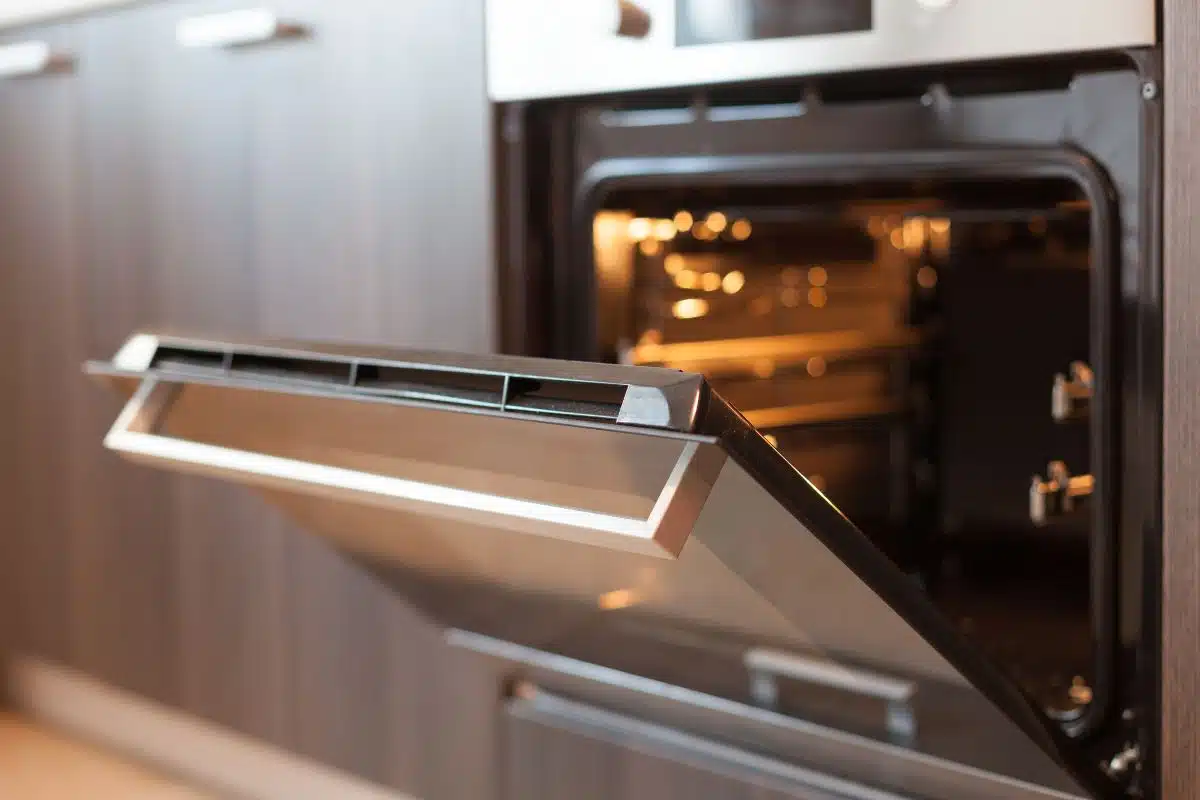
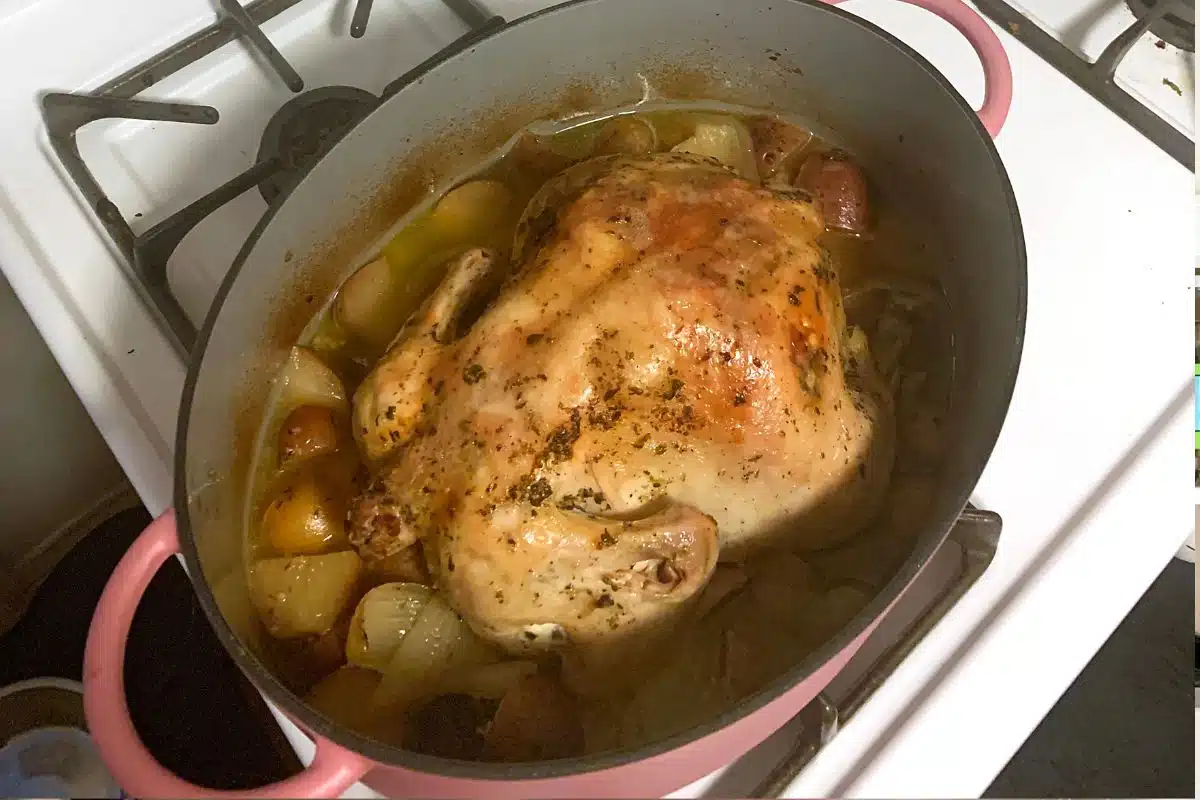
Many people rely too heavily on the stovetop in winter. The oven can handle roasting, baking, and even full meals while freeing you up for other tasks. It is especially helpful for hands-off dinners.
Not Restocking Cold-Weather Staples
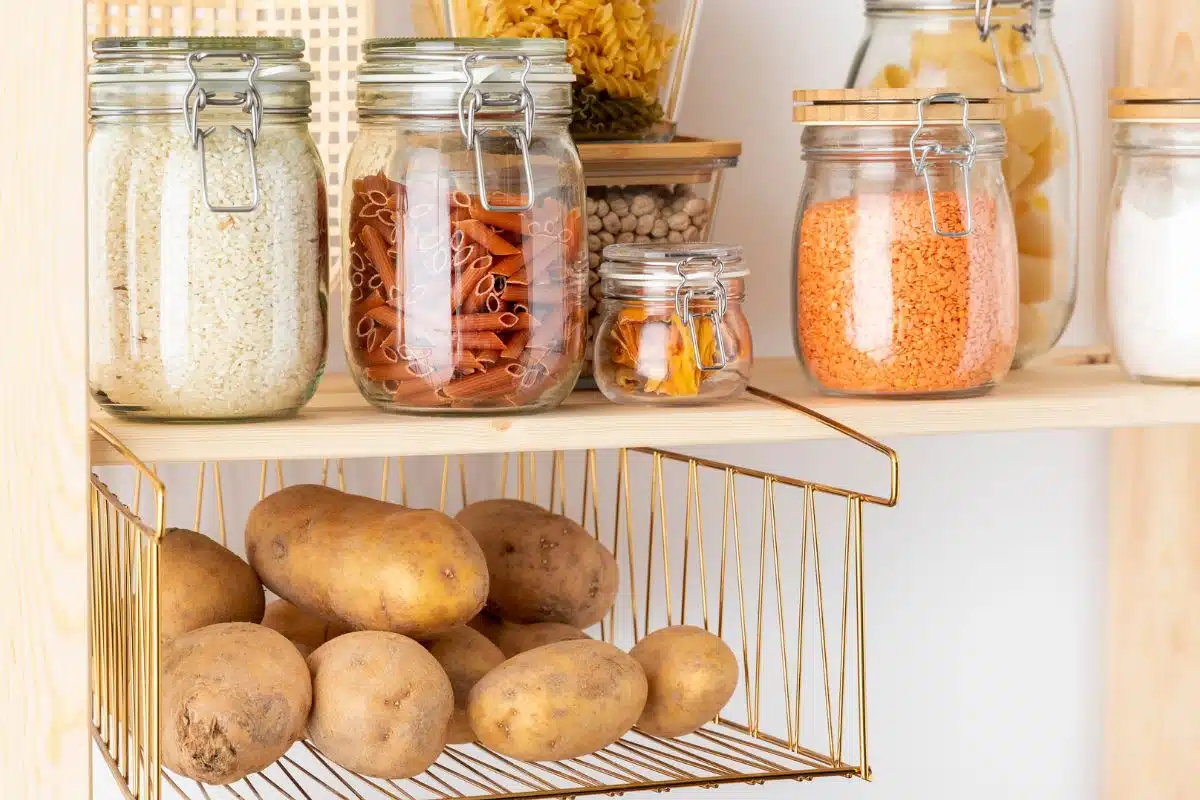
Running out of broth, canned beans, or freezer-friendly proteins forces last-minute changes. Keeping winter staples stocked means fewer grocery runs and quicker dinners on cold nights.
Skipping the Evening Kitchen Reset
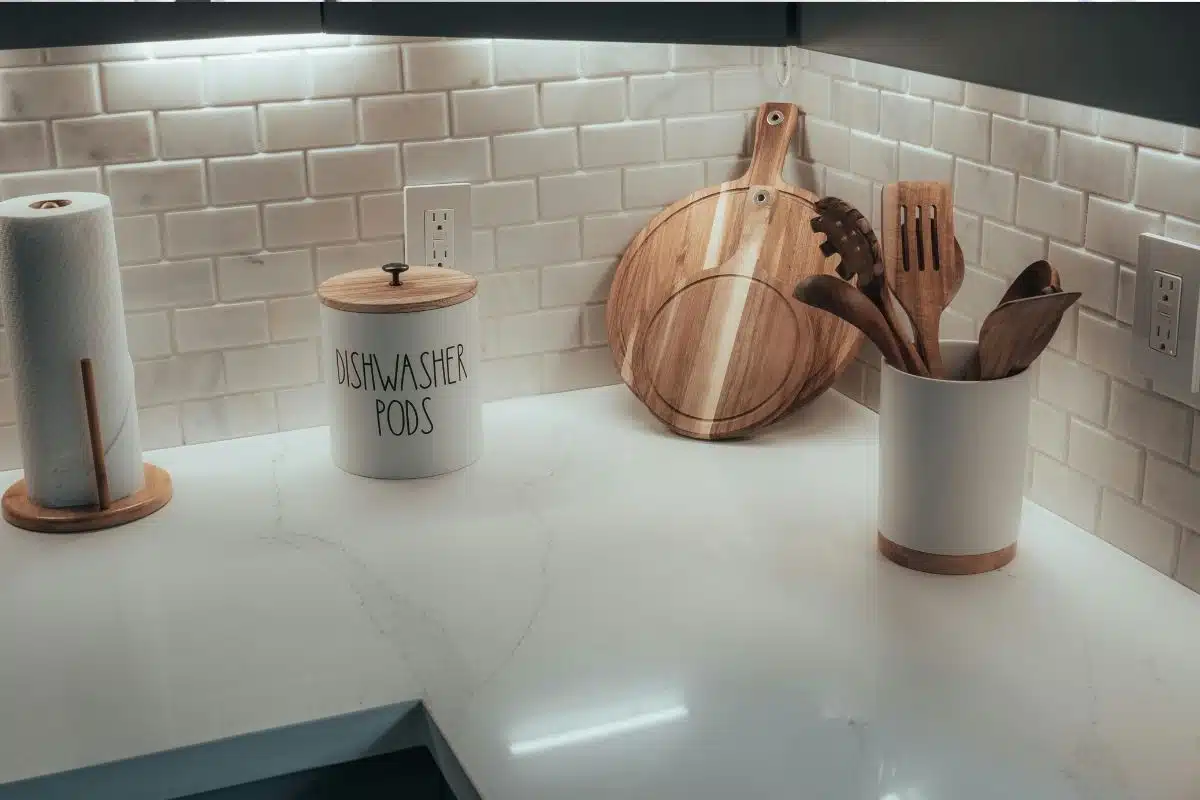
Waking up to a messy kitchen makes winter mornings harder and evenings feel heavier. A quick nightly reset clears counters and dishes, making dinner prep the next day smoother and less stressful.
This post may contain affiliate links or sponsored content. Disclosure Policy