8 Smart Ways to Store Vegetables So They Stay Fresh Longer
Fresh vegetables are getting more expensive — and nothing hurts more than throwing away produce that spoiled too soon. The good news? A few simple storage tweaks can dramatically extend freshness, flavor, and crunch. These easy methods help your vegetables last up to twice as long and reduce food waste without fancy tools or gadgets.
Wrap Leafy Greens in Paper Towels
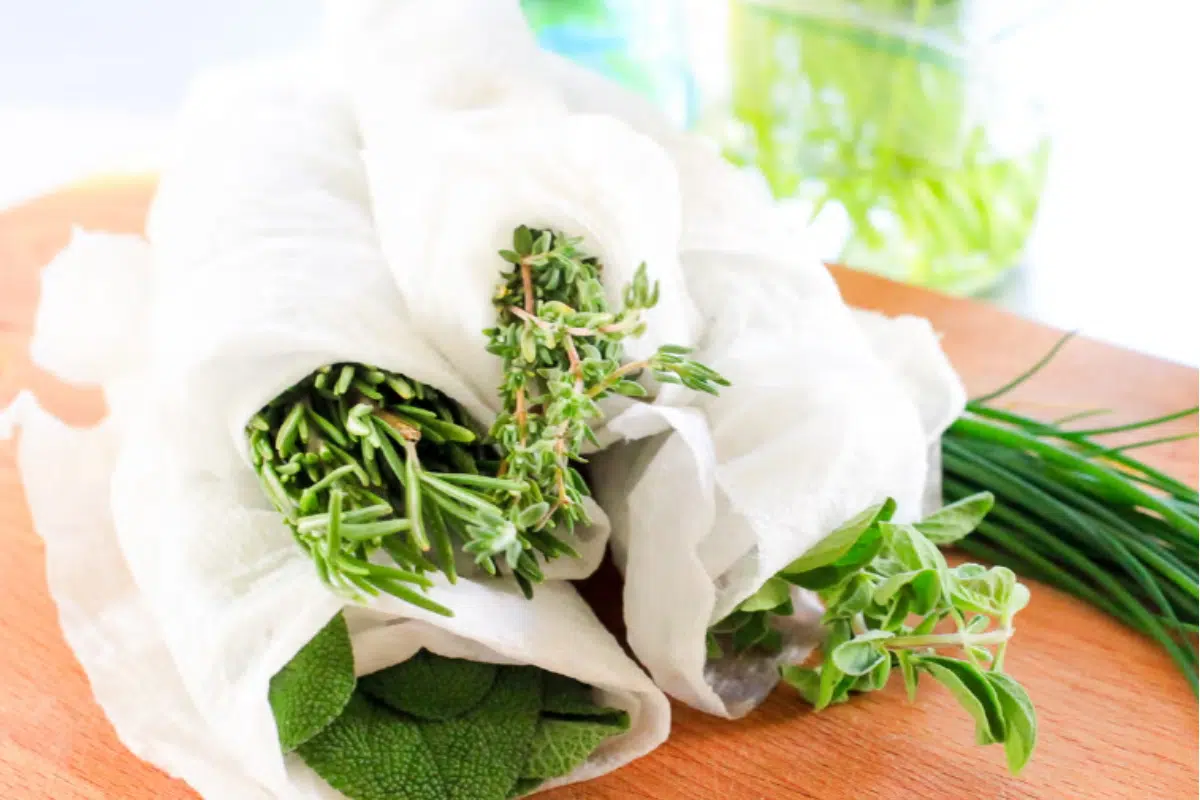
Moisture is the main reason leafy greens go bad quickly. After washing and drying, wrap lettuce, spinach, or kale loosely in paper towels before placing them in a container or bag. The towel absorbs excess moisture and prevents sliminess, keeping greens fresh and crisp for days longer.
Store Herbs Like Fresh Flowers
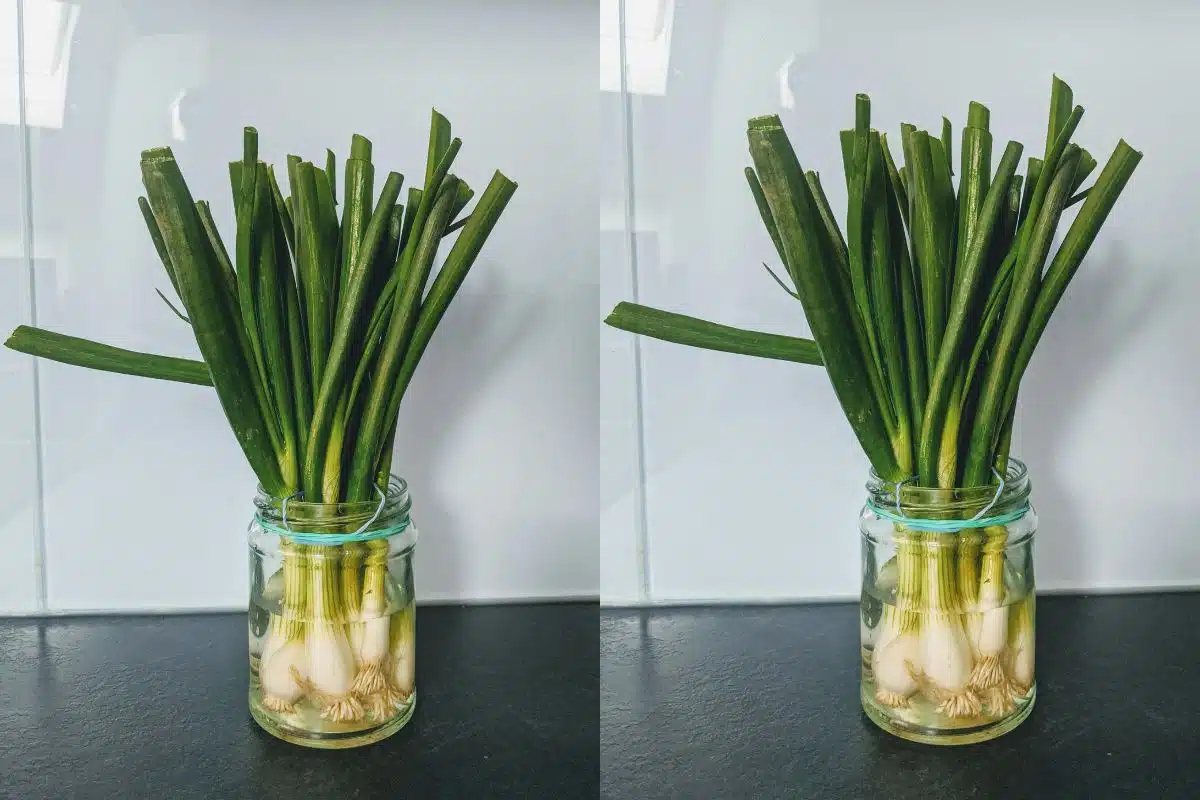
Treat soft herbs like parsley and cilantro like bouquets. Trim the stems and place them in a jar with a little water, then loosely cover with a plastic bag. Store in the fridge and change the water every few days. This method can keep herbs fresh for over a week.
Keep Potatoes and Onions Separate
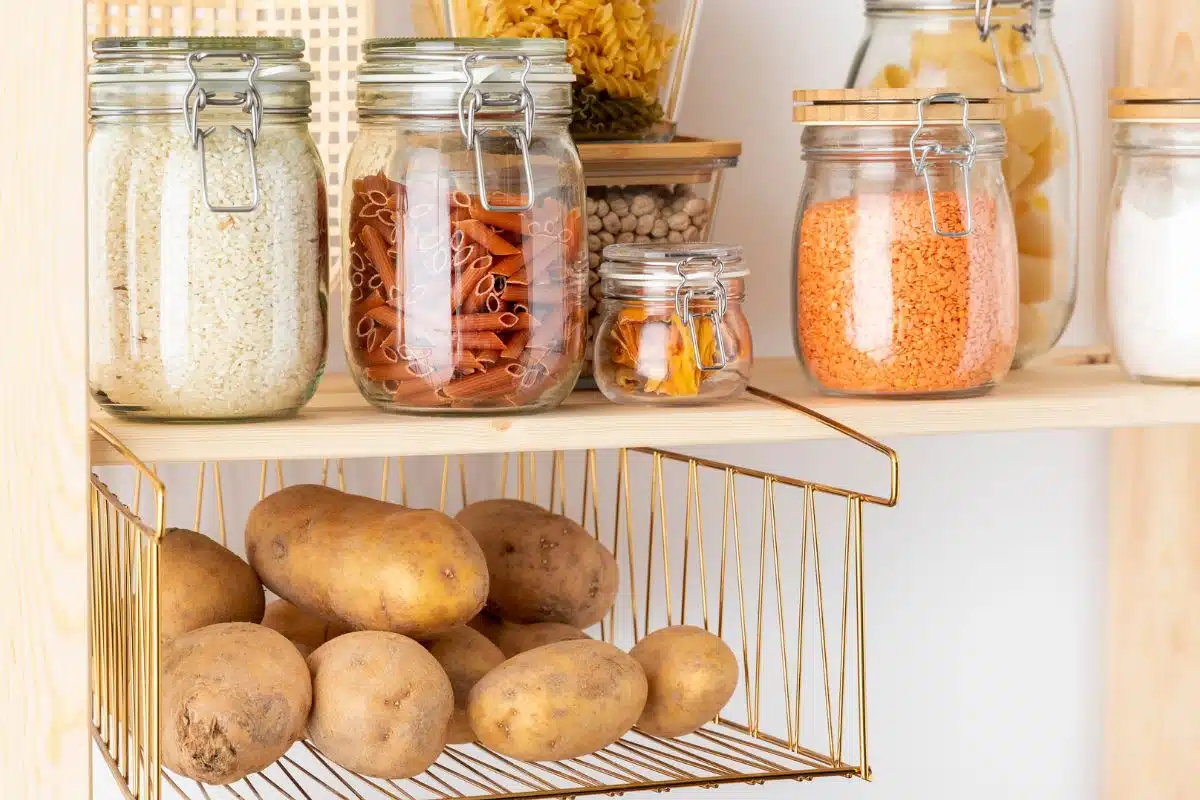
Potatoes and onions should never be stored together. Onions release gases that cause potatoes to sprout and spoil faster. Store both in cool, dark, well-ventilated places — but in separate bins or baskets.
Use Vented Containers for Fridge Storage
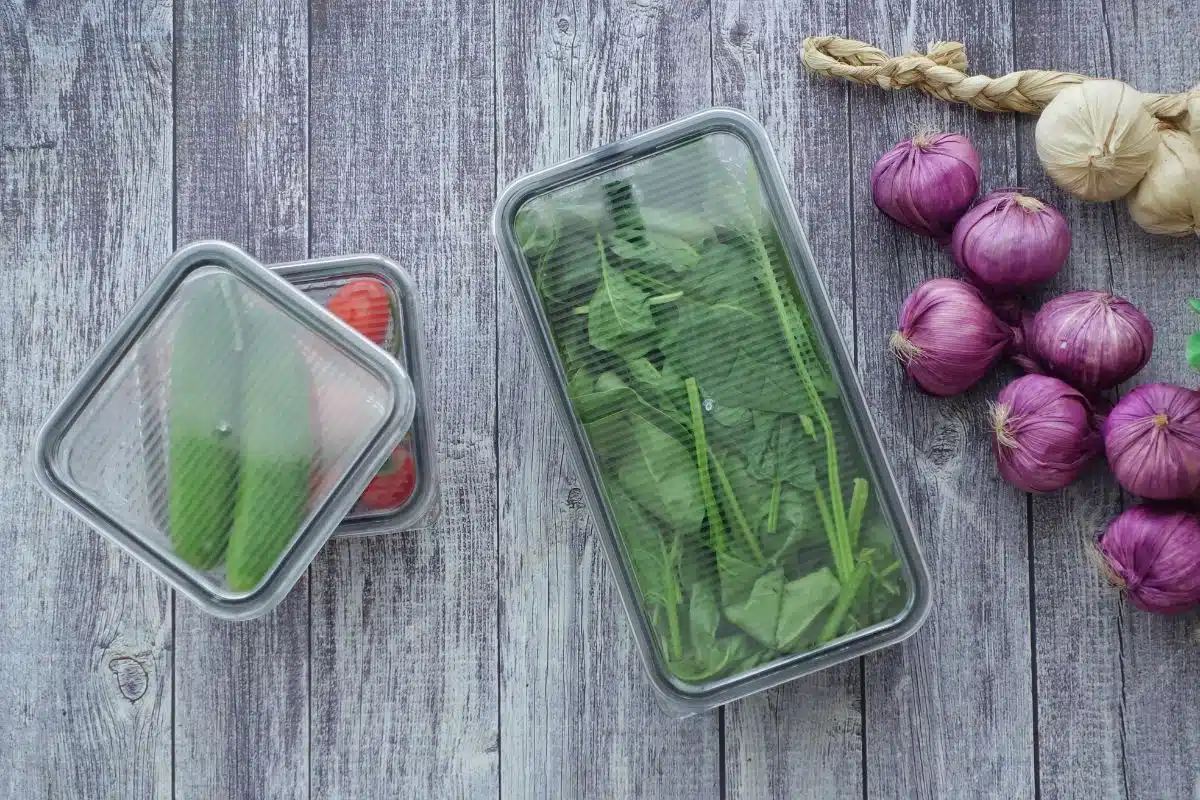
Completely sealed containers trap moisture and speed up rot. Use containers with small vents or leave the lid slightly cracked for vegetables like peppers, cucumbers, and zucchini. Better airflow = longer freshness.
Don’t Wash Everything Right Away
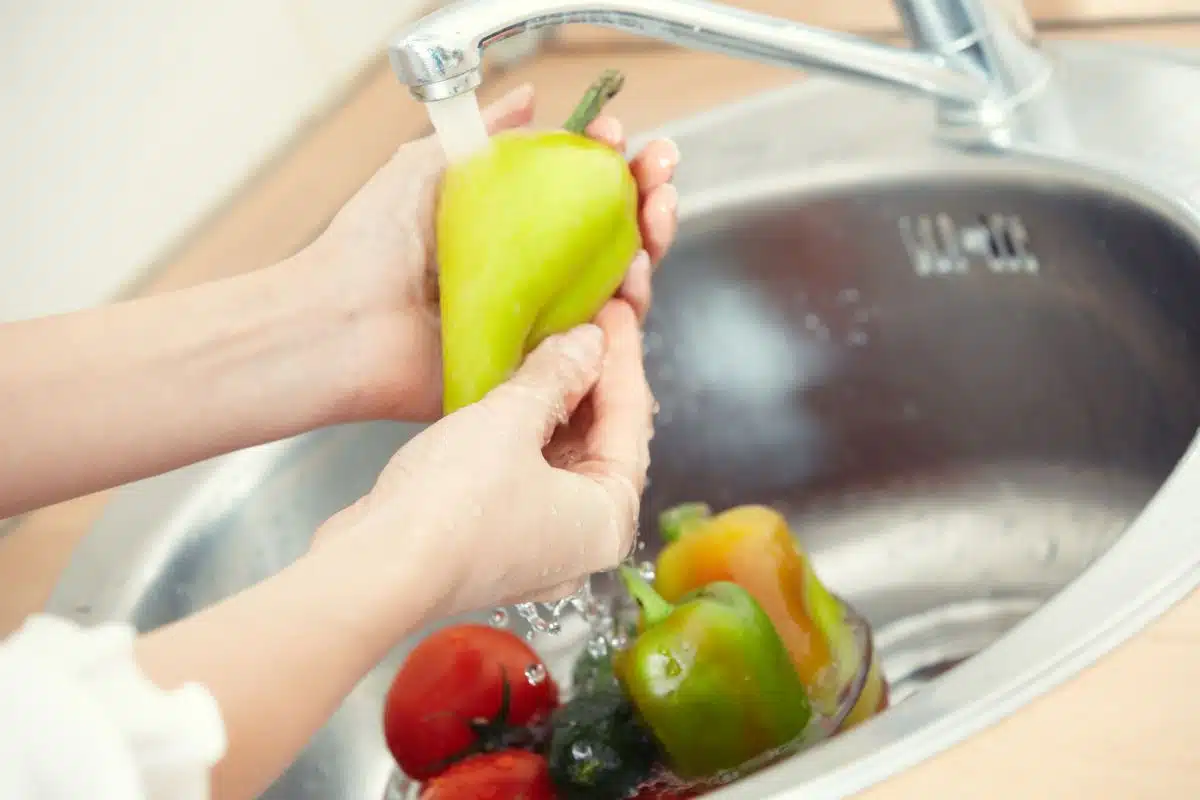
Washing vegetables too early adds moisture that encourages mold and spoilage. Only wash delicate produce right before using it. The exception: leafy greens, which benefit from washing and thoroughly drying before towel storage.
Store Carrots and Celery in Water
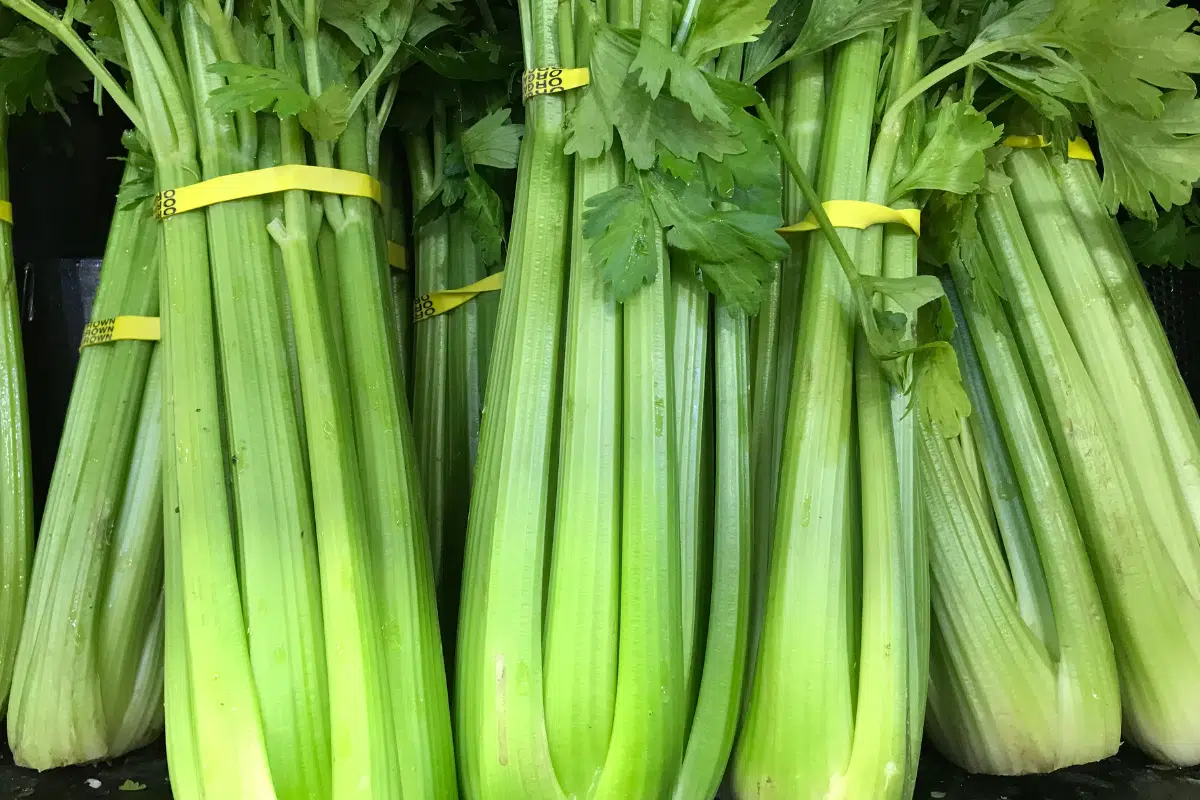
Carrots and celery last much longer when stored submerged in cold water inside a container in the refrigerator. Change the water every few days. This keeps them firm and crunchy instead of limp and rubbery.
Use the Right Fridge Drawer Settings
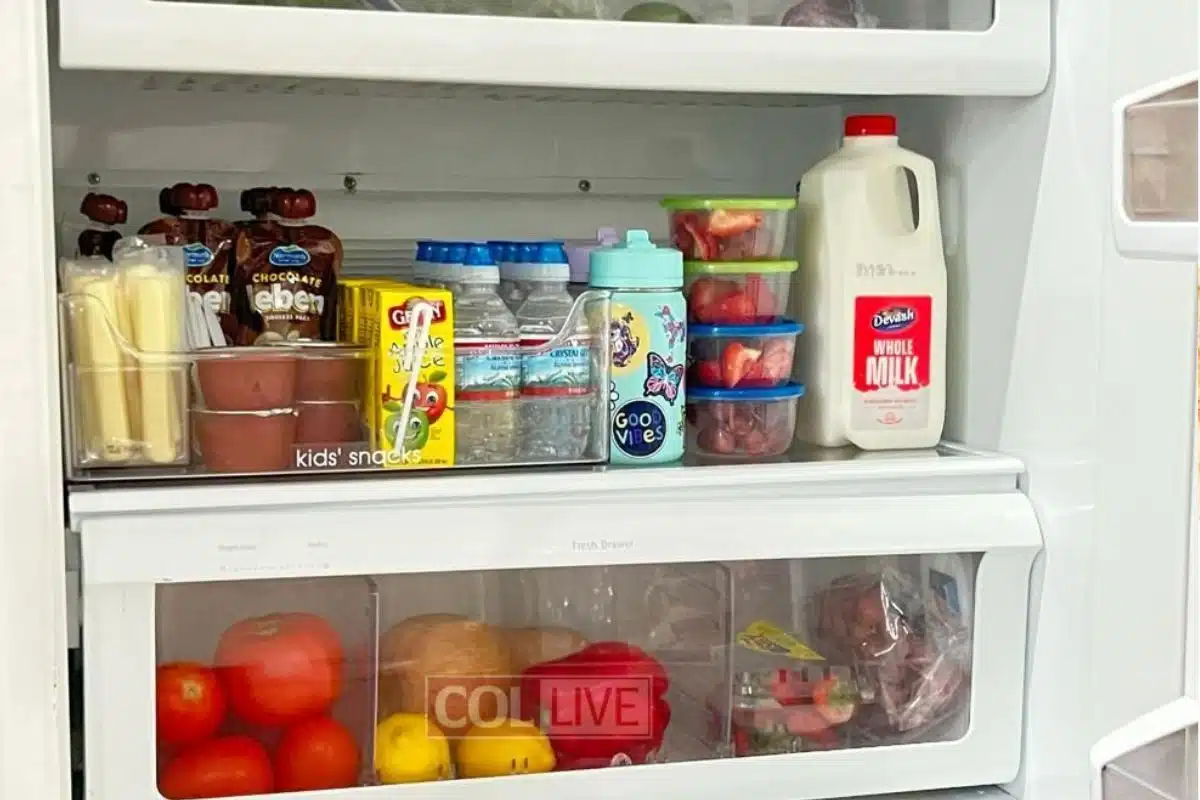
Many crisper drawers have humidity controls — and most people never adjust them. High humidity works best for leafy greens and thin-skinned vegetables. Low humidity is better for thicker-skinned produce. Using the correct setting can extend shelf life significantly.
Freeze What You Can’t Use in Time
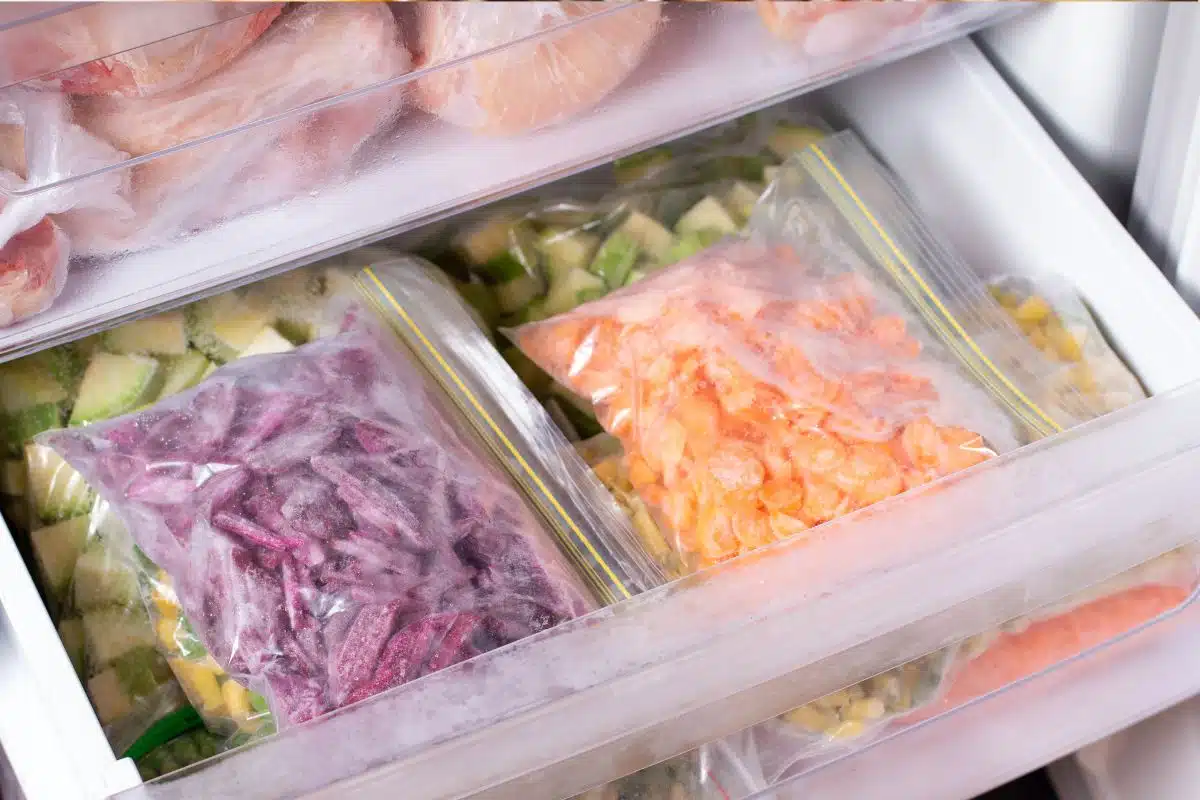
If vegetables are getting close to turning, freeze them before they go bad. Chop first, then freeze flat on a tray before transferring to bags. Great candidates include peppers, broccoli, onions, spinach, and green beans — perfect for soups, stir-fries, and casseroles later.
This post may contain affiliate links or sponsored content. Disclosure Policy