
8 Mosquito-Repelling Plants Every Backyard Should Have
Warm weather is perfect for spending time outdoors, but mosquitoes can quickly ruin the experience. Instead of relying only on sprays or candles, many homeowners are turning to natural solutions that also beautify their space. Certain plants are known for their strong scents and natural compounds that help deter mosquitoes while adding color, fragrance, and life to your yard. Here are eight plants that can help keep your outdoor space more comfortable all season long.
Citronella Grass
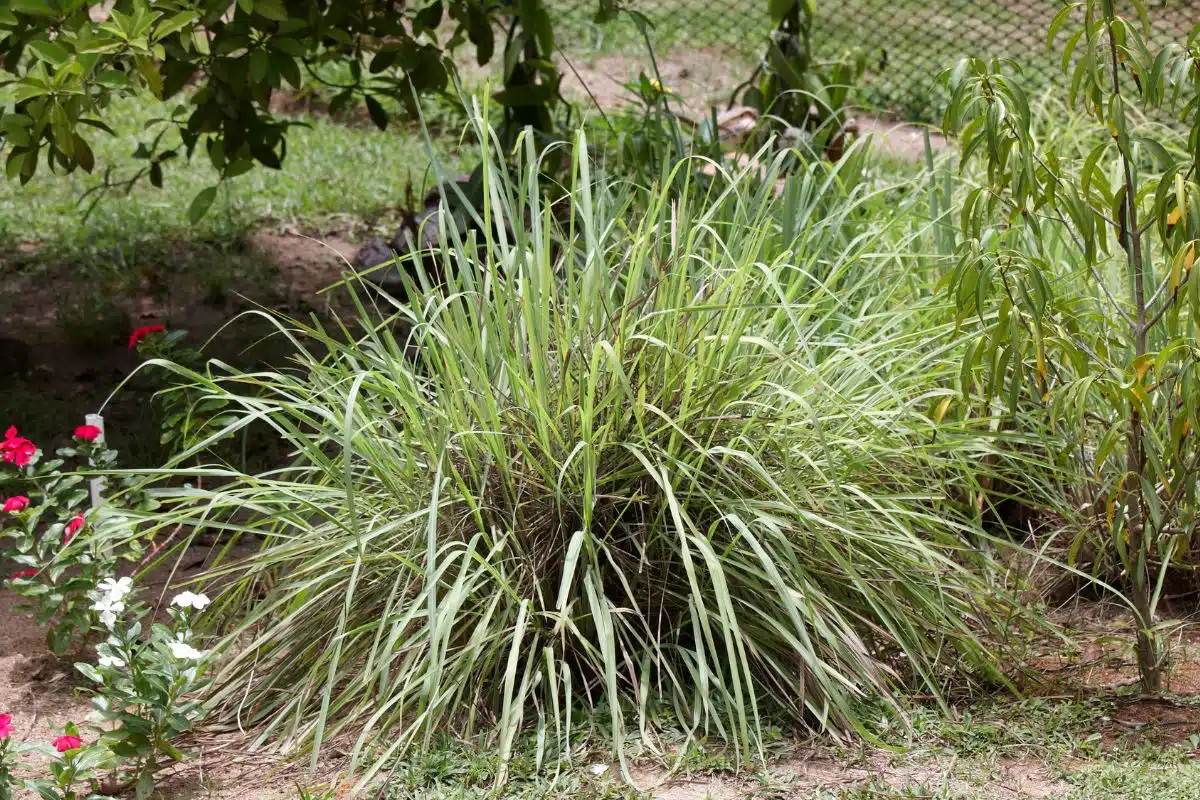
Citronella grass is one of the most well-known natural mosquito repellents. Its strong lemon-like scent helps mask other odors that attract mosquitoes, making it harder for them to find you. This plant thrives in warm, sunny areas and grows well in pots or garden beds. Many people also crush the leaves slightly to release more of its natural oils for added effect.
Lavender
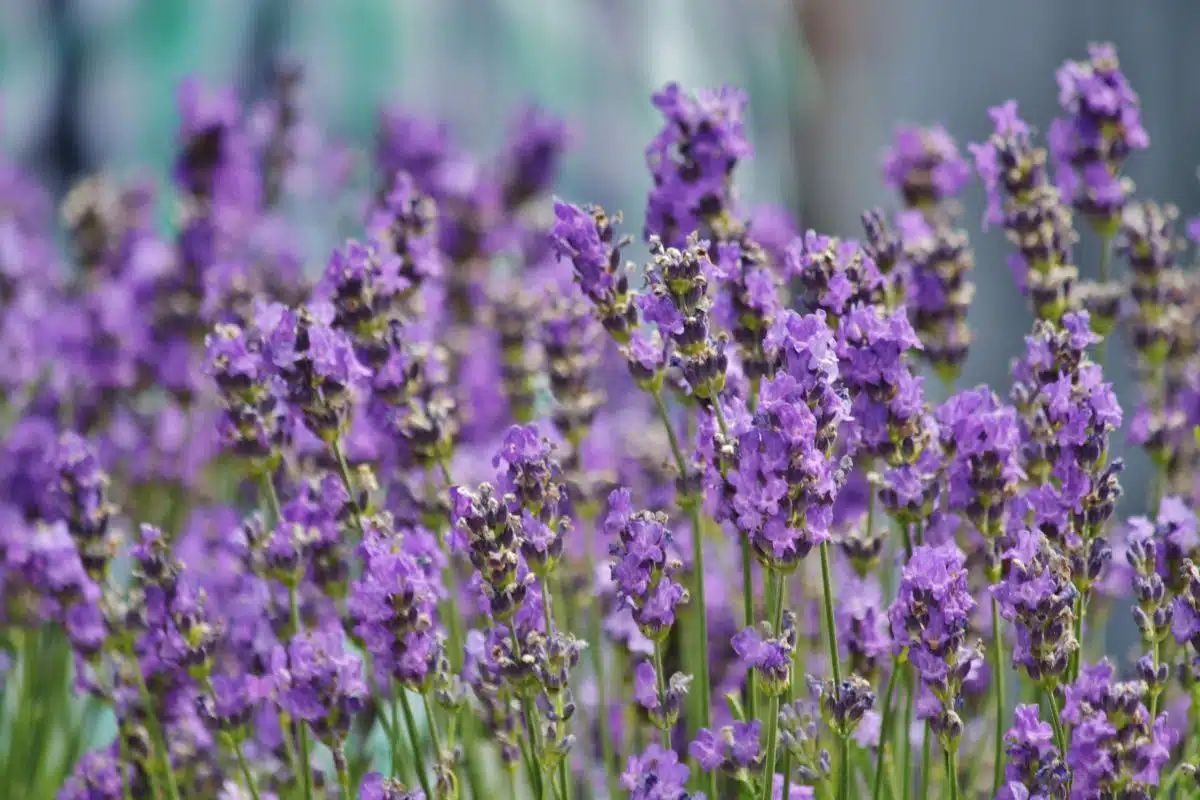
Lavender is loved for its calming scent, but mosquitoes tend to avoid it. The plant’s fragrant oils help deter insects while attracting pollinators like bees and butterflies. It grows best in sunny, well-drained soil and can be used in garden borders or containers. Dried lavender can also be brought indoors to extend its benefits.
Basil

Basil isn’t just a kitchen staple—it’s also a natural mosquito deterrent. The strong aroma of its leaves helps keep bugs at bay while providing fresh herbs for cooking. Basil thrives in warm weather and grows easily in pots near patios or doorways. Pinching the leaves regularly encourages fuller growth and stronger scent release.
Marigolds
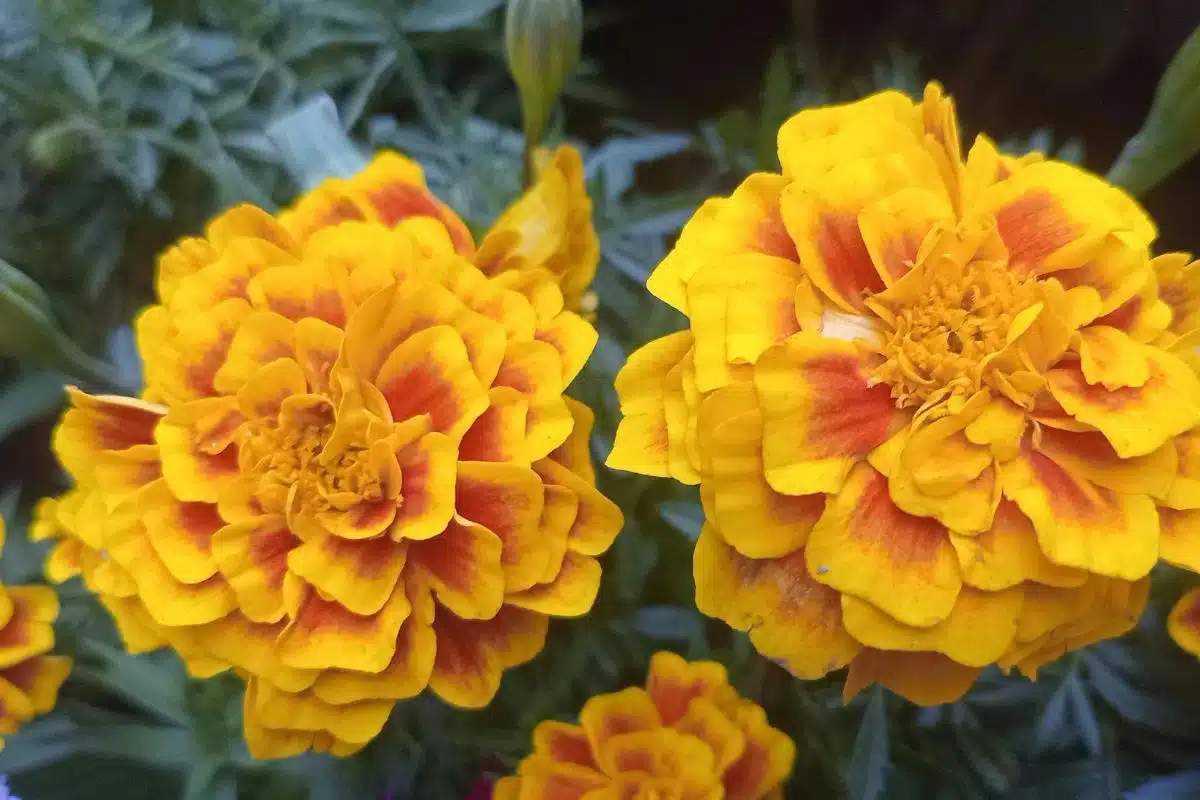
Marigolds add bright, cheerful color to any garden while helping repel mosquitoes and other pests. They contain a compound called pyrethrum, which is commonly used in natural insect repellents. These hardy flowers are easy to grow and do well in garden beds, borders, and containers. Planting them near entryways can help reduce insect activity around your home.
Rosemary
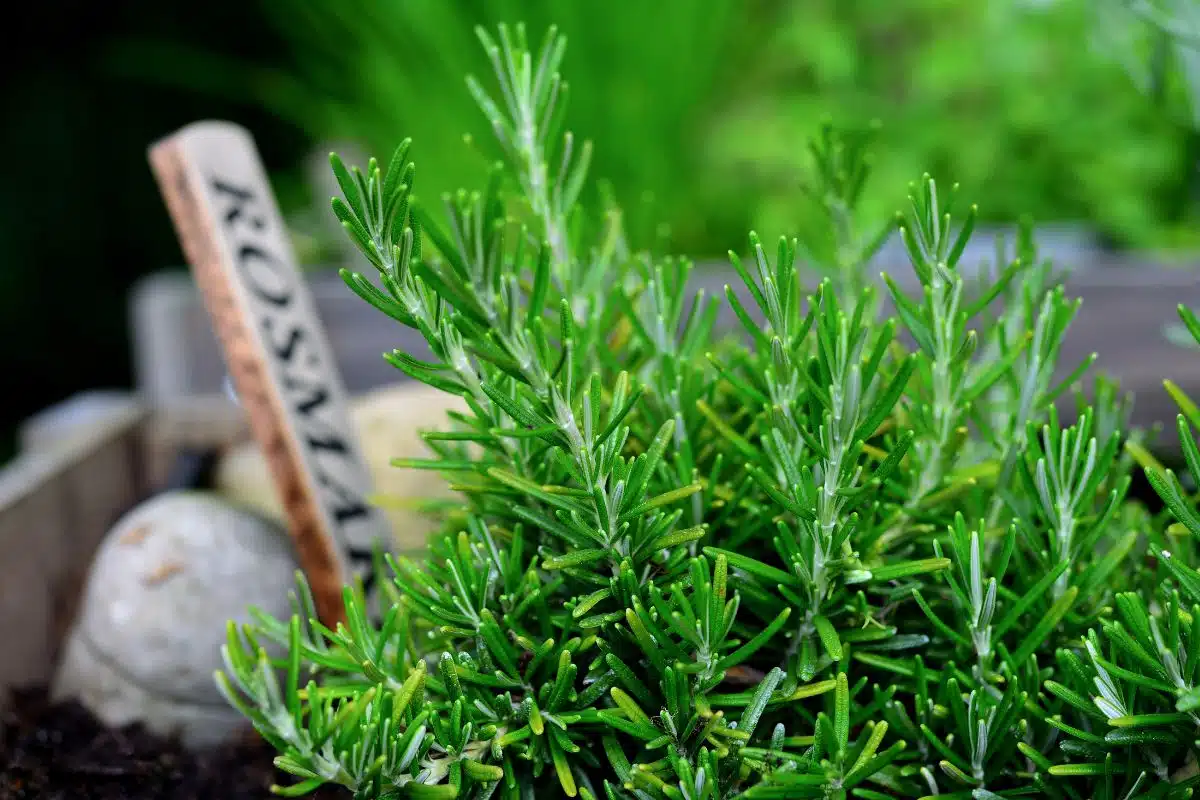
Rosemary is a fragrant herb that doubles as a natural mosquito deterrent. Its woody scent helps keep insects away, especially when the leaves are lightly crushed or burned on a grill. This drought-tolerant plant thrives in sunny, dry conditions and works well in both gardens and pots. It’s also a versatile herb for cooking, making it a practical addition to any yard.
Mint
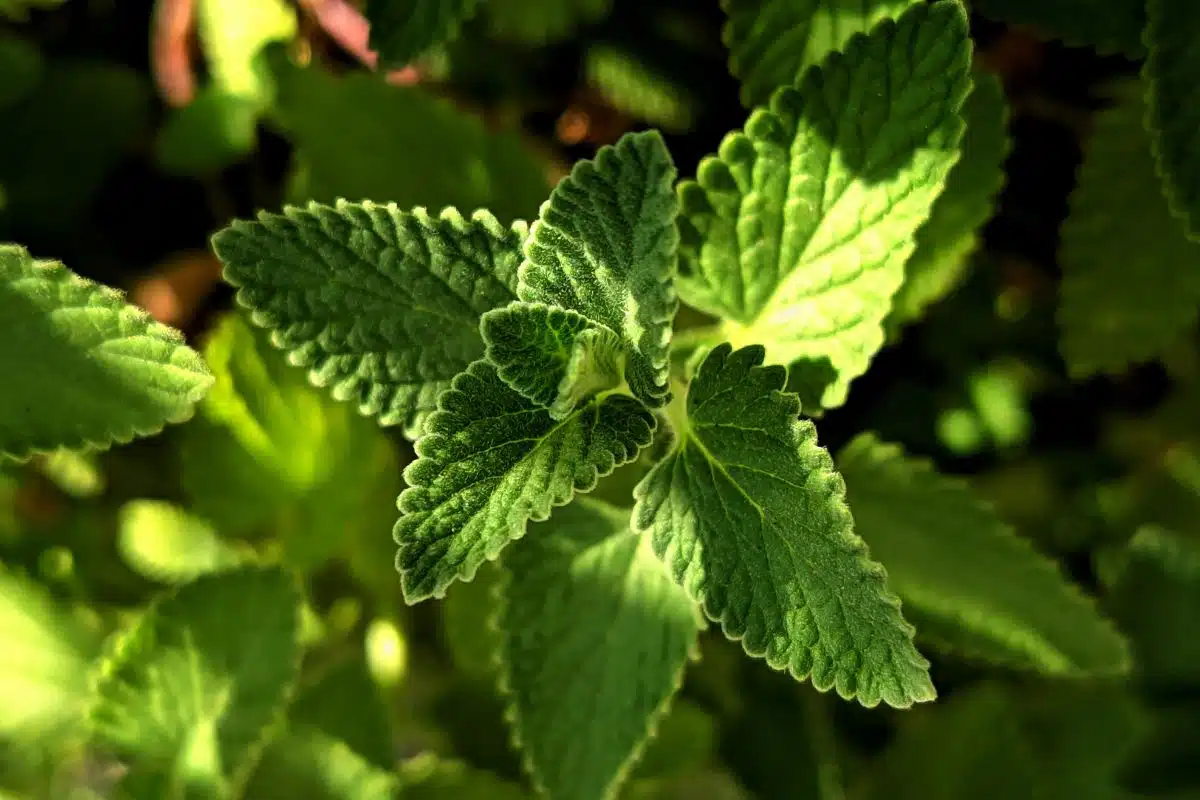
Mint has a strong, refreshing scent that mosquitoes tend to avoid. It spreads quickly, so it’s often best grown in containers to prevent it from overtaking garden beds. Crushing mint leaves releases even more of its natural oils, which can help boost its insect-repelling effect. It’s also useful for teas, drinks, and fresh summer recipes.
Lemongrass

Lemongrass contains citronella oil, a natural compound widely used in mosquito repellents. Its tall, grassy appearance makes it a great decorative plant for patios and garden edges. It grows best in warm climates with plenty of sunlight and regular watering. When planted in clusters, it can help create a more mosquito-resistant outdoor zone.
Catnip
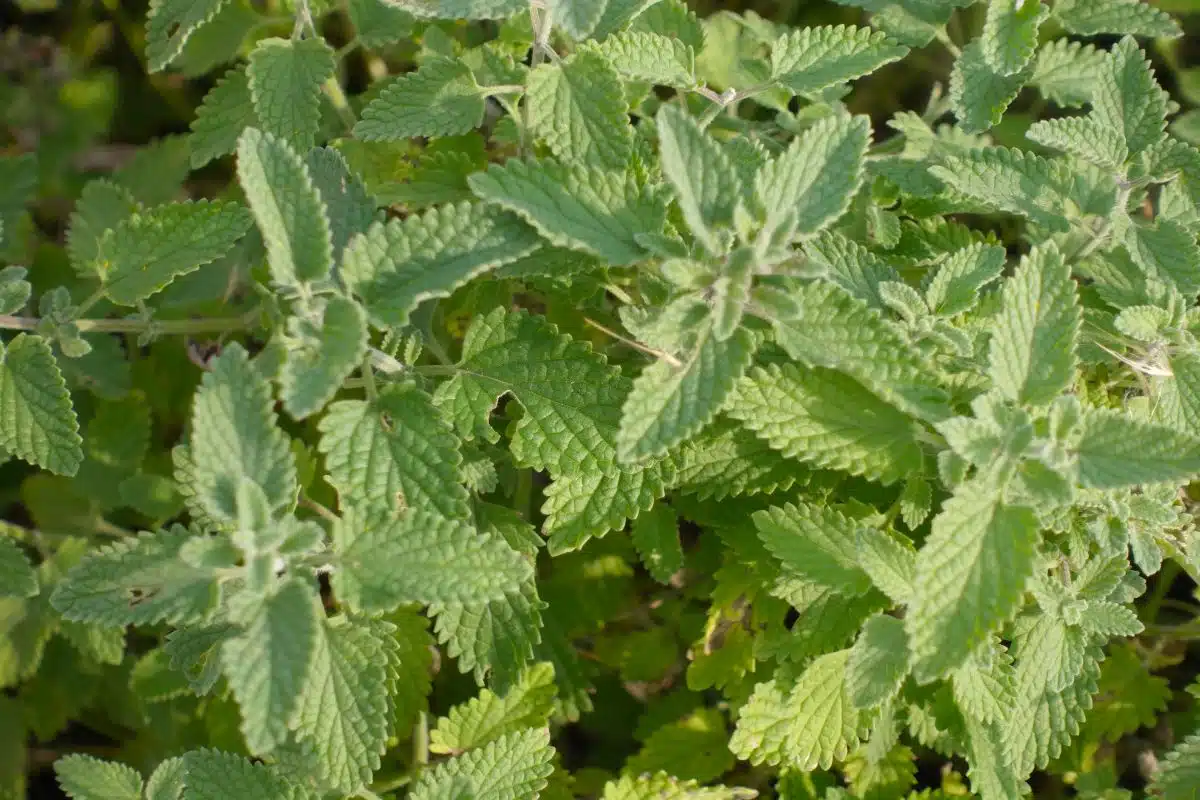
Catnip is surprisingly effective at repelling mosquitoes, thanks to a compound called nepetalactone. Studies suggest it may be even more effective than some synthetic repellents. While cats may love it, mosquitoes tend to stay away from it. It grows easily in most gardens and can also be used in containers for patios or balconies.
This post may contain affiliate links or sponsored content. Disclosure Policy