8 Kitchen Items You Didn’t Know Had Expiration Dates
We’re used to checking expiration dates on milk and eggs—but many other kitchen staples can go bad long before we expect. Using expired items can affect taste, texture, and even food safety. Here are eight everyday kitchen items you might not realize have an expiration date—and why it matters.
Vanilla Extract
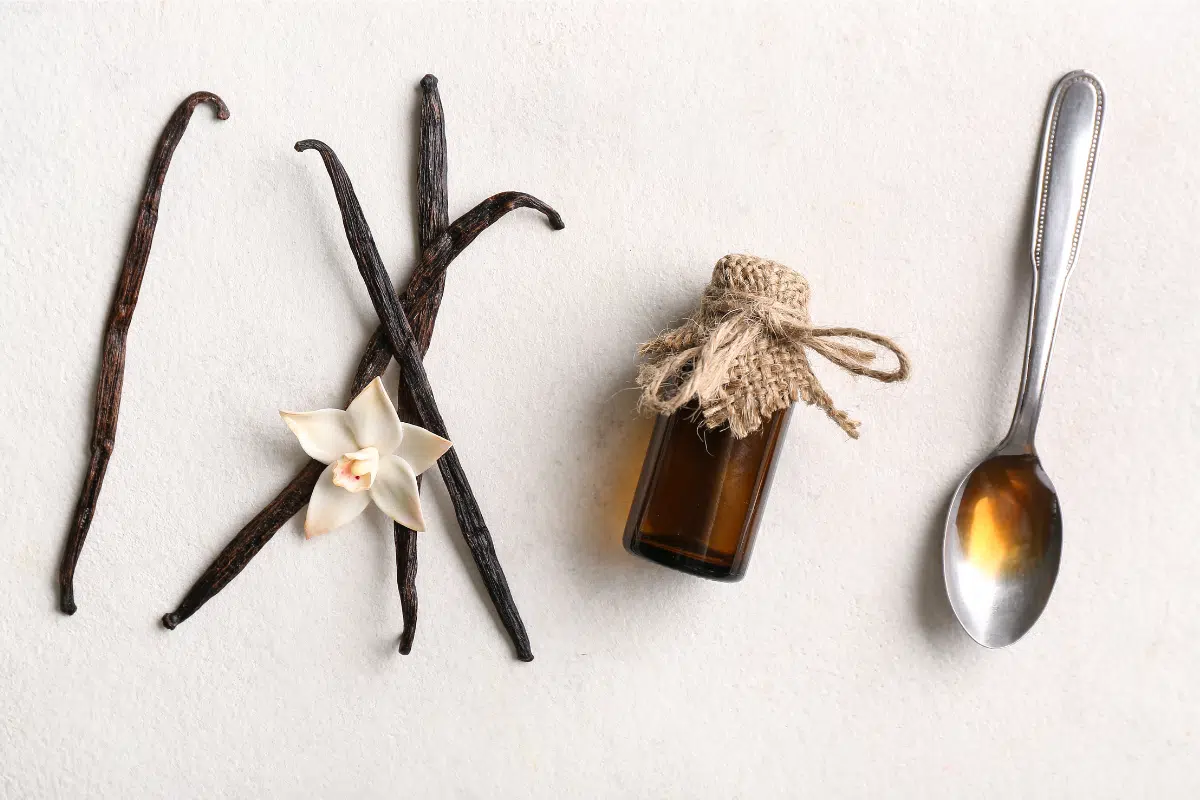
Pure vanilla doesn’t go bad quickly, but it can lose flavor over time. Keep it sealed and away from heat for the best taste.
Baking Powder
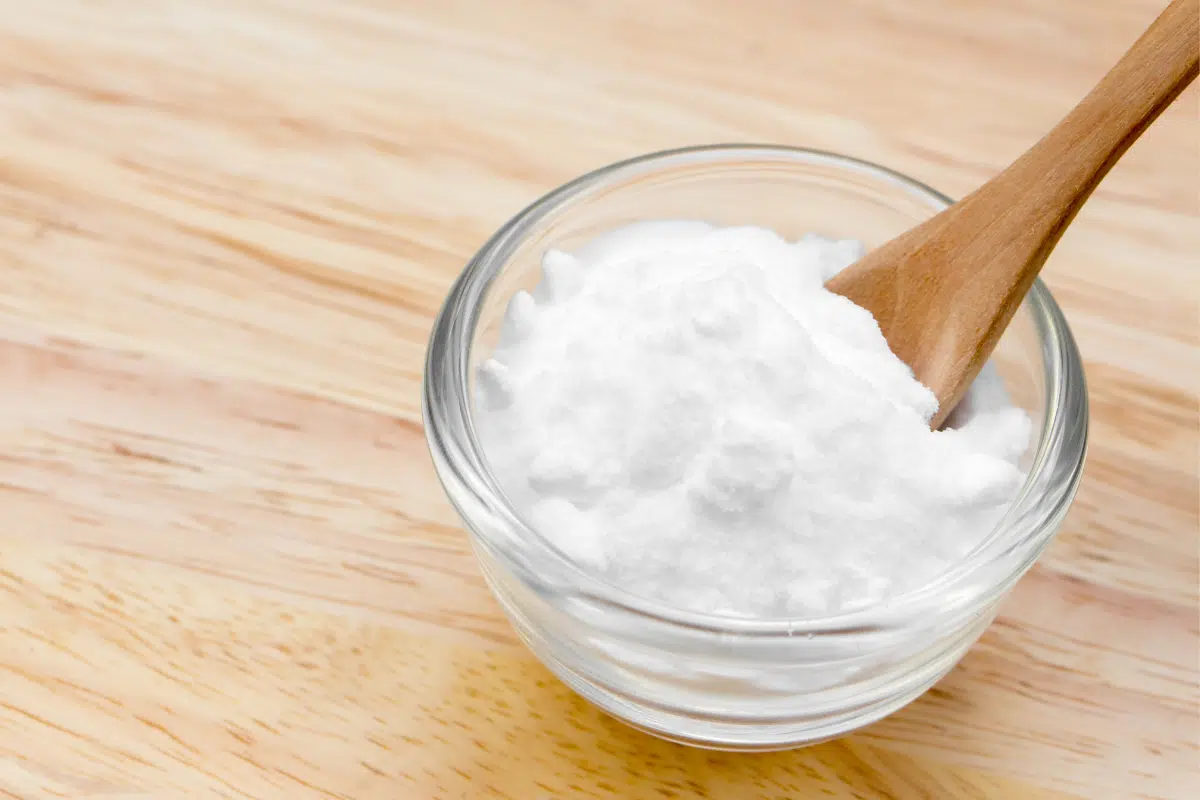
Baking powder loses its leavening power over time, so expired powder can make cakes and muffins flat. Test it by adding a teaspoon to hot water—if it bubbles, it’s still good.
Olive Oil
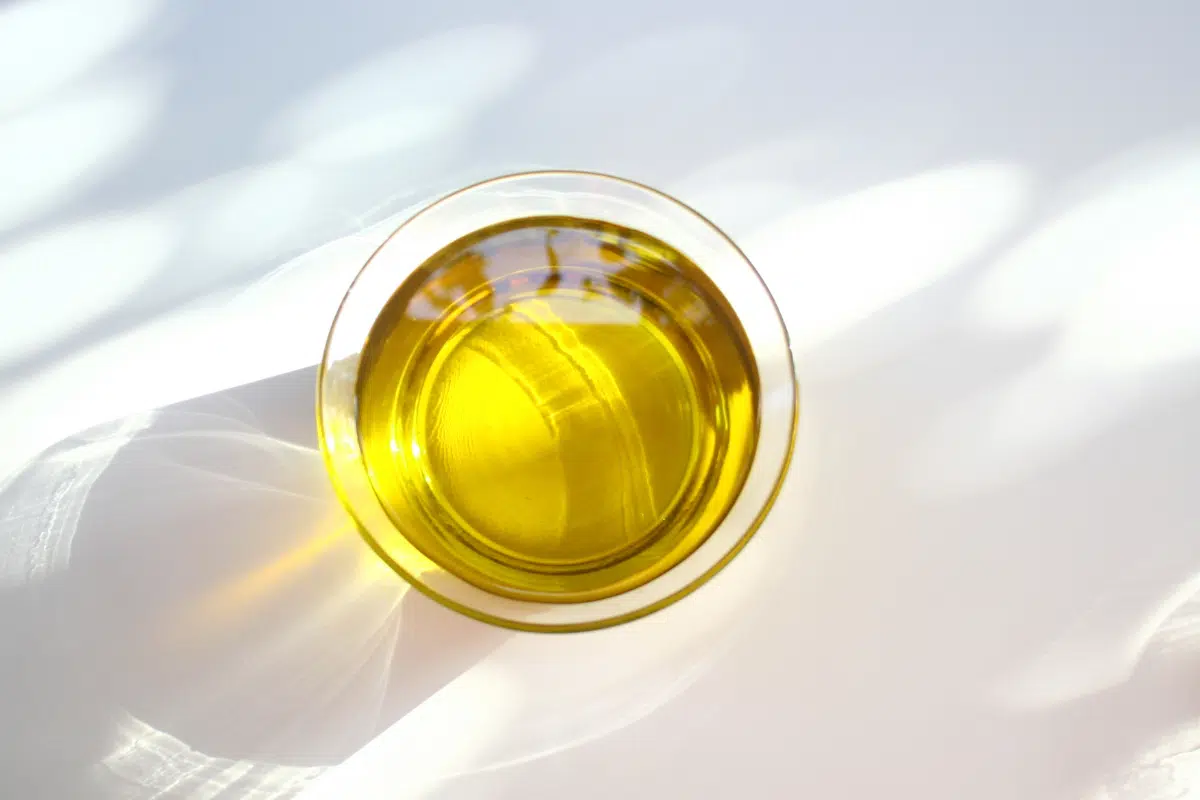
Olive oil can go rancid, developing off-flavors. Store in a cool, dark place and check the smell before using.
Spices and Herbs

Ground spices lose potency after 1–2 years, while whole spices last a bit longer. Expired spices won’t make you sick, but they won’t flavor your food properly.
Soy Sauce

Even though it’s salty and preserved, soy sauce can lose flavor and quality over time. Check the bottle for expiration to ensure optimal taste.
Nut Butters
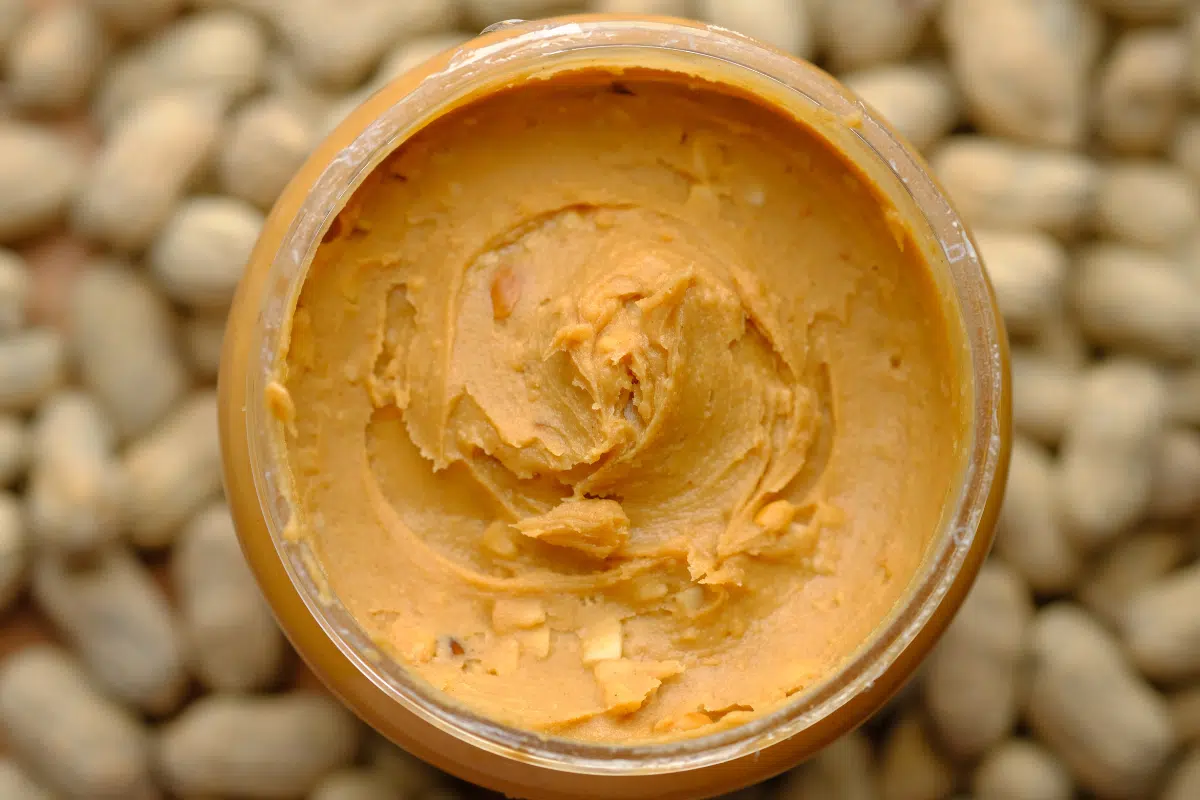
Natural peanut or almond butter can separate and spoil faster than expected. Check for off smells or mold before using.
Brown Sugar
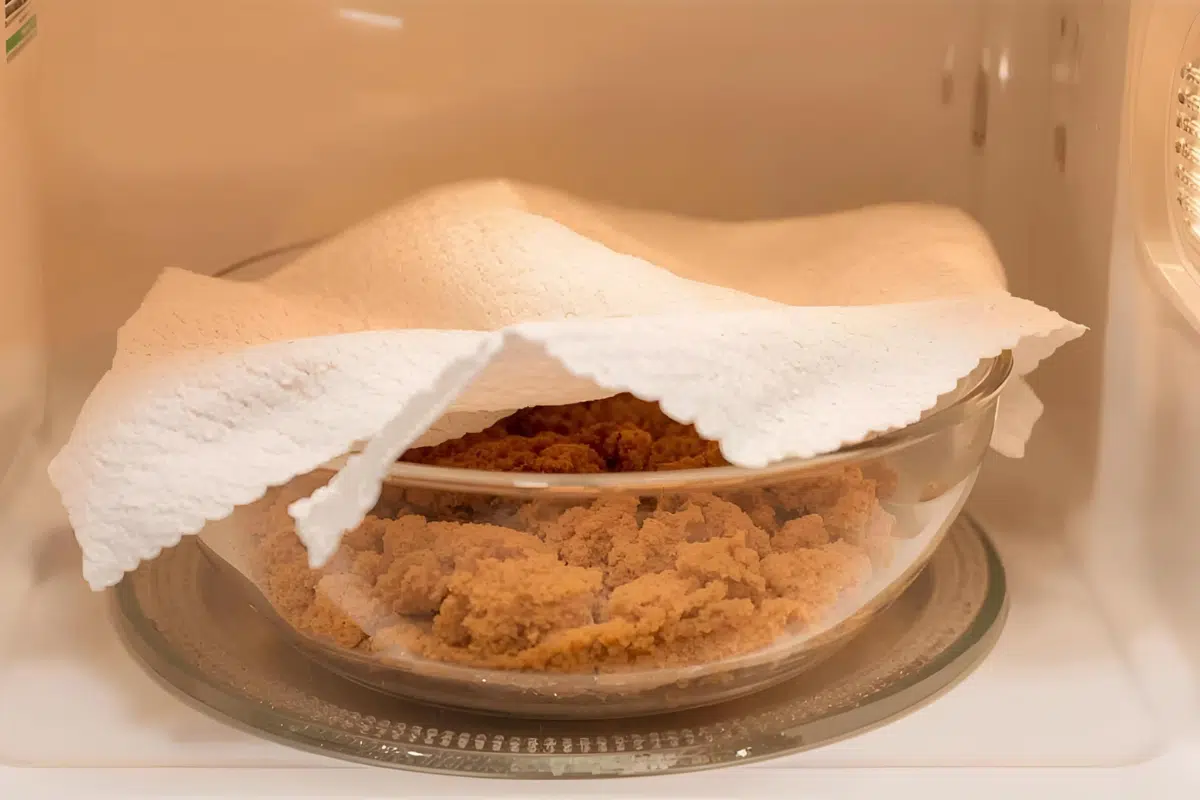
Brown sugar can harden and lose moisture. While it’s technically still safe, its texture can make it hard to measure and mix.
Condiments (Ketchup, Mustard, BBQ Sauce)
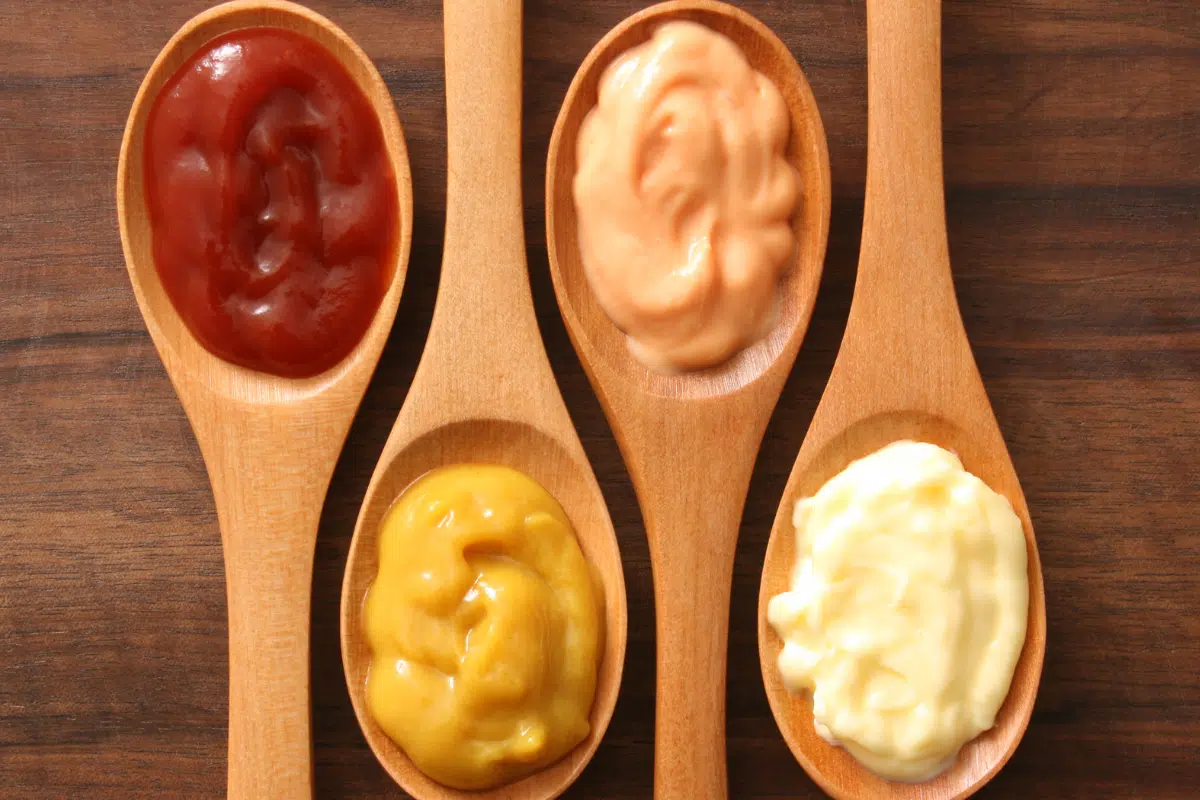
These shelf-stable sauces can last months past their printed date if unopened, but once opened, they may spoil faster than you think. Watch for color changes, off smells, or mold.
This post may contain affiliate links or sponsored content. Disclosure Policy