8 Foods That May Support a Better Night’s Sleep
A consistent bedtime routine, a comfortable sleep environment, and limiting screen time before bed are some of the best ways to improve sleep. But your diet can also play a supporting role. Certain foods contain nutrients like magnesium, melatonin, tryptophan, and antioxidants that have been studied for their potential to promote relaxation and support healthy sleep. While no single food is a cure for insomnia, adding these nutrient-rich options to an overall healthy lifestyle may help you enjoy more restful nights.
Almonds
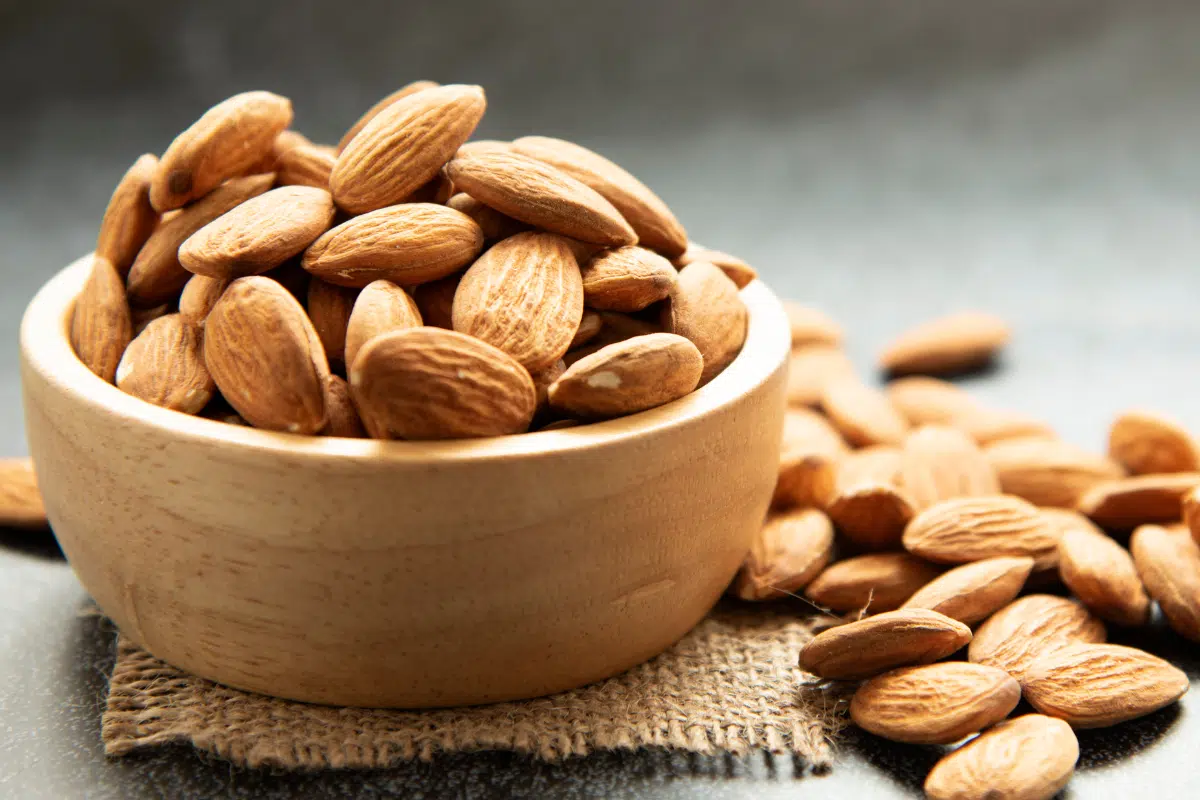
Almonds are an excellent source of magnesium, a mineral that plays an important role in muscle relaxation and normal nerve function. Magnesium also helps regulate the body’s sleep-wake cycle and supports the production of melatonin, the hormone that signals it’s time to sleep. A small handful of unsalted almonds makes a satisfying evening snack without being overly heavy. They’re also rich in healthy fats and protein, which can help keep you feeling full until morning.
Kiwi
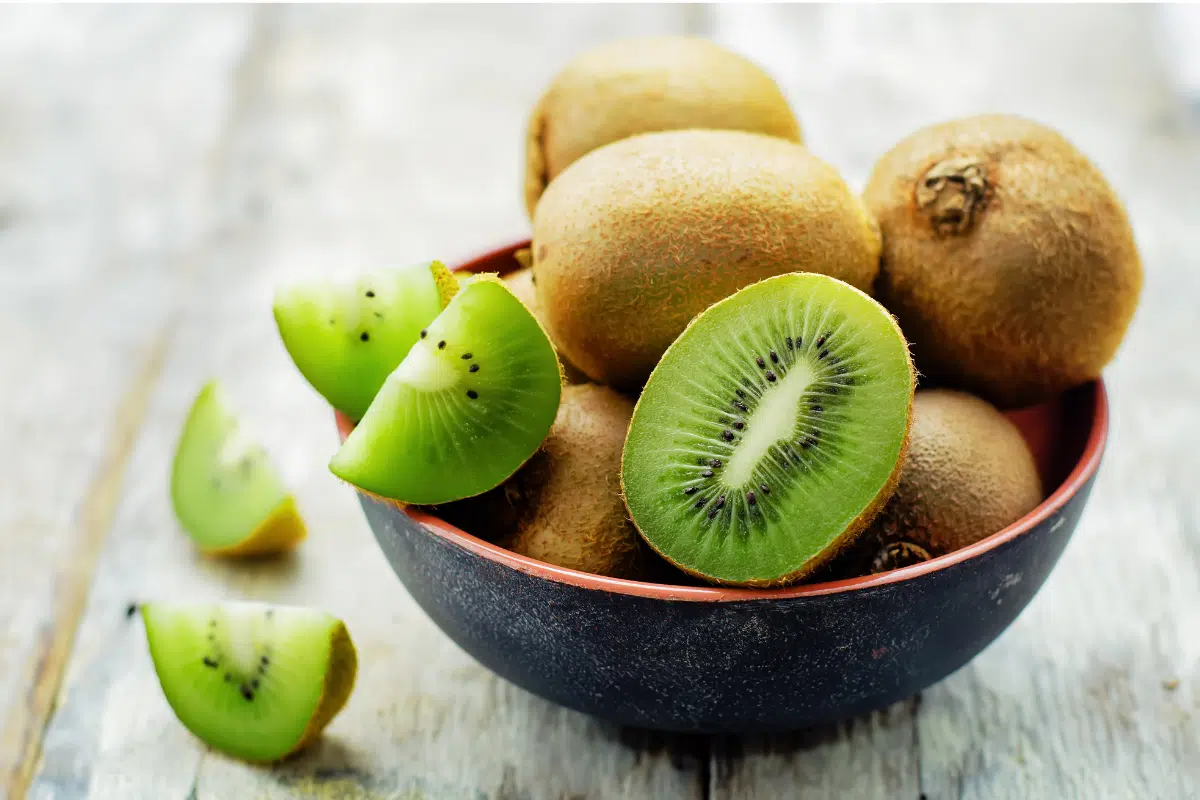
Kiwi has become one of the most researched fruits when it comes to sleep. Several small studies have found that eating one or two kiwis about an hour before bedtime may help some people fall asleep faster and improve overall sleep quality. Researchers believe its combination of antioxidants, serotonin, and vitamins may contribute to these benefits. While more research is still needed, kiwi is a nutritious addition to an evening snack.
Turkey

Turkey is well known for containing tryptophan, an amino acid the body uses to produce both serotonin and melatonin. Although turkey alone isn’t likely to make you instantly sleepy, including it as part of a balanced evening meal may support your body’s natural sleep processes. Pairing turkey with complex carbohydrates, such as whole-grain crackers or brown rice, may help improve the availability of tryptophan to the brain. It’s also an excellent source of high-quality protein.
Chamomile Tea

A warm cup of chamomile tea has long been a favorite bedtime ritual for people looking to relax. Chamomile contains an antioxidant called apigenin, which is thought to interact with receptors in the brain involved in promoting calmness and sleepiness. Since it’s naturally caffeine-free, it’s a good alternative to coffee or black tea in the evening. Many people also find that the simple act of sipping a warm beverage helps them unwind before bed.
Bananas
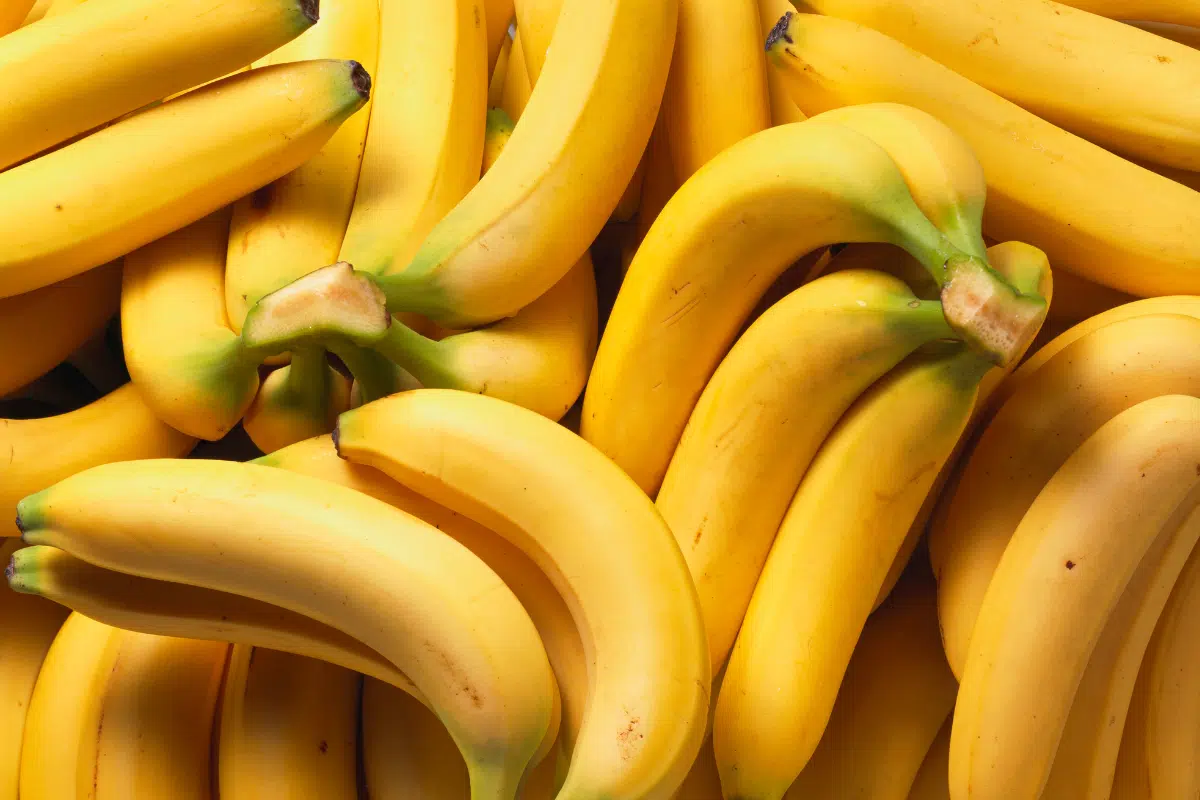
Bananas provide magnesium and potassium, two minerals that help support normal muscle function and relaxation. They also contain vitamin B6, which helps the body produce melatonin and serotonin. Their natural carbohydrates make them an easy-to-digest bedtime snack, especially when paired with a source of protein such as peanut butter or Greek yogurt. Together, they can provide a satisfying combination that may help prevent late-night hunger.
Oatmeal
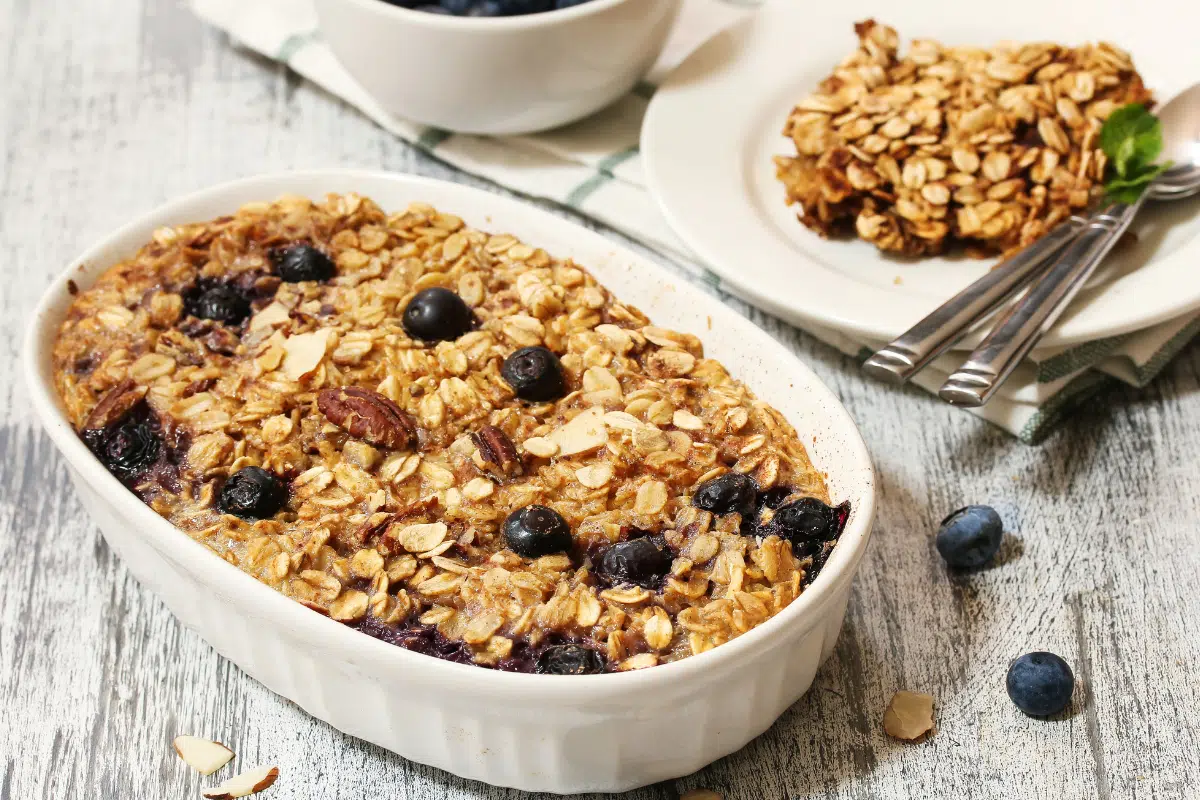
Oatmeal isn’t just a breakfast staple—it can also make a comforting evening snack. Oats contain complex carbohydrates that may help support the body’s natural production of serotonin while also providing small amounts of melatonin. Because they digest more slowly than sugary snacks, oatmeal can help provide steady energy without causing dramatic spikes in blood sugar. For extra nutrition, top it with sliced bananas, walnuts, or a sprinkle of cinnamon.
Walnuts
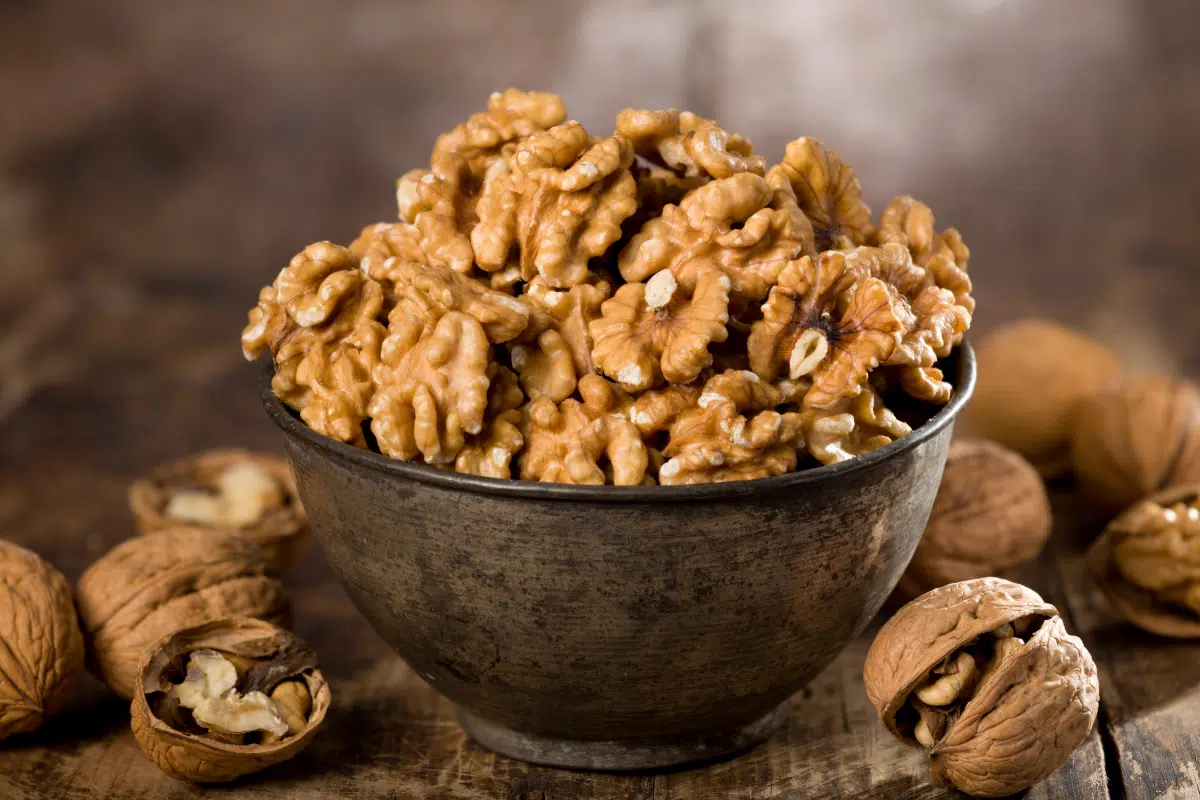
Walnuts naturally contain melatonin along with heart-healthy omega-3 fatty acids and magnesium. Some research suggests that regularly eating walnuts may help support healthy sleep patterns, although more studies are needed. They’re also rich in antioxidants and other nutrients that benefit overall health. A small serving makes an easy evening snack on its own or mixed into oatmeal or yogurt.
Tart Cherries
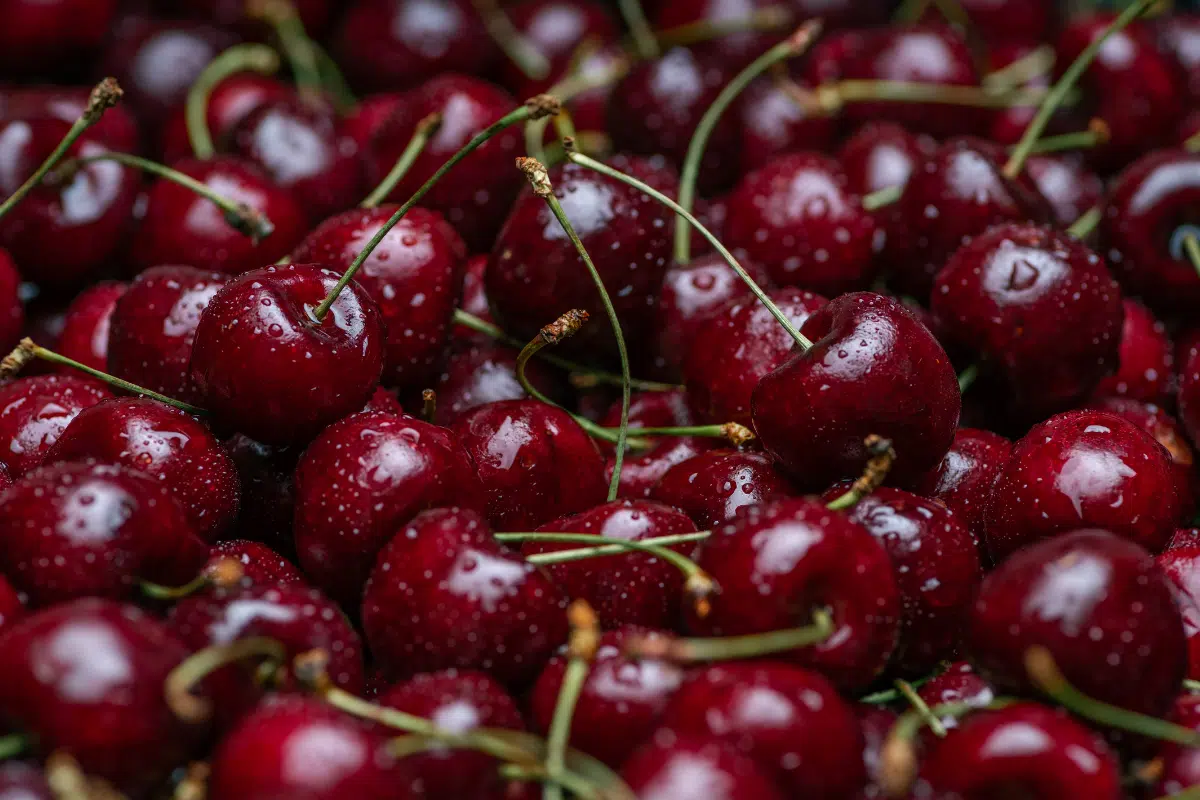
Tart cherries and 100% tart cherry juice are among the few natural food sources of melatonin. Research has found that drinking tart cherry juice may modestly improve sleep duration and sleep quality for some adults. Tart cherries also contain antioxidants that may help reduce inflammation throughout the body. If you’re choosing juice, look for varieties without added sugar and enjoy them in moderation as part of a balanced diet.
This post may contain affiliate links or sponsored content. Disclosure Policy